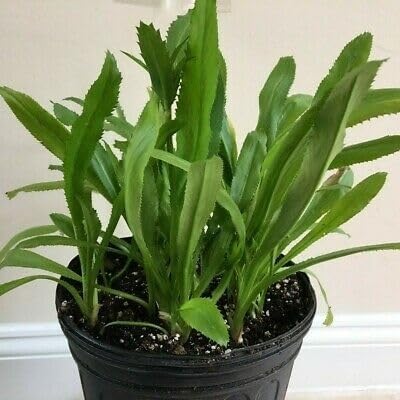
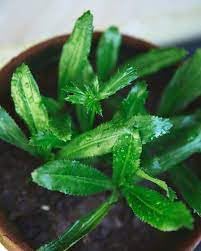
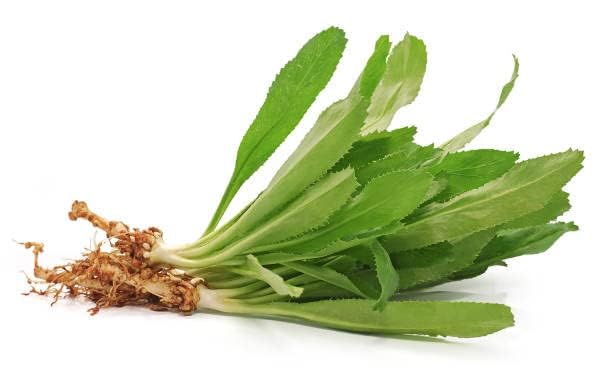
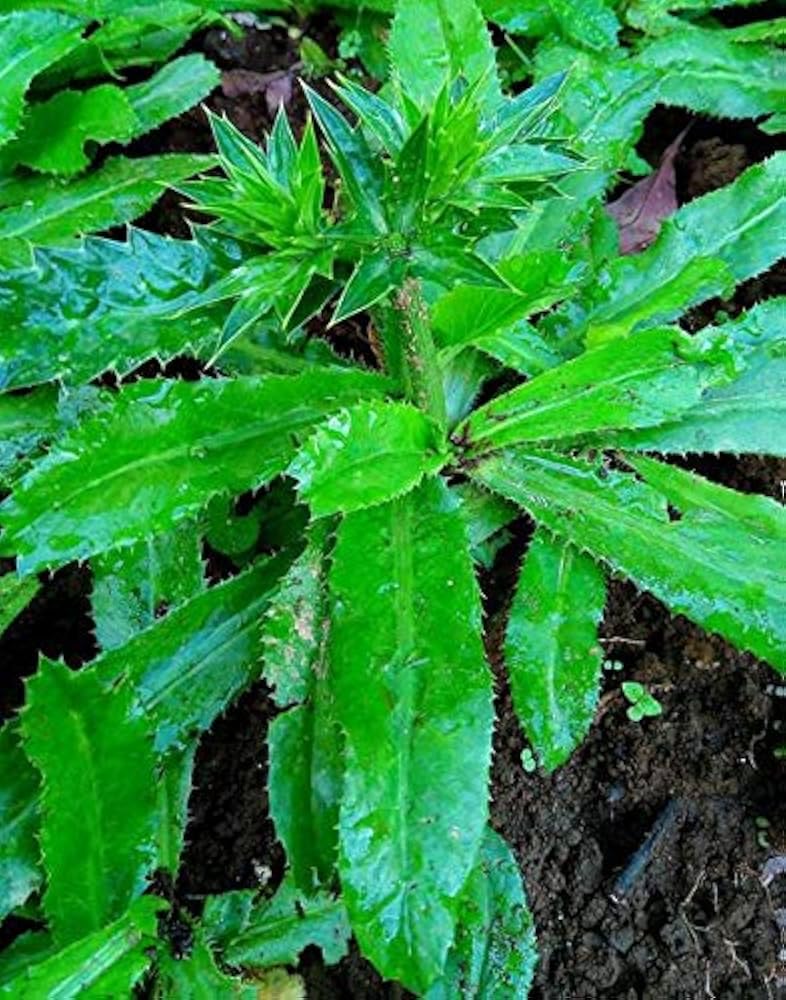
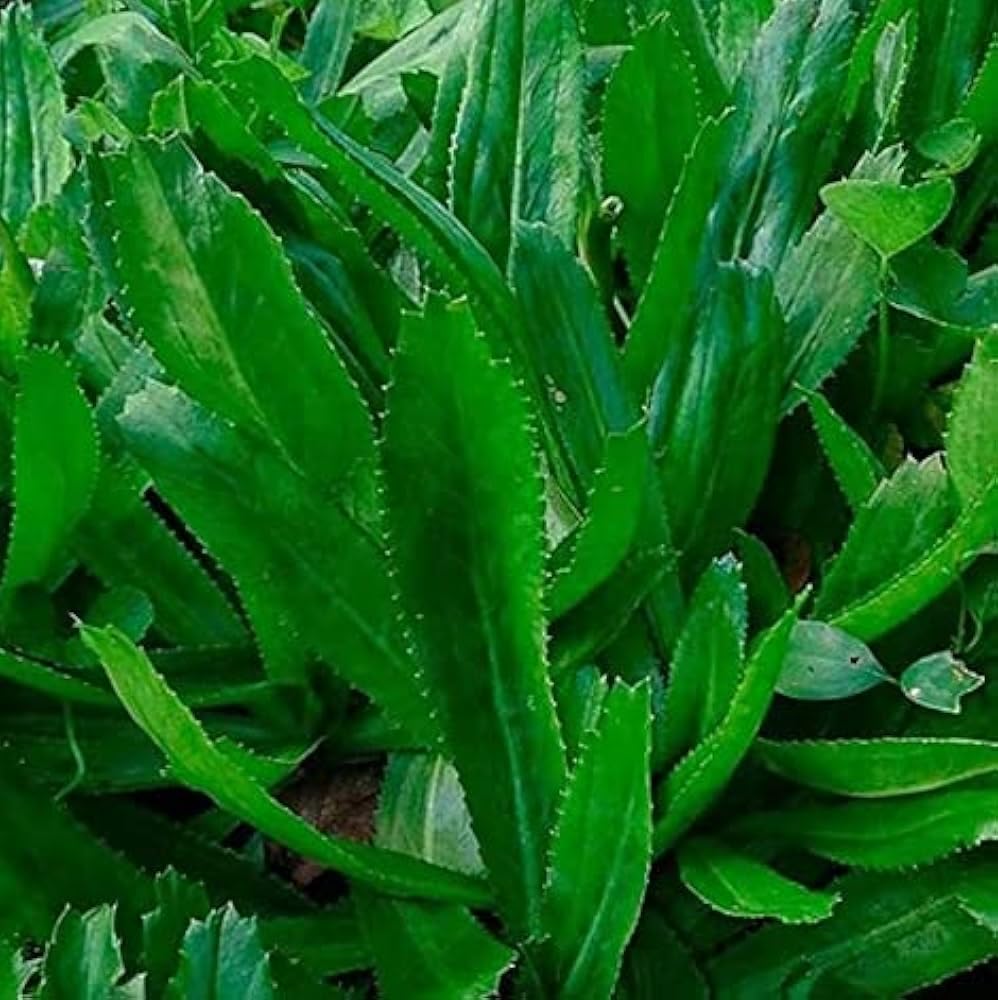
American Dhuniya Live Plant (Culantro Live Plant)
Bring the distinctive aroma and flavour of Culantro, popularly sold in India as American Dhaniya, Bilaiti Dhaniya or Jangli Dhaniya, to your home garden with this live herb plant from Krisikart.
Culantro is botanically known as Eryngium foetidum L. and belongs to the Apiaceae family, the same plant family that includes coriander, parsley, carrot and other familiar culinary herbs. Unlike regular coriander (Coriandrum sativum), Culantro develops a low-growing rosette of long, firm, aromatic leaves.
It is especially valued as a fresh culinary herb for flavouring soups, curries, chutneys, sauces, rice dishes, marinades and other recipes. Culantro is also well suited to warm and humid growing conditions and can be an interesting alternative to coriander during warmer weather.
🌱 About the Plant
Culantro (Eryngium foetidum) is a tropical aromatic herb originally native to tropical America and now cultivated or introduced in many tropical regions, including parts of India. Kew records it as a biennial species and places it in the wet tropical biome.
In India, it is particularly associated with northeastern and southern regions and is also recorded from Odisha and other areas. Indian botanical records list common names including Jangli Dhaniya, Kataki Dhaniya and Bilaiti Dhaniya.
Culantro is sometimes called Mexican coriander, long coriander, Puerto Rican coriander or spiny coriander, but it is botanically different from ordinary coriander.
🌿 Plant Characteristics
- Common Name: American Dhaniya, Culantro, Long Coriander
- Indian/Common Names: Jangli Dhaniya, Kataki Dhaniya, Bilaiti Dhaniya
- Botanical Name: Eryngium foetidum L.
- Family: Apiaceae
- Plant Type: Aromatic culinary herb
- Growth Habit: Low-growing leafy rosette
- Primary Use: Fresh culinary leaves
- Climate: Tropical and warm-humid conditions
- Suitable For: Home garden, kitchen garden, pots and shaded terrace gardens
- Pack: 1 live plant
🍃 Leaves & Aroma
The most useful part of Culantro is its long, green, aromatic leaves.
The leaves have a flavour and fragrance reminiscent of coriander but are generally stronger and more pronounced. Culantro’s long leaves also make the plant visually different from ordinary coriander.
Fresh leaves can be harvested individually while allowing younger leaves in the centre of the plant to continue developing.
🍲 Culinary Uses
Culantro is primarily grown as a culinary herb.
Fresh leaves can be chopped and used in:
- Curries and gravies
- Soups and stews
- Chutneys and sauces
- Rice dishes
- Marinades
- Salsa and similar preparations
- Garnishing
- Seasoning and flavouring
It is an established culinary herb in Caribbean, Central American and other tropical cuisines, and Indian research also describes Eryngium foetidum as a leafy spice used for garnishing, marinating, flavouring and seasoning.
☀️ Sunlight Requirements
Culantro generally performs well in bright light with partial shade, particularly when the goal is to produce healthy, tender leaves.
For Indian home gardens:
- Provide bright indirect or filtered sunlight.
- Morning sunlight is generally suitable.
- Protect the plant from harsh afternoon summer sun.
- A balcony receiving filtered light can work well.
- A shade-net environment can be particularly suitable in hot regions.
Indian research has found that Culantro performs well under shaded conditions, while excessive light and long-day conditions can encourage flowering and reduce the quality of leaf production.
💧 Watering Requirements
Culantro appreciates consistent moisture, especially in warm weather.
However, the plant should not be left standing in stagnant water for prolonged periods when grown in a container.
Recommended approach:
- Check the upper layer of the potting medium regularly.
- Water when the surface begins to dry.
- Keep the soil evenly moist during hot weather.
- Reduce watering slightly during cool or rainy periods.
- Always ensure excess water can drain from the pot.
Culantro naturally occurs in moist environments and is particularly suited to warm, humid growing conditions.
🪴 Soil & Potting
Use a moisture-retentive but well-drained potting mix.
A practical home-garden mixture can include:
- Garden soil
- Well-decomposed compost or vermicompost
- Cocopeat
- A small amount of coarse material such as sand or perlite for drainage
The exact ratio does not need to be rigid. The important goal is to provide the plant with organic matter, moisture retention and adequate drainage.
Research from India has also investigated Culantro production in pots and urban growing systems, including cultivation under shade-net conditions.
🌱 Fertilizer & Nutrition
Because the leaves are the main harvest, maintaining healthy vegetative growth is important.
You can use:
- Well-decomposed compost
- Vermicompost
- A mild balanced fertilizer when required
- Organic liquid feed at suitable intervals
Avoid excessive fertilizer application. Overfeeding is unnecessary for a small home-garden herb.
🌼 Flowering & Plant Development
Culantro can eventually produce flowering structures, particularly when environmental conditions encourage flowering.
For gardeners mainly interested in leaves, maintaining suitable moisture and partial shade can help support vegetative growth.
Indian studies have reported that shaded conditions can encourage larger, greener leaves and delay flowering compared with high-light conditions.
Once the plant begins flowering, leaf production and texture can change. Regular harvesting of mature leaves can therefore be useful when growing Culantro primarily as a kitchen herb.
🏡 Home Garden Suitability
American Dhaniya/Culantro is an interesting choice for gardeners who want something different from conventional coriander.
It is suitable for:
- Kitchen gardens
- Balcony gardens
- Terrace gardens
- Small backyard gardens
- Container gardening
- Shaded home gardens
- Urban herb gardens
It is particularly interesting for warm Indian climates, where ordinary coriander can become difficult to maintain during hotter periods. Culantro is better adapted to warm conditions than cool-season coriander and is commonly grown as a warm-weather alternative.
🪴 Container & Terrace Gardening
Culantro can be grown successfully in containers, making this Pack of 1 live plant convenient for home gardeners.
Choose a container with:
- Adequate drainage holes
- Enough depth for healthy root development
- Moisture-retentive potting medium
- A location with filtered or partial sunlight
For hot Indian terraces, placing the plant where it receives morning light and afternoon protection can be beneficial.
Indian research has specifically explored Culantro cultivation in urban spaces and shaded terraces using container/pro-tray systems.
✂️ Harvesting & Maintenance
Culantro can be harvested gradually rather than removing the entire plant.
For regular kitchen use:
- Select mature outer leaves.
- Cut or remove them close to the base.
- Leave younger central leaves intact.
- Continue providing moisture and light.
- Harvest regularly as the plant produces new foliage.
This approach allows you to enjoy fresh leaves while encouraging continued vegetative growth.
🌿 Space Requirement
Culantro is a relatively compact herb and does not require the large growing space needed by fruit trees or large ornamental plants.
A medium-sized container or dedicated section of a kitchen garden can be sufficient for home cultivation.
If growing multiple plants, provide enough space around each plant for air circulation and easy harvesting.
🇮🇳 Growing Culantro in India
Culantro has an established presence in parts of India, particularly in Northeastern India, southern states and some eastern regions. Indian Flora records Eryngium foetidum from areas including Karnataka, Kerala, Odisha and Uttar Pradesh.
For Indian home gardeners, the most important considerations are:
- Warm conditions
- Regular moisture
- Humidity
- Partial shade or filtered light
- Rich organic soil
- Good drainage
During very hot summer weather, protect the plant from intense afternoon sunlight.
During the monsoon, avoid keeping a container in a location where rainwater continuously accumulates around the roots.
🚚 Live Plant Delivery & Natural Variation
This listing is for 1 live Culantro plant intended for planting in a home garden.
As this is a living plant, its height, leaf count, leaf size and overall appearance may vary depending on the season, nursery growth stage and natural plant development.
Some leaf movement, slight bending or temporary stress can occur during transportation. After planting, provide suitable moisture, light and a suitable growing medium to help the plant establish.
First delivery by Blue Dart Air/express courier is intended where the service is available for the destination PIN code. Courier availability can vary according to location and service conditions.
⚠️ Important Note
The name “American Dhaniya” is a common/market name. This listing refers specifically to Culantro, Eryngium foetidum L., and not to ordinary coriander (Coriandrum sativum). The two plants belong to the same family but are different species and have different appearances.
Plant appearance can also change naturally with age, growing conditions, sunlight and season.
⭐ Why Choose American Dhaniya (Culantro)?
- 🌿 Distinctive aromatic culinary herb
- 🍃 Long green leaves with strong coriander-like flavour
- 🪴 Suitable for container and kitchen gardening
- ☀️ Well suited to warm and humid conditions
- 🌱 Suitable for partial-shade home gardens
- 🇮🇳 Can be grown in suitable Indian climates
- 🍲 Useful for curries, chutneys, soups, sauces and seasoning
- 🏡 A good choice for gardeners looking for an alternative to regular coriander
- 📦 Pack of 1 live plant for planting
🔬 Botanical Information
Botanical Name: Eryngium foetidum L.
Family: Apiaceae
Genus: Eryngium
Plant Type: Aromatic herb
Common Names: Culantro, Long Coriander, Mexican Coriander, American Dhaniya
Indian/Regional Names: Jangli Dhaniya, Kataki Dhaniya, Bilaiti Dhaniya
Primary Use: Culinary herb
Native Range: Mexico to Tropical America
Growing Environment: Warm, humid and moist tropical conditions
📚 Botanical Information & Further Reading
- Kew – Plants of the World Online: Eryngium foetidum
- India Flora Online – Eryngium foetidum
- University of Florida IFAS – Culantro
- UF/IFAS Extension – Culantro Fact Sheet
- Journal of Applied Horticulture – Spiny coriander research
- Sikkim University – Culantro pot cultivation research




















Reviews
There are no reviews yet.