 Plastic Plant pot | Plastic Garden Pot for Plants
 Self Watering Planters | Self Watering Plant Pots For Plants
Red Chandan Tree / Red Sandalwood Tree – Live Plant (Pterocarpus santalinus)
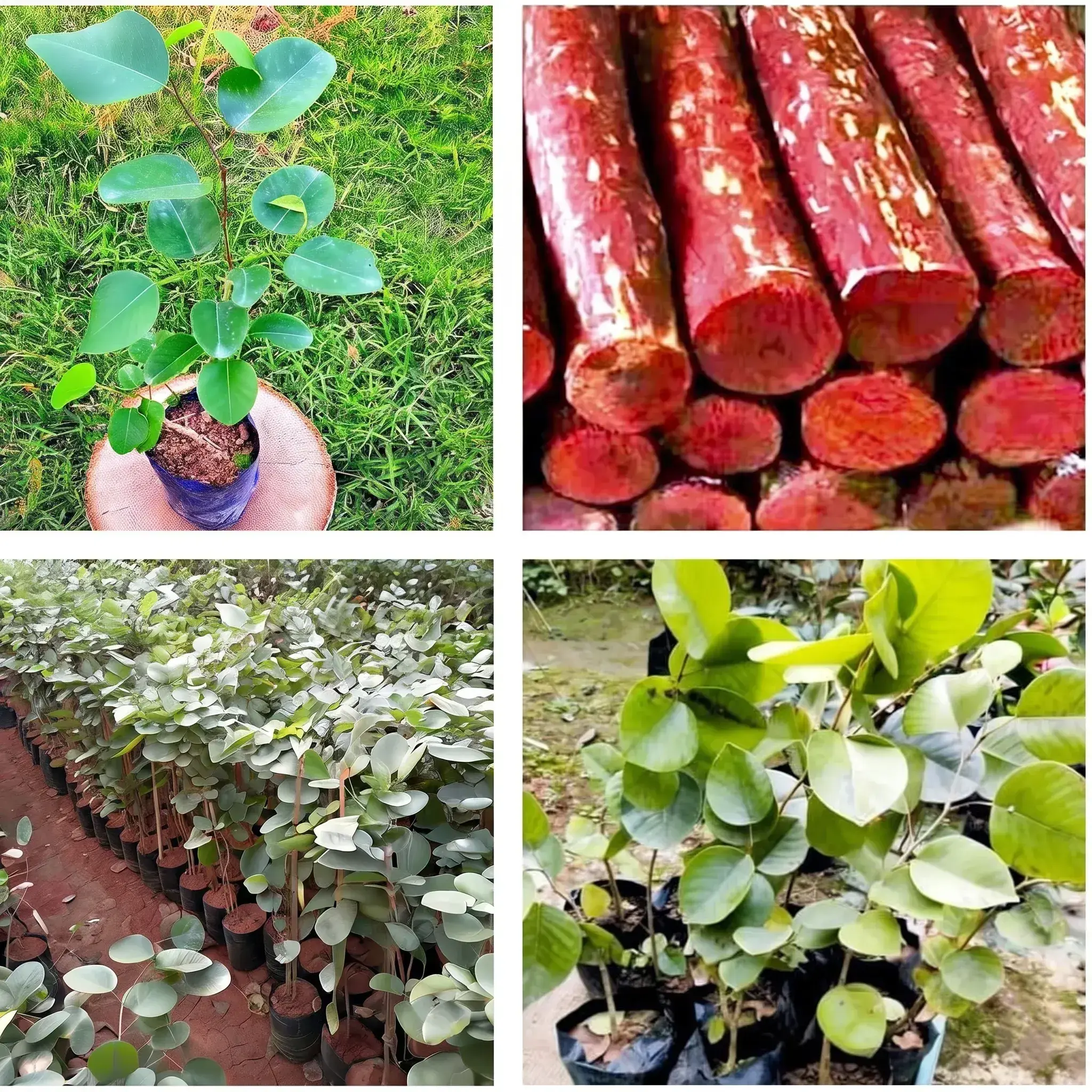
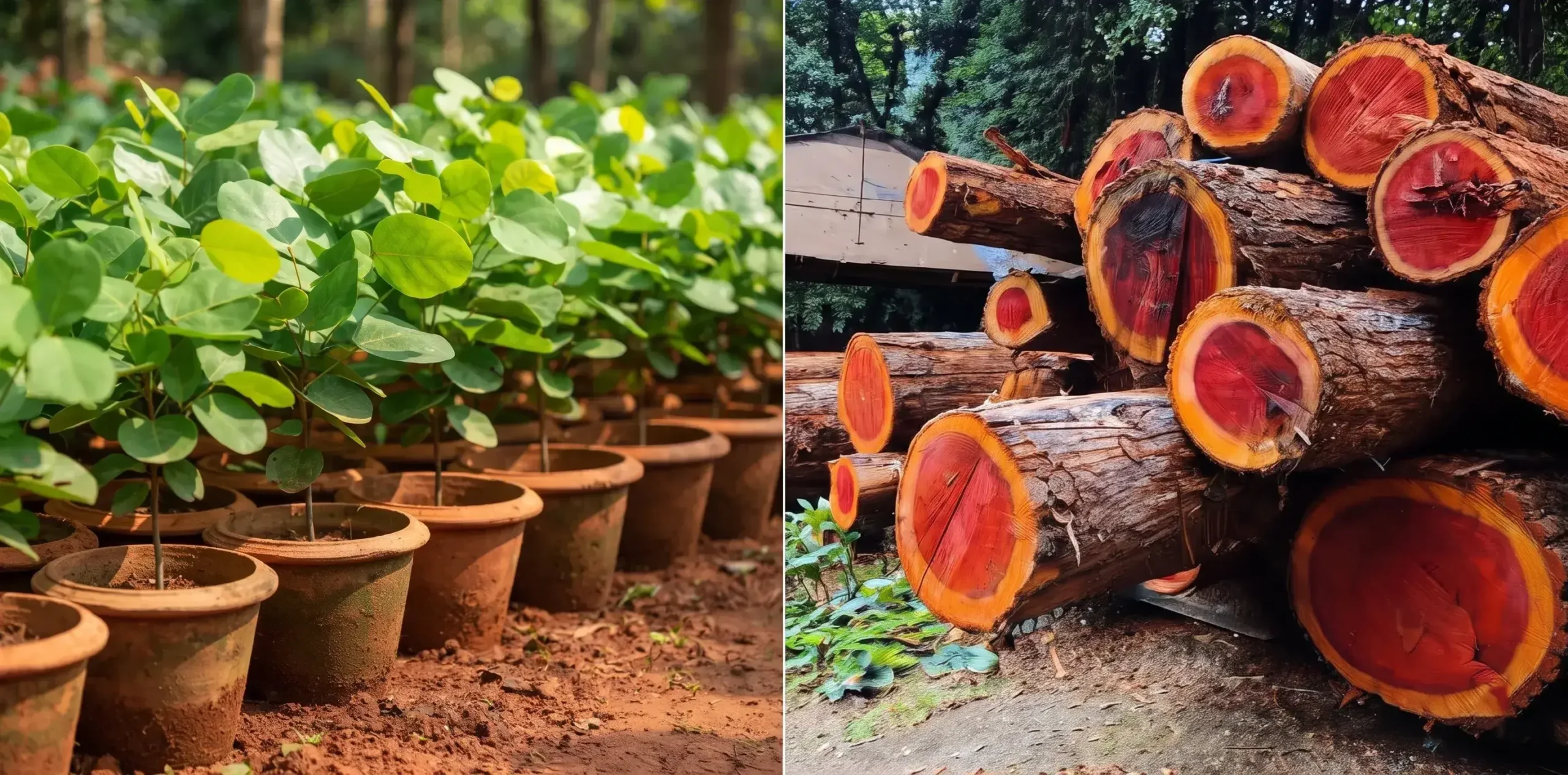
The Red Chandan Tree / Red Sandalwood Tree (Pterocarpus santalinus). Also known as Red Sanders, Lal Chandan, Rakt Chandan and Red Sandalwood, this attractive tree is valued for its distinctive reddish heartwood and its importance in Indian botanical and forestry heritage.
The accepted botanical name is Pterocarpus santalinus L.f., belonging to the Fabaceae (legume) family. Kew records the species as native to southern India and describes it as a tree associated primarily with seasonally dry tropical conditions.
This live plant can be grown as a young container plant on a sunny balcony, terrace or home garden. However, because it is a tree rather than a naturally dwarf balcony plant, it should eventually be given adequate growing space as it develops.
🌿 About the Red Chandan Tree
Red Chandan is a remarkable Indian tree species commonly known internationally as Red Sanders or Red Sandalwood. It is botanically different from true aromatic sandalwood, which belongs to the genus Santalum.
The scientific name of this plant is:
- Botanical Name: Pterocarpus santalinus L.f.
- Common Names: Red Chandan, Red Sandalwood, Red Sanders, Red Sanders Tree
- Indian Names: Lal Chandan, Rakt Chandan
- Family: Fabaceae
- Plant Type: Woody perennial tree
- Native Range: Southern India
- Growing Habit: Tree
- Suitable For: Home gardens, sunny terraces, large containers and suitable outdoor spaces
Kew’s Plants of the World Online recognizes Pterocarpus santalinus as the accepted botanical name.
🍃 Plant Characteristics
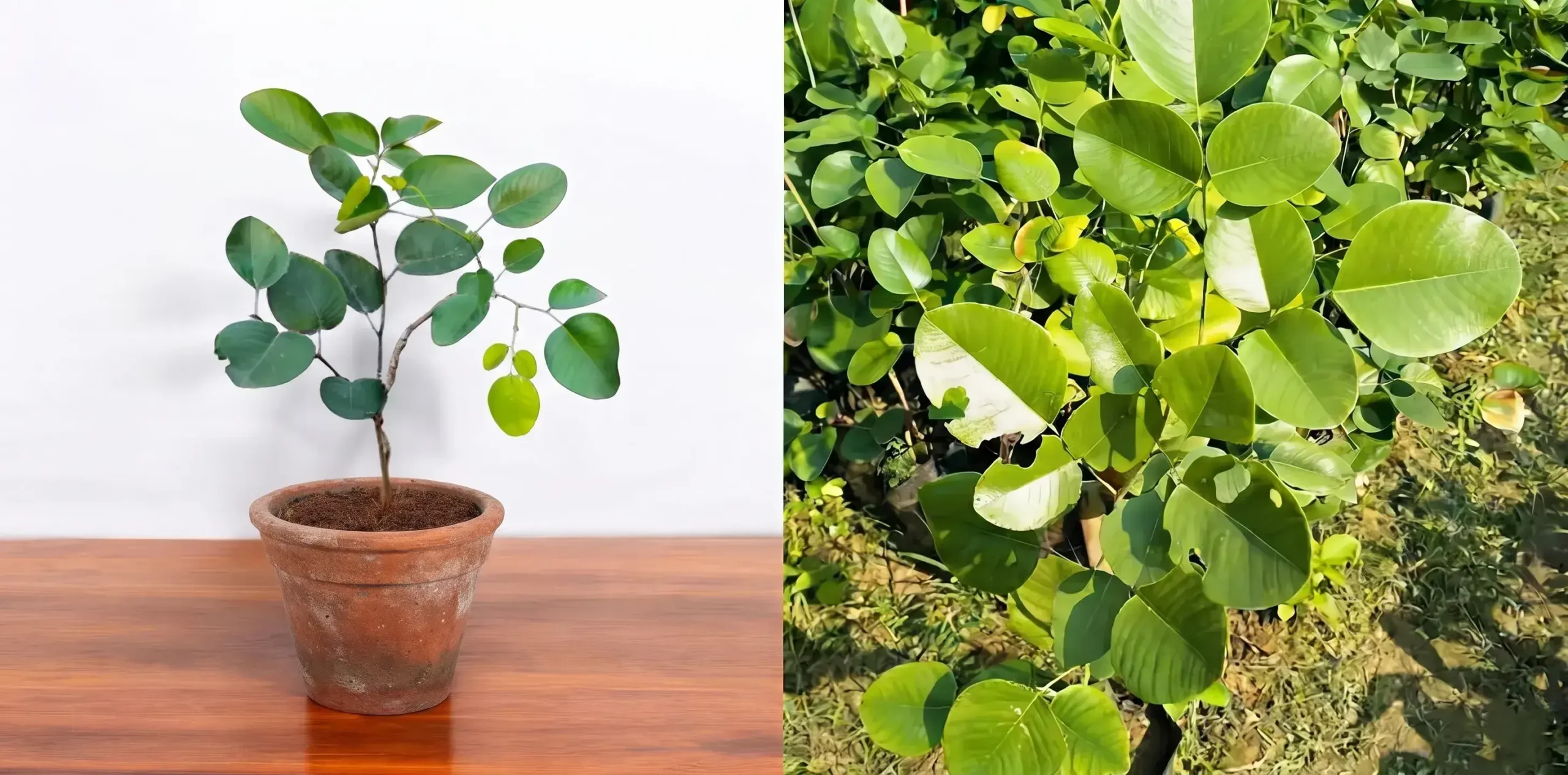
The Red Chandan Tree develops a woody trunk and branching crown as it matures. Young nursery plants are generally compact enough to be maintained in a suitable container for a period of time.
The species is associated with seasonally dry tropical environments and is naturally adapted to warm conditions. It is also described as a light-demanding tree, making good sunlight particularly important for healthy development.
Its foliage gives the plant an attractive green appearance and makes it interesting as a specimen tree for gardeners who enjoy growing unusual and culturally significant Indian tree species.
☀️ Sunlight Requirements
Red Chandan is a sun-loving tree and should receive plenty of direct sunlight.
For container cultivation:
- Place the pot where the plant receives several hours of direct sunlight.
- A south-, east- or west-facing outdoor location can be suitable when conditions allow.
- Avoid keeping the plant permanently inside a dark room.
- Young plants may need gradual exposure when moved from nursery shade to strong sunlight.
- Good air circulation is helpful, particularly during humid weather.
Red Sanders is described by Indian forestry sources as a light demander and as a species that does not tolerate heavy overhead shade well.
💧 Watering Requirements
Water according to the plant’s soil and weather conditions rather than following a fixed daily schedule.
For a potted plant:
- Water thoroughly when the upper portion of the potting mix begins to dry.
- Allow excess water to drain freely through the drainage holes.
- Avoid keeping the roots continuously waterlogged.
- During hot and dry weather, monitor the container more frequently.
- During rainy or humid periods, reduce watering when the soil is already naturally moist.
A container with proper drainage is especially important because excess standing water can create root problems.
🪴 Soil & Potting
Use a well-draining, fertile but airy potting mixture for container cultivation.
A practical home-gardening mixture can contain:
- Garden soil
- Compost or well-decomposed organic matter
- Coarse sand or another drainage-improving material
- A small amount of cocopeat if additional moisture retention is required
Choose a container with adequate drainage holes.
As the plant grows, move it into a larger and more stable container when the existing pot becomes restrictive.
Because Red Chandan develops into a tree, a large, sturdy container is more appropriate for long-term terrace cultivation than a very small decorative pot.
🌱 Fertilizer & Nutrition
A young Red Chandan plant benefits from balanced nutrition during active growth.
You can use:
- Well-decomposed compost
- Vermicompost
- A balanced garden fertilizer at the recommended dose
- Organic matter incorporated into the potting mix
Avoid excessive fertilizer application. Container plants have limited root volume, so concentrated fertilizer can damage roots if applied incorrectly.
During cooler or inactive periods, feeding can generally be reduced.
🌳 Growth & Development
Red Chandan is a genuine tree species, not a naturally dwarf houseplant. Therefore, its long-term requirements should be considered before choosing a permanent balcony location.
A young plant can be maintained in a container while it is small, making it suitable for:
- Sunny balconies
- Terraces
- Home gardens
- Courtyards
- Large patio containers
- Outdoor plant collections
As the tree becomes larger, open ground or a spacious outdoor growing area is preferable.
For a small apartment balcony, it is best considered a young specimen/container plant rather than a tree that will remain permanently confined to a small pot.
🏡 Home Garden Suitability
Red Chandan can be an interesting choice for gardeners looking for a distinctive Indian tree species.
It can add:
- A woody ornamental presence
- Long-term greenery
- Botanical diversity
- An interesting specimen plant
- Educational value for children and gardening enthusiasts
- A connection to India’s native and culturally significant tree flora
It is particularly interesting for collectors who enjoy growing less-common tree species.
🏢 Balcony & Terrace Gardening
Yes, the young Red Chandan plant can be grown in a suitable container on a sunny balcony or terrace.
However, keep the following points in mind:
- Choose a strong container with good drainage.
- Make sure the balcony receives sufficient direct sunlight.
- Keep the pot stable and protected from strong winds.
- Upgrade the container as the plant develops.
- Avoid placing a growing tree where branches could interfere with electrical wires, railings or neighboring structures.
- Consider the eventual size of the plant before keeping it permanently on a small balcony.
For apartment gardeners, a spacious terrace is generally more practical than a narrow balcony for long-term container cultivation.
✂️ Pruning & Maintenance
Light pruning can be used to remove:
- Dead branches
- Damaged shoots
- Weak or crossing growth
- Unwanted low branches
Young container-grown plants can be trained carefully to develop a balanced structure.
Avoid aggressive pruning simply to keep a naturally growing tree extremely small. If permanent compact growth is required, a naturally dwarf plant would generally be more suitable than a tree species such as Red Chandan.
🌦️ Indian Climate
Pterocarpus santalinus is native to southern India and is associated with seasonally dry tropical conditions.
For Indian home gardeners, it can therefore be an interesting outdoor tree for warm climates.
In regions experiencing heavy monsoon rainfall, container drainage becomes especially important. During periods of prolonged rain, avoid allowing the pot to remain submerged or continuously waterlogged.
In cooler northern or high-altitude regions, growth conditions may differ considerably from its natural environment.
🌱 Propagation & Planting
Red Chandan can be propagated through botanical propagation methods, but for home gardeners, purchasing a healthy nursery-raised live plant is usually much easier than starting a tree from seed.
When planting the supplied live plant:
- Select a sunny outdoor location.
- Prepare a suitable well-draining container.
- Carefully remove the plant from its nursery container.
- Place the root ball at approximately the same depth at which it was growing.
- Fill around the root ball with suitable potting mix.
- Water thoroughly after planting.
- Keep the plant protected from extreme stress while it establishes.
- Gradually provide strong direct sunlight if it was previously grown under shade.
⚠️ Important Red Chandan Conservation & Legal Note
Red Chandan/Red Sanders is a conservation-significant tree species. Kew records Pterocarpus santalinus as threatened, and CITES documentation identifies the species as Endangered and listed under CITES Appendix II.
The Government of India also regulates the movement and export of Red Sanders. Current Indian rules concerning felling, timber movement and export can depend on the applicable state regulations and documentation. For example, the Ministry of Environment, Forest and Climate Change states that felling and transit requirements for trees can vary between states.
This product is offered as a live planting plant. Growing a live plant should not be interpreted as permission to cut, harvest, transport or commercially trade its wood. Customers should check their applicable State Forest Department rules before any future felling, timber movement or commercial use.
Do not purchase this plant based on claims of guaranteed future timber value, guaranteed returns or guaranteed wood yield.
🚚 Live Plant Delivery & Natural Variation
This product is supplied as a live Red Chandan plant suitable for planting.
Because live plants are living biological products:
- Plant height may vary according to available stock.
- Leaf number and branching can naturally differ.
- Minor leaf marks or temporary leaf drop can occur during transportation.
- Plants may look slightly different from the product photographs.
- Seasonal changes can affect foliage and appearance.
- The plant may require a short establishment period after delivery.
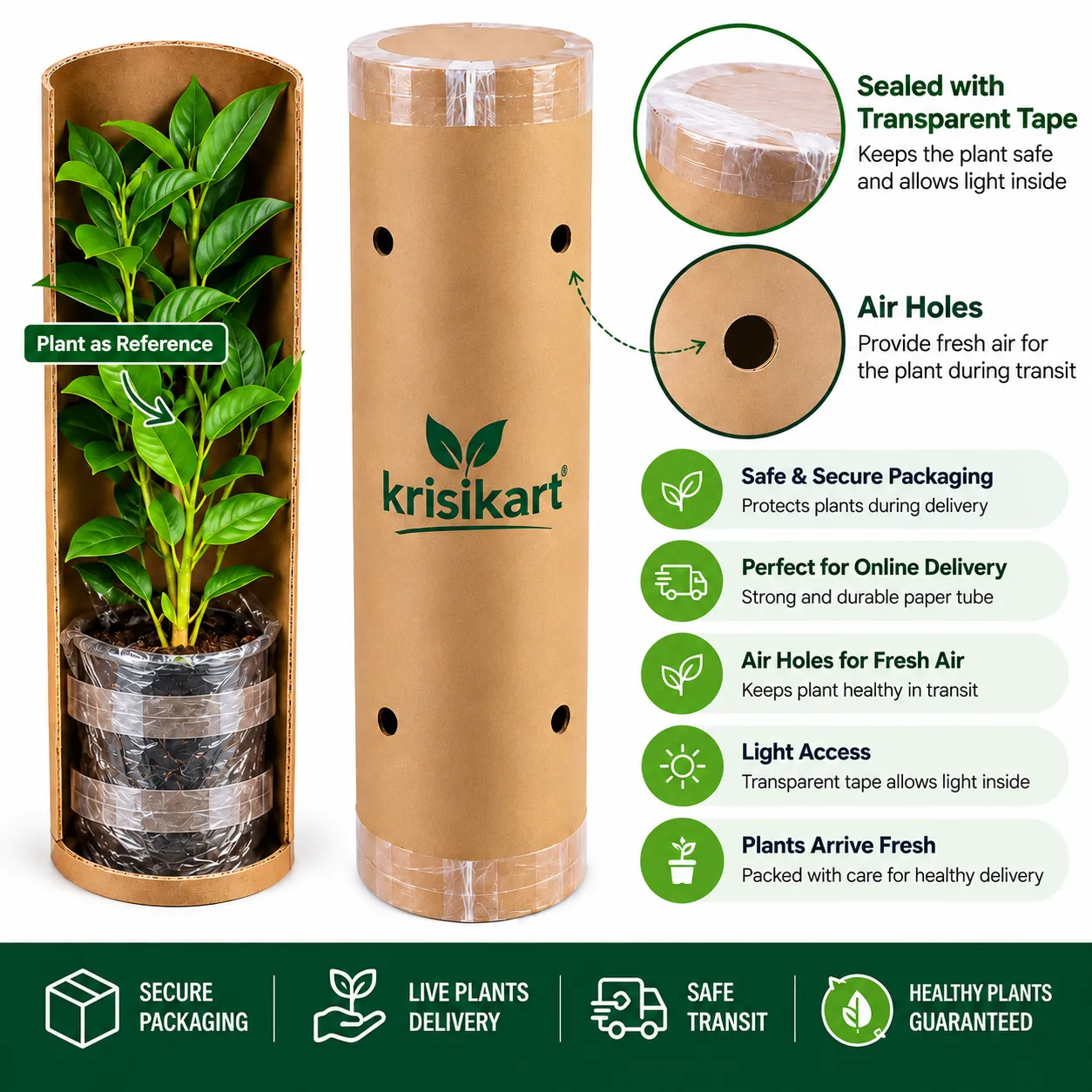
For eligible serviceable locations, first delivery is planned through Blue Dart Air/express courier to reduce transit time where the service is available.
After receiving the plant, carefully unpack it, place it in a suitable bright outdoor location and provide appropriate water and care.
📌 Important Note
The common name “Red Sandalwood” can sometimes cause confusion with true sandalwood species.
This listing specifically refers to:
Red Chandan / Red Sanders = Pterocarpus santalinus L.f.
It is not the same botanical species as Indian sandalwood (Santalum album). Kew places Pterocarpus santalinus in the Fabaceae family, while Santalum album belongs to the Santalaceae family.
🌿 Why Choose Red Chandan for Your Garden?
- 🌳 Distinctive Indian tree species
- 🍃 Attractive green foliage
- ☀️ Suitable for sunny outdoor locations
- 🪴 Can be maintained as a young container plant
- 🏡 Interesting for home gardens and terrace gardens
- 🌱 Suitable for plant collectors and gardening enthusiasts
- 🇮🇳 Native to southern India
- 📚 Excellent educational plant for learning about Indian tree species
- 🌿 A distinctive addition to a diverse home plant collection
🔬 Botanical Information
| Feature | Information |
|---|---|
| Botanical Name | Pterocarpus santalinus L.f. |
| Common Name | Red Chandan / Red Sandalwood / Red Sanders |
| Indian Names | Lal Chandan, Rakt Chandan |
| Family | Fabaceae |
| Plant Type | Tree |
| Native Range | Southern India |
| Natural Environment | Seasonally dry tropical regions |
| Light Requirement | Full sun / bright direct sunlight |
| Container Growing | Suitable while young with an appropriately large container |
| Garden Use | Specimen tree, home garden, terrace/large container cultivation |
📚 Botanical Information & Further Reading
- Kew – Plants of the World Online: Pterocarpus santalinus
- Kew – General information for Pterocarpus santalinus
- CITES – NDF information for Red Sanders
- ICFRE – Pterocarpus santalinus species information
- Government of India – Red Sanders export policy notification
Grow this remarkable Indian tree responsibly, provide plenty of sunlight and space, and enjoy watching your Red Chandan plant develop from a young nursery plant into a distinctive outdoor specimen.


Mukesh Kumar –
Plants were bigger than I expected.
Very good experience with Krisikart.