 Plastic Plant pot | Plastic Garden Pot for Plants
 Self Watering Planters | Self Watering Plant Pots For Plants
Sandpaper Vine Plant | Petrea Volubilis – Purple Wreath Flowering Climber
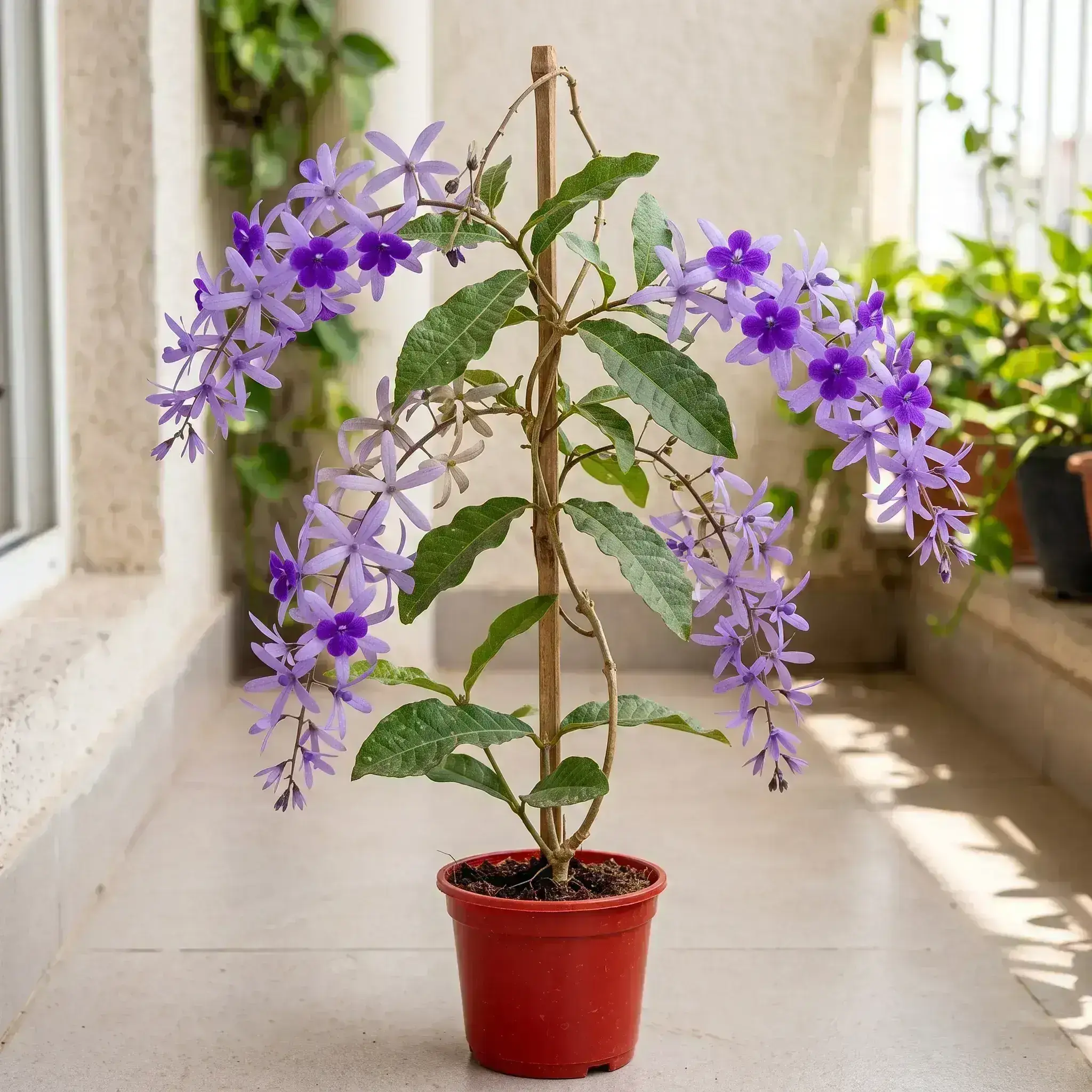
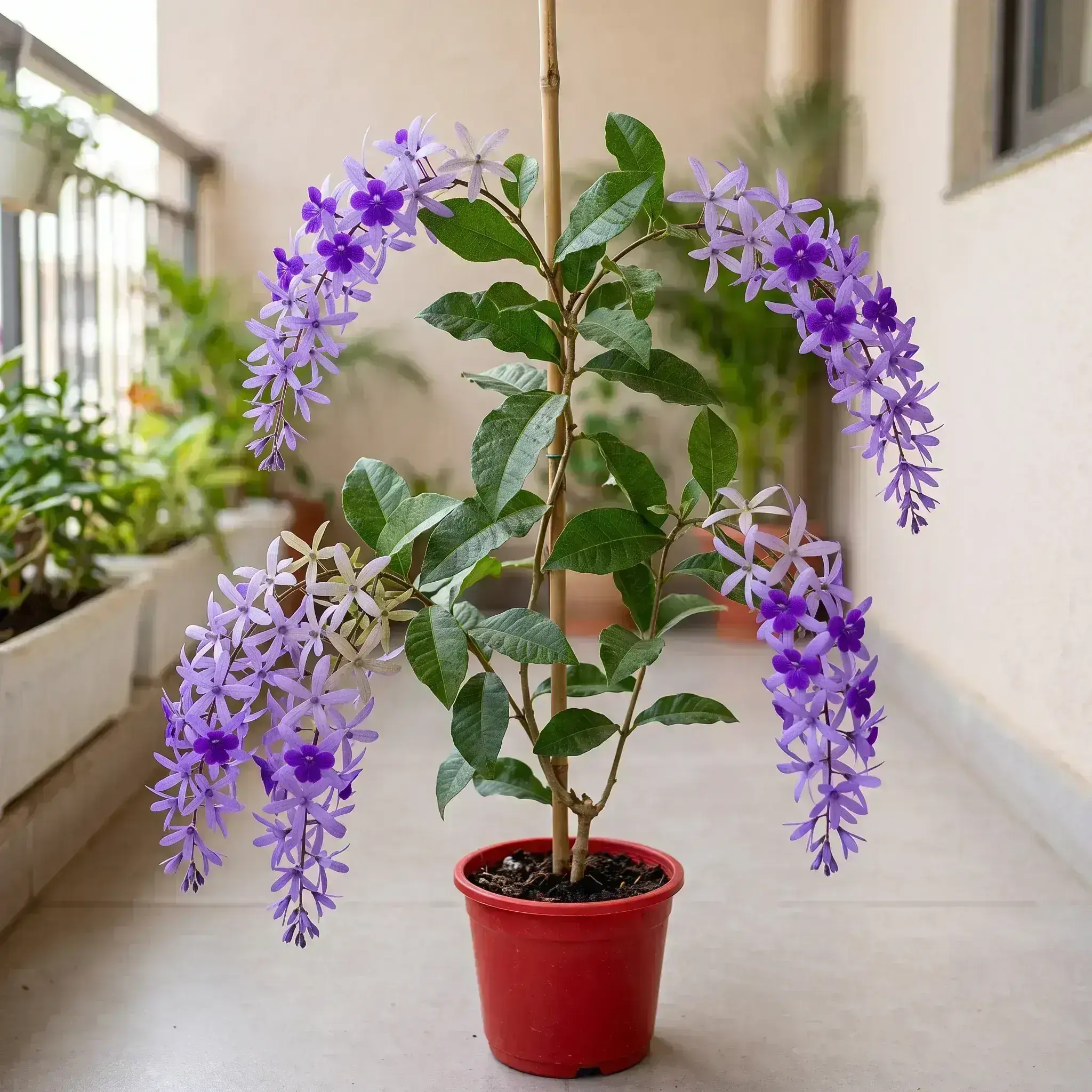
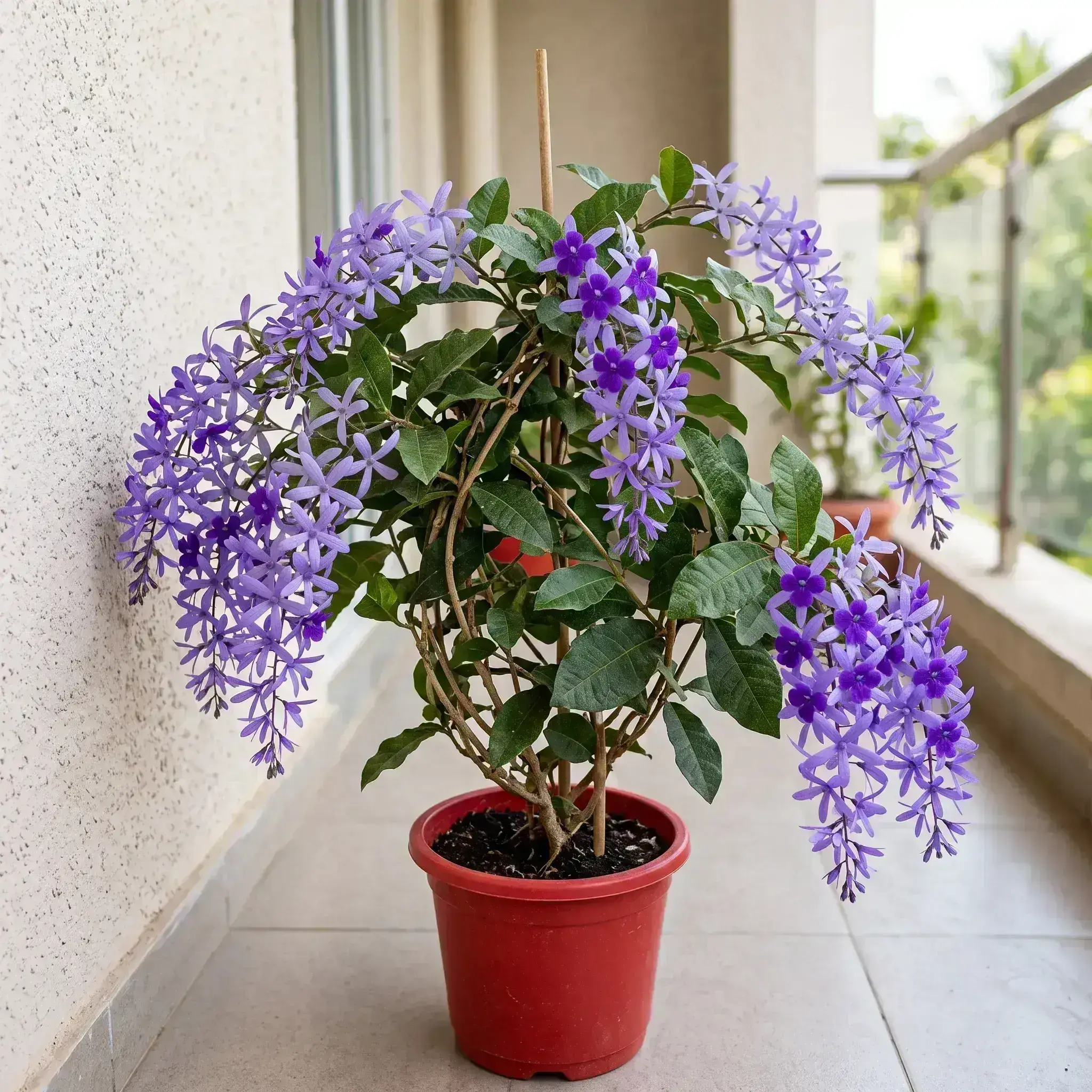
The Sandpaper Vine Plant (Petrea volubilis), also known as Petrea, Purple Wreath, Queen’s Wreath and Nilmonilata. This attractive tropical flowering climber is admired for its long, cascading clusters of violet, lavender and purple star-shaped flowers.
The plant gets its unusual name, Sandpaper Vine, from its rough-textured leaves, which feel similar to sandpaper. Its woody climbing stems and graceful hanging flower clusters make it an excellent choice for garden arches, pergolas, fences, trellises and vertical garden designs.
Plant Information
- Botanical Name: Petrea volubilis L.
- Family: Verbenaceae (Verbena Family)
- Common Names: Sandpaper Vine, Petrea, Purple Wreath, Queen’s Wreath, Blue Petrea, Nilmonilata
- Plant Type: Perennial woody flowering climber
- Growth Habit: Twining and climbing vine
- Foliage: Dark green, rough-textured leaves
- Flower Colour: Violet, purple, lavender and blue tones
- Flower Shape: Small star-shaped flowers arranged in long hanging clusters
- Sunlight: Full sunlight to partial shade
- Watering: Moderate; water when the upper soil begins to dry
- Soil: Fertile, organic-rich and well-draining soil
- Best For: Home gardens, balcony gardens, pergolas, garden arches and trellises
About Sandpaper Vine (Petrea Volubilis)
Sandpaper Vine is a beautiful tropical ornamental climber belonging to the Verbenaceae family. It is native to tropical America, including Mexico, Central America and parts of South America.
The plant develops woody, twining stems and dark green leaves with a distinctive rough surface. Its most attractive feature is the long, hanging flower clusters that create a beautiful cascading effect.
An interesting botanical feature of Petrea volubilis is that its colourful display comes partly from the persistent, petal-like sepals surrounding the true flowers. The smaller, darker purple flowers fall relatively quickly, while the lavender-coloured sepals remain attached for longer, keeping the flower clusters attractive.
This makes Petrea a popular ornamental climber for tropical and subtropical gardens.
Why Is It Called Sandpaper Vine?
The name Sandpaper Vine comes from the rough texture of its leaves. The leaf surfaces feel coarse when touched, unlike the smooth leaves of many common garden climbers.
Its distinctive foliage, combined with its beautiful purple flower clusters, makes it an interesting foliage and flowering plant.
Key Features of Petrea Volubilis
- Beautiful Purple Flowers: Produces attractive violet, lavender and blue-toned floral displays.
- Cascading Flower Clusters: Long hanging racemes create an elegant garden appearance.
- Unique Rough Leaves: Dark green leaves have a sandpaper-like texture.
- Woody Climbing Habit: Can be trained along garden arches, pergolas and trellises.
- Tropical Ornamental Plant: Suitable for warm Indian growing conditions.
- Butterfly-Friendly Flowers: Its nectar-bearing flowers can attract butterflies and other pollinators.
Sunlight Requirements
Petrea volubilis performs best in full sunlight but can also tolerate partial shade.
For healthy growth and flowering:
- Choose a bright outdoor location.
- Provide around 5–6 hours or more of direct sunlight where possible.
- Light afternoon shade can help protect young plants during extreme summer heat.
- Avoid keeping the plant in deep shade for extended periods.
- Gradually acclimatise young plants before placing them in strong sunlight.
Adequate sunlight generally encourages stronger growth and a better flowering display.
Watering Requirements
Sandpaper Vine prefers moderate watering and well-drained soil.
Follow these watering guidelines:
- Water when the upper layer of soil begins to dry.
- Water thoroughly but allow excess water to drain.
- Avoid keeping the roots continuously wet.
- Increase watering frequency during hot, dry weather when necessary.
- Reduce watering during the monsoon if the soil remains moist.
Established plants can tolerate some dry periods, but prolonged dryness may affect foliage and flowering.
Soil and Potting Requirements
Petrea volubilis grows best in fertile, organic-rich and well-draining soil.
A suitable home-garden potting mixture can contain:
- Garden soil
- Well-decomposed compost
- Cocopeat in a moderate quantity
- Coarse sand or perlite for improved drainage
Choose a container with drainage holes if growing the plant in a pot. Avoid heavy soil that remains waterlogged for long periods.
Fertilizer Requirements
Regular but moderate feeding can support healthy growth and flowering.
- Add mature compost during active growth.
- Use a balanced flowering-plant fertilizer according to the label.
- Avoid excessive nitrogen fertilizer, which may encourage foliage growth at the expense of flowers.
- Reduce feeding during periods of slow growth.
Growth Habit and Climbing Support
Sandpaper Vine is a vigorous woody climber that can spread across suitable supporting structures.
You can train it along:
- Garden trellises
- Pergolas and arches
- Balcony garden frames
- Fences and garden structures
- Strong wooden or metal supports
Guide young stems along the support structure and prune unwanted or damaged branches when necessary.
Without support, it can also be maintained as a spreading or shrub-like plant with suitable pruning.
Flowering Season
Petrea volubilis is especially admired for its long, hanging clusters of violet, lavender and purple flowers.
Flowering periods vary depending on climate, plant maturity, sunlight and growing conditions. In warm climates, the plant may flower more than once during the year.
For better flowering:
- Provide adequate sunlight.
- Avoid excessive nitrogen fertilizer.
- Maintain suitable soil moisture.
- Prune lightly after flowering when needed.
- Allow young plants sufficient time to establish.
The colourful calyxes remain attractive after the smaller true flowers fall. Flowering frequency and intensity are not guaranteed throughout the year.
Can Sandpaper Vine Grow in a Pot?
Yes. Petrea volubilis can be grown in a large container with suitable drainage and climbing support.
For successful container gardening:
- Select a large pot with drainage holes.
- Fill it with fertile, well-draining potting soil.
- Place the pot in a bright outdoor location.
- Install a trellis or support for climbing stems.
- Water according to soil moisture.
- Prune excessive growth to maintain the desired shape.
A large container is preferable because the plant develops woody stems and can become a substantial climber.
Seasonal Care in India
Summer Care
- Provide full sunlight or light afternoon shade.
- Check soil moisture regularly.
- Water when the upper soil begins to dry.
- Protect young plants from sudden extreme heat.
Monsoon Care
- Ensure proper drainage.
- Avoid prolonged waterlogging.
- Maintain good airflow around the foliage.
- Remove damaged or overcrowded branches when necessary.
Winter Care
- Keep the plant in a bright location.
- Reduce watering when growth slows.
- Protect young plants from unusually cold conditions and frost.
- Avoid excessive fertilizer during slow growth.
Petrea is suitable for warm Indian climates, including many parts of West Bengal, when provided with adequate sunlight and well-drained soil.
Common Growing Problems
Poor Flowering: May result from insufficient sunlight, excessive nitrogen fertilizer or an immature plant.
Yellowing Leaves: Can be caused by overwatering, poor drainage or environmental stress.
Dry or Drooping Leaves: May indicate insufficient water, excessive heat or root problems.
Slow Growth: Check sunlight, soil quality, drainage and available climbing support.
Pests: Inspect the plant for scale insects, mealybugs and spider mites. Maintain airflow and remove affected growth when necessary.
Live Plant Delivery and Natural Variation
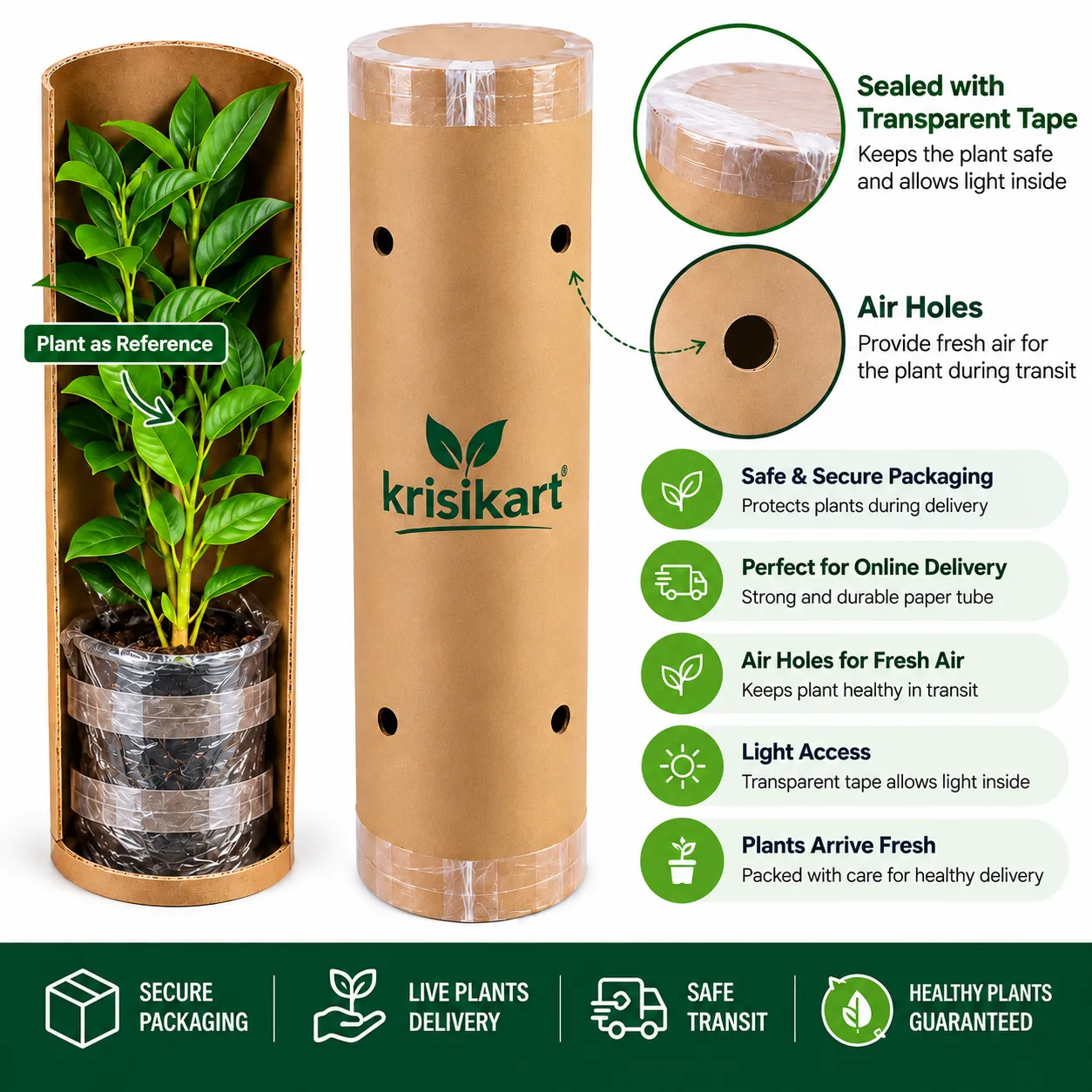
This listing is for a live Sandpaper Vine (Petrea volubilis) flowering climber.
Natural differences in plant height, stem length, branching, leaf size and overall appearance are normal. Flowering plants may also look different depending on their seasonal growing stage.
After delivery:
- Carefully unpack the plant.
- Place it in bright filtered light initially.
- Check the soil before watering.
- Avoid immediate exposure to harsh afternoon sunlight.
- Allow the plant to acclimatise before repotting or heavy pruning.
- Provide climbing support as the plant develops.
A few yellow or fallen leaves after transportation can occur due to changes in light, temperature and humidity. New growth may develop as the plant adjusts to its new environment.
Why Choose Sandpaper Vine for Your Home Garden?
Sandpaper Vine is an excellent choice for gardeners who love tropical flowering climbers. Its unique rough-textured leaves, cascading violet flower clusters and woody climbing habit create an elegant natural display.
Grow it along a pergola, garden arch, trellis or balcony support to add a beautiful flowering feature to your home garden.
Frequently Asked Questions
1. What is the botanical name of Sandpaper Vine?
The botanical name is Petrea volubilis L. It belongs to the Verbenaceae family.
2. Is Petrea the same as Sandpaper Vine?
Yes. Petrea, Sandpaper Vine, Purple Wreath and Queen’s Wreath are common names for Petrea volubilis.
3. Why is it called Sandpaper Vine?
Its leaves have a rough surface that feels similar to sandpaper, which gives the plant its common name.
4. What colour flowers does Petrea volubilis produce?
It produces attractive violet, purple, lavender and blue-toned flower clusters. Colour intensity can vary with growing conditions.
5. Does Sandpaper Vine need a climbing support?
Yes. A trellis, pergola, fence or garden arch is useful for guiding its woody climbing stems.
6. Can Petrea volubilis grow in a pot?
Yes. It can be grown in a large container with drainage holes and a suitable climbing support.
7. Does Sandpaper Vine need direct sunlight?
It grows best in full sunlight to partial shade. Adequate sunlight generally encourages better flowering.
8. Is Sandpaper Vine suitable for Indian weather?
Yes. It is a tropical ornamental climber suitable for many warm Indian regions, including parts of West Bengal.
Botanical Information & Further Reading
- Royal Botanic Gardens, Kew – Petrea volubilis
- North Carolina State University Extension – Sandpaper Vine
- National Parks Board Singapore – Petrea volubilis
- University of Florida IFAS – Queen’s Wreath
- Cambridge University Botanic Garden – Petrea volubilis
- James Cook University – Petrea volubilis
- Botanical Survey of India – Flora of Hazaribagh District
For More Information
Visit: krisikart.com
For Contact Visit:Contact Us
For Shopping Visit: Shop Page


Reviews
There are no reviews yet.