 Plastic Plant pot | Plastic Garden Pot for Plants
 Self Watering Planters | Self Watering Plant Pots For Plants
Norfolk Island Pine Plant – Christmas Tree Plant (Araucaria heterophylla)
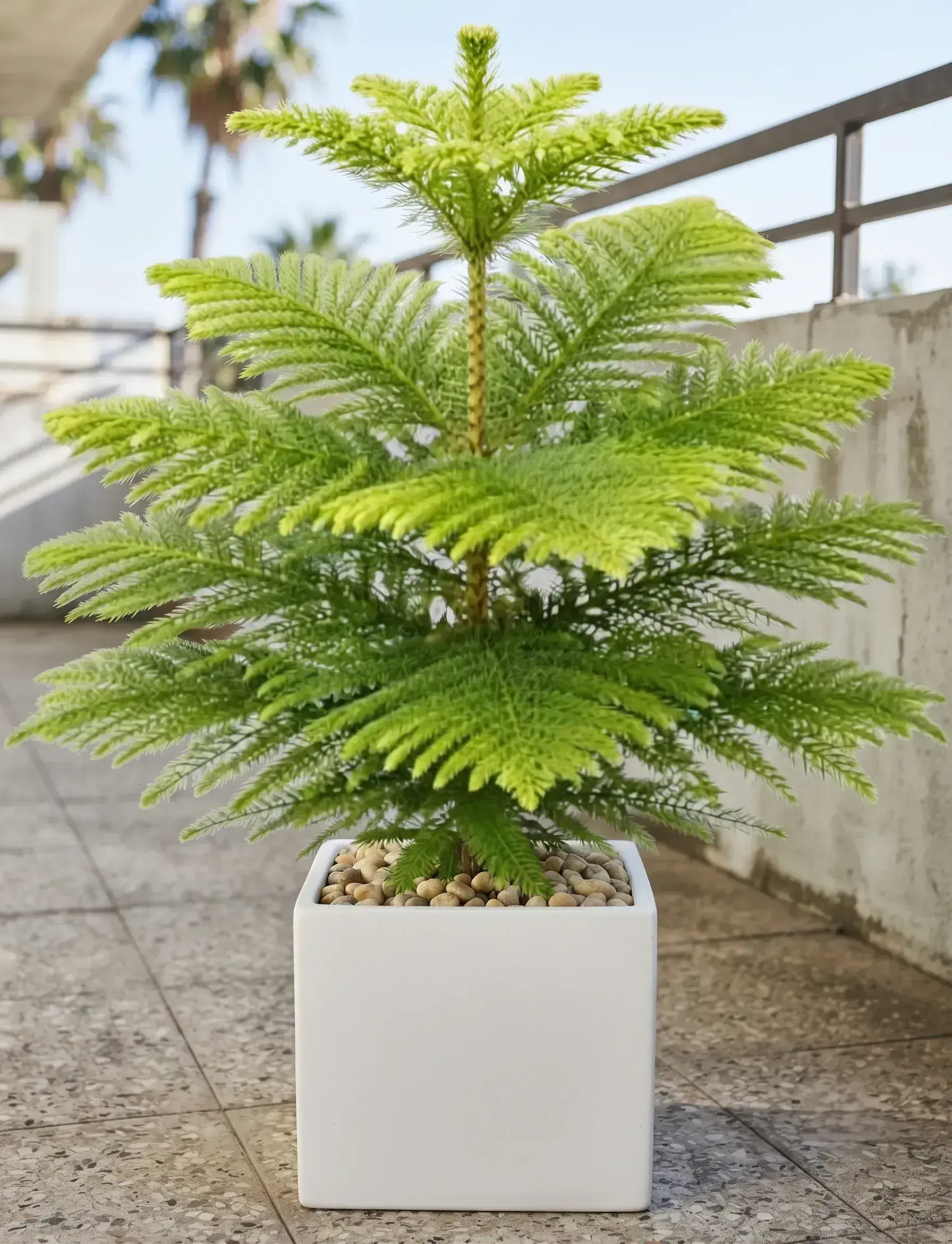
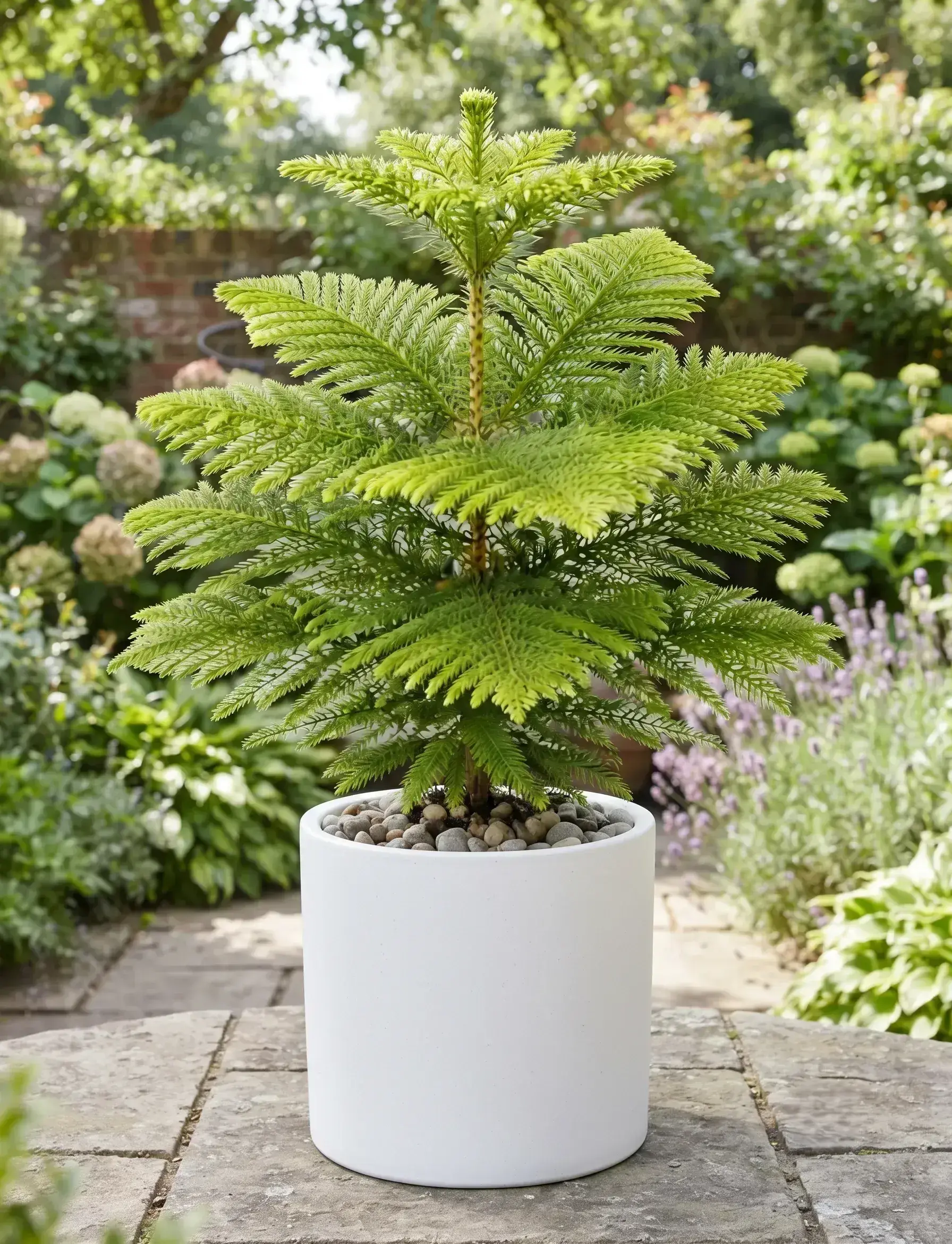
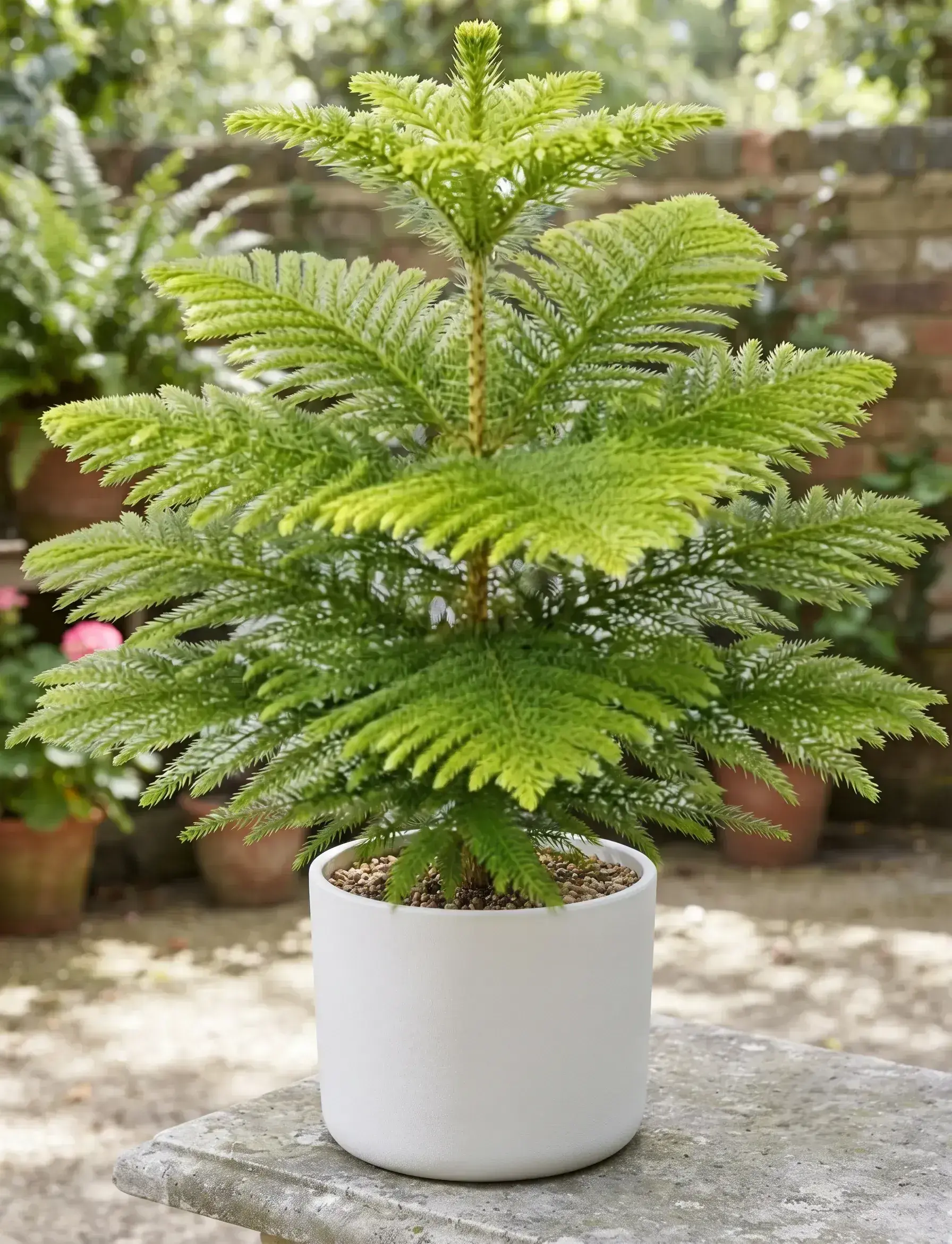
The Norfolk Island Pine (Araucaria heterophylla) Also called the Norfolk Pine, House Pine and Living Christmas Tree, it is popular as an ornamental plant for homes, offices, balconies and gardens.Its soft-looking green foliage and naturally layered branches give it a beautiful Christmas tree appearance throughout the year.
Unlike many traditional Christmas trees, Norfolk Island Pine can be maintained as a living potted plant when given suitable light, watering and growing conditions.
Plant Highlights
- Common Name: Norfolk Island Pine, Christmas Tree Plant, Norfolk Pine, House Pine, Living Christmas Tree
- Botanical Name: Araucaria heterophylla
- Plant Family: Araucariaceae
- Plant Type: Evergreen coniferous tree
- Growth Habit: Upright, symmetrical and pyramidal
- Typical Indoor Growth: Can reach several metres over time, depending on growing conditions
- Mature Outdoor Size: Can grow much taller than 12 metres in suitable climates
- Foliage Colour: Green
- Light Requirement: Bright indirect light or suitable outdoor sunlight
- Water Requirement: Moderate; keep soil lightly moist but not waterlogged
- Maintenance: Low to moderate
- Primary Use: Ornamental plant and living Christmas tree
- Propagation: Seeds and selected upright shoot-tip cuttings
About the Norfolk Island Pine
Norfolk Island Pine belongs to the Araucariaceae family and is native to Norfolk Island in the South Pacific Ocean.
It is an evergreen conifer with a naturally attractive, cone-shaped structure. Its branches grow in regular horizontal levels around a central trunk, creating the familiar Christmas tree shape.
Although it is commonly called a pine, it is not a true pine. True pines belong to the genus Pinus, while Norfolk Island Pine belongs to the genus Araucaria.
Young plants are particularly popular as indoor ornamental trees because their compact, symmetrical appearance makes them suitable for decorating homes and offices.
Appearance and Growth
The plant has a straight central trunk with horizontal branches arranged in regular tiers.
Its main features include:
- Soft-looking green foliage.
- Symmetrical, pyramid-shaped growth.
- Layered horizontal branches.
- A strong central growing point.
- Evergreen foliage that remains attractive throughout the year.
As the plant grows, its trunk becomes thicker and the branches develop into larger tiers. Mature outdoor trees can become very tall, so consider the available space before planting one permanently in the ground.
Flowers and Cones
Norfolk Island Pine is a conifer, not a typical flowering plant. It produces reproductive structures called cones rather than showy flowers.
Male and female cones may develop on the same tree. Female cones are larger and contain seeds when mature.
Young indoor plants generally do not produce noticeable cones. Their main ornamental value comes from their evergreen foliage and Christmas tree shape.
Sunlight Requirements
Proper light is important for maintaining the plant’s compact and symmetrical shape.
For indoor growing:
- Place it near a bright window.
- Provide plenty of indirect natural light.
- Rotate the pot occasionally to encourage balanced growth.
- Avoid dark corners and poorly lit rooms.
For outdoor growing:
- Choose a bright location with suitable sunlight.
- Acclimatise indoor plants gradually before moving them into stronger outdoor sunlight.
- Protect young plants from harsh conditions while they adjust.
In hot parts of West Bengal, bright filtered light or gentle morning sunlight can be a practical choice for potted plants.
Watering Requirements
Norfolk Island Pine prefers soil that remains lightly moist but never waterlogged.
- Water when the upper layer of soil begins to feel dry.
- Water thoroughly so moisture reaches the root zone.
- Allow excess water to drain through the pot.
- Empty standing water from the tray.
- Reduce watering when growth slows or the weather becomes cooler.
Do not allow the root ball to become completely dry for long periods. At the same time, continuous wet soil can cause root damage.
Soil Requirements
Use a loose, fertile and well-drained potting mix.
Suggested potting mix:
- 40% garden soil
- 25% cocopeat
- 25% compost or well-decomposed organic matter
- 10% coarse sand or perlite
The soil should hold some moisture while allowing excess water to drain freely.
Avoid heavy, compacted soil and containers without drainage holes.
Temperature and Indian Climate
Norfolk Island Pine prefers mild to warm conditions and does not tolerate frost well.
It can be grown in suitable Indian climates, but very hot, dry conditions and poor watering can cause foliage browning.
In West Bengal:
- Provide bright light with some protection from harsh afternoon heat when grown in containers.
- Maintain consistent soil moisture.
- Ensure good drainage during the monsoon.
- Avoid placing the plant directly in strong air-conditioning airflow.
- Keep it in a well-ventilated location.
The plant generally appreciates a reasonably humid environment, making it important to avoid prolonged dry conditions around indoor plants.
Humidity Requirements
Norfolk Island Pine grows well with moderate to high humidity.
Indoor plants may develop brown branch tips or lose foliage when the surrounding air is too dry, especially when combined with insufficient light or irregular watering.
You can help maintain suitable conditions by:
- Keeping the plant away from direct air-conditioner airflow.
- Grouping it with other plants.
- Using a humidifier if the indoor air is very dry.
- Maintaining regular watering without waterlogging the roots.
Fertilizer Requirements
The plant does not need heavy feeding.
- Apply a balanced liquid fertilizer at a diluted strength during active growth.
- Feed occasionally during spring and summer.
- Follow the fertilizer product’s recommended dilution.
- Avoid excessive fertilizer application.
- Reduce or stop feeding during periods of slow growth.
For potted plants, mild and regular feeding is generally better than applying a large quantity at once.
Growing Norfolk Island Pine in Pots
Norfolk Island Pine is an excellent choice for container growing, particularly when young.
For healthy growth:
- Choose a sturdy pot with drainage holes.
- Use a loose, well-drained potting mix.
- Place the plant in a bright location.
- Water when the upper soil layer begins to dry.
- Rotate the pot occasionally for balanced growth.
- Repot when the roots become crowded.
Avoid using an excessively large pot immediately after purchase. A suitable container with proper drainage helps manage soil moisture.
Repot carefully because the roots can be sensitive to disturbance.
Best Places to Grow
Norfolk Island Pine is suitable for:
- Living rooms with bright natural light
- Home entrances with sufficient light
- Office interiors near windows
- Covered balconies
- Bright terrace gardens
- Indoor plant collections
- Christmas decorations
- Outdoor ornamental gardens in suitable climates
For indoor decoration, place it where its branches have enough room to spread without being damaged.
Pruning and Maintenance
One of the most important care rules is to protect the central growing tip.
- Remove only dead or damaged foliage when necessary.
- Avoid cutting the main central leader.
- Do not heavily trim the horizontal branches.
- Avoid breaking or bending the branches during decoration.
- Rotate the plant occasionally to maintain balanced growth.
Important: If the central growing tip is damaged or removed, the plant may lose its naturally straight, symmetrical Christmas tree shape. Damaged branches generally do not grow back in their original position.
Propagation
Norfolk Island Pine can be propagated through seeds and selected upright shoot-tip cuttings.
Propagation from seeds:
- Obtain fresh, viable seeds.
- Prepare a clean, well-drained seed-starting mix.
- Sow the seeds carefully.
- Maintain warmth and suitable moisture.
- Provide bright light without exposing young seedlings to harsh conditions.
Seed quality and freshness are important for successful germination.
Propagation from cuttings: Upright terminal shoot-tip cuttings may be used by experienced growers. Ordinary horizontal side branches generally do not produce a naturally upright tree shape.
For home gardeners, purchasing a nursery-grown plant is usually the easier option.
Common Problems and Solutions
1. Brown Branch Tips
Possible causes include dry soil, low humidity, excessive sunlight or root problems. Check the watering routine and growing location.
2. Lower Branches Turning Brown
Some gradual loss of older lower foliage can occur, but widespread branch browning may indicate poor growing conditions. Check light, moisture and root drainage.
3. Branches Dropping
Insufficient light, irregular watering, root damage or environmental stress can cause branch loss. Improve growing conditions and avoid moving the plant frequently.
4. Uneven or Leaning Growth
The plant may grow toward its main light source. Rotate the container occasionally and provide adequate natural light.
5. Root Rot
Overwatering and poorly drained soil can damage the roots. Use a pot with drainage holes and allow excess water to escape.
6. Pest Problems
Scale insects and spider mites may occasionally affect the plant. Inspect the foliage and branches regularly and treat infestations with a suitable plant-safe product.
Is Norfolk Island Pine Suitable for Indoor Growing?
Yes. Norfolk Island Pine is one of the popular living conifers used as an indoor ornamental plant.
It can grow well indoors when it receives:
- Bright natural light.
- Suitable humidity.
- Regular but controlled watering.
- Well-drained soil.
- Enough space for its branches.
It is especially attractive as a living Christmas tree. However, remember that it is a real tree and can grow considerably taller over time.
Christmas Decoration Ideas
Norfolk Island Pine is naturally shaped like a Christmas tree, making it suitable for seasonal decoration.
You can decorate it with:
- Lightweight Christmas ornaments.
- Small ribbons.
- Lightweight decorative stars.
- Miniature LED lights suitable for plants.
Use lightweight decorations and avoid pulling, bending or breaking the branches. Remove decorations carefully after the festive season.
Why Choose the Norfolk Island Pine Plant?
- Beautiful natural Christmas tree shape.
- Attractive evergreen foliage.
- Suitable for indoor and outdoor ornamental use.
- Can be grown in containers.
- Adds a fresh green appearance to homes and offices.
- Suitable for Christmas decoration throughout the festive season.
- An interesting conifer for home garden collections.
Live Plant Delivery Information
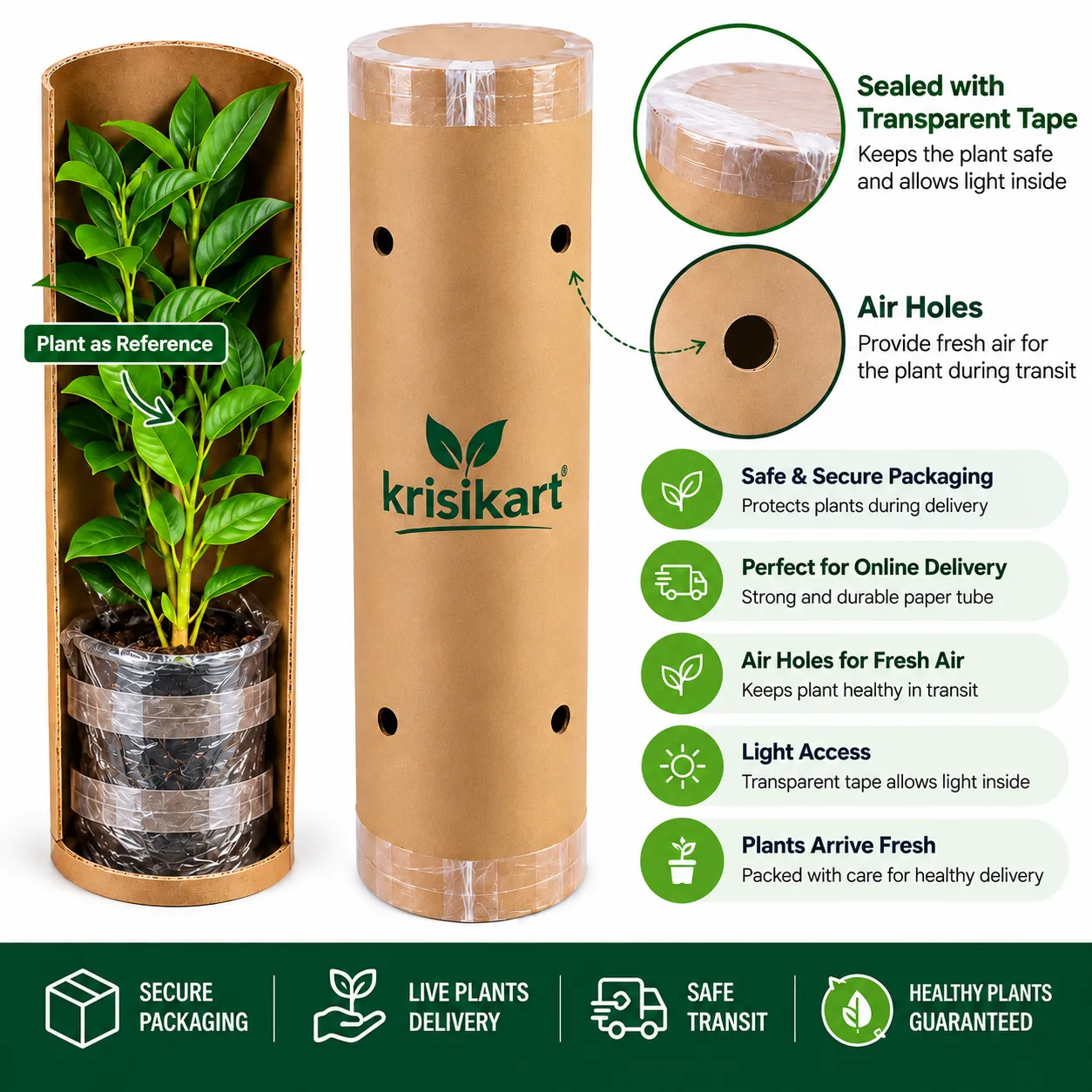
You will receive a live Norfolk Island Pine plant. Its height, branch arrangement and overall appearance may vary depending on its age and growing stage.
Some temporary foliage bending or stress may occur during transportation. After receiving the plant, place it in a bright, protected location and check the soil moisture. Allow it to adjust before moving it into stronger sunlight.
Avoid bending or trimming the central growing tip.
Botanical Information & Further Reading
- Kew Science – Plants of the World Online: Araucaria heterophylla
- Royal Horticultural Society – Norfolk Island Pine
- New York Botanical Garden – Norfolk Island Pine Houseplant Guide
- Iowa State University Extension – How to Care for Norfolk Island Pine
- North Carolina State Extension – Araucaria heterophylla
- University of Florida IFAS – Norfolk Island Pine
- University of Connecticut – Norfolk Island Pine Care
Frequently Asked Questions
1. What is the botanical name of Norfolk Island Pine?
Its botanical name is Araucaria heterophylla. It belongs to the Araucariaceae family.
2. Is Norfolk Island Pine a real pine tree?
No. Despite its common name, it is not a true pine. It belongs to the genus Araucaria.
3. Is Norfolk Island Pine suitable as a Christmas tree?
Yes. Its natural pyramid-shaped growth makes it a popular living Christmas tree.
4. Can I grow Norfolk Island Pine indoors?
Yes. It can be grown indoors near a bright window with suitable watering and humidity.
5. Does Norfolk Island Pine need direct sunlight?
It needs plenty of bright light. Indoor plants generally do well with bright indirect light, while outdoor plants can grow in suitable sunny locations.
6. How tall does Norfolk Island Pine grow?
It can grow several metres indoors over time and become a very tall tree when planted outdoors in a suitable tropical or subtropical climate.
7. Can I grow Norfolk Island Pine in a pot?
Yes. It is suitable for container growing, especially when young. Repot when the roots become crowded.
8. How often should I water Norfolk Island Pine?
Water when the upper soil layer begins to dry. Avoid both prolonged dryness and waterlogging.
9. Why are the branches of my Norfolk Island Pine turning brown?
Possible reasons include insufficient light, dry soil, low humidity, overwatering or root damage.
10. Can I cut the top of Norfolk Island Pine?
No. Avoid cutting the central growing tip because it can permanently affect the plant’s natural upright shape.
11. Is Norfolk Island Pine suitable for West Bengal weather?
It can be grown in suitable warm conditions. Protect potted plants from harsh afternoon heat and ensure good drainage during the monsoon.
12. Does Norfolk Island Pine produce flowers?
It produces male and female reproductive cones rather than typical ornamental flowers.
13. Can I decorate Norfolk Island Pine with Christmas lights?
Yes. Use lightweight, low-heat LED lights and avoid damaging or tightly wrapping the branches.
14. Why is my Norfolk Island Pine leaning?
It may be growing towards its main light source. Rotate the pot occasionally and provide adequate light.
15. Is Norfolk Island Pine a low-maintenance plant?
It needs moderate care. Proper light, consistent watering, suitable humidity and protection of the central growing tip are important for long-term health.
For More Information
Visit: krisikart.com
For Contact Visit:Contact Us
For Shopping Visit: Shop Page


smita sharma –
Beautiful plants for my garden.
Thank you, Krisikart, for the excellent service.