 Plastic Plant pot | Plastic Garden Pot for Plants
 Self Watering Planters | Self Watering Plant Pots For Plants
Notocactus Graessneri Cactus – Healthy Live Cactus Plant for Home & Garden
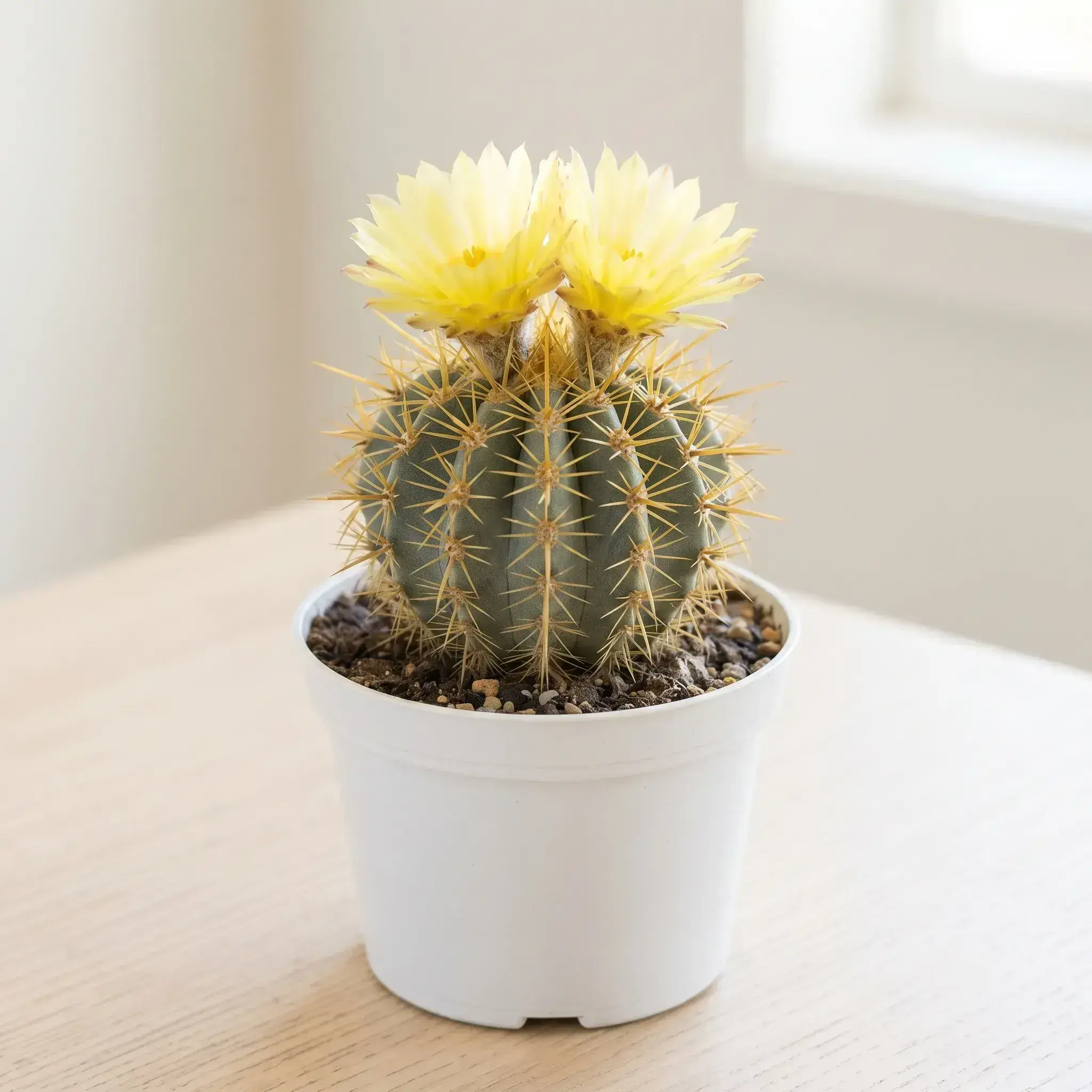
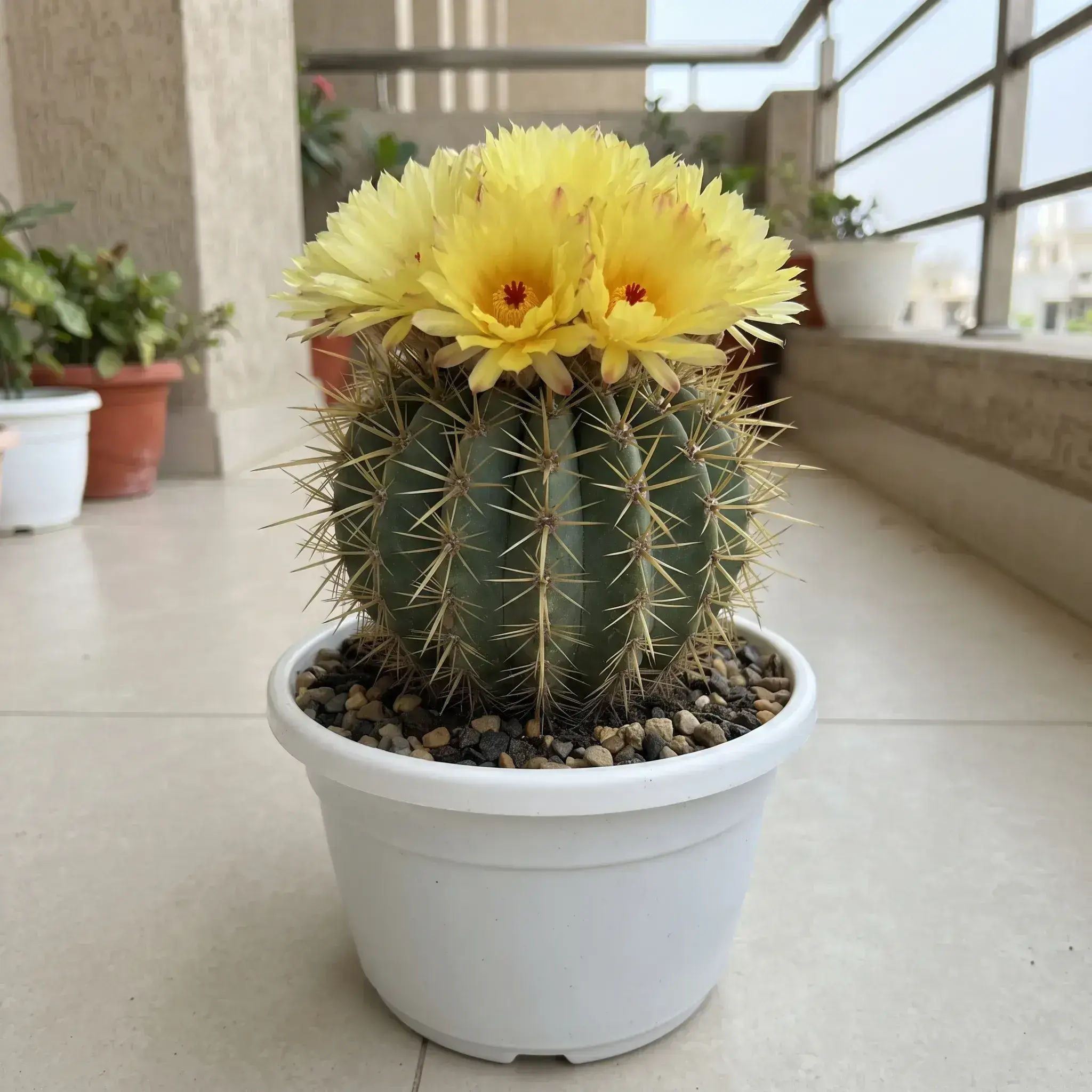
The Notocactus Graessneri Cactus, an attractive ornamental cactus admired for its rounded body, prominent ribs and decorative spines.
Now commonly known as Parodia graessneri, this compact cactus originates from southern Brazil. Its rounded shape and attractive spine patterns make it an interesting choice for cactus collectors, small garden displays, balcony planters and decorative pots.
This slow-growing cactus is suitable for people who enjoy unusual ornamental plants. It requires relatively little watering and grows best in bright light with a well-draining cactus potting mixture.
Plant Highlights
- Common Name: Notocactus Graessneri, Graessner’s Cactus
- Botanical Name: Parodia graessneri
- Former Botanical Name: Notocactus graessneri
- Family: Cactaceae
- Plant Type: Perennial succulent cactus
- Native Origin: Southern Brazil
- Growth Habit: Compact, rounded cactus
- Body Colour: Green
- Spines: Decorative radial and central spines
- Flower Colour: Usually yellow to orange-yellow, depending on the form
- Light Requirement: Bright light with some direct sunlight
- Water Requirement: Low
- Growth Rate: Slow
- Best For: Home, balcony, cactus collection, garden and decorative pots
- Maintenance: Low
About the Notocactus Graessneri Cactus
Notocactus Graessneri is a small ornamental cactus native to southern Brazil. It belongs to the Cactaceae family and is now generally classified as Parodia graessneri.
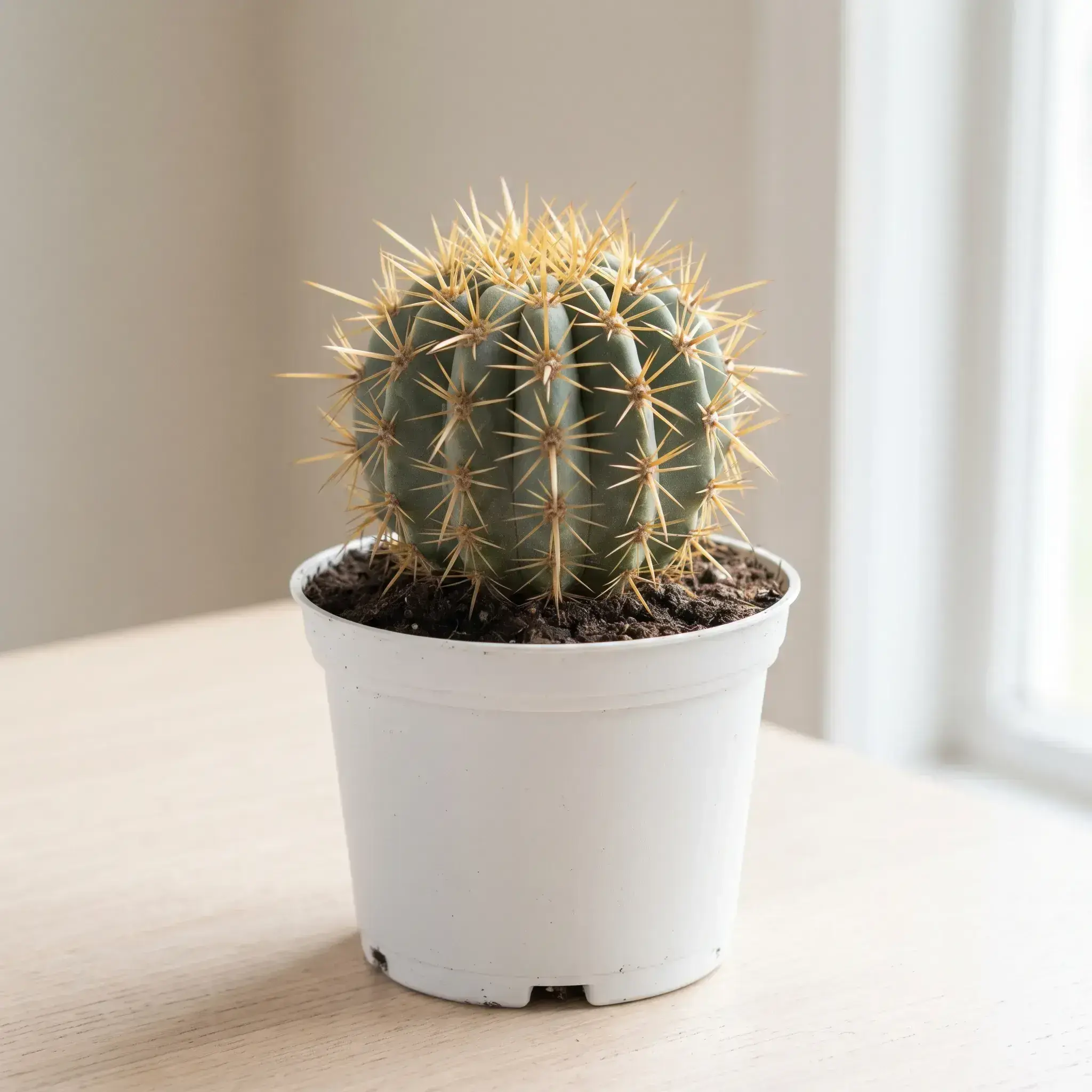
The plant develops a rounded green body with clearly visible ribs. Its surface is covered with areoles from which decorative spines emerge.
As the cactus matures, it can develop a more pronounced rounded or slightly elongated shape. Its compact growth makes it suitable for small containers and specialised cactus collections.
Appearance and Growth
The Notocactus Graessneri Cactus has an attractive rounded appearance.
- Rounded green cactus body
- Distinctive vertical ribs
- Decorative spines arranged along the ribs
- Compact growth habit
- Attractive natural texture
- Slow-growing structure
The exact spine colour, density and appearance may vary between individual plants and forms.
Flowers and Flowering Season
Mature plants may produce attractive flowers near the top of the cactus body.
Flower colour can vary according to the particular form or plant identity, with yellow to orange-yellow tones reported in horticultural descriptions.
Flowering depends on maturity, light exposure, seasonal conditions and overall plant health. A newly purchased or young cactus may not flower immediately.
The flowers provide a beautiful contrast against the green cactus body and its decorative spines.
Sunlight Requirements
Notocactus Graessneri prefers bright light and benefits from some direct sunlight.
Suitable locations:
- Sunny balcony
- Bright windowsill
- Terrace garden
- Outdoor cactus collection
- Bright garden corner
- Well-lit indoor plant area
Introduce the plant to stronger sunlight gradually, especially if it has previously been grown in shade. Sudden exposure to intense afternoon sunlight can cause scorching.
In very hot Indian summers, provide protection from extreme afternoon heat if the cactus shows signs of stress.
Watering Requirements
Like other cacti, Notocactus Graessneri stores water in its body and does not need frequent watering.
Follow these simple guidelines:
- Allow the potting mixture to dry completely before watering again.
- Water thoroughly when the soil is dry.
- Ensure excess water drains through the bottom of the pot.
- Never leave the cactus standing in collected water.
- Reduce watering during cool and humid weather.
Important for West Bengal: During the monsoon, protect the cactus from continuous rainfall. High humidity and wet soil can increase the risk of root rot.
Avoid watering according to a fixed daily schedule. Always check the soil condition first.
Best Soil for Notocactus Graessneri
This cactus requires a loose, gritty and fast-draining growing medium.
A suitable homemade potting mixture can include:
- 40% cactus or succulent potting soil
- 30% coarse sand or pumice
- 20% perlite or small gravel
- 10% mature compost
Adjust the mixture according to the materials available. The important requirement is that water should drain quickly and the soil should not remain wet for long periods.
Avoid heavy clay soil and containers without drainage holes.
Temperature and Indian Climate
Notocactus Graessneri prefers warm growing conditions and good airflow.
For Indian conditions:
- Provide bright light and suitable sunlight.
- Protect it from prolonged heavy rain.
- Avoid waterlogging during the monsoon.
- Keep it in a ventilated location.
- Protect it from frost and unusually cold conditions.
- Avoid sudden changes in sunlight exposure.
In humid areas such as West Bengal, rain protection and well-draining soil are particularly important.
Fertilizer Requirements
This cactus does not require heavy feeding.
During active growth:
- Use a cactus-specific liquid fertilizer diluted according to the label.
- Apply occasionally during the growing season.
- Avoid excessive nitrogen fertilizer.
- Do not fertilize a stressed or recently repotted plant.
A light feeding schedule is generally sufficient for healthy growth.
Growing Notocactus Graessneri in Pots
This compact cactus is especially suitable for container gardening.
Choose a small, sturdy pot with drainage holes. Terracotta pots are a good option because they help the potting mixture dry more quickly.
Suitable containers include:
- Terracotta cactus pots
- Small ceramic planters
- Decorative succulent pots
- Cactus collection containers
- Balcony garden planters
Avoid oversized pots because excess soil can retain moisture for too long.
Handle the plant carefully when repotting because its spines can cause injury.
Best Places to Keep Notocactus Graessneri
Home: Place it near a bright window or in a sunny balcony area.
Garden: Grow it in a protected cactus garden with excellent drainage.
Balcony: A bright balcony with protection from heavy monsoon rain is suitable.
Office: It can be displayed near a bright window where it receives adequate light.
Cactus Collection: Combine it with other cacti that have similar sunlight and watering requirements.
Pruning and Maintenance
Notocactus Graessneri requires very little pruning.
- Remove dried flowers after flowering.
- Keep the cactus free from accumulated dead plant material.
- Check the base occasionally for signs of rot.
- Inspect for mealybugs and other pests.
- Repot when the plant outgrows its container or the growing medium deteriorates.
Do not cut or damage healthy cactus ribs unnecessarily.
Propagation
Notocactus Graessneri can be propagated through seeds. Some plants may also produce offsets, depending on their growth habit.
Seed propagation:
- Obtain healthy cactus seeds.
- Prepare a clean, fine-textured, well-draining cactus growing medium.
- Sow the seeds on the surface.
- Maintain suitable moisture without waterlogging.
- Provide bright indirect light and suitable warmth.
- Allow seedlings to develop gradually before transplanting.
Seed-grown cactus plants generally require patience because they grow slowly.
Common Problems and Solutions
1. Soft or mushy cactus body
This can indicate overwatering or root rot. Check the roots and remove damaged parts if necessary.
2. Yellowing or discoloured body
Excessive moisture, strong sunlight or environmental stress may cause discolouration. Check the soil and light exposure.
3. Shrinking or wrinkled cactus
The plant may be dehydrated, although damaged roots can also prevent water absorption. Check the soil and roots before watering.
4. Brown or scorched patches
Sudden exposure to intense sunlight can cause sunburn. Gradually adjust the plant to stronger light.
5. Slow growth
Notocactus Graessneri is naturally slow-growing. Insufficient light and unsuitable soil can slow it further.
6. Root rot
Poor drainage and frequent watering are common causes. Remove affected roots and repot in fresh, gritty cactus soil.
7. Mealybugs
Look for small white, cotton-like insects around the cactus body and roots. Remove visible pests and use a suitable cactus-safe treatment according to its label.
Is Notocactus Graessneri Suitable for Indoor Growing?
Yes. It can be grown indoors if it receives plenty of bright natural light.
Suitable indoor locations include:
- Sunny windowsills
- Bright balconies
- Well-lit rooms
- Indoor cactus collections near windows
A dark room or office corner without suitable light is not ideal for long-term growth.
Safety and Handling
Notocactus Graessneri has spines that can prick the skin. Handle it carefully when moving, watering or repotting.
Use gardening gloves or suitable tools and keep the cactus away from areas where children or pets may accidentally touch it.
Do not eat the plant or use it as a home remedy.
Live Plant Delivery
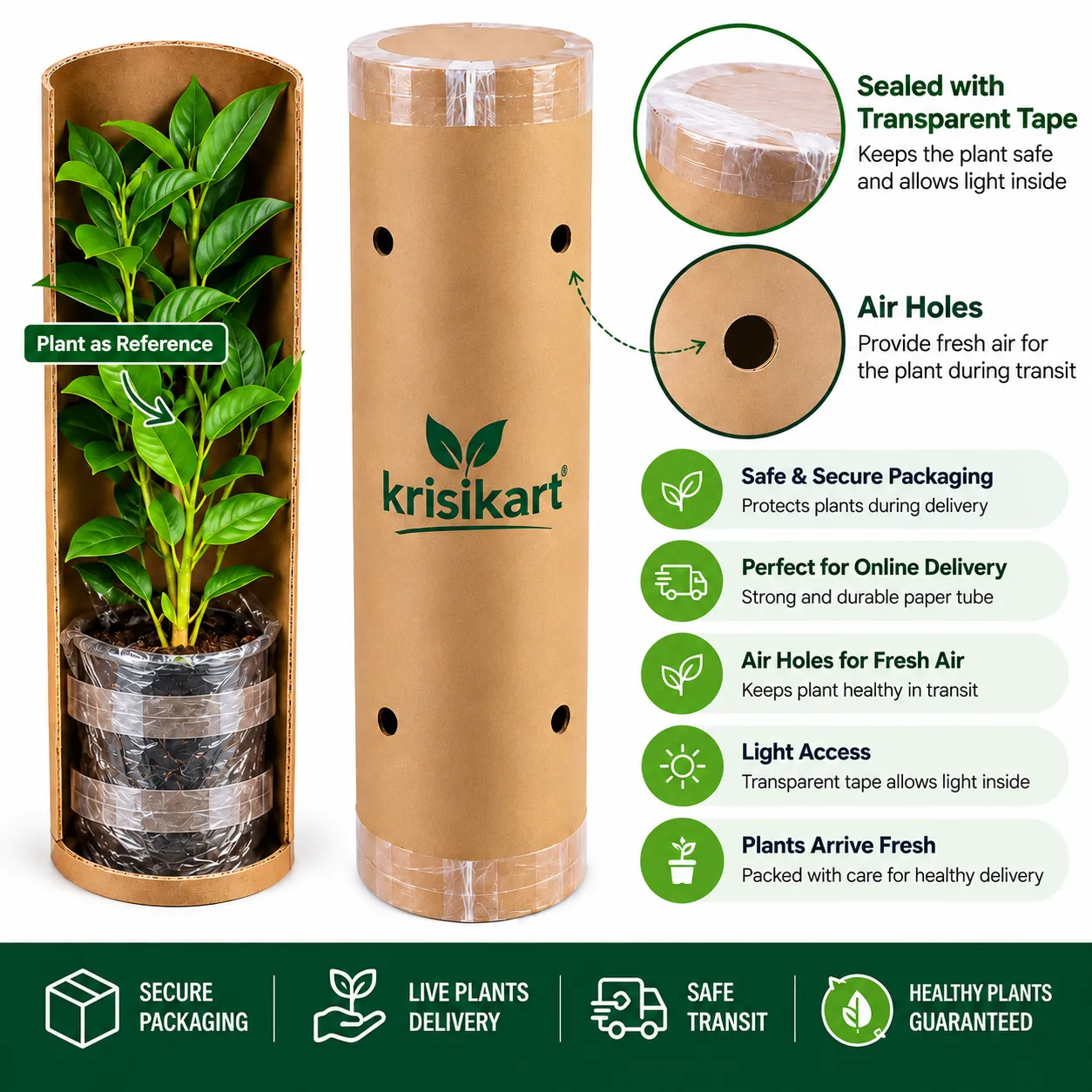
Your Notocactus Graessneri Cactus will be supplied as a live ornamental cactus suitable for growing in a home garden, balcony or decorative pot.
As this is a living plant, cactus size, body shape, spine colour, spine density and overall appearance may vary according to its age and growing conditions. The delivered plant may look slightly different from the product photograph.
After delivery, place it in a bright location and avoid excessive watering while it adjusts to its new environment.
Why Choose the Notocactus Graessneri Cactus?
- Attractive rounded cactus body
- Distinctive ribs and decorative spines
- Compact and slow-growing habit
- Suitable for small decorative pots
- Low watering requirements
- Interesting addition to cactus collections
- Suitable for balconies and sunny garden spaces
- A unique ornamental plant for cactus lovers
Botanical Information & Further Reading
Learn more about the botanical identity and characteristics of this cactus through these references:
- Royal Botanic Gardens, Kew – Parodia graessneri
- Kew – Notocactus graessneri (Synonym Information)
- International Plant Names Index – Echinocactus graessneri
- ITIS – Notocactus graessneri Taxonomic Record
- LLIFLE – Notocactus graessneri Cactus Description
- Cactus in Habitat – Botanical and Taxonomic Reference
Frequently Asked Questions
1. What is the botanical name of Notocactus Graessneri?
Its currently accepted name according to Kew is Parodia graessneri. Notocactus graessneri is an older botanical name.
2. Is Notocactus Graessneri a cactus or succulent?
It is a true cactus belonging to the Cactaceae family. Like other cacti, it stores water in its body.
3. Where does Notocactus Graessneri originate?
It is native to southern Brazil, particularly the states of Santa Catarina and Rio Grande do Sul.
4. Can Notocactus Graessneri grow indoors?
Yes. It can grow indoors near a bright window with sufficient natural light.
5. Does this cactus need direct sunlight?
It prefers bright light and can benefit from some direct sunlight. Introduce stronger sunlight gradually to prevent scorching.
6. How often should I water Notocactus Graessneri?
Water only after the potting mixture has dried completely. Avoid frequent watering and standing water.
7. Can Notocactus Graessneri grow in West Bengal?
Yes. It can be grown in West Bengal if protected from prolonged monsoon rain and planted in well-draining cactus soil.
8. Does Notocactus Graessneri produce flowers?
Mature plants can produce attractive flowers under suitable growing conditions. Flowering depends on plant maturity, sunlight and seasonal conditions.
9. Can this cactus grow in a small pot?
Yes. Its compact growth makes it suitable for small cactus containers with drainage holes.
10. Is Notocactus Graessneri easy to maintain?
Yes. It generally requires little watering and basic cactus care, although suitable sunlight and drainage are essential.
11. How can I propagate Notocactus Graessneri?
It can be propagated through seeds. Some plants may also produce offsets.
12. Why is my cactus becoming soft?
Softness can indicate overwatering or root rot. Check the roots and improve drainage.
13. Does Notocactus Graessneri grow quickly?
No. It is generally a slow-growing cactus and may take time to develop its mature shape.
14. Does Notocactus Graessneri have spines?
Yes. It has decorative spines along its ribs. Handle the plant carefully during repotting and maintenance.
For More Information
Visit: krisikart.com
For Contact Visit:Contact Us
For Shopping Visit: Shop Page


Reviews
There are no reviews yet.