
 Plastic Plant pot | Plastic Garden Pot for Plants
 Self Watering Planters | Self Watering Plant Pots For Plants
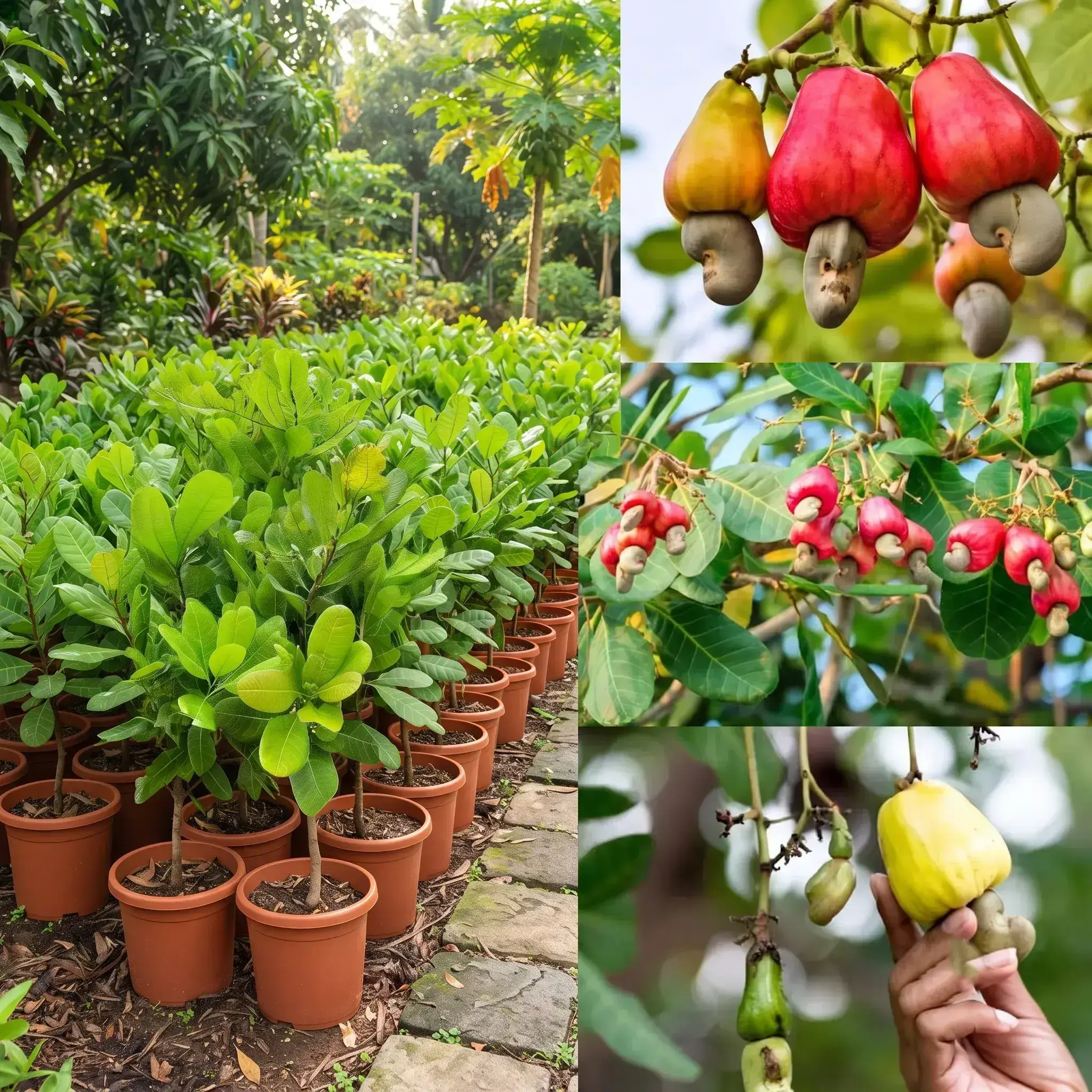
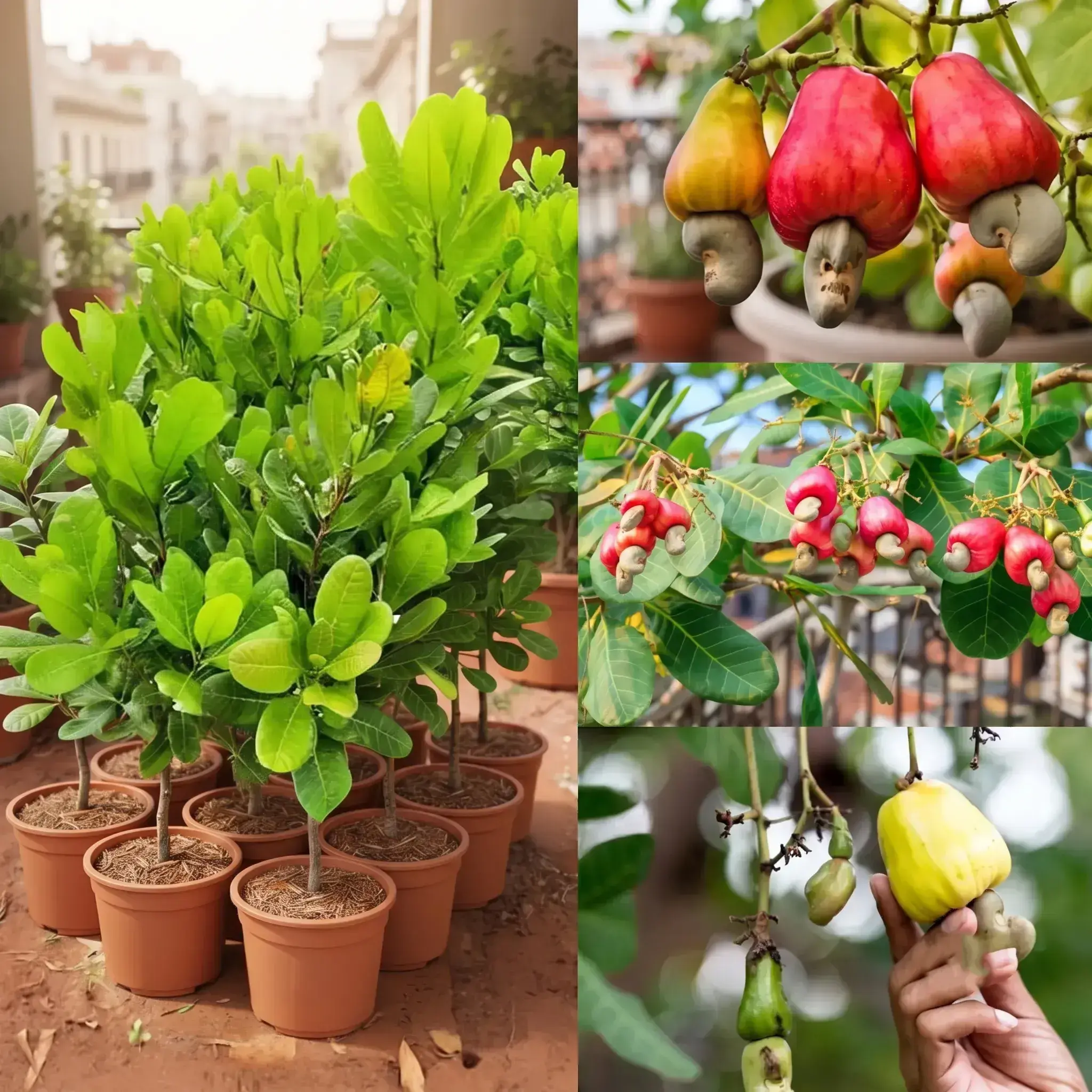
Kaju Plant | Cashew Tree (Anacardium occidentale) Cashew Plant
The Kaju Plant, (Anacardium occidentale) and universally recognized as the Cashew Tree, Cashew Plant / Caju Plant / Kaju Plant , is a hardy, spreading tropical evergreen tree prized for producing both juicy, colorful cashew apples and valuable kidney-shaped cashew nuts. Originally native to northeastern Brazil, this resilient species has flourished across India for centuries, becoming a staple orchard and homestead tree in coastal and warm interior regions.
With its glossy leathery foliage, sweet-scented flower panicles, and low water needs once rooted, the Cashew Plant makes a rewarding specimen for open home gardens, farmhouses, and spacious outdoor plots. While young saplings can be started in large containers, giving Anacardium occidentale room to develop its wide canopy in warm, sunny outdoor soil unlocks its full ornamental and fruiting potential.
Plant Highlights
- Product Name: Kaju Plant | Cashew Tree (Anacardium occidentale) Cashew Plant for Home Garden
- Common Name: Cashew, Cashew Tree, Kaju (Hindi), Kajubadam (Bengali), Kasumavu (Malayalam), Mundiri (Tamil)
- Botanical Name: Anacardium occidentale
- Family: Anacardiaceae (Cashew / Mango / Sumac family)
- Plant Type: Evergreen perennial tropical nut and fruit tree
- Origin: Native to northeastern Brazil; widely naturalized and cultivated across tropical India and Southeast Asia
- Flower Colour: Small pale greenish-yellow flowers turning pinkish-red after pollination
- Flower Fragrance: Sweetly scented
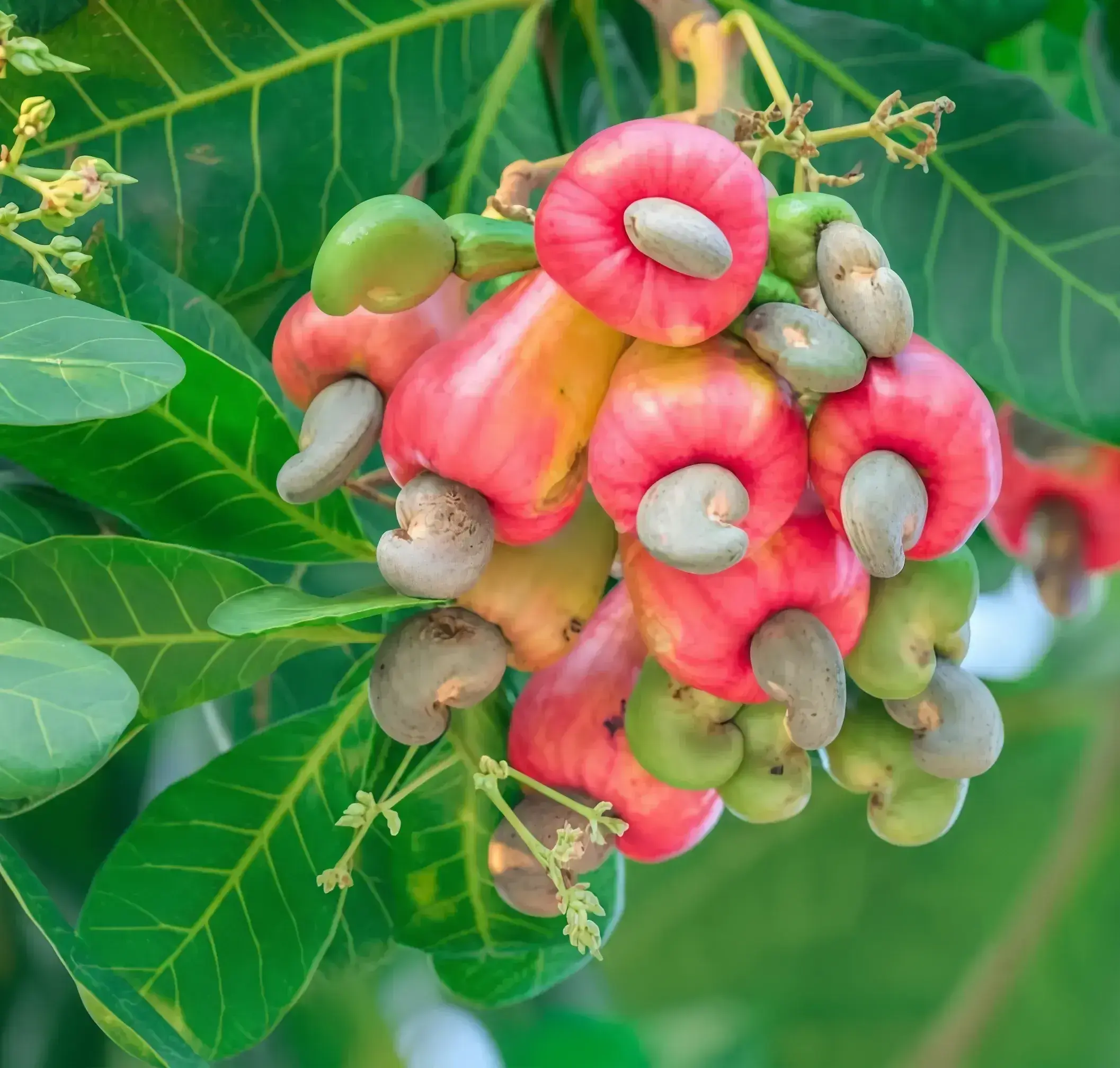
- Fruit Colour: Swollen pear-shaped false fruit (cashew apple) in bright yellow, orange, or red, bearing a grey-brown kidney-shaped nut at its base
- Foliage: Alternate, simple, leathery, oval-to-obovate glossy green leaves with prominent veins; new flushes often emerge reddish-bronze
- Growth Habit: Low-branching, wide-spreading evergreen tree with an irregular trunk and broad dome canopy
- Mature Height: Typically 6 to 12 meters (20 to 40 feet) in open ground over many years; can be kept more compact with early training and pruning
- Sunlight: Full direct sunlight (at least 6 to 8 hours daily)
- Watering: Low to moderate once established; drought-tolerant once rooted, requiring fast soil drainage
- Suitable For: Open home gardens, farmhouses, coastal and lateritic plots, orchards, and large containers while young
About the Kaju Plant
Anacardium occidentale belongs to the family Anacardiaceae—making it a botanical relative of the mango and pistachio. Introduced to coastal India in the sixteenth century, cashew rapidly adapted to India’s lateritic slopes, sandy coastal belts, and warm red-loam plains, where states such as Maharashtra, Goa, Karnataka, Kerala, Odisha, Andhra Pradesh, Tamil Nadu, and West Bengal lead production.
Because the Cashew Tree develops a deep taproot and spreads its lower branches outward, it acts as an effective shade and soil-stabilizing tree in larger gardens while producing its distinctive two-part harvest of juicy cashew apples and hard-shelled nuts.
Appearance and Growth Habit
The Kaju Plant forms a short, often slightly crooked trunk with rough greyish-brown bark and a wide, dense, dome-shaped crown of spreading branches that can dip close to the ground if left unpruned. Its leaves are thick, leathery, and obovate (wider near the rounded tip), measuring 6 to 20 cm long, with fresh shoot flushes emerging in warm bronze-pink tones before turning rich green.
In fertile open soil, a mature Cashew Tree commonly reaches 6 to 12 meters in height with a broad spread, though actual size varies with soil depth, climate, and pruning.
Flowers and Flowering Season
In India, the Cashew Tree typically flowers during the dry winter-to-spring months (December to April, depending on region), producing large, loose terminal panicles 15 to 25 cm long at the tips of mature shoots.
Each panicle bears numerous small, fragrant flowers—a mix of male flowers and fewer bisexual (hermaphrodite) flowers—opening pale greenish-yellow and aging to pinkish-red. Bees, flies, and wind pollinate the blossoms; dry, sunny weather during flowering is essential for strong nut set, as heavy rain can wash away pollen and cause blossom blight.
Fruits and Harvest
The Cashew Plant produces one of the botanical world’s most unusual fruiting structures. Following pollination, the true fruit—a hard, kidney-shaped drupe enclosing the edible cashew kernel—develops first, while the flower stalk (peduncle) behind it swells dramatically into a plump, juicy, pear-shaped “cashew apple” in yellow, orange, or crimson.
Harvesting and Processing Safety
Fruits mature roughly 2 to 3 months after flowering, ripening primarily from March to June in India. While the juicy cashew apple can be eaten fresh or turned into juice, jams, and syrups, the raw grey-brown cashew nut shell contains a caustic resin (cashew nut shell liquid) and must NEVER be cracked open raw with bare hands or teeth—nuts must be properly sun-dried and roasted or steamed before shelling.
Sunlight Requirements
Anacardium occidentale is strongly light-demanding and requires full, unobstructed sunlight for at least 6 to 8 hours every day. Direct sunlight encourages compact branching, abundant flower panicles, and clean nut development.
Planting cashew under the shade of taller trees suppresses growth and severely reduces flowering.
Watering Requirements
Once established, the Cashew Tree is famously drought-resistant, though young saplings need steady moisture during their first one to two years to build a deep root system.
Watering During Establishment and Summer
During the first few months after planting, water every 2 to 3 days so the root zone stays lightly moist without becoming waterlogged. During hot dry summers (especially from January to April when nuts are developing), watering young trees once every 5 to 7 days—and potted saplings every 2 to 3 days when the top 4 to 5 cm of soil dries out—improves nut size and retention.
Watering During Monsoon and Winter
During the monsoon, pause manual watering when rainfall is regular and ensure rainwater drains away immediately. In cool winter weather, water sparingly only when the soil dries out.
Soil and Potting Requirements
The Cashew Plant thrives in deep, loose, well-drained sandy loam, coastal sandy soil, or red lateritic soil with a slightly acidic to neutral pH between 5.5 and 6.8. Heavy, waterlogged clay soils, hardpan layers, or highly saline and alkaline soils (pH above 8.0) restrict root growth and cause root rot.
Suggested Potting Mixture for Young Plants
This is a suggested potting mixture for starting a young sapling in a container rather than a rigid scientific formula: blend 45% sandy garden soil, 30% coarse river sand or perlite (for fast drainage), and 25% well-decomposed cow dung manure or vermicompost, plus a handful of neem cake powder. Make sure the pot has multiple clear drainage holes at the base.
Growing the Plant in the Indian Climate
Anacardium occidentale thrives across warm, frost-free tropical and subtropical parts of India, performing best in coastal belts and lateritic plains such as Kerala, Karnataka, Goa, Maharashtra, Odisha, Andhra Pradesh, Tamil Nadu, and southern West Bengal.
Summer Care
Cashew loves warm, dry summer weather, which is when nuts ripen cleanly on the tree. Apply a 4 to 5 cm layer of organic mulch around young saplings—keeping it clear of the trunk bark—to conserve moisture during peak summer heat.
Monsoon Care
In high-rainfall regions like Kolkata, West Bengal, and the Western Ghats, cashew grows vigorously during the monsoon. Ensure the planting spot is slightly raised or sloped so rainwater never stagnates around the collar of the trunk.
Winter Care
Young cashew saplings are very sensitive to cold and frost. While mature trees tolerate mild Indian winters easily, cashew is unsuitable for cold Himalayan zones or northern plains experiencing severe winter frost.
Temperature and Humidity
The Cashew Plant grows best in warm temperatures between 20°C and 35°C (tolerating summer peaks up to 40°C+) and does not tolerate frost, even briefly when young. While it grows well in humid coastal climates, dry weather during flowering and nut maturation is ideal for good harvests.
Fertilizer and Nutrition
Though cashew can survive in modest soils, regular organic feeding significantly improves canopy vigor and nut yield.
Apply 5 to 10 kg of well-rotted farmyard manure or vermicompost around ground-planted trees once or twice a year—ideally during the second half of August as heavy monsoon rains ease, or at the start of the rainy season—raking it lightly into the soil around the drip line. For young potted plants, top-dress with 250 to 400 grams of vermicompost every 45 to 60 days during active growth. Avoid applying fertilizer during heavy downpours when nutrients wash away.
Growing the Plant in Pots
A young Kaju Plant can be grown in a large 18-to-24-inch heavy-duty container or grow bag on a sunny terrace for its first 2 to 3 years. Because Anacardium occidentale develops a deep taproot and wide-spreading crown, container growing is a temporary stage—transplanting into open ground or a spacious farmhouse garden is necessary for full-sized growth and worthwhile nut harvests.
Pruning and Maintenance
Early training helps keep a Cashew Tree tidy and easy to walk beneath.
During the first 2 to 3 years, remove low-hanging side shoots up to about 0.75 to 1 meter from the ground so the tree forms a clean main trunk, and stake young saplings loosely against strong winds. Once established, prune only dead, diseased, or ground-touching branches after the summer harvest, and remove any sprouts emerging below the graft union if your plant is grafted.
Propagation
Commercial orchards and nurseries propagate superior cashew varieties vegetatively through softwood grafting, side grafting, air layering, or patch budding so trees bear uniform, high-quality nuts within 3 to 4 years. Cashew also grows readily from fresh, sun-dried seeds soaked in water for 6 to 12 hours before sowing, though seed-grown trees take 4 to 5 years or longer to fruit and vary in nut size.
Common Problems and Plant Care
Inspecting new shoot flushes and flower panicles regularly helps prevent common cashew garden issues.
1. Tea Mosquito Bug and Blossom Blight
Sap-sucking bugs feeding on tender shoots and flower panicles can cause dark, water-soaked lesions that dry up blossoms. Maintain an open, sunny canopy and spray diluted neem oil (3 to 5 ml per liter of water) during new shoot flushes and before flowers open.
2. Stem and Root Borer
Keep the lower trunk base clear of weeds and decaying debris, and inspect the bark near ground level for frass or gum exudation, which can indicate trunk borers.
3. Poor Nut Set During Rain or Cloudy Weather
Heavy unseasonal rain or high humidity during flowering reduces pollinator activity and encourages fungal blossom drop. Ensure full sun exposure and good air circulation around the crown.
4. Waterlogging Root Stress
Yellowing leaves and sudden dieback in heavy clay soil usually indicate poor drainage. Plant on raised beds or sandy loam soil where water drains rapidly.
Suitability for Home Gardens
The Kaju Plant is best suited for spacious open home gardens, farmhouses, orchards, coastal plots, and large terrace containers while young. Because it demands intense direct sunlight and eventually develops a wide-spreading canopy and deep taproot, it is not suitable for indoor rooms or small balconies.
Safety and Important Information
Important safety precaution: while the roasted cashew kernel inside the nut is nutritious and safe, the raw outer shell of the cashew nut contains a potent caustic oil (cardol and anacardic acid, similar to poison ivy) that causes painful skin blisters, burns, and severe mouth irritation. Never bite, crack, or handle raw cashew shells with bare skin, and keep children and pets away from fallen raw nuts—harvested nuts must be properly dried and roasted outdoors before shelling.
Live Plant Delivery Information
Live saplings vary naturally in height, stem thickness, branching, and leaf count. Mild transit stress can occur during shipping, and a few older leaves may turn yellow or shed shortly after arrival.
Upon receiving your Kaju Plant, place it in bright, filtered outdoor light for 3 to 4 days to recover before moving it into full direct sunlight. Check the soil moisture immediately and water gently if dry. Avoid applying fertilizers, repotting right away, or pruning healthy shoots during the first 10 to 14 days while the sapling acclimates.
Why Choose the Kaju Plant for Your Garden?
Resilient, drought-tolerant, and uniquely rewarding with its dual harvest of colorful cashew apples and homegrown nuts, the Kaju Plant is a distinctive long-term tree for sunny Indian gardens and farmhouses. Given full sun, fast-draining sandy or loamy soil, and frost-free warmth, Anacardium occidentale thrives for decades.
Botanical Information and Further Reading
- Kew Science – Plants of the World Online: Anacardium occidentale L.
- ICAR – Directorate of Cashew Research (DCR), Puttur
- eFlora of India – Anacardium occidentale Botanical Reference
- India Biodiversity Portal – Anacardium occidentale L. Species Profile
- Kerala Agricultural University – Anacardium occidentale Botanical & Cultivation Data
Frequently Asked Questions (FAQs)
1. What is the botanical name of the Kaju or Cashew Plant?
The accepted botanical name of the Kaju Plant is Anacardium occidentale, and it belongs to the family Anacardiaceae.
2. Can I grow a Cashew Tree in India?
Yes, cashew grows very well in warm, frost-free parts of India—especially coastal and lateritic regions such as Maharashtra, Goa, Kerala, Karnataka, Odisha, Andhra Pradesh, Tamil Nadu, and West Bengal.
3. Can I eat cashew nuts straight off the tree?
No, never eat or crack open raw cashew nuts directly from the tree. The hard outer shell contains a caustic oil that burns skin and lips; nuts must be properly dried and roasted before shelling.
4. What is a cashew apple and is it edible?
The cashew apple is the swollen, juicy, pear-shaped fruit stalk attached above the nut. When ripe (yellow, orange, or red), it is juicy and rich in vitamin C and can be eaten fresh or used in juices and jams.
5. Can I grow a Kaju Plant in a pot?
You can grow a young sapling in an 18-to-24-inch pot with fast-draining sandy soil for its first 2 to 3 years, though planting it in open ground is recommended for full canopy growth and nut production.
6. How much sunlight does a Cashew Plant need?
It needs full, direct sunlight for at least 6 to 8 hours every day to grow strong branches, flower well, and set nuts.
7. How long does a Cashew Tree take to bear nuts?
Vegetatively propagated (grafted) plants typically begin flowering and bearing nuts in 3 to 4 years under favorable warm, sunny conditions, while seed-grown trees take 4 to 5 years or longer.
8. How often should I water my Kaju Plant?
Water every 2 to 3 days for newly planted saplings. Once established, cashew is drought-tolerant and needs watering once every 5 to 7 days during dry summer weather, with minimal watering during monsoon and winter.
9. What type of soil is best for growing cashew?
Loose, deep, well-draining sandy loam or red lateritic soil with a slightly acidic pH (5.5 to 6.8) is ideal. Avoid heavy, waterlogged clay soils.
10. How big does a Cashew Tree grow?
In open ground, Anacardium occidentale typically grows 6 to 12 meters tall with a wide-spreading canopy over many years.
11. Is the Kaju Plant frost-hardy?
No, cashew is a tropical tree that is very sensitive to cold and frost, particularly when young, so it is not suitable for frost-prone northern or high-altitude areas.
12. Can I keep a Cashew Plant indoors?
No, it requires intense direct outdoor sunlight and substantial root space and cannot grow indoors.
For More Information
Visit: krisikart.com
For Contact Visit:Contact Us
For Shopping Visit: Shop Page


Arpita Singh –
Beautiful plants aur fast delivery.
I am fully satisfied.
Plants bilkul fresh aaye.
No damage at all.