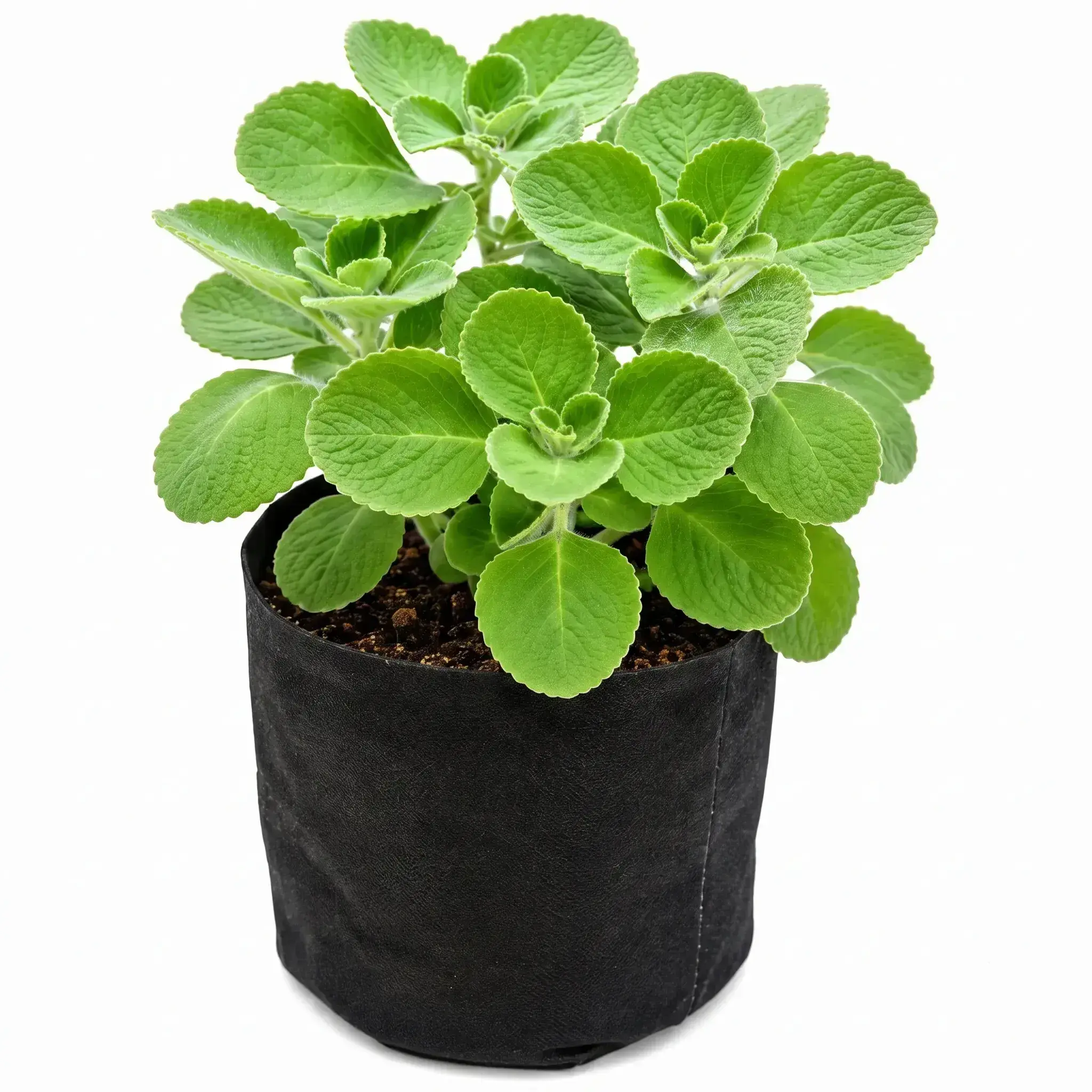
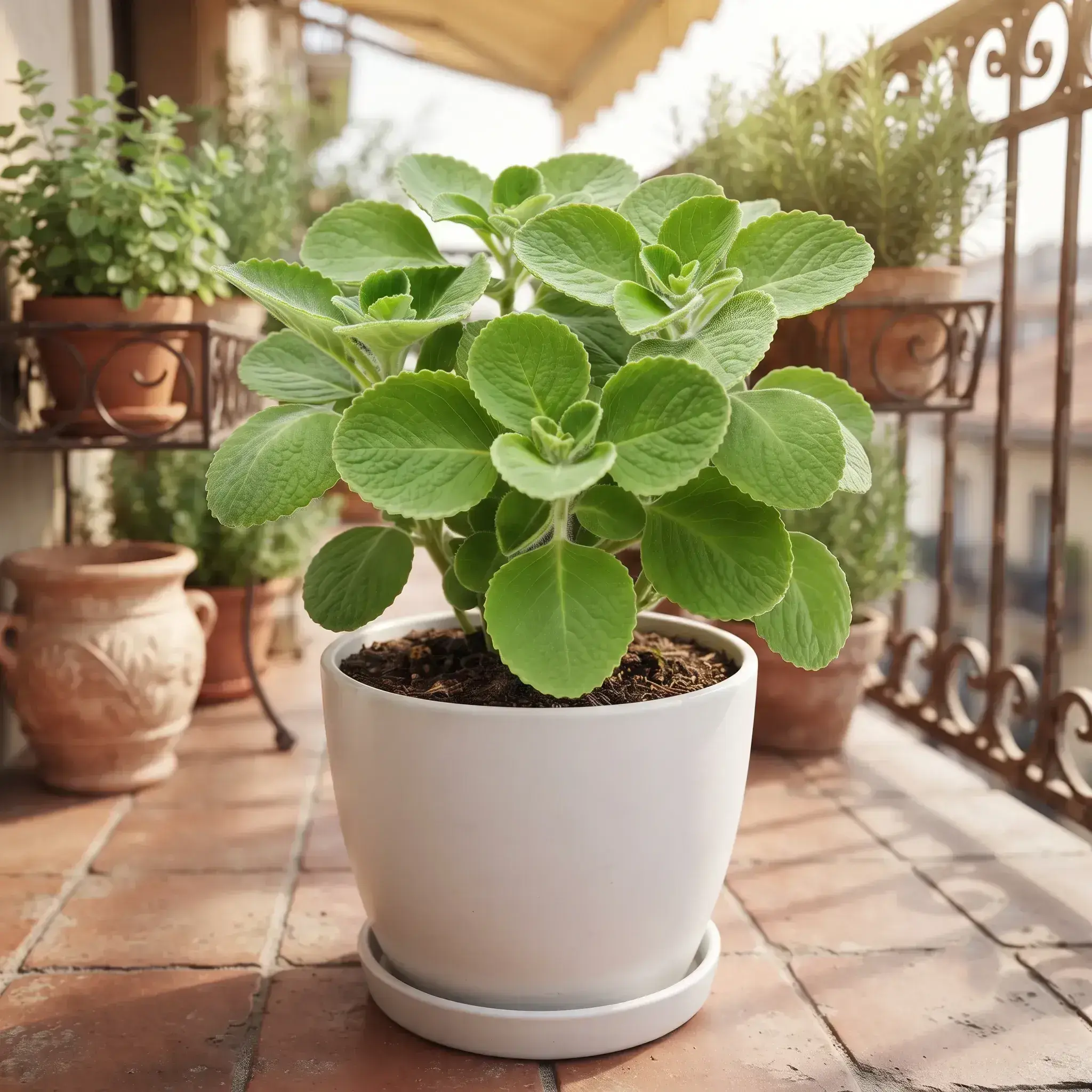
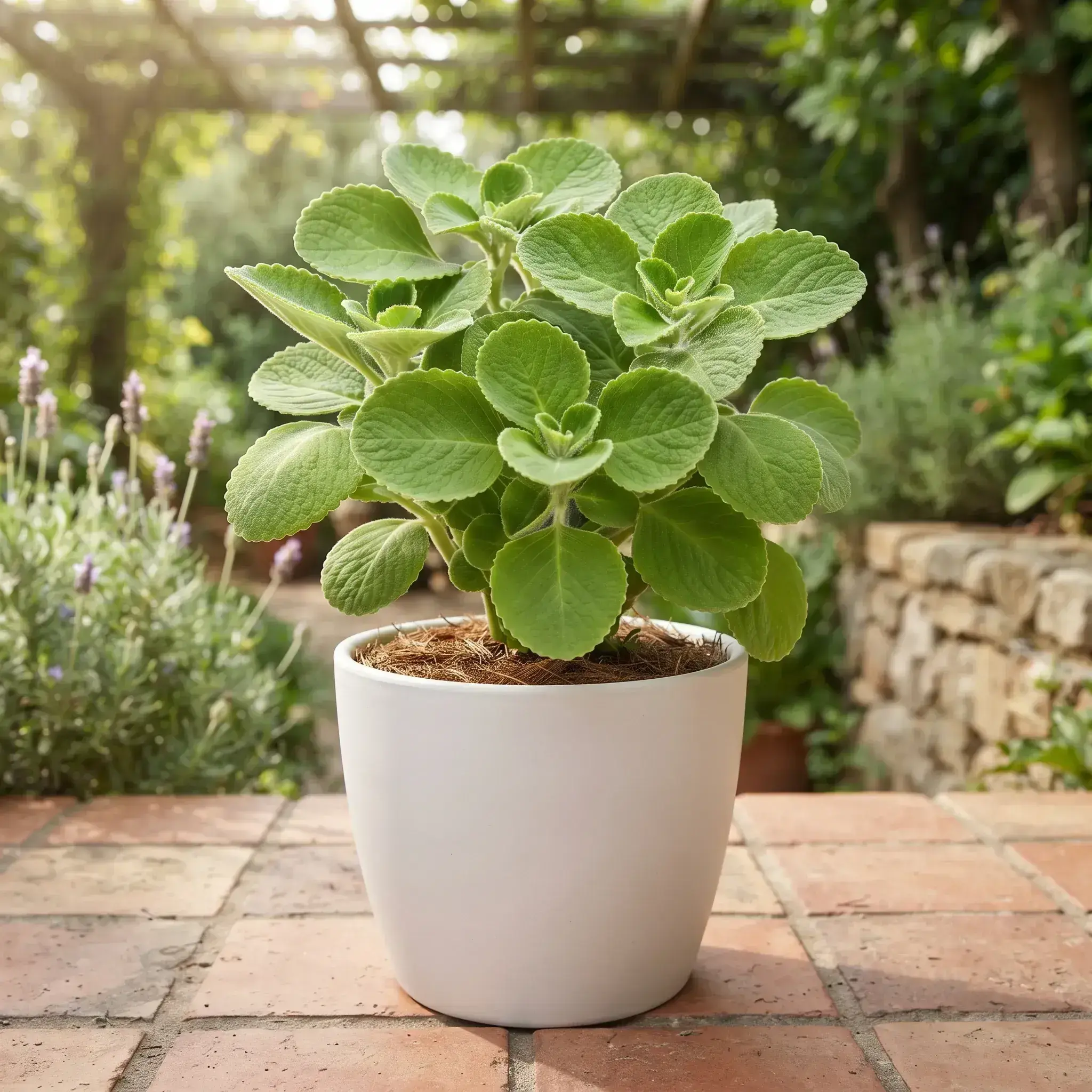

 Plastic Plant pot | Plastic Garden Pot for Plants
 Self Watering Planters | Self Watering Plant Pots For Plants
Ajwain Plant | Carom Plant (Trachyspermum ammi) Plant Ajwain Sapling
The Ajwain Plant, botanically classified as Trachyspermum ammi and widely known as the Carom Plant or Bishop’s Weed, is a fast-growing, aromatic culinary and spice herb native to South Asia and the eastern Mediterranean/Iranian region. Grown across Indian kitchen gardens and farms for its fragrant leaves and pungent, thymol-rich seeds, this compact herb brings authentic spice-garden flavor right to your home garden or sunny terrace.
Whether you want fresh aromatic foliage for snacks and savory dishes or plan to harvest homegrown ajwain seeds from mature flower umbels, the Ajwain Sapling is straightforward to raise in pots, grow bags, or garden beds. With full sunlight, light well-draining soil, and careful watering, Trachyspermum ammi fits easily into Indian home gardening routines.
Plant Highlights
- Product Name: Ajwain Plant | Carom Plant (Trachyspermum ammi) Plant Ajwain Sapling for Home Garden
- Common Name: Ajwain, Carom Plant, Bishop’s Weed, Ajowan, Omam (Tamil/Malayalam), Jowan / Joan (Bengali/Assamese), Ova (Marathi)
- Botanical Name: Trachyspermum ammi (synonym:Carum copticum)
- Family: Apiaceae (Carrot / Umbellifer family)
- Plant Type: Herbaceous annual spice and culinary herb
- Origin: South Asia and eastern regions of Persia/Iran (widely cultivated across India)
- Flower Colour: Small white flowers arranged in compound umbrella-like clusters (umbels)
- Flower Fragrance: Warm, spicy, thyme-like aroma when bruised or crushed
- Fruit Colour: Small, oval, greyish-brown ridged schizocarp fruits (“ajwain seeds”)
- Foliage: Finely divided, feathery or pinnately lobed green leaves on slender, grooved stems
- Growth Habit: Erect, branching herbaceous annual herb
- Mature Height: Typically 50 to 90 cm (20 to 35 inches) tall depending on soil, sunlight, and container size
- Sunlight: Full direct sunlight (at least 5 to 6 hours daily)
- Watering: Moderate; keep soil lightly moist without waterlogging, letting the top surface dry slightly between waterings
- Suitable For: Kitchen gardens, sunny terraces, balconies receiving direct sun, pots, grow bags, and raised beds
About the Ajwain Plant
Trachyspermum ammi belongs to the Apiaceae family alongside cumin, coriander, fennel, and dill. In India, states such as Rajasthan, Gujarat, Madhya Pradesh, Uttar Pradesh, Maharashtra, and Bihar are major producers of carom seed, while home gardeners nationwide grow saplings or sow seeds for fresh leaves and aromatic umbels.
Gardeners should also note a common nursery mix-up: true Trachyspermum ammi is a fine-leaved herb of the carrot family that produces carom seeds, whereas many Indian nurseries sell thick, velvety, succulent-leaved mint-family plants (Coleus amboinicus / Plectranthus amboinicus, or Indian borage) under the name “Ajwain.” Checking leaf texture and stem type helps confirm whether you have fine-leaved Trachyspermum ammi or succulent leaf-ajwain.
Appearance and Growth Habit
The Ajwain Plant grows as an upright, branched herbaceous annual with slender, slightly ribbed (striate) stems that support finely divided, feathery green leaves. As the plant matures, it branches out into a bushy herb clump that sends up flower stalks topped by flat-topped or slightly rounded compound umbels.
In open garden beds with plenty of sun and space, Trachyspermum ammi commonly reaches 50 to 90 cm in height, while container-grown plants often stay slightly more compact depending on pot volume and nutrient availability.
Flowers and Flowering Season
When mature, the Carom Plant produces clusters of tiny white flowers arranged in compound umbels at the ends of branches. Like other Apiaceae herbs, each small blossom has five petals and is visited by bees, hoverflies, and other small pollinators.
In India, ajwain is traditionally grown as a cool-season (rabi) crop—typically sown in autumn (October to November) and flowering in late winter to early spring (January to March)—though timing varies with local sowing dates and temperatures.
Fruits and Harvest
After pollination, the umbels develop small, oval, greyish-brown ridged seed-like fruits (technically schizocarps that split into two mericarps) containing aromatic essential oils dominated by thymol. Seeds generally mature several weeks after flowering, turning brownish-grey and dry on the plant when ready for harvesting.
Harvesting Leaves and Seeds
Young leaves and tender shoot tips can be snipped lightly once the sapling is well established for use in pakoras, parathas, tempering, and savory snacks, without stripping the plant bare. When harvesting seeds, cut mature dry umbels in the morning once they turn greyish-brown, dry them thoroughly in the shade, gently rub or thresh out the seeds, and store them in an airtight container.
Sunlight Requirements
True Trachyspermum ammi needs bright, direct sunlight—ideally at least 5 to 6 hours daily—to develop sturdy stems, strong essential oil aroma, and healthy flower umbels.
In areas with harsh summer sun above 38°C–40°C, light afternoon shade can help prevent heat stress, while deep indoor shade leads to weak, leggy stems and poor growth.
Watering Requirements
The Ajwain Sapling prefers steady, moderate moisture and is sensitive to soggy, waterlogged soil, which can quickly cause root rot in young herbs.
Watering During Establishment and Summer
Keep the soil lightly and evenly moist for the first 1 to 2 weeks after planting while roots settle. Once established, check the top 2 to 3 cm of soil with your finger and water when it feels dry—often every 2 to 3 days in warm weather or pots, and less frequently in cooler conditions.
Watering During Monsoon and Winter
During heavy monsoon rains, protect pots from constant downpours and ensure excess water drains rapidly so roots do not rot. In winter, water less frequently and allow the top soil layer to dry slightly between waterings.
Soil and Potting Requirements
Trachyspermum ammi grows best in light, fertile, well-draining sandy loam or loamy soil enriched with organic compost, with a neutral to slightly alkaline or slightly acidic pH roughly between 6.5 and 8.0. Heavy, sticky clay soils that hold standing water are unsuitable without blending in coarse grit or sand and organic matter.
Suggested Potting Mixture for Containers
This is a suggested potting mixture for growing an Ajwain Sapling in a container rather than a rigid scientific formula: combine 50% loose garden soil, 25% well-decomposed compost or vermicompost, and 25% coarse river sand or perlite (with a small handful of neem cake powder). Always choose a pot or grow bag with clear drainage holes at the bottom.
Growing the Plant in the Indian Climate
The Carom Plant adapts well across many parts of India—including West Bengal, Kolkata, Rajasthan, Gujarat, Madhya Pradesh, Uttar Pradesh, Maharashtra, and southern states—when matched to seasonal temperatures and good drainage.
Summer Care
Hot, dry summer winds dry out container soil quickly and can push annual herbs toward early seed set or heat stress. Keep pots in bright morning sun with light afternoon shade in peak heat, and water carefully without drowning the roots.
Monsoon Care
In warm, humid regions like Kolkata and West Bengal, monsoon humidity and heavy rain create a high risk of root rot and fungal damping-off if drainage is slow. Grow in fast-draining potting mix, keep containers sheltered from prolonged waterlogging, and maintain good airflow.
Winter Care
Mild, sunny Indian winters suit Trachyspermum ammi well for leafy growth and flowering. Protect young saplings from severe frost in colder northern pockets.
Temperature and Humidity
Trachyspermum ammi generally favors mild-to-warm growing conditions—around 15°C to 28°C is comfortable for steady growth—while tolerating warm days when soil moisture and drainage are balanced. Moderate humidity with good air movement helps keep foliage healthy and reduces fungal pressure.
Fertilizer and Nutrition
As a fast-growing annual culinary herb, the Ajwain Plant benefits from light organic nutrition rather than heavy chemical feeding.
Mix well-rotted compost or vermicompost into the potting mix or garden bed before planting, and top-dress lightly with a small handful of vermicompost or diluted organic liquid feed once every 3 to 4 weeks during active growth. Avoid over-fertilizing, as excess nitrogen can encourage lush leaves with milder flavor or cause weak stems.
Growing the Plant in Pots
An Ajwain Sapling grows well in an 8-to-12-inch pot or grow bag on a sunny terrace or balcony receiving direct sunlight. Use a loose, fast-draining potting mix, place the pot where it gets at least 5 to 6 hours of sun, and check soil moisture regularly because smaller pots dry out faster than garden beds.
Pruning and Maintenance
Light, regular harvesting acts as natural maintenance for your Ajwain Plant. Pinching back growing tips encourages branching and bushier growth, while removing dead or yellowing leaves keeps the plant tidy and improves airflow.
Avoid cutting off more than a third of the plant’s green foliage at one time so it retains enough leaf area to keep growing and producing umbels.
Propagation
Trachyspermum ammi is traditionally propagated from seeds sown directly in warm-to-mild, well-drained soil (typically surface-sown or covered very lightly, as tiny seeds need light and moisture to sprout, often emerging within about 1 to 2 weeks under suitable conditions). Nurseries also supply live saplings grown from seed or shoots for a head start in home gardens.
Common Problems and Plant Care
Observing moisture levels, light, and foliage regularly helps prevent common issues with the Ajwain Plant.
1. Yellowing Leaves or Root Rot
Yellowing leaves and limp stems often signal overwatering or poorly drained soil. Check drainage holes, let the top 2 to 3 cm of soil dry before watering again, and use a sandy, well-draining mix.
2. Aphids or Whiteflies on Umbels and Shoots
Small sap-sucking pests can gather on tender shoots and flower clusters. Rinse mild infestations gently with water or spray diluted neem oil in the evening, washing harvested greens thoroughly before kitchen use.
3. Powdery Mildew or Leaf Spots
White powdery patches or dark leaf spots can appear when air circulation is poor or foliage stays damp. Space pots out for better airflow, water at the soil base, and prune affected leaves.
4. Leggy, Weak Growth
Tall, thin, floppy stems usually mean the plant is not getting enough direct sunlight. Move the sapling to a sunnier spot with at least 5 to 6 hours of direct sun.
Suitability for Home Gardens
The Ajwain Plant is well suited for kitchen gardens, sunny terraces, balconies with direct sunlight, pots, grow bags, and raised garden beds. Because it needs bright direct sunlight to stay compact and flavorful, it is not suited to dark indoor rooms.
Safety and Important Information
Ajwain leaves and seeds are widely used in Indian cooking and traditional remedies in culinary amounts; always wash harvested foliage thoroughly and use care when preparing concentrated extracts or essential oils. Keep plants treated with any garden sprays away from children and pets, and note that pets may experience mild stomach upset if they chew large amounts of raw herbs.
Live Plant Delivery Information
Because live plants are natural living organisms, normal variations in height, stem count, leaf size, and appearance are expected. Mild transit stress can occur during shipping, and some leaves may turn yellow or shed after delivery.
Once your Ajwain Sapling arrives, check soil moisture immediately and water gently if dry, keep it in bright light out of harsh direct sun for a few days while it adjusts, and hold off on heavy fertilizer or hard pruning right away.
Why Choose the Ajwain Plant for Your Garden?
Compact, aromatic, and easy to fit into pots or kitchen beds, the Ajwain Plant brings fresh spice-garden character and homegrown flavor within arm’s reach. With full sun, fast-draining soil, and careful watering, Trachyspermum ammi is a practical herb for Indian home gardeners.
Botanical Information and Further Reading
- Kew Science – Plants of the World Online: Trachyspermum ammi (L.) Sprague
- Royal Horticultural Society (RHS) – Trachyspermum ammi Plant Details
- ICAR – Indian Institute of Spices Research (IISR)
- eFlora of India – Trachyspermum ammi Botanical Reference
- India Biodiversity Portal – Trachyspermum ammi Species Profile
Frequently Asked Questions (FAQs)
1. What is the botanical name of the Ajwain or Carom Plant?
The accepted botanical name of the Ajwain or Carom Plant is Trachyspermum ammi (synonym: Carum copticum), and it belongs to the family Apiaceae.
2. What are common names for Trachyspermum ammi in India?
It is widely known as Ajwain or Carom Plant, along with regional names such as Omam in Tamil and Malayalam, Jowan in Bengali, and Ova in Marathi.
3. Where does the Ajwain Plant come from?
Trachyspermum ammi originates from South Asia and the eastern regions of Persia/Iran and is widely cultivated across India.
4. Can I grow an Ajwain Sapling in a pot at home?
Yes, you can grow an Ajwain Sapling in an 8-to-12-inch pot or grow bag with drainage holes and a well-draining soil mix on a sunny terrace or balcony.
5. How much sunlight does an Ajwain Plant need?
It grows best in full direct sunlight—ideally at least 5 to 6 hours daily—with light afternoon shade if summer temperatures get very high.
6. How often should I water my Ajwain Plant?
Check the top 2 to 3 cm of soil and water when it feels dry so the soil stays lightly moist without waterlogging, reducing watering during heavy rain and winter.
7. What soil mix works best for growing Ajwain in pots?
A loose, fast-draining mix such as 50% garden soil, 25% compost or vermicompost, and 25% coarse river sand or perlite with drainage holes helps prevent root rot.
8. Can I harvest leaves from an Ajwain Sapling for cooking?
Yes, once the plant is established, you can lightly snip young leaves and shoot tips for culinary use without removing too much foliage at once.
9. Is Ajwain suitable for Indian climates?
Yes, it grows well in many parts of India when given good drainage and protection from waterlogging during heavy monsoon rain or extreme heat.
10. How is the Ajwain Plant propagated?
It is grown from seeds sown in well-drained soil, and home gardeners can also start from live nursery saplings.
11. How tall does an Ajwain Plant grow?
It typically reaches about 50 to 90 cm in height depending on sunlight, soil, and container size.
12. Can I keep an Ajwain Plant indoors?
It needs bright direct sunlight (around 5 to 6 hours daily) to stay sturdy and aromatic, so dark indoor rooms are not suitable.
For More Information
Visit: krisikart.com
For Contact Visit:Contact Us
For Shopping Visit: Shop Page


Prabir Bag –
Excellent experience from order to delivery.
I will come back for more plants.