 Plastic Plant pot | Plastic Garden Pot for Plants
 Self Watering Planters | Self Watering Plant Pots For Plants
Guava Plant | Pink Guava Fruit Plant (Psidium guajava) – Thai Guava Plant
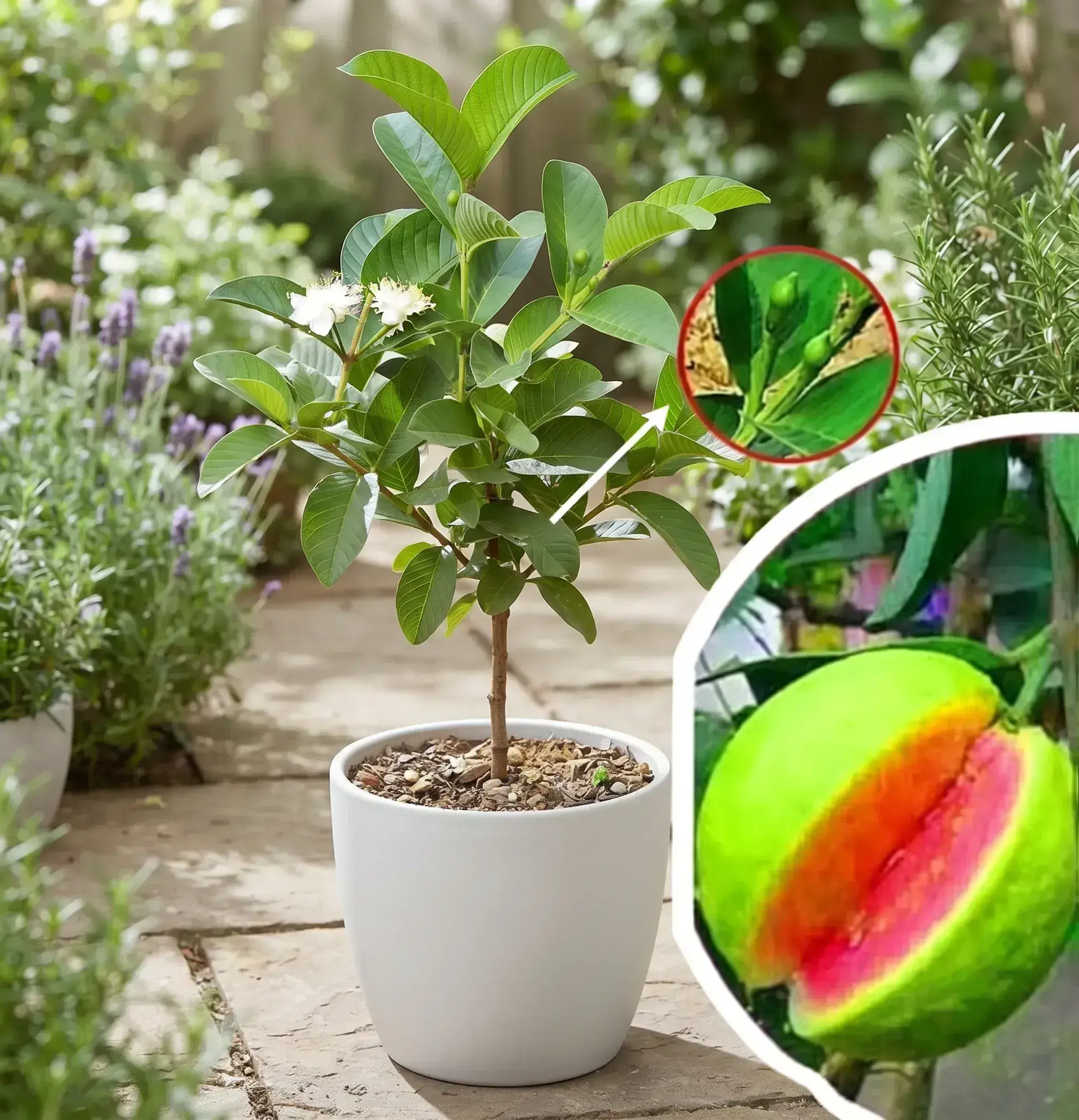
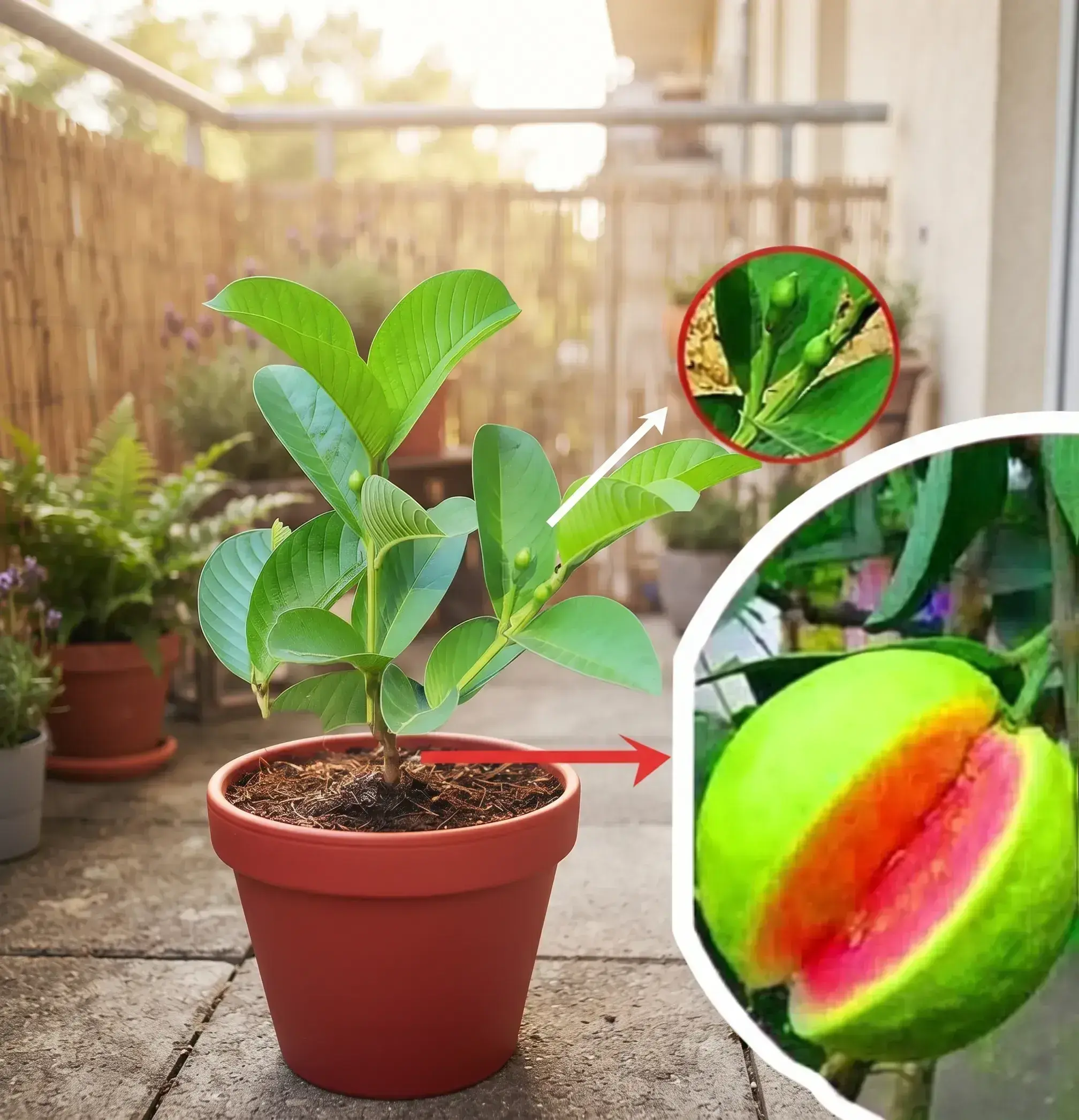
The Guava Plant Also known as Pink Guava Fruit Plant (Psidium guajava) – Thai Guava Plant, is one of the most popular, hardy, and productive fruit trees for Indian home gardens, terraces, and backyard orchards. Known in nurseries as Pink Guava or Thai Guava, this fast-growing evergreen plant is valued for its aromatic foliage, decorative bark, and sweet, flavorful pink-fleshed fruits.
Whether you want to grow fresh fruit in an open garden bed or cultivate a compact fruiting plant in a large terrace container or grow bag, the Guava Plant adapts well to warm Indian climates. With proper sunlight, balanced watering, and timely pruning, home gardeners can enjoy both its greenery and homegrown harvests.
Plant Highlights
- Product Name: Guava Plant | Pink Guava Fruit Plant (Psidium guajava) – Thai Guava Plant
- Common Name: Guava, Pink Guava, Thai Guava, Amrud (Hindi), Peyara (Bengali)
- Botanical Name: Psidium guajava
- Cultivar / Trade Name: Pink Guava / Thai Guava (Commercial nursery trade selection)
- Family: Myrtaceae (Myrtle family)
- Plant Type: Evergreen perennial fruit shrub or small tree
- Origin: Tropical America (Mexico, Central America, and northern South America; widely naturalized and cultivated across tropical Asia)
- Flower Colour: White with numerous prominent stamens
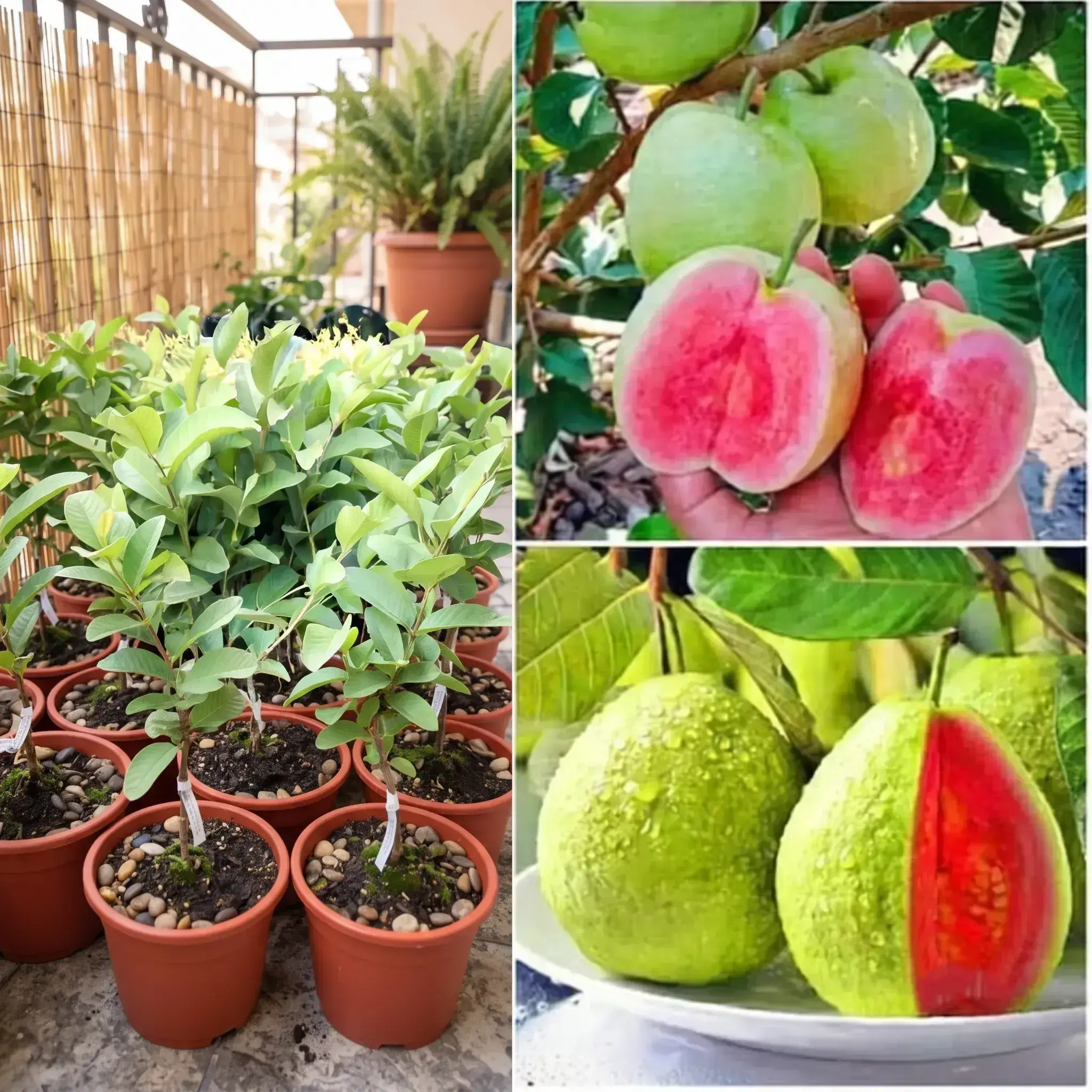
- Fruit Colour: Green to yellowish-green skin with pink to pinkish-red flesh when ripe
- Foliage: Opposite, oblong-to-elliptic, medium-to-dark green leaves with prominent parallel veins
- Growth Habit: Spreading, multi-branched small tree or shrub with smooth, flaking bark
- Mature Height: Typically 3 to 6 meters (10 to 20 feet) in open ground; manageable at 1.5 to 2.5 meters (5 to 8 feet) in containers with regular pruning
- Sunlight: Full direct sunlight (at least 6 hours daily)
- Watering: Moderate; water when the top 3 to 5 cm of soil feels dry, ensuring good drainage
- Suitable For: Home gardens, sunny terraces, large pots or grow bags, kitchen gardens, and farmhouses
About the Guava Plant
Psidium guajava is a member of the Myrtaceae family and originates from tropical America. Over centuries, it spread across tropical and subtropical regions worldwide and became an integral part of Indian horticulture and everyday fruit culture.
Pink-fleshed guava selections—including plants sold in Indian nurseries as Pink Guava or Thai Guava—are appreciated for their fragrant aroma, attractive pink interior pulp, and adaptability to diverse Indian soils. Vegetatively propagated plants (such as air-layered or grafted saplings) are preferred over seed-grown plants because they retain parent traits more reliably and typically reach fruiting age sooner.
Appearance and Growth Habit
The Guava Plant develops a well-branched canopy of spreading limbs and smooth, light-brown or greenish-tan bark that peels away in thin flakes as the tree matures. Its leaves grow in opposite pairs along four-angled young twigs, releasing a pleasant, slightly spicy aroma when crushed.
In open ground, an unpruned Guava Plant can reach 3 to 6 meters in height with a broad crown. In home gardens and pots, responsive shoot growth allows gardeners to keep the tree compact, sturdy, and easy to harvest through light seasonal pruning.
Flowers and Flowering Season
Guava plants produce small, attractive white flowers with many delicate stamens that give the blooms a fluffy appearance. The flowers typically appear singly or in small clusters of two to three on new shoots.
In Indian climates, guava can flower across multiple flushes during the year—commonly during spring/early summer (February to April), monsoon (June to August), and autumn/early winter (September to November), depending on local temperatures, rainfall, and pruning schedules. Actual flowering time and intensity vary with plant vigor, sunlight, and care.
Fruits and Harvest
After pollination, the ovary beneath the flower swells into a round, oval, or slightly pear-shaped fruit. Pink Guava varieties feature skin that shifts from deep green to pale green or yellowish-green as it matures, enclosing pink or pinkish-red flesh dotted with small edible seeds.
Pollination and Fruiting Considerations
Psidium guajava is largely self-compatible and is readily pollinated by bees and other insects in outdoor gardens. While a healthy, well-cared-for vegetatively propagated sapling can begin flowering and setting fruit around one year after planting under favorable conditions, exact timing depends on the starting plant size, root health, climate, and management—fruiting is never guaranteed on a fixed schedule.
Sunlight Requirements
The Guava Plant grows best in full, direct sunlight for at least 6 hours every day. Abundant sunlight supports dense foliage, flower bud initiation, fruit sweetness, and overall plant resilience.
In regions with intense summer heat above 40°C, newly planted saplings or potted plants may benefit from light afternoon shade during peak heatwaves until their root systems establish.
Watering Requirements
Consistent, moderate soil moisture helps keep the Guava Plant healthy and prevents fruit drop or cracking.
Watering During Establishment and Summer
Keep the soil evenly moist—without waterlogging—during the first few weeks after planting. During hot Indian summers, potted plants often require watering every 2 to 3 days when the top 3 to 5 cm of potting mix dries out, while ground-planted trees generally need deep watering every 5 to 7 days depending on heat and soil type.
Watering During Monsoon and Winter
During the monsoon, reduce or pause manual watering when rain is frequent and make sure water drains away quickly so roots do not sit in standing water. In winter, water less frequently—typically once every 7 to 12 days—checking soil moisture before each watering.
Soil and Potting Requirements
Psidium guajava adapts to a wide variety of soils, including sandy loam, alluvial soil, and red or black soils, provided drainage is reliable. It prefers slightly acidic to neutral soil (roughly pH 5.5 to 7.0) enriched with organic matter.
Suggested Potting Mixture for Containers
For container cultivation, a practical suggested potting mixture is 45% fertile garden soil, 25% well-decomposed cow dung manure or vermicompost, 20% coarse river sand or perlite, and 10% cocopeat, along with a small handful of neem cake powder. Ensure the pot or grow bag has clear drainage holes so excess water drains freely.
Growing the Plant in the Indian Climate
The Guava Plant is well suited to tropical and subtropical regions across India, including West Bengal, Maharashtra, Uttar Pradesh, Bihar, Karnataka, Tamil Nadu, and Gujarat.
Summer Care
Summer heat speeds up evaporation from soil and containers. Apply an organic mulch layer (such as dry leaves or compost) a few centimeters away from the trunk to conserve moisture and moderate root-zone temperatures.
Monsoon Care
In humid climates like Kolkata and eastern or coastal India, heavy monsoon rains encourage vigorous shoot growth, but prolonged waterlogging can stress roots and increase fruit fly or fungal issues. Maintain good drainage and clear excess water from pot saucers.
Winter Care
Guava tolerates mild Indian winters well and often produces crisp, flavorful winter fruits in suitable regions. In areas experiencing severe frost or very low night temperatures, protect young plants from frost injury.
Temperature and Humidity
Psidium guajava thrives best in warm temperatures roughly between 20°C and 35°C and tolerates moderate to high humidity when paired with good air circulation. Young plants are sensitive to frost and prolonged freezing temperatures.
Fertilizer and Nutrition
Regular organic nutrition supports steady branch growth, flowering, and fruit quality without over-forcing soft, pest-prone shoots.
Mix well-rotted farmyard manure or vermicompost into the planting area, and top-dress with organic compost or balanced slow-release nutrients during active growing seasons (such as before spring growth, ahead of the monsoon, and after harvest). Avoid excessive nitrogen right during peak flowering or fruit set, which can encourage excessive vegetative shoots over fruit retention, and never over-fertilize dry or stressed roots.
Growing the Plant in Pots
Growing a Guava Plant in a pot or grow bag is practical for terraces, courtyards, and sunny balconies. Start with a sturdy container of at least 16 to 18 inches in diameter with good drainage, and shift to a larger 20-to-24-inch container as the plant matures.
Keep in mind that containers restrict root volume compared to open ground, so potted plants require more frequent watering, regular organic feeding, and light pruning to stay balanced and productive.
Pruning and Maintenance
Light, regular pruning helps shape the canopy, lets sunlight reach inner branches, and stimulates new fruiting shoots.
Remove dead, diseased, crossing, or weak inward-growing branches, and lightly tip-prune overly long shoots after a harvest flush. Avoid severe, heavy pruning on young or newly transplanted plants.
Propagation
In nurseries, guava is commonly propagated by air layering (gootee), grafting, or budding to preserve desirable fruit traits and shorten the time to fruiting, as well as from seeds.
Seeds germinate in warm, moist media over a few weeks, but seed-grown plants show natural variation and generally take longer to bear fruit and may differ from the parent plant’s fruit characteristics.
Common Problems and Plant Care
Checking foliage and developing fruits regularly helps catch common guava problems early.
1. Yellowing Leaves
Yellowing older leaves can result from overwatering, poor drainage, or nitrogen deficiency, while yellowing between veins on younger leaves may point to micronutrient deficiency. Verify drainage first, adjust watering, and apply organic compost or balanced micronutrients.
2. Fruit Fly Damage or Premature Fruit Drop
Developing fruits can be affected by fruit flies or drop early due to moisture swings, heat stress, or nutrient imbalance. Maintain consistent watering, collect and dispose of fallen or infested fruits away from the garden, and use protective fruit bagging or traps where needed.
3. Mealybugs, Aphids, or Scale
Sap-sucking pests sometimes cluster on tender shoots, buds, or developing fruits. Rinse mild infestations with a gentle stream of water or spray diluted neem oil in the cool evening hours, avoiding direct midday sun.
4. Slow Growth
Slow growth often stems from insufficient sunlight, compacted or poorly drained soil, cool weather, or lack of organic nutrients.
Suitability for Home Gardens
The Guava Plant is well suited for home gardens, sunny terraces, large pots or grow bags, kitchen gardens, and farmhouse plots. Because it needs strong direct sunlight and room for its canopy and roots, it is not suitable for indoor rooms or shaded corners.
Safety and Important Information
Ripe guava fruit is widely eaten fresh or in culinary preparations. If using any plant sprays or treatments, follow label directions and wash harvested fruit thoroughly before eating.
Guava is generally considered non-toxic to humans, and its leaves and fruit are familiar in home gardens, though pets (especially dogs and cats) should be kept from chewing large amounts of unripe fruit, seeds, or plant material, which can cause mild stomach upset.
Live Plant Delivery Information
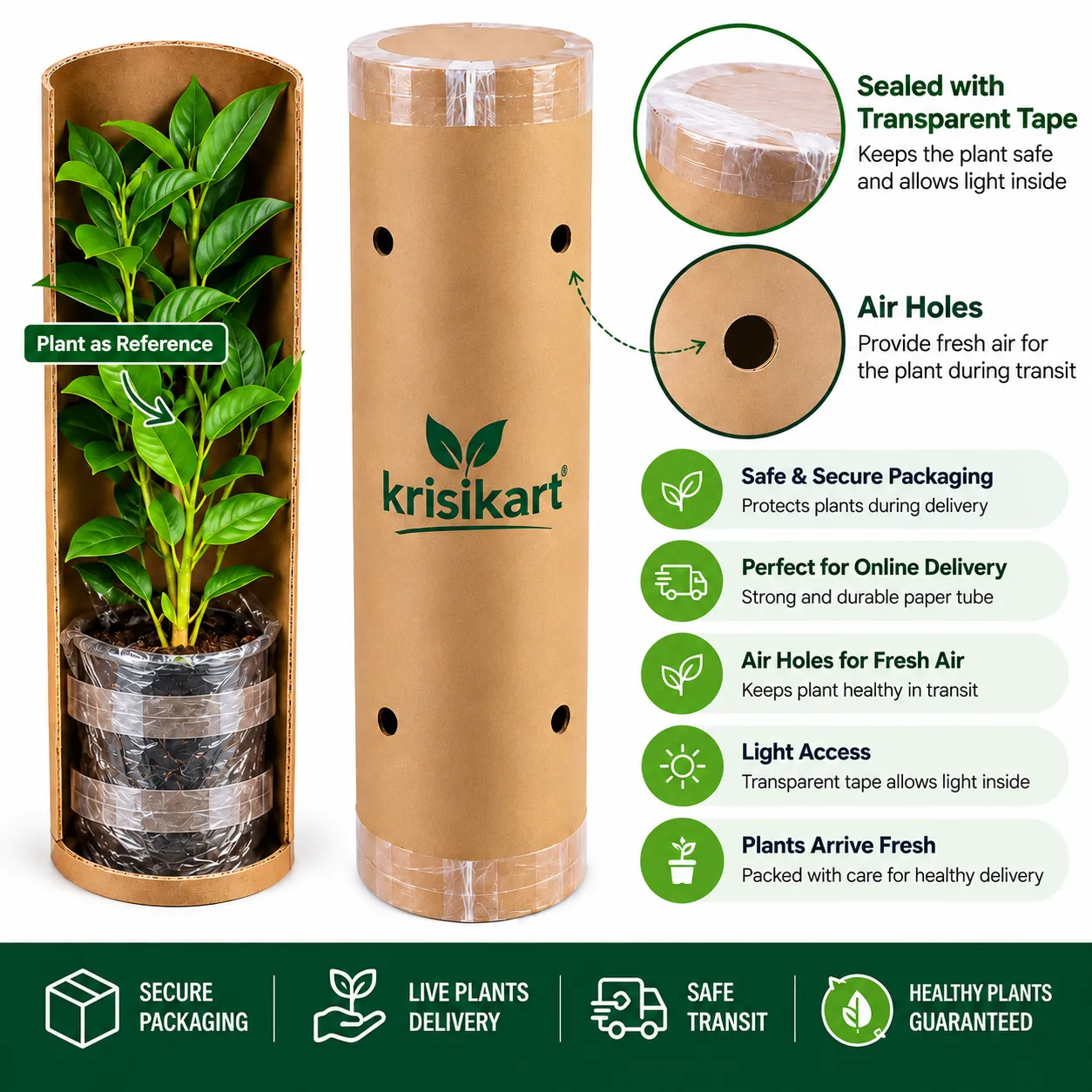
Because live plants are natural living specimens, normal variations in height, stem thickness, leaf count, and appearance are expected. Mild transport stress can occur during transit, and some leaves may turn yellow or shed after delivery.
Once your Guava Plant arrives, place it in bright indirect or filtered outdoor light for a few days to recover from transit before gradually moving it into full sun. Check soil moisture and water gently if dry, while avoiding immediate heavy fertilization or hard pruning until the plant settles and shows fresh growth.
Why Choose the Guava Plant for Your Garden?
The Guava Plant offers a dependable combination of evergreen foliage, ease of care in warm climates, and the appeal of growing homegrown pink-fleshed fruit. For gardeners looking for a productive, adaptable fruit plant for a sunny yard or spacious terrace container, Psidium guajava is a practical choice.
Botanical Information and Further Reading
- Kew Science – Plants of the World Online: Psidium guajava L.
- Royal Horticultural Society (RHS) – Psidium guajava Plant Details
- ICAR – Central Institute for Subtropical Horticulture (Guava Research)
- eFlora of India – Psidium guajava Botanical Reference
- University of Florida IFAS Extension – Guava Growing in the Home Landscape
Frequently Asked Questions (FAQs)
1. What is the botanical name of the Guava Plant?
The accepted botanical name of the Guava Plant is Psidium guajava, and it belongs to the family Myrtaceae.
2. What are common names for this plant in India?
It is commonly known as Guava, Pink Guava, or Thai Guava in English, Amrud in Hindi, and Peyara in Bengali.
3. Where does the Guava Plant originate from?
Psidium guajava is native to tropical America and has long been cultivated and naturalized across tropical and subtropical regions, including India.
4. Can this Pink or Thai Guava plant really fruit in about one year?
Vegetatively propagated plants (such as air-layered or grafted plants) can begin flowering and setting fruit around one year under favorable climate, sun, and care, though exact timing varies with starting plant condition and growing conditions rather than being guaranteed.
5. How much sunlight does a Guava Plant need?
It grows best in full, direct sunlight for at least 6 hours a day, with light afternoon shade helpful during extreme summer heat for young or potted plants.
6. How should I water my Guava Plant?
Water when the top 3 to 5 cm of soil feels dry, keeping moisture even without waterlogging. Increase frequency during hot, dry weather, reduce during rainy periods when soil stays wet, and water less in winter.
7. What soil mix works best for growing guava in a pot?
A well-draining mix such as 45% garden soil, 25% well-decomposed cow dung manure or vermicompost, 20% coarse sand or perlite, and 10% cocopeat in a pot with good drainage holes works well.
8. Can I grow this Guava Plant in a pot or grow bag?
Yes, it can be grown in a large pot or grow bag (16 to 24 inches) on a sunny terrace or garden with regular watering, feeding, and light pruning to manage size.
9. Is the Guava Plant suitable for Indian climates?
Yes, it adapts well to many warm Indian regions, including West Bengal, Maharashtra, Uttar Pradesh, Karnataka, and Gujarat, provided drainage is good and young plants are protected from extreme frost or waterlogging.
10. How is the Guava Plant propagated?
Nurseries commonly propagate guava through air layering, grafting, or budding to preserve parent traits, as well as from seeds, though seed-grown plants vary more and take longer to fruit.
11. How big does a Guava Plant grow?
In open ground it typically reaches 3 to 6 meters if unpruned, while regular pruning and container growing can keep it around 1.5 to 2.5 meters.
12. Can I keep a Guava Plant indoors?
No, it is an outdoor sun-loving plant that needs strong direct sunlight and does not thrive indoors.
13. How should I prune and maintain a Guava Plant?
Prune out dead, damaged, or crossing branches and lightly trim long shoots after fruiting to encourage balanced growth and light penetration.
For More Information
Visit: krisikart.com
For Contact Visit:Contact Us
For Shopping Visit: Shop Page


appliancesbee –
thanks 4 fresh & healthy plants deliver , paisa vasol , thanks again
Rakesh Nandi –
Healthy roots and fresh leaves.
Great quality and trusted seller.
Sunil Verma –
Healthy plant recivied , my order complete