 Plastic Plant pot | Plastic Garden Pot for Plants
 Self Watering Planters | Self Watering Plant Pots For Plants
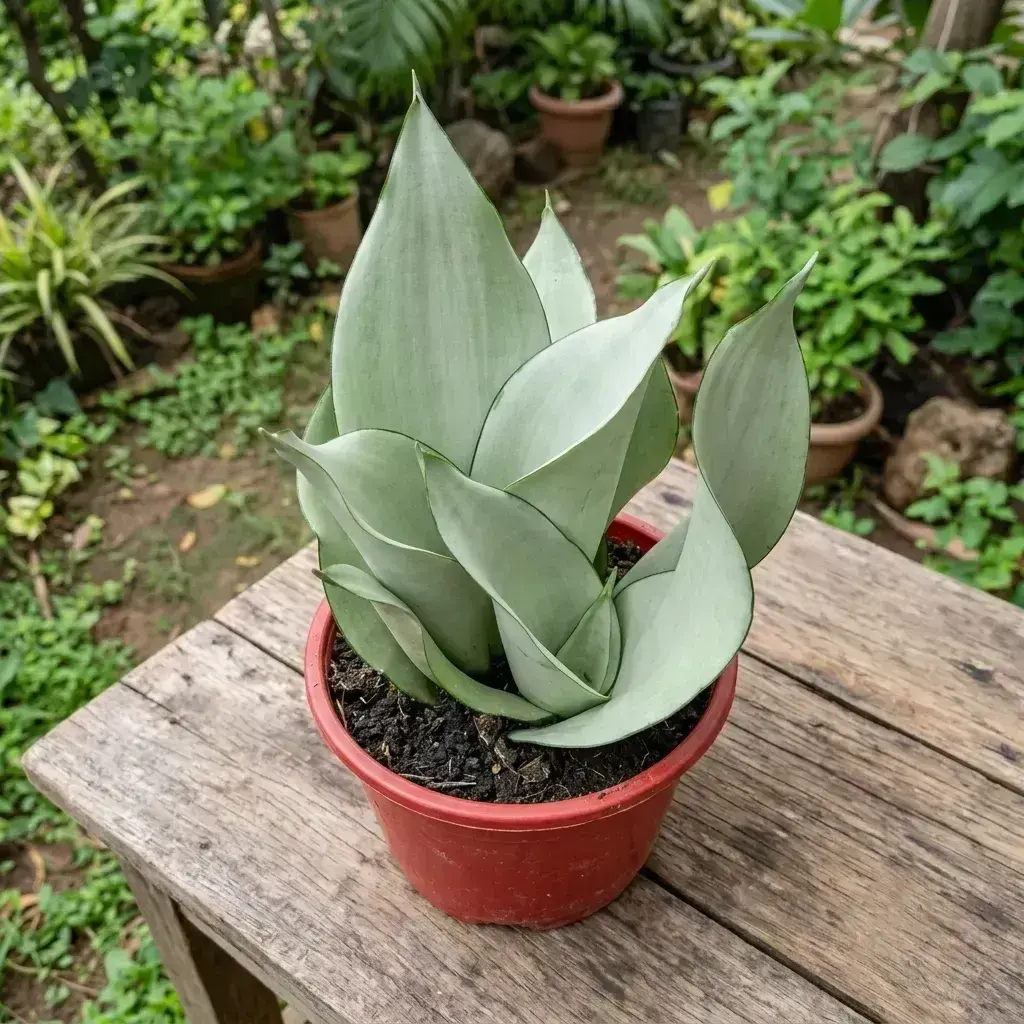
Snake Plant – Moonshine Snake Plant (Sansevieria trifasciata ‘Moonshine’)
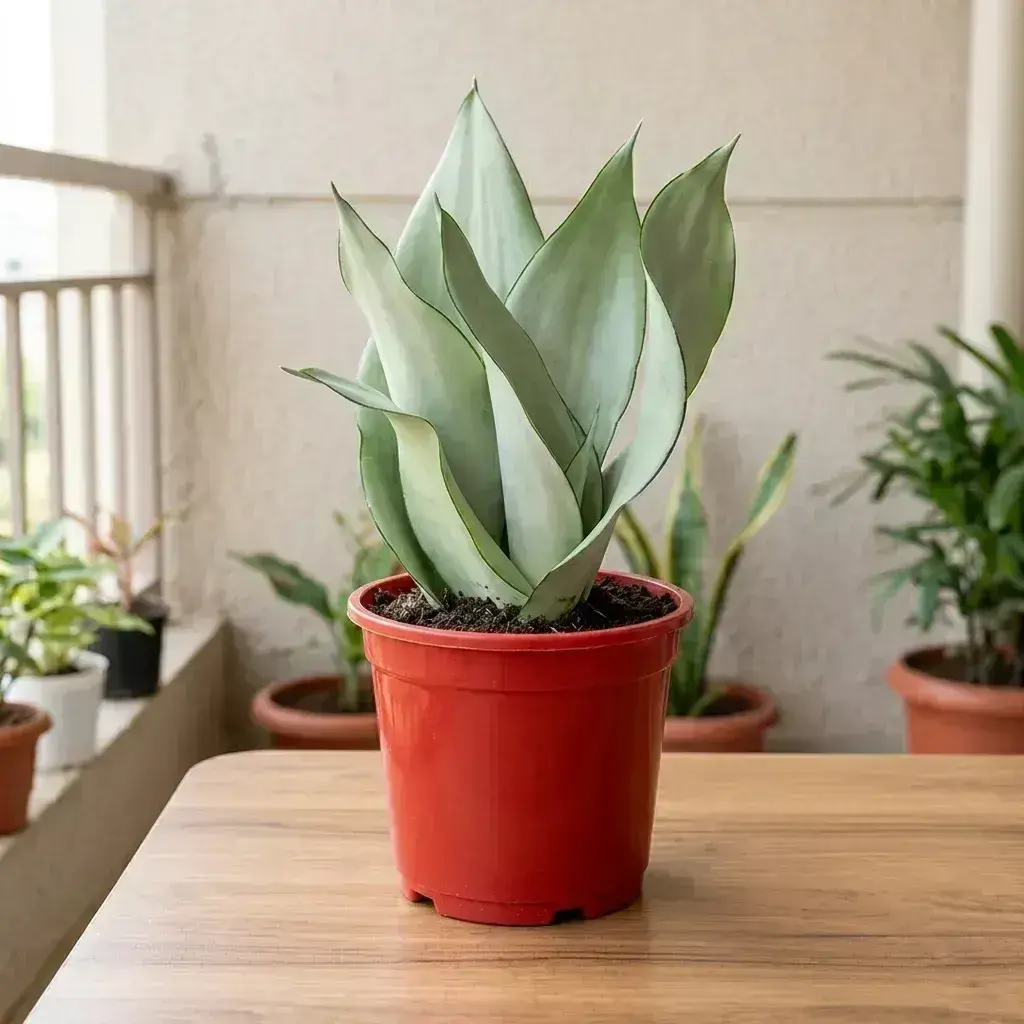
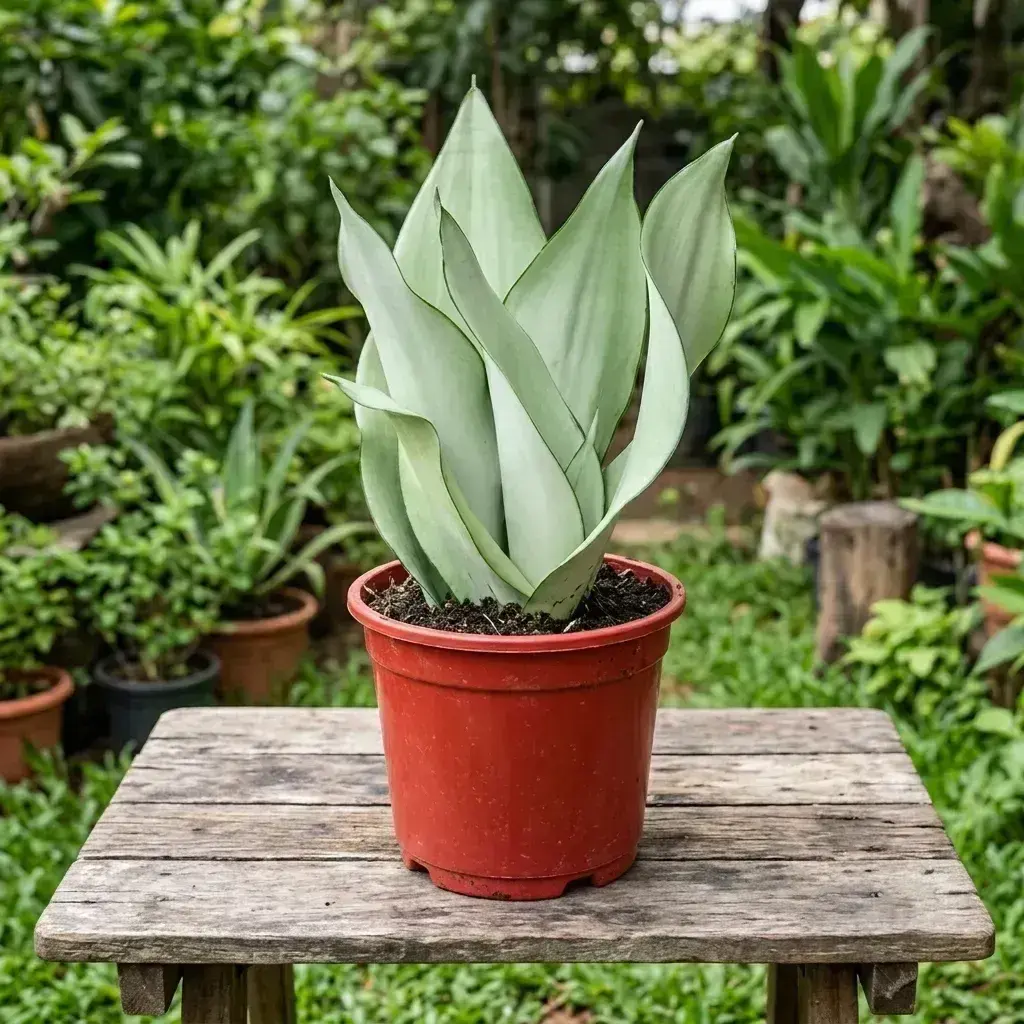
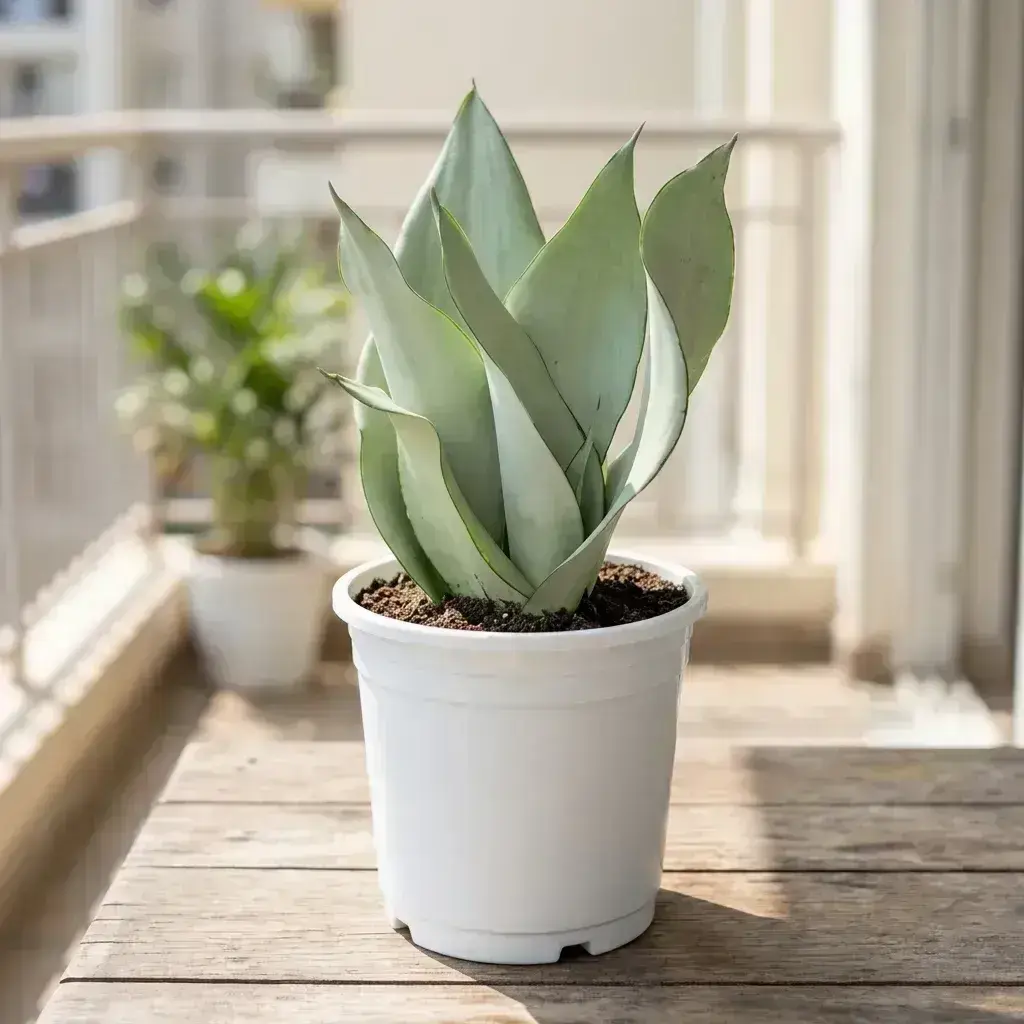
The Snake Plant Also known As Moonshine Snake Plant (Sansevieria Moonshine) Plant , a popular ornamental foliage plant admired for its broad, upright leaves and attractive silvery-green colour.
Also known as the Silver Snake Plant, this special snake plant variety features thick, sword-shaped leaves with a soft silver-green appearance and subtle dark green margins. Its elegant upright growth makes it an excellent choice for living rooms, bedrooms, office desks, balconies and decorative indoor plant collections.
The Moonshine Snake Plant is valued for its attractive foliage, drought tolerance and relatively low-maintenance nature. It can adapt to different indoor lighting conditions, although bright indirect light helps maintain its beautiful silver colouring.
Plant Highlights
- Common Name: Moonshine Snake Plant, Silver Snake Plant
- Botanical Name: Sansevieria trifasciata ‘Moonshine’
- Alternative Botanical Name: Dracaena trifasciata ‘Moonshine’
- Family: Asparagaceae
- Plant Type: Evergreen succulent perennial
- Growth Habit: Upright, clump-forming
- Leaf Colour: Silvery green with darker green margins
- Light: Bright indirect light to partial shade
- Watering: Low; water after the soil dries
- Maintenance: Low
- Best Uses: Indoor decoration, offices, balconies and container gardens
About the Moonshine Snake Plant
The Moonshine Snake Plant is a cultivated variety of the well-known snake plant. It is especially appreciated for its pale silver-green leaves, which give it a distinctive appearance compared with traditional dark green snake plant varieties.
The leaves grow upright from underground rhizomes, forming an attractive cluster. New leaves often appear particularly pale and silvery, while older leaves may gradually develop a deeper green or olive tone.
Its strong foliage and adaptable nature make it a popular choice for modern homes and indoor gardens.
Appearance and Growth
The Moonshine variety has a distinctive appearance that makes it stand out among other snake plants.
- Broad, upright sword-shaped leaves
- Attractive silvery-green foliage
- Subtle darker green leaf margins
- Faint natural horizontal markings
- Compact, upright growth habit
- New shoots emerging from underground rhizomes
The plant grows relatively slowly and gradually forms a fuller clump as new leaves develop.
Sunlight Requirements
The Moonshine Snake Plant grows well in different lighting conditions, but bright indirect light is generally best for maintaining its attractive silver foliage.
- Place it near a bright window.
- Provide filtered natural sunlight.
- Gentle morning sunlight is usually suitable.
- Protect it from intense afternoon sunlight.
- Avoid keeping it in complete darkness.
It can tolerate lower-light indoor locations, but growth may become slower and the silvery appearance may become less pronounced.
Watering Requirements
The Moonshine Snake Plant stores water in its thick leaves and underground rhizomes, making it drought tolerant.
- Allow the potting soil to dry thoroughly before watering again.
- Water deeply when required.
- Remove excess water from the saucer.
- Reduce watering during cooler weather.
- Avoid frequent watering when the soil is still moist.
Overwatering is one of the most common reasons for yellow leaves and root rot in snake plants.
Soil and Potting Requirements
A loose, well-draining growing medium is essential for healthy roots.
A suitable potting mixture can contain:
- 40% garden soil or loam-based potting mix
- 25% coarse sand or grit
- 20% perlite or pumice
- 15% mature compost
Use a pot with proper drainage holes. Avoid heavy soil that holds excessive water around the roots.
Growing Moonshine Snake Plant in the Indian Climate
The Moonshine Snake Plant is suitable for growing in many Indian homes, apartments and balconies.
Summer: Keep it in bright filtered light and avoid prolonged exposure to strong afternoon sunlight. Water only when the soil has dried.
Monsoon: Protect the plant from continuous heavy rain. Good drainage is particularly important during humid weather.
Winter: Reduce watering as the plant may grow more slowly. Protect it from unusually cold conditions.
In humid areas such as West Bengal, avoid leaving the pot in a location where rainwater collects around its roots.
Humidity and Temperature
The Moonshine Snake Plant adapts well to ordinary indoor humidity and does not require frequent misting.
- Normal household humidity is generally suitable.
- Maintain good air circulation.
- Avoid permanently damp growing conditions.
- Keep it away from cold drafts.
- Protect it from extreme temperature changes.
It is a warm-climate ornamental plant and should be protected from frost.
Fertilizer Requirements
This plant does not require heavy feeding.
- Apply a diluted balanced liquid fertilizer during active growth.
- Feed occasionally during spring and summer.
- Follow the manufacturer’s recommended dosage.
- Avoid excessive nitrogen fertilizer.
- Do not fertilize a recently repotted or stressed plant.
Excessive feeding is unnecessary and may affect healthy growth.
Growing in Pots
The Moonshine Snake Plant is particularly suitable for decorative pots and indoor containers.
- Choose a pot with drainage holes.
- Use a well-draining succulent or cactus potting mixture.
- Select a container that comfortably accommodates the roots.
- Allow the plant to become slightly root-bound before repotting.
- Keep the pot in a bright location.
Its upright leaves make it attractive in floor planters, table planters and modern decorative containers.
Pruning and Maintenance
The Moonshine Snake Plant requires very little pruning.
- Remove damaged or dried leaves from the base.
- Keep the leaves free from dust.
- Use clean cutting tools.
- Avoid cutting healthy leaf tips unnecessarily.
- Separate overcrowded clumps when repotting if required.
Healthy leaves should generally be left undisturbed.
Propagation
The Moonshine Snake Plant can be propagated mainly through division of its underground rhizomes and offsets.
Propagation by Division:
- Carefully remove the plant from its pot.
- Identify a healthy section with roots and leaves.
- Separate the section using a clean cutting tool.
- Plant it in a well-draining growing medium.
- Keep it in bright indirect light while it establishes.
Division is recommended when preserving the characteristic Moonshine foliage colour.
Leaf cuttings may not reliably retain the Moonshine cultivar’s distinctive appearance and can produce plants with different foliage characteristics.
Common Problems and Care
Yellow Leaves: Often caused by overwatering or poor drainage. Check the soil before watering again.
Brown Leaf Tips: May result from physical damage, irregular watering or environmental stress.
Loss of Silver Colour: Older leaves naturally become darker. Insufficient light can also make the foliage less silvery.
Soft or Mushy Leaves: May indicate excess moisture and root rot.
Slow Growth: Snake plants naturally grow slowly, particularly in lower-light conditions.
Pest Problems: Inspect leaves and the base of the plant for mealybugs and scale insects.
Is Moonshine Snake Plant Suitable for Indoor Decoration?
Yes. Its elegant silvery foliage and upright growth make it suitable for many indoor decorative settings.
It can be placed in:
- Living rooms
- Bedrooms with natural light
- Office spaces
- Reception areas
- Bright hallways
- Covered balconies
- Decorative floor planters
It can tolerate lower light, but brighter indirect light generally supports better growth and leaf colour.
Safety Information
Snake plants contain compounds that can cause irritation or stomach discomfort if eaten. Keep the plant away from children and pets, and discourage chewing of the leaves.
Live Plant Delivery Information
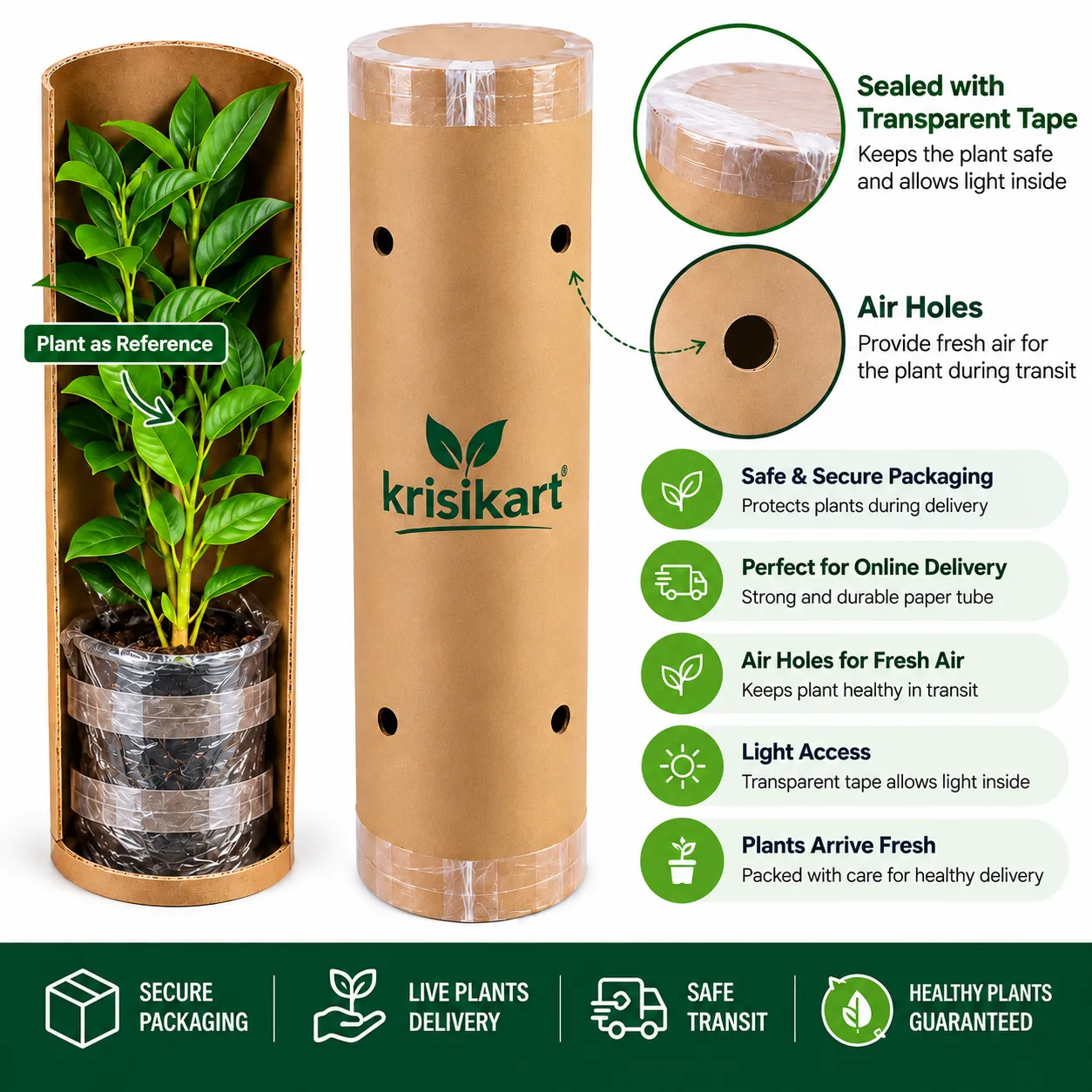
- The delivered plant may naturally vary in height, leaf count and shape.
- Leaf colour can vary slightly depending on age and growing conditions.
- Minor changes in appearance may occur during transportation.
- Place the plant in bright indirect light after delivery.
- Check soil moisture before watering.
- Avoid immediate strong sunlight, heavy fertilizer or unnecessary repotting.
Why Choose the Moonshine Snake Plant?
The Moonshine Snake Plant is an excellent choice for anyone looking for an attractive, low-maintenance ornamental plant. Its silvery-green leaves create a beautiful contrast with ordinary green foliage plants, making it a stylish addition to modern homes, offices and balcony gardens.
With suitable light, occasional watering and well-draining soil, this elegant snake plant can remain an attractive part of your indoor plant collection for many years.
Botanical Information & Further Reading
- Royal Horticultural Society – Sansevieria trifasciata ‘Moonshine’
- Royal Horticultural Society – How to Grow Sansevierias
- Royal Horticultural Society – Sansevieria Plant Guide
- LLIFLE – Sansevieria trifasciata ‘Moonshine’
- World Plants – Sansevieria trifasciata ‘Moonshine’
- University of Florida – Sansevieria Production Guide
Frequently Asked Questions
1. What is the botanical name of the Moonshine Snake Plant?
It is commonly identified as Sansevieria trifasciata ‘Moonshine’. It is also classified under the name Dracaena trifasciata ‘Moonshine’.
2. Why is it called the Moonshine Snake Plant?
It is named for its distinctive pale, silvery-green leaves, which give the plant a soft moonlit appearance.
3. Is Moonshine Snake Plant suitable for indoor growing?
Yes. It is an excellent indoor foliage plant and grows well in bright rooms with indirect sunlight.
4. Does Moonshine Snake Plant need direct sunlight?
It prefers bright indirect light but can tolerate some gentle direct sunlight after gradual acclimatisation.
5. How often should I water a Moonshine Snake Plant?
Water only after the potting soil has dried thoroughly. Avoid keeping the soil continuously moist.
6. Can Moonshine Snake Plant grow in low light?
Yes. It can tolerate lower-light locations, although its growth may slow and its silver colouring may become less pronounced.
7. Does the Moonshine Snake Plant produce flowers?
Mature plants may occasionally produce small, fragrant greenish-white flowers on a flower stalk, although flowering is uncommon indoors.
8. Can I grow Moonshine Snake Plant in a pot?
Yes. It is well suited to decorative containers with drainage holes and a well-draining potting mixture.
9. Why are my Moonshine Snake Plant leaves turning yellow?
Overwatering, poor drainage and root damage are common causes. Check the growing medium before watering again.
10. How can I propagate Moonshine Snake Plant?
The best method for retaining its characteristic appearance is propagation through division of healthy rhizomes and offsets.
11. Is Moonshine Snake Plant suitable for Indian weather?
Yes. It can grow in many Indian homes and balconies. Protect it from prolonged monsoon rainfall and waterlogged soil.
12. Is Moonshine Snake Plant safe for pets?
No. It can cause stomach irritation if eaten. Keep it away from pets and small children.
For More Information
Visit: krisikart.com
For Contact Visit:Contact Us
For Shopping Visit: Shop Page


Reviews
There are no reviews yet.