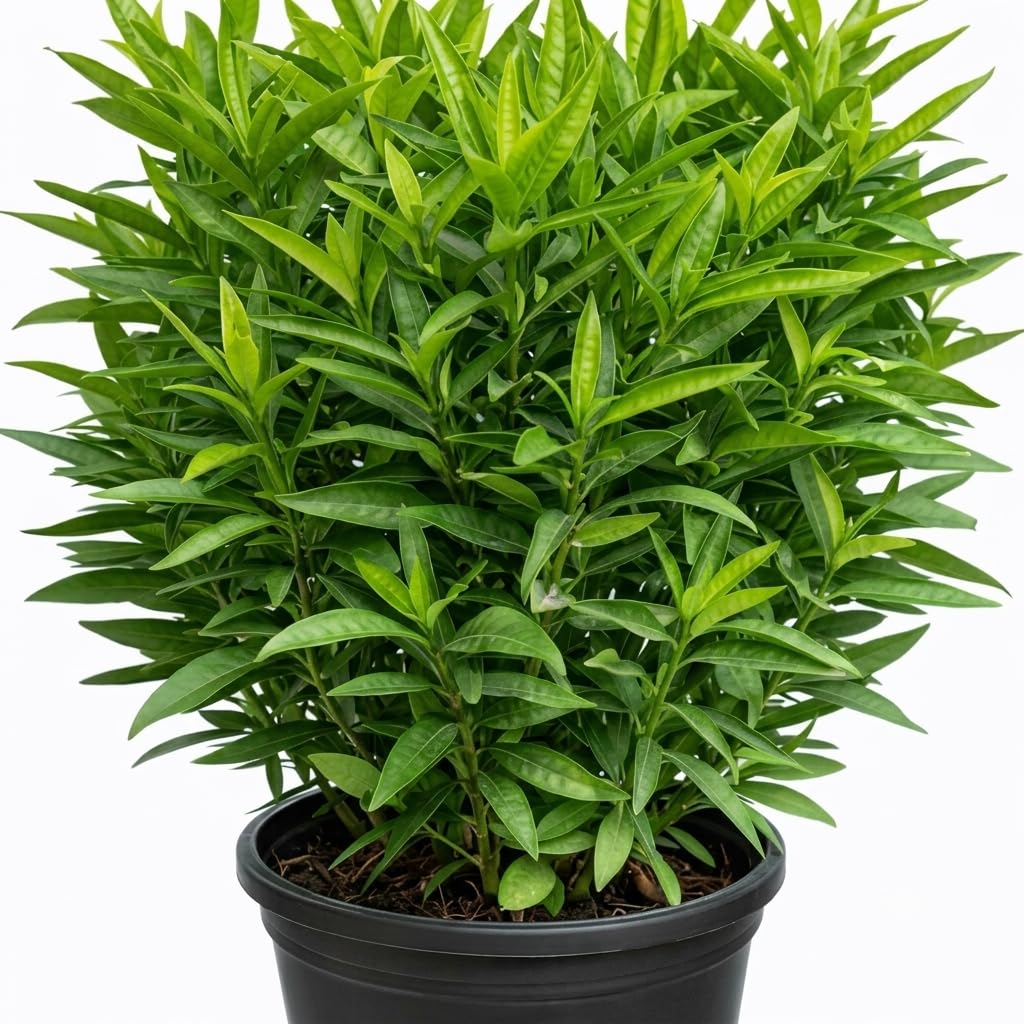
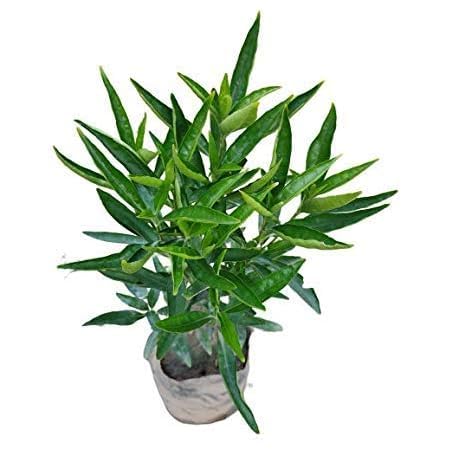
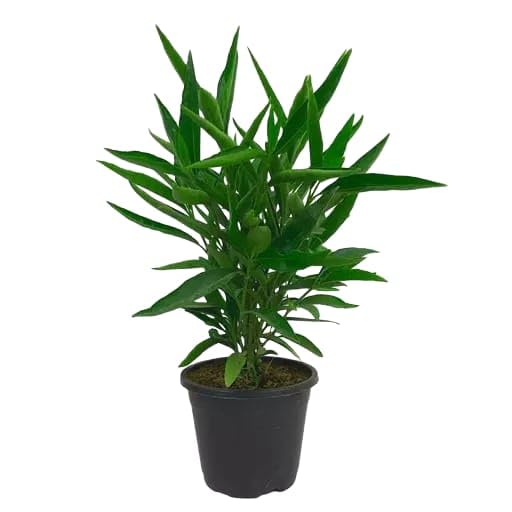
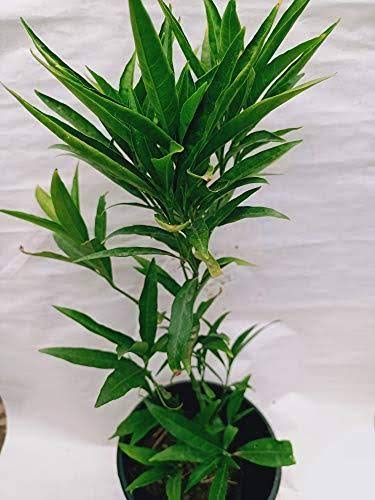
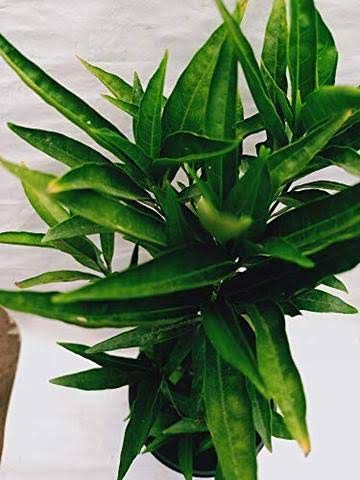

Live Sukh-Shanti Jal Bahar Lucky Plant – सुख शांति का पौधा
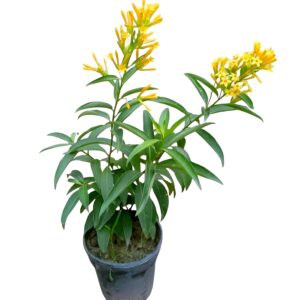
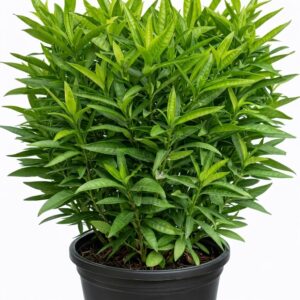
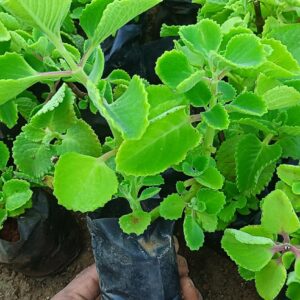
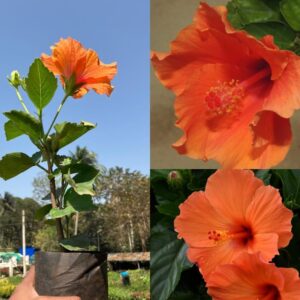
Bring attractive greenery and colourful flowers into your home with the Live Sukh-Shanti Jal Bahar Lucky Plant with Black Plastic Pot.
This plant is commonly sold in India under names such as Sukh-Shanti Plant, Jal Bahar Plant, Sadabahar, Periwinkle and Madagascar Periwinkle. Available marketplace listings identify the “Sukh-Shanti Jal Bahar Lucky Plant” with Sadabahar/Periwinkle, corresponding to Catharanthus roseus.
Botanically, Catharanthus roseus is an accepted species in the Apocynaceae family. It is native to Madagascar and is now widely cultivated in tropical and subtropical regions, including India.
The plant is supplied with a black plastic pot, making it convenient for customers who want to start growing it immediately at home.
🌿 About the Sukh-Shanti Jal Bahar Plant
The plant commonly known as Sadabahar is a popular flowering ornamental plant in Indian gardens.
Its attractive foliage and simple five-petalled flowers make it suitable for:
- 🏡 Home gardens
- 🪴 Balcony gardens
- 🌿 Terrace gardens
- 🌸 Flower pots
- 🌱 Garden borders
- 🏢 Office and entrance areas
- 🌼 Patio and container gardening
RHS describes Catharanthus roseus as an evergreen perennial with somewhat fleshy stems, ovate leaves and five-petalled flowers that may be pink, red or white.
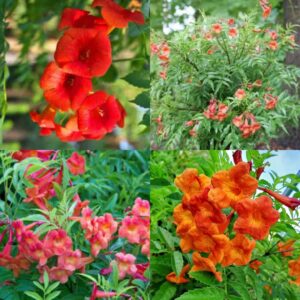
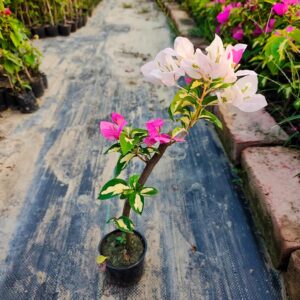
🌸 Flowers of Sadabahar / Periwinkle
The most attractive feature of this plant is its flowers.
Depending on the plant and variety, flowers may appear in shades such as:
- Pink
- Rose
- White
- Red or reddish shades
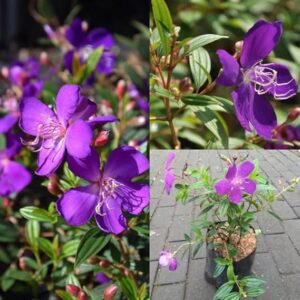
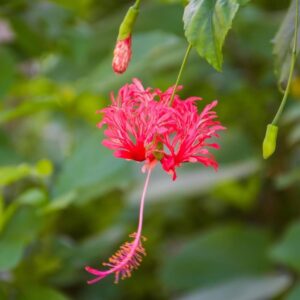
The flowers have five petals surrounding a tubular centre, giving them a simple but attractive appearance. Kew describes the flowers as white or pink with five petals spreading from a long tubular throat.
In warm climates, the plant can produce flowers over an extended period when growing conditions are suitable.
🍃 Plant Characteristics
| Feature | Details |
|---|---|
| Common Name | Sadabahar / Periwinkle |
| Market Name | Sukh-Shanti Jal Bahar Lucky Plant |
| English Name | Madagascar Periwinkle |
| Botanical Name | Catharanthus roseus (L.) G.D |
| Family | Apocynaceae |
| Plant Type | Evergreen perennial / subshrub |
| Growth Habit | Upright to spreading |
| Flower Colours | Pink, white, red and related shades |
| Suitable For | Home, balcony, terrace and garden |
| Container | Black plastic pot |
| Climate | Warm tropical and subtropical |
| Main Attraction | Colourful flowers and green foliage |
Kew currently accepts Catharanthus roseus (L.) G.Don as the botanical name and places it in the Apocynaceae family.
☀️ Sunlight Requirements
Sadabahar is a sun-loving flowering plant.
For good growth and flowering, place the pot where the plant receives plenty of bright sunlight.
A suitable location can include:
- Morning sunlight
- Several hours of direct sunlight
- Bright outdoor balcony
- Sunny terrace
- Garden area with good light
RHS recommends full sun for Catharanthus roseus.
In extremely hot Indian summer conditions, particularly on exposed concrete terraces, observe the plant for heat stress and provide some protection during exceptionally harsh afternoon conditions if necessary.
💧 Watering Requirements
Water the plant regularly, but avoid keeping the soil continuously waterlogged.
A simple watering routine:
- Check the surface of the soil.
- Water when the growing medium begins to dry.
- Water thoroughly enough to moisten the root zone.
- Allow excess water to drain from the pot.
- Reduce watering during periods of heavy rainfall.
RHS recommends moist but well-drained or well-drained growing conditions, while Kew notes that the species is sensitive to over-watering.
🪴 Soil & Potting
Use a fertile, well-draining potting mixture.
A practical home-garden mixture can contain:
- Garden soil
- Well-decomposed compost
- Cocopeat
- Coarse material such as sand or another drainage-improving component
The goal is to retain enough moisture for healthy growth while allowing excess water to drain away.
Avoid using a potting medium that remains permanently saturated.
🌱 Fertilizer & Nutrition
Sadabahar generally does not require heavy feeding.
For healthy foliage and flowering:
- Add mature compost periodically.
- Use a balanced fertilizer at an appropriate dilution when required.
- Avoid excessive fertilizer.
- Feed more consistently during active growth.
- Reduce feeding when the plant is under stress.
RHS recommends a balanced liquid fertilizer during active growth for cultivated Catharanthus roseus.
🌸 Flowering & Seasonal Growth
In warm climates, Catharanthus roseus can flower for a long period when provided with suitable sunlight and growing conditions. Kew notes that the species thrives in hot and humid environments and can flower throughout the year in hot climates.
Actual flowering will vary according to:
- Local climate
- Sunlight
- Plant maturity
- Watering
- Nutrition
- Pot size
- Seasonal conditions
Therefore, flowering time and quantity should not be considered guaranteed.
🏡 Home Garden Suitability
The Sukh-Shanti Jal Bahar plant is an attractive choice for customers looking for an easy-to-maintain flowering plant for their home.
It can be placed in:
- Main entrance areas
- Balconies
- Window-side outdoor spaces
- Terraces
- Courtyards
- Garden borders
- Patio containers
- Small home gardens
Its relatively compact size also makes it convenient for container gardening.
🪴 Growing in the Supplied Black Plastic Pot
The included black plastic pot allows you to begin caring for the plant without immediately purchasing another container.
After receiving the plant:
Step 1: Place it in a bright, sunny location.
Step 2: Check the soil moisture before watering.
Step 3: Keep the growing medium appropriately moist but not permanently waterlogged.
Step 4: Allow excess water to drain through the pot.
Step 5: Add compost or suitable fertilizer periodically during active growth.
Step 6: Remove damaged or spent plant material when necessary.
As the plant develops, you can move it into a larger container if the existing pot becomes restrictive.
✂️ Pruning & Maintenance
Regular pruning is generally not essential for this plant, but light maintenance can help keep the plant attractive.
You can:
- Remove dry leaves.
- Remove damaged stems.
- Remove faded flowers when desired.
- Trim unwanted growth.
- Maintain a compact shape.
RHS lists pruning as generally not required for Catharanthus roseus.
🌦️ Indian Climate & Care
Sadabahar is particularly suited to warm tropical and subtropical conditions.
Kew reports that the species is native to Madagascar and is now introduced and cultivated in many tropical and subtropical regions, including India.
For Indian home gardens:
- Give sufficient sunlight.
- Avoid excessive watering.
- Use well-draining soil.
- Protect the pot from prolonged waterlogging during monsoon.
- Provide adequate air circulation.
- Adjust watering according to local weather.
In colder regions, protect the plant from frost and prolonged cold because it is a warm-climate species.
🪷 Why Is It Called a “Sukh-Shanti” or “Lucky Plant”?
Sukh-Shanti, meaning happiness and peace, is a market/trade name used for this type of plant in some Indian listings. The name reflects cultural and decorative associations rather than a scientifically established property of the plant.
Similarly, calling it a “Lucky Plant” is a cultural or marketing description. It should not be understood as a scientific guarantee that the plant will bring luck, wealth, health or positive outcomes.
The actual botanical plant described here is Catharanthus roseus / Sadabahar / Madagascar Periwinkle.
⚠️ Important Safety Note
Do not consume the leaves, flowers, seeds or other parts of Sadabahar as food or home medicine.
Catharanthus roseus contains biologically active alkaloids, including compounds that are highly toxic. Kew specifically notes that the plant contains highly toxic alkaloids and describes its sap as extremely toxic.
Keep the plant away from:
- Children
- Pets
- Livestock
Do not use this ornamental plant for self-treatment or prepare homemade medicinal products from it.
The plant has important pharmaceutical research history, but that does not mean that consuming the live plant is safe or that it should be used as a home remedy.
📦 Live Plant Delivery & Natural Variation
This product contains a live plant with a black plastic pot.
Because plants are living products, the exact appearance at the time of delivery can vary naturally.
Possible differences include:
- Plant height
- Number of branches
- Number of leaves
- Number of flowers
- Flowering stage
- Leaf size
- Plant spread
- Soil condition
- Seasonal appearance
Product photographs are representative and may not show the exact individual plant shipped.
🚚 First Delivery by Blue Dart Air / Express
We aim to provide first delivery through Blue Dart Air / express courier where the destination and serviceable pincode permit.
The plant is prepared and packed carefully for transportation. After delivery, open the package gently and allow the plant to settle after its journey.
For best recovery:
- Unpack carefully.
- Place the plant in suitable light.
- Check soil moisture.
- Water only when required.
- Avoid immediately exposing a stressed plant to extreme heat.
- Allow a short adjustment period before making major changes.
⭐ Why Choose Sukh-Shanti Jal Bahar Plant?
- 🌸 Attractive flowering ornamental plant
- 🌿 Popular Indian Sadabahar / Periwinkle
- 🪴 Comes with a black plastic pot
- 🏡 Suitable for home gardens
- 🌱 Excellent for balcony and terrace containers
- ☀️ Enjoys bright sunlight
- 🌦️ Suitable for warm Indian climates
- 🌺 Flowers can provide long-lasting seasonal colour
- 🎁 Suitable as a decorative plant gift
- 🕉️ “Sukh-Shanti” name has a traditional/cultural appeal
- 🌿 Compact and practical for container gardening
🔬 Botanical Information
| Botanical Detail | Information |
|---|---|
| Accepted Scientific Name | Catharanthus roseus (L.) G.Don |
| Common Name | Madagascar Periwinkle |
| Indian Common Name | Sadabahar |
| Market Name | Sukh-Shanti Jal Bahar Lucky Plant |
| Family | Apocynaceae |
| Genus | Catharanthus |
| Plant Type | Evergreen perennial / subshrub |
| Native Range | Eastern & Southern Madagascar |
| Introduced/Cultivated In | Tropical and subtropical regions worldwide, including India |
| Flower Colours | Pink, white, red and related forms |
| Garden Use | Ornamental flowering plant |
| Pot Included | Black plastic pot |
Kew currently lists Catharanthus roseus as an accepted species, with Madagascar as its native range and India among the regions where it has been introduced.
📚 Botanical Information & Further Reading
- Kew Plants of the World Online – Catharanthus roseus — accepted botanical name, family, distribution and taxonomy. Kew – Catharanthus roseus
- Kew Species Profile – Madagascar Periwinkle — morphology, cultivation, uses and safety information. Kew – Madagascar Periwinkle
- Royal Horticultural Society – Catharanthus roseus — sunlight, soil, watering, cultivation and container-gardening information. RHS – Catharanthus roseus
- Kew – Madagascar Periwinkle — geographic distribution and garden information. Kew Plant Profile
- Kew Medicinal Plant Names Service – Catharanthus roseus — accepted botanical identity and medicinal-name information. Kew Medicinal Plant Names Service











Reviews
There are no reviews yet.