Kulekhara Plant / Leaves (Hygrophila auriculata) | Kokilaksha Plant for Planting
🌿 About the Plant
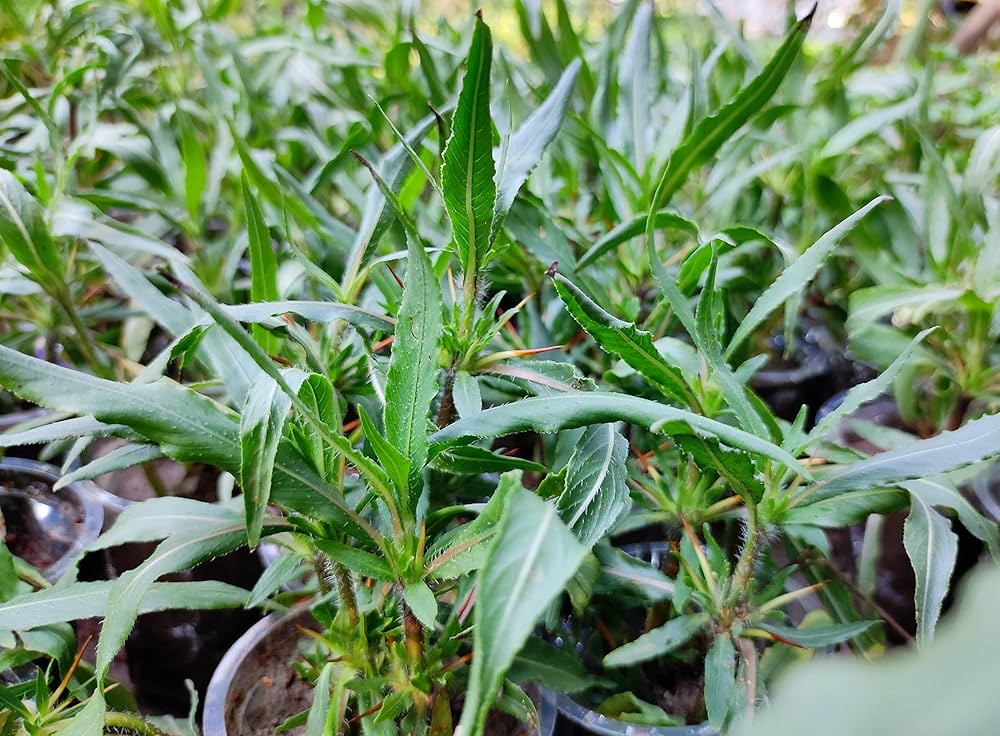
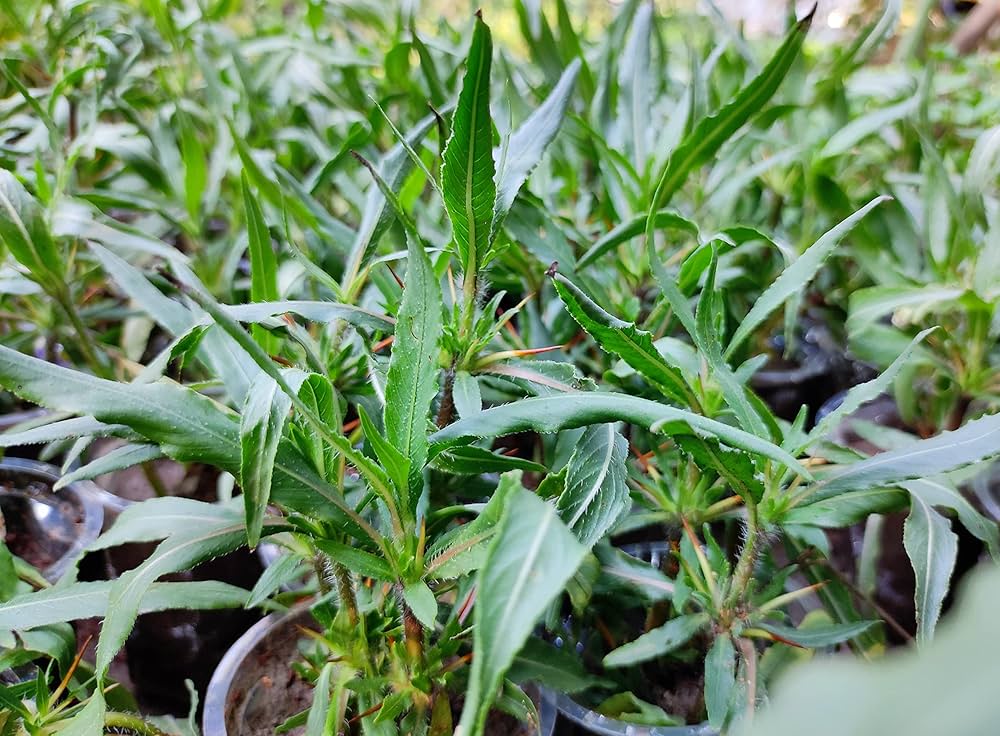
The Kulekhara Plant, commonly known as Kokilaksha, is a distinctive herbaceous plant botanically identified as Hygrophila auriculata (Schumach.) Heine. It belongs to the Acanthaceae family and is naturally associated with wet places, marshy areas, riverbanks and seasonally flooded habitats.
In different parts of India, the plant is known by names such as Kulekhara, Kokilaksha, Gokulakanta and other regional names. Kew’s botanical records recognize Hygrophila auriculata as the accepted species name and document its distribution across the Indian subcontinent and tropical Africa.
Kulekhara is particularly interesting for Indian home gardeners, traditional plant collectors and people interested in cultivating useful native and naturalized herbs. Its characteristic leaves, upright growth and attractive flowers make it a distinctive addition to a suitable outdoor growing space.
🌱 Plant Characteristics
- Botanical Name: Hygrophila auriculata (Schumach.) Heine
- Family: Acanthaceae
- Common Names: Kulekhara, Kokilaksha, Gokulakanta, Neermulli and regional names
- Plant Type: Herbaceous annual/subshrub
- Growth Habit: Generally erect, with quadrangular stems
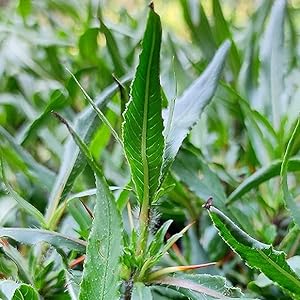
- Leaves: Narrowly lanceolate to narrowly ovate/elliptic, depending on the part of the plant and growth stage
- Flowers: Usually white, pale mauve, lilac, blue or purple depending on the plant form
- Natural Habitat: Wetlands, marshy places, riverbanks, seasonally flooded areas and other moist habitats
Kew botanical information records stems that can reach substantial height under suitable conditions, with narrow leaves and characteristic spiny structures around the flowering areas.
🌿 Leaves & Traditional Importance
Kulekhara is traditionally valued in South Asian herbal traditions, and different parts of the plant have been discussed in traditional medicine and ethnobotanical literature.
The leaves are also used as a traditional edible leafy vegetable in some regions. However, traditional use should not be interpreted as medical advice, and this product is supplied primarily as a live plant for cultivation.
If you intend to consume any part of the plant, make sure you have correctly identified the species and follow appropriate food-safety practices.
🌸 Flowers & Natural Appearance
Under suitable growing conditions, Kulekhara can produce attractive flowers in shades that may range from white and pale mauve to lilac, blue or purple.
The flowers occur in clusters around the upper portions of the stem. The plant also develops distinctive hard, spine-like structures associated with the flowering areas, which are one of its recognizable botanical features.
Flowering performance depends on plant maturity, sunlight, moisture, temperature and general growing conditions.
☀️ Sunlight Requirements
Kulekhara prefers good light and outdoor growing conditions.
For best growth:
- Place the plant where it can receive strong natural light.
- Full sun is generally suitable when adequate moisture is available.
- Avoid keeping it permanently in a dark indoor location.
- During extremely hot conditions, monitor soil moisture carefully.
- Plants growing in containers may require more frequent watering than plants growing in the ground.
Available cultivation information indicates that the plant performs well with high moisture availability and good light.
💧 Watering
Because Hygrophila auriculata is naturally associated with moist and seasonally flooded environments, it generally appreciates consistent moisture.
- Check the soil before watering.
- Water when the upper layer begins to dry.
- Keep the growing medium moist but avoid stagnant, foul-smelling water in an ordinary container.
- Make sure excess water can escape when growing in pots.
- Increase monitoring during hot and dry weather.
- Reduce unnecessary watering during periods of heavy rainfall if the soil is already saturated.
The plant’s natural ecology includes seasonally flooded grasslands, riverbanks, riverbeds and wet soils.
🪴 Soil & Potting
Kulekhara is best suited to a moist, fertile and well-structured growing medium.
For container cultivation, a practical mix can include:
- Garden soil
- Well-decomposed compost or vermicompost
- Cocopeat
- A small amount of coarse sand or another drainage-improving material
The exact ratio does not need to be rigid. The main goals are moisture retention, organic matter and adequate drainage.
Avoid using a completely dry, rapidly draining medium if you cannot maintain sufficient moisture.
🌱 Fertilizer & Nutrition
Kulekhara generally does not require an excessive fertilizer program.
You can use:
- Well-decomposed compost
- Vermicompost
- Organic manure
- A suitable balanced fertilizer when required
Always follow the dosage printed on the fertilizer package. Excess fertilizer can damage roots and may result in unnecessary vegetative growth.
🌼 Flowering & Plant Development
Flowering and overall plant development depend on:
- Plant age
- Sunlight
- Moisture
- Soil fertility
- Temperature
- Local climate
- General plant health
Plants may establish differently after transplantation or courier delivery. Flowering should not be expected immediately after receiving the plant.
🏡 Home Garden Suitability
Kulekhara can be grown in suitable:
- Home gardens
- Outdoor gardens
- Herbal plant collections
- Moist garden areas
- Farm gardens
- Containers with appropriate moisture management
- Suitable pond or water-margin environments
It is particularly appropriate for gardeners who can provide a sunny location and consistently moist growing conditions.
🪴 Container / Terrace Gardening
Kulekhara can be maintained in a container if its moisture and sunlight requirements are properly managed.
For container growing:
- Use a container with sufficient depth for root development.
- Use a moisture-retentive but aerated potting mix.
- Provide drainage holes.
- Place the pot in a sunny outdoor location.
- Monitor watering more frequently during hot weather.
- Repot when the plant becomes root-bound or the container becomes unsuitable.
A large container is preferable if you want to maintain the plant for an extended period.
✂️ Pruning & Maintenance
Routine maintenance is relatively straightforward.
- Remove damaged or dead plant material.
- Trim unwanted growth when necessary.
- Keep the surrounding growing area clean.
- Remove competing weeds.
- Monitor the plant after heavy rainfall.
- Avoid unnecessary heavy pruning while the plant is establishing.
Because the plant has characteristic spiny structures, handle mature plants carefully.
🌱 Special Cultivation Notes
Kulekhara is naturally associated with moist and wet habitats, so it is different from drought-tolerant garden herbs.
It can be particularly interesting for gardeners who have access to:
- Moist garden soil
- Pond margins
- Rain-fed garden areas
- Irrigated growing beds
- Large containers where moisture can be managed
Kew records its ecology in seasonally flooded grasslands, clay soils, wet sand, riverbanks, riverbeds and old rice-field environments.
📦 Live Plant Delivery & Natural Variation
This is a live plant, so its appearance may change naturally during packing, transportation and acclimatization.
Your plant may arrive with:
- Slight leaf yellowing
- Temporary drooping
- Minor leaf shedding
- Different height from the product photograph
- Different leaf size
- Different stem thickness
- Different branching
- Minor transportation stress
Changes in light, temperature, humidity and watering during transportation can temporarily affect the appearance of a live plant.
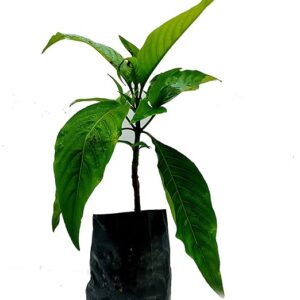
The delivered plant may not look exactly identical to the product photograph. Product photographs are provided to show the general plant type and appearance.
After delivery, place the plant in a suitable growing location and allow it time to adjust gradually.
🚚 First Delivery by Blue Dart Air Courier
Krisikart.com ships this live plant using Blue Dart Air/express service as the preferred first delivery option where the destination and shipment are serviceable.
Blue Dart provides domestic air and express logistics services in India with tracking and serviceability based on origin, destination and applicable service conditions. Availability is not identical for every pincode, so the actual courier service may depend on your delivery location.
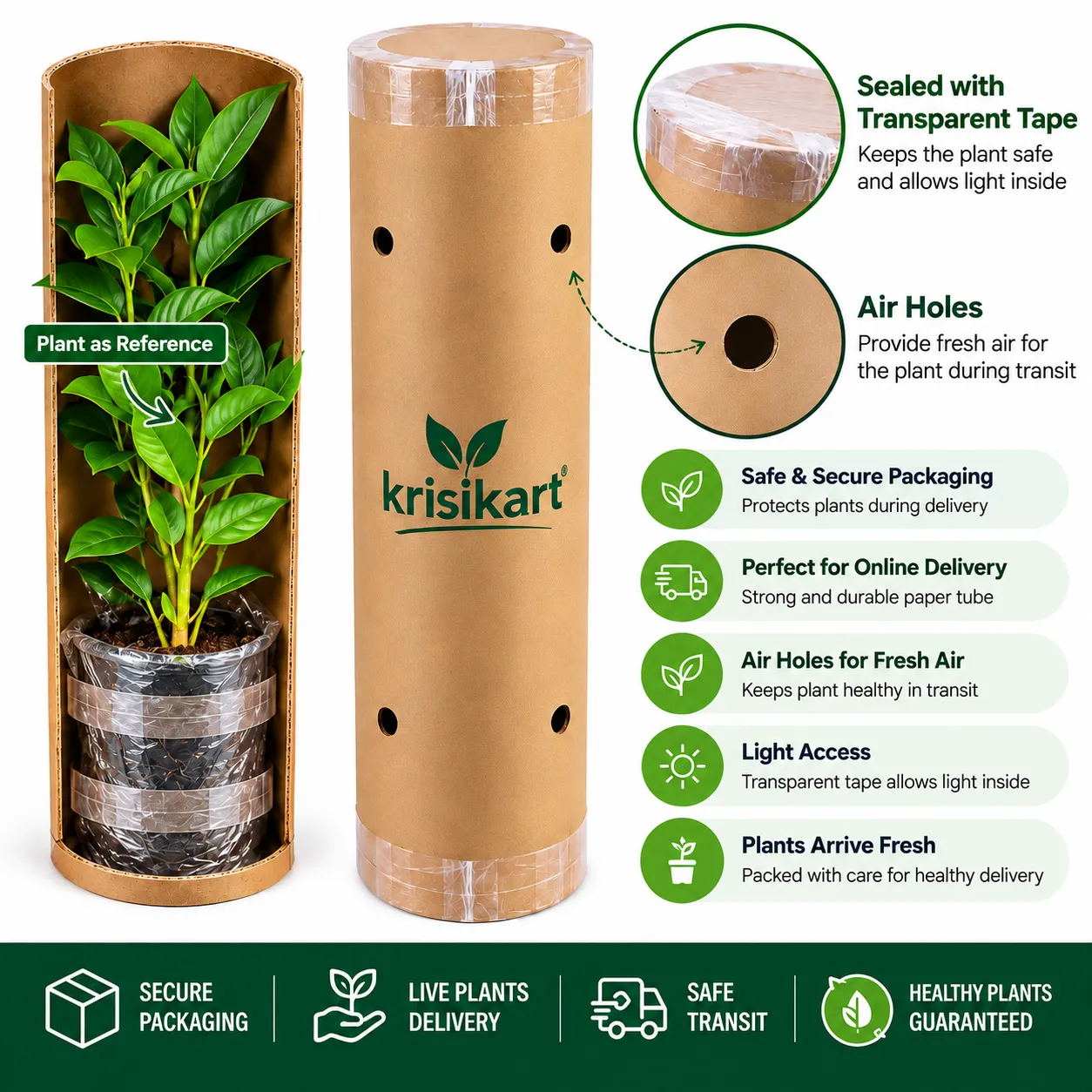
We pack the live plant carefully to reduce transportation stress and help it reach you in suitable condition.
⚠️ Important Note
- This is a live plant for planting and cultivation.
- Fruiting or flowering is not guaranteed immediately after delivery.
- Plant growth depends on climate, sunlight, moisture, soil, plant age and care.
- Kulekhara naturally prefers moist growing conditions.
- Handle mature plants carefully because some structures around the flowering areas can be spiny.
- Traditional medicinal uses should not be interpreted as a guarantee of treatment or as medical advice.
- Correct plant identification is important before consuming any plant material.
- Natural variation in plant size, leaf appearance and branching is normal.
🌱 Why Choose This Plant?
- 🌿 Distinctive Indian herb
- 🌱 Botanically identified as Hygrophila auriculata
- 🏡 Suitable for suitable home garden conditions
- 💧 Naturally adapted to moist environments
- ☀️ Suitable for bright outdoor locations
- 🌸 Attractive flowers under suitable conditions
- 🌿 Interesting addition to herbal and botanical collections
- 🇮🇳 Well known in traditional Indian plant knowledge
- 🪴 Can be grown in an appropriately sized container with proper moisture management
🌿 Botanical Information
- Botanical Name: Hygrophila auriculata (Schumach.) Heine
- Family: Acanthaceae
- Common Names: Kulekhara, Kokilaksha, Gokulakanta, Neermulli and regional names
- Variety/Cultivar: Not specified
- Plant Type: Herbaceous annual/subshrub
- Growth Habit: Erect herb with quadrangular stems
- Leaves: Narrowly lanceolate to narrowly ovate/elliptic
- Flowers: White, pale mauve, lilac, blue or purple forms are documented
- Native Range: Indian subcontinent and tropical & southern Africa
- Suitable Growing Conditions: Sunny locations with consistently moist soil and suitable drainage
Kew’s Plants of the World Online recognizes Hygrophila auriculata as the accepted species and provides detailed taxonomic, morphological and distribution information.
🔗 Botanical Information & Further Reading
- Kew – Plants of the World Online: Hygrophila auriculata — botanical classification, distribution and scientific information.
- Kew – General Botanical Information: Hygrophila auriculata — morphology, ecology and distribution.
- Kew – Hygrophila Genus: Hygrophila — genus-level botanical information.
- South African National Biodiversity Institute: Hygrophila auriculata — botanical description and common names.
- Biodiversity of India: Hygrophila auriculata — cultivation and habitat information.
- Blue Dart: Domestic Express Services — official information about domestic air delivery and serviceability.








Suvbhom dubey –
very good service, plant are healthy received. team are good.
Asmita Gupta –
Plants were exactly as shown received healthy plant.
Very satisfied with the quality.
Arpita Nayak –
Mujhe sab plants bahut pasand aaye.
Worth every rupee. nice support. received healthy kulekhara plant