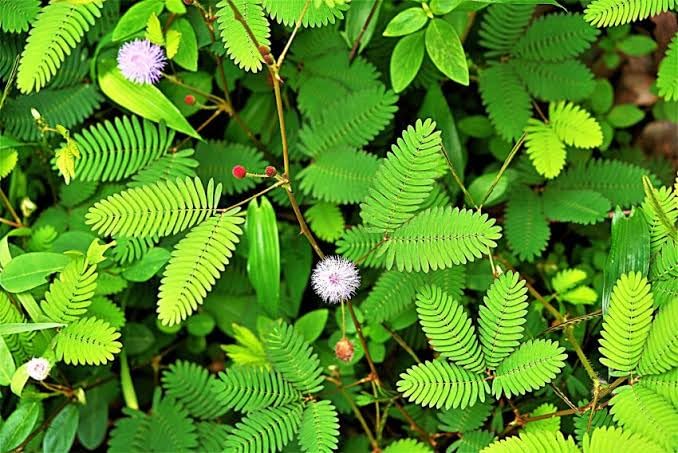
Lojjaboti Plant / Touch-Me-Not / Chui-Mui Plant (Mimosa pudica) – Live Plant With Pot
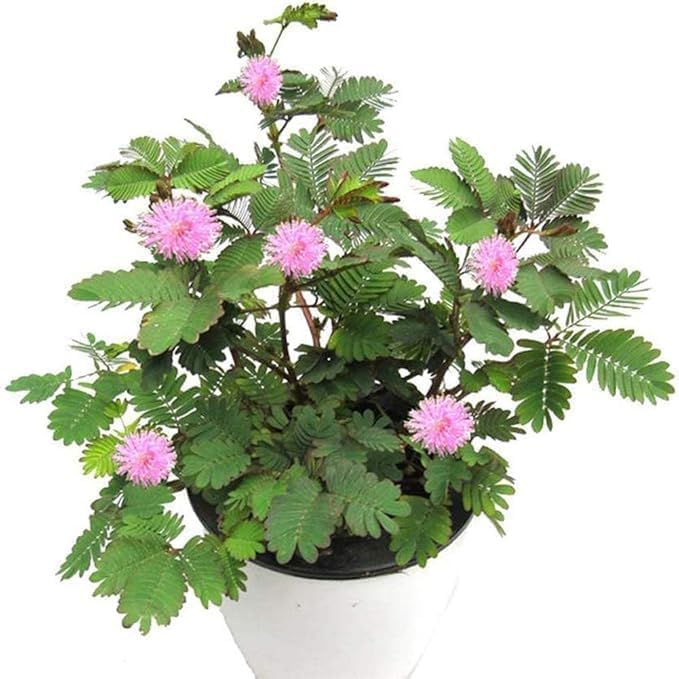
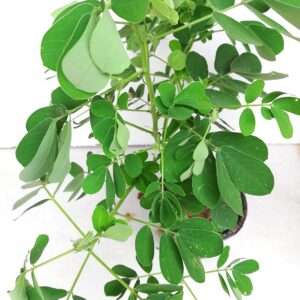
This Lojjaboti / Touch-Me-Not / Chui-Mui Live Plant with Pot. Famous for its remarkable ability to fold and close its delicate leaves when touched, Mimosa pudica is an excellent curiosity plant for home gardens, balconies, terraces and educational plant collections.
Known in Bengali as Lojjaboti (লজ্জাবতী) and in Hindi as Lajvanti/Lajwati and Chui-Mui, this plant is botanically identified as Mimosa pudica L. Kew recognizes Mimosa pudica as the accepted species name and places it in the Fabaceae family.
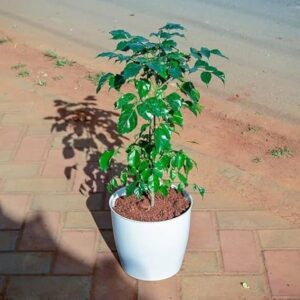
The plant is supplied with a pot, making it convenient for balcony and container gardening.
🌱 About the Lojjaboti Plant
Lojjaboti is commonly known as the Sensitive Plant, Touch-Me-Not Plant, Chui-Mui, Lajvanti and Humble Plant.
Its most interesting feature is its rapid response to touch. When the leaves are gently touched or otherwise stimulated, the leaflets fold inward and the leaf stalk can droop. The leaves later reopen as the plant recovers. This movement is known as a thigmonastic/seismonastic response.
Kew records the species as native to Mexico through tropical America and notes that it has been introduced into many tropical and subtropical regions, including India.
🍃 Plant Characteristics
- Botanical Name: Mimosa pudica L.
- Common Names: Touch-Me-Not, Sensitive Plant, Humble Plant
- Bengali Name: Lojjaboti / লজ্জাবতী
- Hindi Names: Lajvanti / Lajwati / Chui-Mui
- Family: Fabaceae
- Plant Type: Herb / small prickly subshrub
- Growth Habit: Semi-prostrate to spreading
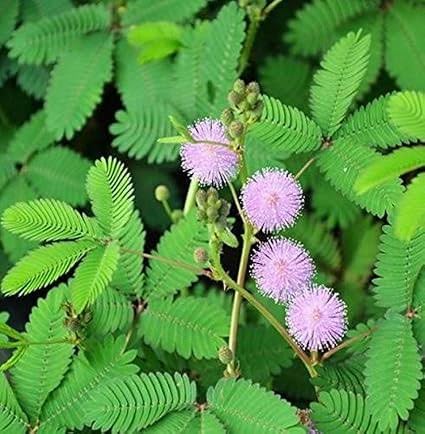
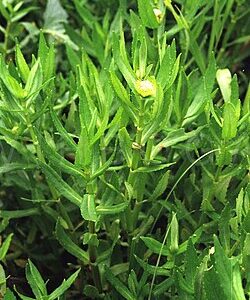
- Leaves: Fine, fern-like compound leaves
- Flowers: Small, rounded pink flower heads
- Stems: Prickly
- Special Feature: Leaves fold in response to touch
- Suitable For: Balcony, terrace, home garden and container cultivation
- Pot Included: Yes
Indian Flora sources describe Mimosa pudica as a prickly herb with numerous small leaflets and rounded flower heads.
🤲 Why Does the Lojjaboti Plant Close Its Leaves?
This is the feature that makes Lojjaboti so special.
When the leaves receive a mechanical stimulus such as touch, the leaflets fold and the stalk may droop. The movement occurs through changes in water pressure within specialized structures called pulvini at the bases of the leaf stalks.
The response can be quite quick, making this plant particularly interesting for:
- 🌱 Children learning about plants
- 🔬 School and science projects
- 🏡 Home gardeners
- 🌿 Plant collectors
- 🌳 Balcony gardens
- 📚 Educational gardens
A gentle touch is enough to demonstrate the movement. However, repeatedly stimulating the plant is unnecessary; the folding movement requires energy from the plant.
🌸 Flowers
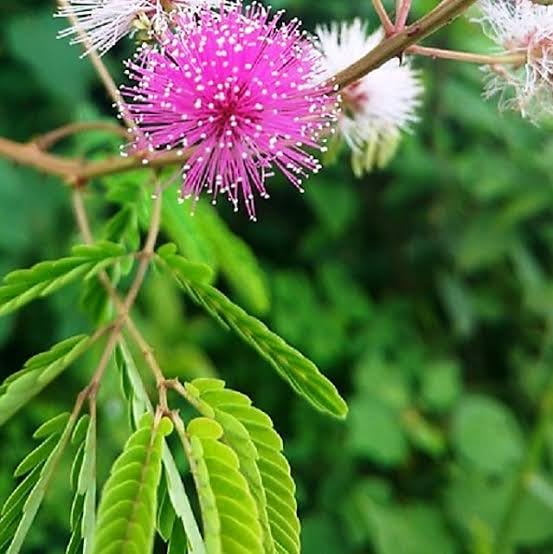
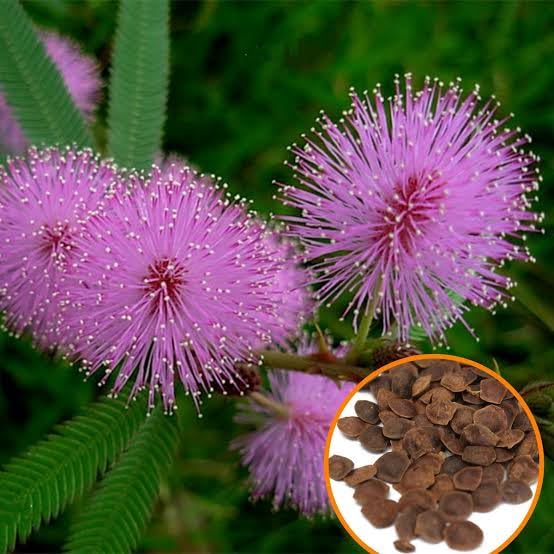
Although the leaf movement is its most famous characteristic, Lojjaboti also produces attractive small pink to reddish-pink rounded flower heads.
The flower heads have a soft, fluffy appearance because of their numerous fine stamens. Indian Flora sources describe the flowers as globose heads with pink stamens.
Under favourable conditions, the plant can produce flowers followed by small seed pods.
☀️ Sunlight Requirements
Lojjaboti generally performs well in a bright outdoor location.
For balcony and home gardening:
- Provide plenty of natural light.
- Several hours of sunlight can support healthy growth.
- Morning sunlight is particularly useful for a container plant.
- Avoid keeping the plant permanently in a dark indoor location.
- Introduce a nursery-grown plant to stronger sunlight gradually if it was previously grown under shade.
Good light also helps the plant maintain compact, healthy growth.
💧 Watering Requirements
Mimosa pudica prefers moist but well-drained soil.
A simple watering routine:
- Check the upper layer of soil before watering.
- Water when the surface begins to dry.
- Water thoroughly but allow excess water to drain.
- Never leave the pot standing in stagnant water.
- During hot weather, check the container more frequently.
- During heavy monsoon periods, reduce watering when the soil is already wet.
NParks recommends fertile, well-drained soil that is kept moist for cultivated Mimosa pudica.
🪴 Soil & Potting
Use a light, fertile and well-draining potting mix.
A practical home-garden mixture can include:
- Garden soil
- Compost or vermicompost
- Cocopeat
- Coarse sand or another drainage-improving material
The container must have proper drainage holes.
Avoid heavy soil that remains saturated for long periods.
🌱 Fertilizer & Nutrition
Lojjaboti does not require excessive feeding.
You can use:
- Well-decomposed compost
- Vermicompost
- A balanced liquid fertilizer at a diluted rate
- General-purpose garden fertilizer according to the manufacturer’s instructions
NParks recommends feeding cultivated plants with a half-strength balanced fertilizer on a regular basis.
For a small container plant, avoid applying concentrated fertilizer directly around the stem.
🌿 Container & Balcony Gardening
This plant is particularly interesting as a container curiosity plant.
The supplied potted plant can be placed on:
- 🏢 Apartment balconies
- 🌿 Terraces
- 🏡 Home gardens
- 🪴 Patios
- 🌱 Windowside outdoor spaces
- 📚 School or educational gardens
NParks specifically notes that Mimosa pudica is sometimes grown in containers because of its interesting leaf-folding behaviour.
Choose a location where the plant can receive good light while remaining protected from excessive physical disturbance.
✂️ Pruning & Maintenance
Light pruning can help keep a potted Lojjaboti plant tidy.
Remove:
- Dead stems
- Damaged growth
- Excessively long shoots
- Weak or unwanted branches
Pinching or light trimming can encourage a fuller appearance, although the plant naturally has a spreading growth habit.
Because the stems can have prickles, handle mature plants carefully when pruning or repotting. Indian botanical sources specifically describe Mimosa pudica as a prickly herb.
🌱 Growth Habit & Space Requirement
Lojjaboti is not a large tree. It is a small herbaceous or subshrub-like plant with a spreading habit.
Indian Flora sources describe it as a prickly herb, while Kew records the species as an annual, perennial or subshrub depending on conditions.
This makes it much easier to accommodate in a container than a conventional tree.
However, its spreading stems should be given enough space so that they are not constantly crushed against balcony walls or other pots.
🌦️ Indian Climate
Mimosa pudica is associated with tropical and subtropical environments and has become naturalized in many parts of India.
It can be found in open areas, roadsides, cultivated land and other disturbed habitats in India.
For home cultivation:
- Warm conditions are generally favourable.
- Provide good sunlight.
- Maintain moderate soil moisture.
- Ensure excellent drainage during monsoon.
- Protect the container from prolonged waterlogging.
🌸 Flowering & Seed Formation
With suitable growing conditions, Lojjaboti can produce its characteristic pink flower heads.
After flowering, the plant can form small flattened pods containing seeds.
If seed pods are allowed to mature, they may release seeds that can germinate around the parent plant.
For container gardening, remove unwanted mature seed pods if you do not want the plant to spread beyond its designated pot.
⚠️ Responsible Growing Note
Although Lojjaboti is a popular curiosity plant, Mimosa pudica has also been introduced to many tropical regions and is considered invasive or weedy in some locations. Kew notes its invasive status in tropical regions, and educational botanical sources also describe its ability to become a weed.
For this reason:
- Keep it in a managed container where appropriate.
- Do not deliberately release it into natural habitats.
- Prevent unwanted seed dispersal.
- Remove mature seed pods if necessary.
This is particularly important in areas where the plant can spread aggressively.
🌿 Traditional-Use Note
Mimosa pudica has a long history of traditional use, including in Indian traditional medicine. Kew’s medicinal database documents the species in Ayurvedic medicinal sources.
However, traditional use should not be interpreted as proof that the plant treats, cures or prevents a medical condition.
This product is sold as a live ornamental/curiosity plant for cultivation, not as a medical product.
🚚 First Delivery With Pot – Live Plant Information
This product is supplied as a live Lojjaboti / Touch-Me-Not plant with pot.
Because it is a living plant, natural variation is expected.
The plant you receive may differ slightly from photographs in:
- Plant height
- Number of branches
- Number of leaves
- Leaflet size
- Flower buds
- Flowering stage
- Pot appearance
- Overall shape
Temporary leaf drooping or changes in appearance can occur during transportation.
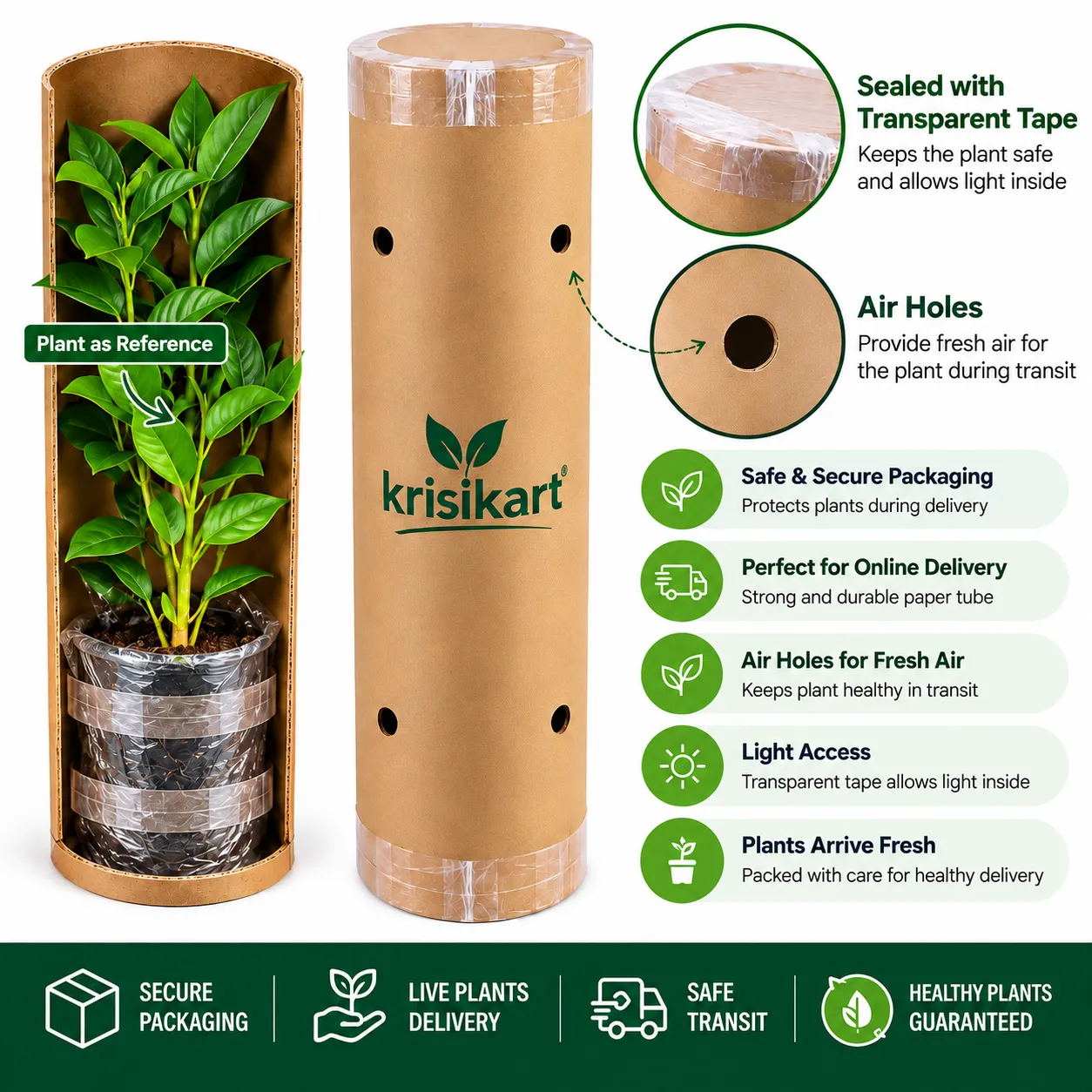
First delivery: The plant is intended to be dispatched through Blue Dart Air/express courier where the service is available for the destination pincode, helping reduce transit time for live-plant delivery.
After receiving the plant:
- Carefully unpack it.
- Place it in a bright location.
- Check soil moisture.
- Water only when needed.
- Allow the plant to adjust after transportation.
- Avoid heavy fertilizer immediately after delivery.
📌 Important Note About “Silk Tree”
The term “Silk Tree” should not be treated as another botanical name for Lojjaboti.
The product described here is:
Lojjaboti / Lajjabati / Chui-Mui / Touch-Me-Not = Mimosa pudica L.
Kew recognizes Mimosa pudica as the accepted species name.
Silk Tree is commonly associated with a different tree species, Albizia julibrissin. Therefore, this listing should not claim that Mimosa pudica itself is the botanical “Silk Tree.”
💚 Why Choose Lojjaboti / Touch-Me-Not Plant?
- 🌿 Fascinating touch-sensitive leaves
- 🤲 Leaves fold when touched
- 🌸 Attractive pink flower heads
- 🪴 Excellent container plant
- 🏢 Suitable for balconies
- 🏡 Suitable for home gardens
- 🔬 Great educational and curiosity plant
- 👨👩👧 Interesting plant for children to observe
- 🌱 Compact compared with tree species
- 🇮🇳 Popularly known as Lojjaboti, Lajvanti and Chui-Mui
- 🚚 Supplied as a live plant with pot
🔬 Botanical Information
| Feature | Information |
|---|---|
| Botanical Name | Mimosa pudica L. |
| Family | Fabaceae |
| Common Name | Touch-Me-Not / Sensitive Plant |
| Bengali Name | Lojjaboti / লজ্জাবতী |
| Hindi Names | Lajvanti / Lajwati / Chui-Mui |
| Plant Type | Herb / subshrub |
| Growth Habit | Spreading / semi-prostrate |
| Leaves | Compound, sensitive to touch |
| Flowers | Pink, rounded flower heads |
| Stems | Prickly |
| Native Range | Mexico to Tropical America |
| Indian Status | Introduced and widely naturalized |
| Sunlight | Bright light / good sunlight |
| Soil | Fertile, moist and well-drained |
| Container Growing | Suitable |
| Balcony Growing | Suitable |
| Special Feature | Rapid leaf-folding response to touch |
📚 Botanical Information & Further Reading
- Kew – Plants of the World Online: Mimosa pudica
- Kew – Mimosa pudica General Information
- Kew Medicinal Plant Names Services – Mimosa pudica
- India Flora Online – Mimosa pudica
- NParks – Mimosa pudica
- University of Cambridge Botanic Garden – Sensitive Plant
- Indiana University Biology Greenhouse – Mimosa pudica
Bring home this fascinating Lojjaboti plant and enjoy one of nature’s most remarkable plant movements right from your own balcony or home garden.








Reviews
There are no reviews yet.