 Plastic Plant pot | Plastic Garden Pot for Plants
 Self Watering Planters | Self Watering Plant Pots For Plants
Lilly Pilly Plant | Acmena Smithii (Syzygium smithii) Plant
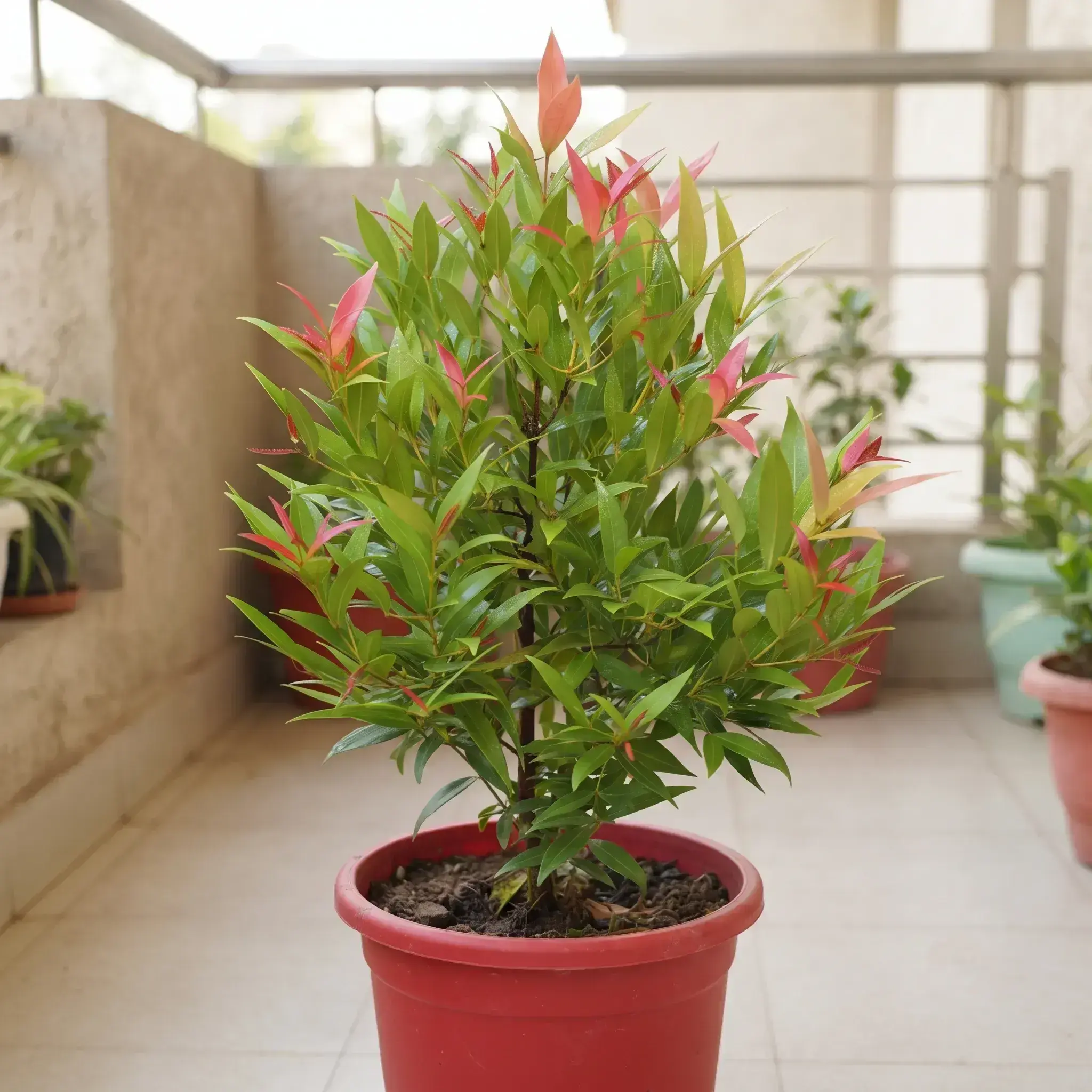
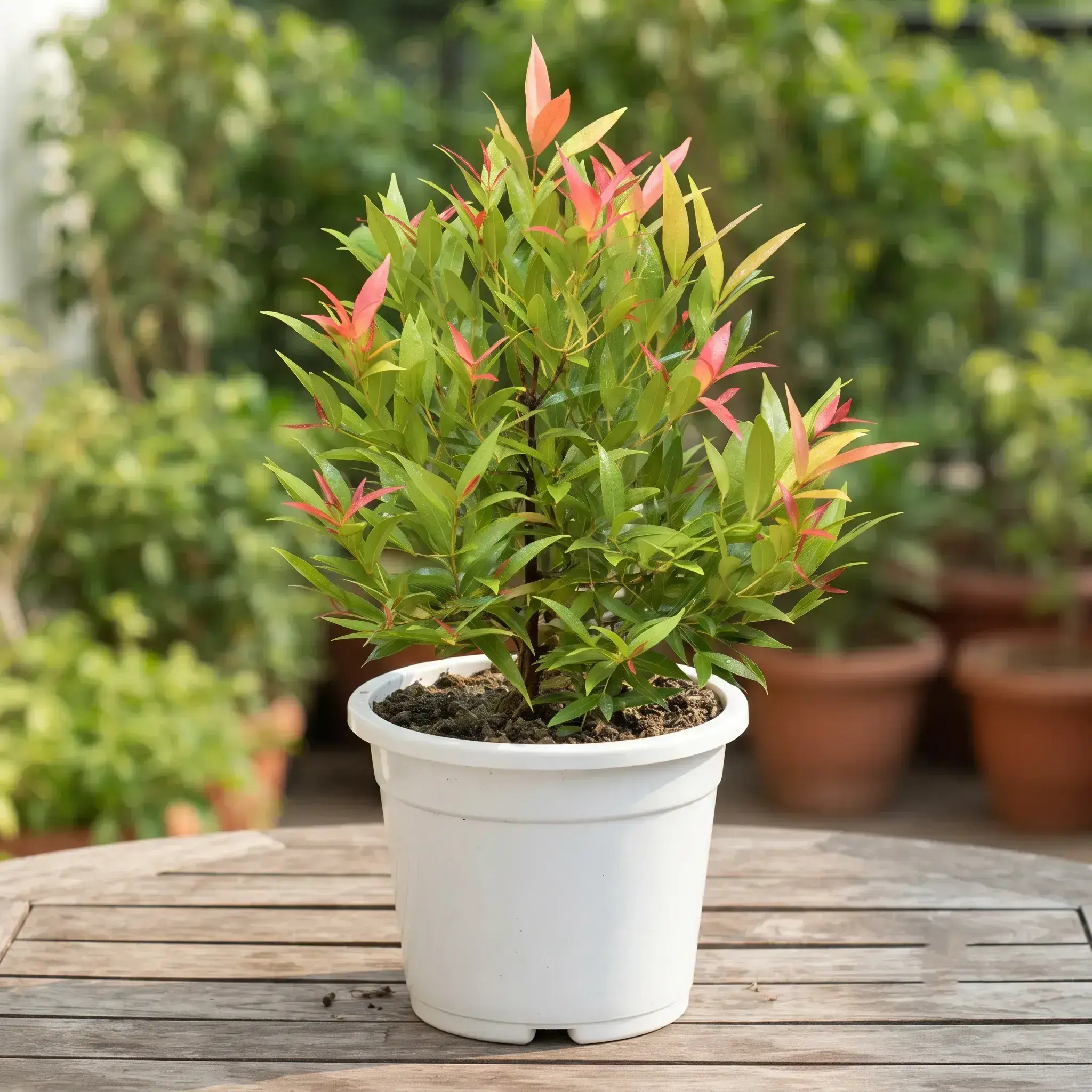
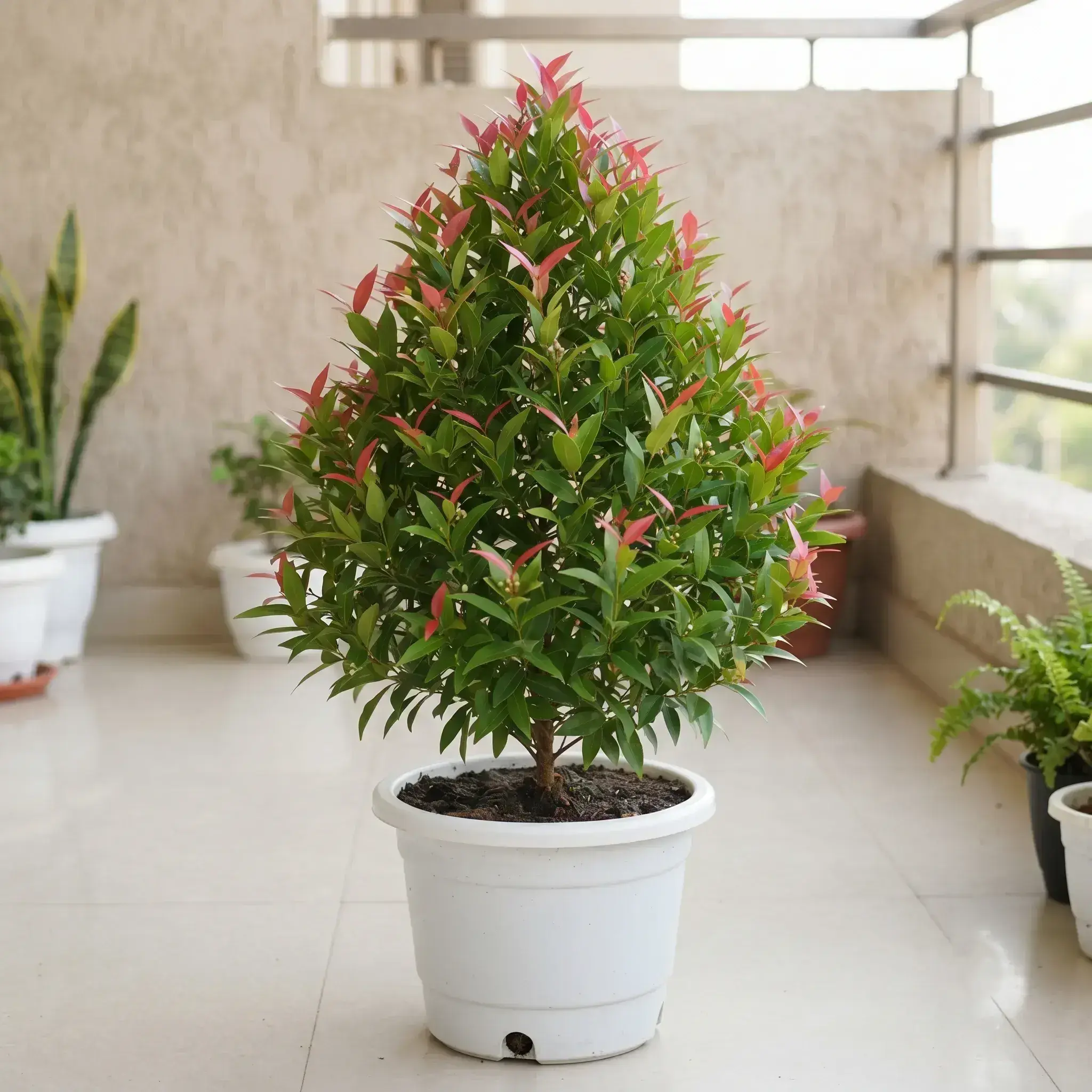
The Lilly Pilly Plant, also known as Acmena Smithii (Syzygium smithii) Plant. This attractive evergreen ornamental plant is admired for its dense foliage, glossy green leaves, small decorative flowers and colourful berry-like fruits.
Botanically, it is currently recognised as Syzygium smithii, while Acmena smithii is a widely used former botanical name. It belongs to the Myrtaceae family, the same botanical family as guava and clove.
Lilly Pilly is a versatile garden plant that can be grown as an ornamental shrub, screening plant, hedge or small tree with suitable pruning. Its dense foliage makes it a lovely choice for home gardens, landscape borders and outdoor green spaces.
Plant Highlights
- Common Name: Lilly Pilly, Acmena Smithii, Creek Lilly Pilly
- Botanical Name: Syzygium smithii
- Former Botanical Name: Acmena smithii
- Plant Family: Myrtaceae
- Plant Type: Evergreen shrub or tree
- Foliage: Dense, glossy green leaves
- Flowers: Small white, cream or pinkish flowers
- Fruits: Fleshy berries, generally white, pink or purplish when mature
- Growth Habit: Upright, bushy and dense
- Light Requirement: Full sunlight to partial shade
- Water Requirement: Moderate; regular watering during establishment
- Maintenance: Moderate
- Suitable For: Home gardens, hedges, screening and landscaping
- Growing Method: Garden soil and large containers
About Lilly Pilly Plant
Lilly Pilly is an evergreen Australian plant valued for its attractive foliage and versatile landscape uses. It naturally grows in forest environments and is commonly found in warm, humid habitats.
The plant produces dense branches covered with opposite, glossy green leaves. Its foliage provides a fresh appearance throughout the year, making it useful for garden decoration and privacy screening.
During its flowering season, it produces clusters of small pale flowers. These may later develop into fleshy, berry-like fruits that can range from white to pink or purplish shades.
With regular pruning, Lilly Pilly can be maintained as a neat hedge or ornamental shrub. If allowed to grow naturally, it can develop into a much larger evergreen tree.
Appearance and Growth
Lilly Pilly has a naturally dense and leafy growth habit.
Its main ornamental features include:
- Glossy green evergreen foliage
- Attractive branching structure
- Small pale flowers in clusters
- Decorative fleshy berries
- Suitable growth for hedges and garden screening
- Good response to regular pruning
The plant can become a large tree in favourable outdoor conditions. Mature size depends on the growing environment, plant form and pruning routine. Regular trimming can help maintain a smaller garden-friendly shape.
Flowering and Fruits
Lilly Pilly produces small flowers in branched clusters, generally white, cream or pinkish in appearance.
After flowering, the plant may develop fleshy, rounded fruits. Their colour can vary from white to pink or purplish as they mature.
The flowering and fruiting period depends on the local climate and growing conditions. Young plants may take time to become established before producing flowers and fruits.
The fruits of Syzygium smithii are reported as edible in botanical and horticultural references. However, do not consume fruit from nursery plants unless the plant identity is confirmed and it has been grown without unsuitable pesticides or chemical treatments.
Sunlight Requirements
Lilly Pilly grows well in full sunlight to partial shade.
- Choose a location with good natural light.
- Full sunlight encourages dense growth when the plant receives sufficient water.
- Partial shade is also suitable in many garden conditions.
- Avoid extremely dark locations.
- Provide enough space for branches to develop.
In very hot Indian summers, a young or recently planted specimen may benefit from some protection from intense afternoon heat while it establishes.
Watering Requirements
Lilly Pilly prefers moderately moist soil, particularly while young and establishing its roots.
Follow these watering practices:
- Water regularly after planting until the root system becomes established.
- Check soil moisture before watering again.
- Water deeply rather than giving very small amounts frequently.
- Allow excess water to drain away.
- Avoid keeping the roots continuously waterlogged.
- Increase watering checks during hot and dry weather.
Established plants may tolerate some dry periods, but prolonged drought can affect foliage quality and growth.
Potted plants generally need more frequent moisture checks than plants growing directly in the ground.
Soil and Potting Mix
Lilly Pilly grows in a range of soil types, provided the soil has suitable drainage and enough moisture for healthy root development.
For container growing, a suitable mixture can include:
- 35% good-quality garden soil
- 25% mature compost or vermicompost
- 20% coco peat
- 10% coarse sand
- 10% perlite or another drainage material
Adjust the mixture according to the materials available. The growing medium should retain some moisture without becoming waterlogged.
For garden planting, improve heavy soil with organic matter and suitable drainage material where necessary.
Temperature and Humidity
Lilly Pilly is a subtropical to warm-climate evergreen plant that grows well in suitable outdoor conditions.
- Warm temperatures generally support active growth.
- Moderate to high humidity is usually tolerated.
- Good air circulation helps maintain healthy foliage.
- Protect young plants from extreme heat stress.
- Avoid prolonged waterlogging during humid weather.
It is important to remember that high humidity combined with poor airflow can encourage certain leaf and pest problems.
Growing Lilly Pilly in India
Lilly Pilly can be grown in suitable Indian gardens with attention to sunlight, watering and drainage.
Summer Care: Water regularly while the plant is establishing. Mulching around the root area can help reduce moisture loss. Keep the soil moist but not waterlogged.
Monsoon Care: Ensure excess rainwater drains away. Avoid planting in areas where water collects around the roots for long periods.
Winter Care: Growth may slow in cooler weather. Reduce watering if the soil remains moist for longer periods.
In humid regions such as West Bengal, good drainage, adequate spacing and airflow are particularly important during the monsoon.
Fertilizer Requirements
Lilly Pilly benefits from moderate feeding during active growth.
- Add mature compost or vermicompost around the root area.
- Use a balanced fertilizer suitable for ornamental trees and shrubs according to its label.
- Feed during active growing periods.
- Avoid placing concentrated fertilizer directly against the trunk.
- Do not overfertilize.
- Reduce feeding when growth slows.
Regular moderate nutrition supports healthy foliage and branching.
Growing Lilly Pilly in Pots
Lilly Pilly can be grown in containers while young, making it suitable for patios, terraces and larger balconies.
For successful container growing:
- Choose a sturdy pot with drainage holes.
- Use a fertile, well-draining potting mixture.
- Select a container that provides enough room for root growth.
- Place the plant in a bright outdoor location.
- Water according to soil moisture.
- Prune when necessary to maintain the desired shape.
Because Lilly Pilly can become a large tree, container-grown plants require regular size management. A mature specimen may eventually need a larger space or planting directly in the ground.
Growing Lilly Pilly as a Hedge or Privacy Screen
One of the useful features of Lilly Pilly is its dense branching habit. With regular pruning, it can be maintained as a hedge or screening plant.
It can be used for:
- Garden boundary planting
- Green privacy screens
- Ornamental hedges
- Landscape borders
- Garden background planting
- Outdoor decorative arrangements
Allow sufficient spacing between plants according to the desired hedge height and width. Avoid overcrowding, as good airflow helps reduce foliage problems.
Pruning and Maintenance
Lilly Pilly responds well to suitable pruning and can be maintained in different shapes.
- Remove dead or damaged branches.
- Trim unwanted long growth.
- Prune lightly to maintain a compact hedge.
- Use clean, sharp pruning tools.
- Avoid removing too much healthy foliage at one time.
- Remove fallen leaves and plant debris around the base.
Regular light pruning can encourage branching and help maintain a neat appearance.
Propagation
Lilly Pilly can be propagated through seeds and suitable stem cuttings.
Propagation by Stem Cuttings:
- Select a healthy stem from a mature plant.
- Prepare a cutting using clean pruning scissors.
- Remove the lower leaves.
- Place the cutting in a suitable moist, well-draining propagation medium.
- Keep it in a warm location with bright, indirect light.
- Maintain gentle moisture while roots develop.
Propagation by Seeds:
- Collect mature fruits from a correctly identified plant.
- Extract and clean the seeds.
- Sow fresh seeds in a suitable propagation medium.
- Keep the medium lightly moist.
- Provide warmth and suitable light.
- Transplant seedlings after they become established.
Seed-grown plants may show variation in growth and characteristics. Propagation from cuttings is useful when trying to maintain the characteristics of a particular parent plant.
Common Problems and Solutions
Yellow Leaves: Can occur due to overwatering, poor drainage, nutrient problems or natural ageing. Check soil moisture and root health.
Leaf Discolouration: Strong environmental stress, nutrient imbalance or pests may affect leaf appearance. Inspect the plant and review its growing conditions.
Sooty Mould: A black coating on leaves may develop when honeydew-producing insects such as scale insects or aphids are present. Identify and manage the underlying pest problem.
Scale Insects: Small insects may attach themselves to stems and leaves. Inspect branches regularly and use an appropriate treatment when necessary.
Psyllid Damage: Some Lilly Pilly species and cultivars can be affected by psyllids, which may cause distorted or raised areas on young leaves. Inspect new growth and seek suitable pest-management advice if damage becomes severe.
Weak or Sparse Growth: Insufficient light, poor nutrition or unsuitable growing conditions may reduce foliage density. Provide suitable light and maintain healthy soil.
Is Lilly Pilly Suitable for Home Gardens?
Yes. Lilly Pilly is a versatile ornamental plant suitable for outdoor home gardens and landscape projects.
It can be grown as:
- A decorative evergreen shrub
- A garden hedge
- A privacy screening plant
- A landscape border plant
- A small ornamental tree when regularly maintained
- A container plant while young
Choose a location that provides adequate light and enough space for future growth.
Safety and Plant Information
Lilly Pilly is primarily grown as an ornamental plant in gardens and landscapes. Its fruits are described as edible in references for Syzygium smithii, but correct identification is important because other plants may also be sold under the common name Lilly Pilly.
Do not consume fruit from unidentified nursery stock or plants treated with ornamental pesticides. Keep children and pets away from any plant material treated with chemicals.
Live Plant Delivery Information
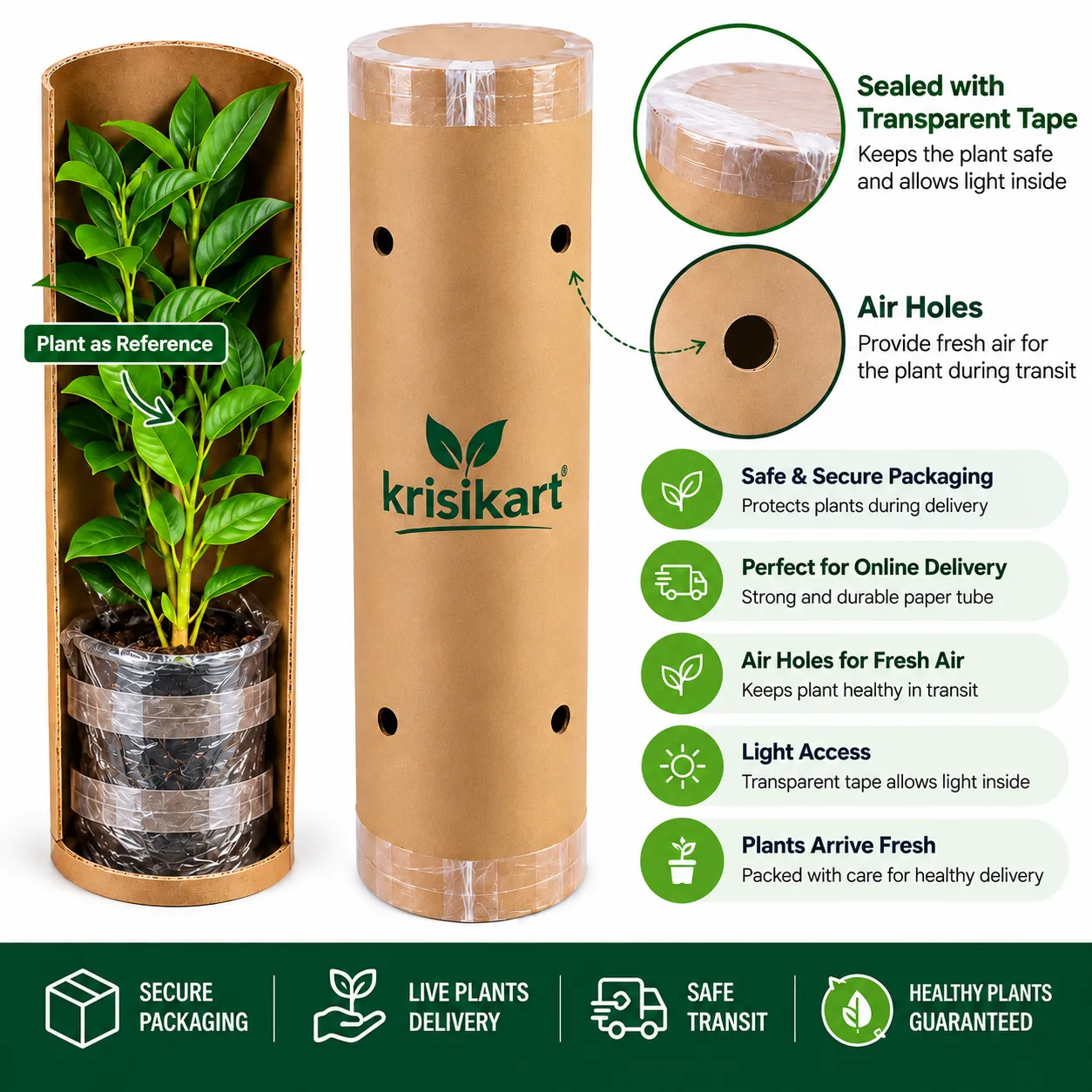
Your Lilly Pilly plant will be supplied as a live plant. Natural differences in plant height, leaf size, branching and overall appearance are normal.
- The delivered plant may look slightly different from the product photographs.
- Leaf colour and branching can vary with plant age and growing conditions.
- Temporary leaf drooping or minor transit stress may occur during transportation.
- Place the plant in a suitable bright location after delivery.
- Allow it to adjust before heavy pruning or fertilizer application.
- Check soil moisture before watering.
- Avoid keeping a newly delivered plant in waterlogged soil.
With suitable sunlight, regular watering during establishment and proper drainage, your Lilly Pilly can gradually settle into its new growing environment.
Why Choose Lilly Pilly Plant?
Lilly Pilly is an attractive choice for gardeners who want a dense evergreen plant with multiple landscape uses. Its glossy foliage, small flowers and decorative berries make it suitable for a variety of outdoor garden designs.
It can be maintained as a neat hedge, grown as an ornamental shrub or allowed to develop into a larger garden tree where space permits.
For home gardens, landscaping and green screening, Lilly Pilly offers an appealing combination of evergreen foliage and adaptable growth.
Botanical Information & Further Reading
Explore these resources for additional information about identification, botanical classification and cultivation:
- Kew Science – Syzygium smithii
- Royal Botanic Gardens Victoria – Acmena smithii
- Royal Horticultural Society – Syzygium smithii
- Botanic Gardens of South Australia – Syzygium smithii
- Australian Tropical Rainforest Plants – Syzygium smithii
- Hawkesbury Council – Acmena smithii Plant Information
- GBIF – Syzygium smithii
Frequently Asked Questions
1. What is a Lilly Pilly plant?
Lilly Pilly is an evergreen ornamental tree or shrub known for its dense foliage, small flowers and fleshy berries. The species covered here is Syzygium smithii.
2. Is Acmena smithii the same as Syzygium smithii?
Yes. Acmena smithii is a widely used former botanical name and synonym of the currently accepted name Syzygium smithii.
3. Can Lilly Pilly grow in India?
Yes. It can be grown in suitable Indian climates with proper watering, adequate sunlight and well-draining soil.
4. Can Lilly Pilly grow in West Bengal?
It can be grown in West Bengal with attention to drainage and airflow, especially during the humid monsoon season.
5. Can Lilly Pilly be grown in pots?
Yes. Young plants can be grown in large containers. As the plant grows, it may require a larger pot or a permanent garden location.
6. Is Lilly Pilly suitable for making a hedge?
Yes. Its dense evergreen growth makes it suitable for hedges and screening when maintained with regular pruning.
7. Does Lilly Pilly produce flowers and fruits?
Yes. It produces small pale flowers in clusters, followed by fleshy berries that may become white, pink or purplish when mature.
8. How much sunlight does Lilly Pilly need?
It grows in full sunlight to partial shade. A bright outdoor location is generally suitable.
9. How often should I water Lilly Pilly?
Water regularly while the plant establishes. Once established, adjust watering according to soil moisture and weather conditions. Avoid waterlogging.
10. How tall does Lilly Pilly grow?
It can become a large evergreen tree in favourable conditions, potentially reaching around 20 metres. Its size can be controlled to a smaller shrub or hedge through regular pruning.
11. Can Lilly Pilly be propagated from cuttings?
Yes. Suitable stem cuttings can be used for propagation, although success depends on the cutting material and growing conditions.
12. Are Lilly Pilly fruits edible?
The fruits of Syzygium smithii are reported as edible. However, only consume fruit from correctly identified plants that have not been treated with unsuitable chemicals.
For More Information
Visit: krisikart.com
For Contact Visit:Contact Us
For Shopping Visit: Shop Page


Reviews
There are no reviews yet.