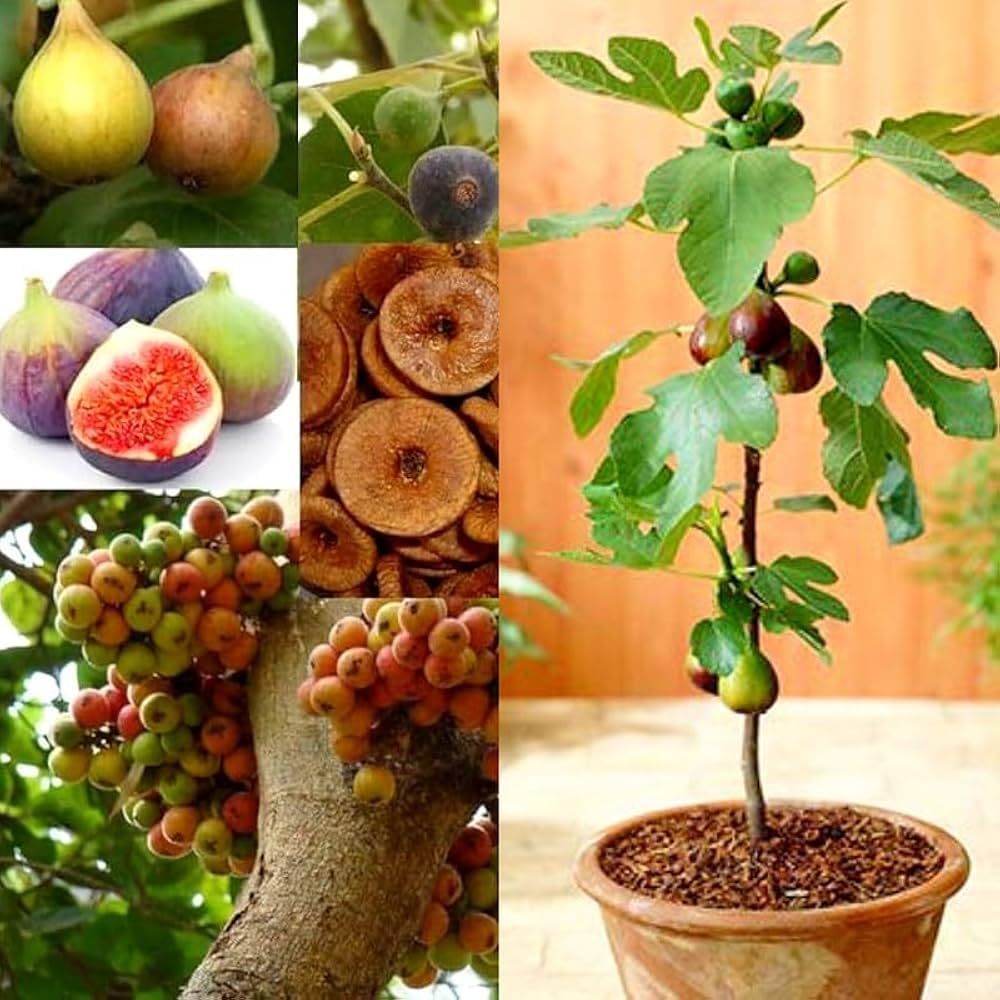
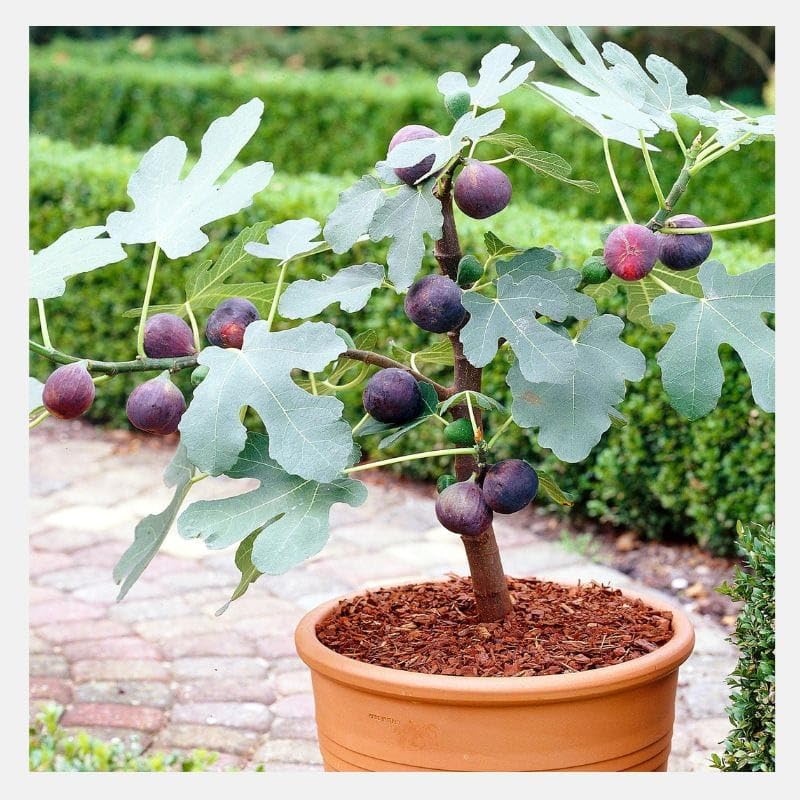
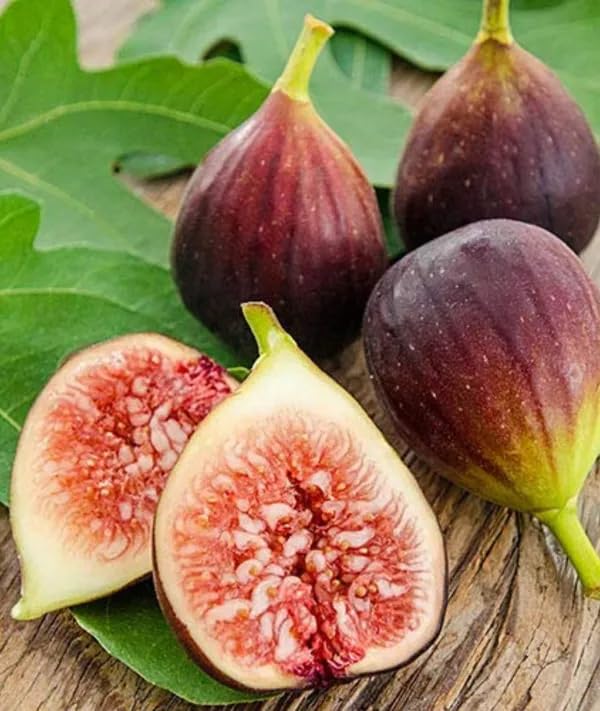
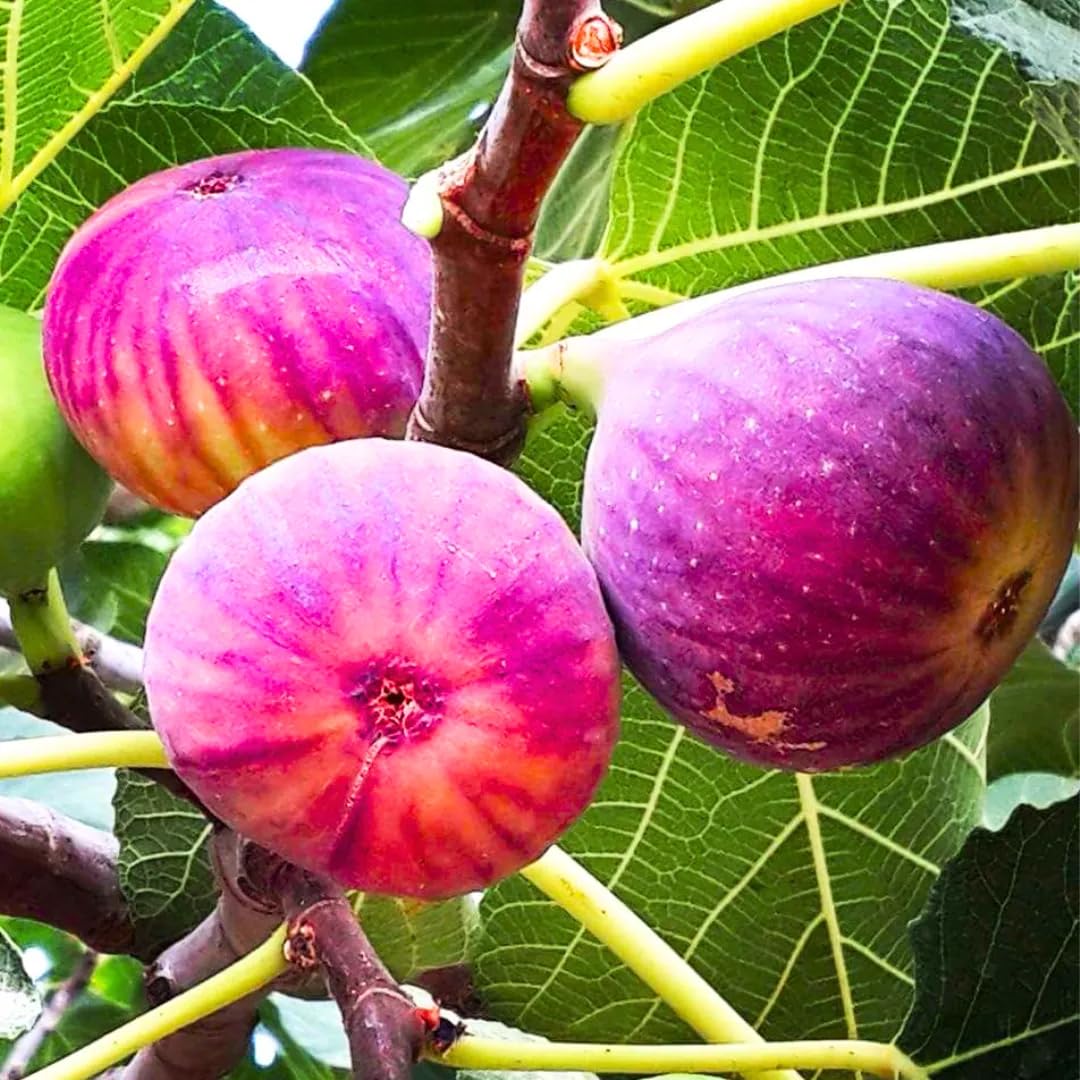
Hybrid Anjeer (Fig) Grafted Live Plant for Home Garden & Balcony
Bring the charm of a fruiting fig tree to your home with this Hybrid Anjeer (Fig) Grafted Live Plant, suitable for growing in home gardens, balconies, terraces, patios and large containers.
The common fig, botanically known as Ficus carica, is a deciduous fruiting shrub or small tree valued for its attractive lobed leaves and edible fig fruits. Figs can be successfully grown in containers when provided with sufficient sunlight, suitable soil, drainage and regular care.
This listing is for a grafted Yellow Hybrid Anjeer plant supplied for planting. “Yellow Hybrid Anjeer” is used here as the nursery/market name for the plant; the exact cultivar or breeding parentage is not specified.
🌿 About the Yellow Anjeer Fig Plant
Anjeer, commonly known as Fig, is a popular fruit plant for home cultivation. The plant develops attractive broad, deeply lobed leaves and can be trained into a manageable form with regular pruning.
Fig plants naturally have the potential to become fairly large shrubs or small trees, but container cultivation and appropriate pruning can help keep the plant more manageable for balcony and terrace gardening.
The grafted form is particularly suitable for gardeners who want to establish a named or selected fruiting type rather than growing a plant from seed.
🍃 Plant Characteristics
- Common Name: Yellow Anjeer, Yellow Fig, Fig Plant
- Indian Name: Anjeer / अंजीर
- Botanical Name: Ficus carica
- Plant Type: Fruiting deciduous shrub or small tree
- Propagation: Grafted plant
- Fruit Purpose: Edible fig fruit
- Growing Habit: Bushy, branching growth
- Suitable For: Home garden, terrace, patio and large balcony containers
- Sun Requirement: Full sun
- Soil: Fertile and well-drained
- Planting: Ground or suitable large container
Ficus carica is recognized as the common fig species, and numerous cultivated varieties have been developed from it.
🟡 Yellow Anjeer Fruits
The Yellow Hybrid Anjeer name refers to the fruit type supplied under this nursery listing. Fruit colour, size and appearance can vary according to the plant’s exact cultivar, growing conditions and maturity.
With good sunlight and appropriate care, a healthy fig plant can develop fruiting growth. However, fruiting time and quantity cannot be guaranteed, particularly with young plants after transport and planting.
Figs are unusual fruits botanically because what we commonly call the fruit develops from a specialized structure containing the plant’s flowers.
☀️ Sunlight Requirements
Fig plants perform best in a bright, sunny location.
For balcony and terrace gardening:
- Provide several hours of direct sunlight whenever possible.
- A sunny balcony, terrace or rooftop is preferable.
- Avoid keeping the plant permanently in a dark indoor location.
- Rotate a container occasionally if growth is uneven.
- A warm, sheltered position can be beneficial for fruit development.
RHS guidance recommends full sun for Ficus carica and notes that warm, sunny positions are particularly useful for cropping.
💧 Watering Requirements
Water the plant according to the weather, pot size and soil condition rather than following a rigid daily schedule.
A simple method is:
- Check the upper layer of soil.
- Water thoroughly when the growing medium has started to dry.
- Allow excess water to drain from the bottom of the container.
- Do not allow the pot to remain standing in stagnant water.
- During hot Indian summers, monitor container plants more frequently.
Avoid both prolonged drought and waterlogging. Container-grown figs are particularly dependent on proper drainage.
🪴 Soil & Potting
Use a fertile, well-draining growing medium.
For balcony or terrace cultivation, a practical potting mix can contain:
- Quality garden soil
- Well-decomposed organic matter or compost
- Cocopeat or another moisture-managing component
- Coarse material such as sand/perlite for improved drainage
The exact proportions can be adjusted according to the local climate and materials available.
Always choose a container with adequate drainage holes. Poor drainage can cause root problems and is especially undesirable during periods of heavy rainfall.
🪴 Growing in a Balcony or Terrace Pot
Yes, fig plants can be grown successfully in containers, making them useful for gardeners with limited ground space.
For balcony gardening:
- Start with an appropriately sized sturdy container.
- Make sure the balcony receives good sunlight.
- Use a pot with drainage holes.
- Keep the plant where branches have sufficient room to develop.
- Use a heavier container or provide support if the plant becomes top-heavy.
- Gradually move to a larger container when necessary rather than excessively over-potting.
RHS specifically lists Ficus carica as suitable for container cultivation, while container gardening is useful where garden soil is limited, including patios and balconies.
🌱 Fertilizer & Nutrition
A healthy fig plant benefits from balanced nutrition, particularly during active growth.
You can use:
- Well-decomposed compost or organic manure
- A suitable fruit-tree fertilizer
- Supplemental nutrients when required based on plant growth
Avoid excessive fertilizer application. Very vigorous leafy growth is not necessarily the same as good fruit production.
Container plants generally require more regular feeding than plants growing in unrestricted ground soil because the available growing medium is limited.
✂️ Pruning & Maintenance
Regular pruning can help keep a fig plant manageable, particularly when it is being grown on a balcony or terrace.
Remove:
- Dead or damaged branches
- Weak or poorly positioned growth
- Crossing branches
- Excessively crowded shoots
The plant can also be trained into a suitable shape depending on the available space.
RHS recommends pruning established figs and notes that root restriction and training can help control plant size and support fruit production.
🌿 Home Garden Suitability
This grafted Yellow Anjeer plant can be suitable for:
- 🏡 Home gardens
- 🌿 Kitchen gardens
- 🪴 Balcony gardens
- ☀️ Sunny terraces
- 🌱 Patio gardens
- 🏢 Urban gardening
- 🧺 Large containers
- 🌳 Small fruit gardens
Its attractive foliage also gives it ornamental value while the main purpose of cultivation is edible fruit production.
🇮🇳 Growing Anjeer in India
Anjeer can be grown in suitable parts of India, particularly where the plant receives adequate sunlight and the growing medium drains well.
For Indian home gardeners, container cultivation can be useful because the plant can be positioned in the sunniest available area and its size can be managed through pruning and container selection.
During India’s monsoon season, drainage becomes especially important. Avoid keeping the pot in an area where rainwater continuously accumulates around the roots.
🌱 Grafted Plant – Important Information
This listing is for a grafted live plant.
Grafting joins selected plant material with a compatible root system. The characteristics of a grafted plant depend on the scion variety, rootstock and nursery propagation practices.
Do not bury the graft union deeply when planting. Keep the grafted portion above the soil level and monitor the plant for shoots emerging from below the graft.
Any growth originating from the rootstock should generally be removed carefully so that it does not compete excessively with the grafted portion.
🍈 Flowering & Fruit Development
Young plants need time to establish after planting. Fruit production depends on factors such as:
- Plant age and maturity
- Cultivar characteristics
- Sunlight
- Water management
- Nutrition
- Temperature
- Pruning
- Container size and root development
- Overall plant health
Therefore, fruiting cannot be guaranteed within a particular number of months.
Avoid comparing a newly planted nursery plant with an established mature fig tree. A live plant may first concentrate on root and vegetative establishment after planting.
🚚 Live Plant Delivery & Natural Variation
This is a live grafted plant intended for planting.
Because plants are living products, natural differences in:
- Height
- Number of leaves
- Branching
- Leaf size
- Plant shape
- Stem thickness
- Soil condition
may occur between individual plants.
Leaves may temporarily droop, yellow or shed during transportation because of handling and environmental changes. With suitable aftercare, the plant can gradually recover and produce fresh growth.
🚚 First Delivery by Blue Dart Air / Express Courier
For eligible serviceable locations, the first delivery is intended to be sent through Blue Dart Air / express courier service, subject to courier availability and destination serviceability.
After receiving the plant:
- Open the package carefully.
- Place the plant in a bright location.
- Give appropriate water if the growing medium is dry.
- Avoid heavy fertilizer immediately after arrival.
- Allow the plant to recover from transportation before major pruning or repotting.
- Gradually expose it to its normal growing location.
⚠️ Important Note
- This is a live plant, not an artificial plant.
- Plant size and appearance may vary naturally.
- “Yellow Hybrid Anjeer” is used as the nursery/market name in this listing; a specific registered cultivar name has not been supplied.
- Grafted plants should be handled carefully during planting.
- Fruit production depends on environmental and cultivation conditions.
- No particular fruiting period or yield is guaranteed.
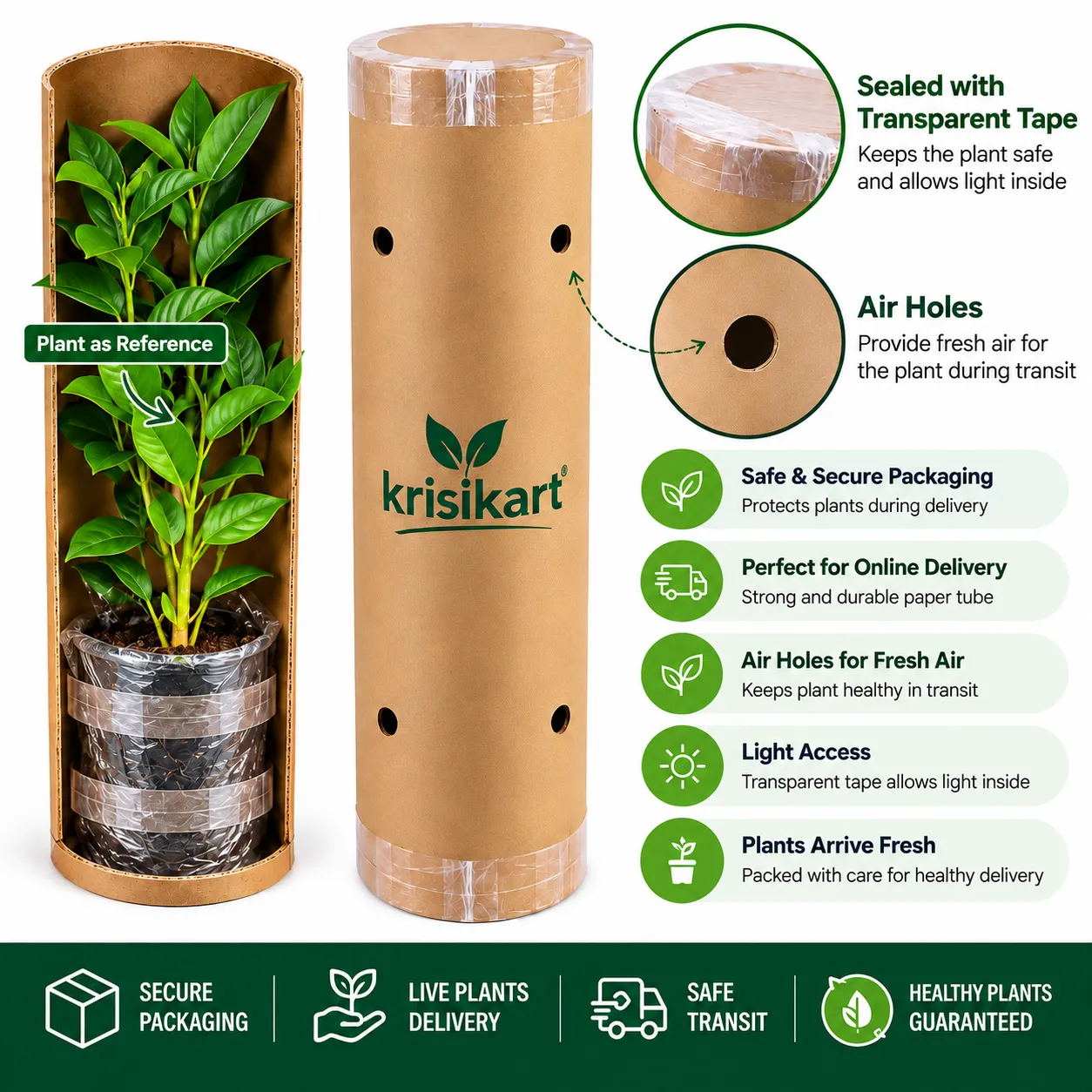
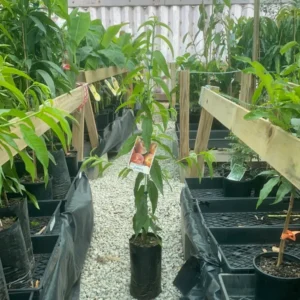
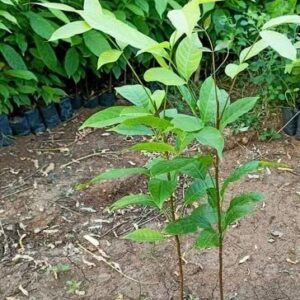
- Images may show mature or established plants for illustration; the delivered plant may be smaller.
- Keep the plant in a suitable sunny location with good drainage.
⭐ Why Choose a Grafted Yellow Anjeer Plant?
- 🌱 Grafted live fruit plant
- 🟡 Yellow Anjeer / Fig type
- 🪴 Suitable for container gardening
- 🏡 Useful for home gardens
- 🌿 Suitable for terrace and balcony gardening with adequate sunlight
- ☀️ Enjoy growing a fruiting plant at home
- ✂️ Can be managed through pruning and training
- 🇮🇳 Suitable for Indian home-gardening conditions when provided with appropriate care
🔬 Botanical Information
| Information | Details |
|---|---|
| Common Name | Fig / Anjeer |
| Market Name | Yellow Hybrid Anjeer |
| Botanical Name | Ficus carica |
| Family | Moraceae |
| Plant Type | Fruiting shrub / small tree |
| Propagation | Grafted |
| Fruit | Edible fig |
| Sunlight | Full sun |
| Growing Medium | Fertile, well-drained soil |
| Container Growing | Suitable |
| Garden Use | Fruit garden, home garden, terrace, patio, balcony |
Ficus carica belongs to the Moraceae family and is described by RHS as a large shrub or small spreading tree with lobed leaves and edible fruits.
📚 Botanical Information & Further Reading
- RHS – How to Grow Figs
- RHS – Ficus carica Plant Profile
- RHS – Growing Plants in Containers
- RHS – Growing Fruit in Containers
- RHS – Ficus carica ‘Dalmatie’ Profile
- RHS – Ficus carica ‘Panachée’ Profile















Reviews
There are no reviews yet.