 Plastic Plant pot | Plastic Garden Pot for Plants
 Self Watering Planters | Self Watering Plant Pots For Plants
Lantana Plant | Ghaneri Plant (Lantana camara) Plant
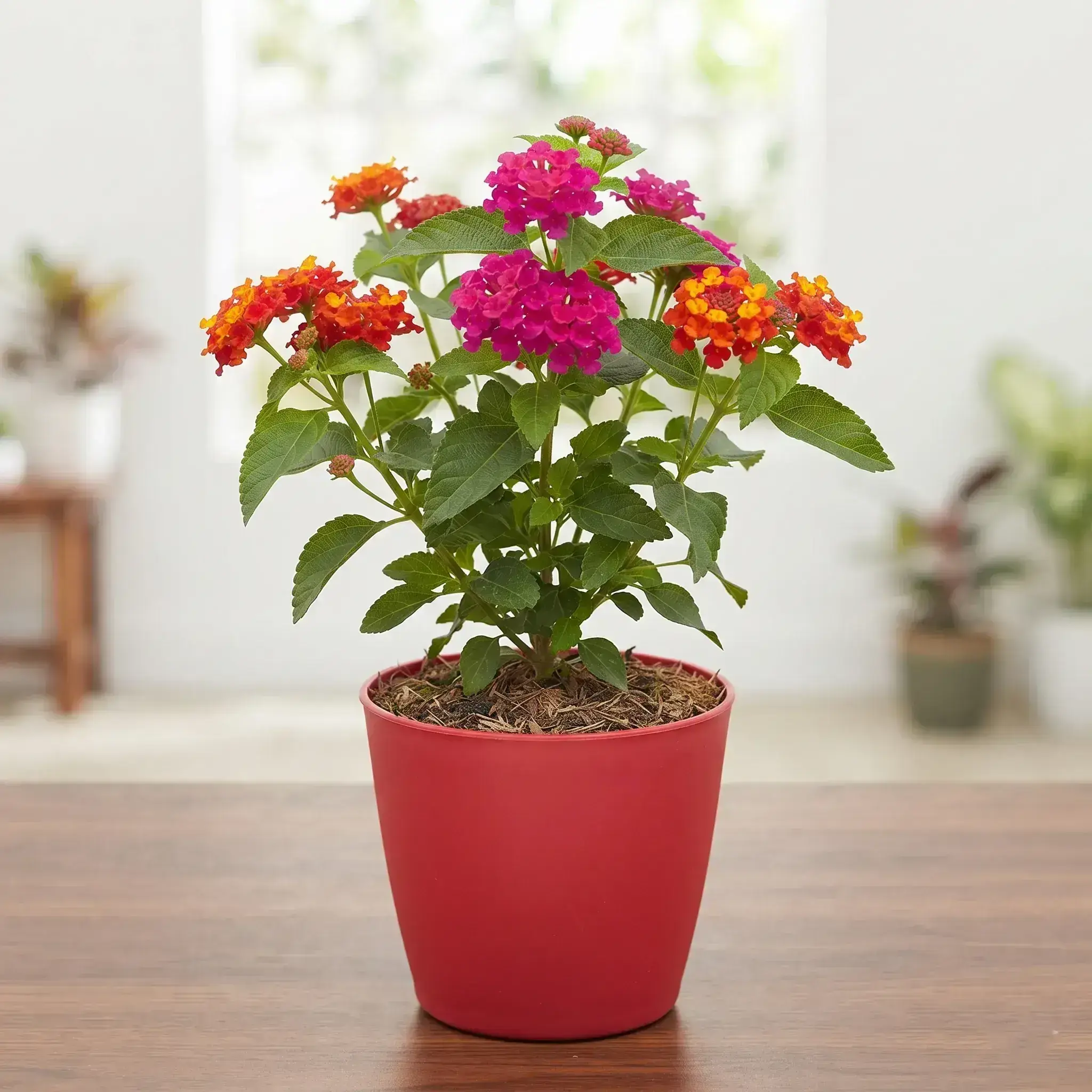
The Lantana Plant, widely known across Maharashtra and western India as the Ghaneri Plant and in Hindi as Raimuniya, is a tough, sun-loving flowering shrub prized for its dense, dome-shaped clusters of multicolored blooms. Botanically classified as Lantana camara, this hardy evergreen perennial produces vibrant flowers that often shift shades as they mature—creating eye-catching combinations of yellow, orange, red, pink, or magenta within the very same flower cluster.
Exceptionally tolerant of heat, dry spells, and poor soils, the Lantana Plant is a dependable choice for sunny balconies, open terrace gardens, hanging baskets (for trailing selections), and well-maintained courtyard planters across India. Because its nectar-rich blossoms act as a magnet for butterflies and bees, growing Ghaneri in containers brings lively color and pollinator activity to urban spaces with minimal upkeep.
Plant Highlights
- Product Name: Lantana Plant | Ghaneri Plant (Lantana camara) Plant for Home Garden
- Common Name: Lantana Plant, Ghaneri Plant, Raimuniya, Putus, Chaturangi, Wild Sage
- Botanical Name: Lantana camara
- Family: Verbenaceae (Verbena family)
- Plant Type: Evergreen perennial woody flowering shrub
- Origin: Tropical and subtropical Americas
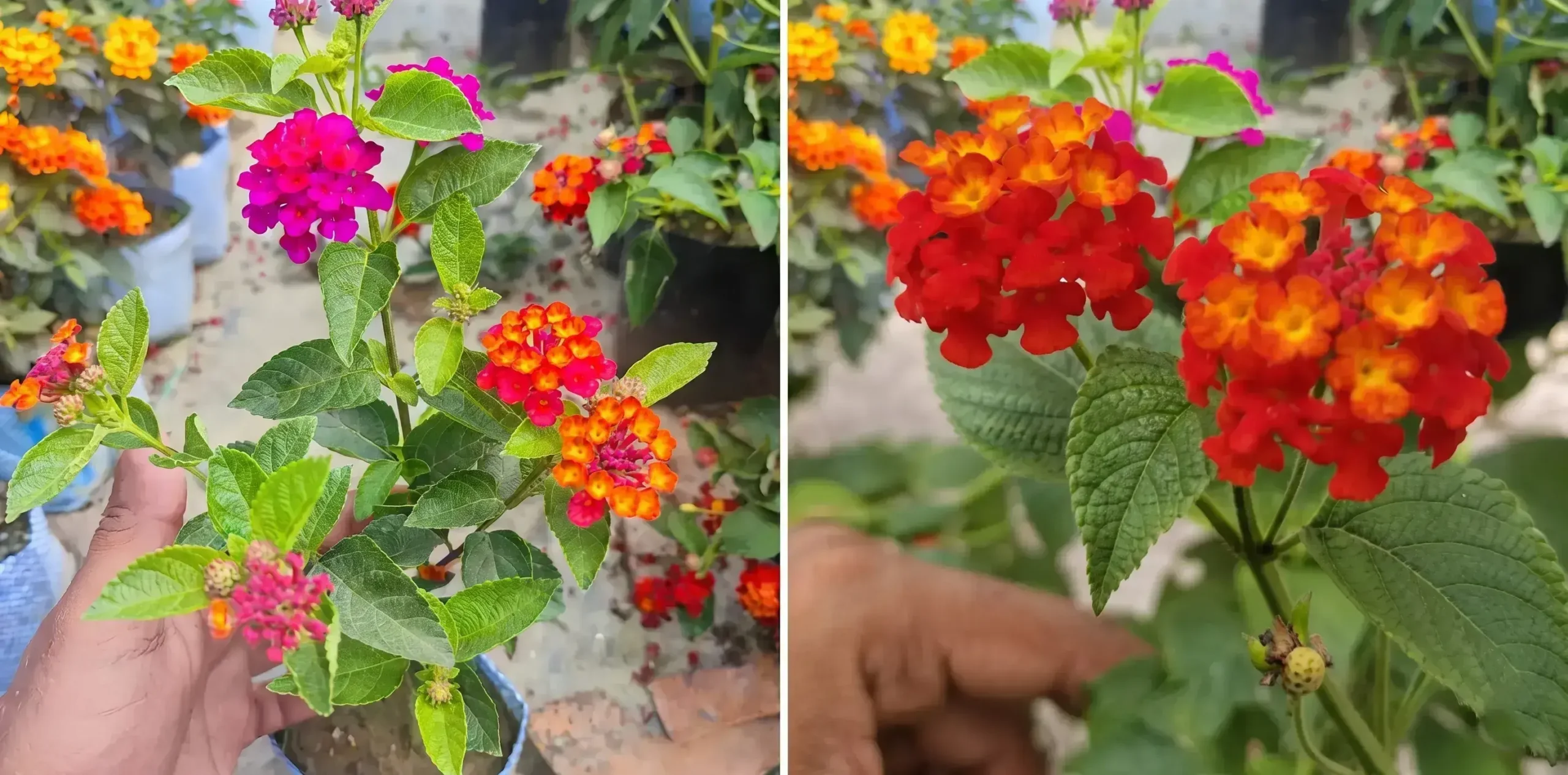
- Flower Colour: Multicolored clusters—commonly opening yellow or cream and maturing to orange, red, pink, or magenta (also available in single-color nursery cultivars)
- Flower Fragrance: Mildly sweet floral nectar scent; leaves emit a pungent, herbal-citrus aroma when crushed
- Foliage: Rough-textured, dark green, oval leaves with toothed (serrated) margins and fine hairs
- Growth Habit: Compact, bushy, multi-branched mounding or semi-trailing woody shrub
- Mature Height: Typically 45 cm to 1.2 meters (1.5 to 4 feet) in home containers; 1.2 to 2 meters in open ground if unpruned
- Sunlight: Full, direct sunlight (at least 6 hours daily)
- Watering: Low to moderate once established; allow the top layer of soil to dry slightly between waterings
- Suitable For: Sunny balconies, open terrace gardens, courtyard planters, hanging baskets, and contained outdoor flower borders
About the Lantana Plant
Lantana camara belongs to the verbena family Verbenaceae and originates from the tropical Americas. Over centuries, ornamental breeding has produced numerous compact, free-flowering garden cultivars with vivid bi-color and tri-color flower heads that bloom nearly non-stop in warm climates.
In Indian home gardening, the Ghaneri Plant is valued for thriving in intense sunshine and summer heat where delicate seasonal flowers quickly wilt. At the same time, because uncontained wild forms of Lantana camara can spread aggressively into natural ecosystems, growing it in pots, planters, or regularly pruned home garden borders keeps the plant neat, safe, and environmentally responsible.
Appearance and Growth Habit
The Lantana Plant grows as a densely branched, woody shrub with square stems that often carry tiny, hooked prickles along the angles. Its leaves grow in opposite pairs and are dark green, textured, and rough to the touch with serrated edges, releasing a distinctive spicy-herbal scent when brushed or crushed.
In containers, regular pinching and deadheading keep the Ghaneri Plant compact, rounded, and covered in blooms at around 45 to 90 cm tall. Depending on the specific nursery selection, growth may be upright and bushy or slightly cascading over pot rims.
Flowers and Flowering Season
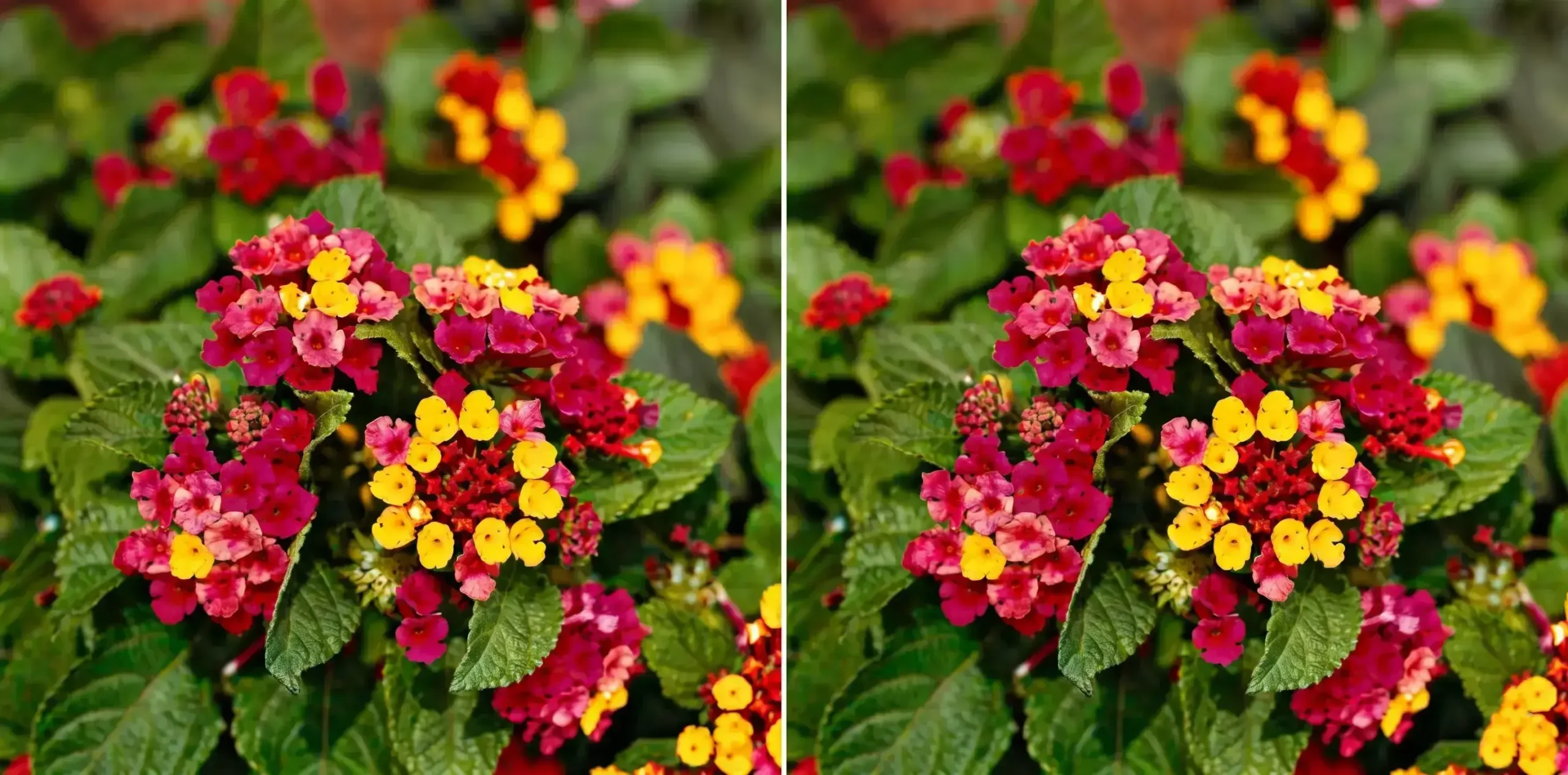
The signature beauty of Lantana camara lies in its rounded, umbrella-like flower heads (umbels) composed of dozens of tiny tubular florets. As individual florets open from the center outward, their pigments shift—for example, changing from bright yellow to fiery orange and deep scarlet—giving every cluster a natural ombre effect.
In warm Indian climates, the Lantana Plant flowers almost year-round from spring through summer, monsoon, and autumn (February to November), slowing down only during the coldest winter weeks. Abundant direct sunlight and regular deadheading of faded blooms keep new flower buds forming continuously.
Sunlight Requirements
Full sunlight is essential for heavy blooming and compact growth in the Lantana Plant. Place your pot where it receives at least 6 hours of direct, unobstructed sunlight daily.
While Lantana camara tolerates light partial shade, insufficient sun causes leggy stems, sparse foliage, and dramatically fewer flower clusters. On open Indian terraces and south- or west-facing balconies, it handles intense sunshine effortlessly.
Watering Requirements
Once established, the Ghaneri Plant is notably drought-tolerant and prefers moderate watering with good drainage rather than constantly soggy soil.
Watering During Summer and Active Growth
Check the top 2 to 4 cm of soil with your finger—when it feels dry, water thoroughly until water drains out of the bottom holes. Potted plants in full summer sun typically need watering once every 2 to 3 days depending on pot size and wind exposure.
Watering During Monsoon and Winter
During the monsoon, rely primarily on natural rainfall and make sure pots do not sit in saucers of stagnant water, which can cause root rot and powdery mildew. In winter, when growth slows, reduce watering frequency to once every 5 to 7 days, checking soil moisture first.
Soil and Potting Requirements
Lantana camara adapts to a wide variety of soils, including sandy loam, red soil, and average garden soil, as long as drainage is fast and unrestricted. Heavy, waterlogged clay soil harms the roots.
Suggested Potting Mixture for Lantana Plant
Prepare a well-draining, moderately fertile potting mix using 50% garden loam, 25% coarse river sand or perlite, and 25% well-decomposed vermicompost or leaf mold. Overly rich, high-nitrogen soil produces lush green leaves with fewer flowers, so keep the mix balanced and well-aerated.
Growing the Plant in the Indian Climate
The Lantana Plant thrives across nearly all warm tropical and subtropical regions of India.
Summer Care
It excels in Indian summer heat and continues blooming vigorously through April, May, and June when watered consistently whenever the top soil dries out.
Monsoon Care
In humid, heavy-rainfall areas such as Kolkata, West Bengal, Mumbai, Bengaluru, and coastal states, ensure pots have sharp drainage holes and adequate spacing for airflow so foliage dries quickly after rain.
Winter Care
Mild Indian winters are comfortable for Lantana camara, though cooler nights below 10°C to 12°C in North India slow growth and may cause some older leaves to drop. Keep potted plants in full winter sun, reduce watering, and wait until February for hard pruning.
Temperature and Humidity
Lantana camara prefers warm temperatures between 18°C and 38°C and adapts easily to both dry inland heat and humid coastal air. It is sensitive to frost, so protect potted plants if winter temperatures approach freezing.
Fertilizer and Nutrition
The Ghaneri Plant is a light-to-moderate feeder that actually blooms better when not over-fertilized.
From February through October, feed once every 4 to 6 weeks with a small handful of vermicompost, banana peel fertilizer, or a balanced organic flowering feed diluted to half strength. Avoid high-nitrogen fertilizers, which stimulate excessive leafy stem growth at the expense of flowers.
Growing the Plant in Pots
Growing the Lantana Plant in pots on balconies and terraces is the best way to enjoy its non-stop color while keeping its size neat and contained. Start in a 10-to-12-inch terracotta or heavy-duty pot with clear drainage holes, upgrading to a 14-inch container as the shrub matures. Repot every 1 to 2 years in early spring.
Pruning and Maintenance
Regular deadheading and seasonal shaping keep your Lantana Plant compact, tidy, and covered in blooms.
Snip off faded flower heads just above a pair of leaves using clean gardening scissors—this prevents berry formation and immediately triggers new flowering side shoots. Give the shrub a firmer shaping prune in early spring (February) to remove woody, leggy stems and encourage fresh, dense growth.
Propagation
Lantana camara is easy to propagate from semi-hardwood stem cuttings, which preserve the exact flower color of your parent plant.
Propagation by Stem Cuttings
During spring or early monsoon, cut a healthy 10 to 15 cm non-flowering stem tip with 3 to 4 nodes using sterilized shears. Strip the lower leaves, dip the cut base in rooting hormone or aloe vera gel, and insert it 4 cm deep into a moist mix of coarse river sand and cocopeat. Keep in bright indirect light; roots typically form within 3 to 4 weeks.
Common Problems and Plant Care
Providing full sun and good air circulation prevents most common issues with the Ghaneri Plant.
1. Abundant Green Leaves with Few Flowers
Usually caused by insufficient direct sunlight or excessive nitrogen fertilizer. Move the pot to a full-sun location (6+ hours daily) and switch to a low-nitrogen, potassium-rich organic feed.
2. Whiteflies, Lace Bugs, or Aphids
Sap-sucking whiteflies or lace bugs occasionally gather on the undersides of leaves, causing pale stippling or sticky residue. Spray the undersides of leaves thoroughly with diluted cold-pressed neem oil (5 ml neem oil + 2 ml mild liquid soap per liter of water) in the evening every 7 days until clear.
3. Yellowing Lower Leaves
Usually indicates overwatering, poor pot drainage, or natural seasonal cooling in winter. Check drainage holes and let the top layer of soil dry out between waterings.
4. Powdery Mildew in Monsoon
White powdery coating on leaves during humid, overcast monsoon days happens when airflow is poor. Prune crowded inner stems to improve ventilation and apply diluted neem oil or a baking soda foliar spray.
Suitability for Home Gardens
The Lantana Plant is ideal for sunny balconies, open terrace gardens, sunlit courtyards, hanging planters, and contained patio borders. Because it requires strong direct sunlight to flower and can irritate skin or pets, it is not suitable for indoor rooms or low walkways accessible to young children and pets.
Safety and Important Information
According to veterinary and botanical references (including the ASPCA), all parts of Lantana camara—especially the green, unripe berries and leaves—are toxic to dogs, cats, livestock, and humans if ingested, potentially causing digestive upset and liver toxicity. In addition, the rough, hairy leaves and prickly stems can cause mild skin irritation (contact dermatitis) in sensitive individuals.
Always wear gardening gloves when pruning or handling the plant, wash hands afterward, deadhead faded flowers promptly so berries do not form, and keep potted plants out of reach of children and pets. Furthermore, never discard trimmings or rooted plants into open fields or forests where wild lantana can become invasive.
Live Plant Delivery Information
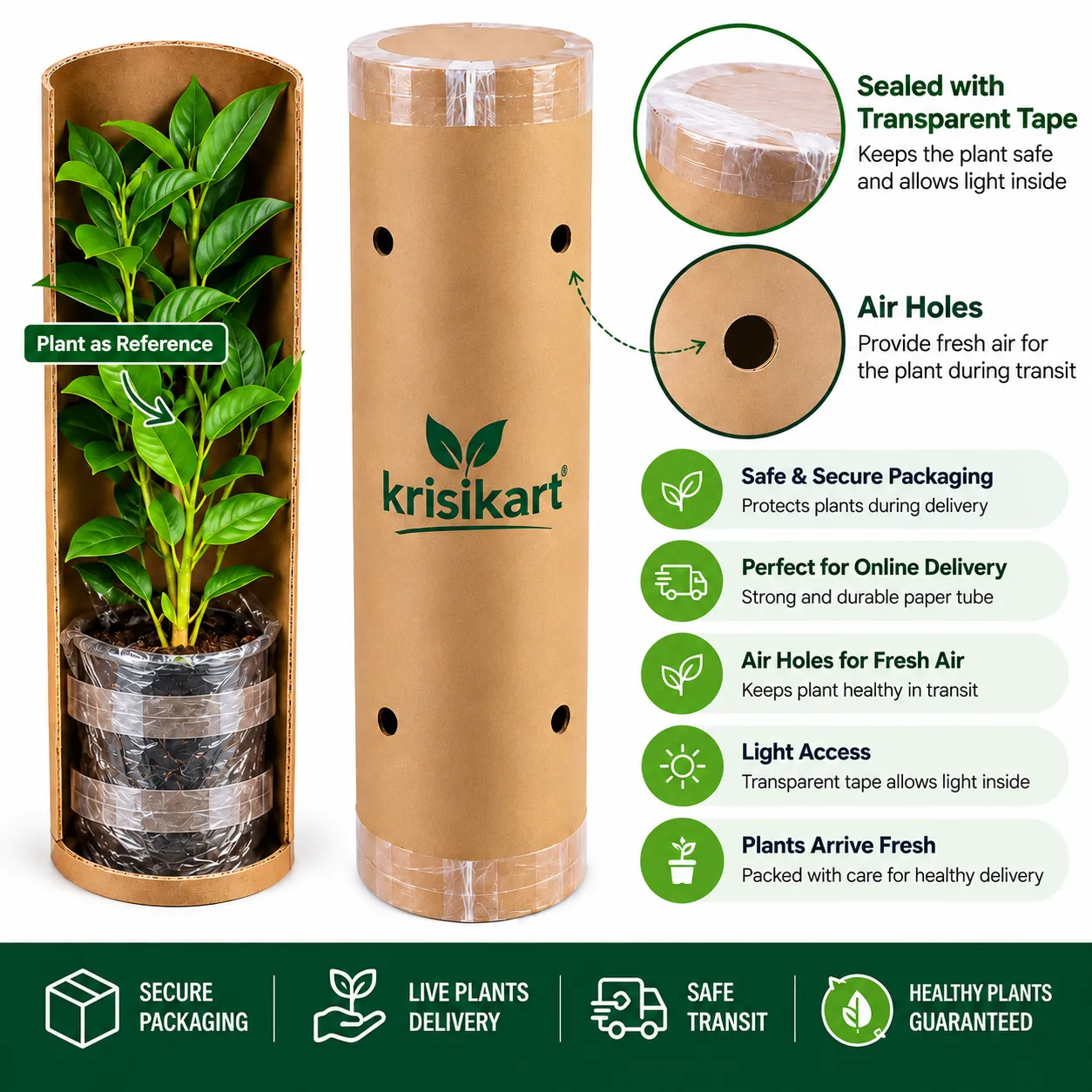
Live Lantana plants vary naturally in height, branching fullness, leaf count, and number of open flower clusters at the time of shipping. During transit, plants may experience mild shipping stress, and a few lower leaves or open blossoms may drop upon arrival—this is a normal temporary reaction.
After unboxing, place your Ghaneri Plant in bright, filtered outdoor light for 2 to 3 days before gradually moving it into full direct sun. Check soil moisture immediately and water thoroughly if dry. Avoid fertilizing or heavy pruning right after delivery; wait 1 to 2 weeks until new growth settles first.
Why Choose the Lantana Plant for Your Garden?
With its cheerful color-changing flower clusters, butterfly-attracting nectar, and remarkable resilience in Indian summer heat, the Lantana Plant delivers effortless, long-lasting color to sunny balconies and terraces. Grown in a pot with full sun and light deadheading, it rewards minimal care with months of vibrant blooms.
Botanical Information and Further Reading
- Kew Science – Plants of the World Online: Lantana camara L.
- Royal Horticultural Society (RHS) – Lantana camara Plant Profile
- Missouri Botanical Garden – Lantana camara Plant Finder
- India Biodiversity Portal – Lantana camara L. Reference
- ASPCA Animal Poison Control – Lantana Toxicity Information
Frequently Asked Questions (FAQs)
1. What is the botanical name of the Lantana or Ghaneri Plant?
The accepted botanical name is Lantana camara, and it belongs to the verbena family Verbenaceae.
2. Why do Lantana flowers have different colors in the same cluster?
Individual florets on Lantana camara naturally change pigment as they age—for example, opening yellow and maturing to orange, red, or pink—giving each flower cluster a vibrant multicolored look.
3. How much sunlight does a Lantana Plant need to bloom?
It needs full, direct sunlight for at least 6 hours daily to bloom continuously. Plants kept in shade grow leggy stems with very few flowers.
4. How often should I water my Ghaneri Plant?
Water thoroughly when the top 2 to 4 cm of potting mix feels dry—typically once every 2 to 3 days in hot summer weather and once every 5 to 7 days during cooler winter months.
5. What soil mix is best for growing Lantana in pots?
Use a well-draining potting mix made with 50% garden loam, 25% coarse river sand or perlite, and 25% vermicompost or leaf mold. Avoid overly rich nitrogen soils, which reduce flowering.
6. How do I keep my Lantana Plant blooming all year?
Place it in full sun, avoid over-fertilizing with nitrogen, and regularly snip off faded flower heads (deadheading) just above a leaf pair to encourage continuous new flower buds.
7. Is the Lantana Plant safe for pets and children?
No, Lantana camara—particularly its unripe green berries and leaves—is toxic to dogs, cats, and humans if ingested, and its rough leaves can irritate sensitive skin. Keep it out of reach of pets and children and deadhead spent blooms promptly.
8. Can I grow a Lantana Plant indoors?
No, Lantana camara needs strong, direct outdoor sunlight to stay compact and flower, so it performs best on sunny balconies, terraces, and outdoor gardens.
9. How can I propagate a Lantana Plant at home?
Take a 10 to 15 cm semi-hardwood stem cutting during spring or early monsoon, remove the lower leaves, and root it in a moist mix of river sand and cocopeat in bright indirect light.
10. How big does a potted Lantana Plant grow?
In home containers, it typically grows into a bushy flowering mound 45 cm to 1.2 meters tall and wide, and can easily be kept compact with seasonal pruning.
For More Information
Visit: krisikart.com
For Contact Visit:Contact Us
For Shopping Visit: Shop Page


Joy Mukharjee –
Fresh leaves and strong stems.
You can see they are well cared for.
My first order from Krisikart was excellent.