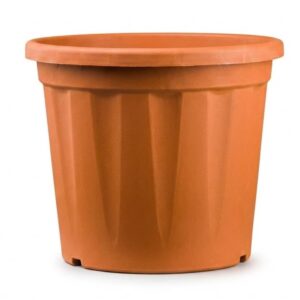
 Red Plastic Pot ( 4Inch*3.5Inch ) ( Plant Not Include)
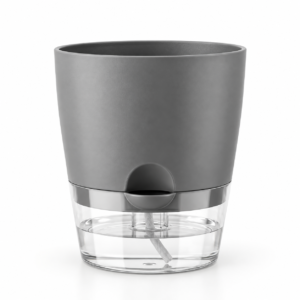 Self-Watering Pot (Plant not Include)
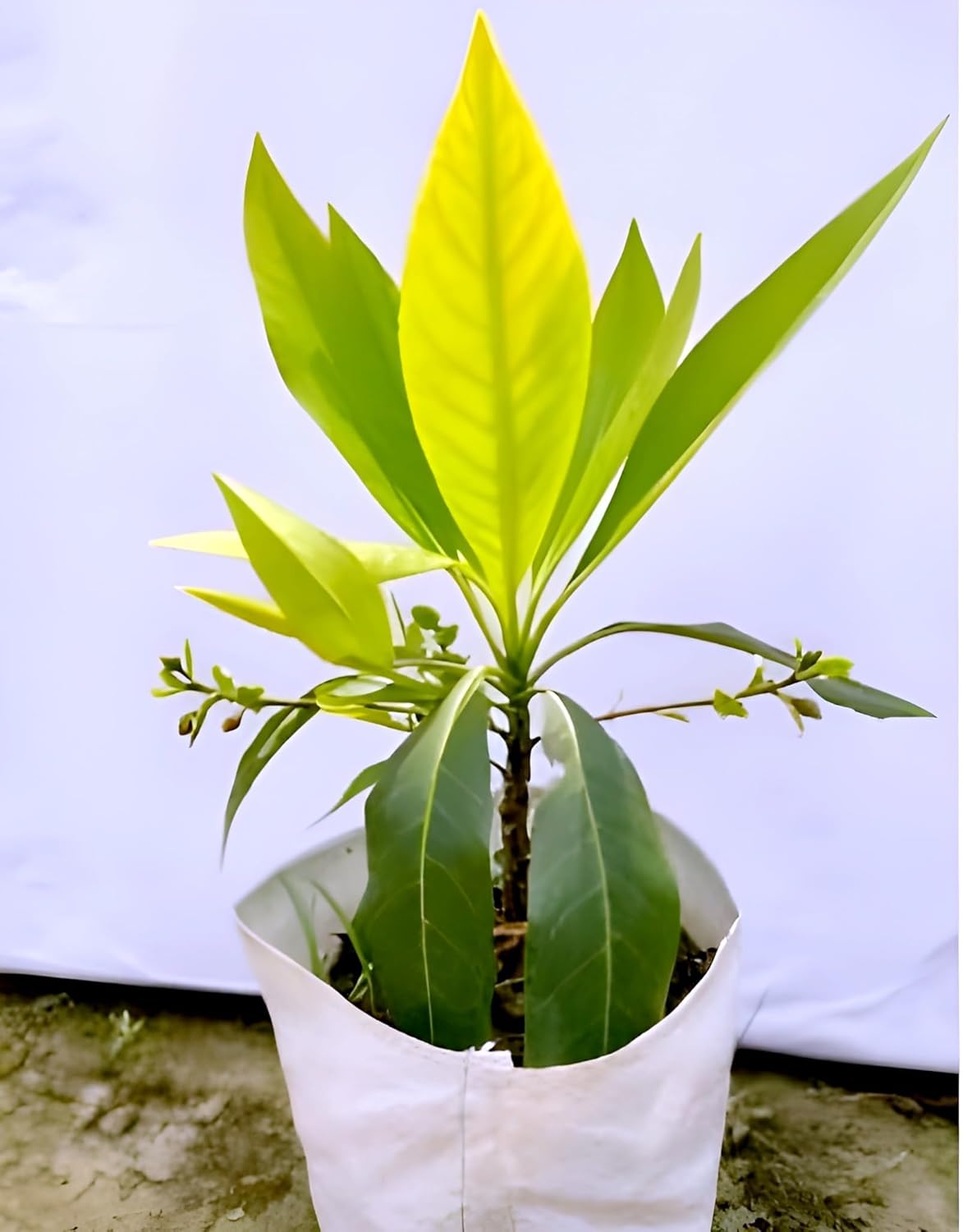
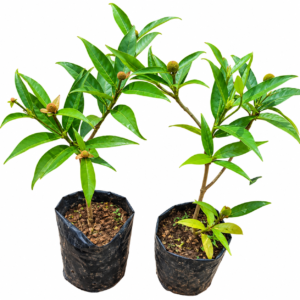
Rudraksha Plant (Elaeocarpus ganitrus) – Live Sacred Tree Plant
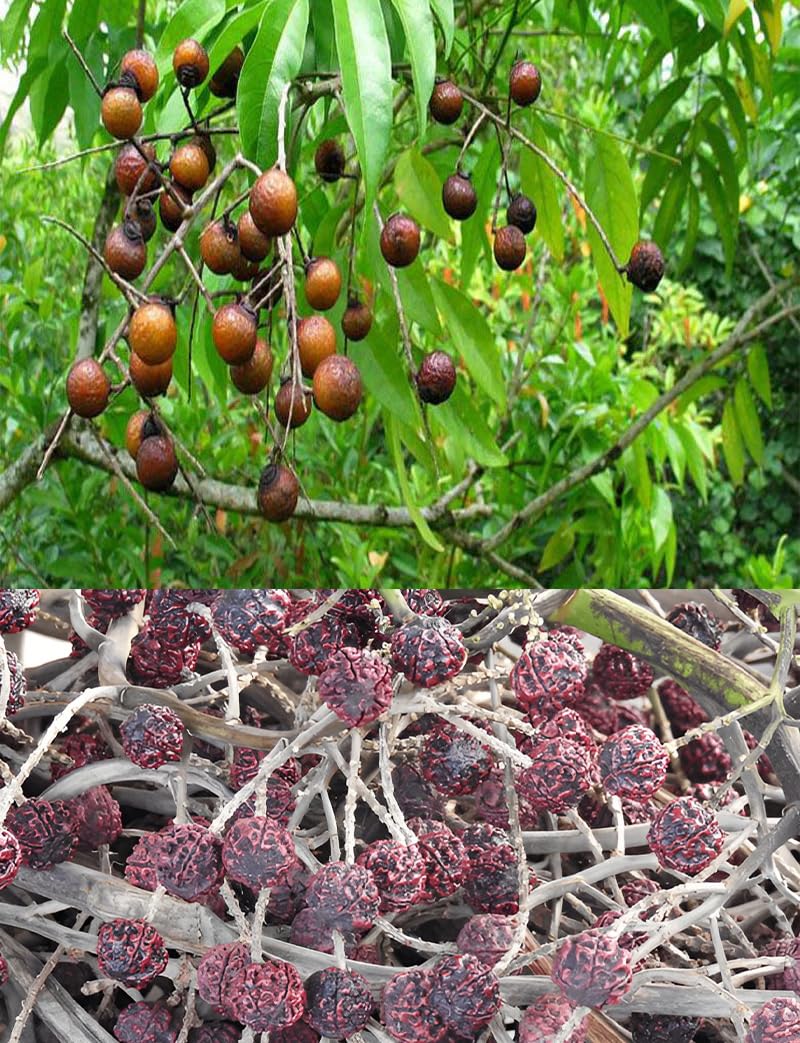
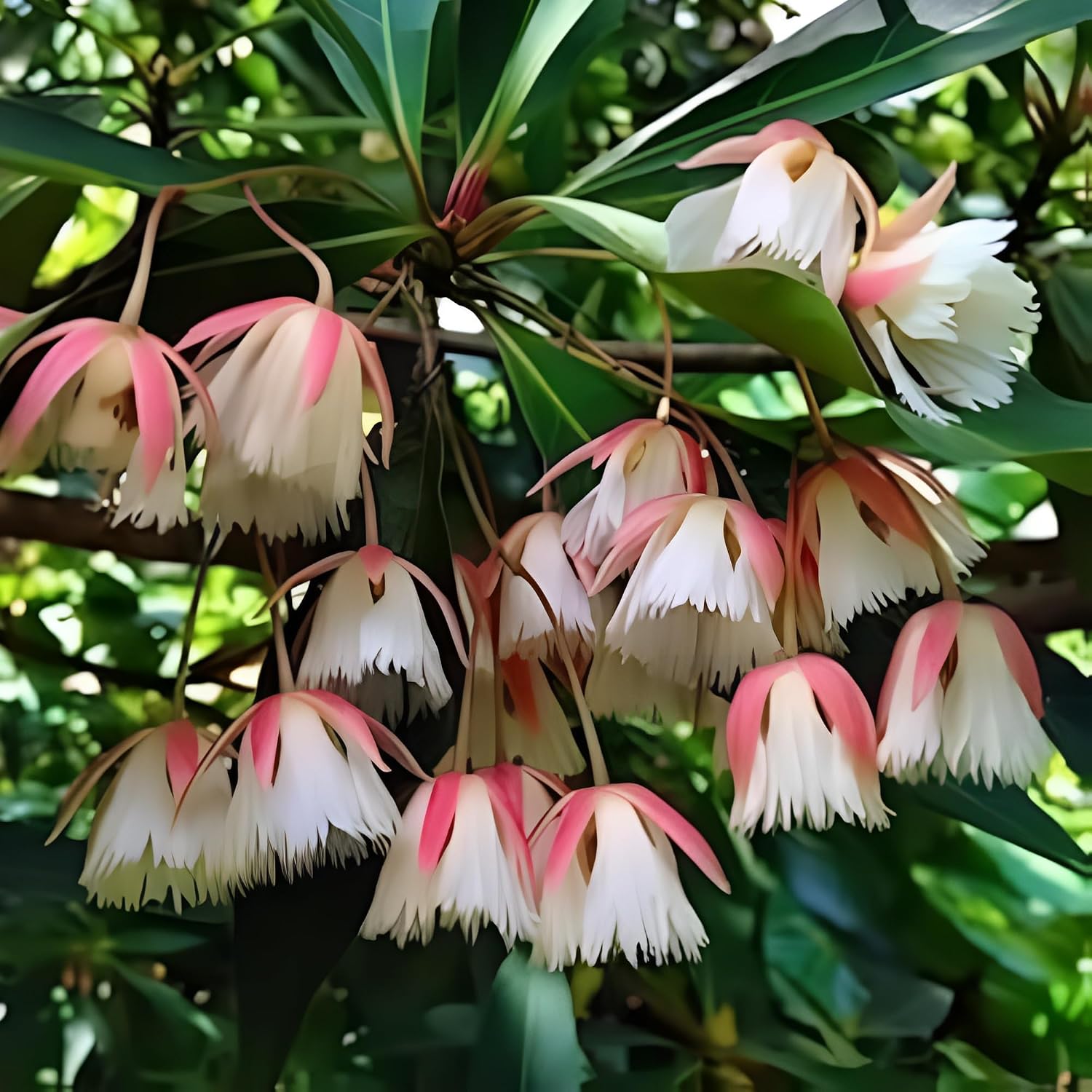
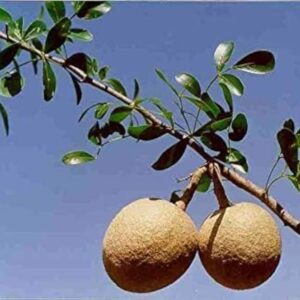
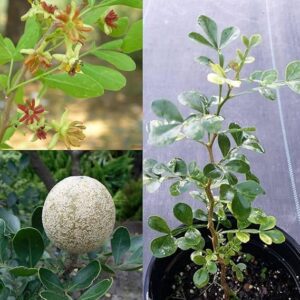
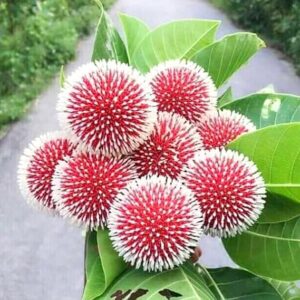
The Rudraksha Plant, scientifically known as Elaeocarpus ganitrus, is an evergreen tree widely recognized for its distinctive fruits, which develop into the familiar Rudraksha seeds after processing and drying.
The tree has attractive green foliage and a naturally elegant growth habit, making it an interesting addition to a home garden or collection of traditional and ornamental plants.
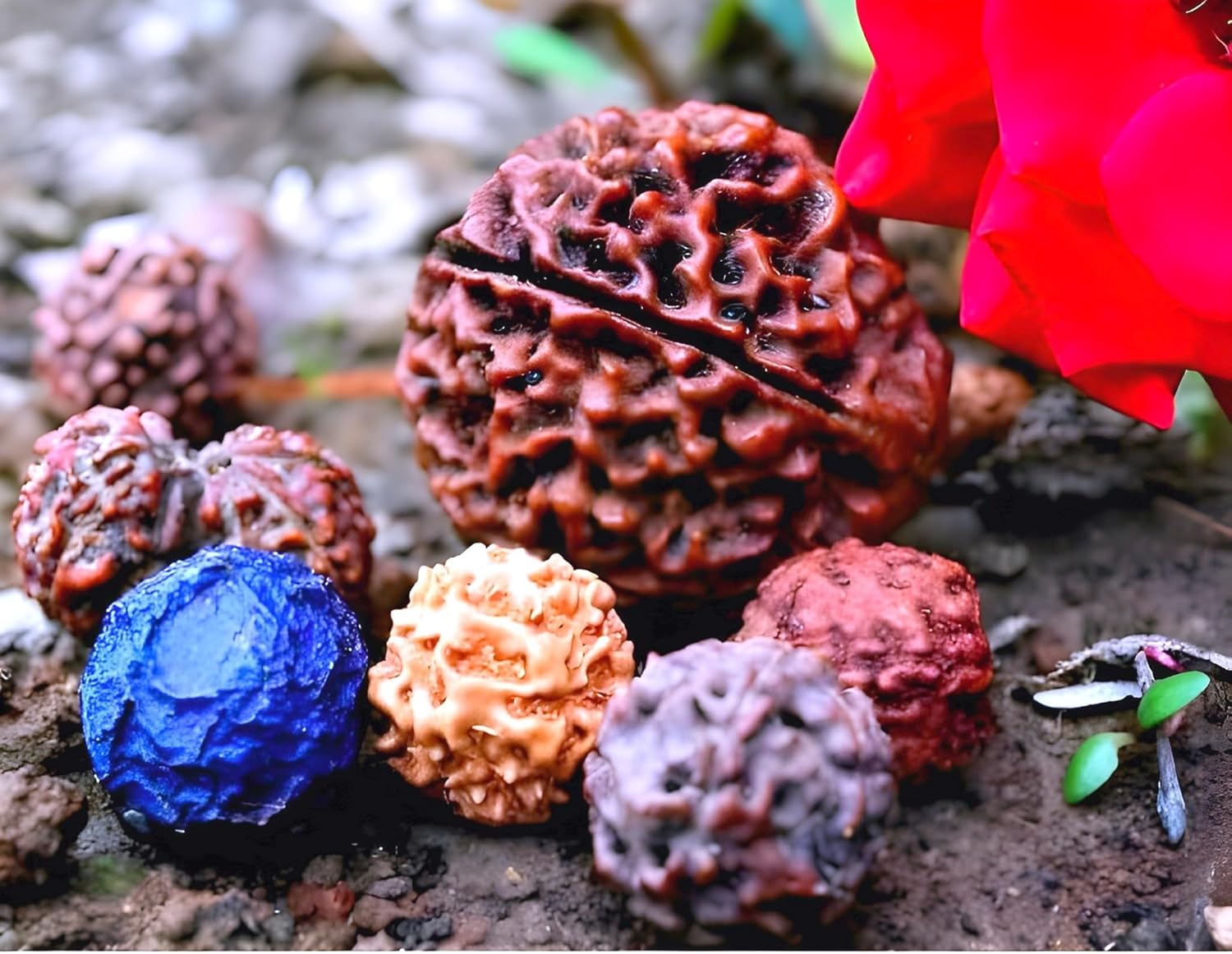
Rudraksha is also culturally significant in India and other parts of South and Southeast Asia. Its seeds have traditionally been used in prayer beads and religious practices.
This live Rudraksha plant is suitable for gardeners who want to grow the tree at home and observe its development from a young plant into a mature tree.
Key Product Highlights
- Live Rudraksha tree plant (Elaeocarpus ganitrus)
- Evergreen tree with attractive green foliage
- Traditionally valued for its Rudraksha fruits and seeds
- Suitable for outdoor home gardens and spacious planting areas
- Can be grown in a large container while young
- Excellent choice for traditional and ornamental plant collections
Plant Specifications
Common Name: Rudraksha Plant / Rudraksha Tree
Botanical Name: Elaeocarpus ganitrus
Plant Type: Evergreen tree
Foliage: Green, glossy leaves
Growth Habit: Upright tree
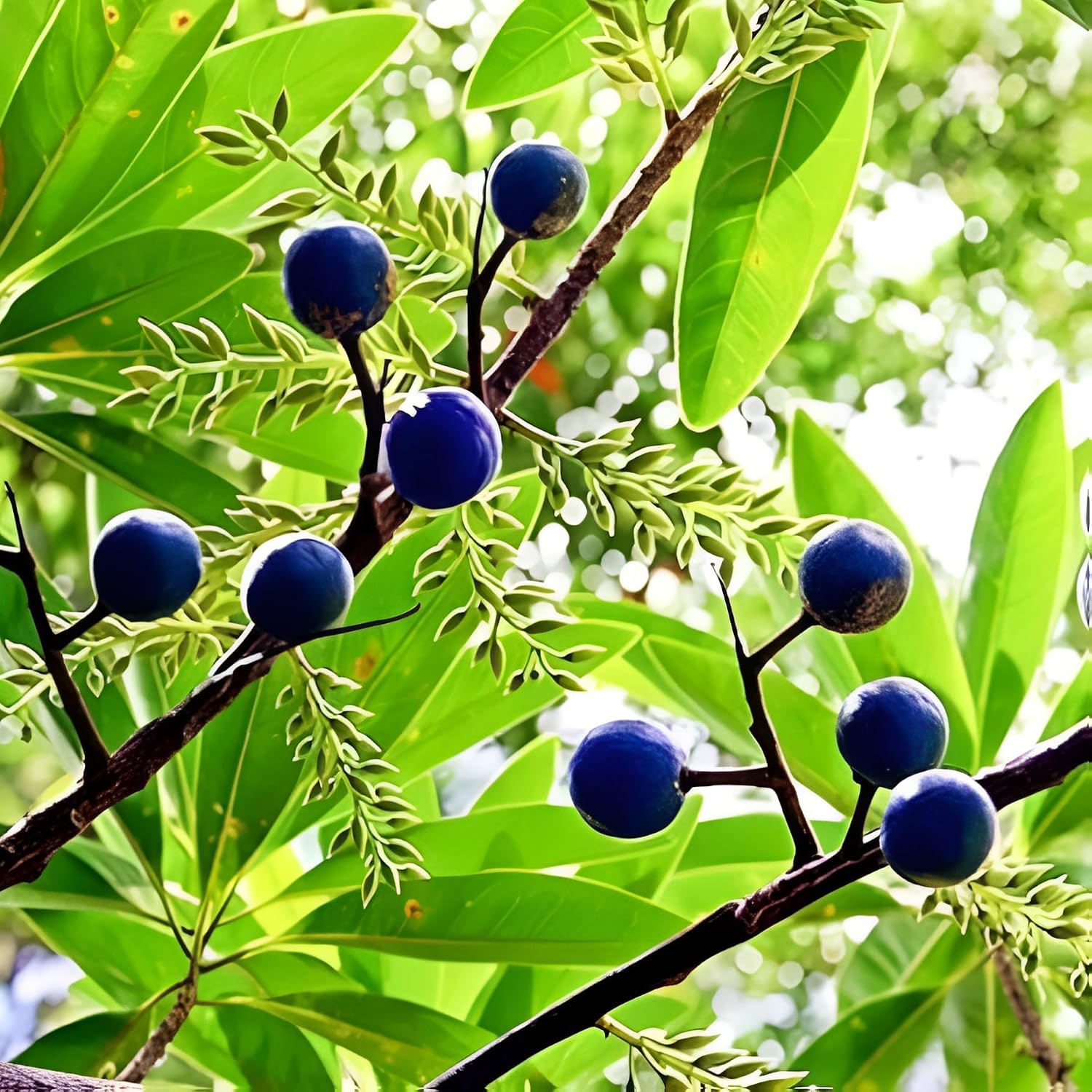
Fruit: Rudraksha fruit
Sunlight: Bright sunlight to partial shade
Water Requirement: Moderate
Soil: Fertile, organic-rich and well-draining soil
Suitable For: Outdoor gardens, large containers and spacious landscapes
Rudraksha Fruit & Seeds
The Rudraksha tree can produce small fruits that develop through the plant’s natural reproductive cycle. As the fruit matures, the seed inside develops the characteristic structure associated with Rudraksha.
The familiar Rudraksha bead is obtained from the seed after the fruit is processed and dried.
Fruit and seed production cannot be expected from a young plant immediately. The tree needs to reach suitable maturity and requires favorable growing conditions before flowering and fruiting can occur.
Plant Care Guide
Sunlight
Provide the Rudraksha plant with bright sunlight to partial shade. Young plants can benefit from protection from extremely harsh afternoon sunlight while becoming established.
As the plant matures, provide sufficient light for healthy growth.
Watering
Water the plant regularly while it is establishing. Keep the soil reasonably moist but avoid prolonged waterlogging.
During hot and dry periods, monitor the soil and provide additional water when required.
Once established, adjust watering according to rainfall, soil type and seasonal conditions.
Soil
Rudraksha grows well in fertile, organic-rich and well-draining soil.
The soil should retain enough moisture for healthy growth while allowing excess water to drain away. Avoid locations where water remains stagnant.
Fertilizer
Apply well-decomposed organic compost or a suitable balanced fertilizer during active growth.
Regular but moderate nutrition can support healthy foliage and root development. Avoid excessive fertilizer application.
Potting
A young Rudraksha plant can be grown in a large container while it is developing.
Use a sturdy pot with adequate drainage holes and sufficient room for root development. As the tree grows, it may eventually require transplantation into open ground or a substantially larger container.
Where to Grow Rudraksha
The Rudraksha plant is suitable for:
- Home gardens
- Outdoor gardens
- Courtyards
- Large terraces
- Large containers
- Traditional plant collections
- Tree collections
- Spacious landscape areas
Because Rudraksha develops into a tree, provide sufficient space for long-term growth when planting in the ground.
Why Grow a Rudraksha Plant?
The Rudraksha tree is an interesting choice for gardeners who appreciate plants with both ornamental and traditional significance.
Its evergreen foliage provides year-round greenery, while the possibility of future fruit and seed production makes growing a mature Rudraksha tree a rewarding long-term gardening project.
Important Fruiting Information
A young Rudraksha plant will not necessarily flower or produce fruits immediately.
Flowering and fruiting depend on:
- Plant age and maturity
- Genetics
- Sunlight
- Climate
- Soil quality
- Water management
- Nutrition
- Overall plant health
The time required to reach fruiting maturity can vary considerably. Growing conditions suitable for the species are essential for healthy long-term development.
Important Information About Rudraksha Seeds
Rudraksha seeds have traditional cultural and religious significance and are commonly used in prayer beads.
The number of natural divisions or “faces” found on a Rudraksha seed can vary. This product description does not guarantee a particular seed type, face count or religious property.
Important Information About Live Plants
This is a live plant, so its appearance may naturally vary according to season, age and growing conditions.
The plant delivered may differ slightly from product photographs in height, branching, leaf count and overall shape.
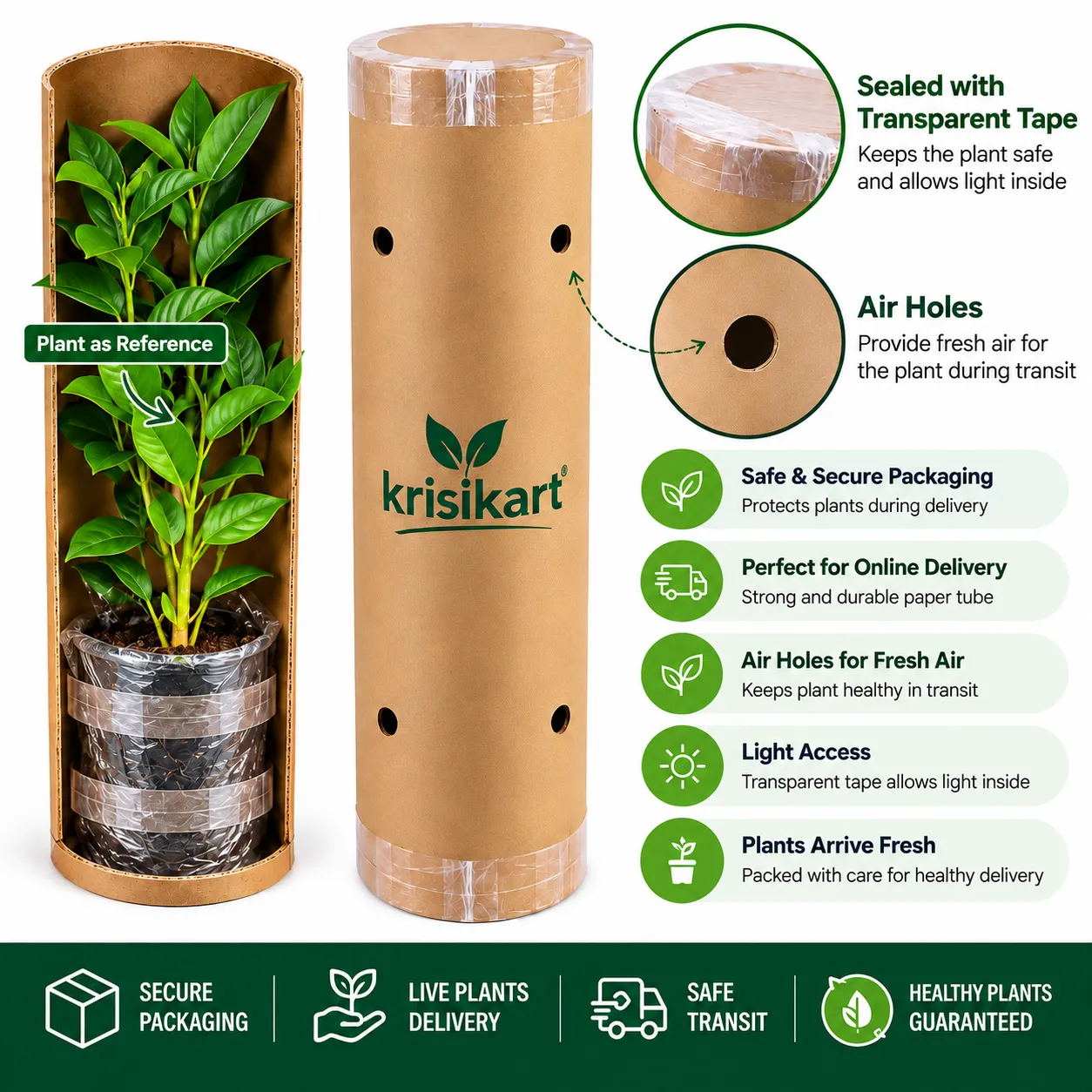
Some leaves may become yellow, bent or shed during transportation due to movement, temperature changes or temporary stress. This is a normal possibility with live plants and does not necessarily indicate poor plant health.
After receiving the plant, place it in a suitable outdoor location, provide appropriate sunlight and water according to soil moisture, and allow it time to acclimatize.







![[New Stock] 100ml Pasura Exodus Plant Bio Simulant , Organic Pesticide for Insects](https://krisikart.com/wp-content/uploads/2026/01/71GyR4G1LTS-300x300.jpg)


Reviews
There are no reviews yet.