 Plastic Plant pot | Plastic Garden Pot for Plants
 Self Watering Planters | Self Watering Plant Pots For Plants
Japanese Sago Palm Plant – Cycas Palm (Cycas revoluta) for Home & Garden
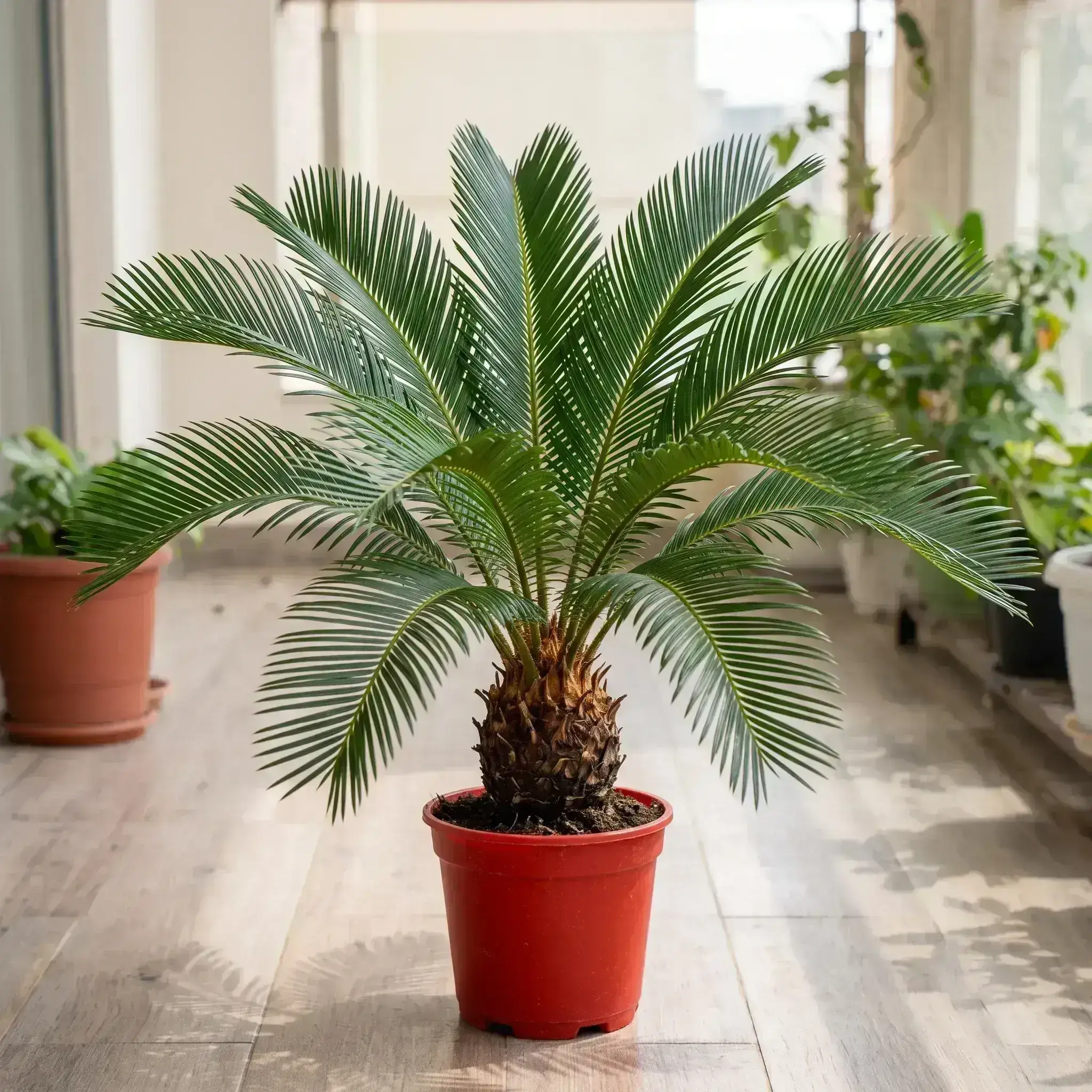
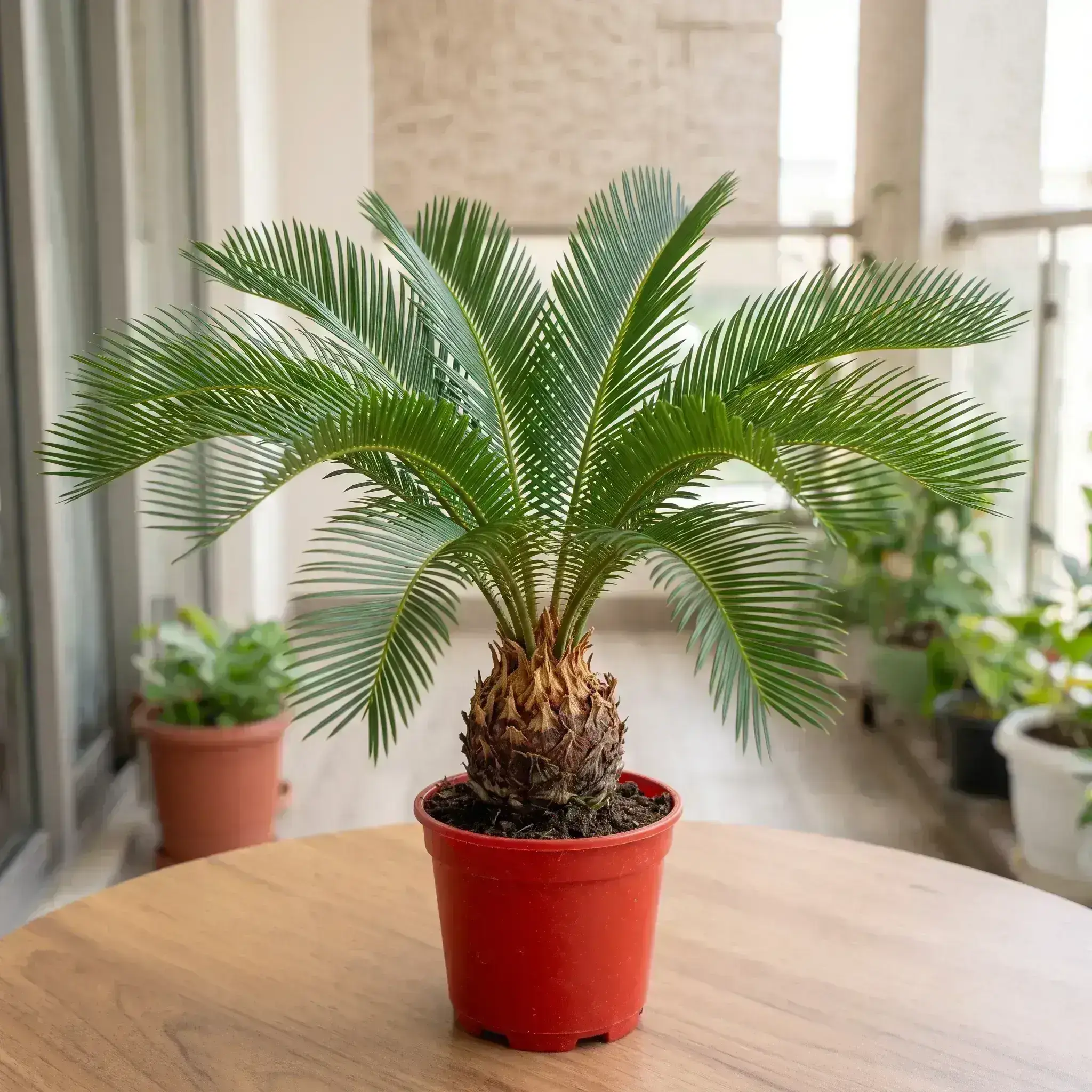
The Japanese Sago Palm Plant Also known as Cycas Palm Plant (Cycas Revoluta) Plant is a beautiful, slow-growing ornamental plant with a strong trunk and a crown of dark green leaves. Its unique shape gives gardens, balconies and outdoor spaces a rich tropical look.
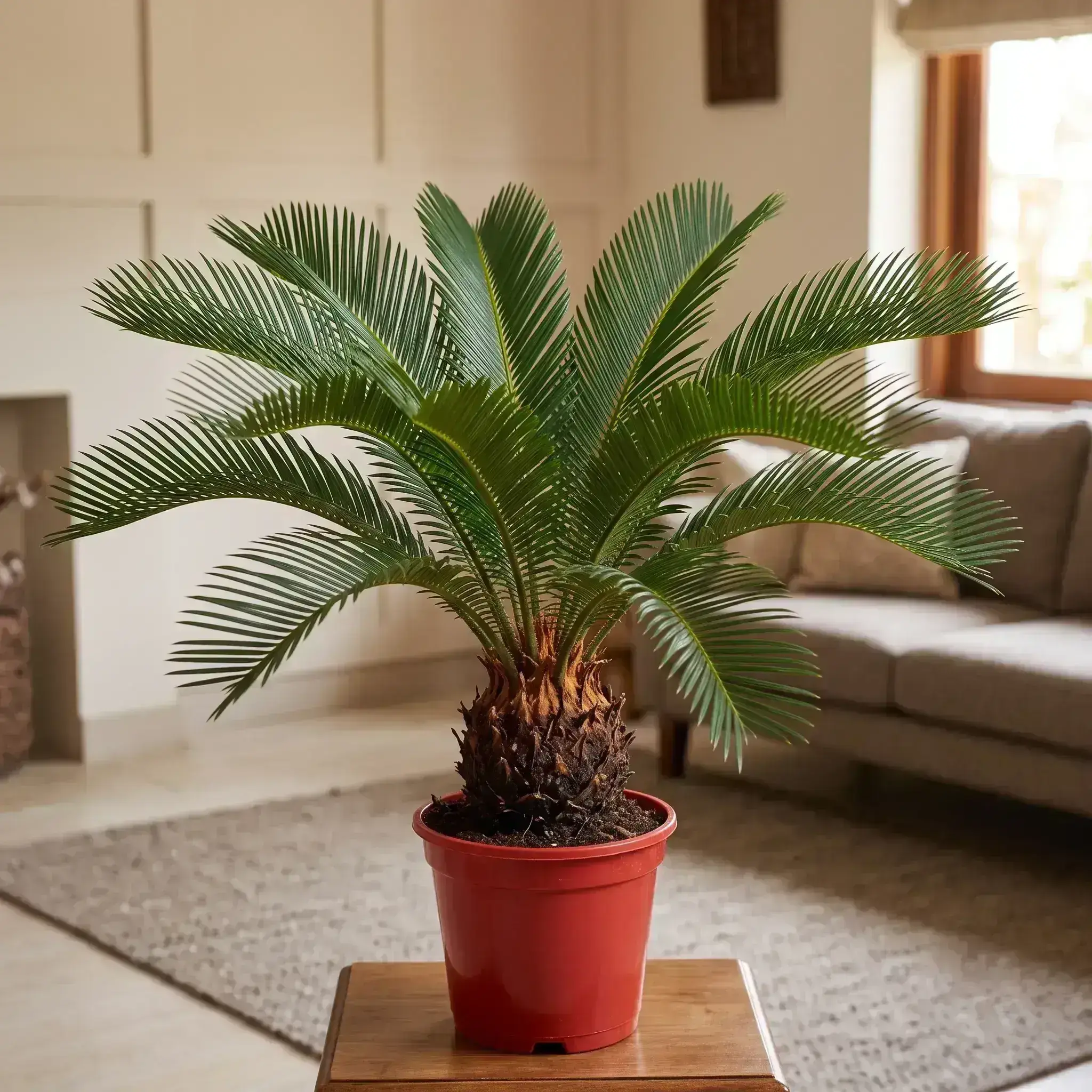
This plant is popular for home gardens, entrance areas, patios and landscape decoration. It can also be grown in a large pot and kept in a bright indoor space.
The Japanese Sago Palm is not a true palm. It belongs to an ancient group of plants called cycads. It is known for its long-lasting green leaves and slow growth. With suitable sunlight, well-drained soil and careful watering, it can remain an attractive plant for many years.
Important: All parts of this plant are poisonous if eaten, especially the seeds. Keep it away from children and pets.
Plant Highlights
- Common Name: Japanese Sago Palm, Sago Palm, Cycas Palm
- Scientific Name: Cycas revoluta
- Family: Cycadaceae
- Plant Type: Evergreen cycad
- Growth Habit: Slow-growing and upright
- Foliage Colour: Dark green
- Leaf Type: Long, stiff, feather-like leaves
- Origin: Southern Japan, with a native range also including parts of China and Taiwan
- Best Uses: Home garden, outdoor decoration, patio, entrance area and container gardening
About the Japanese Sago Palm Plant
The Japanese Sago Palm is one of the most popular ornamental cycads. It has a thick, rough trunk and a beautiful crown of green leaves.
New leaves usually appear from the top of the trunk in a circular arrangement. When they first emerge, they are soft and folded. As they grow, they slowly open and become firm.
The plant grows very slowly compared with many other garden plants. Its attractive shape makes it suitable for people who want a long-lasting ornamental plant.
It is often used in garden designs, along pathways, near entrances and in decorative pots.
Plant Appearance and Growth
The Japanese Sago Palm has a strong central trunk with a crown of long green leaves.
Each leaf has many narrow leaflets arranged along a central stem. The leaflets are stiff and slightly curved, giving the plant its palm-like appearance.
The plant usually grows upright and develops a wider crown as it becomes older. Its final size depends on its age and growing conditions.
New leaves may appear in a group called a flush. During this period, the new leaves are soft and should not be touched or bent unnecessarily.
Sunlight Requirements
The Japanese Sago Palm grows well in bright light. It can grow in full sunlight or partial shade, depending on the local climate and how gradually it has been adjusted to the light.
In hot parts of India, protection from very harsh afternoon sunlight can help prevent leaf damage, especially when the plant is young or newly moved.
Good places to keep this plant:
- A bright outdoor garden
- A sunny entrance area
- A terrace with suitable sunlight
- A balcony with good natural light
- A bright patio
- A large decorative pot in an open space
If grown indoors, place it near a bright window. A dark room is not suitable for long-term healthy growth.
Watering Requirements
The Japanese Sago Palm does not need frequent watering once established. It can tolerate some dry conditions, but its soil should not remain completely dry for long periods during active growth.
Water the plant when the upper layer of soil becomes dry. Always allow extra water to drain away.
Watering tips:
- Check the soil before watering.
- Water deeply, but do not keep the soil waterlogged.
- Use a pot with drainage holes.
- Avoid leaving water collected in the pot tray.
- Reduce watering during cooler weather.
- During the monsoon, check the soil before adding more water.
Overwatering and poor drainage can cause root and trunk problems.
Soil and Potting Requirements
The Japanese Sago Palm grows best in loose, well-drained soil.
It does not like soil that stays wet for a long time. A suitable potting mix should allow extra water to drain easily.
A home potting mix can contain:
- Garden soil
- Coarse sand or perlite
- Cocopeat in a suitable amount
- Well-rotted compost
Use a pot with drainage holes. Avoid planting it in a pot that is much larger than the root system.
For outdoor planting, choose a location where rainwater does not collect around the base of the plant.
Temperature and Indian Climate
The Japanese Sago Palm grows well in warm conditions and can be grown in many parts of India.
It is suitable for outdoor gardens in areas with a suitable climate. In very hot regions, some protection from harsh afternoon sunlight may help keep the leaves in good condition.
During the monsoon, proper drainage is especially important. Do not allow water to collect around the trunk or inside the pot.
Protect the plant from frost and very cold conditions. Young plants may need extra protection during unusually cold weather.
Fertilizer and Plant Feeding
The Japanese Sago Palm is a slow-growing plant and does not need heavy feeding.
You can use a suitable palm or cycad fertilizer according to the product instructions. Apply fertilizer during the active growing period.
Avoid placing fertilizer directly against the trunk. Do not apply more than the recommended amount.
A small amount of well-rotted compost can also be used to improve the soil.
Pruning and Maintenance
The Japanese Sago Palm needs very little pruning.
Remove only completely dry, dead or badly damaged leaves. Use clean gardening tools when removing old leaves.
Do not cut healthy green leaves unnecessarily. They help the plant produce and store food.
Be careful when handling the leaves because their leaflets can have sharp tips. Wear gardening gloves while pruning.
Growing Japanese Sago Palm in Pots
The Japanese Sago Palm is suitable for container gardening. It can be grown in a decorative pot and placed in a garden, balcony, terrace or entrance area.
Choose a strong pot with proper drainage. The plant grows slowly, so it usually does not need frequent repotting.
When the roots become crowded, move it to a slightly larger pot. Avoid using an oversized pot that holds too much wet soil.
Place the pot where the plant receives enough bright natural light.
Garden and Landscape Decoration
The Japanese Sago Palm is an attractive choice for garden decoration because of its unique shape.
Its strong trunk and circular crown of leaves make it look different from ordinary leafy plants.
It can be used:
- Near the main entrance of a home
- In outdoor garden corners
- Along garden pathways
- In large decorative pots
- On suitable terraces and patios
- As a feature plant in landscape designs
Give the plant enough space so that its leaves can spread naturally.
Common Problems and Their Care
1. Yellow Leaves
Yellowing can happen because of overwatering, poor drainage, nutrient problems or unsuitable growing conditions. Check the soil and make sure water can drain properly.
2. Brown Leaf Tips
Brown tips may develop because of dry conditions, water problems or damage from strong sunlight. Check the plant’s growing location and watering routine.
3. Soft or Damaged Trunk
A soft trunk or a bad smell near the base may indicate serious root or trunk problems. Check for waterlogging and improve drainage. Severe damage may need expert attention.
4. Scale Insects
Scale insects may sometimes appear on the leaves. Check both sides of the leaflets and treat an infestation with a suitable garden product according to its label.
5. Slow Growth
Slow growth is normal for this plant. It may produce new leaves only occasionally. Avoid adding extra fertilizer in an attempt to force faster growth.
6. Damaged New Leaves
New leaves are soft while they are opening. Avoid touching, bending or moving them during this stage.
Important Safety Information – Toxic Plant
The Japanese Sago Palm is poisonous if eaten. All parts of the plant contain toxic substances, and the seeds are especially dangerous.
Eating any part of the plant can cause serious illness in people and animals. Dogs and cats are particularly at risk.
Safety precautions:
- Keep the plant away from small children and pets.
- Do not eat its seeds, leaves or trunk.
- Wear gloves when handling or pruning the plant.
- Wash your hands after gardening.
- Collect fallen seeds and plant parts safely.
If a person or pet eats any part of this plant, seek medical or veterinary help immediately. Do not wait for symptoms to appear.
Live Plant Delivery and Natural Variation
Plants are living products, so their height, trunk size, leaf count and overall shape may vary naturally.
The plant you receive may look slightly different from the website photograph. This is normal because each plant grows at its own pace.
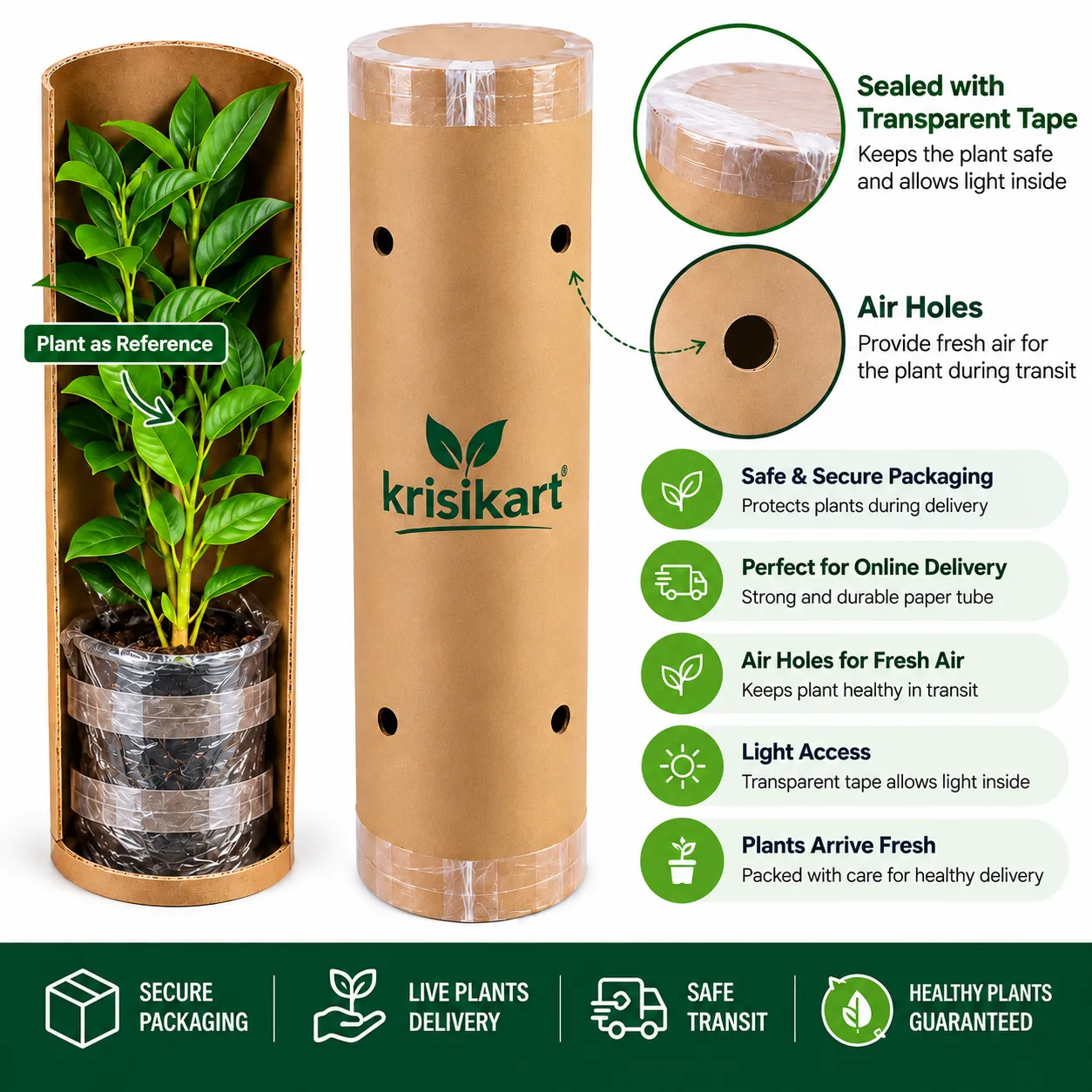
Some leaves may become yellow or damaged during packing and transportation. The plant may also need time to adjust after delivery.
After receiving your plant:
- Carefully remove the packaging.
- Keep it in a bright place.
- Check the soil before watering.
- Avoid keeping the plant in standing water.
- Do not add heavy fertilizer immediately.
- Avoid cutting healthy leaves.
- Give the plant time to adjust to its new location.
Why Choose a Japanese Sago Palm Plant?
The Japanese Sago Palm is a beautiful choice for people who want a long-lasting ornamental plant for their garden or outdoor space.
- Attractive crown of dark green leaves.
- Unique palm-like appearance.
- Slow-growing and needs little pruning.
- Suitable for outdoor gardens and large pots.
- Adds a tropical look to entrances and patios.
- Can grow in full sunlight or partial shade with suitable care.
- A distinctive plant for home garden decoration.
Botanical Information & Further Reading
Explore these trusted resources to learn more about the Japanese Sago Palm:
- Kew – Plants of the World Online: Cycas revoluta – Accepted scientific name, plant family and native distribution.
- India Flora Online – Cycas revoluta – Botanical information and Indian plant records.
- Royal Horticultural Society – Japanese Sago Palm – Growing conditions, sunlight, soil, plant size and safety.
- North Carolina State Extension – Cycas revoluta – Plant identification, watering, sunlight and common growing problems.
- Botanical Survey of India – Cycas revoluta Species Datasheet – Botanical classification and information about its cultivation in India.
- Kew – CITES and Cycads – Information about cycads, their trade and conservation.
- University of Florida – Cycas revoluta – Additional horticultural information about the plant.
Frequently Asked Questions (FAQs)
1. Is Japanese Sago Palm a real palm tree?
No. It looks like a palm, but it is not a true palm. It belongs to the cycad family, called Cycadaceae.
2. Can I grow Japanese Sago Palm in my home garden?
Yes. It can grow well in a suitable garden location with bright light, good drainage and enough space for its leaves.
3. Can Japanese Sago Palm grow in a pot?
Yes. It can be grown in a strong decorative pot with drainage holes. It grows slowly and usually does not need frequent repotting.
4. Does Japanese Sago Palm need direct sunlight?
It grows well in bright light and can tolerate full sunlight or partial shade. In very hot weather, protection from harsh afternoon sunlight may help prevent leaf damage.
5. How often should I water Japanese Sago Palm?
Water when the upper layer of soil becomes dry. Avoid keeping the soil constantly wet because poor drainage can damage the roots.
6. Does Japanese Sago Palm grow fast?
No. It is a slow-growing plant. New leaves usually appear in groups, and the plant may take a long time to develop a larger trunk.
7. Is Japanese Sago Palm suitable for Indian weather?
Yes. It can be grown in many parts of India in suitable warm conditions. Good drainage is important, especially during the monsoon.
8. Does Japanese Sago Palm produce flowers?
No. Cycads do not produce flowers. They produce reproductive structures called cones. Male and female reproductive structures develop on separate plants.
9. Is Japanese Sago Palm poisonous?
Yes. All parts of the plant are poisonous if eaten, especially the seeds. Keep it away from children and pets.
10. Why are the leaves of my Japanese Sago Palm turning yellow?
Yellow leaves may be caused by overwatering, poor drainage, nutrient problems or other growing conditions. Check the soil and the plant’s location before changing its care routine.
11. Can I cut the old leaves of my Sago Palm?
Yes. You can remove completely dry or dead leaves with clean tools. Avoid cutting healthy green leaves because they help the plant grow.
12. Is Japanese Sago Palm suitable for office or indoor decoration?
It can be grown indoors if it receives enough bright natural light. A bright location near a window is better than a dark room.
For More Information
Visit: krisikart.com
For Contact Visit:Contact Us
For Shopping Visit: Shop Page


Reviews
There are no reviews yet.