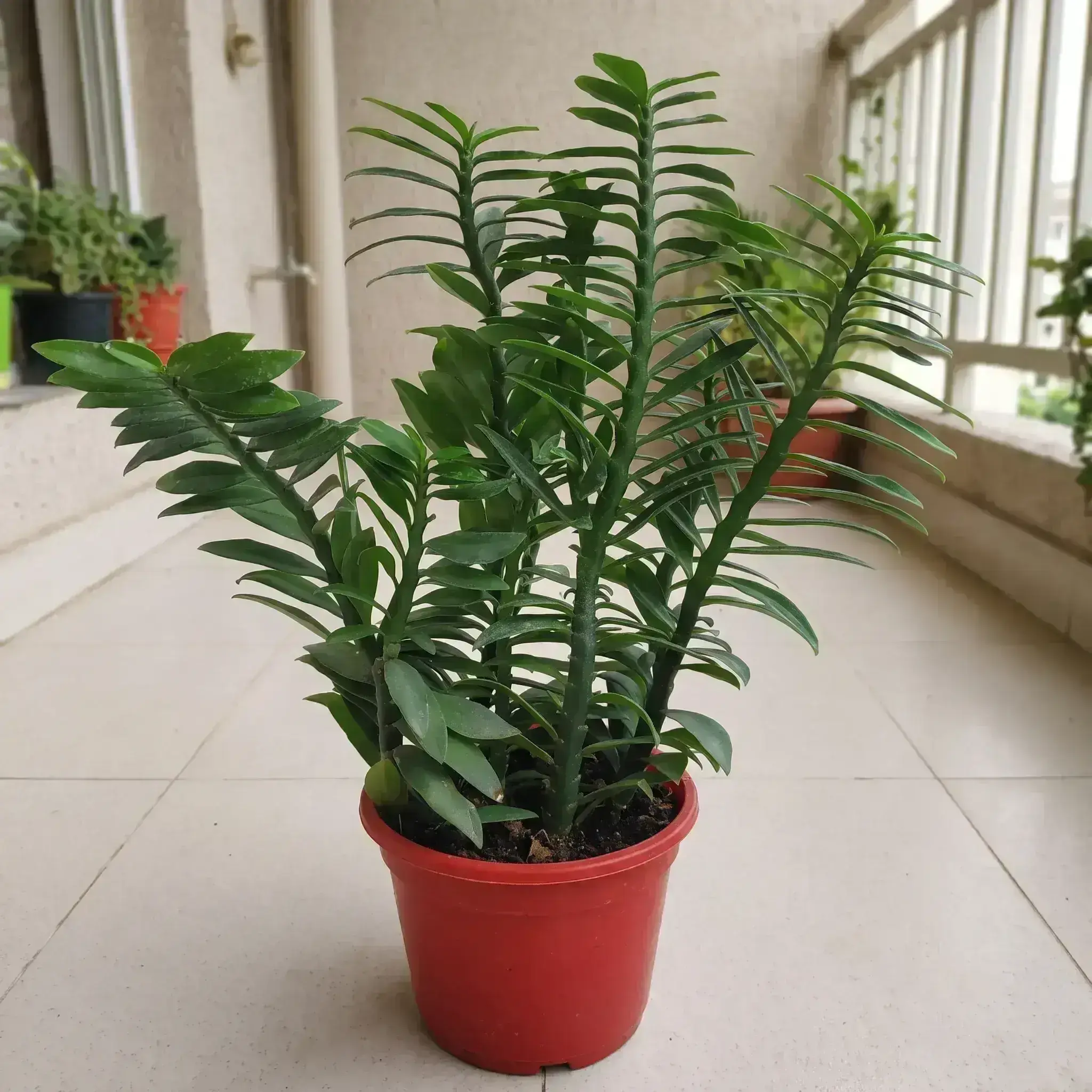
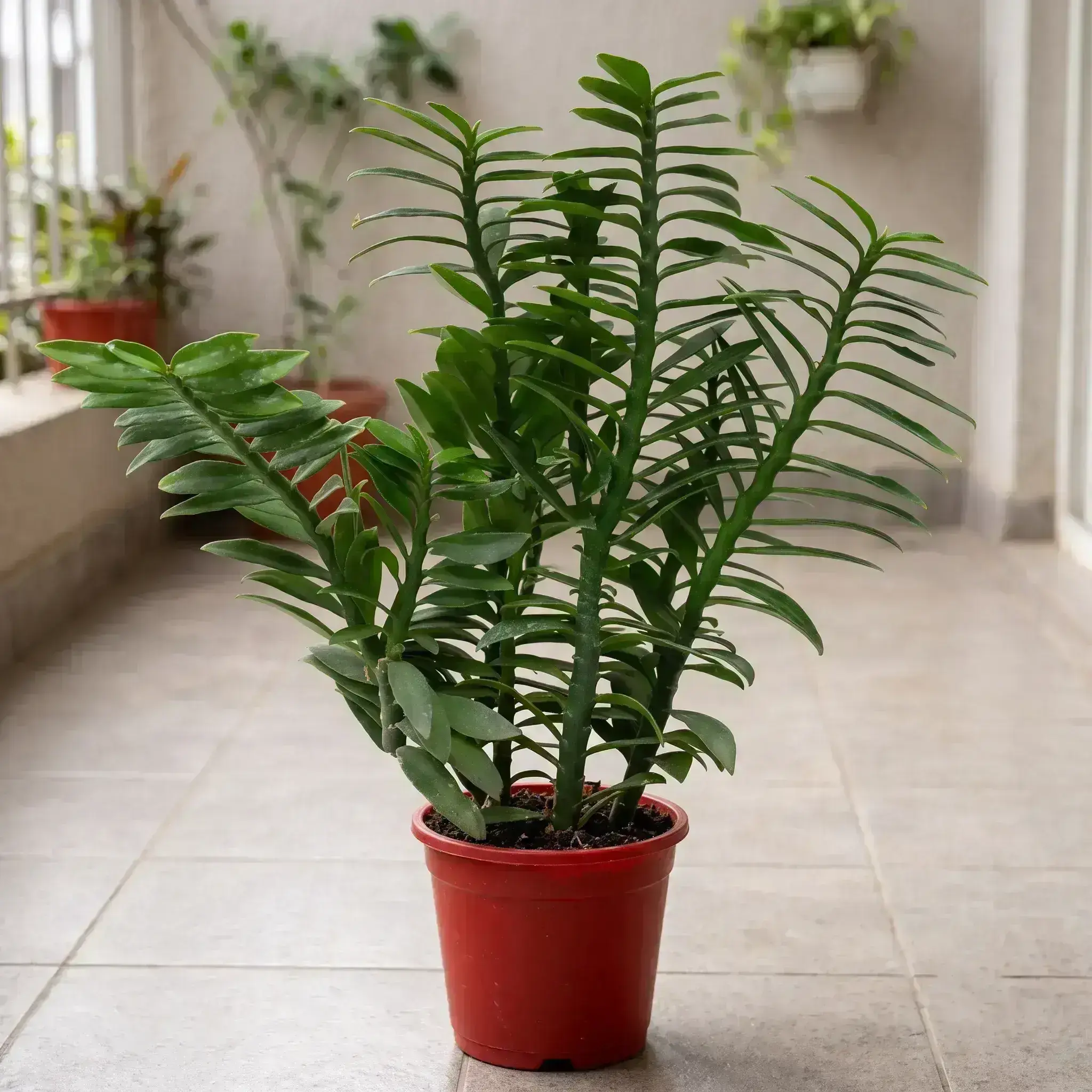
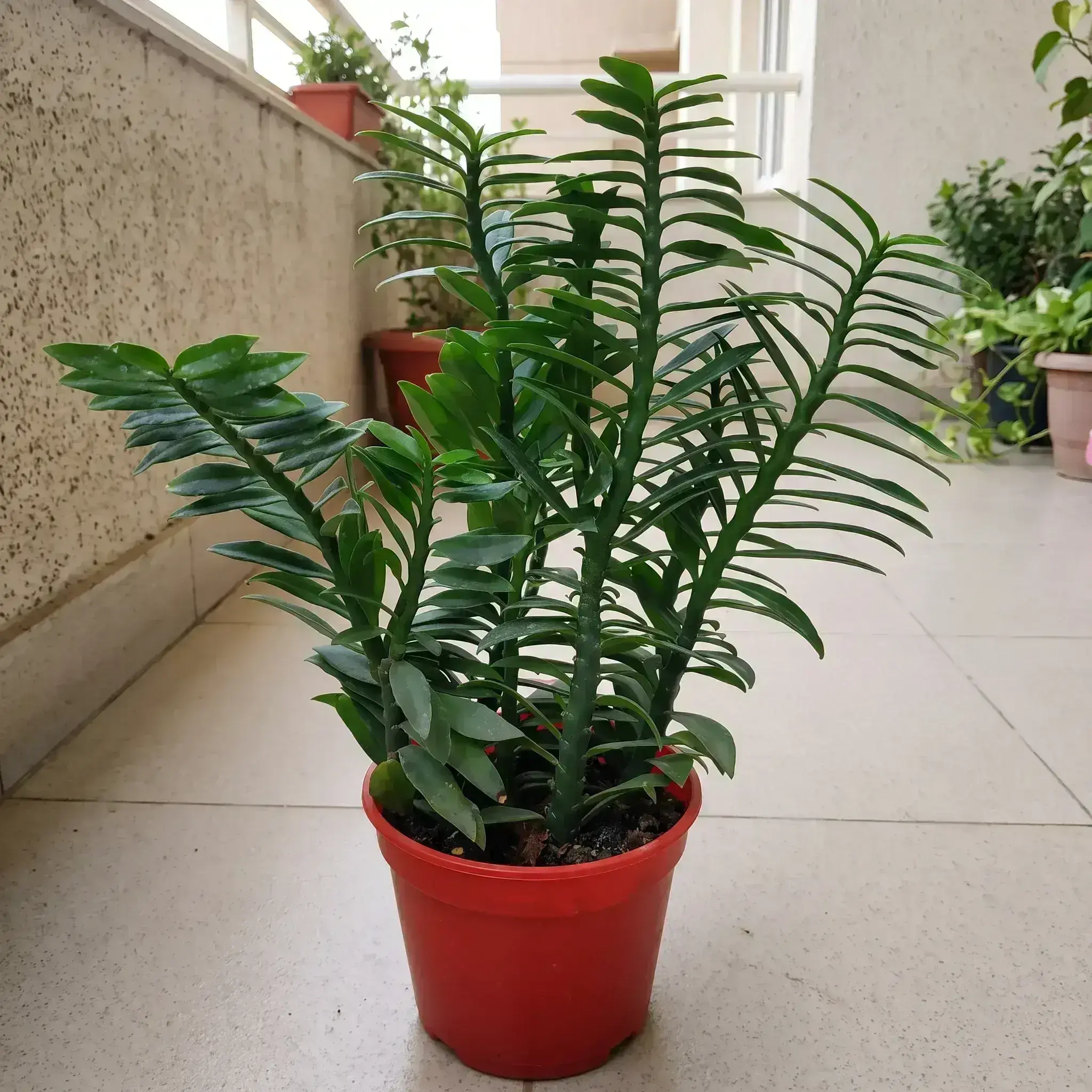
 Plastic Plant pot | Plastic Garden Pot for Plants
 Self Watering Planters | Self Watering Plant Pots For Plants
Zigzag Plant – Devil’s Backbone (Pedilanthus tithymaloides) Live Plant
The Zigzag Plant, popularly known as Devil’s Backbone or Pedilanthus or Pedilanthus tithymaloides is unusual ornamental plant is admired for its distinctive zigzag-shaped green stems, attractive foliage, and colourful slipper-shaped flowers.
Its unusual branching pattern makes it an interesting addition to balconies, patios, garden borders, rock gardens, and decorative pots. It is a relatively low-maintenance succulent shrub that can grow well in warm Indian conditions with suitable sunlight and well-drained soil.
Plant Information
- Plant Name: Zigzag Plant / Devil’s Backbone
- Common Names: Pedilanthus, Zigzag Plant, Devil’s Backbone, Jacob’s Ladder, Slipper Flower
- Botanical Name: Euphorbia tithymaloides
- Formerly Known As: Pedilanthus tithymaloides
- Family: Euphorbiaceae
- Plant Type: Succulent ornamental shrub
- Growth Habit: Upright, branching zigzag stems
- Foliage: Green, fleshy, oval-shaped leaves
- Flowers: Small flowers surrounded by colourful red or pinkish slipper-shaped structures
- Sunlight: Bright light to partial sunlight
- Watering: Moderate to low; allow soil to dry between watering
- Soil: Well-drained, moderately fertile soil
- Placement: Home garden, balcony, patio, and outdoor decorative pots
Botanical note: Many nurseries still use the older name Pedilanthus tithymaloides. Modern botanical references commonly classify this species as Euphorbia tithymaloides.
About the Zigzag Plant
The Zigzag Plant is a tropical succulent shrub known for its unusual stem structure. Its branches grow in alternating directions, creating a zigzag or ladder-like appearance.
The plant produces attractive green leaves along its stems. Depending on the variety and growing conditions, the foliage may also display lighter green, cream, or pinkish tones.
Its flowers are another interesting feature. The small true flowers are enclosed by colourful modified structures called bracts, which often look like little slippers or birds. These may appear reddish or pinkish, making the plant even more attractive.
Because of its unusual shape and relatively easy maintenance, the Zigzag Plant is popular among ornamental plant collectors and home gardeners.
Key Features of the Devil’s Backbone Plant
- Unique zigzag stems: Attractive branches create a distinctive architectural appearance.
- Decorative foliage: Green, fleshy leaves add natural beauty to the garden.
- Colourful flowers: Mature plants may produce red or pinkish slipper-shaped flower structures.
- Succulent characteristics: Stores moisture in its fleshy stems.
- Low-maintenance plant: Requires less frequent watering than many leafy ornamental plants.
- Container-friendly: Suitable for decorative pots, balconies, and patios.
- Warm-climate suitability: Can grow in many tropical and subtropical garden environments.
Sunlight Requirements
The Zigzag Plant grows well in bright natural light and can tolerate some direct sunlight after acclimatisation.
- Provide a bright outdoor location.
- Gentle morning sunlight is beneficial.
- Protect newly delivered plants from sudden exposure to harsh afternoon sunlight.
- Avoid keeping the plant in a permanently dark location.
- Maintain good airflow around the branches.
Insufficient light may cause weak, elongated growth and reduce the plant’s attractive compact appearance.
Watering Guide
The Devil’s Backbone is a succulent plant and does not require frequent watering. Excessive moisture can damage its roots.
- Allow the upper soil layer to dry before watering.
- Water thoroughly and let excess water drain away.
- Reduce watering during cool or rainy weather.
- Avoid keeping the pot in standing water.
- Check soil moisture before watering during the monsoon.
Water requirements depend on temperature, container size, soil type, and sunlight exposure. It is better to avoid a fixed daily watering schedule.
Soil and Potting Requirements
Use a loose, well-draining soil mix that allows excess water to escape easily.
A suitable potting mix can include:
- Good-quality garden soil.
- Mature compost in moderate quantities.
- Coarse sand or horticultural grit.
- Perlite or another drainage material.
Choose a pot with sufficient drainage holes. Avoid heavy clay soil or compact growing media that retain too much moisture.
The plant can also be grown directly in suitable garden soil where drainage is good.
Fertilizer and Nutrition
The Zigzag Plant generally has modest fertilizer requirements.
- Apply mature compost occasionally.
- Use a diluted balanced fertilizer during active growth if necessary.
- Avoid excessive nitrogen fertilization.
- Do not fertilize immediately after delivery if the plant is stressed.
- Reduce feeding during cooler periods when growth slows.
Good sunlight, drainage, and appropriate watering are more important than frequent fertilizer application.
Growth Habit and Pruning
The plant develops upright, fleshy branches that grow in a distinctive zigzag pattern. With time, it can develop into a branching ornamental shrub.
Pruning can help maintain a compact shape and encourage branching.
- Remove dead or damaged stems.
- Trim excessively long branches when necessary.
- Use clean, sharp pruning scissors.
- Avoid unnecessary heavy pruning.
- Wear gloves when pruning because the plant releases milky sap.
The cut stems can sometimes be used for propagation after suitable preparation.
How to Propagate the Zigzag Plant
Devil’s Backbone can be propagated using healthy stem cuttings.
- Select a healthy, mature stem.
- Use clean, sharp pruning tools.
- Cut a suitable section of stem.
- Allow the cut surface to dry and callus in a shaded, ventilated place.
- Place the cutting in a dry, well-draining propagation mix.
- Keep it in bright indirect light while roots establish.
- Begin watering carefully after the cutting has started to root.
Wear gloves and avoid contact with the milky sap during propagation. Rooting success depends on the health of the cutting, temperature, and moisture conditions.
Growing Zigzag Plant in India
The Zigzag Plant is suitable for many warm Indian gardens. It appreciates bright light, warmth, and soil that does not remain waterlogged.
Summer: Provide bright light and water when the soil begins to dry. Protect newly delivered plants from sudden extreme heat.
Monsoon: Ensure excellent drainage and avoid prolonged exposure to heavy rainfall.
Winter: Reduce watering when the soil takes longer to dry. Protect young plants from unusually cold conditions.
Outdoor placement: A sunny balcony, patio, or garden border can be suitable.
In humid regions such as West Bengal, avoid continuously wet soil during the monsoon and maintain good airflow around the plant.
Can Devil’s Backbone Grow in a Pot?
Yes. The Zigzag Plant is suitable for container gardening and can be maintained in decorative pots.
For successful pot cultivation:
- Choose a pot with drainage holes.
- Use a fast-draining succulent growing mix.
- Place it in a bright location.
- Water only when the soil begins to dry.
- Prune selectively to maintain the desired shape.
- Repot when the roots outgrow the existing container.
Its unusual branching makes it particularly attractive as a standalone decorative plant.
Common Growing Problems
Yellowing leaves: May be caused by excessive watering, poor drainage, or environmental stress.
Leaf drop: Can occur due to insufficient water, sudden environmental changes, or other growing stress.
Soft or blackened stems: May indicate excessive moisture and root or stem rot.
Weak, elongated growth: Often associated with insufficient natural light.
Pest problems: Inspect the stems and leaves for mealybugs and spider mites.
Important Safety Notes
The Zigzag Plant belongs to the Euphorbiaceae family and produces a white, milky latex when its stems or leaves are damaged.
This sap can irritate the skin and eyes. Swallowing plant material may cause gastrointestinal irritation.
- Keep the plant away from small children and pets.
- Never eat the leaves, stems, or flowers.
- Wear gloves when pruning or propagating.
- Avoid touching your eyes while handling the plant.
- Wash exposed skin thoroughly after contact.
- If sap enters the eyes, rinse with clean running water for 15 minutes and seek medical advice.
This is an ornamental plant, not an edible or medicinal plant.
Live Plant Delivery and Natural Variation
This listing is for a live Zigzag Plant. Plant height, branch count, leaf count, and overall appearance may vary according to nursery stock and season.
Some temporary leaf drop or wilting may occur during transportation. After delivery, unpack the plant carefully and place it in a bright, sheltered location.
Check the soil moisture before watering and allow the plant time to adjust to its new environment. Avoid immediate heavy pruning, repotting, or concentrated fertilizer application while it is recovering.
Why Choose the Zigzag Plant for Your Home Garden?
- Distinctive zigzag-shaped stems create an unusual appearance.
- Attractive green foliage adds tropical beauty.
- Colourful flowers may appear on mature plants.
- Suitable for decorative containers and balcony gardens.
- Relatively low watering requirements.
- A unique addition to succulent and ornamental plant collections.
Frequently Asked Questions
1. What is the botanical name of the Zigzag Plant?
Its currently used botanical name is Euphorbia tithymaloides. It was previously widely known as Pedilanthus tithymaloides.
2. Why is it called the Devil’s Backbone Plant?
The name comes from its distinctive fleshy stems, which grow in alternating directions and create a zigzag or backbone-like appearance.
3. Can I grow the Zigzag Plant on my balcony?
Yes. It can grow well in a decorative container on a bright balcony or patio. Provide suitable sunlight and well-drained soil.
4. Does the Devil’s Backbone Plant produce flowers?
Yes. Mature plants can produce small flowers enclosed by colourful red or pinkish slipper-shaped structures.
5. How often should I water the Zigzag Plant?
Water when the upper soil layer has dried. It is a succulent plant, so excessive watering should be avoided.
6. Is the Zigzag Plant safe for pets and children?
No. Its milky sap can irritate skin and eyes, and swallowing plant material may cause illness. Keep it out of reach of children and pets.
Botanical Information & Further Reading
- Indian Institute of Science – Flora of Peninsular India: Pedilanthus tithymaloides — botanical identification, family, habit, and distribution in India.
- North Carolina State University Extension: Euphorbia tithymaloides — growth habit, sunlight, watering, propagation, and growing problems.
- North Carolina State University Extension: Zigzag Plant — plant characteristics and ornamental uses.
- National Parks Board Singapore: Euphorbia tithymaloides — zigzag stems, foliage, flowers, and container-growing suitability.
- Botanical Survey of India: Flora of India — botanical description and Indian common names.
- Queensland Poisons Information Centre: Zigzag Plant — identification, milky sap, and safety information.
- eFlora of India: Pedilanthus tithymaloides — botanical synonyms, distribution, and plant characteristics.
Buyer note: The botanical identification follows the commonly recognised Devil’s Backbone / Zigzag Plant. This plant contains irritating milky sap, so handle it carefully and keep it away from children and pets.
For More Information
Visit: krisikart.com
For Contact Visit:Contact Us
For Shopping Visit: Shop Page


Reviews
There are no reviews yet.