 Plastic Plant pot | Plastic Garden Pot for Plants
 Self Watering Planters | Self Watering Plant Pots For Plants
Hing Plant | Ferula Assa-Foetida (Asafoetida) Plant – Ferula foetida Plant
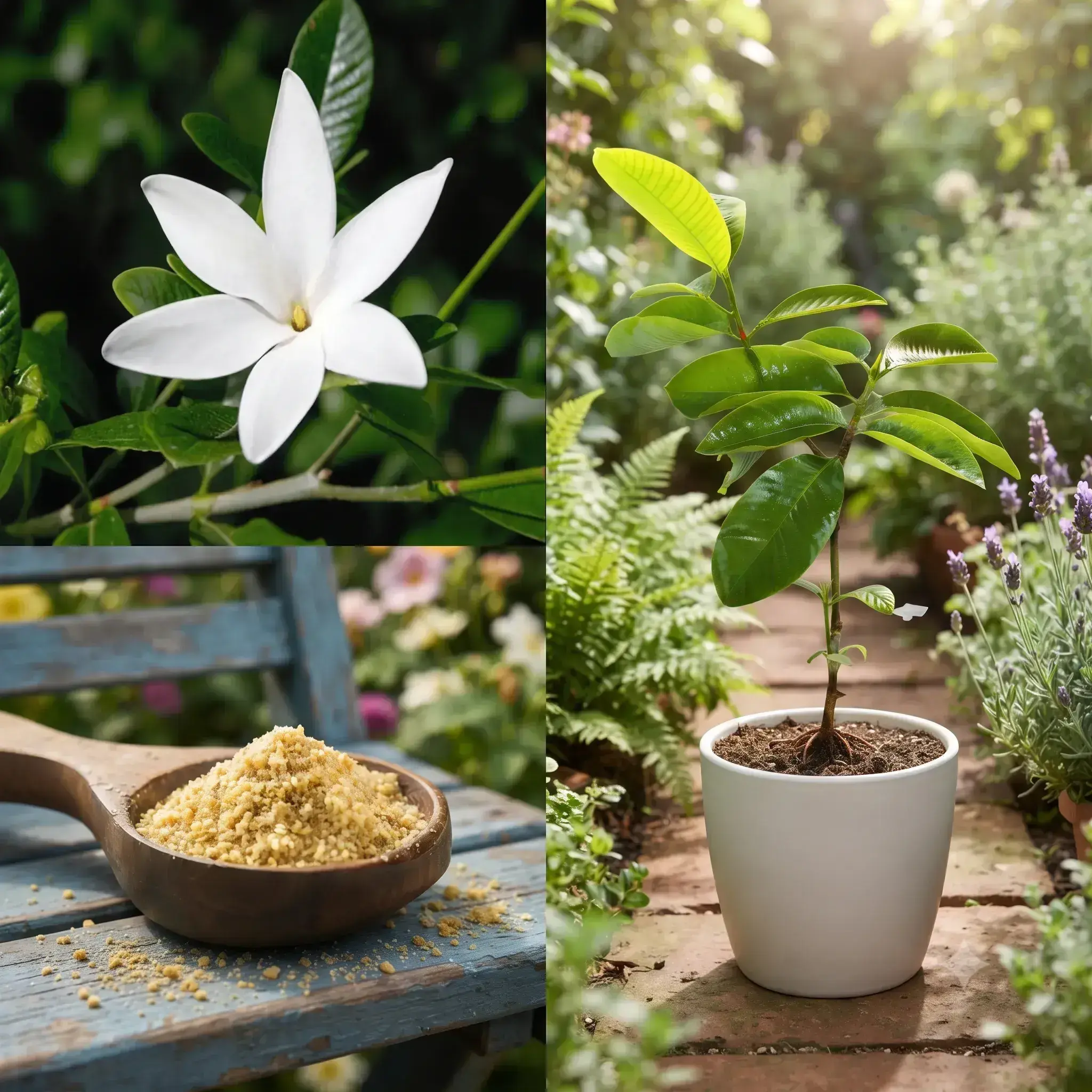
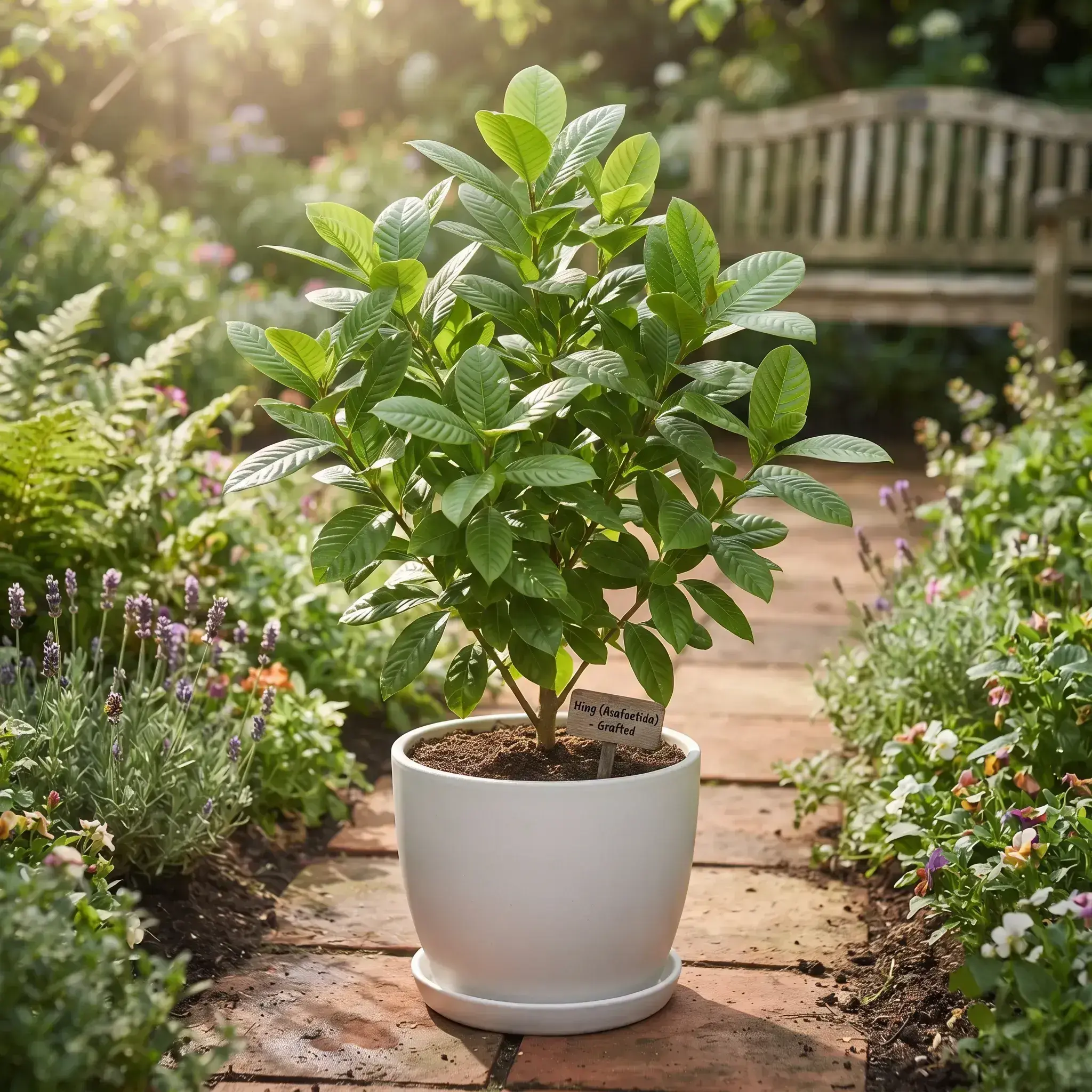
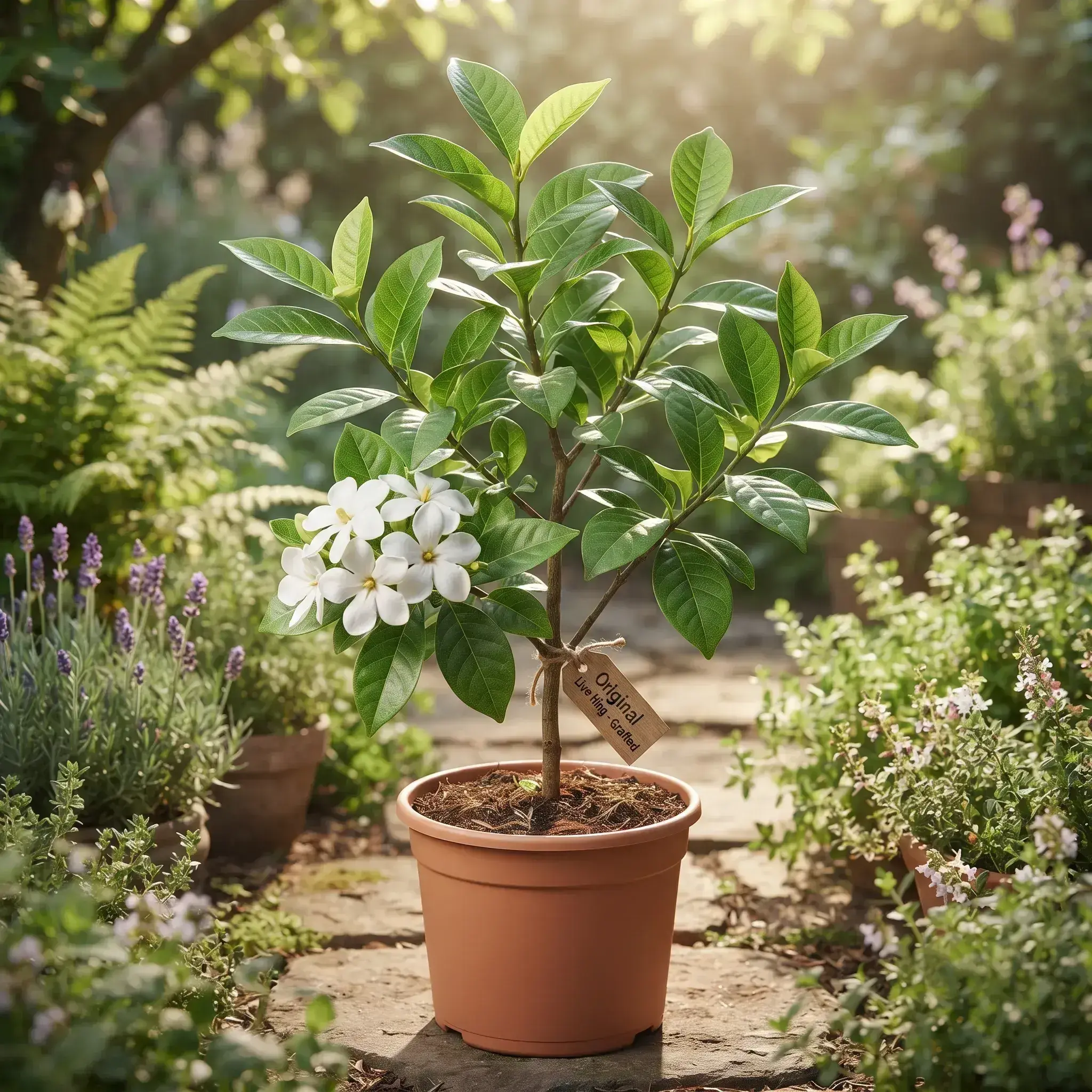
The Hing Plant, botanically classified as Ferula assa-foetida (and closely associated in spice trade with Ferula foetida), is the perennial herbaceous spice plant from which culinary asafoetida—widely known across Indian kitchens as Hing or Heeng—is obtained. Belonging to the carrot and parsley family Apiaceae, this distinctive deep-rooted plant is renowned for its finely divided, aromatic foliage and the pungent oleo-gum resin stored inside its thick, fleshy taproot.
While Hing is an everyday essential in Indian cooking, Ferula assa-foetida is a specialized cool-climate, dry-region botanical specimen rather than an ordinary tropical garden herb. Native to the arid mountains and cold steppes of Iran and Afghanistan—and cultivated experimentally in India’s cold Himalayan desert regions—this plant rewards dedicated gardeners and botanical collectors who can provide fast-draining soil, low humidity, and cool temperatures.
Plant Highlights
- Product Name: Hing Plant , Ferula Assa-Foetida (Asafoetida) Plant – Ferula foetida Plant for Home Gardens
- Common Name: Hing, Heeng (Hindi/Bengali), Inguva (Telugu), Perungayam (Tamil), Kayam (Malayalam), Asafoetida, Devil’s Dung, Giant Fennel
- Botanical Name: Ferula assa-foetida (accepted spelling with hyphen; closely related sister species: Ferula foetida)
- Family: Apiaceae (Carrot / Umbellifer family)
- Plant Type: Herbaceous perennial (monocarpic—dies back after flowering and setting seed once mature)
- Origin: Native to the arid mountains and cold deserts of Iran and Afghanistan
- Flower Colour: Pale greenish-yellow to yellow flowers arranged in large compound umbrella-like clusters (umbels)
- Foliage: Large, finely divided, bipinnate to tripinnate grey-green to bright green leaves forming a basal rosette
- Growth Habit: Low basal rosette of feathery leaves during early vegetative years, sending up a tall, thick flowering stalk (1 to 2 meters) at maturity
- Mature Height: Basal foliage spread of 40 to 70 cm; flowering stalk reaches 1 to 2 meters (3.3 to 6.5 feet) when mature
- Sunlight: Full sunlight in cool climates; bright light with protection from harsh hot-humid afternoon sun
- Watering: Low to moderate; requires fast-draining soil and dries out easily without rotting—never overwater
- Suitable For: Cool, dry temperate gardens, high-altitude regions (Himachal Pradesh, Uttarakhand, Ladakh, Kashmir), and deep, fast-draining collector pots in mild climates
About the Hing Plant
Ferula assa-foetida belongs to the Apiaceae family alongside cumin, fennel, and carom (ajwain). In international botanical taxonomy, Ferula assa-foetida and Ferula foetida are closely related perennial species native to Iranian and Afghan drylands, both yielding the sulfur-rich oleo-gum resin known in India as Hing. Note that because Ferula is a soft-stemmed herbaceous perennial with a deep fleshy taproot rather than a woody tree, nursery plants are raised from seed or tissue culture rather than woody stem grafting.
Historically, India has imported nearly all of its raw asafoetida from Afghanistan, Iran, and Uzbekistan. In recent years, Indian scientific institutions such as CSIR-IHBT (Palampur) have successfully introduced domestic cultivation in cold-desert Himalayan regions like Lahaul-Spiti and Kinnaur in Himachal Pradesh.
Appearance and Growth Habit
During its first several years of growth, the Hing Plant forms a low, spreading rosette of large, finely dissected, feathery green leaves rising directly from the crown of a thick, carrot-shaped underground taproot. The leaves emit a distinct, savory garlic-and-onion-like sulfur aroma when brushed or bruised.
Because Ferula assa-foetida is monocarpic, it spends 4 to 5 years storing nutrients in its massive taproot before sending up a thick, hollow, ribbed flowering stem 1 to 2 meters tall, after which the plant sets seed and completes its life cycle.
Flowers and Flowering Season
When a mature Hing Plant reaches reproductive age (typically after 4 to 5 years in suitable cool climates), it produces large, rounded compound umbels of small pale yellow to greenish-yellow flowers at the top of its tall stalk during late spring to early summer (May to June).
The blossoms are pollinated by insects and wind, developing into flat, oval, winged papery seeds. In warm Indian plains, the plant generally remains in its vegetative leafy stage rather than flowering.
Resin Harvest and Culinary Use
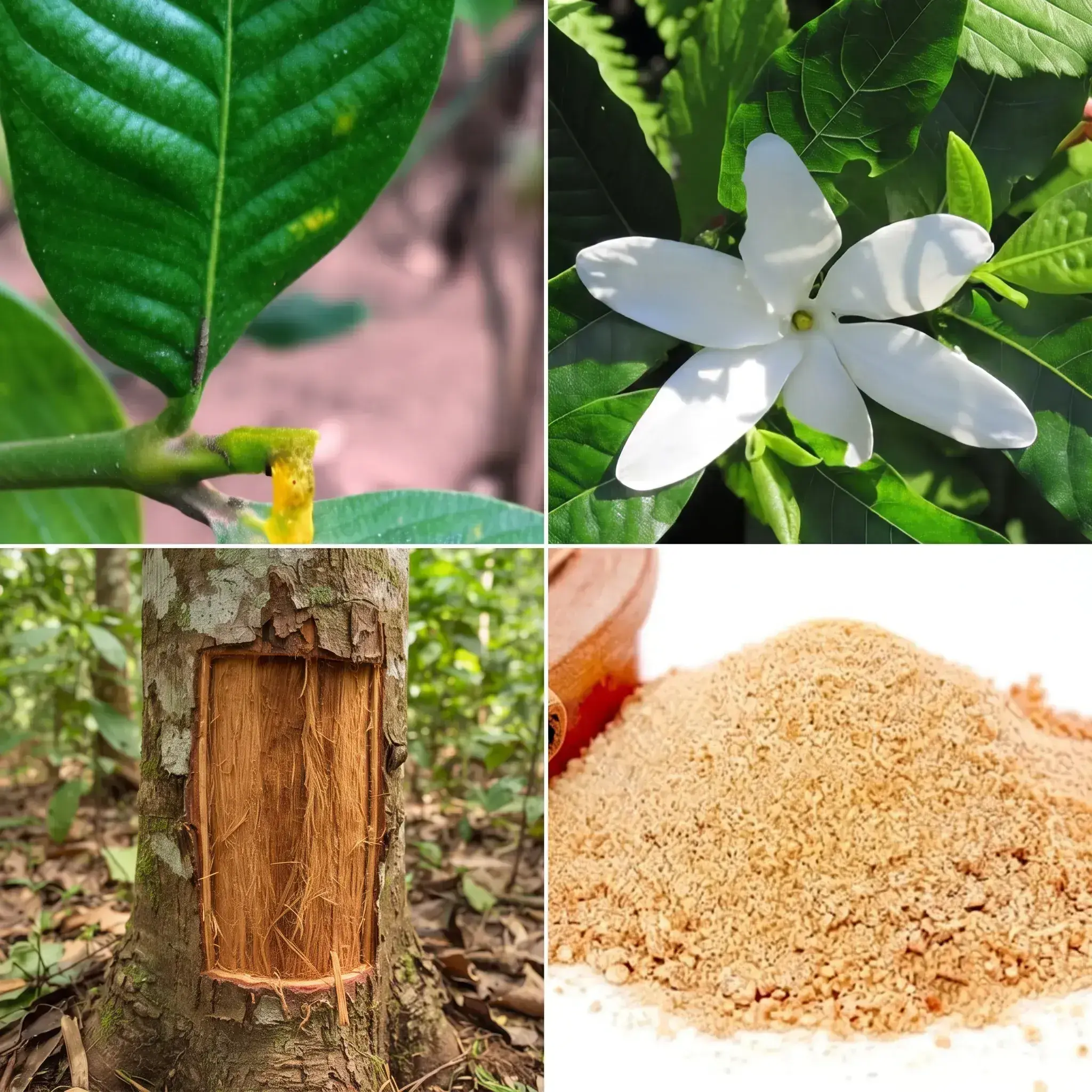
Commercial Hing is not harvested from leaves or seeds—it is the dried milky oleo-gum resin tapped from the crown of the thick underground taproot once the plant is at least 4 to 5 years old and ready to bolt.
How Asafoetida Resin Is Collected
In traditional cultivation, growers expose the upper crown of the mature root in spring (March to April) just before flowering, slice off the top of the root crown, and shield it from direct sun with dried leaves or stones. Over several days, a thick milky-white juice oozes out and hardens into brownish-amber resin tears, which are scraped off and later compounded with edible flour and gum arabic for kitchen use. Home gardeners growing a single plant in regular plains climates should view it primarily as a rare botanical and aromatic foliage specimen rather than expecting commercial resin yields.
Sunlight Requirements
In its native cool, high-elevation habitat, Ferula assa-foetida thrives in full, bright sunlight. In warmer parts of India, however, intense tropical afternoon sun combined with heat can scorch or wilt the feathery foliage.
If growing in milder or semi-arid regions, provide 4 to 6 hours of gentle morning sunlight with bright filtered shade during hot afternoons.
Watering Requirements
Because the Hing Plant stores moisture inside its thick fleshy taproot and is native to arid steppes, overwatering is the fastest way to kill it.
Watering During Establishment and Summer
Keep the soil lightly moist (never wet or soggy) during the first 1 to 2 weeks after planting so the taproot settles without disturbance. Once established, allow the top 4 to 5 cm of soil to dry out completely between waterings—water sparingly once every 5 to 7 days in dry weather, and even less when the plant goes dormant in hot summer.
Watering During Monsoon and Winter
During the monsoon, keep potted plants completely sheltered from heavy rain, as warm wet soil causes immediate root rot. In cool winter weather, water very sparingly—once every 12 to 15 days—only when the potting mix is dry.
Soil and Potting Requirements
Ferula assa-foetida demands deep, loose, sandy or gravelly, fast-draining soil with low organic moisture retention and a neutral to slightly alkaline pH (7.0 to 8.0). Heavy clay soils, waterlogged beds, or soggy peat-heavy mixes rapidly rot the fleshy taproot.
Suggested Potting Mixture for Containers
This is a suggested potting mixture for collector pots rather than a rigid scientific formula: blend 40% coarse river sand or crushed pumice/perlite, 40% loose sandy garden soil, and 20% well-decomposed leaf mold or vermicompost. Use a deep pot (at least 14 to 16 inches deep) with multiple large drainage holes so the taproot can grow straight down without bending.
Growing the Plant in the Indian Climate
Climate compatibility is the most critical factor when growing Ferula assa-foetida in India.
Cool, Dry Himalayan and High-Altitude Regions (Himachal Pradesh, Uttarakhand, Kashmir, Ladakh)
Cold-desert and dry temperate hill zones with cold winters, low humidity, and well-drained sandy soils match the plant’s natural habitat best.
Hot, Humid Plains (West Bengal, Kolkata, Coastal India, South India)
In warm, humid regions like Kolkata and coastal states, high summer heat and heavy monsoon humidity make long-term survival very challenging. In these areas, grow the Hing Plant strictly in a deep, gritty-soil container kept under a rain-sheltered, airy balcony or shaded patio with minimal watering.
Seasonal Summer Dormancy
In nature, Ferula plants often die back above ground during scorching mid-summer heat while the underground taproot rests safely—do not overwater or discard the pot if leaves yellow and go dormant in peak heat, as fresh leaves can re-sprout when temperatures cool.
Temperature and Humidity
Ferula assa-foetida prefers cool to mild temperatures (roughly 5°C to 25°C) with low relative humidity and crisp air circulation. Mature roots tolerate winter cold and snow in temperate hills, whereas prolonged temperatures above 35°C combined with high monsoon humidity stress the plant severely.
Fertilizer and Nutrition
Unlike leafy vegetables or fruit trees, Ferula assa-foetida grows naturally in lean, mineral-rich mountain soils and dislikes heavy manuring or strong chemical fertilizers.
Mix a small amount of well-rotted compost or leaf mold into the soil at planting time, and avoid applying fresh manure or high-nitrogen fertilizers directly around the taproot crown, which can burn the root or trigger soft rot.
Growing the Plant in Pots
For home gardeners outside cold Himalayan zones, growing the Hing Plant in a deep container (at least 14 to 16 inches deep) is the safest approach because it lets you control soil drainage, shelter the plant from monsoon rain, and move it into bright shade during hot summer afternoons.
Avoid disturbing or bare-rooting the fleshy taproot once planted, as Ferula species strongly resent root disturbance.
Pruning and Maintenance
The Hing Plant needs almost no pruning. Simply snip away completely yellowed or dried outer leaves near the base with clean scissors to keep the crown dry and airy, taking care not to nick the top of the underground taproot.
Propagation
Ferula assa-foetida is propagated primarily from seeds (which have deep physiological dormancy and require cold stratification at 4°C–5°C for several weeks before germinating) or via specialized laboratory tissue culture. Because it grows from a single unbranched taproot, it cannot be propagated by stem cuttings or traditional woody grafting.
Common Problems and Plant Care
Preventing excess moisture and heat stress is the key to keeping a collector Hing Plant alive.
1. Crown and Taproot Rot
Soft, mushy leaves collapsing at the base are caused by wet soil, monsoon rain exposure, or heavy clay potting mix. Use a gritty, fast-draining sandy mix and let the soil dry out between waterings.
2. Summer Leaf Dieback (Dormancy)
Yellowing and drying of foliage during hot weather is often a natural summer dormancy response rather than root death. Move the pot to a cool, shaded, dry spot and water very sparingly until cooler autumn weather returns.
3. Fungal Leaf Spots in Humid Weather
High humidity with stagnant air can cause dark spots on feathery leaves. Keep the plant in an airy, rain-protected spot and water strictly at the soil edge without wetting the crown.
Suitability for Home Gardens
The Hing Plant is best suited for cool, dry temperate gardens in northern hill states or for experienced plant collectors in deep, gritty-soil containers who can protect it from monsoon rain and intense summer heat. It is not suitable for dark indoor rooms or wet, waterlogged garden beds.
Safety and Important Information
Pure asafoetida resin has an intensely pungent sulfurous odor and is used only in tiny pinches after cooking in oil or ghee. Avoid applying raw plant sap directly to sensitive skin or eyes, and keep pets and young children from chewing the roots or foliage, as concentrated coumarin and sulfur compounds in Ferula species can cause gastrointestinal irritation.
Live Plant Delivery Information
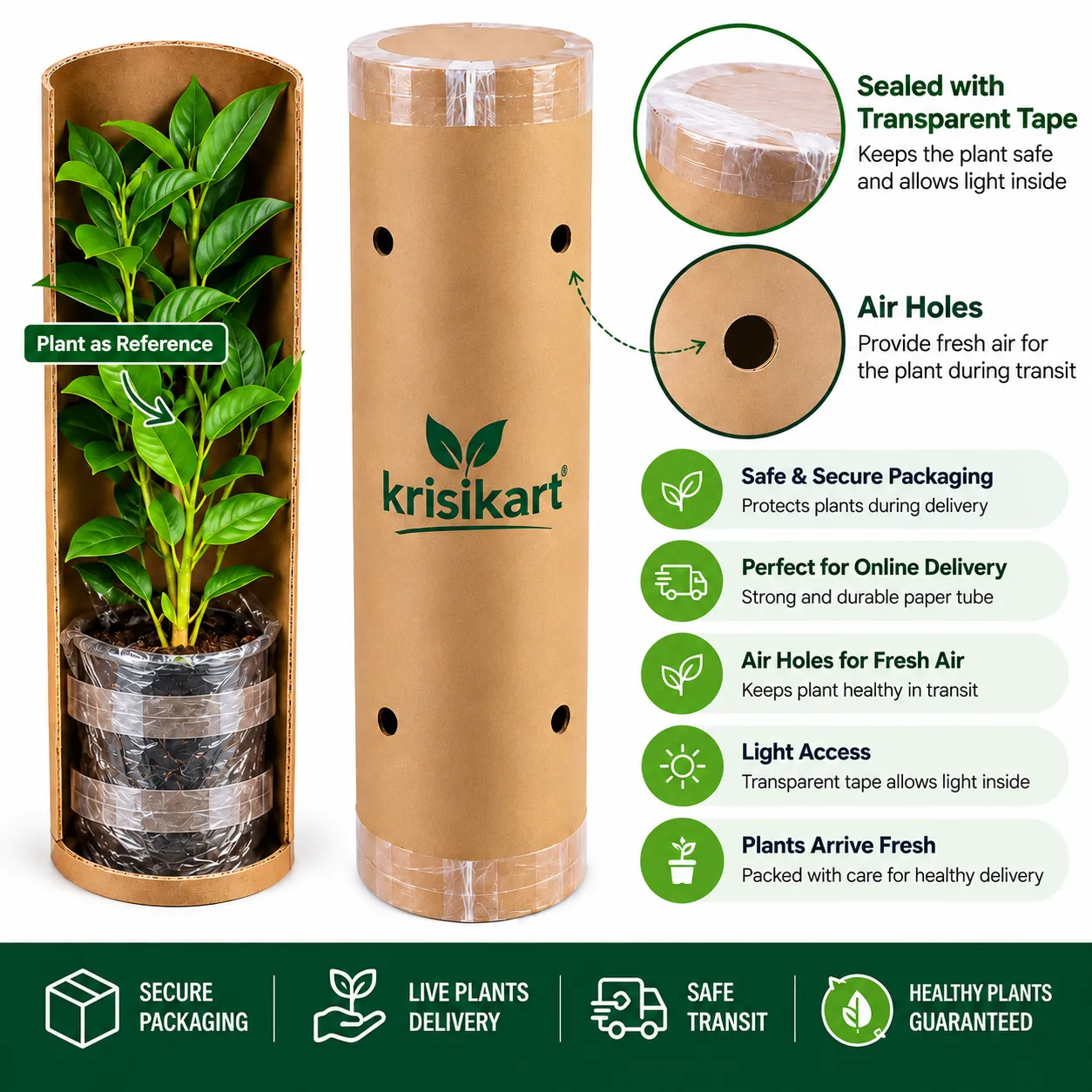
Live saplings vary naturally in leaf size, frond count, and crown thickness. Because Ferula assa-foetida is a sensitive taproot herb, mild transit stress—including yellowing or wilting of outer leaves—can occur during shipping.
Upon receiving your Hing Plant, place it in a cool, bright, shaded outdoor spot sheltered from direct sun and rain for 4 to 5 days to recover. Check the soil moisture immediately—water lightly only if the soil is completely dry, as overwatering a stressed taproot causes rot. Do not apply fertilizers or disturb the root ball when transplanting gently into a deep, fast-draining pot.
Why Choose the Hing Plant for Your Garden?
Rare, fascinating, and deeply connected to Indian culinary history, the Hing Plant (Ferula assa-foetida) is a prized botanical curiosity for spice enthusiasts and collector gardeners. Given gritty fast-draining soil, careful watering, and protection from monsoon wetness, this unique perennial herb adds distinctive feathery foliage and authentic spice heritage to your collection.
Botanical Information and Further Reading
- Kew Science – Plants of the World Online: Ferula assa-foetida L.
- Kew Science – Plants of the World Online: Ferula foetida (Bunge) Regel
- CSIR – Institute of Himalayan Bioresource Technology (IHBT), Palampur (Heeng Cultivation in India)
- Royal Horticultural Society (RHS) – Ferula assa-foetida Plant Details
- Vikaspedia Agriculture – Asafoetida (Hing) Botanical and Cultivation Overview
Frequently Asked Questions (FAQs)
1. What is the botanical name of the Hing or Asafoetida Plant?
The accepted botanical name of the Hing Plant is Ferula assa-foetida (closely related to Ferula foetida), and it belongs to the carrot family Apiaceae.
2. Can I grow a Hing Plant anywhere in India?
Ferula assa-foetida is native to cold, dry mountains and grows best in cool, low-humidity Himalayan regions like Himachal Pradesh, Uttarakhand, Kashmir, and Ladakh. In warm, humid plains like Kolkata or coastal India, it can only be maintained as a delicate container specimen kept strictly away from monsoon rain and harsh heat.
3. Which part of the Hing Plant produces asafoetida?
Commercial Hing is the dried milky oleo-gum resin tapped from the top of the plant’s thick, carrot-like underground taproot once the plant matures after 4 to 5 years.
4. Can I harvest Hing resin quickly at home?
No, Ferula assa-foetida is a slow-maturing perennial that takes at least 4 to 5 years in a cold-desert climate before the root is large enough for specialized resin tapping. Home gardeners in regular climates grow it as a rare culinary-botanical specimen rather than for resin harvest.
5. How often should I water my Hing Plant?
Water very sparingly—only when the top 4 to 5 cm of soil dries out completely—and protect the plant from monsoon rain, as wet soil rapidly rots the fleshy taproot.
6. What type of soil does Ferula assa-foetida need?
It requires very fast-draining, gritty, sandy soil (such as 40% coarse river sand, 40% sandy loam, and 20% leaf mold) in a deep pot with large drainage holes.
7. How much sunlight does a Hing Plant need?
In cool hill climates it prefers full sunlight, whereas in warmer Indian plains it should receive gentle morning sunlight with bright shade during hot afternoons.
8. Why are the leaves of my Hing Plant drying up in summer?
Ferula species naturally go dormant during hot summer weather, shedding their above-ground leaves while the underground taproot rests. Reduce watering and keep the pot cool and dry until cooler weather returns.
9. Is a Hing Plant truly grafted?
No, Ferula assa-foetida is a soft-stemmed herbaceous taproot plant propagated from seed or tissue culture rather than woody stem grafting.
10. Does the Hing Plant need heavy fertilizer?
No, it grows naturally in lean mountain soils and dislikes heavy manure or synthetic fertilizers, which can damage its sensitive taproot.
11. How big does a Hing Plant grow?
Its feathery leaf rosette spreads 40 to 70 cm wide, and when a mature plant flowers after several years, it sends up a tall stalk reaching 1 to 2 meters.
12. Can I keep a Hing Plant indoors?
No, it needs bright outdoor light, crisp air circulation, and dry conditions, and does not thrive inside dark indoor rooms.
For More Information
Visit: krisikart.com
For Contact Visit:Contact Us
For Shopping Visit: Shop Page


Reviews
There are no reviews yet.