 Plastic Plant pot | Plastic Garden Pot for Plants
 Self Watering Planters | Self Watering Plant Pots For Plants
Oleander Plant | Kaner Plant (Nerium Oleander) Kanagile Flower Plant
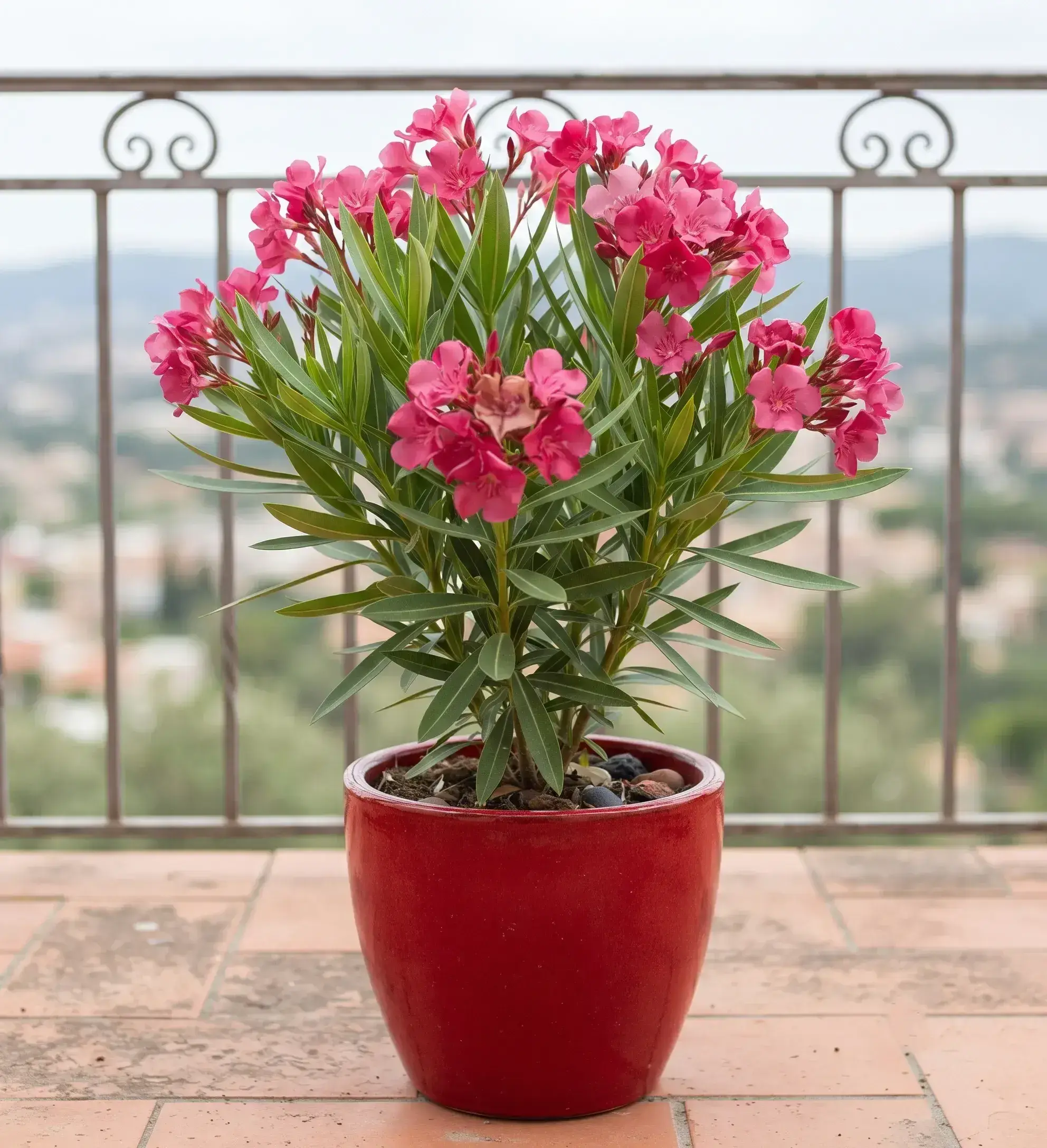
The Oleander Plant (Nerium Oleander), commonly known as Kaner, Kanagile or Raktakarabi. this evergreen flowering shrub is popular for its attractive flowers, narrow green leaves and ability to grow in warm climates.
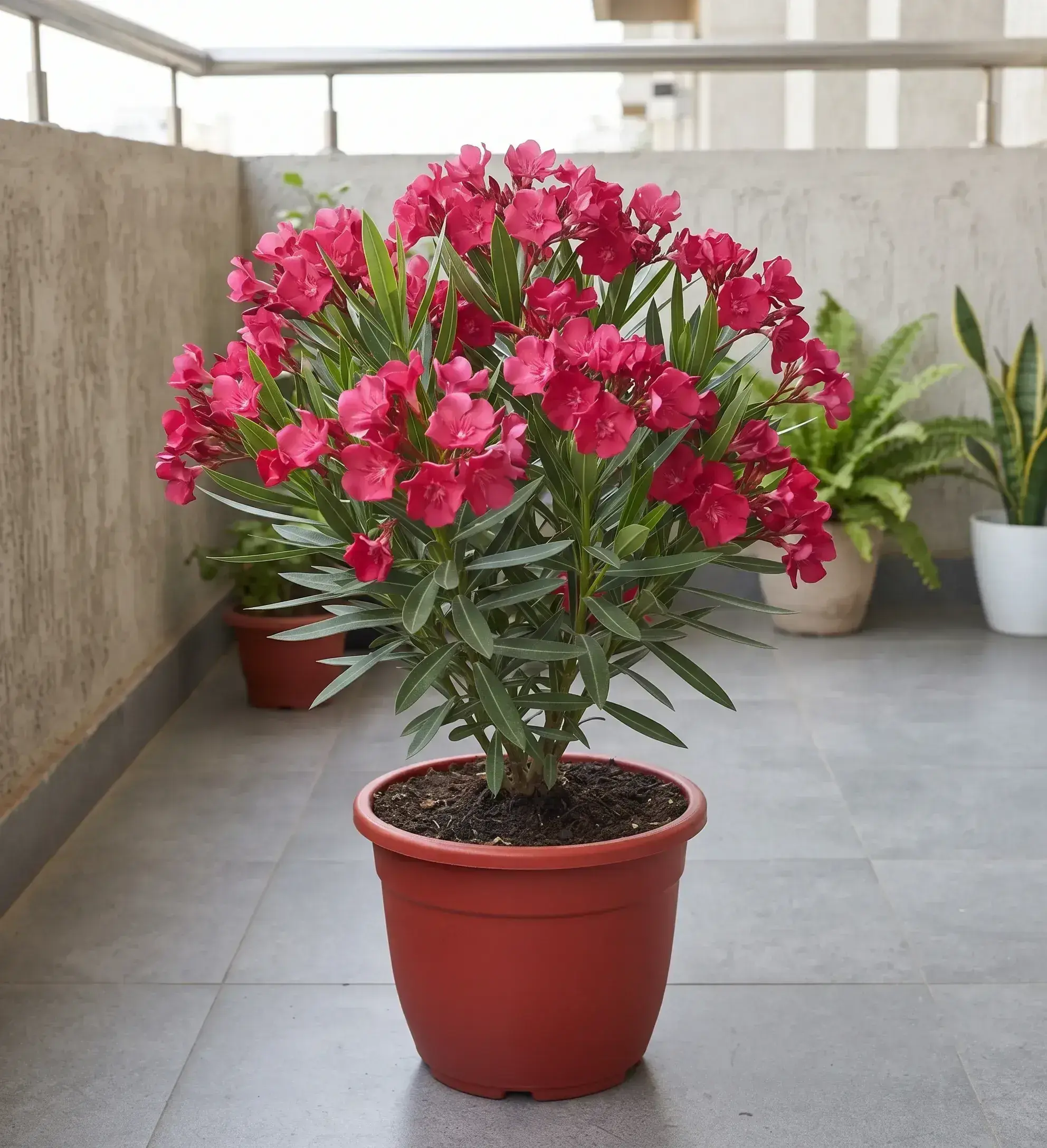
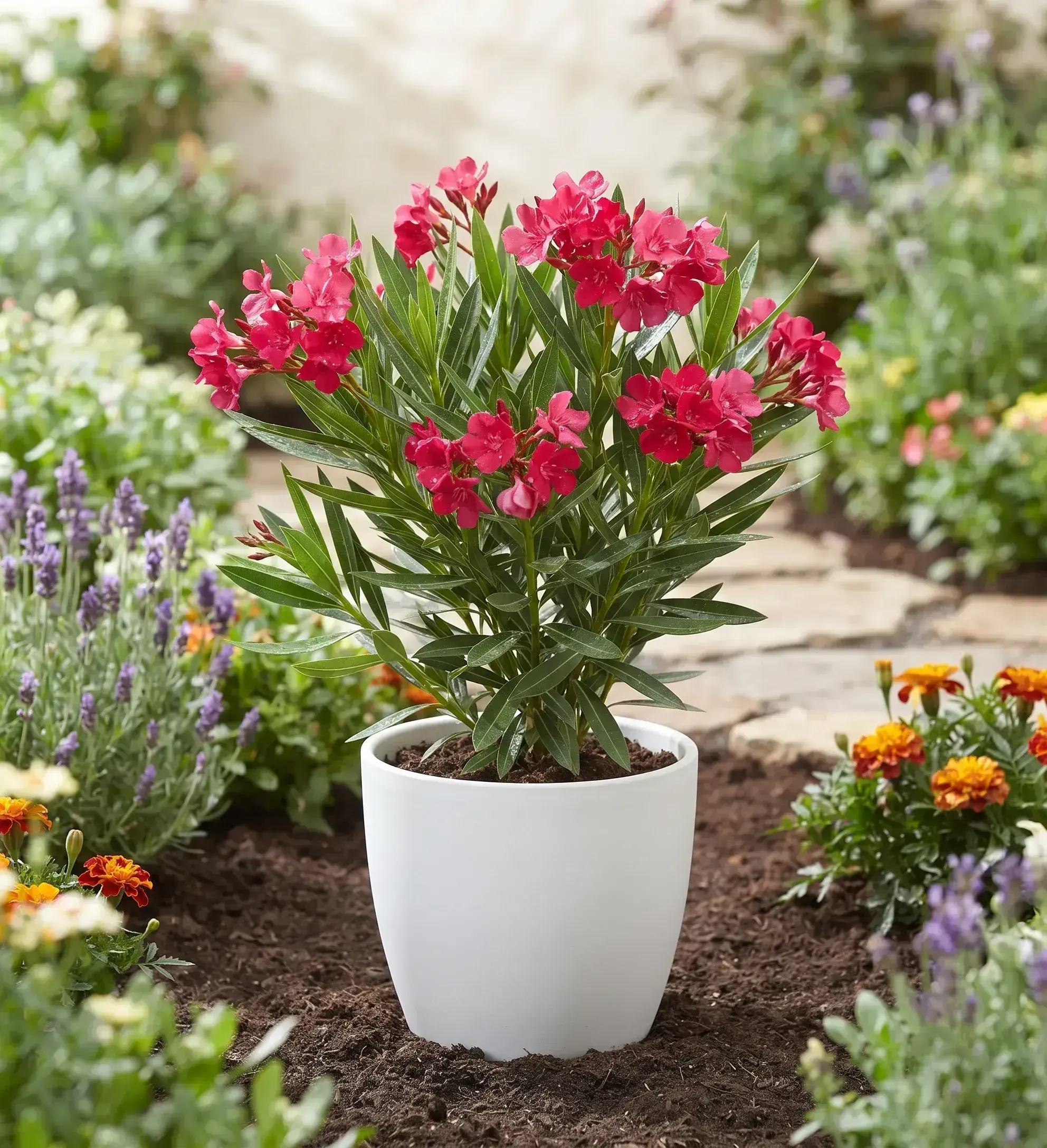
Oleander produces beautiful flowers in different colours, including pink, red, white, cream and other shades depending on the variety. Its flowers grow in clusters near the ends of branches, creating an attractive display.
The plant is widely grown in Indian gardens, parks, roadsides and landscape areas. It can also be grown in large pots, making it suitable for patios, terraces and spacious home gardens.
Important safety information: Oleander is highly poisonous. All parts of the plant, including leaves, flowers, stems, roots and sap, contain toxic compounds. It should be grown only where children and pets cannot chew or handle it.
Plant Highlights
- Common Name: Oleander, Kaner, Kanagile, Raktakarabi, Indian Oleander
- Scientific Name: Nerium oleander
- Family: Apocynaceae
- Plant Type: Evergreen flowering shrub
- Origin: Mediterranean region to Myanmar
- Foliage: Narrow, green, lance-shaped leaves
- Flower Colours: Red, pink, white, cream and other cultivated shades
- Flowering: Often prolonged in warm climates
- Sunlight: Full sunlight
- Watering: Moderate watering after establishment
- Soil: Well-drained soil
- Growth Habit: Upright, branching shrub
- Uses: Ornamental gardens, hedges, landscape planting and large containers
About the Oleander Plant
Oleander is a popular flowering shrub belonging to the Apocynaceae family. It is widely cultivated in tropical, subtropical and warm temperate regions.
The plant develops multiple woody branches with long, narrow leaves. Its attractive flowers appear in clusters and may be single or double, depending on the variety.
Oleander is valued for its ability to grow in sunny locations and tolerate relatively dry conditions once established. It is commonly planted along roadsides, in parks and in large gardens.
Appearance and Growth
Oleander develops an upright, bushy growth habit. Its leaves are long, narrow and usually dark green or grey-green.
Its main features include:
- Narrow, lance-shaped leaves.
- Strong, woody branches.
- Dense evergreen foliage.
- Clusters of colourful flowers.
- An attractive shrub-like shape.
Depending on the variety and growing conditions, Oleander can grow approximately 2–6 metres tall. Some specimens may become larger over time.
Regular pruning can help maintain a manageable shape, but the plant should always be handled with appropriate protective equipment.
Flowers and Flowering Season
The flowers are the main attraction of the Oleander Plant.
Depending on the variety, flowers may be:
- Bright red
- Pink
- White
- Cream
- Salmon or peach shades
Some varieties produce single flowers, while others have fuller double flowers.
In warm Indian climates, Oleander can flower over an extended period, particularly when it receives plenty of sunlight and suitable care. Flowering may be reduced during stressful weather or when the plant receives insufficient light.
Sunlight Requirements
Oleander grows best in full sunlight.
- Provide at least 6 hours of direct sunlight where possible.
- Choose an open outdoor location.
- Good sunlight supports flowering.
- Avoid keeping the plant in deep shade.
- Ensure sufficient airflow around the shrub.
A sunny garden location is ideal for healthy foliage and better flowering.
Watering Requirements
Young Oleander plants need regular watering while their roots become established. Mature plants are relatively drought-tolerant.
- Water when the upper soil begins to dry.
- Water more frequently during hot and dry weather.
- Reduce watering during periods of heavy monsoon rainfall.
- Avoid prolonged waterlogging.
- Ensure the pot or garden soil drains properly.
Although established Oleander can tolerate dry conditions, regular watering during active growth helps maintain healthy foliage and flowering.
Soil Requirements
Oleander is adaptable to different soil types but grows best in fertile, well-drained soil.
A suitable potting mixture can contain:
- Garden soil
- Well-decomposed compost
- Coarse sand
- Cocopeat or another suitable organic component
Avoid soil that remains waterlogged for long periods.
Temperature and Indian Climate
Oleander prefers warm conditions and grows well in many Indian regions.
It is suitable for warm climates, including West Bengal, where it can be grown outdoors in sunny locations.
Growing tips for West Bengal:
- Provide plenty of direct sunlight.
- Maintain moderate watering during summer.
- Ensure good drainage during heavy monsoon rainfall.
- Avoid water collecting around the roots.
- Choose a location with sufficient space for mature growth.
- Protect young plants from unusually cold conditions.
Fertilizer Requirements
Oleander can grow in moderately fertile soil and does not require excessive feeding.
- Add well-decomposed compost to the soil when appropriate.
- Use a balanced flowering-plant fertilizer according to its instructions.
- Feed during active growth if the plant shows signs of nutrient deficiency.
- Avoid excessive nitrogen, which may encourage foliage growth at the expense of flowering.
Wear gloves when handling the plant or applying materials around its root area.
Growing Oleander in Pots
Oleander can be grown in large containers, making it suitable for patios and terraces.
For container cultivation:
- Choose a sturdy pot with drainage holes.
- Use fertile, well-drained potting soil.
- Place the pot in a sunny outdoor location.
- Water when the upper soil begins to dry.
- Prune carefully to control the plant’s size.
- Repot when the roots become crowded.
Choose a safe location where children and pets cannot access the plant.
Best Places to Grow
Oleander is suitable for:
- Spacious home gardens
- Large outdoor containers
- Garden borders
- Landscape planting
- Suitable hedges and screens
- Open sunny garden areas
- Large farmhouses and institutional landscapes
Avoid planting it near children’s play areas, pet-accessible spaces or locations where fallen leaves and flowers may be handled.
Pruning and Maintenance
Oleander benefits from occasional pruning to maintain its shape and encourage fresh growth.
- Remove dead or damaged branches.
- Trim excessively long shoots.
- Maintain a balanced shrub shape.
- Remove unwanted growth carefully.
- Clean pruning tools after use.
Safety during pruning: Wear protective gloves and eye protection. Avoid contact with the milky sap. Do not burn pruned branches or leaves because the smoke can be harmful. Collect and dispose of plant waste safely.
Propagation
Oleander can be propagated through stem cuttings and seeds.
Propagation through stem cuttings:
- Select a healthy semi-hardwood stem.
- Wear protective gloves before handling the plant.
- Take a suitable cutting using clean pruning tools.
- Prepare a well-drained propagation medium.
- Place the cutting in the growing medium.
- Keep it in a warm location with suitable light.
- Maintain moderate moisture while roots develop.
Propagation success depends on cutting quality and environmental conditions.
Common Problems and Solutions
1. Yellow Leaves
Yellowing may result from overwatering, poor drainage or nutrient problems. Check soil moisture and improve drainage where necessary.
2. Poor Flowering
Insufficient sunlight, excessive nitrogen or unsuitable growing conditions can reduce flowering. Provide a sunny location and balanced nutrition.
3. Drooping Leaves
Drooping may occur because of dry soil, excessive heat or root problems. Check soil moisture and avoid prolonged waterlogging.
4. Pest Problems
Oleander may be affected by aphids, mealybugs, scale insects and caterpillars. Inspect the plant regularly and use suitable pest-control methods.
5. Leaf Spots
Leaf spots can develop due to fungal or environmental problems. Remove affected leaves carefully and maintain good airflow around the plant.
Is Oleander Suitable for Indoor Growing?
Oleander is best grown outdoors because it needs plenty of sunlight and good airflow.
It is not recommended as an indoor houseplant, especially in homes where children or pets may come into contact with it.
A sunny, open garden location is a much better choice.
Safety and Toxicity Warning
<badge color=”danger”>Highly poisonous – all plant parts</badge>
Oleander is one of the highly toxic ornamental plants. All parts of the plant contain cardiac glycosides, including oleandrin.
- Do not eat any part of the plant.
- Keep leaves, flowers, stems and seeds away from children and pets.
- Never use Oleander in cooking, herbal preparations or home remedies.
- Wear gloves and eye protection when pruning.
- Avoid touching your eyes or mouth while handling the plant.
- Wash your hands after gardening.
- Never burn Oleander branches or leaves because the smoke can be harmful.
If anyone or any pet chews or swallows part of the plant, seek urgent medical or veterinary advice. Do not wait for symptoms to appear.
Live Plant Delivery
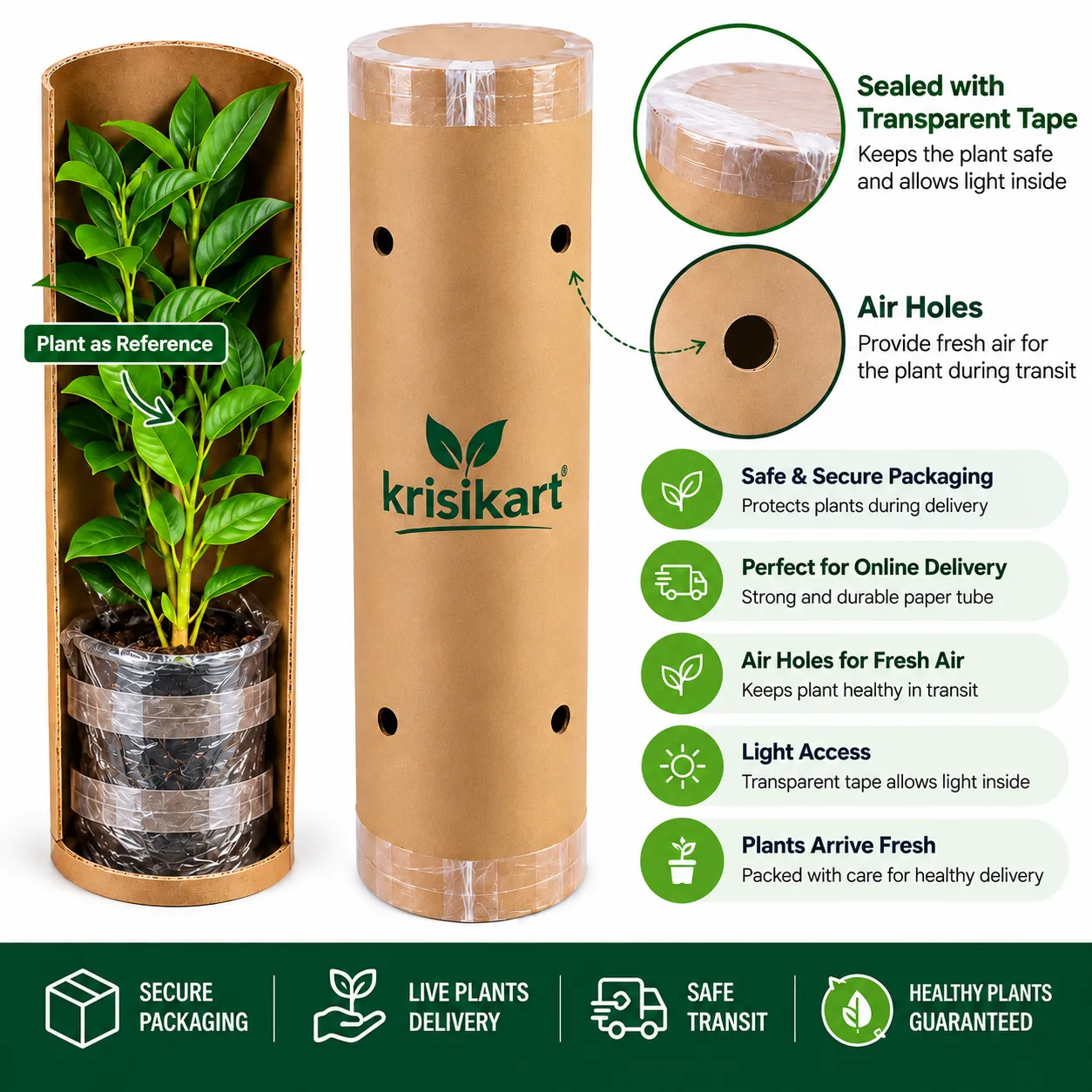
We take care to pack and deliver your Oleander Plant safely.
- The plant is supplied as a live nursery plant.
- Plant height and branching may vary depending on availability.
- Flower colour and flower form depend on the supplied variety.
- Some leaves may show minor changes during transportation.
- Place the plant in a suitable sunny outdoor location after delivery.
Please keep the plant away from children and pets immediately after delivery.
Why Choose the Oleander Plant?
Oleander is a popular tropical and subtropical flowering shrub known for its colourful flower clusters, evergreen foliage and ability to grow in sunny outdoor locations.
It is suitable for spacious gardens, landscape arrangements and large containers. With suitable sunlight, well-drained soil and moderate watering, it can provide an attractive floral display over an extended period.
Choose Oleander only if you can provide a safe growing location where children and pets cannot access the plant.
Botanical Information & Further Reading
- Kew – Plants of the World Online: Nerium oleander
- Royal Horticultural Society – Oleander Growing Guide
- North Carolina State University – Oleander Plant Profile
- University of California – Oleander Toxicity Information
- Flora of India – Indian Oleander, Nerium oleander
- NSW Government – Oleander Toxicity and Safety
- World Health Organization – International Chemical Safety and Plant Poisoning Resources
Frequently Asked Questions
1. What is the scientific name of the Oleander Plant?
The scientific name is Nerium oleander. It belongs to the Apocynaceae family.
2. What is the Indian name of Oleander?
Oleander is commonly known as Kaner in Hindi, Raktakarabi in Bengali and Kanagile in Kannada.
3. Is Oleander suitable for growing in West Bengal?
Yes. It grows well in warm conditions and can be cultivated in sunny outdoor locations in West Bengal.
4. What colours are available in Oleander flowers?
Common flower colours include red, pink, white, cream and other shades depending on the variety.
5. Does Oleander flower throughout the year?
In warm climates, flowering may continue over an extended period. The exact flowering season depends on variety, sunlight and growing conditions.
6. Does the Oleander Plant need full sunlight?
Yes. Full sunlight is best for healthy growth and good flowering.
7. Can I grow Oleander in a pot?
Yes. It can be grown in a large container with proper drainage and sufficient sunlight.
8. How often should I water Oleander?
Water when the upper soil begins to dry. Established plants tolerate some dry conditions, but young plants need more regular watering.
9. How tall does an Oleander Plant grow?
Depending on the variety and growing conditions, it can reach approximately 2–6 metres or more.
10. How can I propagate Oleander?
It can be propagated through stem cuttings or seeds. Stem cuttings are a commonly used method.
11. Is Oleander evergreen?
Yes. It is generally an evergreen shrub in suitable warm climates.
12. Can I keep Oleander indoors?
It is best grown outdoors in full sunlight. It is not recommended as an indoor plant, particularly in homes with children or pets.
13. Is the Oleander Plant poisonous?
Yes. All parts of Oleander are highly poisonous if swallowed. Its sap can also irritate the skin, and smoke from burning plant material is harmful.
14. Is Oleander suitable for a home garden?
It can be grown in a spacious home garden if planted in a secure location away from children and pets. Its toxicity should always be considered before planting.
For More Information
Visit: krisikart.com
For Contact Visit:Contact Us
For Shopping Visit: Shop Page


Reviews
There are no reviews yet.