 Plastic Plant pot | Plastic Garden Pot for Plants
 Self Watering Planters | Self Watering Plant Pots For Plants
Pencil Cactus Plant – Fire Stick Plant (Euphorbia tirucalli) | Pencil Plant
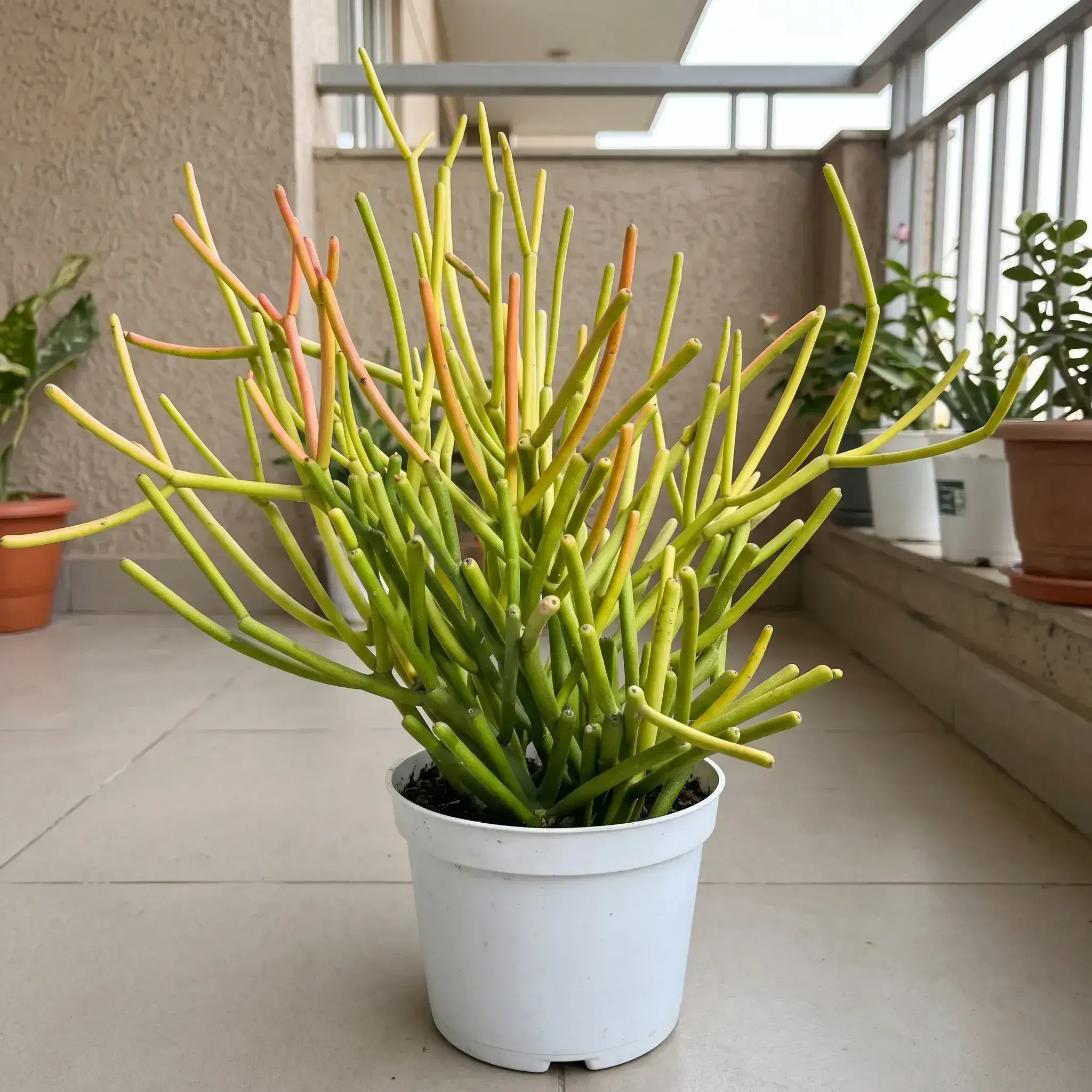
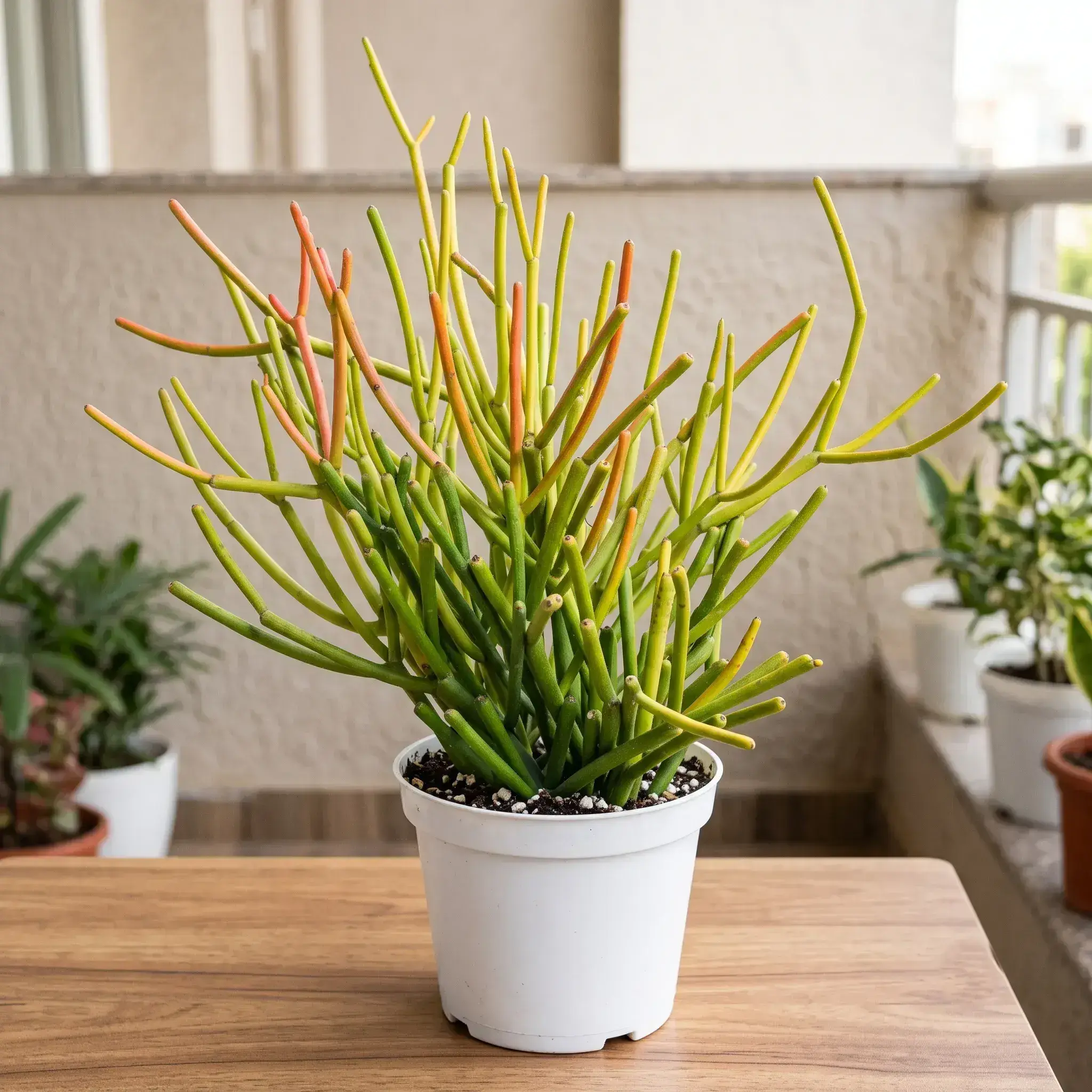
The Pencil Cactus Plant, Also known as the Fire Stick Plant, Pencil Tree or Milk Bush (Euphorbia tirucalli) Pencil Plant. This succulent Plant is admired for its slender, pencil-shaped green branches that grow in dense clusters and create an attractive tree-like appearance.
The botanical name of this plant is Euphorbia tirucalli. Although commonly called Pencil Cactus, it is not a true cactus. It is a succulent shrub that stores water in its stems and is valued for its drought tolerance, unusual branching structure and relatively low-maintenance nature.
The Pencil Plant is suitable for outdoor gardens, sunny balconies, patios and large decorative containers. With sufficient sunlight, well-draining soil and careful watering, it can develop into an attractive ornamental shrub.
Important: This plant produces a toxic milky sap when its stems are broken or damaged. It should be handled with protective gloves and kept away from children and pets.
Plant Highlights
- Common Names: Pencil Cactus, Pencil Plant, Fire Stick Plant, Fire Sticks, Pencil Tree, Milk Bush, Indian Tree Spurge
- Botanical Name: Euphorbia tirucalli
- Family: Euphorbiaceae
- Plant Type: Succulent shrub or small tree
- Growth Habit: Upright, branching and bushy
- Stem Shape: Thin, cylindrical and pencil-like
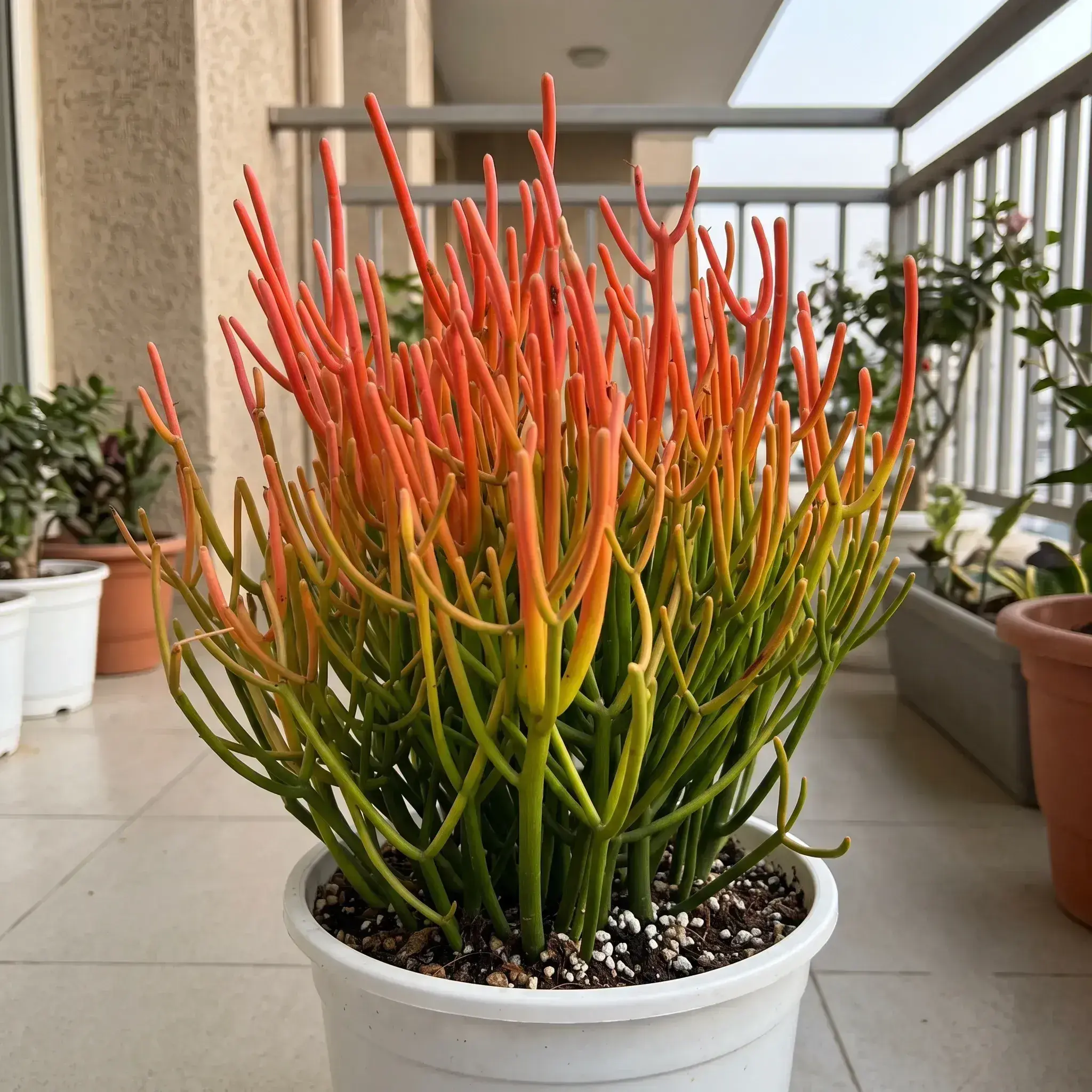
- Stem Colour: Green; new growth may develop yellowish or reddish tones in strong sunlight
- Leaves: Tiny leaves that appear briefly and fall early
- Light: Bright light to full sunlight
- Watering: Low; allow the soil to dry between waterings
- Maintenance: Low, but handling requires special care
- Best Uses: Outdoor gardens, sunny balconies, patios and large containers
About the Pencil Cactus Plant
The Pencil Plant is a distinctive succulent shrub native to tropical and subtropical parts of Africa. It belongs to the Euphorbiaceae family, which also includes poinsettias and Crown of Thorns.
Unlike ordinary leafy shrubs, this plant is mainly recognised for its slender, cylindrical green branches. Its small leaves appear briefly on young growth and usually fall off, leaving the pencil-like stems as its main decorative feature.
As the plant matures, its lower stems become woody and develop a branching tree-like structure. It can grow into a large shrub or small tree when planted outdoors in suitable conditions.
Appearance and Growth
The Pencil Cactus has a distinctive architectural appearance.
- Numerous thin, cylindrical green branches
- Pencil-shaped succulent stems
- Upright and branching growth
- Small temporary leaves on young stems
- Woody lower branches as the plant matures
- Yellowish or reddish stem tips in some plants under strong sunlight
The plant can gradually develop a dense, bushy structure. Its mature size depends on growing conditions, pruning and whether it is planted in the ground or a container.
Sunlight Requirements
Pencil Plant prefers plenty of bright natural light and can grow well in full sunlight.
- Provide a bright outdoor location.
- Introduce direct sunlight gradually if the plant has been growing in shade.
- Allow several hours of suitable sunlight daily.
- Protect newly delivered plants from sudden intense afternoon sunlight.
- Maintain good air circulation.
Strong sunlight can encourage attractive yellow, orange or reddish tones in some forms of the plant, although the colour response varies.
Watering Requirements
Euphorbia tirucalli is drought tolerant and does not need frequent watering.
- Allow the soil to dry between waterings.
- Water thoroughly when the growing medium is dry.
- Allow excess water to drain completely.
- Reduce watering during cooler or rainy periods.
- Avoid keeping the roots continuously wet.
Overwatering can cause root rot and stem damage.
Soil and Potting Requirements
A loose, gritty and well-draining growing medium is ideal.
A suitable potting mixture can contain:
- 40% garden soil or suitable potting mix
- 25% coarse sand or horticultural grit
- 20% perlite or pumice
- 15% mature compost
Use a pot with drainage holes. Avoid heavy soil that remains wet for long periods.
Growing Pencil Plant in the Indian Climate
Pencil Plant is suitable for many warm Indian gardens and outdoor spaces. It performs best with good sunlight and protection from prolonged waterlogging.
Summer: Provide bright sunlight and water only when the growing medium has dried. Protect newly delivered or recently moved plants from sudden extreme heat.
Monsoon: Ensure excellent drainage. Protect potted plants from continuous heavy rainfall because prolonged wet soil can damage the roots.
Winter: Reduce watering when growth slows. Protect the plant from unusually cold conditions and frost.
In humid regions such as West Bengal, growing it in a well-drained pot in a sunny, rain-protected balcony can help maintain healthier roots.
Humidity and Temperature
Pencil Plant is adaptable to warm conditions and generally does not require special humidity management.
- Normal outdoor humidity is generally suitable.
- Good air circulation is beneficial.
- Avoid prolonged dampness around the roots.
- Protect it from frost and unusually cold weather.
- Avoid placing it in a permanently shaded, humid corner.
Fertilizer Requirements
The Pencil Plant does not require heavy feeding.
- Apply a diluted balanced fertilizer during active growth.
- Feed occasionally during the growing season.
- Follow the manufacturer’s recommended dosage.
- Avoid excessive nitrogen fertilizer.
- Do not fertilize a recently repotted or stressed plant.
Moderate feeding is generally sufficient for healthy stem development.
Growing Pencil Plant in Pots
The Pencil Plant can be grown in containers, particularly when young.
- Choose a sturdy pot with drainage holes.
- Use a gritty, well-draining growing medium.
- Select a container that supports the plant’s root system.
- Use a heavier pot if the plant becomes tall or top-heavy.
- Place it in a sunny location.
- Repot when the plant outgrows its container.
Larger plants may need support or careful pruning to maintain stability.
Pruning and Maintenance
Pencil Plant can develop long branches and may need occasional pruning to maintain its shape.
Safety precautions are essential before pruning:
- Wear chemical-resistant protective gloves and eye protection.
- Cover exposed skin.
- Use clean, sharp pruning tools.
- Avoid touching the milky sap.
- Keep children and pets away from the work area.
- Clean tools carefully after pruning.
- Dispose of cut branches safely.
Do not prune the plant in windy conditions where sap could splash into the eyes or onto nearby people.
Propagation
Euphorbia tirucalli can be propagated through stem cuttings, but propagation involves exposure to its irritating milky sap.
For safety, propagation is best left to experienced gardeners.
Any handling or cutting should be done with appropriate protective gloves and eye protection. Allow cuttings to dry and callus before planting in a suitable dry, well-draining growing medium.
Keep all cuttings and discarded plant material away from children and pets.
Flowering Details
The Pencil Plant can produce small, inconspicuous yellowish flowers on its branch tips. These flowers are not its main ornamental feature and may be difficult to notice.
The plant is mainly cultivated for its unusual pencil-shaped stems and branching structure rather than its flowers.
Common Problems and Care
Yellowing or Soft Stems: Often associated with overwatering and poor drainage. Check the root system and allow the growing medium to dry appropriately.
Shrivelling Branches: May indicate prolonged dryness or root damage.
Drooping Branches: Can result from root problems, excessive moisture or physical damage.
Slow Growth: May be caused by insufficient light or unsuitable growing conditions.
Stem Discolouration: Sudden changes in sunlight or watering can cause stress. Check the growing environment.
Pest Problems: Inspect for mealybugs, scale insects and spider mites.
Is Pencil Plant Suitable for Indoor Decoration?
Pencil Plant can be grown indoors near a bright window, but it generally performs better in a bright outdoor location or sunny balcony.
It can be placed in:
- Sunny balconies
- Outdoor patios
- Terrace gardens
- Bright garden corners
- Large decorative containers
- Suitable outdoor succulent arrangements
Avoid placing it in narrow walkways or areas where people and pets may accidentally break its branches.
Safety Information – Read Before Handling
Pencil Plant contains toxic milky white latex sap. When a stem breaks or is cut, this sap can escape and cause irritation or injury.
- Contact with skin may cause burning, irritation and blistering.
- Contact with eyes can cause severe injury and may threaten vision.
- Swallowing the sap or plant material can irritate the mouth and digestive system.
- Pets, including cats and dogs, can be affected if they chew the plant.
Always wear protective gloves and eye protection when pruning, repotting or handling damaged branches. Wash exposed skin thoroughly if contact occurs.
If sap enters the eyes, rinse immediately with clean running water for at least 15 minutes and seek urgent medical attention. If swallowed, seek medical or veterinary advice promptly.
This plant is not recommended for homes with small children or pets who may touch or chew it.
Live Plant Delivery Information
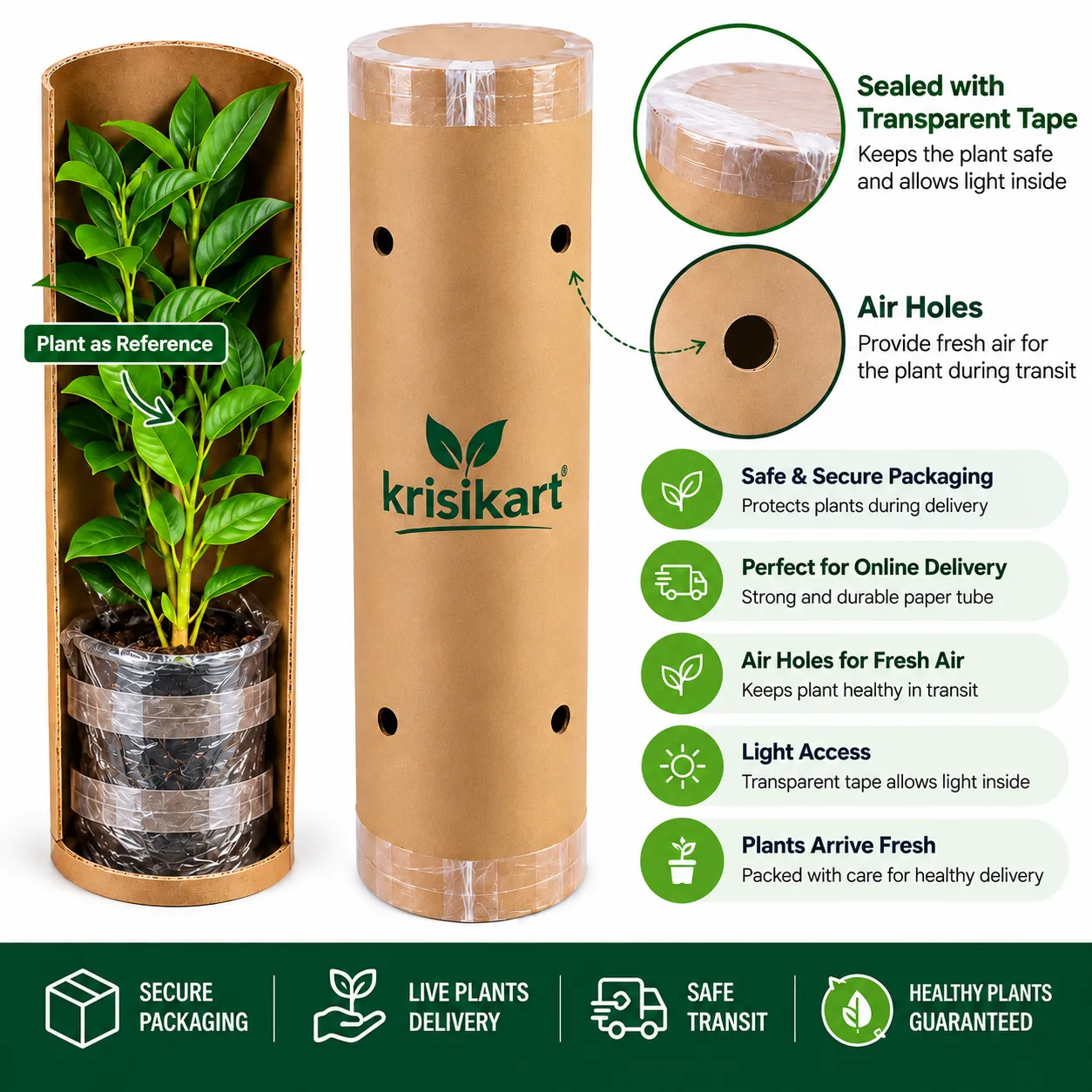
- The delivered plant may naturally vary in height, branch density and shape.
- Stem colour may vary with sunlight exposure and growing conditions.
- Minor changes in appearance can occur during transportation.
- Keep the plant away from children and pets after delivery.
- Place it in a bright, suitable location and allow it to adjust.
- Check soil moisture before watering.
- Avoid immediate heavy fertilizer, unnecessary pruning or repotting.
- Wear protective gloves when handling the plant.
Why Choose the Pencil Cactus Plant?
The Pencil Plant is an unusual ornamental succulent with a distinctive branching structure and pencil-shaped stems. Its architectural appearance makes it an attractive choice for sunny balconies, patios, terrace gardens and outdoor container displays.
It is drought tolerant and relatively easy to maintain once established. However, its irritating milky sap means that careful placement and protective handling are essential.
Botanical Information & Further Reading
- North Carolina State Extension – Euphorbia tirucalli
- University of California Agriculture and Natural Resources – Euphorbia tirucalli Safety
- New York Botanical Garden – Pencil Tree Care Guide
- University of Florida IFAS Extension – Pencil Plant
- ASPCA – Pencil Cactus Toxicity
- National Library of Medicine – Euphorbia tirucalli Toxicity
- Queensland Poisons Information Centre – Euphorbia tirucalli
Frequently Asked Questions
1. What is the botanical name of the Pencil Cactus Plant?
The botanical name is Euphorbia tirucalli. It belongs to the Euphorbiaceae family.
2. Is Pencil Cactus a real cactus?
No. Despite its common name, it is a succulent shrub belonging to the Euphorbia genus, not the cactus family.
3. Why is it called the Fire Stick Plant?
Some forms develop yellow, orange or reddish branch tips under strong sunlight, giving them a flame-like appearance.
4. Can I grow Pencil Plant in a pot?
Yes. It can be grown in a sturdy container with drainage holes and a well-draining growing medium.
5. Does Pencil Plant need direct sunlight?
It prefers bright light and can grow in full sunlight after gradual acclimatisation.
6. How often should I water Pencil Plant?
Water only when the growing medium has dried. Avoid keeping the roots continuously wet.
7. Is Pencil Plant suitable for Indian weather?
Yes. It can grow in many warm Indian regions, but protection from prolonged monsoon rainfall and waterlogged soil is important.
8. Can I grow Pencil Plant indoors?
It can be grown indoors near a bright window, but it generally performs better outdoors in a sunny location.
9. Why are the branches of my Pencil Plant turning yellow or soft?
Overwatering and poor drainage are common causes. Check the roots and growing medium.
10. Does Pencil Plant produce flowers?
Yes. It can produce small, inconspicuous yellowish flowers, although it is mainly grown for its unusual stems.
11. Is Pencil Plant poisonous?
Yes. Its milky white sap is toxic and can cause skin, eye and digestive irritation. Protective handling is essential.
12. Is Pencil Plant safe for pets?
No. It is toxic to cats and dogs if eaten. Keep the plant and its broken branches away from pets.
For More Information
Visit: krisikart.com
For Contact Visit:Contact Us
For Shopping Visit: Shop Page


Reviews
There are no reviews yet.