 Plastic Plant pot | Plastic Garden Pot for Plants
 Self Watering Planters | Self Watering Plant Pots For Plants
Hadjod Plant | Pirandai Plant (Cissus quadrangularis) – Live Plant
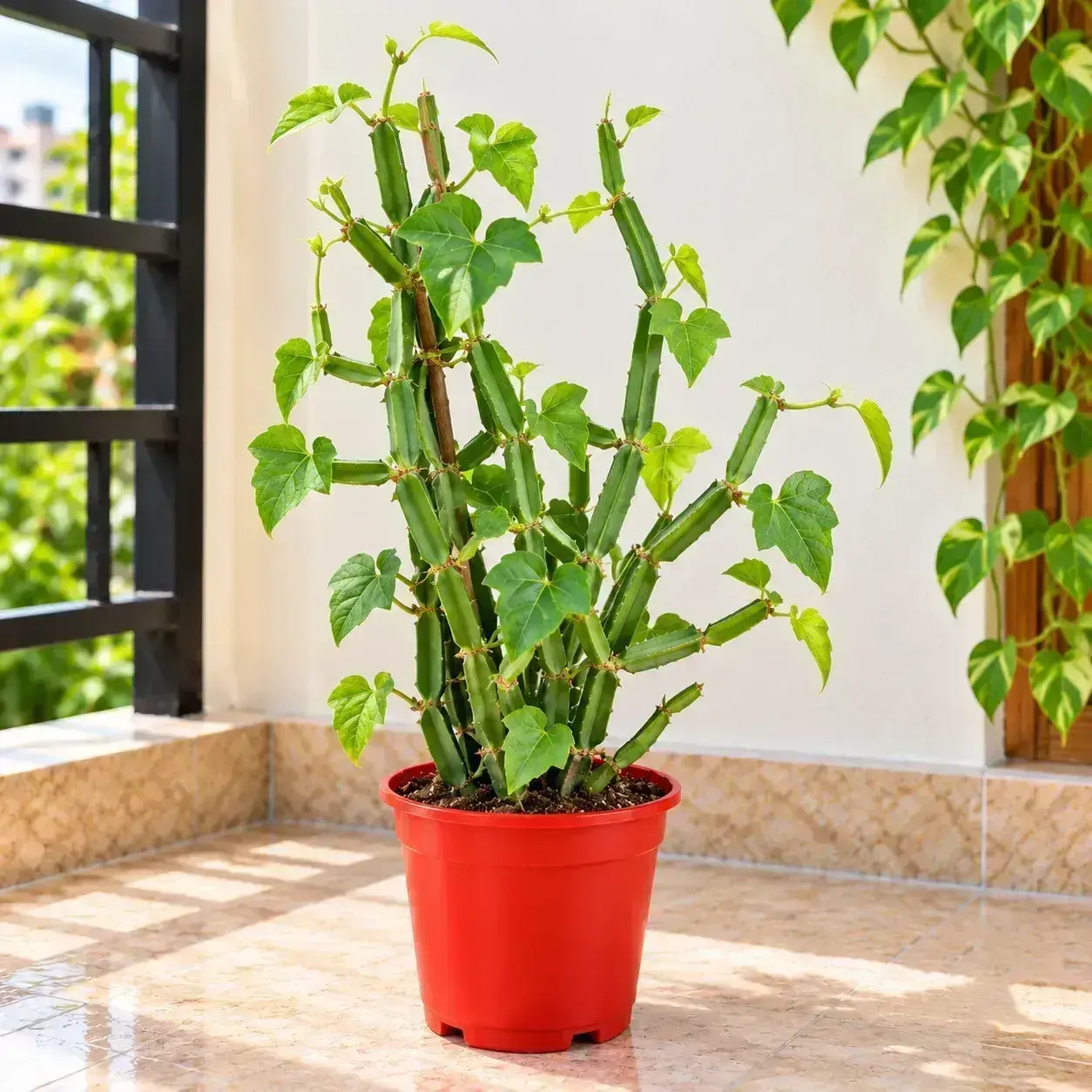
The Hadjod Plant (Cissus quadrangularis), also known as Pirandai, Nalleru, Harbhanga and Adamant Creeper. This unusual succulent vine is recognised by its distinctive four-sided, fleshy green stems and attractive climbing growth habit.
Popular in traditional Indian gardening and botanical collections, Hadjod is a hardy tropical plant that can be grown in home gardens, balconies, terraces and large containers. Its unusual angular stems make it an interesting addition to medicinal plant gardens and ornamental plant collections.
Plant Information
- Botanical Name: Cissus quadrangularis L.
- Family: Vitaceae (Grape Family)
- Common Names: Hadjod, Hadjora, Harjora, Pirandai, Pirandi, Nalleru, Harbhanga
- English Name: Adamant Creeper / Edible-Stemmed Vine
- Plant Type: Perennial succulent climbing vine
- Growth Habit: Climbing and spreading
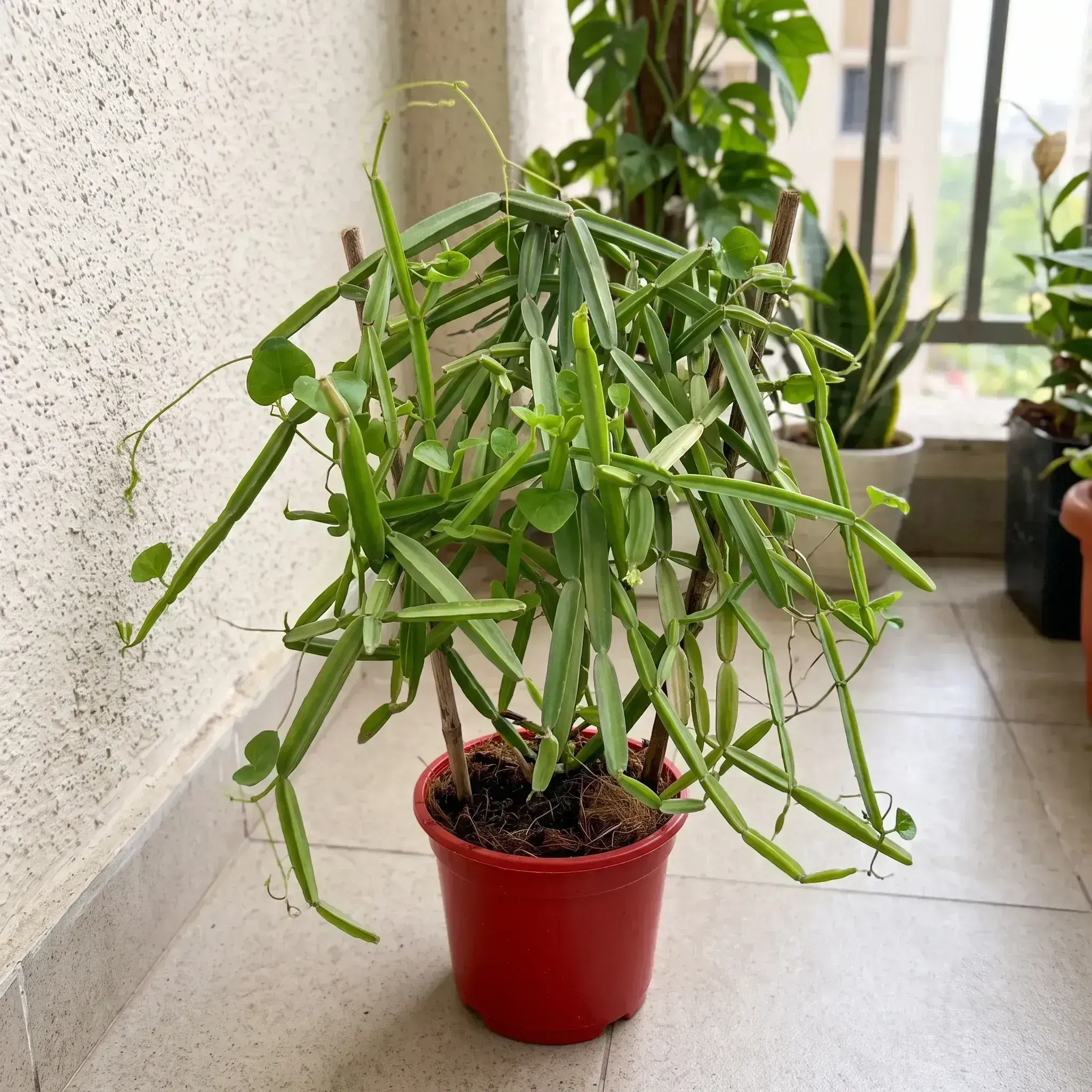
- Stem: Fleshy, green and distinctly four-angled
- Leaves: Small, simple, green leaves; shape may vary with growth stage
- Flowers: Small, inconspicuous flowers
- Sunlight: Full sunlight to light partial shade
- Watering: Moderate; allow the upper soil to dry between watering
- Soil: Well-draining, fertile soil
- Best For: Home gardens, balcony gardens, terrace gardens and botanical collections
About the Hadjod (Cissus quadrangularis) Plant
Hadjod is a distinctive tropical climbing plant belonging to the grape family, Vitaceae. It is widely found in warmer parts of India and other tropical regions.
Its most recognisable feature is its thick, succulent stem with four prominent angles. The stems may develop branching growth and tendrils that help the plant climb on nearby supports.
The plant is traditionally known by different names across India:
- Hadjod / Harjora: Hindi
- Pirandai / Pirandi: Tamil
- Nalleru: Telugu
- Harbhanga / Hasjora: Bengali and regional usage
- Asthisamhara / Vajravalli: Sanskrit names
Because of its unusual stem structure and climbing habit, it is a popular choice for people interested in traditional Indian plants and home herbal gardens.
Key Features of Hadjod Plant
- Distinctive Four-Sided Stems: Its fleshy, angular stems make it easy to recognise.
- Succulent Growth: Stores moisture in its stems and is relatively tolerant of short dry periods once established.
- Climbing Habit: Can grow along trellises, fences and other suitable supports.
- Tropical Plant: Suitable for warm Indian growing conditions.
- Container Friendly: Can be grown in a suitable pot with good drainage.
- Traditional Indian Plant: Known by several regional names and documented in Indian botanical references.
Sunlight Requirements
Hadjod prefers a bright location and generally performs well in full sunlight to light partial shade.
For healthy growth:
- Provide around 4–6 hours or more of sunlight where possible.
- Choose a sunny balcony, terrace or outdoor garden location.
- Protect newly delivered plants from sudden exposure to intense afternoon sunlight.
- Avoid keeping the plant in deep shade for long periods.
Good light helps maintain strong stems and healthy growth.
Watering Requirements
As a succulent-stemmed climber, Hadjod does not require constantly wet soil.
Follow these watering guidelines:
- Water when the upper layer of soil has started to dry.
- Water thoroughly but allow excess water to drain.
- Avoid keeping the pot in standing water.
- Reduce watering during cool or rainy periods when soil dries slowly.
- Increase watering frequency during hot weather only when the soil needs it.
Overwatering and poorly drained soil can cause root and stem problems.
Soil and Potting Requirements
Hadjod grows best in loose, well-draining soil that does not remain waterlogged.
A suitable home-garden potting mix can contain:
- Garden soil
- Coarse sand or perlite
- Well-decomposed compost
- Cocopeat in a moderate quantity
Choose a container with drainage holes. Avoid heavy soil that remains wet for extended periods.
Fertilizer Requirements
Hadjod generally does not need heavy feeding.
- Add a small quantity of mature compost during active growth.
- Use a balanced plant fertilizer occasionally if required.
- Follow the fertilizer label instructions.
- Avoid excessive nitrogen fertilizer, which may encourage soft, weak growth.
Growth Habit and Support
Hadjod is a climbing vine that can spread when provided with suitable support.
You can train it along:
- Garden trellises
- Balcony plant supports
- Fences
- Garden frames
- Strong stakes
Prune unwanted or damaged stems to control its shape and encourage manageable growth.
Can Hadjod Grow in a Pot?
Yes. Hadjod can be grown successfully in containers when the pot has adequate drainage and the plant receives enough sunlight.
For container growing:
- Select a pot with drainage holes.
- Use a loose, well-draining potting mixture.
- Place the pot in a bright, sunny location.
- Provide a small trellis or support for climbing stems.
- Water according to soil moisture.
- Prune excessive growth when necessary.
A larger container may be useful as the plant develops and spreads.
Seasonal Care in India
Summer Care
- Keep the plant in a sunny or lightly shaded location.
- Check soil moisture regularly.
- Water when the soil begins to dry.
- Protect young plants from sudden extreme heat.
Monsoon Care
- Ensure the pot drains freely.
- Avoid continuous waterlogging.
- Keep the plant in a location with good airflow.
- Check stems and roots for signs of rot.
Winter Care
- Grow in a bright location.
- Reduce watering if growth slows.
- Avoid excessive moisture in cool weather.
- Protect the plant from frost and unusually cold conditions.
Hadjod is suitable for warm Indian climates, including many parts of West Bengal, provided its roots are protected from prolonged waterlogging.
Common Growing Problems
Yellowing Stems or Leaves: May be associated with excessive watering, poor drainage or environmental stress.
Soft or Rotting Stems: Often indicate excess moisture or poor airflow. Remove affected portions with clean tools and correct the watering conditions.
Weak, Stretched Growth: May occur when the plant receives insufficient sunlight.
Slow Growth: Check sunlight, drainage, soil condition and root health.
Important Safety and Usage Information
Hadjod is widely documented in traditional Indian plant literature and is traditionally used in some regional food preparations and Ayurvedic practices.
However, selling a live plant does not establish that it is suitable for medicinal treatment or consumption. Research on extracts and traditional uses does not prove that every preparation is safe or effective.
- Do not consume the plant or prepare home remedies based only on this product description.
- Consult a qualified healthcare professional before using it medicinally, particularly if pregnant, breastfeeding, taking medicines or managing a medical condition.
- Keep the plant away from children and pets who may chew or ingest it.
- Wash your hands after handling plant material.
Live Plant Delivery and Natural Variation
This listing is for a live Hadjod (Cissus quadrangularis) plant.
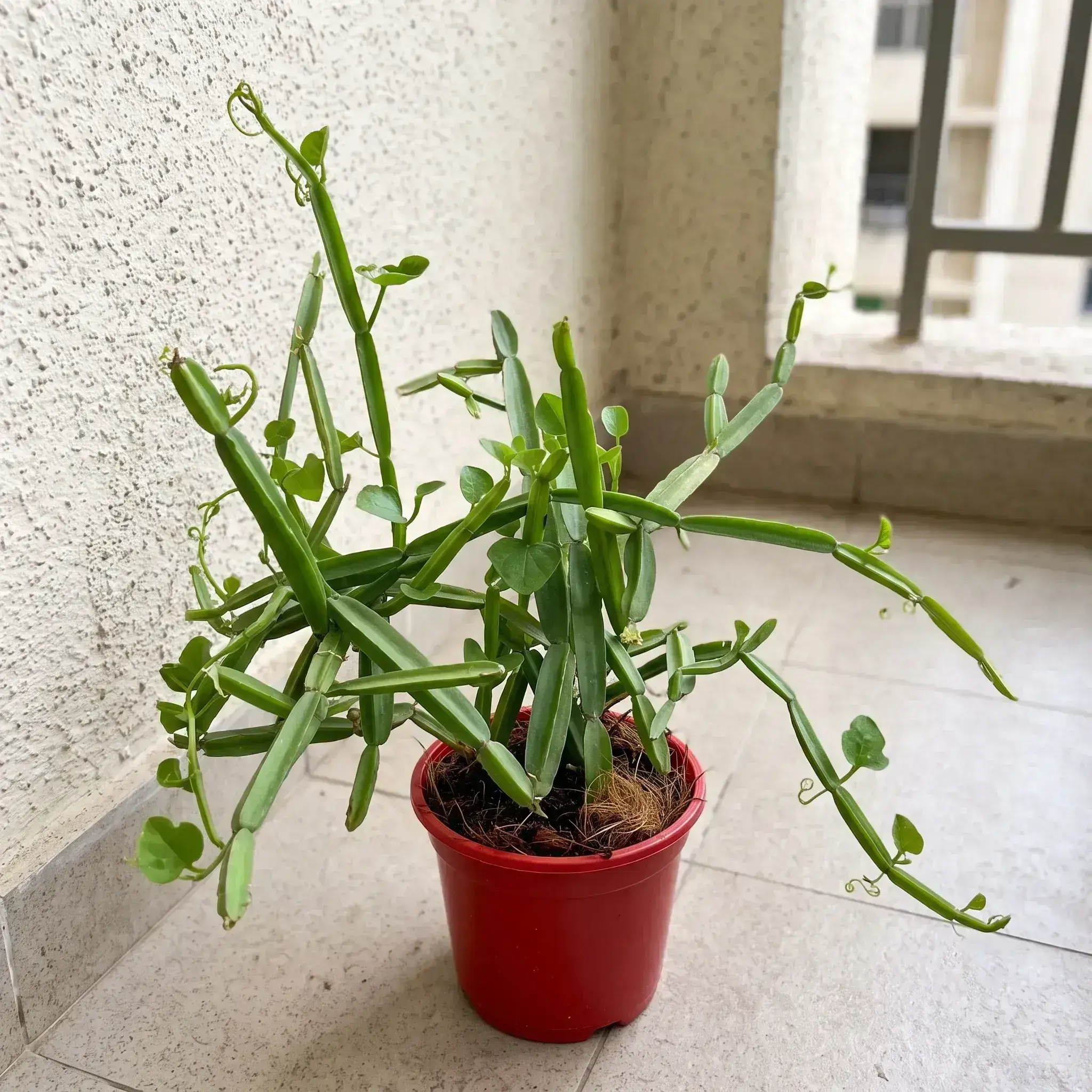
Natural differences in stem length, thickness, branching, leaf size and overall plant appearance are normal. The plant may look slightly different from the product photograph depending on its growing stage and season.
After delivery:
- Carefully unpack the plant.
- Place it in bright filtered light initially.
- Check the soil before watering.
- Avoid immediate exposure to harsh afternoon sunlight.
- Allow the plant to acclimatise before repotting or heavy pruning.
Temporary changes in leaf appearance after transportation can occur. New growth may develop as the plant adjusts to its new environment.
Why Choose the Hadjod Plant for Your Home Garden?
Hadjod is an interesting addition to a tropical home garden. Its unusual four-sided succulent stems, climbing growth habit and traditional Indian botanical importance make it different from ordinary ornamental plants.
Grow it in a balcony container, terrace garden or dedicated herbal plant collection and enjoy its distinctive natural appearance.
Frequently Asked Questions
1. What is the botanical name of the Hadjod plant?
The botanical name is Cissus quadrangularis L. It belongs to the Vitaceae family.
2. Is Hadjod the same as Pirandai and Nalleru?
Yes. Hadjod, Pirandai and Nalleru are regional common names used for Cissus quadrangularis.
3. Can I grow Hadjod in a home garden?
Yes. It can be grown in home gardens, balconies, terraces and containers with suitable sunlight, drainage and climbing support.
4. Does Hadjod need direct sunlight?
It grows well in full sunlight to light partial shade. A bright outdoor location is generally suitable.
5. Does the Hadjod plant need a climbing support?
A support such as a trellis, fence or stake is useful because the plant has a climbing growth habit.
6. How often should I water Hadjod?
Water when the upper soil begins to dry. Avoid keeping the roots continuously wet or allowing water to collect in the pot.
7. Can Hadjod grow in a small pot?
A young plant can start in a smaller container, but a larger pot with good drainage is preferable as it grows and develops more stems.
8. Is Hadjod a medicinal plant?
It is traditionally used in Indian systems of medicine and is widely studied botanically and pharmacologically. However, this live plant listing is for gardening purposes, not a medicinal product or treatment.
Botanical Information & Further Reading
- India Flora Online – Cissus quadrangularis, Indian Institute of Science
- Digital Flora of Eastern Ghats – Cissus quadrangularis
- Auroville Herbarium – Cissus quadrangularis
- Kew Medicinal Plant Names Services – Cissus quadrangularis
- Central University of Tamil Nadu – Flora: Adamant Creeper
- PubMed – Cissus quadrangularis: A Comprehensive Multidisciplinary Review
- Plants For A Future – Cissus quadrangularis
For More Information
Visit: krisikart.com
For Contact Visit:Contact Us
For Shopping Visit: Shop Page


Reviews
There are no reviews yet.