
 Plastic Plant pot | Plastic Garden Pot for Plants
 Self Watering Planters | Self Watering Plant Pots For Plants
Mango Plant (Mangifera indica) | Sukul Mango Grafted Fruit Plant – High Yield Sweet Mango Variety
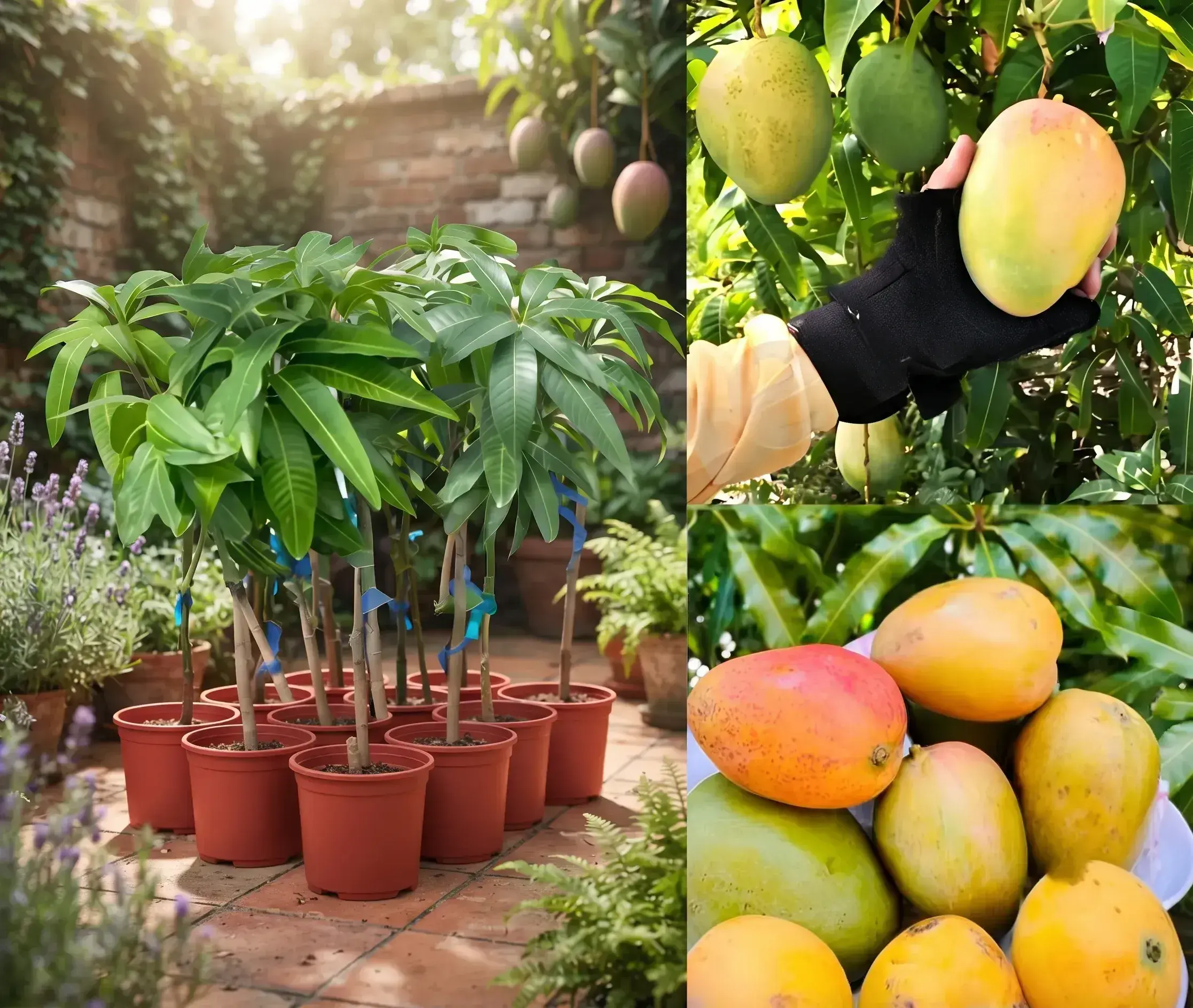
The Mango Plant (Mangifera indica) Also Known As Sukul Mango Grafted Fruit Plant , is a classic, time-tested Indian mango cultivar prized for its glossy evergreen foliage, vigorous branching, and large, flavorful late-season fruits. Popular across northern and eastern Indian orchards and home gardens, this grafted Mango Plant brings reliable varietal quality and dependable summer harvests to spacious yards, farmhouses, and large outdoor containers while young.
Because this Sukul Mango Grafted Fruit Plant is vegetatively propagated from a proven mother tree onto a hardy seedling rootstock, it preserves the authentic fruit flavor, aroma, and growth characteristics of the Sukul variety while reaching flowering maturity much earlier than seed-grown mango trees.
Plant Highlights
- Product Name: Mango Plant (Mangifera indica) | Sukul Mango Grafted Fruit Plant – High Yield Sweet Mango Variety
- Common Name: Mango, Sukul Mango, Sukul Aam (Hindi), Aam (Bengali)
- Botanical Name: Mangifera indica
- Cultivar Identity: ‘Sukul’ (Traditional Indian late-season cultivar propagated via grafting)
- Family: Anacardiaceae (Cashew / Sumac family)
- Plant Type: Evergreen perennial fruit tree
- Origin: Native to the Indian subcontinent and Indo-Burma region
- Flower Colour: Tiny yellowish-green to pinkish-white blooms in large branched panicles
- Flower Fragrance: Mild, sweet, slightly resinous scent
- Fruit Colour: Green maturing to greenish-yellow or warm yellow at peak ripeness, with golden-yellow pulp
- Foliage: Alternate, lance-shaped, leathery dark green leaves; new growth emerges coppery-red or bronze before turning deep green
- Growth Habit: Upright, spreading, dome-canopied evergreen tree
- Mature Height: Typically 8 to 12 meters (26 to 40 feet) in open ground over many years; can be kept compact at 2 to 3 meters (6.5 to 10 feet) with annual pruning
- Sunlight: Full direct sunlight (at least 6 to 8 hours daily)
- Watering: Moderate; regular moisture while establishing and during fruit sizing, reduced once established and during winter
- Suitable For: Open home gardens, farmhouses, orchards, courtyard borders, and large terrace containers while young
About the Sukul Mango Plant
Mangifera indica belongs to the family Anacardiaceae and is indigenous to South Asia, where mangoes have been cultivated for over four thousand years. Among India’s rich heritage of regional cultivars, ‘Sukul’ is a well-regarded late-maturing variety traditionally grown in Bihar, Uttar Pradesh, and West Bengal.
For home gardeners, planting a grafted Sukul Mango Plant is essential because mango seeds are largely monoembryonic in North and East Indian varieties—meaning seed-grown saplings do not grow true to the parent cultivar and often take 7 to 10 years to bear fruit. Grafting guarantees true ‘Sukul’ fruit traits and typically brings the tree into flowering within 2 to 4 years under proper sunlight and care.
Appearance and Growth Habit
The Sukul Mango Plant forms a sturdy, upright trunk with grey-brown furrowed bark and a dense, rounded canopy of leathery, lance-shaped leaves measuring 15 to 30 cm long. One of the most attractive features of a growing mango tree is its seasonal flush of new leaves, which emerge in shades of coppery-bronze or reddish-purple before gradually maturing into glossy dark green.
In open ground, an unpruned grafted mango tree grows into a handsome shade and fruit tree over the years. With light structural pruning, however, home gardeners can maintain a compact, easily accessible canopy.
Flowers and Flowering Season
In India, the Mango Plant typically flowers from late winter to early spring (January to March), triggered by cool winter nights followed by warming daytime temperatures. Hundreds of tiny yellowish-green flowers appear on large, pyramidal terminal panicles at the tips of mature shoots.
Each panicle carries both male and hermaphrodite (bisexual) flowers, which are pollinated primarily by flies, bees, and other small insects. On very young saplings in their first year after planting, pinching off early flower panicles is recommended so the tree channels its energy into strong root and branch growth first.
Fruits and Harvest
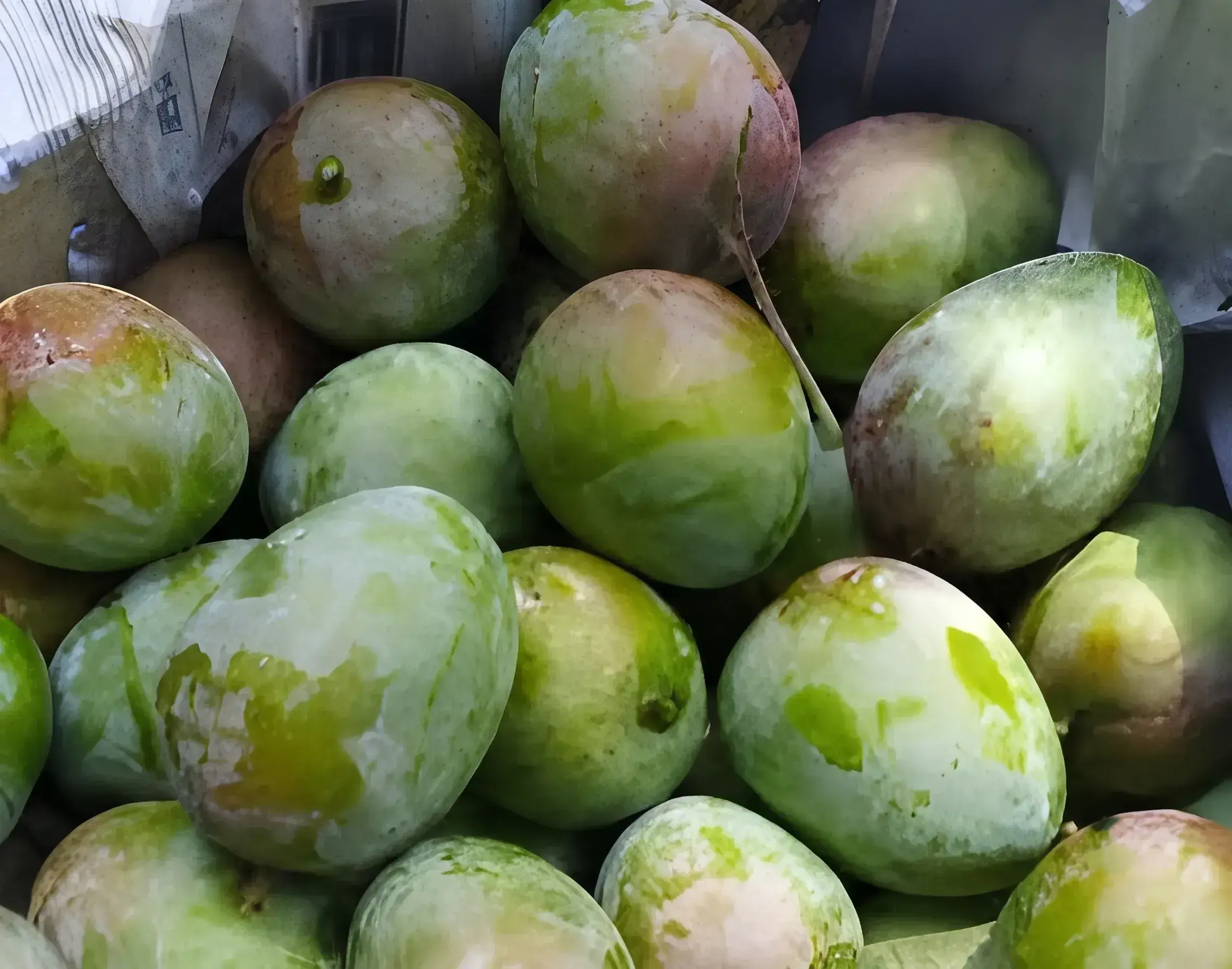
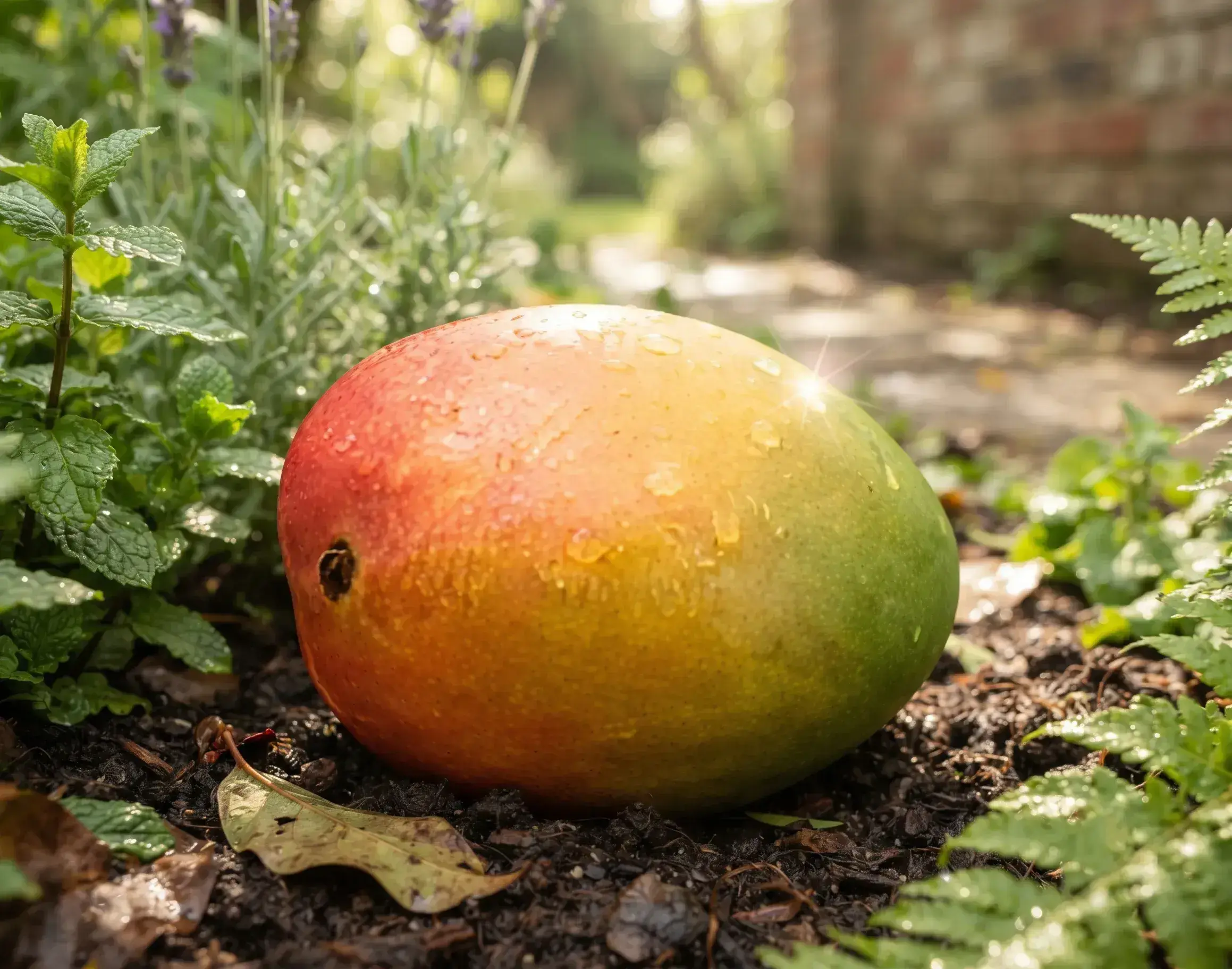
As a late-season cultivar, Sukul Mango fruits develop through spring and early summer, typically maturing later in the mango season (July to August in northern and eastern India). The fruits are medium-to-large and oblong-oval, ripening from deep green to greenish-yellow with aromatic, juicy golden pulp and moderate fiber.
Culinary Uses and Pollination
Sukul mangoes are enjoyed both ripe for fresh eating and mature-green for traditional Indian pickles, chutneys, and preserves. Mangifera indica is largely self-fruitful, so a single outdoor Sukul Mango Plant can set fruit on its own without needing a second tree nearby.
Sunlight Requirements
A productive Mango Plant requires full, unobstructed sunlight for at least 6 to 8 hours every day. Abundant sunlight drives vigorous shoot growth, sturdy wood development, flower bud initiation, and natural sugar accumulation in the ripening fruits.
In regions where summer temperatures climb above 42°C, newly planted saplings may benefit from temporary shade netting during peak May afternoons until their roots establish.
Watering Requirements
Once established, Mangifera indica develops a deep taproot and tolerates dry spells well, though timely watering during establishment and fruit sizing is critical.
Watering During Establishment and Summer
During the first 4 to 6 weeks after planting, water every 2 to 3 days so the root ball remains lightly moist while roots anchor into surrounding soil. During hot Indian summers, water young ground-planted trees every 5 to 7 days and potted plants every 2 to 3 days once the top 4 to 5 cm of soil feels dry.
Watering During Monsoon and Winter
During the monsoon, pause manual watering when rainfall is regular and ensure rainwater drains quickly away from the trunk. In late autumn and winter (November to January), withhold or minimize watering—watering sparingly only if leaves show wilting—as mild winter moisture stress helps trigger strong spring flowering rather than winter vegetative growth.
Soil and Potting Requirements
The Sukul Mango Plant thrives in deep, fertile, well-draining sandy loam or alluvial soil with a slightly acidic to neutral pH between 5.5 and 7.5. Heavy, waterlogged clay soils or hardpan layers close to the surface can suffocate roots and restrict long-term growth.
Suggested Potting Mixture for Young Plants
If growing a young Sukul Mango Plant in a large container or grow bag, prepare a well-draining mix using 45% fertile garden soil, 25% well-decomposed cow dung manure or vermicompost, 20% coarse river sand or perlite, and 10% cocopeat, mixed with a handful of neem cake powder. Make sure the pot has multiple unobstructed drainage holes at the base.
Growing the Plant in the Indian Climate
Native to the Indian subcontinent, Mangifera indica performs reliably across tropical and subtropical plains throughout India, including Bihar, Uttar Pradesh, West Bengal, Odisha, Jharkhand, Madhya Pradesh, Maharashtra, and southern states.
Summer Care
Summer is the active fruit-sizing season for Sukul Mango. Apply a 4 to 5 cm layer of organic mulch (dry leaves or compost) around the root zone—keeping it clear of the trunk bark—to conserve soil moisture and prevent premature fruit drop from heat stress.
Monsoon Care
In warm, high-rainfall regions like Kolkata, West Bengal, and coastal India, monsoon stimulates vigorous vegetative shoot flushes. Ensure the planting spot is slightly mounded or well-drained so water never pools around the trunk base.
Winter Care
Cool, dry winter weather is essential for mango flower bud differentiation. Established trees tolerate mild Indian winters easily, though young saplings in northern plains should be protected from severe ground frost using a light cover at night.
Temperature and Humidity
Mangifera indica thrives in warm temperatures between 24°C and 38°C. Mature trees tolerate summer peaks above 42°C and brief winter dips down to 4°C–5°C, whereas prolonged freezing temperatures or heavy rain during spring flowering can reduce fruit set.
Fertilizer and Nutrition
Balanced seasonal feeding builds a sturdy canopy and supports reliable flowering and fruit retention.
Apply 5 to 10 kg of well-rotted farmyard manure or vermicompost around the drip line of ground-planted trees twice a year—once in June or July after harvest to support monsoon shoot growth, and again in October before winter rest. For young potted plants, top-dress with 300 to 500 grams of vermicompost every 45 to 60 days during active growth, supplemented with bone meal or rock phosphate and potassium-rich organic inputs like wood ash. Avoid applying high-nitrogen fertilizers between November and February, as winter nitrogen encourages leafy shoots instead of flower panicles.
Growing the Plant in Pots
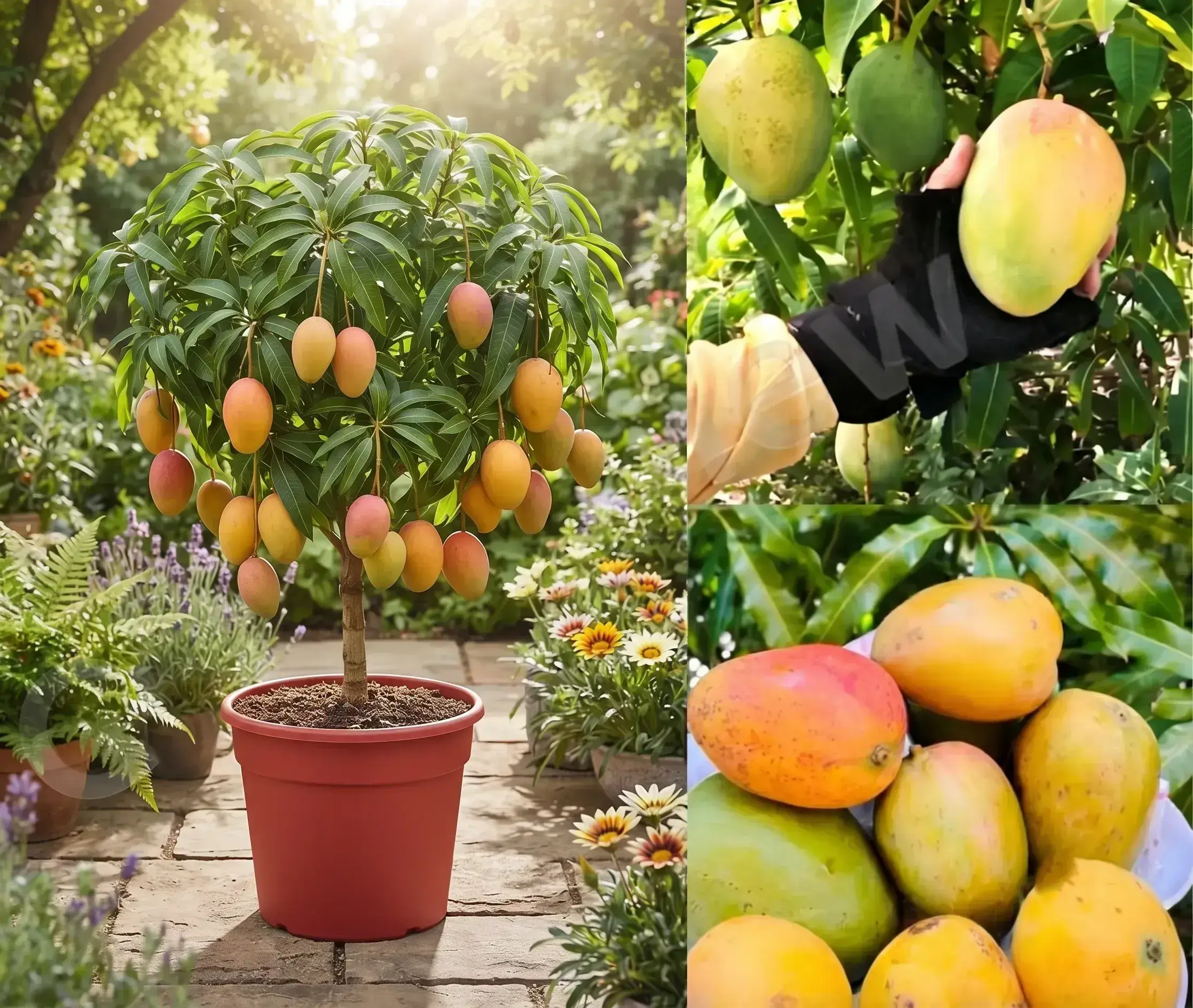
A young grafted Sukul Mango Plant can be grown in an 18-to-24-inch heavy-duty pot or grow bag on a sunny terrace for its first 3 to 5 years. Always keep the swollen graft union well above the soil surface when potting.
Because mango trees naturally develop deep roots and a spreading canopy, container cultivation requires regular organic feeding, annual post-harvest pruning to control height, and eventual transplanting into open ground if full-sized tree harvests are desired.
Pruning and Maintenance
Light structural pruning keeps your Sukul Mango Plant compact, airy, and easy to manage.
Rootstock Sucker Removal
Check the lower trunk below the graft union regularly and prune off any shoots sprouting from the rootstock immediately so all energy supports the grafted Sukul top.
Post-Harvest Canopy Shaping
After the summer fruit harvest (around August), lightly trim dead, diseased, or inward-crossing branches so sunlight and air reach the center of the canopy. Avoid pruning during late autumn or winter, as that removes the mature shoot tips where spring flower panicles form.
Propagation
Nurseries propagate Sukul Mango vegetatively using veneer grafting, wedge grafting, or inarching onto hardy seedling mango rootstocks. Vegetative propagation guarantees true-to-type ‘Sukul’ fruit flavor and earlier fruiting, whereas seed-grown mango trees vary unpredictably and take many years to bear.
Common Problems and Plant Care
Inspecting new shoot flushes and flower panicles helps catch common mango garden issues early.
1. Mango Hopper and Aphids on Flower Panicles
Tiny jumping insects (mango hoppers) can suck sap from tender spring flower panicles and excrete sticky honeydew that leads to black sooty mold. Spray diluted neem oil (3 to 5 ml per liter of water) as a preventive measure before flowers open fully.
2. Powdery Mildew on Panicles and Young Leaves
A white powdery fungal coating can appear on flower clusters during cool, cloudy, or humid spring mornings. Ensure full sunlight, maintain an open canopy for airflow, and apply wettable sulfur early if spotted.
3. Premature Drop of Pea-Sized Fruitlets
Mango panicles produce hundreds of flowers, and natural thinning drops most fruitlets—this is normal. Excessive drop is usually caused by dry soil stress during hot spring winds or boron and potassium deficiency; steady soil moisture after fruit set helps improve retention.
4. Stem Borer or Leaf-Eating Caterpillars
Keep the trunk clean and inspect young leaves during the monsoon for caterpillars or shoot borers, pruning affected twig tips promptly.
Suitability for Home Gardens
The grafted Sukul Mango Plant is ideal for open home gardens, farmhouses, orchards, sunny courtyard borders, and large terrace containers while young. Because it requires at least 6 to 8 hours of direct sunlight daily and develops a woody tree frame, it is not suitable for indoor rooms or shaded balconies.
Safety and Important Information
Ripe and mature-green Sukul mangoes are safe and delicious for culinary use and fresh eating. However, note that like other members of the cashew family (Anacardiaceae), mango sap—especially the clear, caustic sap that oozes from freshly picked fruit stems and cut twigs—contains urushiol-related compounds that can cause mild skin irritation or rash (“mango sap burn”) in sensitive individuals. Wash skin promptly with soap and water if sap contacts your hands, and avoid burning mango wood or leaves in enclosed spaces.
Live Plant Delivery Information
Live grafted saplings vary naturally in height, stem thickness, branching, and leaf count. Mild transit stress can occur during shipping, and a few older leaves may turn yellow or shed shortly after arrival.
Upon receiving your Sukul Mango Plant, place it in bright, filtered outdoor light for 3 to 4 days to recover before moving it into full direct sunlight. Check the soil moisture immediately and water gently if dry. Avoid applying fertilizers, repotting right away, or pruning healthy shoots during the first 10 to 14 days while the sapling acclimates.
Why Choose the Sukul Mango Plant for Your Garden?
Appreciated for its late-season harvest window, vigorous evergreen foliage, and rich, aromatic sweet-tangy fruits, the grafted Sukul Mango Plant is a rewarding long-term fruit tree for Indian gardens and farmhouses. With full sunlight, well-drained soil, and simple seasonal care, Mangifera indica ‘Sukul’ delivers decades of shade and summer harvests.
Botanical Information and Further Reading
- Kew Science – Plants of the World Online: Mangifera indica L.
- Royal Horticultural Society (RHS) – Mangifera indica Plant Details
- ICAR – Central Institute for Subtropical Horticulture (Mango Research and Cultivars)
- eFlora of India – Mangifera indica Botanical Reference
- India Biodiversity Portal – Mangifera indica Species Profile
Frequently Asked Questions (FAQs)
1. What is the botanical name of the Sukul Mango Plant?
The accepted botanical name of the Sukul Mango Plant is Mangifera indica ‘Sukul’, and it belongs to the family Anacardiaceae.
2. Why should I choose a grafted Sukul Mango Plant instead of growing from seed?
A grafted Sukul Mango Plant preserves the exact fruit flavor, size, and late-season fruiting traits of the parent tree and starts bearing fruit in 2 to 4 years, whereas seed-grown mango trees take 7 to 10 years and vary unpredictably.
3. When does the Sukul Mango variety ripen in India?
Sukul is a late-season mango cultivar that typically flowers in January to March and ripens later in the summer season around July to August.
4. Can I grow a Sukul Mango Plant in a pot on my terrace?
Yes, you can grow a young grafted Sukul Mango Plant in an 18-to-24-inch pot or grow bag on a sunny terrace for its first 3 to 5 years with regular feeding and pruning, though open ground allows full long-term growth.
5. Do I need two mango trees for pollination and fruit set?
No, Mangifera indica is largely self-fruitful and pollinated by garden insects, so a single outdoor Sukul Mango Plant can bear fruit on its own.
6. How much sunlight does a Mango Plant need?
It needs full, direct sunlight for at least 6 to 8 hours every day for strong branching, healthy flowering, and sweet fruit development.
7. Why should I reduce watering in winter for my Mango Plant?
Withholding heavy watering during November to January gives the tree mild moisture stress that encourages spring flower panicles instead of winter leafy growth.
8. What is the best soil mix for growing a young Mango Plant in containers?
A well-draining mix of 45% garden soil, 25% vermicompost or well-rotted cow dung manure, 20% coarse river sand or perlite, and 10% cocopeat works well.
9. What should I do if shoots grow below the graft joint on the trunk?
Any shoots emerging below the swollen graft union belong to the seedling rootstock and must be pruned off flush with the trunk immediately.
10. Is the Sukul Mango Plant suitable for humid climates like Kolkata or West Bengal?
Yes, Sukul Mango grows very well in West Bengal, Bihar, Uttar Pradesh, and across tropical and subtropical India when planted in full sun with fast-draining soil.
11. Why are small green mangoes falling off the tree in spring?
Some drop of pea-sized fruitlets is natural self-thinning, while excessive drop is usually caused by dry soil stress during hot weather—consistent watering after fruit set helps retain fruits.
12. Can I keep a Mango Plant indoors?
No, mango trees require strong direct outdoor sunlight and substantial root space and cannot survive indoors.
For More Information
Visit: krisikart.com
For Contact Visit:Contact Us
For Shopping Visit: Shop Page


Gourav Singha –
All recieved plant Amazing quality, amazing service.
nice package .recommend Krisikart!