 Plastic Plant pot | Plastic Garden Pot for Plants
 Self Watering Planters | Self Watering Plant Pots For Plants
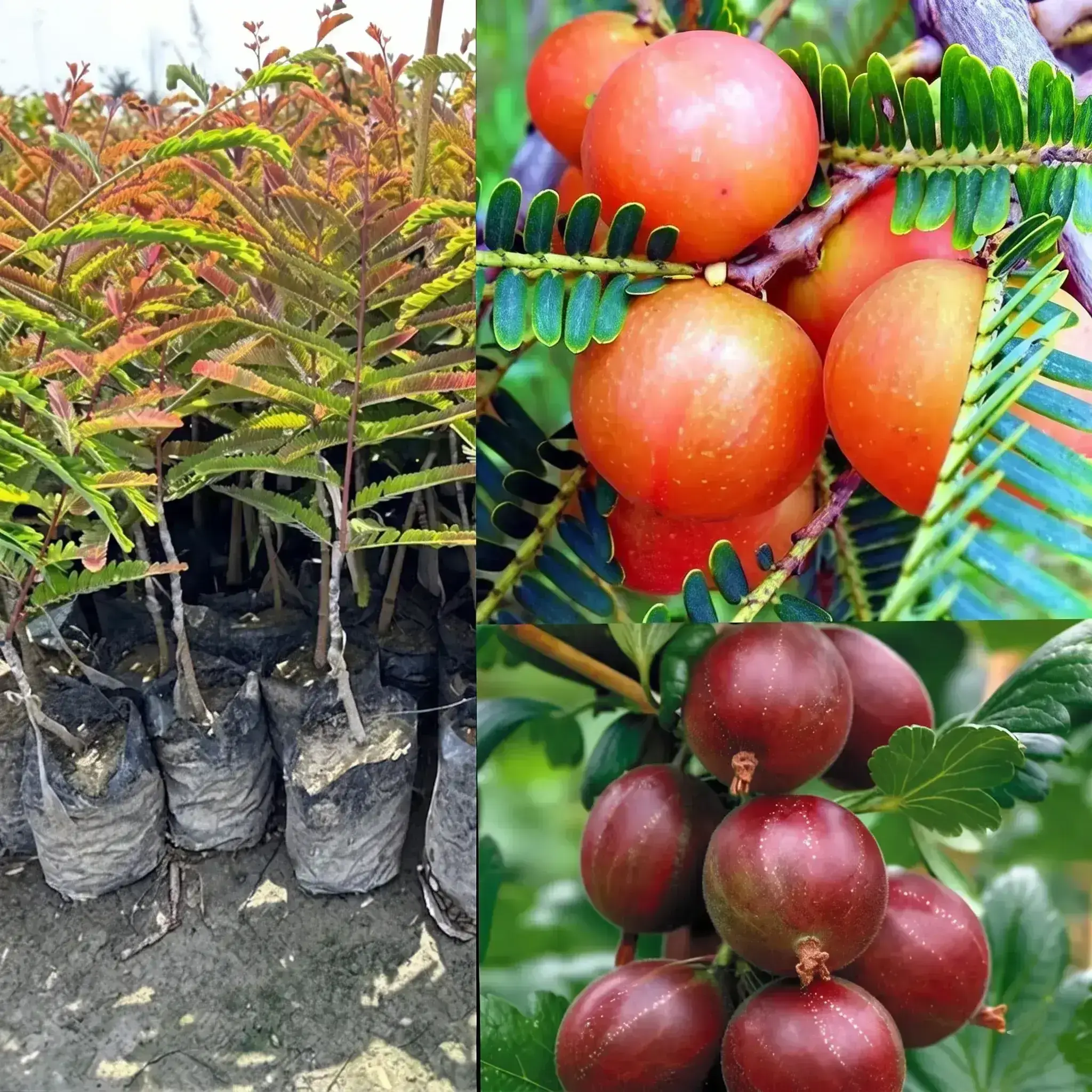
Indian Gooseberry Plant | Red Amla Plant (Phyllanthus emblica) – Thai Variety Grafted Plant
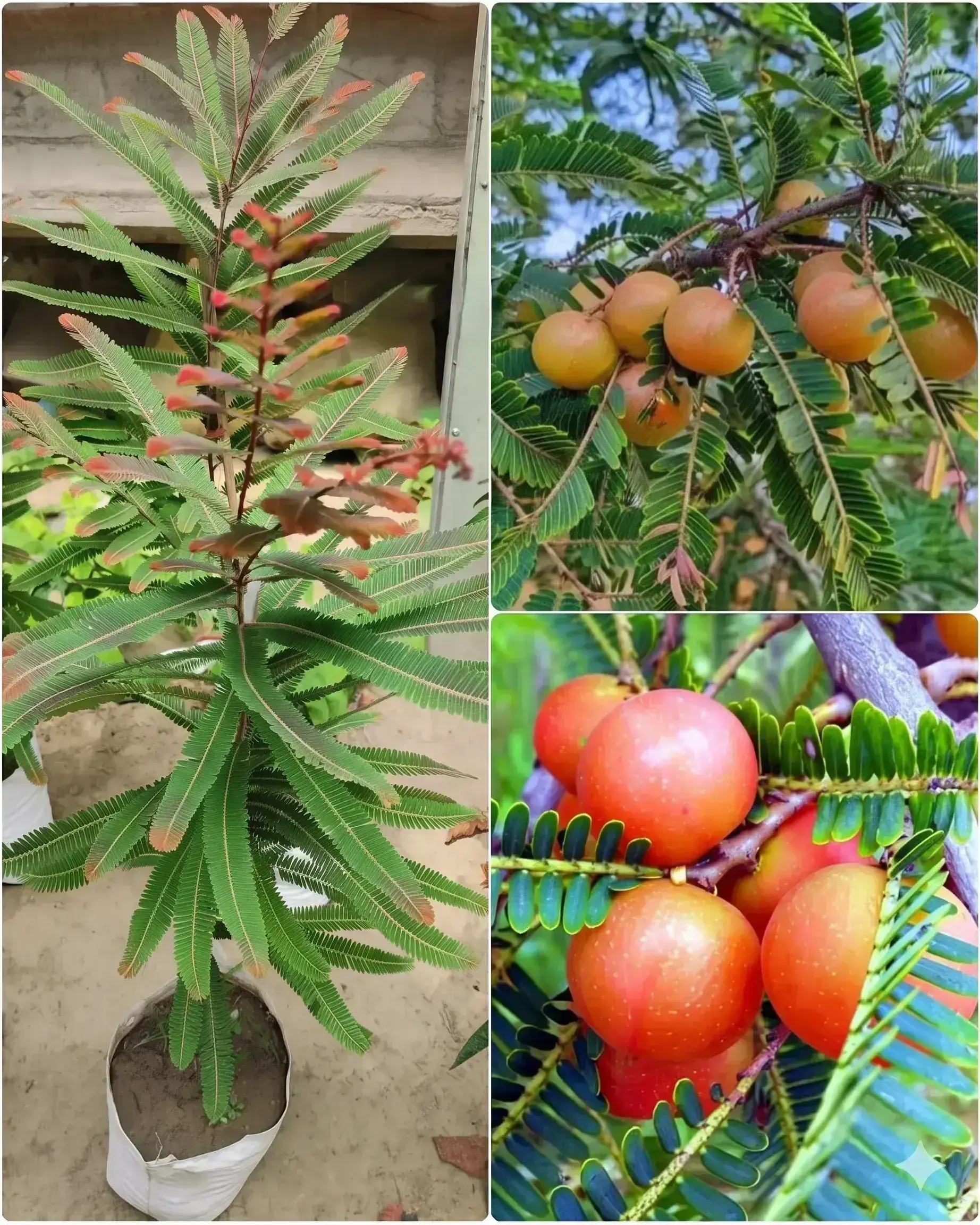
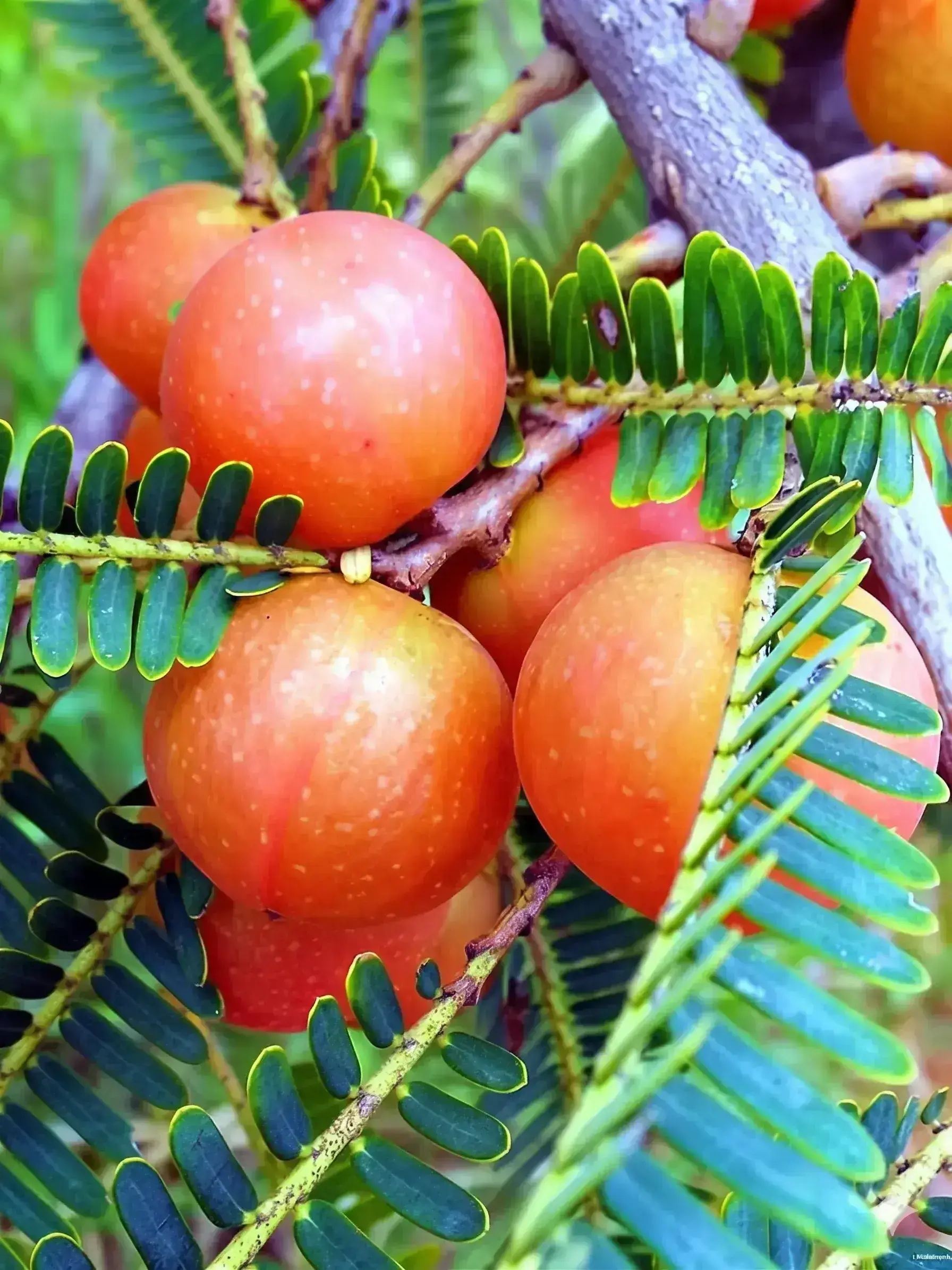
The Indian Gooseberry Plant, widely celebrated across Indian kitchens as Amla or Amalaki and offered here in the prized Thai Red Amla grafted selection, is a hardy perennial fruit tree admired for its feathery foliage and distinctive red-blushed berries. Botanically classified as Phyllanthus emblica (and also well known under its classic synonym Emblica officinalis), this specialty cultivar stands apart from ordinary green amla varieties by developing an attractive pinkish-red to reddish tinge on its smooth, rounded fruits as they ripen in full sun.
Because this plant is vegetatively grafted from a proven mother tree rather than grown from seed, it preserves true varietal fruit characteristics, stays manageable with light pruning, and begins fruiting significantly earlier than seed-grown saplings. With generous Indian sunshine, well-draining soil, and simple organic care, a grafted Red Amla Plant brings both graceful ornamental foliage and nutritious homegrown harvests to backyards, farmhouses, and spacious terrace containers.
Plant Highlights
- Product Name: Indian Gooseberry Plant | Red Amla Plant (Phyllanthus emblica) – Thai Variety Grafted Plant for Home Garden
- Common Name: Red Amla, Thai Red Amla, Indian Gooseberry, Amalaki, Aonla, Amloki, Nellika
- Accepted Botanical Name: Phyllanthus emblica (synonym: Emblica officinalis; Thai Red Grafted Cultivar)
- Family: Phyllanthaceae
- Plant Type: Deciduous to semi-deciduous perennial grafted fruit tree
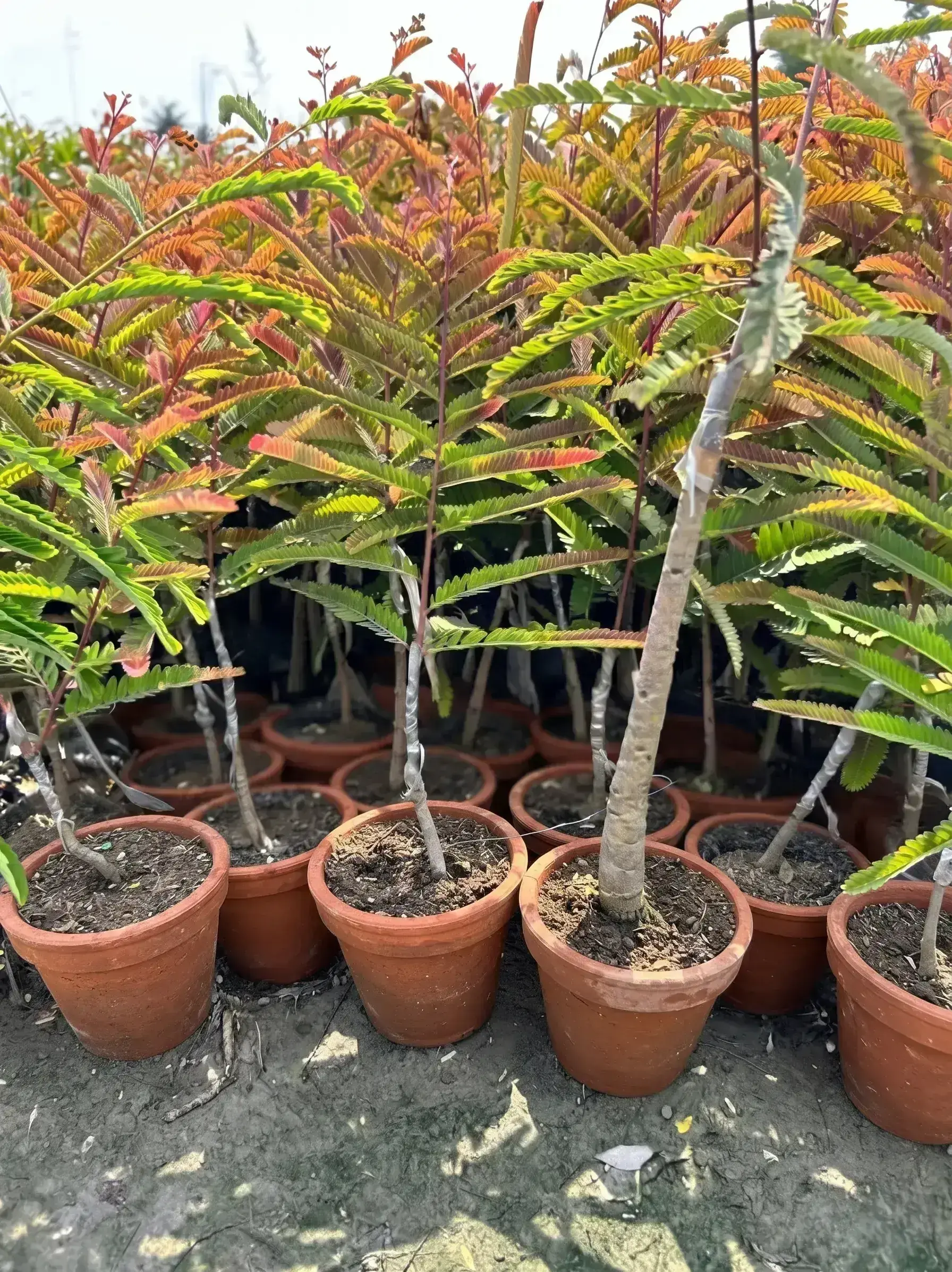
- Propagation Type: Vegetatively grafted onto hardy rootstock (true-to-type, earlier fruiting)
- Origin: Tropical and subtropical Asia (species native to the Indian subcontinent and Southeast Asia; Red Amla cultivar popularized in Thai and Indian horticulture)
- Flower Colour: Tiny greenish-yellow male and female flowers borne in dense clusters along slender leafy branchlets
- Fruit Characteristics: Smooth, nearly spherical berries with six subtle vertical ribs, ripening from green to a distinctive pinkish-red or reddish blush with crisp, tangy-sour, vitamin-C-rich flesh and a hard central stone
- Foliage: Delicate, feathery, light-to-medium green pinnate-like branchlets lined with tiny oblong leaves (new shoot flushes often show a soft reddish-bronze tint)
- Growth Habit: Upright-to-spreading woody fruit tree with graceful, arching branchlets; easily kept compact with pruning
- Mature Height: Typically 1.8 to 3 meters (6 to 10 feet) in large terrace containers or pruned home gardens; 5 to 8 meters (16 to 26 feet) in open ground
- Sunlight: Full, direct sunlight (at least 6 to 8 hours daily)
- Watering: Regular during early establishment and fruit sizing; drought-tolerant once deeply established
- Suitable For: Sunny backyards, kitchen gardens, farmhouses, courtyards, open terraces, and large 18-to-24-inch pots, drums, or grow bags
About the Grafted Red Amla (Thai Variety) Plant
Phyllanthus emblica belongs to the family Phyllanthaceae and is one of India’s most revered native fruit trees. While traditional Indian cultivars such as Banarasi, NA-7, Krishna, and Chakaiya produce pale green to yellow-green fruits, the Thai Red Amla selection is prized by home gardeners and fruit collectors for its eye-catching reddish skin pigmentation, crisp texture, and high productivity.
Propagated via vegetative grafting onto hardy amla seedling rootstock, this grafted sapling avoids the long 7-to-10-year juvenile wait of seed-grown trees—typically beginning to flower and set fruit within 2 to 3 years under full sun and steady care.
Appearance and Growth Habit
The Red Amla Plant develops a sturdy woody trunk with smooth greyish-brown bark, a visible graft union near the base, and graceful, spreading branches clothed in feathery foliage. What look like compound leaves are actually slender, deciduous branchlets lined neatly with dozens of tiny oblong leaflets, giving the canopy a soft, airy texture that filters sunlight gently.
In open ground, an unpruned tree grows into a medium-sized shade and fruit tree 5 to 8 meters tall, whereas annual pruning in home gardens or large terrace drums keeps it compact and approachable at 1.8 to 3 meters.
Flowers and Fruiting Season
In most Indian plains, Phyllanthus emblica flowers during spring (February to April), producing clusters of tiny greenish-yellow blossoms tucked closely along the slender leafy branchlets. Separate male and female flowers appear on the same tree and are pollinated naturally by bees, wind, and insects.
Following spring fruit set, the tiny berries remain small through the peak heat of early summer before swelling rapidly during the monsoon and ripening in autumn through winter (October to January). Exposure to bright direct sunlight enhances the signature pinkish-red blush on the ripening fruit skin.
Sunlight Requirements
Full, unobstructed sunlight is essential for vigorous growth, heavy flower set, and rich reddish coloration on Thai Red Amla fruits. Place your container or plant your sapling where it receives at least 6 to 8 hours of direct sunlight every day.
Plants grown in shaded corners produce weak, sparse branchlets, poor fruit set, and pale green fruits lacking their characteristic red blush.
Watering Requirements
Indian Gooseberry trees need steady soil moisture while establishing roots and sizing fruit, yet become remarkably drought-hardy once deeply rooted in open ground.
Watering During Establishment and Summer
During the first 6 to 12 months after planting, water thoroughly whenever the top 3 to 5 cm of soil feels dry—typically every 2 to 3 days in warm weather—without creating waterlogged mud. Once established in garden soil, deep watering once every 7 to 10 days during hot summer dry spells keeps the tree healthy, while container plants need regular watering whenever the top layer dries out.
Watering During Monsoon and Winter
During the monsoon, natural rainfall meets the tree’s needs as the fruits swell; ensure pots and planting pits drain rapidly so water never stagnates around the trunk. In winter, during and right after fruit harvest, cut back watering significantly to once every 10 to 14 days.
Soil and Potting Requirements
Phyllanthus emblica is famous for thriving across a wide range of soils—including fertile sandy loam, alluvial soil, red soil, and even moderately alkaline or marginal soils (pH 6.0 to 8.0)—provided drainage is fast and unrestricted.
Suggested Potting Mixture for Grafted Red Amla
For large terrace pots, drums, or grow bags, prepare a fertile, well-draining fruit-tree mix using 50% garden loam, 30% well-decomposed cow dung manure or vermicompost, and 20% coarse river sand or perlite, mixed with a handful of neem cake powder to protect roots from soil pests. Always use a container with multiple large drainage holes at the base.
Growing the Plant in the Indian Climate
Native to the Indian subcontinent, Phyllanthus emblica adapts effortlessly across almost every Indian climatic zone, from dry northern and western plains to humid eastern and southern states.
Summer Care
It tolerates scorching Indian summer temperatures up to 42°C to 45°C once established. Apply a layer of dry leaf mulch or straw around the base of young saplings to keep roots cool and conserve soil moisture during April, May, and June.
Monsoon Care
In high-rainfall, humid regions like West Bengal, Kolkata, Maharashtra, and coastal India, active fruit sizing occurs during monsoon. Elevate terrace pots slightly on bricks or stands for instant drainage and stake young grafted trees against strong monsoon winds.
Winter Care
Cooler Indian winters coincide with fruit ripening and harvest, followed by natural leaf shedding (dormancy) in late winter. Protect young saplings from severe frost in northern plains, and avoid heavy watering while the tree rests in winter.
Temperature and Humidity
Phyllanthus emblica thrives in warm temperatures between 20°C and 38°C and handles both dry inland heat and humid coastal air comfortably. Established trees tolerate brief winter drops near freezing, though young grafted saplings should be shielded from hard frost.
Fertilizer and Nutrition
A fruiting amla tree responds well to regular organic feeding timed around its spring growth and monsoon fruit-sizing stages.
Apply a generous top-dressing of well-rotted farmyard manure or vermicompost along with neem cake and bone meal or rock phosphate twice a year—once in early spring (February–March) right before flowering, and again at the onset of monsoon (June–July) to support fruit sizing. During autumn fruit ripening, supplement with potassium-rich organic feeds such as banana peel fertilizer, wood ash, or seaweed extract.
Growing the Plant in Pots
Grafted Thai Red Amla plants can be grown successfully in spacious terrace gardens using large containers. Start a young nursery plant in a 14-to-16-inch pot and upgrade to an 18-to-24-inch heavy-duty tub, drum, terracotta planter, or HDPE grow bag as the canopy expands. Repot or refresh the top 5 to 8 cm of soil with rich compost every 2 years in early spring.
Pruning and Maintenance
Light annual pruning keeps a potted or backyard Red Amla Plant compact, open, and productive.
Always keep the lower trunk clean below the graft union—immediately pinch or cut off any wild shoots (suckers) sprouting from the rootstock below the swollen graft joint. In late winter (January–February) right after harvest, prune away dead, crossing, or overcrowded inner branches so sunlight reaches the entire canopy and enhances red fruit coloration.
Propagation
Commercial and nursery Thai Red Amla plants are propagated vegetatively through shield budding, patch budding, or veneer grafting onto hardy seedling amla rootstocks. Planting seeds will not preserve the red fruit trait or early fruiting habit, so grafted saplings are always recommended for home gardens.
Common Problems and Plant Care
Full sunlight, sharp soil drainage, and seasonal organic care prevent most issues with Phyllanthus emblica.
1. Shoot Gall Caterpillar (Swollen Stems)
During the rainy season, tiny caterpillars sometimes bore into tender shoot tips, causing noticeable spindle-shaped galls (swellings) that stunt branching. Prune off and destroy swollen shoot tips immediately and spray diluted cold-pressed neem oil (5 ml neem oil + 2 ml mild liquid soap per liter of water) in the evening.
2. Leaf and Fruit Rust (Reddish-Brown Spots)
During humid monsoon months, circular reddish-brown fungal rust spots can appear on leaflets and developing fruits. Ensure good airflow through light pruning, avoid overhead watering late in the day, and apply an organic sulfur or neem-based preventive spray during rainy spells.
3. Seasonal Leaf Shedding in Late Winter
Phyllanthus emblica is naturally deciduous and sheds its feathery branchlets in late winter (January–February) right before bursting into fresh green growth and spring flower clusters. This is completely normal—do not mistake winter dormancy for a dying tree.
4. Bark-Eating Caterpillars or Aphids
Keep the main trunk clean and inspect young spring shoots for sap-sucking aphids, treating early with diluted neem oil.
Suitability for Home Gardens
The Grafted Red Amla Plant is ideal for sunny backyards, kitchen gardens, farmhouses, courtyards, and open terraces receiving at least 6 hours of direct sunlight. Because it requires strong outdoor sun and pollinator access to set fruit, it is not suitable for indoor rooms or shaded balconies.
Safety and Important Information
Freshly harvested amla fruits are prized across Indian kitchens for pickles, murabba, chutneys, candies, and juices—always wash harvested fruits thoroughly before use and remove the hard central stone before eating. Note that nursery-grown plants may have been maintained with horticultural inputs, so allow new plants to establish and follow normal food-washing practices; do not treat homegrown plant parts as a substitute for professional medical advice.
Live Plant Delivery Information
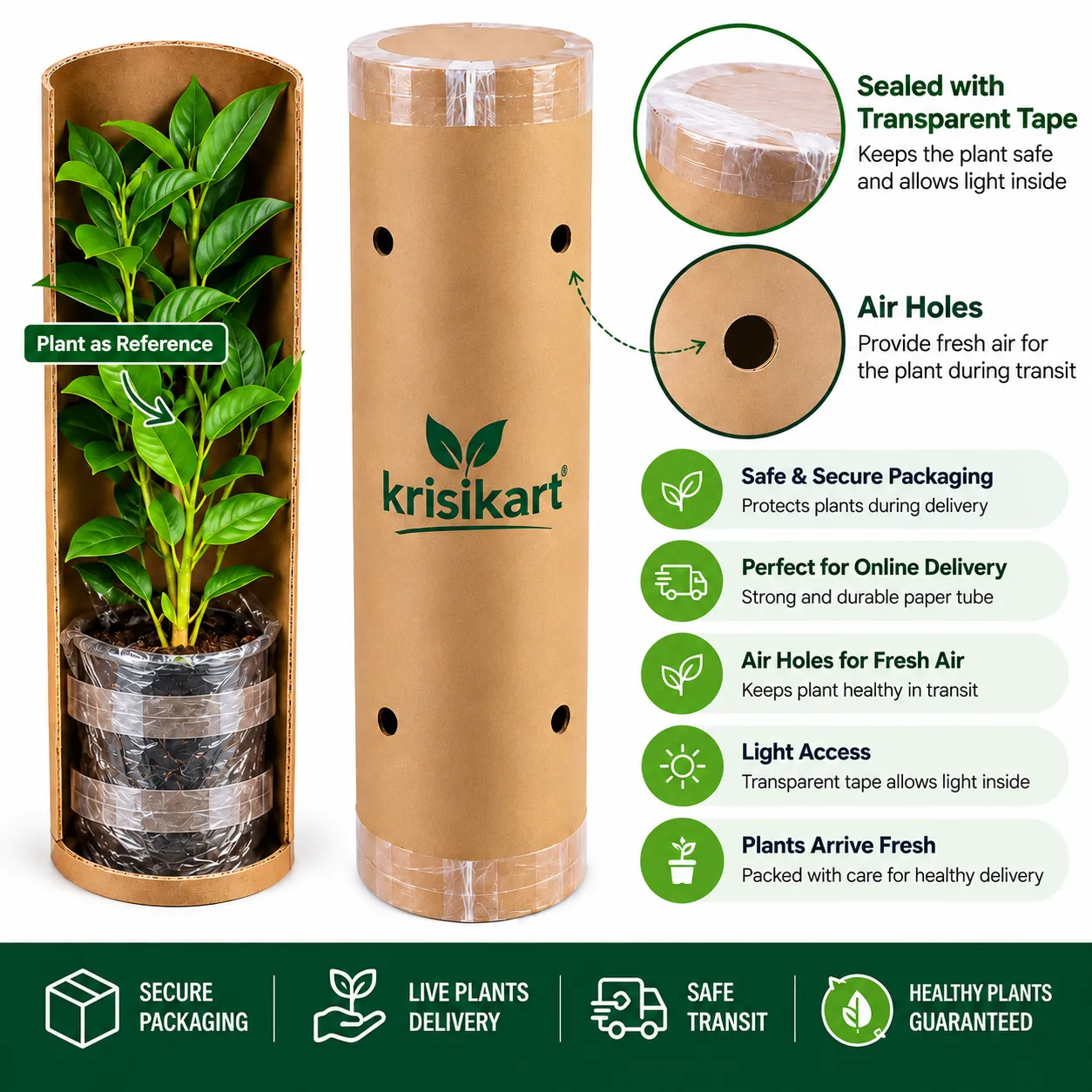
Live grafted Red Amla plants vary naturally in height, stem thickness, graft union height, and leaf fullness at the time of shipping (plants shipped during late winter may arrive with fewer leaves due to natural seasonal dormancy). Mild shipping stress can occur during transit, and a few tiny leaflets may yellow or drop upon arrival—this is a normal temporary reaction.
After unboxing, place your grafted Red Amla Plant in bright, filtered outdoor light for 3 to 4 days before moving it into full direct sunlight. Check the root ball moisture immediately and water thoroughly if dry. Keep the graft union intact and well above soil level when planting, and wait 2 to 3 weeks before applying fertilizer.
Why Choose the Grafted Thai Red Amla Plant for Your Garden?
Combining striking pinkish-red blushed gooseberries, graceful feathery foliage, hardy adaptability to Indian soils, and early grafted fruiting, the Thai Red Amla Plant is a standout addition to any home fruit garden. With full sunlight, well-draining soil, and simple seasonal care, it rewards gardeners with decades of wholesome harvests.
Botanical Information and Further Reading
- Kew Science – Plants of the World Online: Phyllanthus emblica L.
- India Biodiversity Portal – Phyllanthus emblica L. Reference
- TNAU Agritech Portal – Amla (Indian Gooseberry) Cultivation Guide
- Missouri Botanical Garden – Phyllanthus emblica Plant Finder
Frequently Asked Questions (FAQs)
1. What is the botanical name of the Red Amla or Indian Gooseberry Plant?
The accepted botanical name of Amla (Indian Gooseberry) is Phyllanthus emblica in the family Phyllanthaceae, and it is also known under its older synonym Emblica officinalis.
2. Are Thai Red Amla fruits completely bright red?
The fruits develop an attractive pinkish-red to reddish blush over their smooth skin as they mature—especially when exposed to full direct sunlight—though the exact shade varies with climate, sunlight, and ripeness.
3. How soon does a grafted Red Amla Plant start fruiting?
Because it is vegetatively grafted from a mature fruiting parent tree, it typically begins flowering and fruiting within 2 to 3 years of planting under full sunlight and proper care—much faster than seed-grown trees.
4. Can I grow a Red Amla Plant in a pot on my terrace?
Yes, a grafted Red Amla Plant can be grown in a large 18-to-24-inch container, drum, or grow bag in full sun on an open terrace, staying compact at around 1.8 to 3 meters with annual late-winter pruning.
5. When does the Red Amla Plant flower and fruit in India?
In most Indian regions, it flowers in spring (February to April), holds small dormant fruitlets through early summer, swells during the monsoon, and ripens for harvest in autumn through winter (October to January).
6. How much sunlight does a Red Amla Plant need?
It needs full, direct outdoor sunlight for at least 6 to 8 hours every day to grow strongly, set fruit, and develop rich reddish fruit coloration.
For More Information
Visit: krisikart.com
For Contact Visit:Contact Us
For Shopping Visit: Shop Page


Reviews
There are no reviews yet.