 Plastic Plant pot | Plastic Garden Pot for Plants
 Self Watering Planters | Self Watering Plant Pots For Plants
Apple Ber Plant | Indian Jujube Plant (Ziziphus mauritiana) Jujube Fruit Grafted Plant
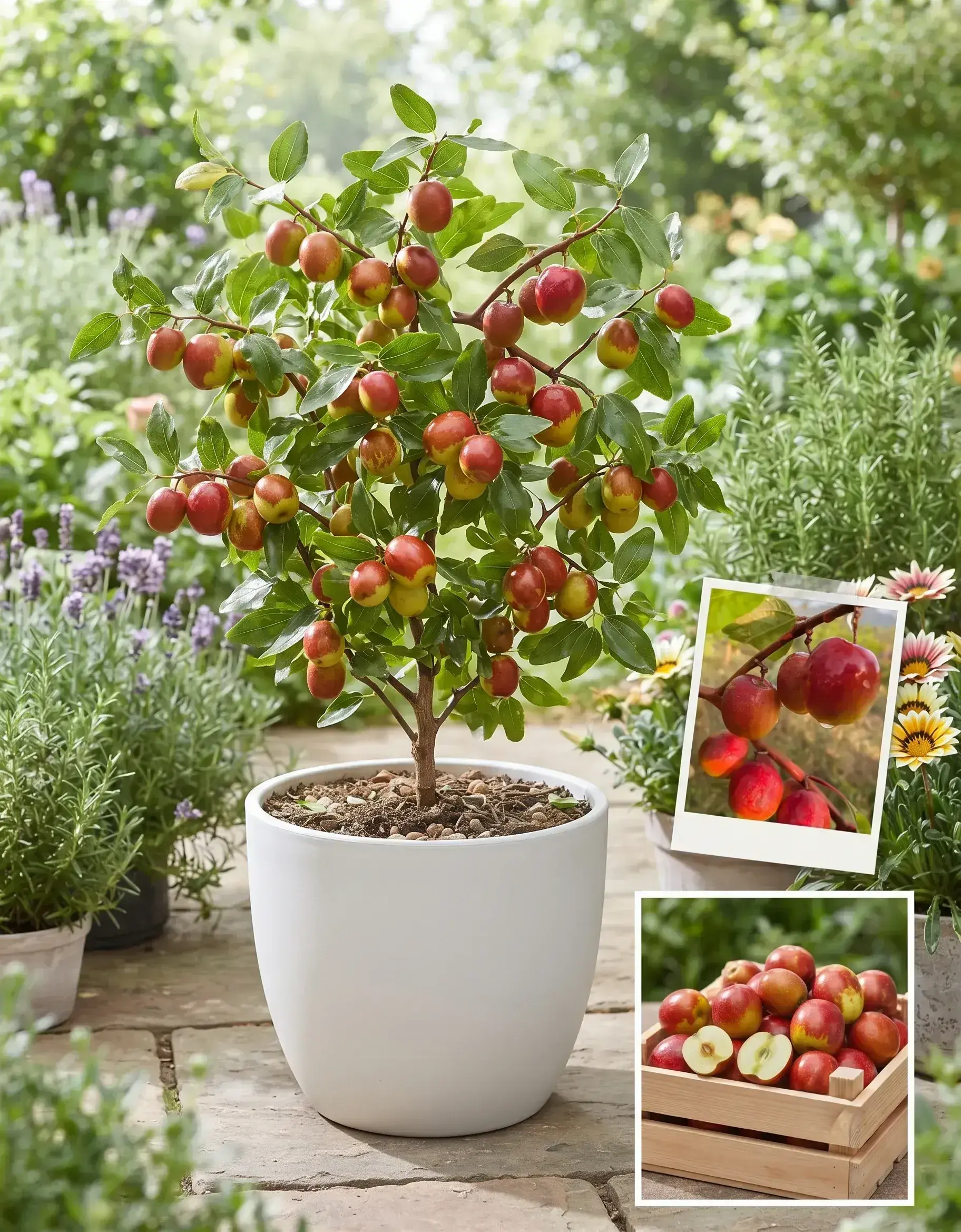
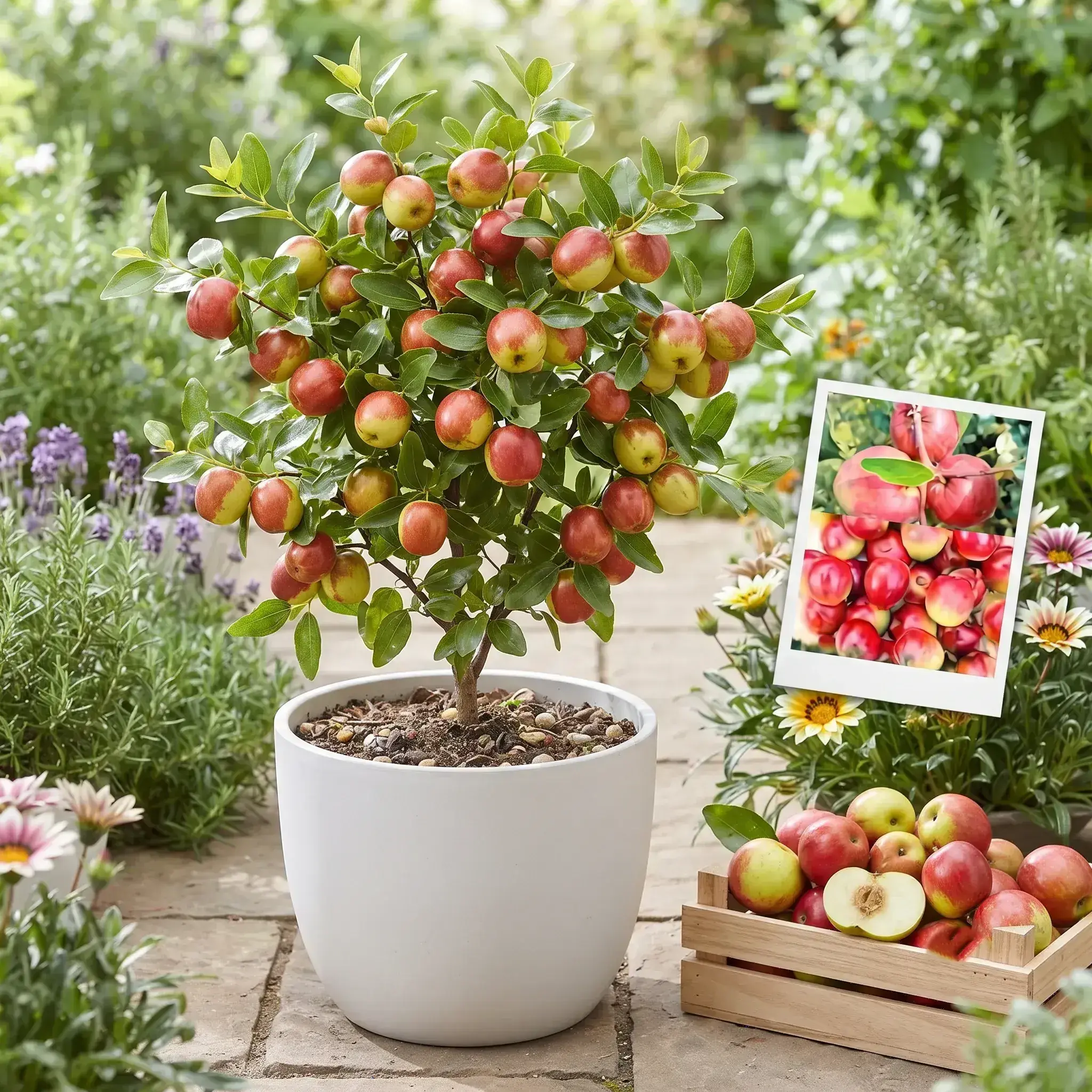
The Apple Ber Plant, ( Ziziphus mauritiana) Known as Indian Jujube Plant (Ziziphus mauritiana) Jujube Fruit Grafted Plant, is one of the fastest-growing, most rewarding grafted fruit plants for Indian home gardens, terraces, and farmhouses. Unlike small, sour wild ber varieties, grafted Apple Ber selections produce large, crisp, sweet, juicy fruits with a smooth skin and crunchy texture reminiscent of a fresh apple.
Prized for its remarkable drought resilience, heat tolerance, and early fruiting habit, this grafted Indian Jujube Plant adapts effortlessly to Indian soil and climate conditions. Whether planted in open garden soil or maintained in a large terrace container with seasonal pruning, an Apple Ber Plant delivers lush evergreen foliage and generous winter harvests.
Plant Highlights
- Product Name: Apple Ber Plant | Indian Jujube Plant (Ziziphus mauritiana) Jujube Fruit Grafted Plant for Home Garden
- Common Name: Apple Ber, Indian Jujube, Thai Apple Ber, Ber (Hindi), Kul (Bengali), Bor (Marathi)
- Botanical Name: Ziziphus mauritiana
- Cultivar / Trade Selection: Apple Ber (Large-fruited grafted Indian nursery selection)
- Family: Rhamnaceae (Buckthorn family)
- Plant Type: Fast-growing evergreen to semi-deciduous perennial fruit tree or large shrub
- Origin: South and Southeast Asia (native across the Indian subcontinent)
- Flower Colour: Small, greenish-yellow to creamy-yellow clusters
- Flower Fragrance: Mild, slightly sweet scent attractive to bees and flies
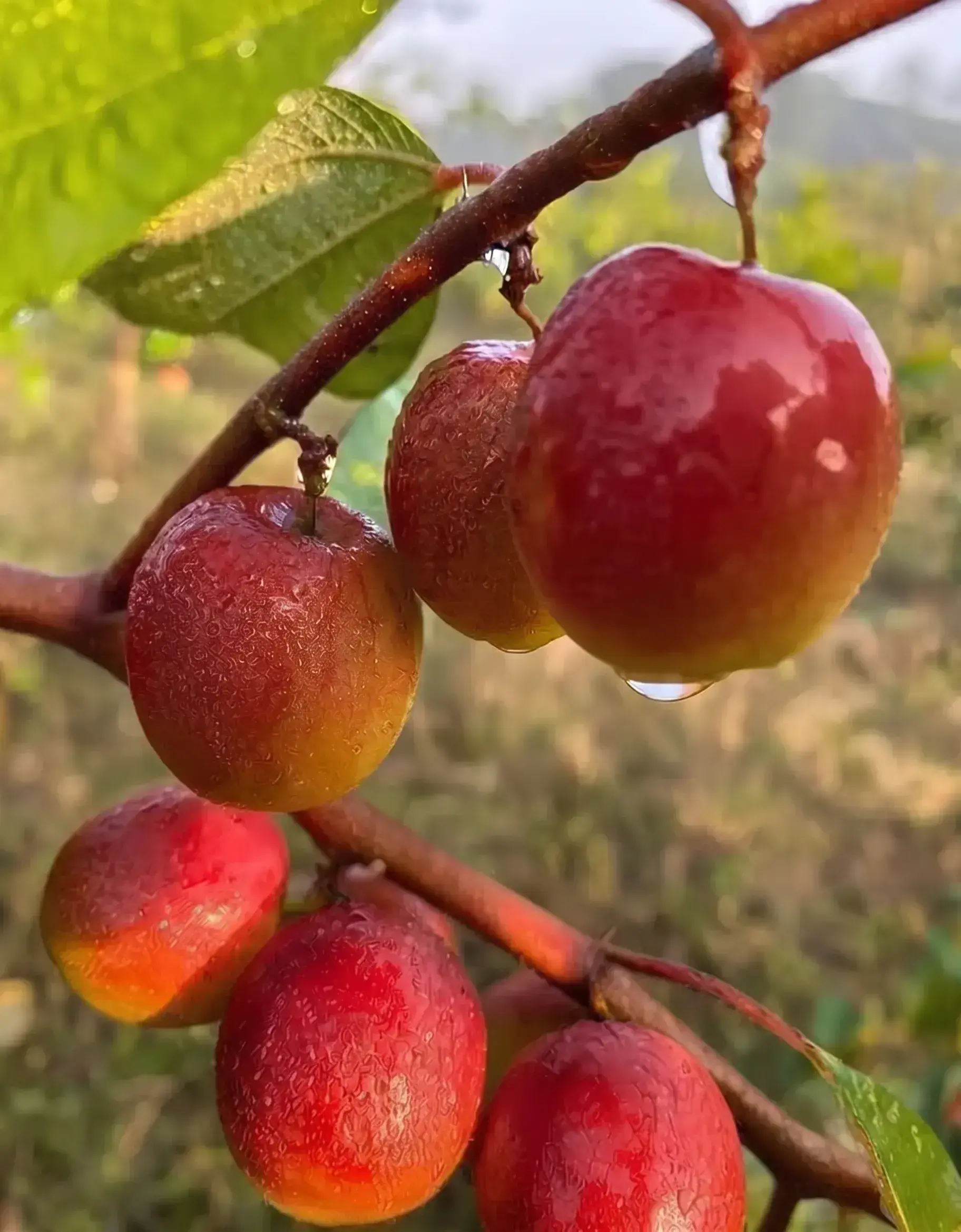
- Fruit Colour: Glossy light green turning yellowish-green (or blushed red depending on selection) when ripe, with crisp white flesh
- Foliage: Alternate, oval-to-elliptic glossy dark green leaves on top with pale whitish-grey velvety undersides
- Growth Habit: Vigorous, spreading, drooping branches with small curved stipular spines at leaf nodes
- Mature Height: Typically 4 to 7 meters (13 to 23 feet) in open ground if unpruned; easily maintained at 1.5 to 2.5 meters (5 to 8 feet) with annual pruning
- Sunlight: Full direct sunlight (at least 6 to 8 hours daily)
- Watering: Low to moderate once established; drought-hardy, requiring well-drained soil
- Suitable For: Open home gardens, sunny terraces, large pots or grow bags, kitchen gardens, and farmhouses
About the Apple Ber Plant
Ziziphus mauritiana belongs to the buckthorn family Rhamnaceae and is native to tropical and subtropical South Asia, where it has been cultivated for thousands of years. While temperate Chinese jujube belongs to a separate species (Ziziphus jujuba), the Indian Jujube is specifically adapted to warm, frost-free or mild-winter climates.
Improved Apple Ber cultivars—widely popularized in eastern and central India, including West Bengal—are propagated by grafting high-yielding scions onto hardy wild ber rootstocks. Grafting ensures uniform large fruit size, sweet crisp flesh, a smaller central stone, and reliable flowering within 1 to 2 years of planting under good care.
Appearance and Growth Habit
The Apple Ber Plant develops a spreading, open canopy with slender, slightly zig-zagging branches that tend to arch gracefully downward under the weight of leaves and fruit. Its leaves are oval with three distinct longitudinal veins, glossy dark green on the upper surface and covered with fine, pale whitish hairs underneath.
Pairs of small, curved thorns (stipular spines) grow at the leaf nodes along the stems, though grafted Apple Ber selections generally have fewer and smaller spines than wild seedling ber trees. Because the plant grows vigorously during summer and monsoon, annual pruning keeps the canopy compact and productive.
Flowers and Flowering Season
In India, the Apple Ber Plant typically flowers from late monsoon through autumn (August to October), producing clusters of tiny, star-shaped greenish-yellow flowers in the leaf axils of new current-season shoots.
Although the individual blooms are small, they produce abundant nectar that attracts honeybees, wasps, and other beneficial pollinators. Grafted plants commonly begin flowering in their very first or second year after planting, though removing early flowers on very young, thin saplings helps the plant build a stronger woody frame first.
Fruits and Harvest
Following autumn pollination, fruits develop steadily through late autumn and early winter, ripening between December and February (and extending into March in cooler regions). Mature Apple Ber fruits are noticeably larger than traditional ber—often oval to round—with smooth, glossy skin and crisp, juicy, mildly sweet white flesh surrounding a single hard stone.
Pollination and Fruiting Tips
Ziziphus mauritiana is largely self-fertile, meaning a single grafted Apple Ber Plant can set fruit on its own in an outdoor garden. However, planting in an open sunny spot accessible to bees and avoiding excessive nitrogen fertilizer during flowering significantly improves fruit retention and sweetness.
Sunlight Requirements
The Apple Ber Plant demands full, unobstructed sunlight for at least 6 to 8 hours every day. Intense sunlight is essential for sturdy branch development, heavy flowering, pest resistance, and sugar accumulation in the ripening fruits.
Shaded or semi-shaded locations cause weak, leggy shoots, poor flower set, and bland fruits. Always place your plant in the sunniest spot available.
Watering Requirements
Once established, Ziziphus mauritiana is exceptionally drought-tolerant thanks to its deep root system, making it ideal for low-maintenance Indian gardens.
Watering During Establishment and Summer
During the first 3 to 4 weeks after planting, water every 2 to 3 days to keep the root ball lightly moist while roots settle. In hot summer weather, established ground-planted trees only need deep watering once every 7 to 10 days, while potted plants should be watered every 2 to 3 days when the top 4 to 5 cm of soil dries out.
Watering During Monsoon and Winter
During the monsoon, pause manual watering when rainfall is regular and ensure water drains freely away from the trunk. During winter fruit development and ripening, moderate, steady moisture supports crisp, juicy fruits—avoid flooding the soil right before harvest, as excess water can dilute fruit sweetness or cause skin splitting.
Soil and Potting Requirements
The Apple Ber Plant thrives in a wide range of soils, including sandy loam, alluvial soil, red lateritic soil, and moderately alkaline soils, provided drainage is fast and reliable. It grows best in soil with a pH between 6.0 and 8.0.
Suggested Potting Mixture for Containers
For growing an Apple Ber Plant in a pot or grow bag, prepare a well-draining mix using 50% fertile garden soil, 25% coarse river sand or perlite, and 25% well-decomposed cow dung manure or vermicompost, mixed with a handful of neem cake powder. Make sure the container has multiple large drainage holes at the base.
Growing the Plant in the Indian Climate
Native to the Indian subcontinent, Ziziphus mauritiana performs reliably across nearly all tropical and subtropical Indian states, including West Bengal, Bihar, Odisha, Maharashtra, Gujarat, Rajasthan, Madhya Pradesh, Uttar Pradesh, and southern India.
Summer Care
Apple Ber tolerates intense Indian summer heat above 42°C without stress. Apply a light layer of organic mulch around potted or newly planted saplings to keep roots cool during peak May heat.
Monsoon Care
In high-rainfall regions like Kolkata, West Bengal, and coastal India, the plant grows rapidly during the monsoon. Ensure the planting site or container drains quickly so rainwater never pools around the roots, and prune crowded inner twigs to maintain airflow.
Winter Care
Cool, dry Indian winters are the prime fruit-ripening season for Apple Ber. Mature plants handle mild winter chill easily, though young saplings in northern plains should be protected from severe frost.
Temperature and Humidity
Ziziphus mauritiana thrives in warm temperatures between 22°C and 42°C and adapts to both arid heat and humid monsoon climates. Once established, trees tolerate brief winter drops down to 5°C, whereas prolonged freezing temperatures can injure tender shoots.
Fertilizer and Nutrition
Because the Apple Ber Plant bears fruit on new current-season growth, timely organic feeding fuels vigorous shoot and fruit production.
Apply 3 to 5 kg of well-rotted farmyard manure or vermicompost around ground-planted trees twice a year—once in May or June after annual pruning to stimulate new fruiting branches, and again in September or October as fruits begin setting. For potted plants, apply 300 to 500 grams of vermicompost plus a handful of bone meal or wood ash (for potassium) before flowering. Avoid heavy nitrogen fertilizers once flowering starts.
Growing the Plant in Pots
A grafted Apple Ber Plant is well suited for sunny terrace and balcony container gardening. Plant it in an 18-to-24-inch heavy-duty pot or grow bag, ensuring the swollen graft union remains well above the soil surface.
Because container roots have limited space, annual post-harvest pruning and regular organic top-dressing are key to keeping the potted tree compact, balanced, and productive year after year.
Pruning and Maintenance
Annual pruning is one of the most important practices for maximizing fruit size and keeping an Apple Ber Plant manageable.
Annual Spring Pruning
Because fruits form exclusively on new current-year shoots, prune back the main branches moderately in March or April after the winter harvest is complete. This stimulates fresh, vigorous shoots during summer and monsoon that will carry the next winter’s crop.
Rootstock Sucker Removal
Inspect the lower trunk below the graft union regularly and cut off any thorny shoots sprouting from the rootstock immediately so they do not overtake the grafted Apple Ber variety.
Propagation
Nurseries propagate Apple Ber vegetatively using budding (such as T-budding or ring budding) or wedge grafting onto vigorous wild ber seedling rootstocks. Vegetative propagation preserves the large, crisp fruit traits and ensures early fruiting. Seed-grown ber plants revert to variable, small-fruited, thorny wild types.
Common Problems and Plant Care
Monitoring foliage and young fruits occasionally prevents common jujube garden issues.
1. Powdery Mildew
A white, powdery fungal coating on young leaves, flowers, or small fruits can appear during cool, humid autumn or winter mornings. Improve canopy airflow through pruning, water at the soil level rather than overhead, and apply wettable sulfur or diluted neem oil early if spotted.
2. Fruit Fly or Fruit Borer
Developing ber fruits can attract fruit flies during autumn. Collect and discard any fallen fruits promptly, keep the soil around the base clean, and use pheromone traps or protective netting if needed.
3. Rootstock Suckers
Thorny shoots emerging below the graft union grow rapidly and steal nutrients from the grafted scion. Prune them flush with the trunk as soon as they appear.
4. Leaf-Eating Beetles or Caterpillars
During the monsoon, beetles or caterpillars may chew notches in young leaves. Spray diluted neem oil (3 to 5 ml per liter of water) in the evening to protect new foliage.
Suitability for Home Gardens
The grafted Apple Ber Plant is ideal for open home gardens, sunny terraces, large containers or grow bags, kitchen gardens, and farmhouse orchards. Because it requires strong direct sunlight and room to branch out, it is not suitable for indoor rooms or shaded balconies.
Safety and Important Information
Ripe Apple Ber fruits are crisp, nutritious, and safe to eat fresh, though the hard central seed (stone) should not be swallowed or bitten. Note that Ziziphus mauritiana stems carry small, curved thorns at the leaf nodes, so wear gardening gloves when pruning or harvesting and plant the tree away from narrow children’s play paths.
Live Plant Delivery Information
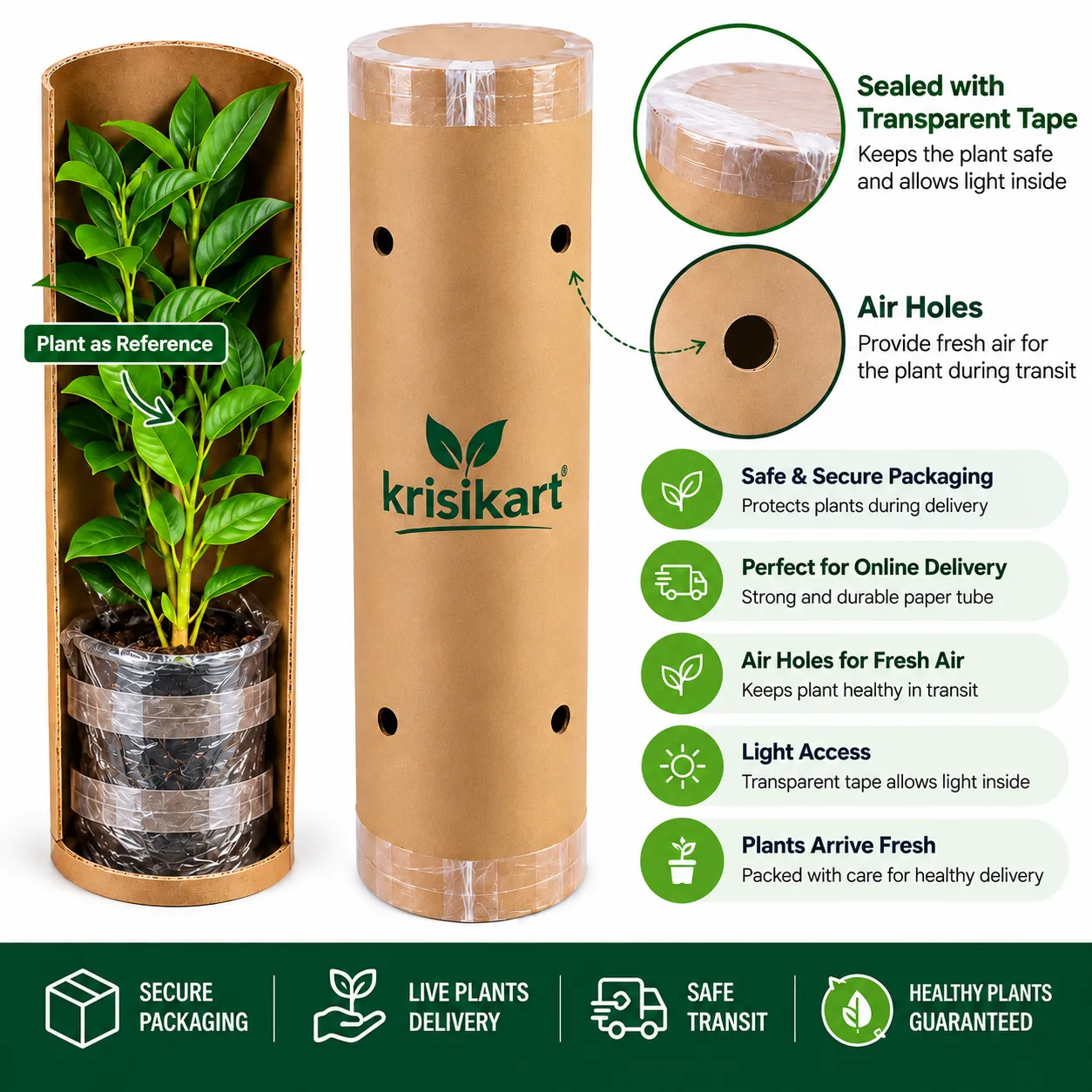
Live grafted saplings vary naturally in height, stem thickness, and leaf count. Mild transit stress is normal during shipping, and a few leaves may turn yellow or drop upon arrival.
After unboxing your Apple Ber Plant, place it in bright, filtered outdoor light for 3 to 4 days to recover before moving it into full direct sunlight. Check the soil moisture immediately and water gently if dry. Avoid applying fertilizers, repotting right away, or pruning healthy shoots during the first 10 to 14 days while the plant acclimates.
Why Choose the Apple Ber Plant for Your Garden?
Few fruit trees match the speed, drought tolerance, and productivity of the grafted Apple Ber Plant. Easy to care for in both open ground and large terrace containers, Ziziphus mauritiana rewards home gardeners with resilient greenery and abundant harvests of crisp, sweet winter fruits.
Botanical Information and Further Reading
- Kew Science – Plants of the World Online: Ziziphus mauritiana Lam.
- Royal Horticultural Society (RHS) – Ziziphus mauritiana Plant Details
- ICAR – Central Institute for Arid Horticulture (Ber Cultivation Research)
- eFlora of India – Ziziphus mauritiana Botanical Reference
- India Biodiversity Portal – Ziziphus mauritiana Species Profile
Frequently Asked Questions (FAQs)
1. What is the botanical name of the Apple Ber Plant?
The accepted botanical name of the Apple Ber or Indian Jujube Plant is Ziziphus mauritiana, and it belongs to the family Rhamnaceae.
2. How is Apple Ber different from normal wild ber?
Grafted Apple Ber cultivars produce much larger, rounder, crisp-fleshed sweet fruits with smooth glossy skin and a smaller seed stone compared to smaller, softer wild ber varieties.
3. Can I grow an Apple Ber Plant in a pot on my terrace?
Yes, a grafted Apple Ber Plant grows very well in an 18-to-24-inch container or grow bag on a sunny terrace when pruned annually after harvest.
4. How soon does a grafted Apple Ber Plant bear fruit?
Under good sunlight and care, grafted Apple Ber plants often begin flowering and fruiting within 1 to 2 years of planting.
5. Do I need two Apple Ber trees for pollination?
No, Ziziphus mauritiana is largely self-fertile and pollinated by bees, so a single outdoor plant can set fruit on its own.
6. How much sunlight does an Indian Jujube Plant need?
It needs full, direct sunlight for at least 6 to 8 hours every day for strong branch growth, flowering, and sweet fruit development.
7. When is the flowering and harvesting season for Apple Ber in India?
In India, Apple Ber typically flowers from August to October and ripens for harvest during winter between December and February.
8. Why is annual pruning recommended for Apple Ber?
Apple Ber produces flowers and fruits on new current-season shoots. Pruning back branches in March or April after harvest stimulates fresh fruiting wood and keeps the tree compact.
9. How often should I water my Apple Ber Plant?
Water every 2 to 3 days for newly planted saplings. Once established, it is drought-tolerant and needs watering every 7 to 10 days in summer (every 2 to 3 days in pots), with minimal watering during monsoon.
10. Does the Apple Ber Plant have thorns?
Yes, like other jujube plants, it has small curved thorns at the leaf nodes, though grafted selections are generally less thorny than wild trees.
11. Is Apple Ber suitable for humid climates like West Bengal or Kolkata?
Yes, Apple Ber is widely and successfully grown across West Bengal, Kolkata, and both humid and dry regions of India in full sun and well-drained soil.
12. Can I grow an Apple Ber Plant indoors?
No, it requires strong direct outdoor sunlight and will weaken and fail to fruit if kept indoors.
For More Information
Visit: krisikart.com
For Contact Visit:Contact Us
For Shopping Visit: Shop Page


Chandrashekhar Nayak –
Mujhe sab plants bahut pasand aaye.
Worth every rupee.
packing good.