 Plastic Plant pot | Plastic Garden Pot for Plants
 Self Watering Planters | Self Watering Plant Pots For Plants
Areca Palm Plant | Areca Lutescens Plant (Dypsis lutescens) Palm
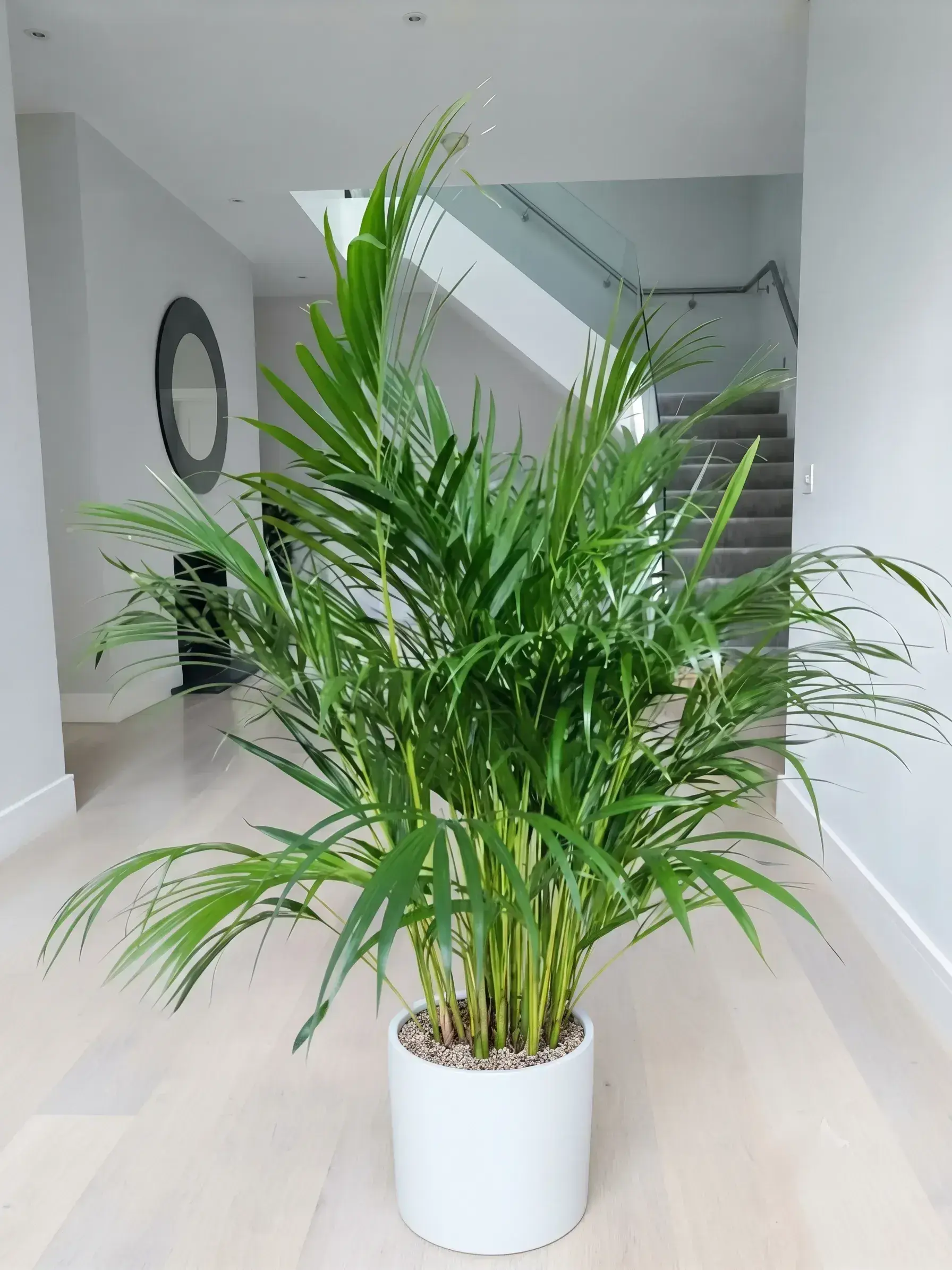
The Areca Palm Plant, botanically known as Dypsis lutescens (also widely referenced by its synonym Areca lutescens and accepted in current botanical taxonomy as Chrysalidocarpus lutescens), is one of India’s most beloved indoor and semi-outdoor ornamental palms. Native to Madagascar and prized worldwide as the Butterfly Palm or Golden Cane Palm, it brings effortless tropical elegance to living rooms, office cabins, reception lobbies, bedrooms, and shaded balconies.
With its graceful, arching feather-like fronds rising from multiple slender, bamboo-like golden-green stems, the Areca Lutescens Plant softens modern interiors and thrives reliably in Indian homes and workspaces. Given bright filtered light, well-draining potting mix, and consistent moderate watering, it grows into a lush, sculptural indoor focal point.
Plant Highlights
- Product Name: Areca Palm Plant | Areca Lutescens Plant (Dypsis lutescens) Palm for Home & Office
- Common Name: Areca Palm, Butterfly Palm, Golden Cane Palm, Yellow Palm, Bamboo Palm (note: distinct from Betel Nut / Supari Palm, Areca catechu)
- Botanical Name: Dypsis lutescens (historical synonym: Areca lutescens; current accepted taxonomic name: Chrysalidocarpus lutescens)
- Family: Arecaceae (Palm family)
- Plant Type: Evergreen perennial clustering (clumping) tropical palm
- Origin: Native to Madagascar; widely cultivated across tropical and subtropical India
- Flower Colour: Tiny pale yellow flowers borne on branched panicles in mature outdoor clumps
- Fruit Colour: Small oval yellow-to-dark-violet drupes on mature outdoor specimens
- Foliage: Arching, pinnate (feather-shaped) bright-to-medium green fronds divided into narrow, V-folded lance-shaped leaflets
- Growth Habit: Multi-stemmed, clustering palm with smooth, ringed yellowish-green canes
- Mature Height: Typically 1.2 to 2.5 meters (4 to 8 feet) indoors in containers; can reach 6 to 10 meters (20 to 33 feet) over many years in open tropical gardens
- Sunlight: Bright indirect indoor light or morning sun with filtered afternoon shade (avoid harsh direct midday sun)
- Watering: Moderate; keep soil lightly moist without waterlogging, allowing the top 2 to 3 cm of soil to dry slightly between waterings
- Suitable For: Living rooms, office desks and corners, reception areas, bedrooms near bright windows, and shaded balconies or patios
About the Areca Palm Plant
Dypsis lutescens—listed in modern botanical databases such as Kew Science under Chrysalidocarpus lutescens and historically known as Areca lutescens—belongs to the palm family Arecaceae and is indigenous to the moist coastal forests of Madagascar. Its English common name, Butterfly Palm, comes from the way its arching, divided fronds curve upward and outward like butterfly wings.
Gardeners should note a common naming distinction in India: while this popular houseplant is universally sold as the Areca Palm, it is botanically distinct from the tall, single-trunked Betel Nut / Supari Palm (Areca catechu). Dypsis lutescens grows in neat, multi-stemmed clusters that stay manageable in pots for years, making it ideal for indoor home and office decor.
Appearance and Growth Habit
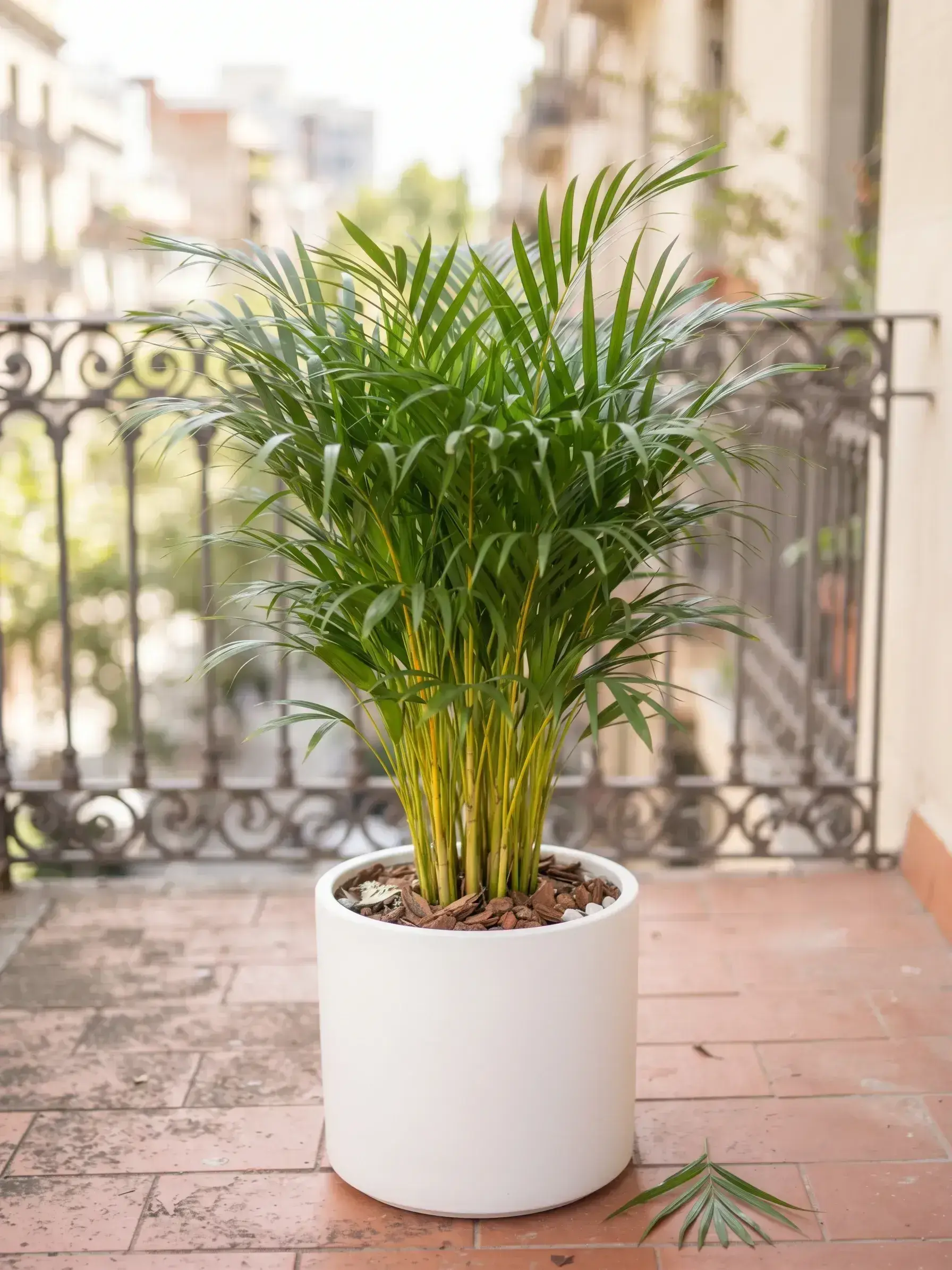
Unlike single-trunked palms, the Areca Lutescens Plant grows from the base in tidy clusters of slender, smooth, ringed canes tinged with warm yellow-green—especially when grown in bright light. From each stem rise graceful, arching pinnate fronds carrying 40 to 60 pairs of narrow, glossy green leaflets.
Indoors in containers, the plant gradually fills out into a lush, fountain-shaped clump 1.2 to 2.5 meters tall depending on pot size and light. In open frost-free tropical landscapes, mature clumps grow considerably taller over many years.
Flowers and Fruiting Notes
When grown outdoors to full maturity in warm tropical climates over several years, Dypsis lutescens produces branched panicles of small yellow flowers emerging below the crownshaft, followed by small oval fruits that ripen from green and yellow to dark violet-black.
When maintained indoors as a Home & Office palm, the plant focuses its energy on continuous foliage production rather than flowering.
Sunlight Requirements
The Areca Palm Plant performs best in bright, indirect indoor light—such as near a sunny east- or north-facing window, in a well-lit office lobby, or on a shaded balcony receiving gentle morning sun.
Avoid placing Dypsis lutescens in harsh, direct afternoon sunlight, which bleaches and scorches the delicate leaflets yellow-brown. Conversely, keeping it in very dim, windowless rooms slows growth and causes weak, drooping stems.
Watering Requirements
Originating in humid coastal forests, the Areca Lutescens Plant prefers evenly, lightly moist soil during active growth, paired with fast drainage so roots never sit in stagnant water.
Watering Indoors and in Summer
Check the top 2 to 3 cm of soil with your finger before watering—once it feels lightly dry, water thoroughly until excess water drains out of the bottom holes, then empty the saucer after 15 minutes. In warm summer rooms or bright balconies, this generally means watering every 2 to 4 days.
Watering During Monsoon and Winter
During humid monsoon months or in cool air-conditioned offices, soil dries out much more slowly. Reduce watering to once every 5 to 8 days, always checking moisture below the surface first. Overwatering is the most common cause of yellowing fronds and root rot in indoor palms.
Soil and Potting Requirements
Dypsis lutescens grows best in a loose, airy, humus-rich potting medium that holds light moisture while draining excess water quickly, with a slightly acidic to neutral pH between 6.0 and 6.8. Heavy garden clay compacts easily in indoor pots and suffocates palm roots.
Suggested Potting Mixture for Indoor Containers
This is a suggested potting mixture for indoor and balcony container cultivation rather than a rigid scientific formula: blend 35% cocopeat or composted leaf mold, 30% fertile loamy soil, 20% coarse river sand or perlite (for aeration), and 15% well-decomposed vermicompost, plus a small handful of neem cake powder. Always choose a container with clear drainage holes.
Growing the Plant in the Indian Climate
Dypsis lutescens adapts naturally to Indian homes, offices, and shaded balconies across tropical and subtropical cities—including Kolkata, West Bengal, Mumbai, Bengaluru, Chennai, Hyderabad, Pune, and Delhi-NCR.
Summer Care
During hot Indian summers, keep indoor Areca Palms away from scorching window glass and hot air-conditioning vents. Mist the fronds lightly with clean water a few times a week or wipe the leaflets with a damp cloth to maintain humidity and remove indoor dust.
Monsoon Care
Warm monsoon humidity suits the Areca Palm wonderfully, encouraging lush new fronds to unfurl. Ensure pots drain freely and reduce watering frequency when indoor air is naturally humid.
Winter Care
In northern Indian cities where winter night temperatures drop below 10°C–12°C, keep your Areca Palm indoors away from cold window drafts and reduce watering until spring warmth returns.
Temperature and Humidity
The Areca Palm Plant thrives in comfortable room temperatures between 18°C and 32°C and appreciates moderate to high humidity (50% to 75%). In dry air-conditioned offices, grouping plants together or placing the pot over a pebble tray with water (keeping the pot bottom above the water line) helps prevent dry brown leaflet tips.
Fertilizer and Nutrition
Because Dypsis lutescens is a moderate grower indoors, it needs only gentle, balanced feeding during its active warm growing season (spring through monsoon).
Top-dress potted plants once every 45 to 60 days from March to September with 150 to 250 grams of vermicompost (depending on pot size) or apply a half-strength organic liquid seaweed or compost tea fertilizer. Avoid feeding during winter dormancy and never apply strong chemical fertilizers, which can burn sensitive palm root tips.
Growing the Plant in Pots
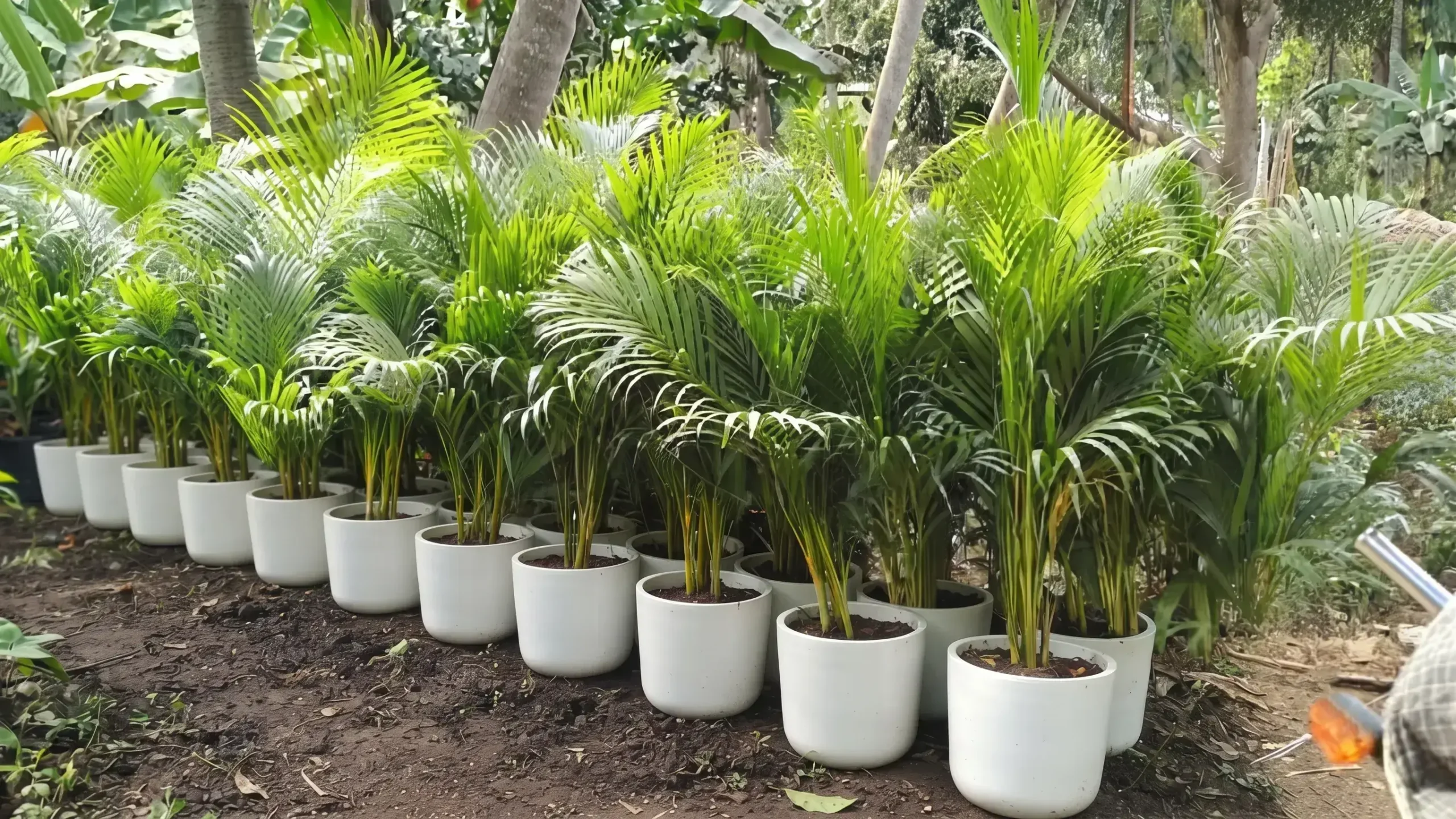
An Areca Lutescens Plant looks balanced and full in an 8-to-14-inch decorative ceramic, terracotta, or nursery pot with drainage holes. Because Areca Palms actually prefer slightly snug roots and dislike frequent root disturbance, repot only once every 2 years when roots fill the pot, stepping up just one pot size at a time.
Pruning and Maintenance
The Areca Palm Plant requires very little pruning and naturally maintains a graceful fountain silhouette.
Wait until an oldest outer frond turns completely yellow or brown before snipping its stalk cleanly near the base with sharp secateurs—never pull green stalks off the canes, and avoid cutting healthy green fronds in half.
Propagation
Because Dypsis lutescens grows in multi-stemmed clusters, mature clumps can be propagated by carefully dividing rooted basal offshoots (suckers) during spring or early monsoon, or commercially from fresh ripe seeds sown in warm, moist media.
Common Problems and Plant Care
Balanced watering, bright filtered light, and clean foliage prevent nearly all common indoor palm issues.
1. Brown, Crispy Leaflet Tips
Dry brown tips are most commonly caused by low indoor humidity (such as constant air conditioning), underwatering, or mineral salts in hard tap water. Mist fronds lightly, water evenly when the top soil dries, and use filtered or rested water if tap water is hard.
2. Yellowing Fronds
Gradual yellowing of a single oldest outer frond is normal leaf aging. However, if several fronds turn yellow or develop dark soft spots at the base, check for overwatering or poor pot drainage, and let the topsoil dry slightly before watering again.
3. Spider Mites or Mealybugs Indoors
Warm, dry indoor rooms can occasionally invite fine spider mites or small white mealybugs on leaflet undersides and stems. Wipe fronds gently with a damp cloth every two weeks, or spray diluted neem oil (3 ml per liter of water) outdoors in the evening.
4. Pale, Washed-Out Green Foliage
Yellowish-green, sun-bleached fronds indicate too much direct afternoon sunlight through a sunny window. Move the palm a few feet back into bright indirect light.
Suitability for Home & Office
The Areca Palm Plant (Dypsis lutescens) is ideal for living rooms, office cabins, conference rooms, reception lobbies, bedrooms near bright windows, and shaded balconies or verandas. It is not suited for unshaded outdoor afternoon summer sun or completely dark, windowless rooms.
Safety and Important Information
Dypsis lutescens (Chrysalidocarpus lutescens) is non-toxic to humans and listed by veterinary organizations such as the ASPCA as non-toxic to cats and dogs, making it a safe, pet-friendly houseplant for family homes and offices.
Live Plant Delivery Information
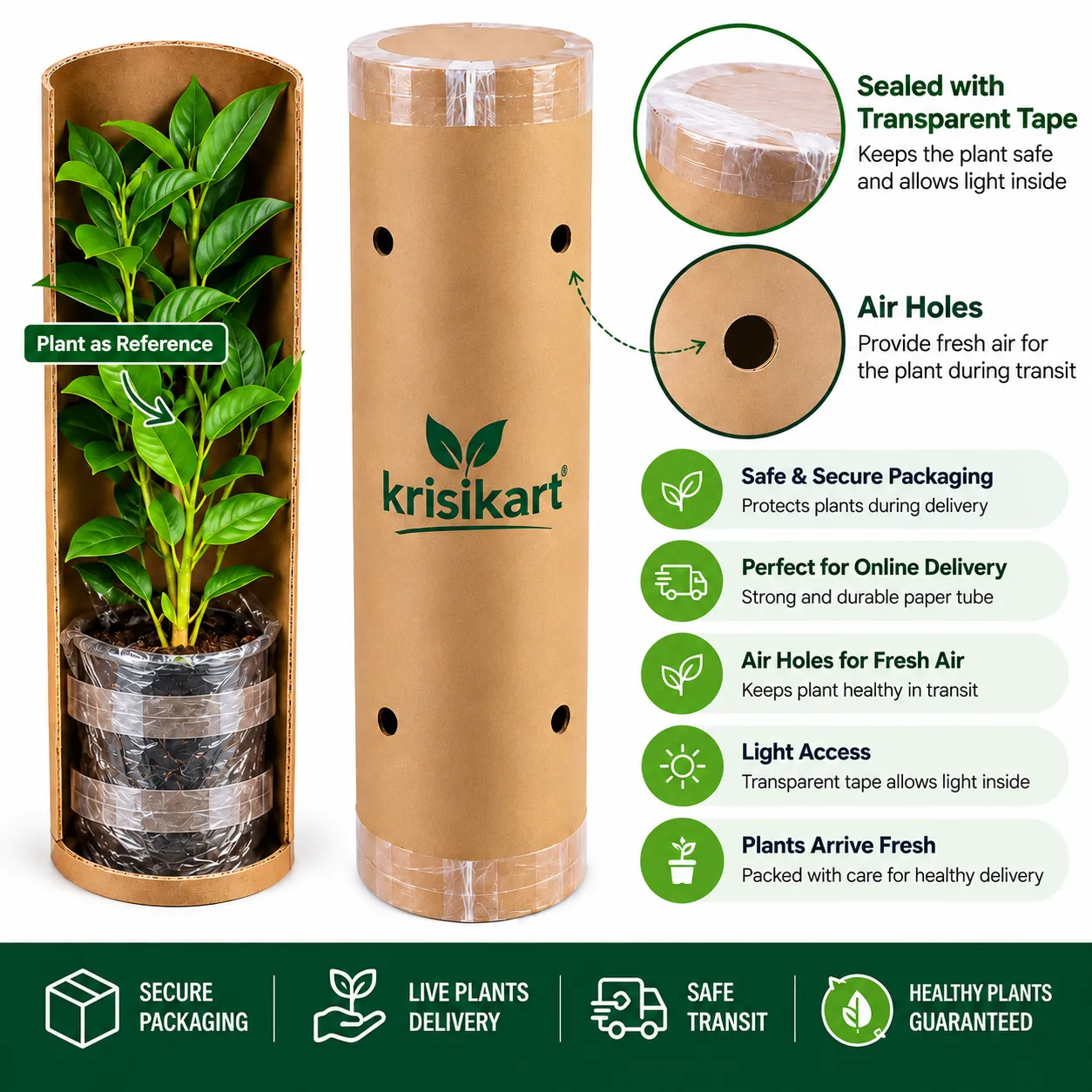
Live palms vary naturally in height, cane count, and frond spread. Mild transit stress can occur during shipping, and a lower outer frond or minor leaflet tip may show slight creasing or yellowing upon arrival.
Upon receiving your Areca Palm Plant, place it in bright, indirect indoor light away from direct sun and strong air-conditioning drafts for 3 to 4 days to recover. Check the soil moisture immediately and water gently if the top layer feels dry. Avoid applying fertilizers or repotting right away during the first 10 to 14 days while the plant acclimates.
Why Choose the Areca Palm Plant for Your Home & Office?
Graceful, pet-friendly, and adaptable to indoor rooms and shaded balconies alike, the Areca Lutescens Palm softens hard architectural lines with lush, arching greenery. Given bright indirect light, well-draining soil, and steady moderate moisture, Dypsis lutescens brings lasting tropical freshness to any home or workplace.
Botanical Information and Further Reading
- Kew Science – Plants of the World Online: Chrysalidocarpus lutescens (syn. Dypsis lutescens)
- Royal Horticultural Society (RHS) – Dypsis lutescens Plant Details
- ASPCA – Areca Palm (Dypsis lutescens) Non-Toxic Pet Safety Reference
- NParks Flora & Fauna Web – Chrysalidocarpus lutescens (Areca Palm) Profile
Frequently Asked Questions (FAQs)
1. What is the botanical name of the Areca Palm Plant?
The Areca Palm Plant is widely known in horticulture as Dypsis lutescens (synonym: Areca lutescens, and accepted in current botanical taxonomy as Chrysalidocarpus lutescens), belonging to the palm family Arecaceae.
2. Is indoor Areca Palm the same as Betel Nut / Supari Palm?
No, they are different palms. The indoor clustering ornamental palm is Dypsis lutescens, whereas the tall, single-trunked Betel Nut / Supari Palm is Areca catechu.
3. How much light does an Areca Palm need indoors?
It thrives in bright, indirect indoor light—such as near a bright window with sheer curtains or a well-lit office—and should be kept out of harsh direct afternoon sunlight.
4. How often should I water my Areca Lutescens Plant?
Check the top 2 to 3 cm of soil and water thoroughly whenever it feels lightly dry—typically every 2 to 4 days in warm weather and every 5 to 8 days during monsoon or winter.
5. Why are the leaf tips of my Areca Palm turning brown?
Brown leaflet tips are usually caused by very dry indoor air (such as air-conditioned rooms), underwatering, or mineral buildup from hard tap water. Light misting, steady soil moisture, and using filtered water help prevent dry tips.
6. Is the Areca Palm Plant safe for cats and dogs?
Yes, Dypsis lutescens is non-toxic to cats and dogs, making it a safe, pet-friendly indoor plant for homes and offices.
7. What is the best soil mix for growing an Areca Palm in a pot?
A loose, moisture-retentive yet well-draining mix of 35% cocopeat or leaf mold, 30% garden soil, 20% coarse sand or perlite, and 15% vermicompost works well.
8. Why are the stems of my Areca Palm turning yellow?
If the canes themselves have a warm golden-yellow tint while the fronds stay green, that is a natural trait of Dypsis lutescens (also called Golden Cane Palm). If the leaves turn yellow and soft at the base, check for overwatering.
9. How often should I repot my Areca Palm Plant?
Repot only once every 2 years when roots fill the pot, stepping up one pot size at a time, as Areca Palms dislike frequent root disturbance.
10. Should I mist my Areca Palm indoors?
Yes, light misting a few times a week—especially in dry summer months or air-conditioned offices—helps maintain humidity and keeps the fronds lush.
11. How often does an indoor Areca Palm need fertilizer?
Feed lightly once every 45 to 60 days from March to September with vermicompost or half-strength organic liquid fertilizer, and pause feeding during winter.
12. Can I keep an Areca Palm Plant in an outdoor sunny garden?
In tropical Indian gardens, mature clumps can grow outdoors in partial shade or filtered sun, though indoor-acclimated plants will scorch if moved suddenly into full afternoon sun.
For More Information
Visit: krisikart.com
For Contact Visit:Contact Us
For Shopping Visit: Shop Page


Rakesh Nandi –
Beautiful plants for my garden.
Thank you, Krisikart, for the excellent service.