 Plastic Plant pot | Plastic Garden Pot for Plants
 Self Watering Planters | Self Watering Plant Pots For Plants
Bunny Cactus | Cactus Rabbit Ears (Opuntia microdasys) for Home Garden
Introduction
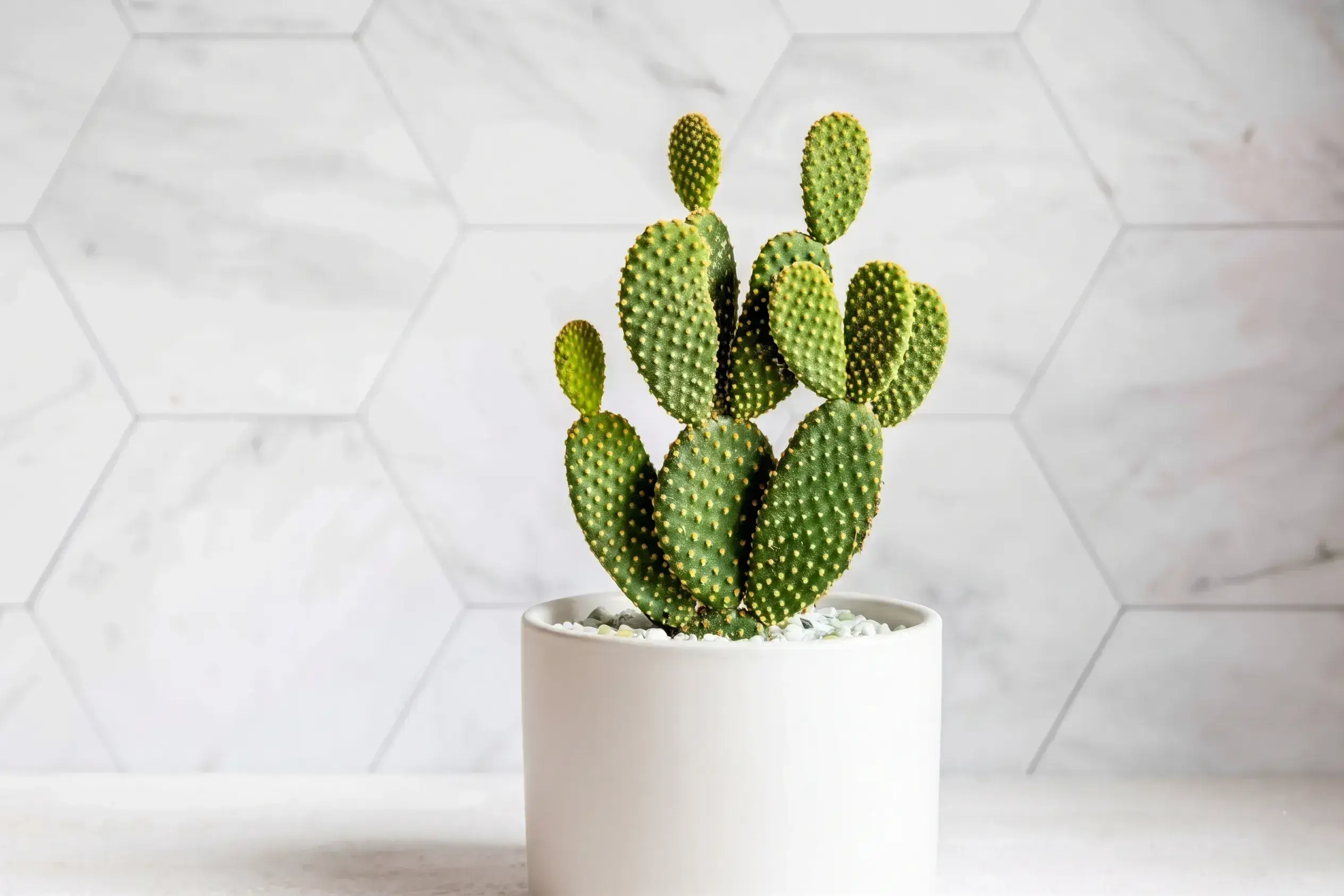
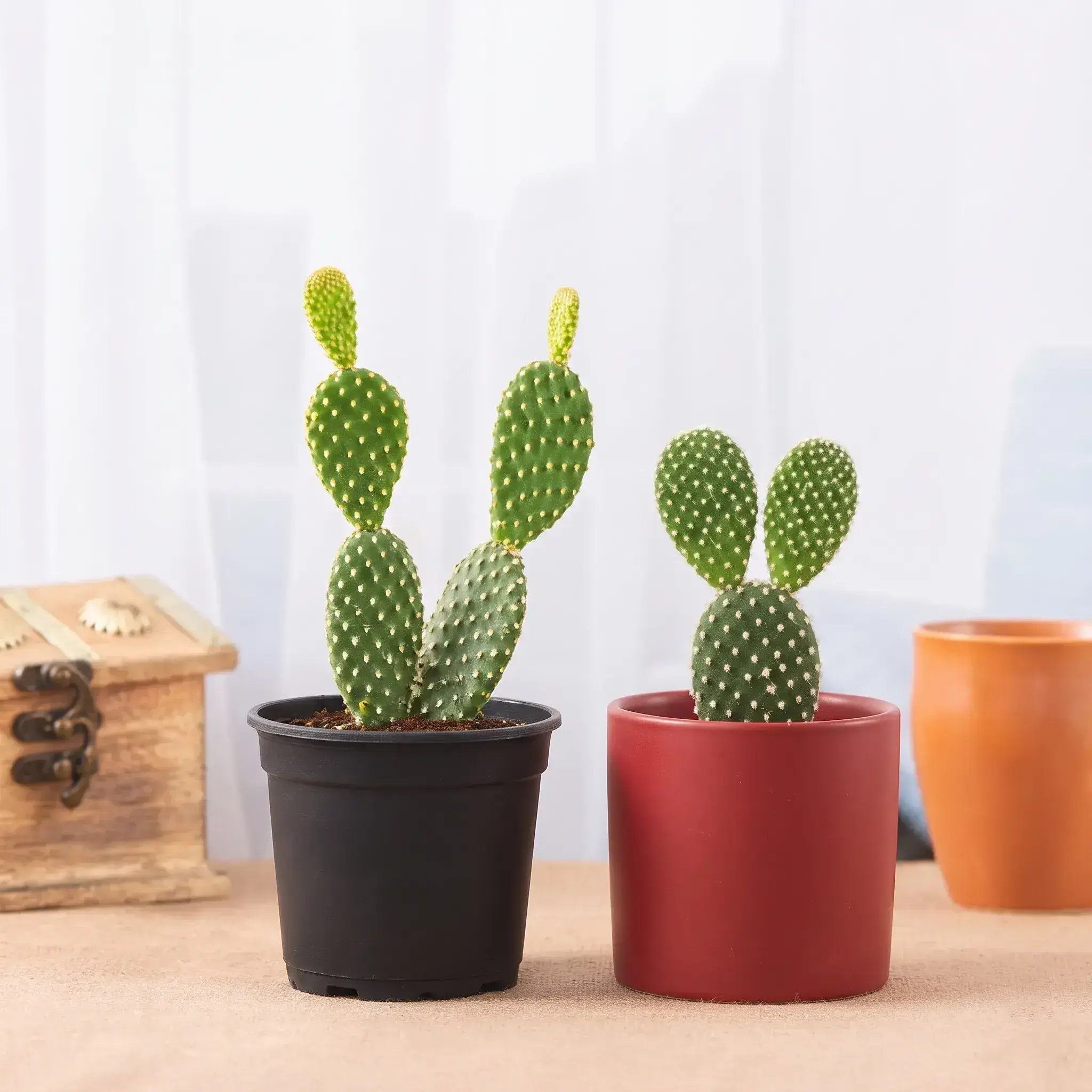
The Bunny Cactus, affectionately known as the Cactus Rabbit Ears, Angel’s Wings, or Polka-Dot Cactus, is one of the most charming and recognizable miniature cacti for home gardens and sunny tabletops. Botanically classified as Opuntia microdasys, this drought-tolerant succulent features flat, velvety green pads arranged in pairs that closely resemble the ears of a rabbit, dotted with neat rows of golden-yellow, white, or reddish-brown fuzzy clusters.
Compact, sculptural, and remarkably easy to care for, the Bunny Cactus is a favorite among beginner plant lovers and succulent collectors across India. Whether placed on a sunny windowsill, a bright balcony ledge, or in a dry rockery arrangement, this low-maintenance cactus adds playful desert character to small spaces without demanding frequent watering.
Plant Highlights
- Product Name: Bunny Cactus | Cactus Rabbit Ears (Opuntia microdasys)
- Common Name: Bunny Cactus, Cactus Rabbit Ears, Bunny Ears Cactus, Angel’s Wings, Polka-Dot Cactus
- Botanical Name: Opuntia microdasys
- Family: Cactaceae (Cactus family)
- Plant Type: Evergreen perennial succulent cactus
- Origin: Central and Northern Mexico (Chihuahuan Desert)
- Flower Colour: Bright lemon-yellow to pale yellow (occasionally tinged with red at the outer petals)
- Foliage / Stems: Flat, oval to oblong green stem pads (cladodes) covered with evenly spaced areoles containing fine glochids
- Growth Habit: Low-growing, branching, shrubby cluster of upright pads
- Mature Height: Typically 30 to 60 cm (1 to 2 feet) tall in containers; up to 90 cm in ideal outdoor desert landscapes
- Sunlight: Bright direct sunlight to intense filtered light (4 to 6 hours daily)
- Watering: Low; water only when the potting soil dries out completely
- Suitable For: Sunny windowsills, balconies, terrace cactus gardens, desk corners with direct sun, and succulent arrangements
About the Bunny Cactus
Opuntia microdasys belongs to the prickly pear genus within the family Cactaceae and is native to the arid highlands of central and northern Mexico. Unlike many cacti that have long, woody spines, this species lacks large central spines and instead carries dense, button-like tufts of tiny barbed bristles called glochids arranged in symmetrical polka-dot patterns across its pads.
In Indian home gardening, the Bunny Cactus is grown primarily as an ornamental container plant. Because of its compact size, slow-to-moderate growth rate, and tolerance for heat and dry air, it thrives on sunny apartments, balconies, and dry patio spaces where space is limited.
Appearance and Growth Habit
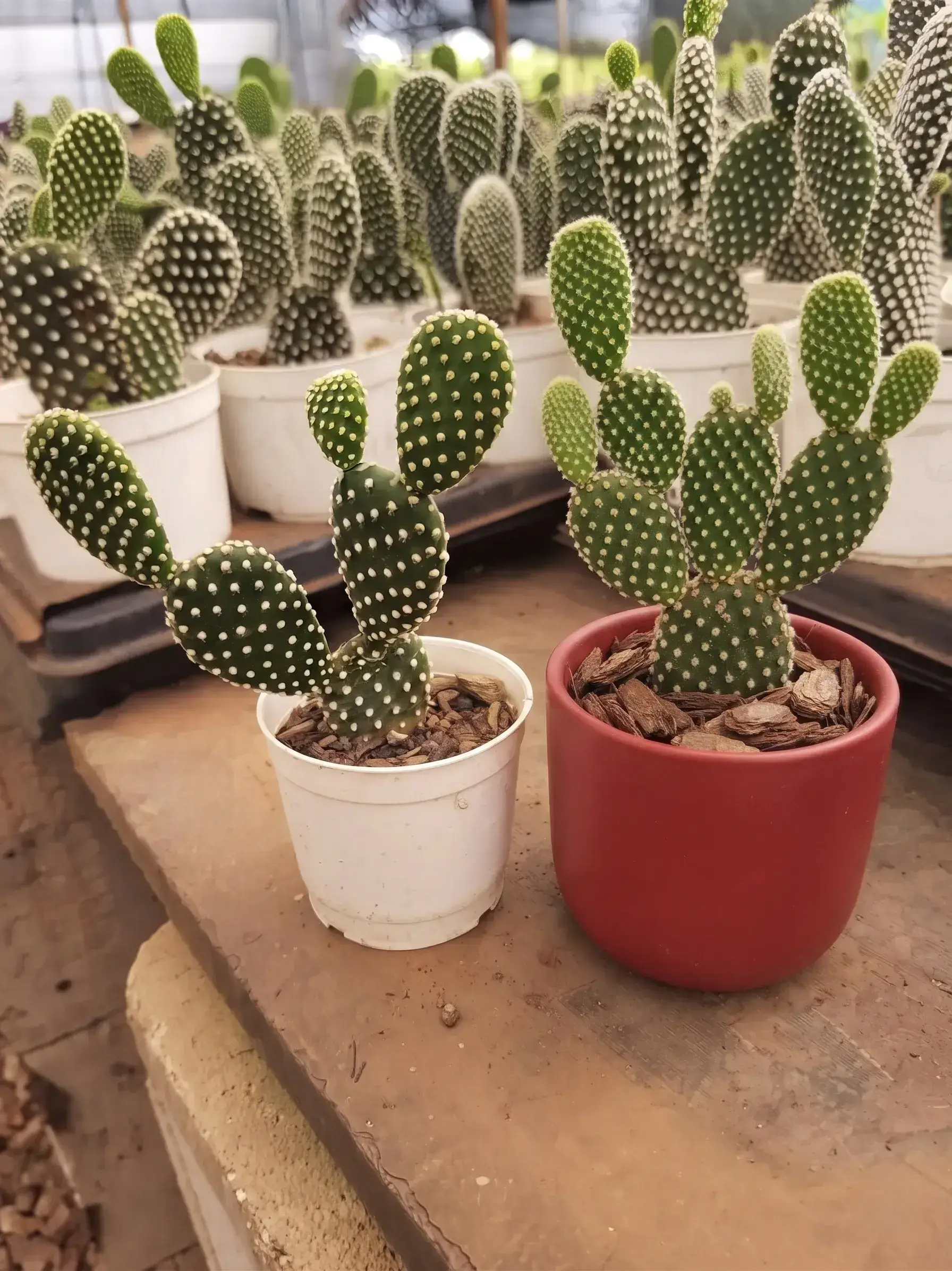
The Bunny Cactus grows as a branching clump of flattened, paddle-shaped stem segments known as cladodes. Young pads emerge from the upper edges of older pads in pairs, creating the signature bunny-ear silhouette that gives the plant its popular name. Each pad typically measures 5 to 15 cm long and 4 to 10 cm wide, displaying a soft, matte olive-green to bright green skin.
Across the surface of each pad are neatly spaced circular spots (areoles) filled with tiny hair-like glochids. Depending on the natural variety or cultivar—such as golden-yellow (Opuntia microdasys), white (subsp. albispina), or reddish-brown (subsp. rufida)—these velvety dots create a striking visual contrast against the green pads.
Foliage and Flowering Characteristics
In cacti, the green pads perform photosynthesis in place of true leaves. Under bright sunlight and mature growing conditions, the Bunny Cactus occasionally produces cup-shaped, bright yellow flowers along the upper rims of its pads during late spring or early summer.
Potted indoor or balcony specimens flower less frequently than plants grown in full outdoor desert sun, as blooming depends on strong light exposure, mature plant age, and a distinct cool, dry winter rest period.
Sunlight Requirements
The Bunny Cactus loves bright light and thrives with at least 4 to 6 hours of direct sunlight daily. Morning and late-afternoon sun keep the pads compact, sturdy, and evenly shaped.
In Indian regions experiencing intense summer afternoon heat above 38°C to 40°C, providing light shade or filtered sunlight during peak midday hours prevents sunburn (yellowish-white scorched patches) on the pads. Conversely, keeping the plant in a dim corner causes etiolation, where new pads grow thin, stretched, and weak.
Watering Requirements
Like all desert cacti, Opuntia microdasys stores water inside its fleshy pads and is far more tolerant of drought than excess moisture.
Watering During Summer and Active Growth
Follow the soak-and-dry method: water thoroughly until water drains out of the bottom holes, then allow the entire potting mix to dry out completely before watering again. Depending on pot size and heat, this usually means watering once every 7 to 12 days in summer.
Watering During Monsoon and Winter
During the humid Indian monsoon, reduce watering drastically—often once every 2 to 3 weeks or only when the soil is bone-dry—since high air humidity slows evaporation. In winter, when the cactus enters semi-dormancy, water sparingly once every 3 to 4 weeks just enough to prevent the pads from shriveling.
Soil and Potting Requirements
Fast-draining, porous soil is essential for preventing root and stem rot in the Bunny Cactus. Standard garden clay or moisture-retentive potting soil holds too much water around the roots.
Suggested Potting Mixture for Bunny Cactus
Prepare a gritty, fast-draining cactus mix using 40% coarse river sand or perlite, 30% well-draining garden soil or coco-peat-free loam, and 30% pumice, crushed brick, or gravel, along with a small handful (about 10%) of vermicompost. Always plant in a terracotta or ceramic pot with a clear drainage hole at the bottom, as unglazed clay pots allow excess moisture to evaporate quickly.
Growing the Plant in the Indian Climate
The Bunny Cactus adapts well to most Indian homes when protected from excessive monsoon rain.
Summer Care
It handles Indian summer warmth easily. Keep it in a bright spot with good air circulation, and shield potted plants from harsh afternoon sun during May and June heatwaves.
Monsoon Care
Heavy monsoon rain and high humidity in cities like Kolkata, Mumbai, Chennai, and Bengaluru pose the biggest risk to cacti. Keep your Bunny Cactus under a covered balcony, rain shelter, or bright windowsill during the rainy season so rainwater does not soak the pot continuously.
Winter Care
Indian winters are generally mild and ideal for resting cacti. Keep the plant in full sun during winter and cut back on watering until spring warmth returns.
Temperature and Humidity
Opuntia microdasys prefers warm, dry conditions with temperatures between 18°C and 35°C and low to moderate humidity. It can tolerate brief drops down to 5°C to 7°C if kept completely dry, though frost must be avoided. Good airflow is especially helpful during humid months to keep fungal spots away.
Fertilizer and Nutrition
The Bunny Cactus has very modest nutrient needs and does not require heavy feeding.
During the active growing season from spring through early autumn (March to September), feed once a month with a diluted low-nitrogen cactus or succulent fertilizer (diluted to half or quarter strength) or a light top-dressing of well-aged vermicompost in spring. Avoid fertilizing during winter dormancy or immediately after repotting, as excess nitrogen causes soft, weak pad growth that is prone to rot.
Growing the Plant in Pots
Because of its compact clump-forming habit and shallow root system, the Bunny Cactus is ideally suited for long-term container cultivation. Choose a shallow, wide pot that is only 2 to 3 cm wider than the plant’s base, as oversized pots hold excess wet soil. Repot every 2 to 3 years in spring when the cluster outgrows its container.
Pruning and Maintenance
Maintenance is minimal. If a pad becomes damaged, overcrowded, or leans awkwardly, gently twist or cut it off at the joint using a clean, sterilized knife and tongs.
Keep the soil surface free of fallen debris and avoid misting the pads with water, as trapped moisture in the fuzzy areoles can encourage fungal rot.
Propagation
The Bunny Cactus is remarkably easy to propagate from stem pads.
Propagation by Pad Cuttings
Using tongs or folded newspaper to protect your fingers, detach a healthy, mature pad at its base joint. Place the cut pad in a dry, shaded spot for 5 to 7 days until the cut end dries and forms a protective callus. Once calloused, insert the base 2 to 3 cm deep into dry, gritty cactus mix. Wait 5 to 7 days before giving a light watering; roots typically develop within 3 to 4 weeks.
Common Problems and Plant Care
Most issues with Opuntia microdasys stem from excess moisture or insufficient sunlight.
1. Soft, Mushy, or Blackening Base
This is a classic sign of overwatering or poor drainage leading to root and stem rot. Stop watering immediately; if the base is mushy, cut away healthy upper pads, let them callus for a week, and re-root them in fresh, dry cactus soil.
2. Thin, Stretched, or Pale New Pads (Etiolation)
When grown in low light, new pads grow abnormally narrow and elongated as the cactus reaches for light. Gradually move the pot to a brighter location with direct morning sunlight.
3. Wrinkled or Shriveled Pads
Wrinkling usually indicates underwatering during hot weather, or occasionally root loss from past overwatering. Check the soil—if bone-dry, water thoroughly so the pads plump back up over a few days.
4. Mealybugs or Scale Insects
Tiny white cottony mealybugs sometimes hide around the base of pads or in areoles. Dab affected spots with a cotton swab dipped in 70% isopropyl rubbing alcohol or spray diluted neem oil (3 ml per liter of water) in the evening.
Suitability for Home Gardens
The Bunny Cactus is well suited for sunny balconies, bright windowsills, covered terrace gardens, courtyard tables, and indoor rooms that receive several hours of direct sunlight through a window. It is not recommended for dark rooms, bathrooms, or exposed outdoor beds in heavy-rainfall regions where monsoon moisture cannot be controlled.
Safety and Important Information
Although the Bunny Cactus looks soft and fuzzy, it should be handled with great care. Those tiny velvet dots are packed with microscopic, barbed bristles (glochids) that detach at the slightest touch and embed easily into skin, causing persistent irritation and itching. Keep the plant well out of reach of young children and curious pets.
Never touch the pads with bare hands—always use kitchen tongs, thick leather gloves, or folded thick paper when moving or repotting the cactus. If glochids get on your skin, gently lift them out using adhesive tape or tweezers rather than rubbing the area.
Live Plant Delivery Information
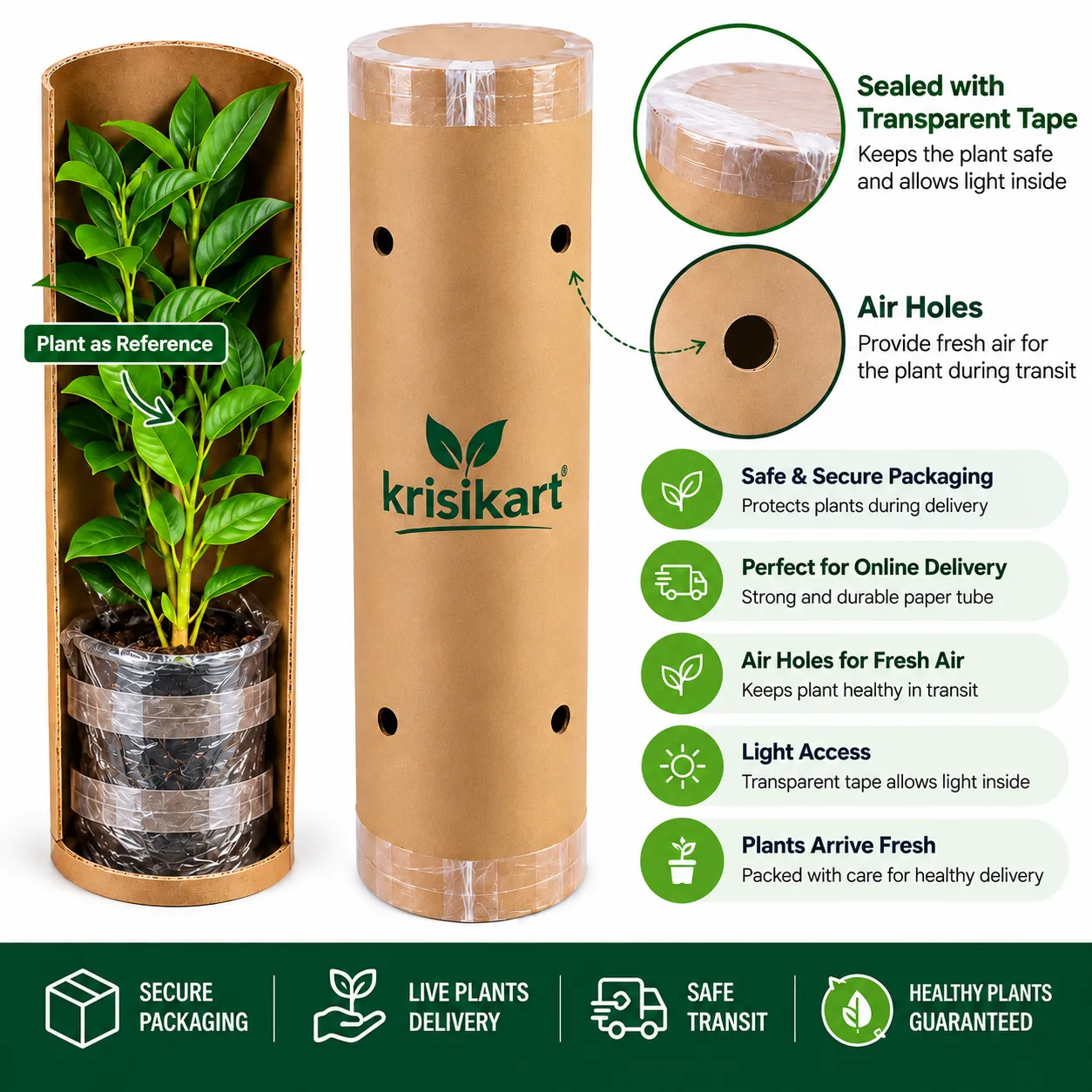
Live cactus plants vary naturally in pad count, height, and branching shape. During shipping, mild transit stress may occur, and slight surface scuffs or minor drying at the base of older pads are normal.
After unpacking your Bunny Cactus carefully using tongs or protective gloves, place it in bright indirect light for 2 to 3 days before gradually introducing it to direct morning sun. Check the soil before watering—only water if the potting mix is completely dry. Avoid fertilizing or repotting immediately after arrival, giving the plant a week or two to settle comfortably into your home.
Why Choose the Bunny Cactus for Your Garden?
With its charming rabbit-ear silhouette, neat golden-yellow polka dots, and resilient desert nature, the Bunny Cactus brings effortless personality to any sunny corner. It is an ideal starter cactus for busy gardeners who want an eye-catching, drought-tolerant plant that thrives in small pots with minimal upkeep.
Botanical Information and Further Reading
- Kew Science – Plants of the World Online: Opuntia microdasys (Lehm.) Pfeiff.
- Royal Horticultural Society (RHS) – Opuntia microdasys Plant Details
- Missouri Botanical Garden – Opuntia microdasys Plant Finder
- World of Succulents – Opuntia microdasys (Bunny Ears Cactus) Guide
- University of Wisconsin-Madison Extension – Prickly Pear Cacti Care
Frequently Asked Questions (FAQs)
1. What is the botanical name of the Bunny Cactus?
The accepted botanical name of the Bunny Cactus or Cactus Rabbit Ears is Opuntia microdasys, belonging to the cactus family Cactaceae.
2. Are the fuzzy dots on the Bunny Cactus safe to touch?
No, although they look soft and harmless, those fuzzy clusters contain tiny barbed bristles called glochids that stick into the skin on contact and cause irritation. Always handle the plant with tongs or thick gloves.
3. Can I keep a Bunny Cactus indoors?
Yes, you can grow a Bunny Cactus indoors provided it sits right next to a bright, sunny window receiving at least 4 to 6 hours of direct sunlight daily. Low indoor light causes weak, stretched growth.
4. How often should I water my Bunny Cactus?
Water only when the potting soil has dried out completely. In warm weather, this is usually once every 7 to 12 days, while in monsoon and winter, watering once every 2 to 4 weeks is sufficient.
5. What kind of soil does Opuntia microdasys need?
It needs a gritty, fast-draining cactus and succulent potting mix containing coarse river sand, perlite, or pumice so water drains rapidly and never sits around the roots.
6. How should I care for a Bunny Cactus during the Indian monsoon?
Keep the pot under a rain-protected balcony or bright indoor windowsill during heavy monsoon rains, and water very sparingly so high humidity does not cause root rot.
7. Does the Bunny Cactus produce flowers?
Yes, mature plants grown in strong sunlight can produce bright yellow, cup-shaped flowers along the top edges of the pads in late spring or summer, though indoor potted plants bloom less often.
8. How big does a Bunny Cactus grow?
In containers, it typically grows into a compact, branching cluster 30 to 60 cm tall and wide over several years.
9. Why are the new pads on my Bunny Cactus growing thin and long?
Thin, stretched pads (etiolation) happen when the plant is not getting enough direct sunlight. Gradually move it to a sunnier spot for healthier, rounded pad growth.
10. How do I propagate a Bunny Cactus?
Detach a mature pad using tongs, let the cut end dry in the shade for 5 to 7 days until calloused, and plant it in dry, well-draining cactus mix until roots form.
11. Is the Bunny Cactus safe for pets and children?
While not chemically poisonous, its tiny barbed glochids can cause painful skin, mouth, and eye irritation if touched or sniffed. Keep it on high shelves or out of reach of children and pets.
For More Information
Visit: krisikart.com
For Contact Visit:Contact Us
For Shopping Visit: Shop Page


smita sharma –
Fresh plants with nice green leaves.
Worth the money.