 Plastic Plant pot | Plastic Garden Pot for Plants
 Self Watering Planters | Self Watering Plant Pots For Plants
Bael Fruit Plant | Bel Patra Plant (Aegle marmelos) Amarbel, Indian Bael Fruit Plant
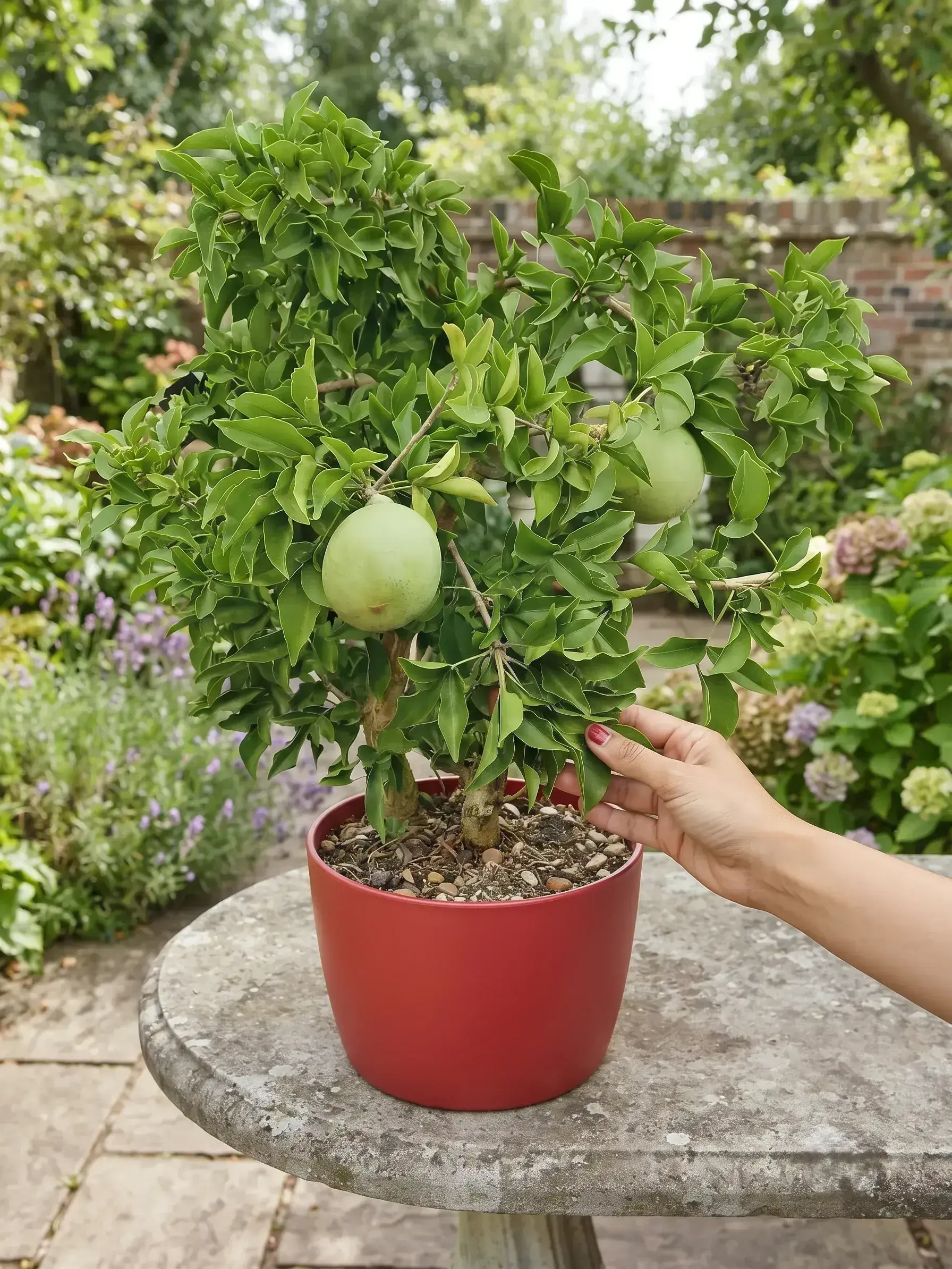
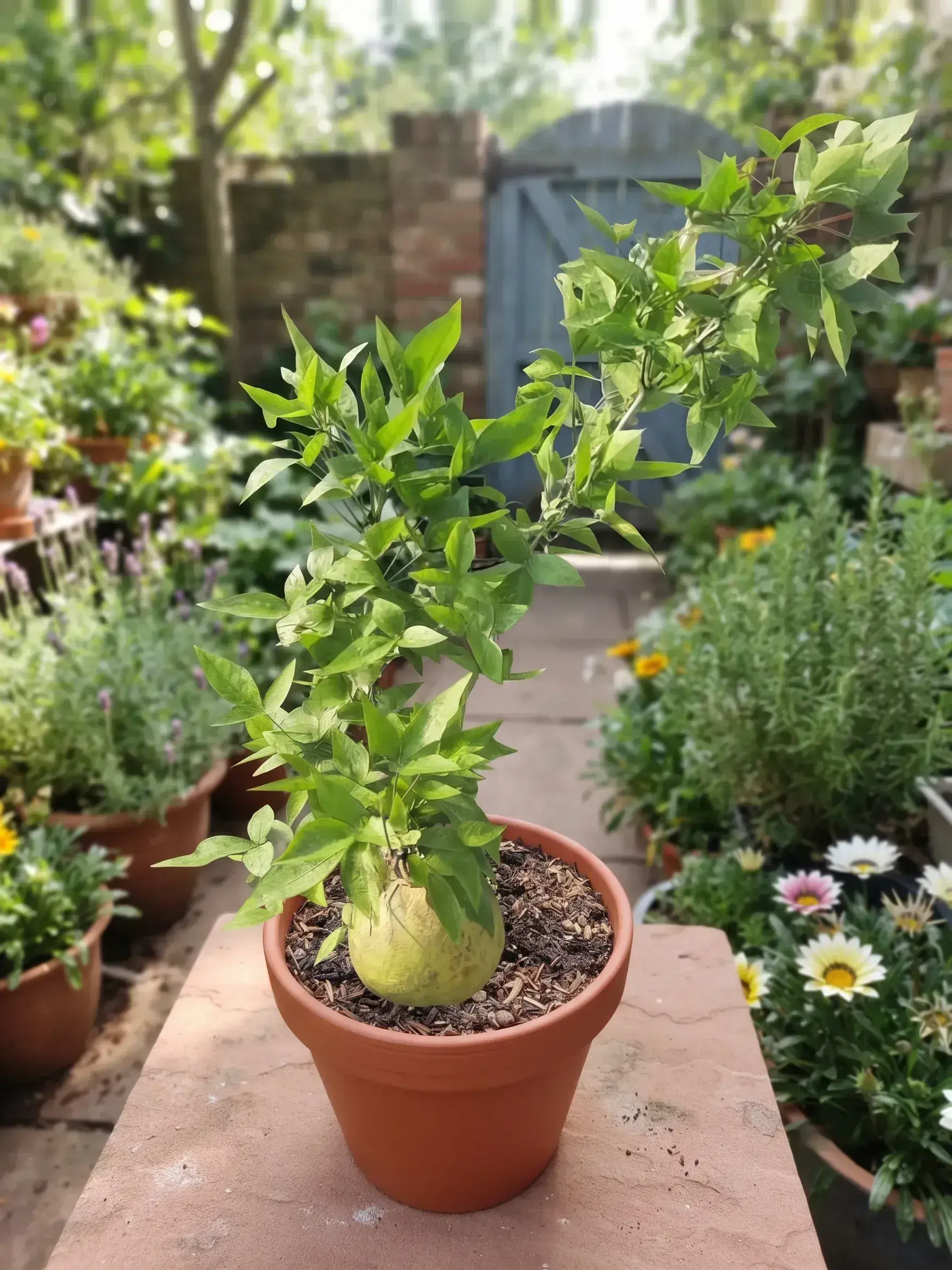
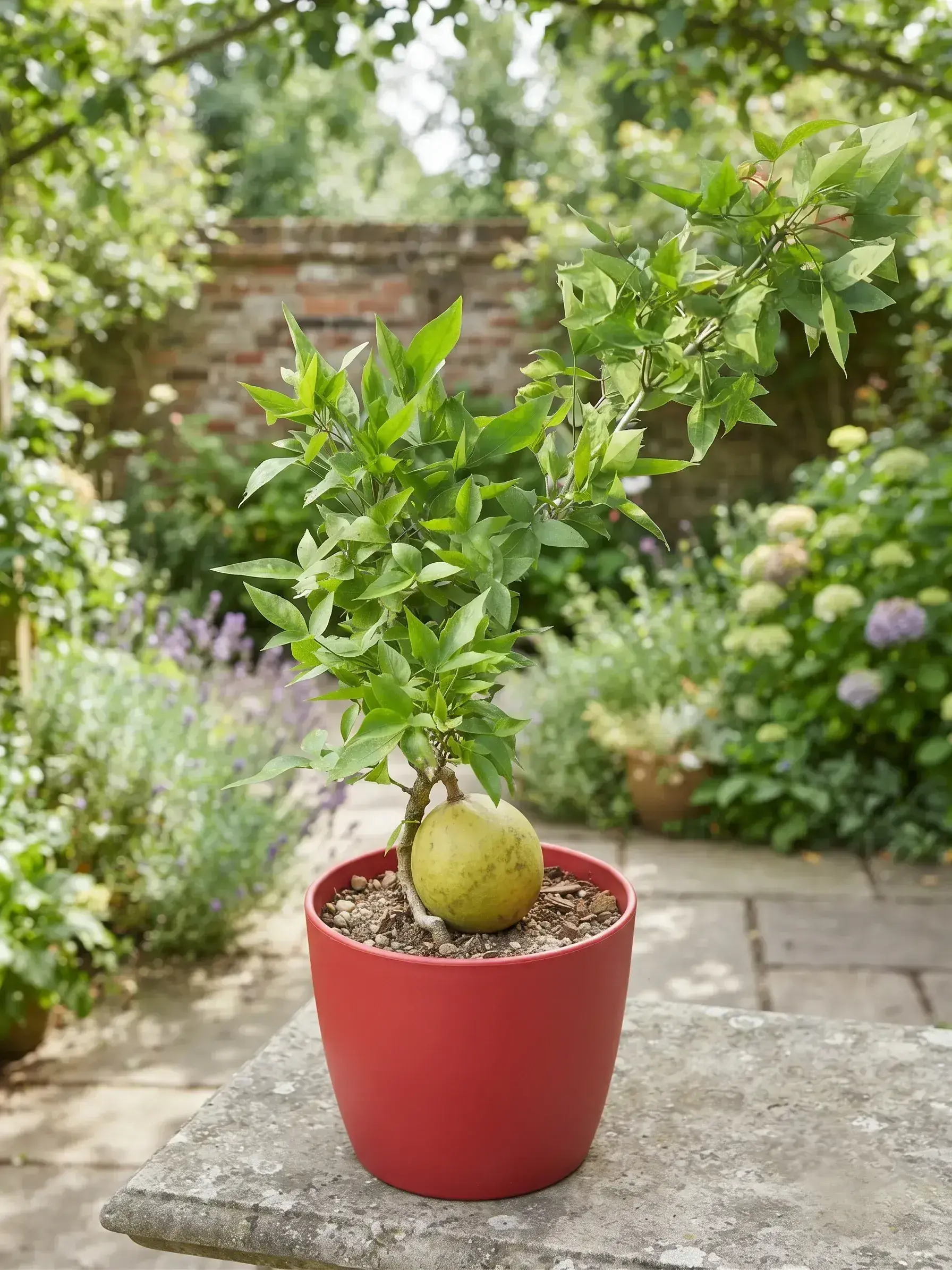
The Bael Fruit Plant Also known As Bel Patra Plant (Aegle marmelos) Amarbel, Indian Bael Fruit Plant , is a hardy, sacred, and fruit-bearing deciduous-to-semi-evergreen tree native to the Indian subcontinent. This grafted Amarbel Bael Fruit Plant combines traditional cultural value with improved horticultural performance, making it well suited for spacious home gardens, farmhouses, and large outdoor containers while young.
Unlike wild seed-grown trees that grow very tall and take many years to bear fruit, a grafted Indian Bael Fruit Plant retains the desirable fruit size, thin rind, and sweet, aromatic pulp of its parent selection while staying easier to manage. Whether grown for fresh Bel Patra leaves, shade, or homegrown summer fruits, Aegle marmelos is remarkably resilient in warm Indian climates.
Plant Highlights
- Product Name: Bael Fruit Plant | Bel Patra Plant (Aegle marmelos) Amarbel, Indian Bael Fruit Plant (Grafted) for Home Garden
- Common Name: Bael, Bel, Bel Patra, Bengal Quince, Stone Apple, Golden Apple, Wood Apple (regional)
- Botanical Name: Aegle marmelos
- Cultivar / Trade Selection: ‘Amarbel’ (Grafted Indian nursery fruit selection; distinct from the unrelated parasitic vine Cuscuta reflexa)
- Family: Rutaceae (Citrus / Rue family)
- Plant Type: Slow-to-moderate growing perennial fruit tree
- Origin: Native to the Indian subcontinent and Southeast Asia
- Flower Colour: Greenish-white to pale yellowish-white
- Flower Fragrance: Mildly sweet and aromatic
- Fruit Colour: Greenish-grey maturing to yellowish-green with a hard woody shell and bright orange-yellow aromatic pulp
- Foliage: Alternate, trifoliate (three-parted) glossy green aromatic leaves
- Growth Habit: Upright, branching tree with slender woody spines on young shoots and light grey flaking bark
- Mature Height: Typically 6 to 10 meters (20 to 33 feet) in open ground for grafted trees (wild seedlings can grow taller); can be kept compact at 2 to 3 meters with pruning
- Sunlight: Full direct sunlight (at least 6 hours daily)
- Watering: Low to moderate once established; drought-tolerant once rooted, requiring well-drained soil
- Suitable For: Open home gardens, farmhouses, temple or courtyard landscapes, and large outdoor containers while young
About the Bael Fruit Plant
Aegle marmelos is the sole species in the genus Aegle and belongs to the Rutaceae family alongside citrus fruits. Native to India, Nepal, Bangladesh, Myanmar, and surrounding regions, the tree holds deep cultural and traditional significance across India, where its characteristic three-leaflet leaves (Bel Patra) are widely used in daily rituals and festivals.
In Indian horticulture, grafted varieties such as the Amarbel Bael Fruit Plant—alongside improved selections developed by Indian agricultural institutions—are favored over seed-grown saplings because grafting preserves sweet, low-fiber pulp quality and promotes earlier flowering and fruiting on a more compact frame.
Appearance and Growth Habit
The Bael Fruit Plant develops an upright trunk covered in pale grey, corky bark that flakes into irregular strips as the tree ages. Its branches carry straight, sharp axillary spines, particularly on younger shoots, though grafted selections often become less thorny on mature fruiting wood.
Its signature leaves are trifoliate—composed of three lance-shaped to oval leaflets, with the terminal leaflet slightly larger than the two side leaflets. When crushed, the glossy green leaves release a pleasant, mild citrus-herbal aroma. In tropical and subtropical India, the tree is semi-evergreen or briefly deciduous, shedding older leaves in late winter or early spring before flushing with fresh coppery-green foliage.
Flowers and Flowering Season
In India, the Bael Fruit Plant typically flowers between April and June, shortly after the spring flush of new leaves appears. The blossoms grow in short lateral panicles or clusters along the twigs.
Each flower has four or five fleshy, greenish-white petals and numerous pale yellow stamens, giving off a subtle sweet fragrance that attracts honeybees and other native pollinators. Grafted plants generally begin flowering in 3 to 4 years under good sunlight and care, compared to 7 to 10 years for seed-grown trees.
Fruits and Harvest
Following pollination, Bael fruits develop slowly on the tree over 9 to 11 months, ripening during the following hot summer months from March to May. Mature fruits are round to slightly oval, encased in a smooth, hard, woody shell that turns from dull green to yellowish-green when ripe.
Fruit Pulp and Culinary Use
Inside the hard shell lies soft, fragrant, bright orange-yellow pulp divided into segments containing mucilaginous juice and flat, woolly seeds. Ripe Bael pulp is traditionally strained and blended with water, jaggery, or sugar to prepare refreshing summer Bael sharbat, squashes, and preserves.
Pollination and Fruiting Factors
Aegle marmelos is largely self-compatible and pollinated by insects, so a single grafted Bael tree can set fruit on its own in an outdoor garden. Fruiting performance depends on full sunlight, adequate root space, and avoiding waterlogging during flowering and fruit set.
Sunlight Requirements
The Bael Fruit Plant thrives in full, unobstructed sunlight for at least 6 to 8 hours every day. Direct sunlight encourages sturdy branch development, dense Bel Patra foliage, and proper flowering and fruit ripening.
Planting in heavy shade causes weak, spindly growth, sparse leaves, and poor flowering. Choose an open, sunny spot in your garden or on a sunlit terrace.
Watering Requirements
Once established, Aegle marmelos is notably drought-hardy and tolerates dry spells better than most garden fruit trees, though young saplings need steady moisture to build deep roots.
Watering During Establishment and Summer
During the first few months after planting, water every 3 to 4 days so the root zone remains lightly moist without becoming soggy. In scorching Indian summers, water young ground-planted trees once every 7 to 10 days and potted plants every 3 to 4 days once the top 4 to 5 cm of soil dries out.
Watering During Monsoon and Winter
During the monsoon, pause manual watering when rainfall is regular and make sure excess rainwater drains away quickly. In winter, when the tree enters natural rest and may shed older leaves, water sparingly—once every 12 to 15 days—only when the soil becomes dry.
Soil and Potting Requirements
The Bael Fruit Plant is exceptionally adaptable and grows well in sandy loam, alluvial soil, clay loam, and even moderately alkaline or rocky soils, provided drainage is good. It tolerates a broad soil pH range roughly between 5.5 and 8.0.
Suggested Potting Mixture for Young Plants
If growing a young grafted Bael Plant in a large container, use a well-draining mix of 50% fertile garden soil, 25% coarse river sand or perlite, and 25% well-decomposed cow dung manure or vermicompost, plus a handful of neem cake powder. Make sure the pot has unobstructed drainage holes at the base.
Growing the Plant in the Indian Climate
Native to India, Aegle marmelos is naturally adapted to tropical and subtropical plains across almost the entire country, including West Bengal, Uttar Pradesh, Bihar, Odisha, Madhya Pradesh, Maharashtra, Gujarat, Rajasthan, and southern states.
Summer Care
Bael thrives in intense summer heat and dry winds—in fact, hot summer weather is when Bael fruits ripen best. Apply a light organic mulch around young saplings to protect surface roots from extreme heat.
Monsoon Care
In warm, high-rainfall regions such as Kolkata, West Bengal, and coastal India, the Bael Plant grows vigorously during the monsoon. Ensure the planting spot is slightly raised or well-drained so rainwater never stagnates around the trunk base.
Winter Care
During winter, growth slows naturally and older leaves may yellow and drop prior to spring renewal. Avoid heavy watering or fertilizing during mid-winter dormancy; resume normal care in February as new shoots emerge.
Temperature and Humidity
Aegle marmelos tolerates wide temperature extremes, thriving in warm climates from 20°C up to 45°C while withstanding brief winter dips down to 4°C–5°C once mature. It adapts well to both dry heat and humid monsoon conditions, though young saplings should be shielded from severe ground frost.
Fertilizer and Nutrition
The Bael Fruit Plant has modest nutrient needs compared to heavy-feeding citrus trees, responding well to annual organic enrichment.
Apply 5 to 10 kg of well-rotted farmyard manure or vermicompost around the root zone of ground-planted trees twice a year—once in February before spring leaf flush and again in August or September after peak monsoon rains. For young potted plants, top-dress with 250 to 400 grams of vermicompost every two months during spring and monsoon. Avoid excessive chemical nitrogen, which promotes soft, thorny vegetative shoots over flowering.
Growing the Plant in Pots
A grafted Bael Fruit Plant can be grown in a large 18-to-24-inch pot or heavy-duty grow bag for its first 3 to 5 years, allowing terrace and balcony gardeners to harvest fresh Bel Patra leaves and maintain a manageable specimen. Always keep the graft union above the soil line when potting.
Because Bael develops a strong taproot system over time, transplanting it into open ground or a spacious farmhouse bed after a few years gives it the root volume needed for full-sized fruit production.
Pruning and Maintenance
Bael requires minimal pruning once a sturdy framework of main branches is established.
Check the lower trunk below the graft union periodically and remove any rootstock suckers immediately so all energy supports the grafted Amarbel scion. In late winter before new spring shoots sprout, trim dead, diseased, or inward-crossing twigs, and lightly tip-prune overly tall branches if maintaining a compact garden tree. Wear thick gloves to protect your hands from stem spines.
Propagation
Improved Bael selections are propagated vegetatively through patch budding, wedge grafting, or softwood grafting onto seedling Bael rootstocks. Vegetative propagation ensures genetic uniformity, preserves sweet pulp quality, and shortens the juvenile period before fruiting.
While Bael seeds germinate easily in warm moist soil, seed-grown seedlings take 7 to 10 years to bear fruit, grow very large and thorny, and vary considerably in fruit size and sweetness.
Common Problems and Plant Care
Aegle marmelos is naturally hardy and rarely troubled by serious pests, though a few routine issues can occur.
1. Late Winter Leaf Drop
Shedding older leaves in January or February is a normal seasonal habit of the Bael tree right before fresh spring foliage emerges—do not mistake this for plant death.
2. Citrus Leaf Miner or Caterpillars on New Shoots
Because Bael belongs to the citrus family, tender spring leaves occasionally attract leaf miners or swallowtail butterfly larvae. Spray diluted neem oil (3 to 5 ml per liter of water) on fresh flushes if damage becomes noticeable.
3. Bacterial Shot-Hole or Leaf Spots in Monsoon
Prolonged monsoon wetness can occasionally cause small brown spots or tiny holes on leaves. Ensure full sunlight, good airflow, and clean pruning of affected twigs.
4. Fruit Cracking or Drop
Sudden heavy watering after prolonged soil dryness during fruit development can cause young fruits to drop or crack. Maintain steady, moderate soil moisture through dry summer months.
Suitability for Home Gardens
The grafted Bael Fruit Plant is ideal for open home gardens, farmhouses, temple courtyards, sunny perimeter borders, and large terrace containers while young. Because it requires strong direct sunlight and eventually develops a deep root system, it is not suitable for indoor rooms or shaded balconies.
Safety and Important Information
Ripe Bael fruit pulp is widely enjoyed in India for summer beverages and traditional culinary preparations; remove the seeds and fibrous strings before consuming the pulp, as the seeds taste bitter. Note that Bael branches carry sharp woody spines, so plant the tree away from narrow children’s play paths and wear protective gloves when harvesting Bel Patra leaves or pruning.
In addition, the nursery trade name ‘Amarbel’ used for this grafted Bael variety should not be confused with the unrelated leafless parasitic dodder vine (Cuscuta reflexa), which shares the same local name in parts of India.
Live Plant Delivery Information
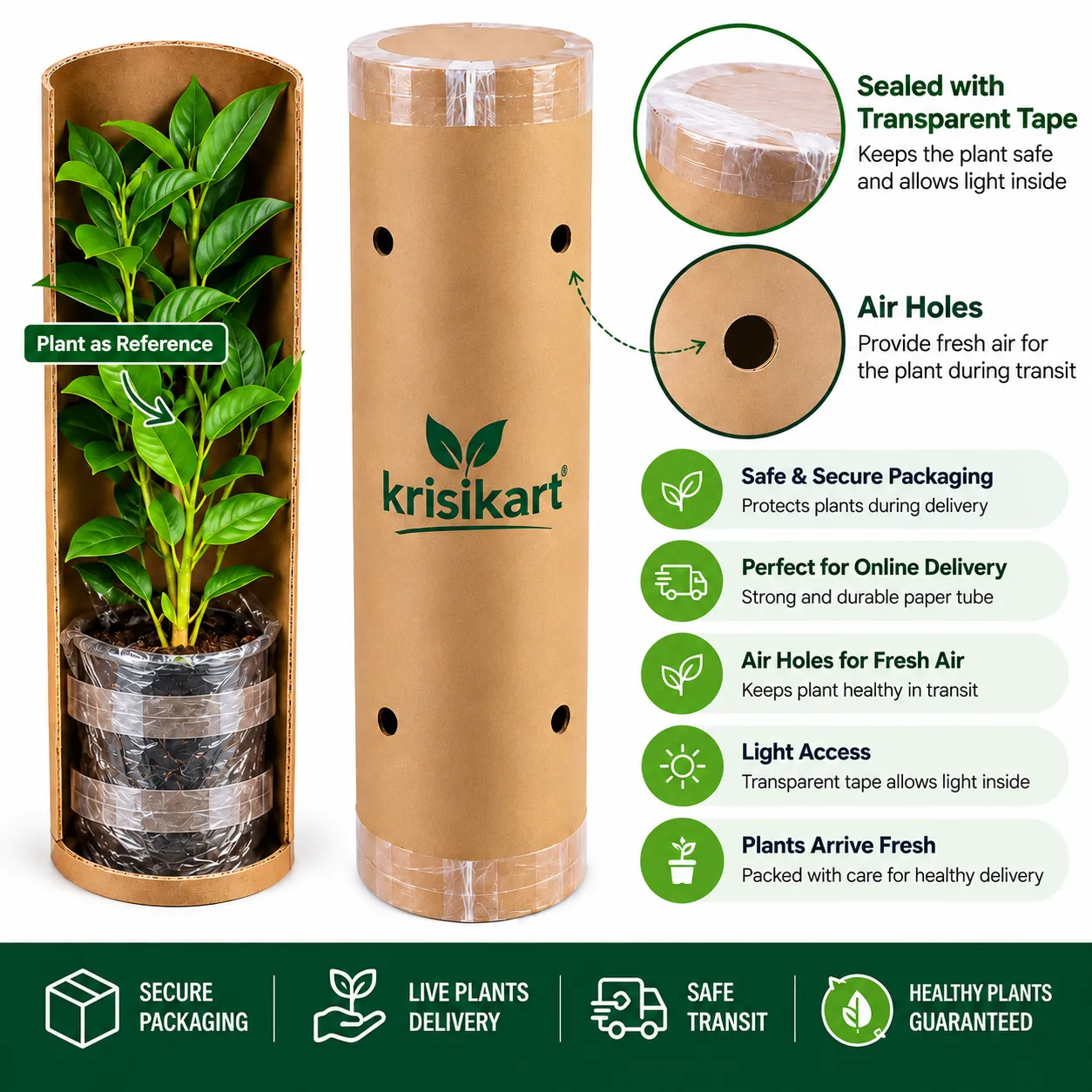
Live grafted plants vary naturally in height, stem thickness, and leaf count. During shipping, mild transit stress can occur, and a few leaves may turn yellow or shed shortly after arrival.
After unpacking your Bael Fruit Plant, place it in bright, filtered outdoor light for 3 to 4 days to recover before moving it into full direct sunlight. Check soil moisture immediately and water gently if the potting mix feels dry. Avoid applying fertilizers, repotting immediately, or pruning healthy shoots during the first 10 to 14 days while the sapling acclimates.
Why Choose the Bael Fruit Plant for Your Garden?
Few trees combine deep Indian cultural heritage, drought resilience, fresh Bel Patra foliage, and delicious summer fruit as effortlessly as the grafted Bael Fruit Plant. Low-maintenance, long-lived, and adapted to Indian weather extremes, Aegle marmelos is a meaningful, productive addition to any sunny home garden or farmhouse.
Botanical Information and Further Reading
- Kew Science – Plants of the World Online: Aegle marmelos (L.) Corrêa
- Royal Horticultural Society (RHS) – Aegle marmelos Plant Details
- ICAR – Central Institute for Arid Horticulture (Bael Varieties and Cultivation)
- eFlora of India – Aegle marmelos Botanical Reference
- India Biodiversity Portal – Aegle marmelos Species Profile
Frequently Asked Questions (FAQs)
1. What is the botanical name of the Bael or Bel Patra Plant?
The accepted botanical name of the Bael Fruit Plant is Aegle marmelos, and it belongs to the citrus family Rutaceae.
2. Why choose a grafted Bael Fruit Plant over a seed-grown plant?
A grafted Bael Fruit Plant preserves the sweet pulp quality and large fruit size of the parent selection, stays more compact, and begins bearing fruit in 3 to 4 years instead of 7 to 10 years.
3. Can I grow a Bael Plant in a pot at home?
Yes, you can grow a young grafted Bael Plant in an 18-to-24-inch container on a sunny terrace for its first 3 to 5 years, though planting it in open ground later allows full root development and heavier fruiting.
4. How much sunlight does the Bael Fruit Plant need?
It needs full, direct sunlight for at least 6 to 8 hours every day to grow strong branches, lush Bel Patra leaves, and sweet summer fruits.
5. Do I need two Bael trees for pollination and fruit set?
No, Aegle marmelos is self-compatible and pollinated by bees, so a single grafted Bael tree can set fruit on its own in an outdoor garden.
6. Why is my Bael Plant dropping leaves in winter?
Aegle marmelos is naturally semi-deciduous and sheds older leaves in late winter (January to February) just before fresh spring foliage emerges.
7. How often should I water my Bael Fruit Plant?
Water newly planted saplings every 3 to 4 days until established. Once rooted, Bael is drought-tolerant and only needs deep watering every 7 to 10 days in summer, with minimal watering during monsoon and winter.
8. What soil is best for growing a Bael Plant?
Well-draining sandy loam or alluvial soil enriched with organic compost is ideal, though Bael adapts to a wide range of Indian soils as long as water does not stagnate.
9. When do Bael fruits ripen in India?
Bael trees typically flower in April to June, and the fruits take 9 to 11 months to mature, ripening during the hot summer months from March to May the following year.
10. Does the Bael Plant have thorns?
Yes, Aegle marmelos naturally has straight woody spines along its stems, especially on younger branches, so wear gloves when pruning or harvesting leaves.
11. Is the Bael Fruit Plant suitable for humid climates like West Bengal or Kolkata?
Yes, Bael grows very well in West Bengal, Kolkata, and across both humid and dry regions of India when planted in full sun with good drainage.
12. Can I keep a Bel Patra Plant indoors?
No, the Bael Plant requires strong direct outdoor sunlight to stay healthy and will drop leaves and weaken if kept indoors.
For More Information
Visit: krisikart.com
For Contact Visit:Contact Us
For Shopping Visit: Shop Page


Roshni jha –
Best online plant shopping experience.
Highly recommended to everyone.