 Plastic Plant pot | Plastic Garden Pot for Plants
 Self Watering Planters | Self Watering Plant Pots For Plants
Table Palm Plant | Table Areca Palm Plant (Livistona rotundifolia) Plant
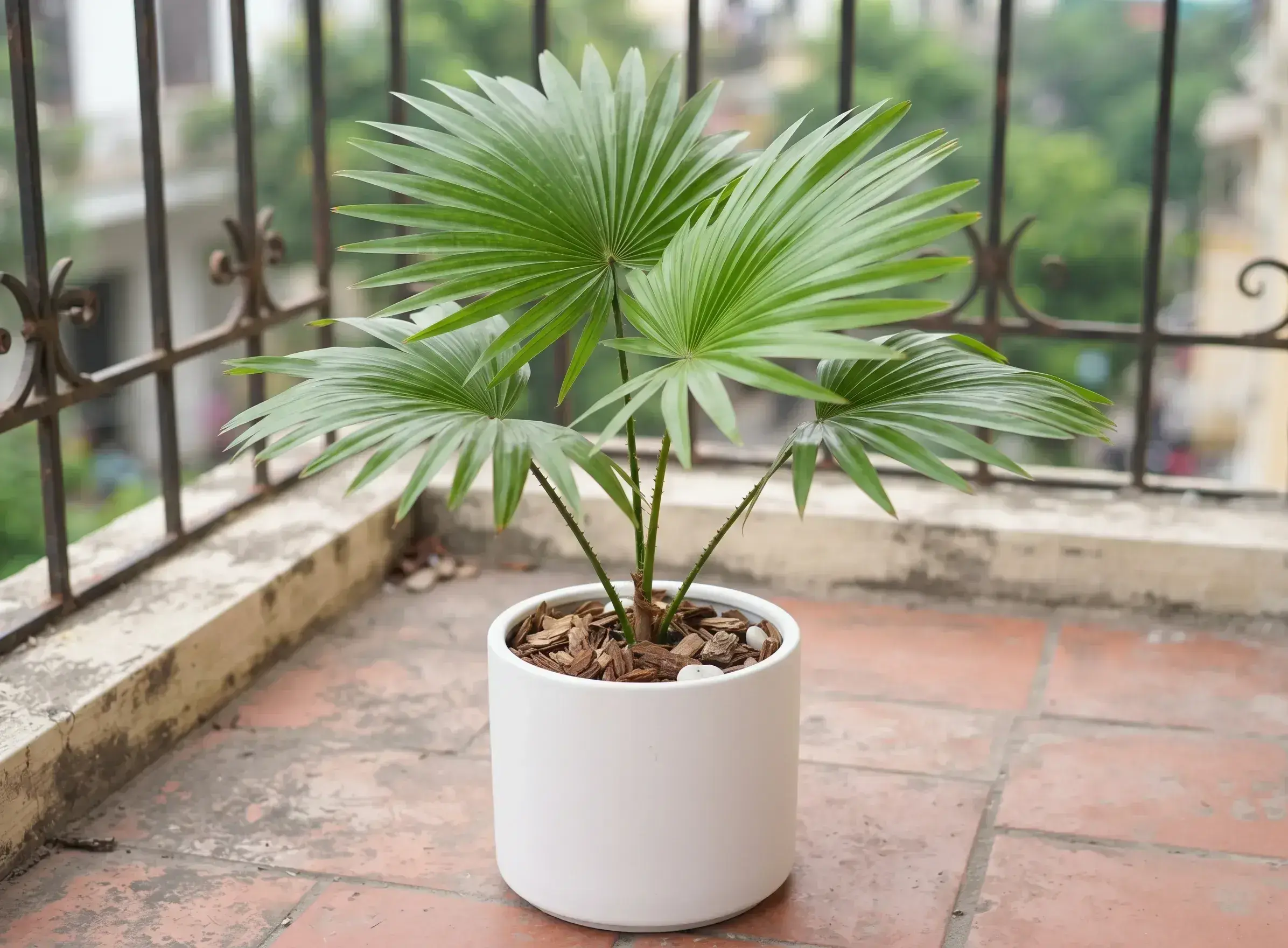
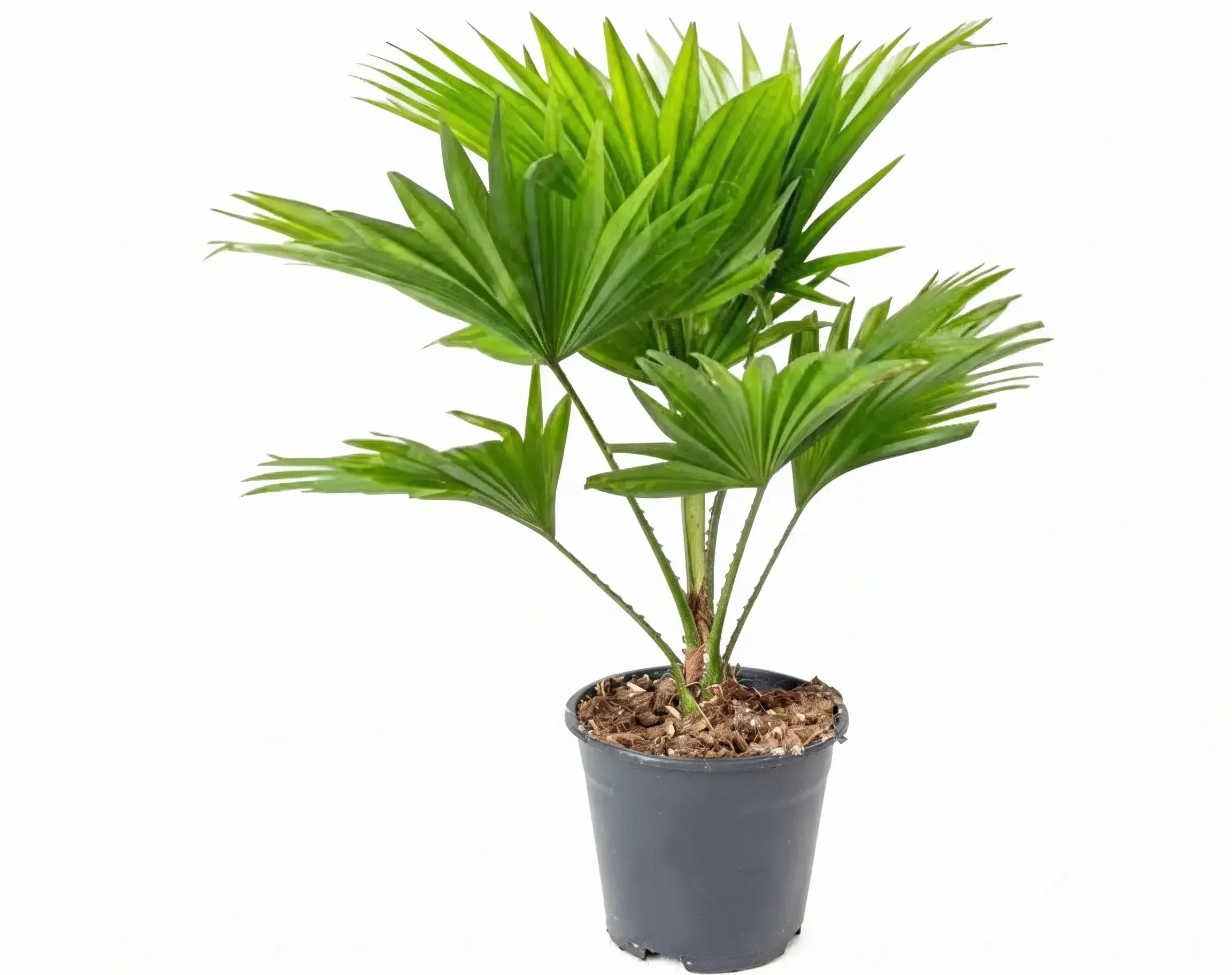
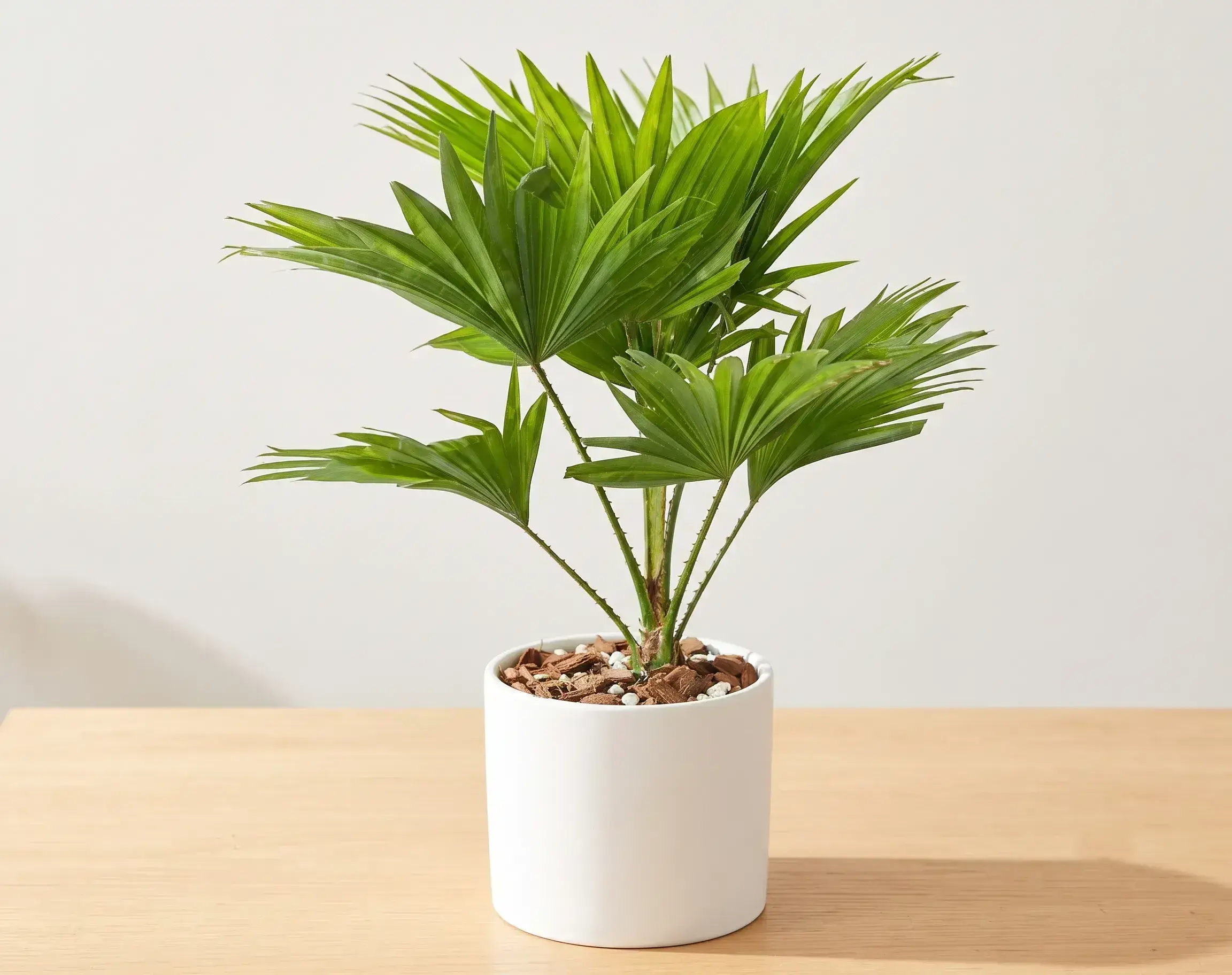
The Table Palm Plant, botanically known as Livistona rotundifolia (accepted botanical synonym: Saribus rotundifolius) and commonly marketed in Indian nurseries as the Footstool Palm or Table Areca Palm, is a compact, slow-growing tropical fan palm prized for its glossy, circular, pleated green leaves. While young, its neat rosette of round, fan-shaped fronds fits effortlessly onto office desks, study tables, living room sideboards, and bright balcony shelves.
Native to the humid tropical forests of Southeast Asia and the Philippines, Livistona rotundifolia brings structured, sculptural greenery to modern interiors without the sprawling spread of feather-leaved palms. Given bright indirect light, steady soil moisture, and moderate humidity, this resilient tabletop palm stays compact and attractive for years.
Plant Highlights
- Product Name: Table Palm Plant | Table Areca Palm Plant (Livistona rotundifolia) Plant for Home & Office
- Common Name: Table Palm, Footstool Palm, Round-Leaf Fan Palm, Java Fan Palm, Table Areca Palm (nursery trade name)
- Botanical Name: Livistona rotundifolia (current accepted taxonomic name: Saribus rotundifolius)
- Family: Arecaceae (Palm family)
- Plant Type: Evergreen perennial tropical fan palm
- Origin: Native to Southeast Asia, including the Philippines, Malaysia, and Indonesia
- Flower Colour: Tiny yellowish-green flowers borne on branched panicles in mature outdoor trees
- Fruit Colour: Small round orange-red to dark violet-black drupes on mature outdoor specimens
- Foliage: Glossy, bright-to-deep green circular (orbicular) palmate fan leaves with neatly pleated folds and shallowly divided scalloped tips
- Growth Habit: Compact, slow-growing single-stemmed rosette while young in containers; develops a slender ringed trunk over many years in open ground
- Mature Height: Typically 30 to 90 cm (1 to 3 feet) tall as an indoor tabletop or floor container plant; can reach 10 to 15 meters (33 to 50 feet) over decades in open tropical landscapes
- Sunlight: Bright indirect indoor light or morning sun with filtered afternoon shade (avoid harsh direct midday sun)
- Watering: Moderate; keep soil evenly moist without waterlogging, allowing the top 2 to 3 cm of soil to dry slightly between waterings
- Suitable For: Office desks, study tables, living rooms near bright windows, shaded balconies, reception counters, and indoor tabletop planters
About the Table Palm Plant
Livistona rotundifolia—classified in modern botanical databases such as Kew Science under Saribus rotundifolius—belongs to the palm family Arecaceae and originates from the tropical rainforests of maritime Southeast Asia. Its English common name, Footstool Palm, comes from the neat, flat-topped circular fan shape of its leaves.
Gardeners should note a helpful nursery distinction: while Indian plant listings often pair “Table Palm” with “Table Areca Palm,” true Areca Palm (Chrysalidocarpus lutescens) has feathery, divided fronds, whereas Livistona rotundifolia features round, pleated fan leaves on slender stalks—giving it a cleaner, more architectural tabletop silhouette.
Appearance and Growth Habit
In its juvenile indoor stage, the Table Palm Plant grows as a graceful, symmetrical cluster of glossy emerald-green fan leaves rising on slender, arching petioles from a central growing point. Each round leaf blade is radially pleated like a folded paper fan, with shallowly notched tips and tiny, harmless marginal teeth along the lower leaf stalks as the plant ages.
Because Livistona rotundifolia grows slowly in containers, a young plant remains desk- and tabletop-sized for several years before gradually graduating to a floor planter. In open tropical gardens, mature palms eventually form a slender trunk topped by a dense crown of circular fans.
Flowers and Fruiting Notes
When grown outdoors to full maturity in warm tropical climates over many years, Livistona rotundifolia produces branched panicles of tiny yellowish flowers followed by small, round berries that ripen from green to orange-red and dark purple-black.
When grown indoors as a Table Palm in home or office containers, the plant stays in its lush juvenile foliage stage and focuses its energy on producing fresh, glossy fan leaves rather than flowering.
Sunlight Requirements
The Table Palm Plant thrives in bright, indirect indoor light—such as near an east- or north-facing window, on a well-lit office desk, or on a shaded balcony. Bright filtered light keeps the pleated fan leaves rich green and encourages steady new frond emergence.
Avoid placing Livistona rotundifolia in harsh, direct afternoon sunlight, which can bleach or scorch the delicate fan blades, and avoid completely dark windowless corners where growth stalls.
Watering Requirements
Originating in moist tropical forests, Livistona rotundifolia prefers consistently lightly moist, well-drained soil and dislikes both bone-dry soil and soggy standing water.
Watering Indoors and in Summer
Check the top 2 to 3 cm of soil with your finger before watering—when it feels lightly dry, water thoroughly until excess water drains out of the bottom holes, then empty the saucer after 15 minutes. In warm summer rooms or bright balconies, this usually means watering every 2 to 4 days.
Watering During Monsoon and Winter
During humid monsoon months or in cool air-conditioned offices, evaporation slows down significantly. Reduce watering frequency to once every 5 to 8 days, always checking soil moisture first so roots never sit in cold, stagnant wetness.
Soil and Potting Requirements
Livistona rotundifolia grows best in a loose, airy, humus-rich potting medium that holds gentle moisture while draining excess water rapidly, with a slightly acidic to neutral pH between 5.5 and 6.8. Heavy garden clay compacts easily in indoor pots and suffocates palm roots.
Suggested Potting Mixture for Indoor Containers
This is a suggested potting mixture for tabletop and indoor container cultivation rather than a rigid scientific formula: blend 35% cocopeat or composted leaf mold, 30% fertile loamy soil, 20% coarse river sand or perlite (for aeration), and 15% well-decomposed vermicompost, plus a small pinch of neem cake powder. Always use a pot with clear drainage holes.
Growing the Plant in the Indian Climate
Livistona rotundifolia adapts naturally to Indian homes and offices across tropical and subtropical cities—including Kolkata, West Bengal, Mumbai, Bengaluru, Chennai, Hyderabad, Pune, and Delhi-NCR—because indoor temperatures stay comfortable year-round.
Summer Care
During hot Indian summers, keep tabletop pots away from scorching window glass and dry, hot air vents. Mist the fan leaves lightly with clean water a few times a week or wipe them with a damp cloth to keep humidity up and dust off the foliage.
Monsoon Care
Warm monsoon humidity suits the Table Palm wonderfully, stimulating fresh new pleated fronds from the center. Ensure indoor pots have free drainage and avoid overwatering when indoor humidity is naturally high.
Winter Care
In northern Indian cities where winter night temperatures drop below 10°C–12°C, keep your Table Palm indoors away from cold window drafts and reduce watering until spring warmth returns.
Temperature and Humidity
The Table Palm Plant thrives in comfortable room temperatures between 18°C and 32°C and appreciates moderate to high humidity (50% to 75%). In dry air-conditioned offices, placing the pot on a pebble tray with water (keeping the pot base above the water line) helps prevent dry brown leaf tips.
Fertilizer and Nutrition
Because Livistona rotundifolia is a slow-growing indoor palm, it needs only light, gentle feeding during its active warm growing months (spring through monsoon).
Top-dress small tabletop pots once every 45 to 60 days from March to September with 1 to 2 tablespoons of vermicompost or feed with a half-strength organic liquid seaweed or compost tea fertilizer. Avoid feeding during winter dormancy and never apply strong chemical fertilizers, which can burn sensitive palm root tips.
Growing the Plant in Pots
A young Table Palm Plant looks crisp and balanced in a 5-to-8-inch ceramic, terracotta, or self-watering tabletop pot with drainage holes. Because palms dislike frequent root disturbance and grow slowly, repot only once every 1.5 to 2 years when roots begin circling the bottom of the pot, stepping up just one pot size at a time.
Pruning and Maintenance
The Table Palm Plant requires minimal pruning and naturally maintains its tidy rosette shape.
Wait until an oldest outer leaf turns completely yellow or brown before snipping its stalk cleanly near the base with sharp scissors—never pull or tear green fronds, and avoid trimming healthy green leaf tips unless removing minor brown edges along the natural contour of the fan.
Propagation
Because Livistona rotundifolia is a single-stemmed palm that does not form basal offshoots (pups), it is propagated commercially from fresh seeds harvested from mature outdoor trees, which germinate in warm, moist media in 4 to 8 weeks.
Common Problems and Plant Care
Gentle watering, bright indirect light, and clean foliage prevent nearly all common indoor palm problems.
1. Brown, Crispy Leaf Tips
Dry brown tips on the pleated fans are usually caused by very dry indoor air (such as constant air conditioning), underwatering, or mineral buildup from hard tap water. Increase local humidity with occasional misting, water evenly when the top soil dries, and use filtered or rested water if tap water is very hard.
2. Yellowing Lower Fronds
Gradual yellowing of a single oldest outer leaf is natural aging as a new frond unfurls in the center. However, if multiple leaves turn yellow simultaneously, check for overwatering or poor pot drainage.
3. Spider Mites or Mealybugs Indoors
Dry, warm indoor air can occasionally invite fine spider mites or small white mealybugs on leaf undersides and stalks. Wipe both sides of the fan leaves gently with a damp cloth every two weeks, or spray diluted neem oil (3 ml per liter of water) outdoors in the evening.
4. Pale or Bleached Fan Leaves
Washed-out yellowish-green leaves usually indicate too much direct harsh sunlight through a sunny window. Move the plant a few feet back into bright filtered light.
Suitability for Home & Office
The Table Palm Plant (Livistona rotundifolia) is ideal for office desks, study tables, reception counters, living room side tables, bedrooms near bright windows, and shaded balconies. It is not suited for unshaded outdoor summer sun or completely windowless dark rooms.
Safety and Important Information
Livistona rotundifolia (Saribus rotundifolius) is non-toxic to humans and generally considered pet-friendly around cats and dogs, making it a safe indoor tabletop plant for family homes and offices. As the plant matures over several years, tiny stiff teeth may develop along the edges of lower leaf stalks—handle the base gently when repotting.
Live Plant Delivery Information
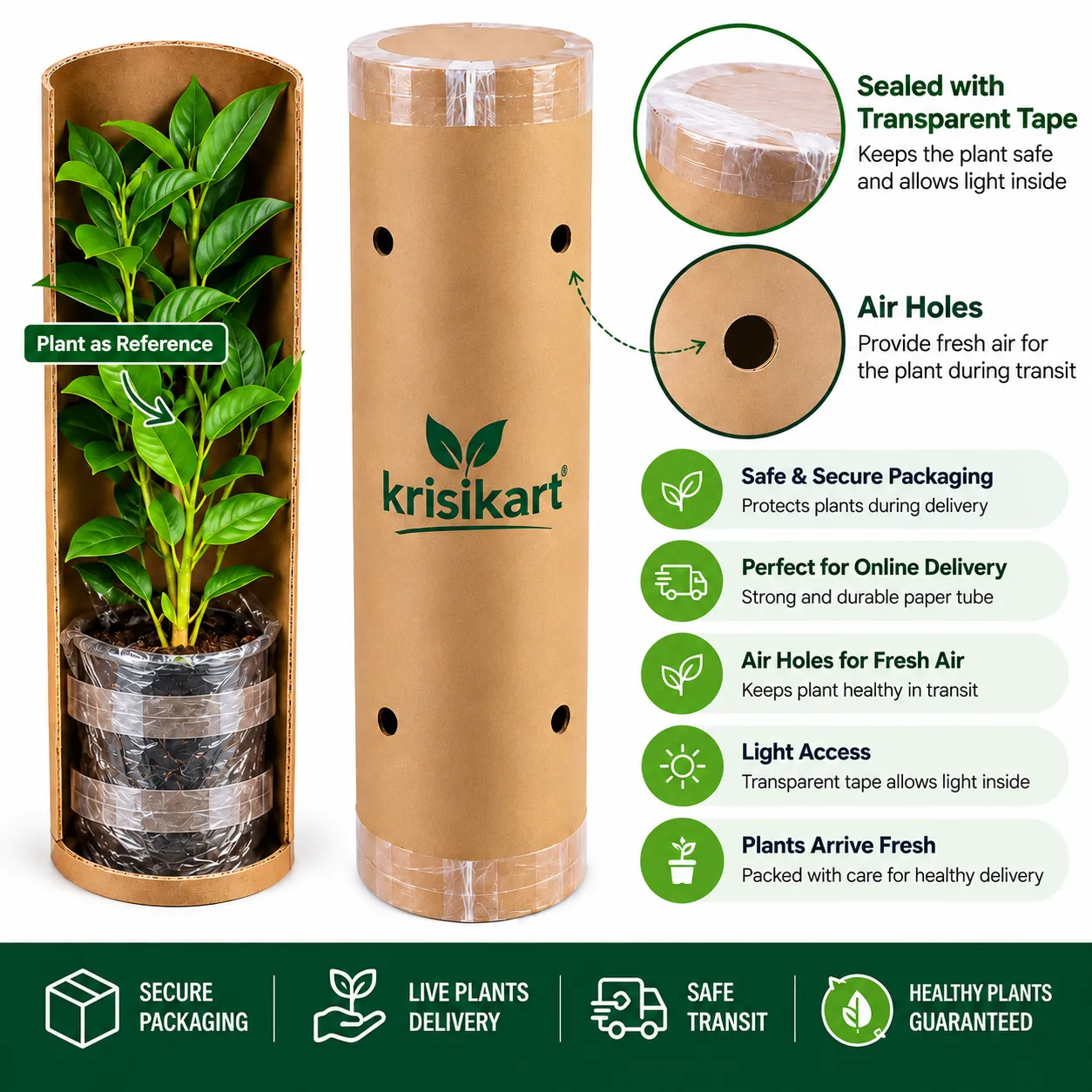
Live tabletop palms vary naturally in height, frond count, and fan spread. Mild transit stress can occur during shipping, and a lower outer leaf or minor fan tip may show slight creasing or yellowing upon arrival.
Upon receiving your Table Palm Plant, place it in bright, indirect indoor light away from direct sun and strong air-conditioning drafts for 3 to 4 days to recover. Check the soil moisture immediately and water gently if the top layer feels dry. Avoid applying fertilizers or repotting right away during the first 10 to 14 days while the plant acclimates.
Why Choose the Table Palm Plant for Your Home & Office?
Compact, sculptural, and refreshingly easy to care for, the Table Palm Plant brings effortless tropical calm to desks, tabletops, and living spaces. With its distinctive pleated circular fan leaves, slow manageable growth, and adaptability to bright indoor rooms, Livistona rotundifolia is a timeless indoor greenery staple.
Botanical Information and Further Reading
- Kew Science – Plants of the World Online: Saribus rotundifolius (syn. Livistona rotundifolia)
- Royal Horticultural Society (RHS) – Livistona rotundifolia Plant Details
- NParks Flora & Fauna Web – Saribus rotundifolius (Livistona rotundifolia) Profile
- Palmpedia – Saribus rotundifolius (Footstool Palm) Botanical Guide
Frequently Asked Questions (FAQs)
1. What is the botanical name of the Table Palm Plant?
The Table Palm Plant is widely known in horticulture as Livistona rotundifolia (classified in current botanical taxonomy as Saribus rotundifolius), and it belongs to the palm family Arecaceae.
2. Is Table Palm the same as regular Areca Palm?
Although often called “Table Areca Palm” in Indian nurseries, Livistona rotundifolia is a fan palm with round, pleated circular leaves, whereas regular Areca Palm (Chrysalidocarpus lutescens) has feathery, divided fronds.
3. Can I keep a Table Palm Plant on my office desk or study table?
Yes, its compact size, slow growth, and neat circular fan leaves make it an ideal plant for office desks, study tables, and living room corners that receive bright indirect light.
4. How much light does Livistona rotundifolia need indoors?
It thrives in bright, indirect light—such as near a sunny window with sheer curtains or a well-lit office—and should be kept out of harsh direct afternoon sunlight.
5. How often should I water my Table Palm Plant?
Check the top 2 to 3 cm of soil and water thoroughly whenever it feels lightly dry—typically every 2 to 4 days in warm weather and every 5 to 8 days during monsoon or winter.
6. Why are the tips of my Table Palm leaves turning brown?
Brown leaf tips are usually caused by very dry air (such as air-conditioned rooms), underwatering, or hard tap water. Light misting, steady soil moisture, and using filtered water help prevent dry edges.
7. Is the Table Palm Plant pet-friendly?
Yes, Livistona rotundifolia is non-toxic to cats and dogs, making it a safe choice for pet-friendly homes.
8. What is the best soil mix for growing a Table Palm in a pot?
A loose, moisture-retentive yet well-draining mix of 35% cocopeat or leaf mold, 30% garden soil, 20% coarse sand or perlite, and 15% vermicompost works well.
9. How fast does a Table Palm Plant grow?
It is naturally a slow-growing palm, which is why it stays compact and desk-sized for several years in an indoor container.
10. Should I mist my Table Palm Plant?
Yes, light misting a few times a week—especially in dry summer months or air-conditioned offices—helps keep the pleated fan leaves fresh and lush.
11. How often does a Table Palm need fertilizer?
Feed lightly once every 45 to 60 days during spring and monsoon with a small amount of vermicompost or half-strength organic liquid feed, and pause feeding in winter.
12. Can I place a Table Palm Plant outdoors in full sun?
Young indoor Table Palms have tender leaves that scorch in harsh direct afternoon sun; if kept outdoors, place it on a shaded balcony or porch with bright filtered light.
For More Information
Visit: krisikart.com
For Contact Visit:Contact Us
For Shopping Visit: Shop Page


Asmita kulkarni –
My garden looks better now.
Thanks for the healthy plants.
Chandrashekhar Patil –
Beautiful plants aur fast delivery.
I am fully satisfied.
Plants bilkul fresh aaye.