 Plastic Plant pot | Plastic Garden Pot for Plants
 Self Watering Planters | Self Watering Plant Pots For Plants
Jamrul Plant | Wax Apple Tree (Syzygium samarangense) Wax Jambu Tree – Red Grafted Plant
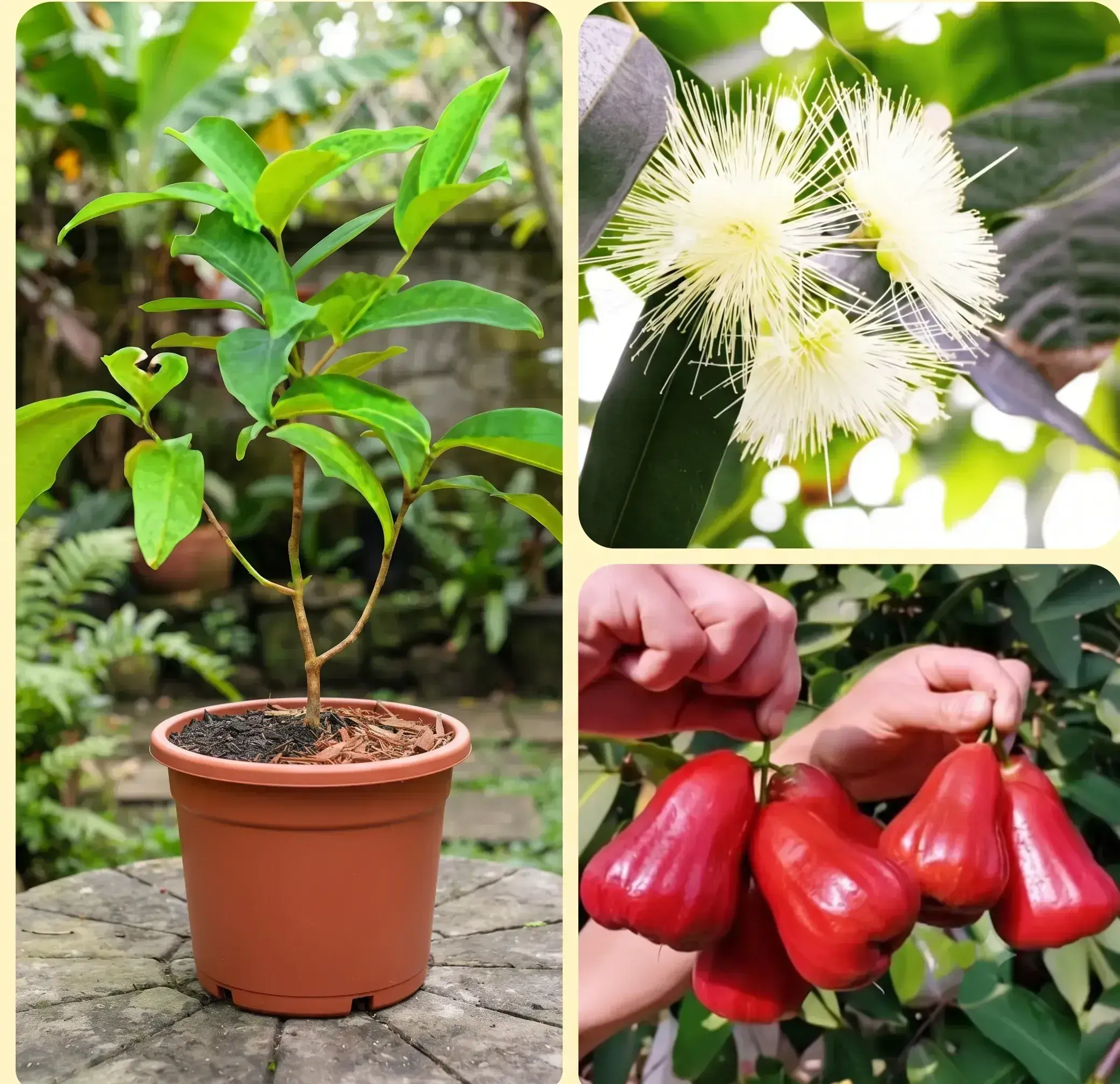
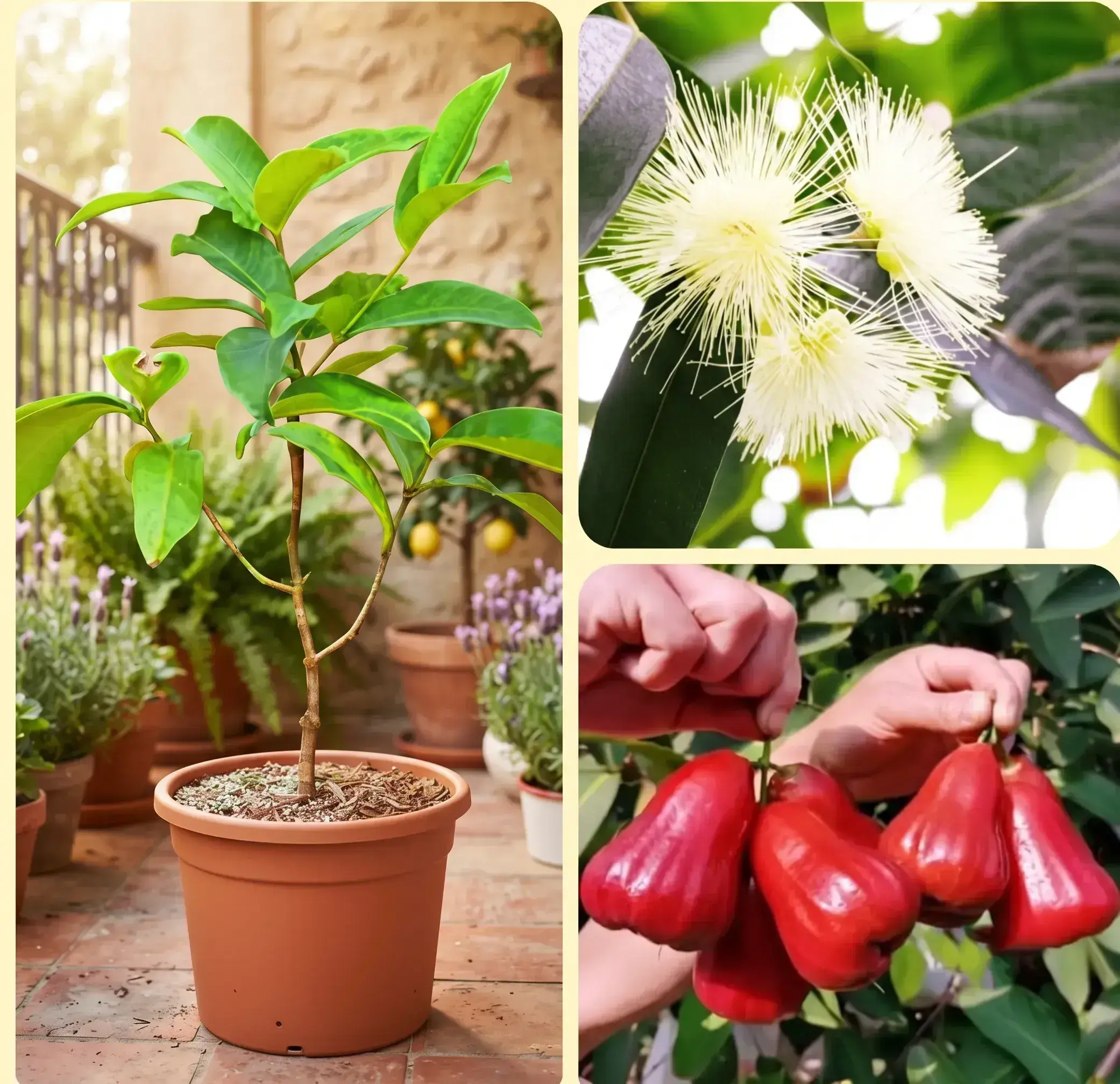
The Jamrul Plant, botanically known as Syzygium samarangense and widely recognized as the Wax Apple Tree or Wax Jambu Tree, is a fast-growing, evergreen tropical fruit tree celebrated for its glossy green foliage, fluffy white blossoms, and bell-shaped, waxy red fruits. Cherished across West Bengal, Assam, Kerala, and coastal India as Jamrul or Water Apple, this red grafted selection produces crisp, juicy, mildly sweet fruits that are especially refreshing during warm weather.
Because this Red Grafted Jamrul Plant is vegetatively propagated rather than grown from seed, it retains the attractive crimson-red fruit color and eating quality of the parent selection while staying manageable for home gardens, backyard orchards, and large terrace containers with seasonal pruning.
Plant Highlights
- Product Name: Jamrul Plant | Wax Apple Tree (Syzygium samarangense) Wax Jambu Tree – Red Grafted Plant
- Common Name: Jamrul (Bengali/Hindi), Wax Apple, Wax Jambu, Java Apple, Water Apple, Chamba / Chambakka (Malayalam), Panneer Koyya (Tamil)
- Botanical Name: Syzygium samarangense (older synonyms: Eugenia javanica, Myrtus samarangensis)
- Cultivar / Trade Selection: Red Wax Apple / Red Jamrul (Vegetatively propagated via grafting)
- Family: Myrtaceae (Myrtle family)
- Plant Type: Evergreen perennial tropical fruit tree
- Origin: Native to the Andaman and Nicobar Islands, the Malay Peninsula, Indonesia, and surrounding Indo-Malesian tropical regions
- Flower Colour: Creamy-white to yellowish-white with four petals and numerous prominent stamens
- Flower Fragrance: Lightly sweet and fresh
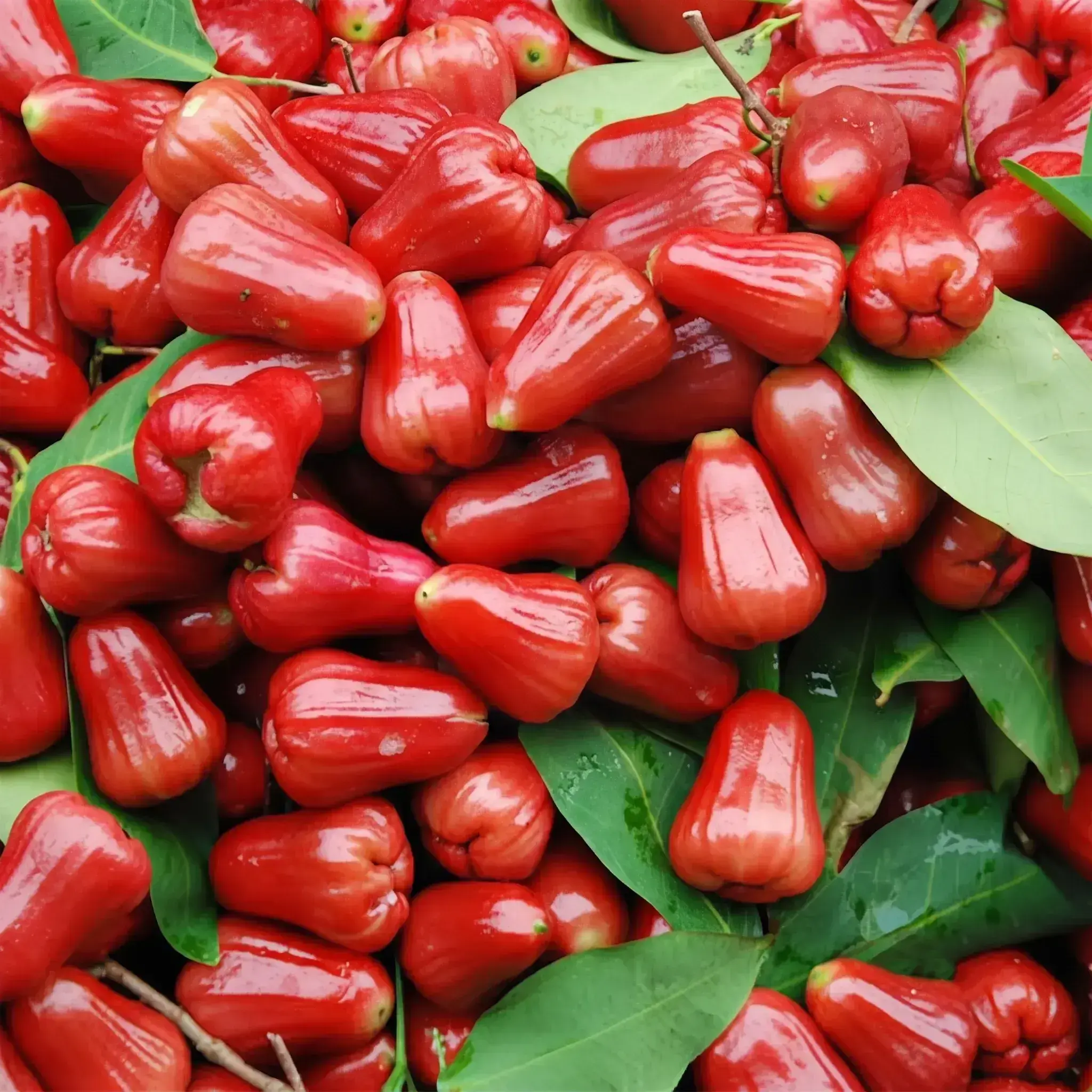
- Fruit Colour: Glossy, waxy pink-red to deep crimson-red skin with crisp, spongy-juicy white flesh
- Foliage: Opposite, elliptic-to-oblong, leathery dark green leaves (10 to 25 cm long) with prominent veins and tiny translucent oil dots
- Growth Habit: Low-branching, spreading, open-to-dense evergreen tree with smooth pinkish-grey flaking bark
- Mature Height: Typically 5 to 12 meters (16 to 40 feet) in open ground over many years; easily maintained at 1.8 to 2.5 meters (6 to 8 feet) in containers with pruning
- Sunlight: Full direct sunlight to light partial shade (at least 6 hours of direct sunlight daily for best fruiting)
- Watering: Moderate to regular; prefers evenly moist, well-drained soil and does not tolerate prolonged drought
- Suitable For: Open home gardens, sunny terraces, large pots or grow bags, courtyard borders, and farmhouses
About the Jamrul Plant
Syzygium samarangense belongs to the myrtle family Myrtaceae alongside guava and jamun, and is indigenous to the Andaman and Nicobar Islands and maritime Southeast Asia. In older nursery catalogs, it is sometimes listed under its botanical synonym Eugenia javanica. It is closely related to—though distinct from—the smaller watery rose apple (Syzygium aqueum) and the larger Malay apple (Syzygium malaccense).
Across eastern and southern India, red-fruited Jamrul varieties are prized for their thin, glossy, wax-like skin and crisp, thirst-quenching flesh. Vegetative propagation by grafting or air layering ensures true red fruit coloration and brings trees into flowering earlier than seed-grown saplings.
Appearance and Growth Habit
The Wax Apple Tree develops a short trunk that often branches low near the base, forming a broad, graceful evergreen crown with smooth pinkish-grey bark that flakes lightly with age. Its large, opposite, elliptic-oblong leaves are glossy dark green above, paler underneath, and dotted with minute aromatic oil glands typical of the myrtle family.
In open ground, an unpruned tree can reach 5 to 12 meters over many years. In home gardens and terrace containers, responsive branching makes it easy to shape into a neat, compact fruiting tree.
Flowers and Flowering Season
The Jamrul Plant produces attractive, powder-puff white to creamy-yellow blossoms about 3 to 4 cm wide, borne in loose drooping clusters of three to thirty flowers on both leafy twigs and older wood. Each flower has four pale petals surrounding dozens of long, delicate stamens that attract honeybees and other pollinators.
In warm Indian climates, Syzygium samarangense often flowers in two or three flushes per year—most commonly during late winter to spring (February to April) and again during the monsoon transition (July to August). Vegetatively propagated trees typically start flowering in 2 to 4 years under good sun and care.
Fruits and Harvest
Fruits mature rapidly—usually within 30 to 50 days after flowering—ripening primarily during summer (April to June) and a secondary autumn flush (September to November) depending on local weather. Each bell- or pear-shaped fruit measures 4 to 7 cm long, featuring a characteristic four-lobed indentation at the blossom end, glossy waxy red skin, and crisp, juicy white flesh with zero to two small seeds.
Harvesting and Culinary Uses
Because Wax Jambu fruits have thin, delicate skins and bruise easily, harvest them gently by hand once they turn glossy red and feel crisp. They are best eaten fresh chilled or sprinkled with a pinch of salt and chili powder, tossed into fruit salads, or used in fresh juices and preserves within a few days of picking.
Sunlight Requirements
The Jamrul Plant performs best in full, unobstructed sunlight for at least 6 hours every day. Strong sunlight encourages compact branching, abundant flower clusters, vibrant red fruit skin, and pleasant sweetness.
While it tolerates light partial shade, deep shade leads to leggy shoots, pale fruit coloration, and sparse flowering.
Watering Requirements
Unlike dryland fruit trees, Syzygium samarangense originates in humid tropical lowlands and requires a steady, reliable water supply to keep its foliage lush and its fruits crisp and juicy.
Watering During Establishment and Summer
During the first 3 to 4 weeks after planting, water every 2 to 3 days so the root zone stays evenly moist without becoming waterlogged. During hot Indian summers—especially while fruits are developing—water potted plants every 1 to 2 days and ground-planted trees every 3 to 5 days whenever the top 3 to 4 cm of soil dries out.
Watering During Monsoon and Winter
During the monsoon, reduce or pause manual watering when rainfall is regular and ensure rainwater drains quickly away from the trunk. In winter, water less frequently—once every 7 to 10 days—checking soil moisture before watering.
Soil and Potting Requirements
The Wax Apple Tree grows best in deep, fertile, moisture-retentive yet well-drained loamy or alluvial soil rich in organic matter. A slightly acidic to neutral soil pH between 5.5 and 7.0 supports optimal root health and nutrient uptake.
Suggested Potting Mixture for Containers
This is a suggested potting mixture for container cultivation rather than a strict scientific formula: blend 45% fertile garden soil, 30% well-decomposed cow dung manure or vermicompost, 15% coarse river sand or perlite, and 10% cocopeat, mixed with a handful of neem cake powder. Ensure the pot has multiple unobstructed drainage holes at the base.
Growing the Plant in the Indian Climate
Syzygium samarangense is naturally adapted to warm, frost-free, humid tropical and subtropical parts of India, thriving in West Bengal, Kolkata, Assam, Odisha, Kerala, Karnataka, Tamil Nadu, coastal Maharashtra, and Telangana.
Summer Care
Summer heat and dry winds can dry out containers quickly and cause young fruits to drop. Apply a 4 to 5 cm layer of organic mulch (dry leaves or compost) around the root zone—keeping it clear of the trunk bark—to keep roots cool and retain soil moisture.
Monsoon Care
In high-rainfall regions like Kolkata, West Bengal, and the Western Ghats, monsoon is the peak vegetative growth season for Jamrul. Elevate pots slightly on pot feet or bricks so excess rain drains away freely and roots never sit in stagnant water.
Winter Care
The Wax Apple Tree is sensitive to frost and prolonged cold snaps. Established trees tolerate mild Indian winters easily, though growth slows in cool weather; young saplings in northern plains should be protected from cold winter winds and frost.
Temperature and Humidity
Syzygium samarangense thrives in warm temperatures between 22°C and 35°C and loves moderate to high relative humidity paired with good air circulation. Temperatures below 5°C–7°C can injure tender shoots, and frost is harmful to the tree.
Fertilizer and Nutrition
Regular organic nutrition sustains lush evergreen foliage and multiple flowering and fruiting flushes.
Apply 3 to 5 kg of well-rotted farmyard manure or vermicompost around ground-planted trees three times a year—in February before spring flowering, in June at the onset of monsoon, and in September after summer fruiting. For potted plants, top-dress with 300 to 500 grams of vermicompost every 45 days during active growth, supplemented with bone meal or rock phosphate and potassium-rich organic inputs like wood ash or banana peel fertilizer. Avoid heavy nitrogen fertilizers during flowering.
Growing the Plant in Pots
A Red Grafted Jamrul Plant is an excellent choice for sunny terrace and balcony container gardening. Start a young sapling in a 16-to-18-inch pot or grow bag, and shift it into a 20-to-24-inch container after 2 years as the roots expand.
Always keep the swollen graft union well above the soil surface when potting. Regular compost top-dressing, consistent watering, and light post-harvest pruning keep potted trees compact and productive.
Pruning and Maintenance
Light pruning helps shape the canopy, allows sunlight to reach inner branches, and encourages fresh fruiting wood.
Rootstock Sucker Removal
Check the lower trunk below the graft union periodically and cut off any shoots sprouting from the rootstock immediately so all energy supports the grafted red Jamrul top.
Canopy Shaping
After the main summer harvest, lightly trim dead, diseased, or inward-crossing branches to maintain an open, airy structure. Avoid severe pruning on newly planted saplings.
Propagation
In nurseries, named red Wax Apple varieties are propagated vegetatively through wedge grafting, veneer grafting, air layering (gootee), or budding onto hardy seedling Syzygium rootstocks. Vegetative propagation preserves true red skin color, crisp sweetness, and early fruiting. Fresh seeds germinate quickly in moist soil but lose viability fast and produce variable seedling trees that take 5 to 7 years to fruit.
Common Problems and Plant Care
Inspecting leaves, flower clusters, and developing fruits regularly helps prevent common Jamrul issues.
1. Fruit Fly or Caterpillar Damage
Developing wax apples can attract fruit flies during warm, humid weather. Cover young fruit clusters with breathable paper or organza fruit bags once fruits begin swelling, collect fallen fruits promptly, and use pheromone traps in the garden.
2. Premature Flower or Young Fruit Drop
Sudden soil dryness during hot weather, nutrient deficiency (especially potassium and boron), or strong dry winds can cause young fruits to drop. Maintain even soil moisture and mulch around the base during fruit development.
3. Yellowing Leaves or Brown Leaf Tips
Brown, crispy leaf edges usually signal dry soil or low humidity, whereas yellowing older leaves indicate waterlogged roots or nutrient depletion. Check pot drainage and apply organic compost or balanced micronutrients.
4. Scale Insects, Aphids, or Sooty Mold
Sap-sucking insects sometimes cluster on tender shoot tips or undersides of leaves, secreting sticky honeydew that attracts black sooty mold. Spray diluted neem oil (3 to 5 ml per liter of water) in the cool evening hours.
Suitability for Home Gardens
The Red Grafted Jamrul Plant is ideal for open home gardens, sunny terraces, large pots or grow bags, courtyard borders, and farmhouse orchards in warm, frost-free climates. Because it needs at least 6 hours of direct sunlight daily and ample root space, it is not suitable for indoor rooms or shaded balconies.
Safety and Important Information
Ripe Wax Apple fruits are safe, hydrating, and delicious for fresh eating and culinary use. Always wash harvested fruits thoroughly before eating, and prevent pets from chewing large quantities of leaves, bark, or fallen plant debris.
Live Plant Delivery Information
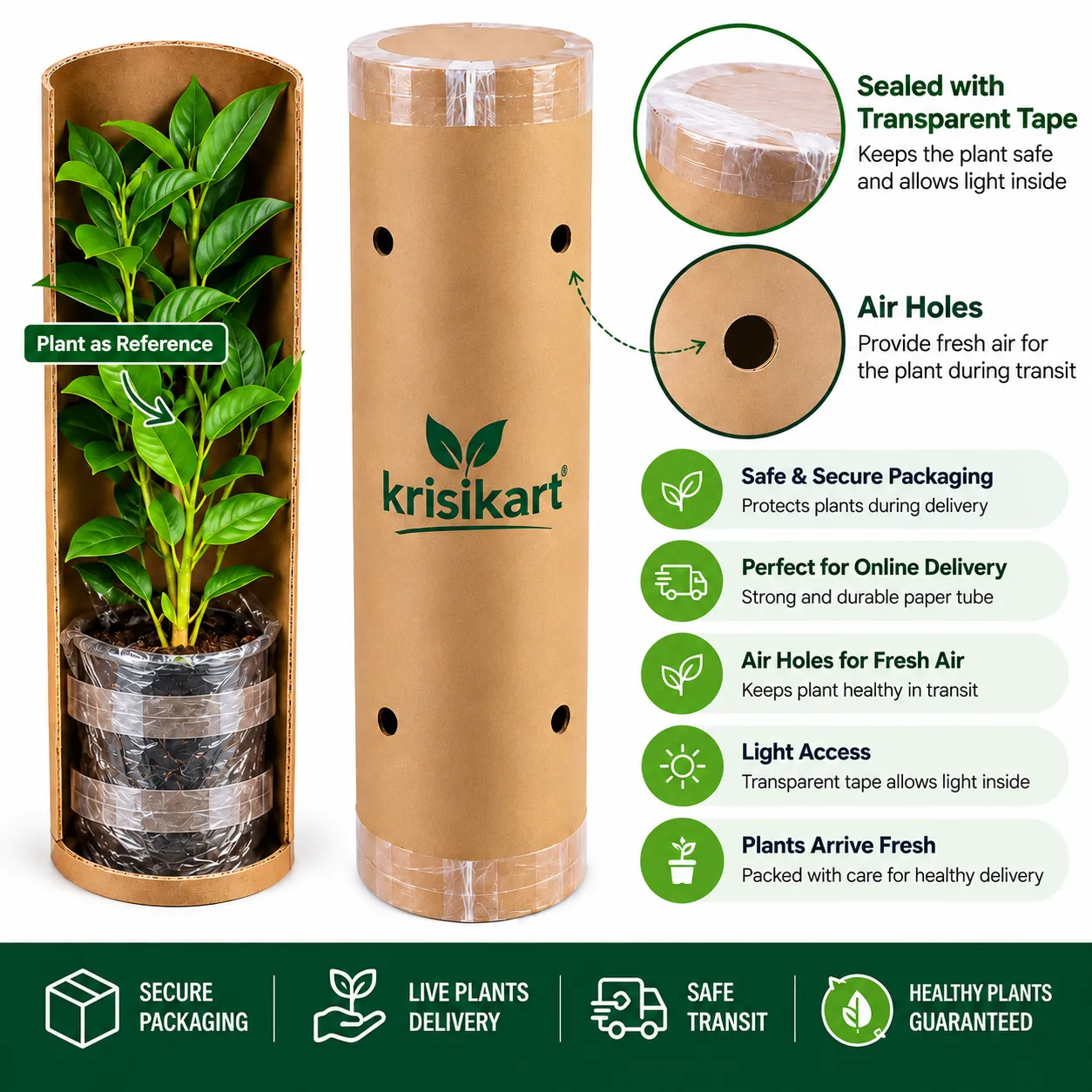
Live grafted saplings vary naturally in height, stem thickness, branching, and leaf count. Mild transit stress can occur during shipping, and a few older leaves may turn yellow or shed shortly after arrival.
Upon receiving your Jamrul Plant, place it in bright, filtered outdoor light for 3 to 4 days to recover before moving it into full direct sunlight. Check the soil moisture immediately and water gently so the root ball is evenly damp. Avoid applying fertilizers, repotting right away, or pruning healthy shoots during the first 10 to 14 days while the sapling acclimates.
Why Choose the Jamrul Plant for Your Garden?
Fast-growing, adaptable to terrace containers, and prized for its glossy crimson-red, thirst-quenching fruits, the Red Grafted Jamrul Plant brings tropical abundance to Indian home gardens. Given full sunlight, steady moisture, and rich well-drained soil, Syzygium samarangense rewards growers with lush evergreen foliage and crisp seasonal harvests.
Botanical Information and Further Reading
- Kew Science – Plants of the World Online: Syzygium samarangense (Blume) Merr. & L.M.Perry
- eFlora of India – Syzygium samarangense Botanical Reference
- India Biodiversity Portal – Syzygium samarangense Species Profile
- Flowers of India – Wax Apple (Syzygium samarangense)
- World Agroforestry (ICRAF) – Syzygium samarangense Tree Reference Guide
Frequently Asked Questions (FAQs)
1. What is the botanical name of the Jamrul or Wax Apple Tree?
The accepted botanical name of the Jamrul Plant is Syzygium samarangense (older synonym: Eugenia javanica), and it belongs to the myrtle family Myrtaceae.
2. Why should I choose a Red Grafted Jamrul Plant over a seed-grown plant?
A grafted Jamrul Plant preserves the glossy red fruit color, crisp texture, and mild sweetness of the parent cultivar and starts flowering in 2 to 4 years, whereas seed-grown trees take 5 to 7 years and vary unpredictably.
3. Can I grow a Wax Apple Tree in a pot on my terrace?
Yes, a Red Grafted Jamrul Plant grows very well in an 18-to-24-inch container or grow bag on a sunny terrace with consistent watering, organic feeding, and light pruning.
4. How much sunlight does a Jamrul Plant need?
It needs full, direct sunlight for at least 6 hours every day for strong branching, abundant white flowers, and bright red fruit coloration.
5. Do I need two Wax Jambu trees for pollination and fruit set?
No, Syzygium samarangense is largely self-compatible and pollinated by bees, so a single outdoor Jamrul Plant can set fruit on its own.
6. When does the Jamrul Plant flower and bear fruit in India?
In warm Indian regions, it typically flowers in February to April (and often again in July to August), with fruits ripening quickly 30 to 50 days after flowering.
7. How often should I water my Wax Apple Tree?
Keep the soil evenly moist without waterlogging. Potted plants generally need watering every 1 to 2 days in summer (every 3 to 5 days in open ground), reducing watering during monsoon and winter.
8. What is the best soil mix for growing Jamrul in containers?
A fertile, moisture-retentive yet well-draining mix of 45% garden soil, 30% vermicompost or well-rotted cow dung manure, 15% coarse sand or perlite, and 10% cocopeat works well.
9. How do I protect Jamrul fruits from worms or fruit flies?
Cover young fruit clusters with breathable paper or organza fruit bags once fruits start swelling, pick up fallen fruits promptly, and use pheromone traps.
10. Is the Jamrul Plant suitable for West Bengal and Kolkata?
Yes, Jamrul is a staple home-garden fruit tree across West Bengal, Kolkata, Assam, Kerala, and coastal India, thriving in warm, humid climates.
11. What should I do if shoots sprout below the graft joint on the lower stem?
Any shoots emerging below the swollen graft union belong to the rootstock and must be pruned off flush with the trunk immediately.
12. Can I keep a Wax Apple Tree indoors?
No, it requires strong direct outdoor sunlight and generous root space and will weaken if kept indoors.
For More Information
Visit: krisikart.com
For Contact Visit:Contact Us
For Shopping Visit: Shop Page


Priyanka Singh –
Plants bilkul fresh aaye.
Mere balcony ka look change ho gaya.good package