 Plastic Plant pot | Plastic Garden Pot for Plants
 Self Watering Planters | Self Watering Plant Pots For Plants
Chinese Hibiscus – Spider Hibiscus (Jhumka Joba) Plant | Hibiscus rosa-sinensis
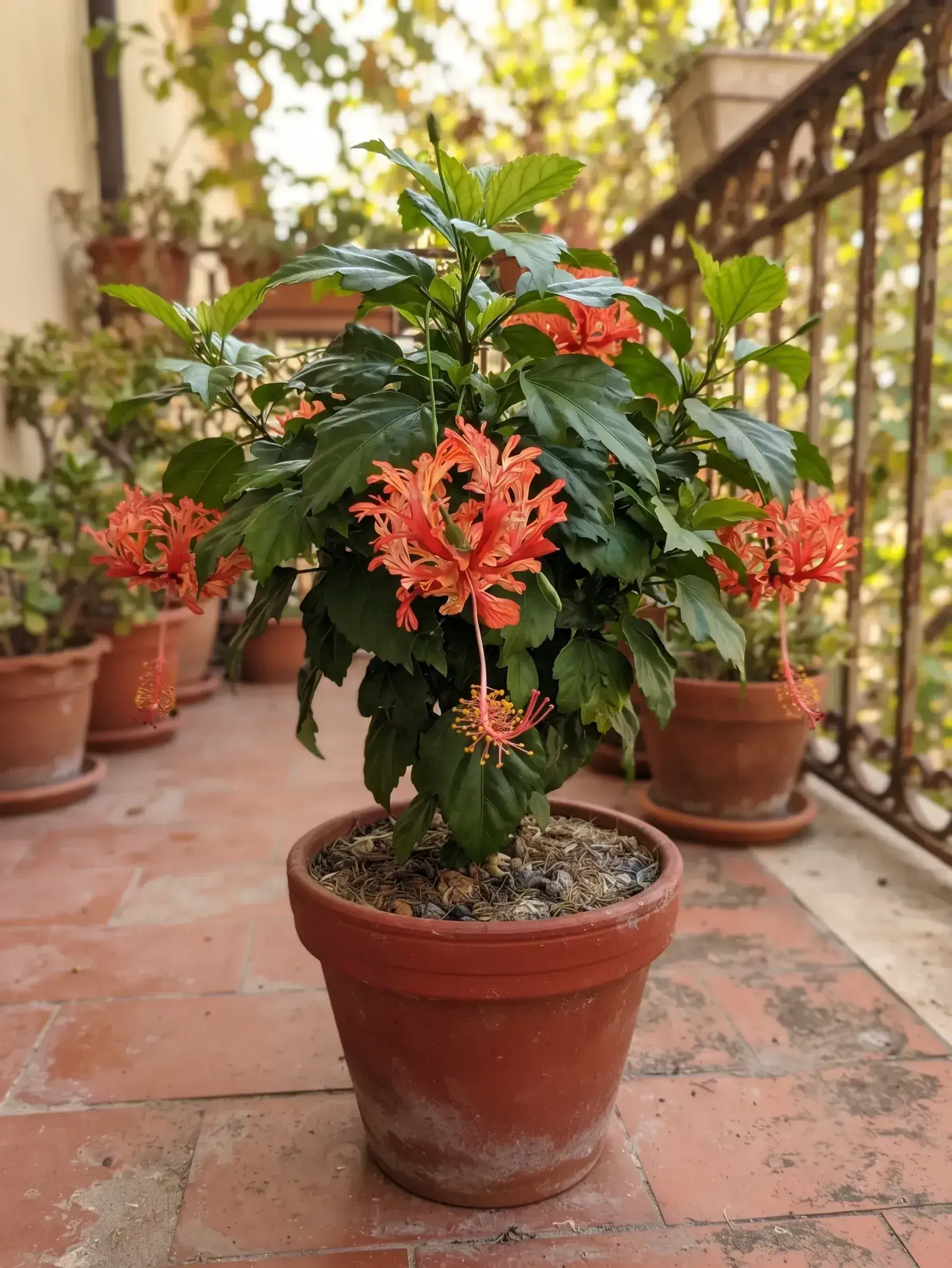
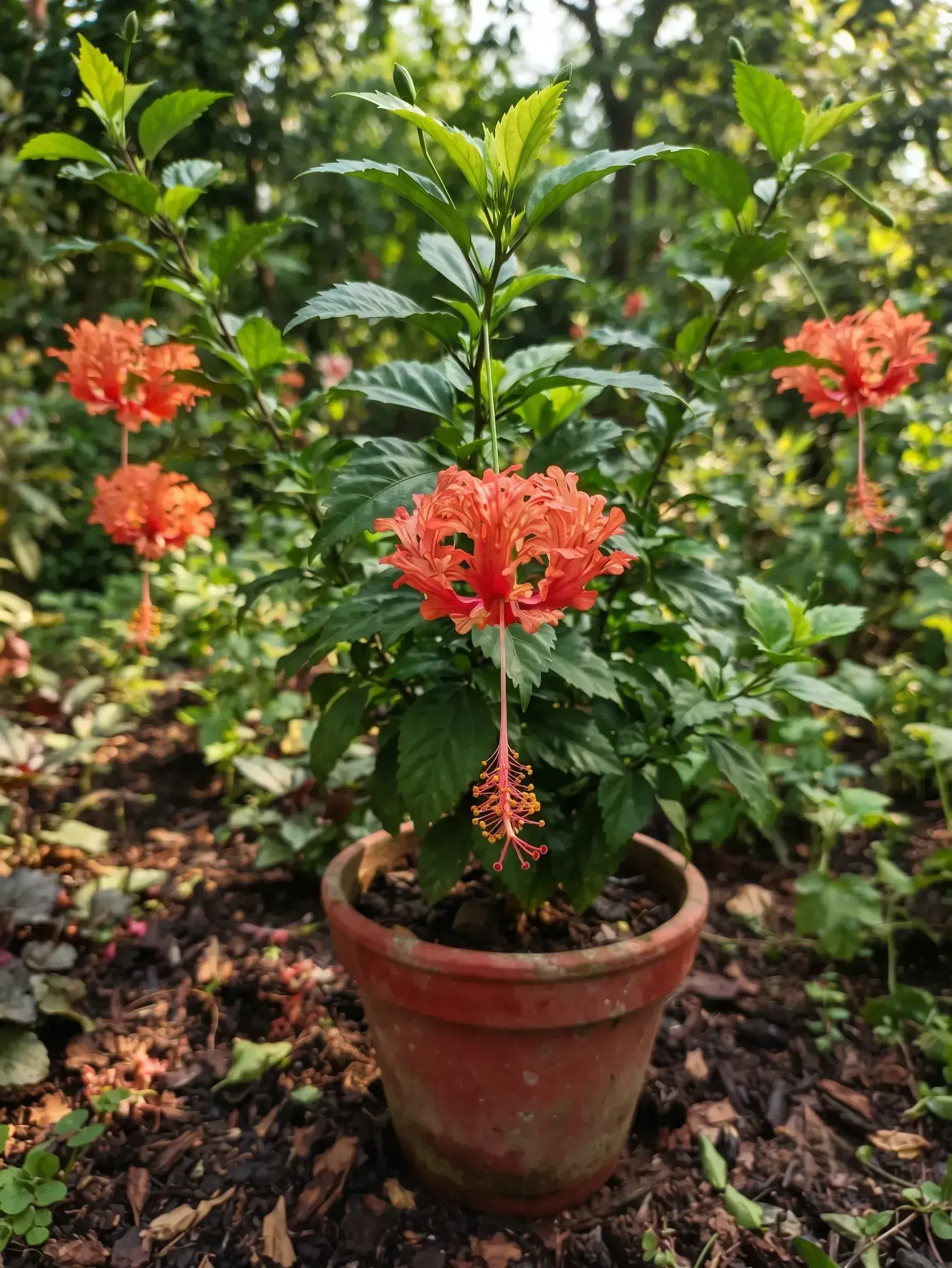
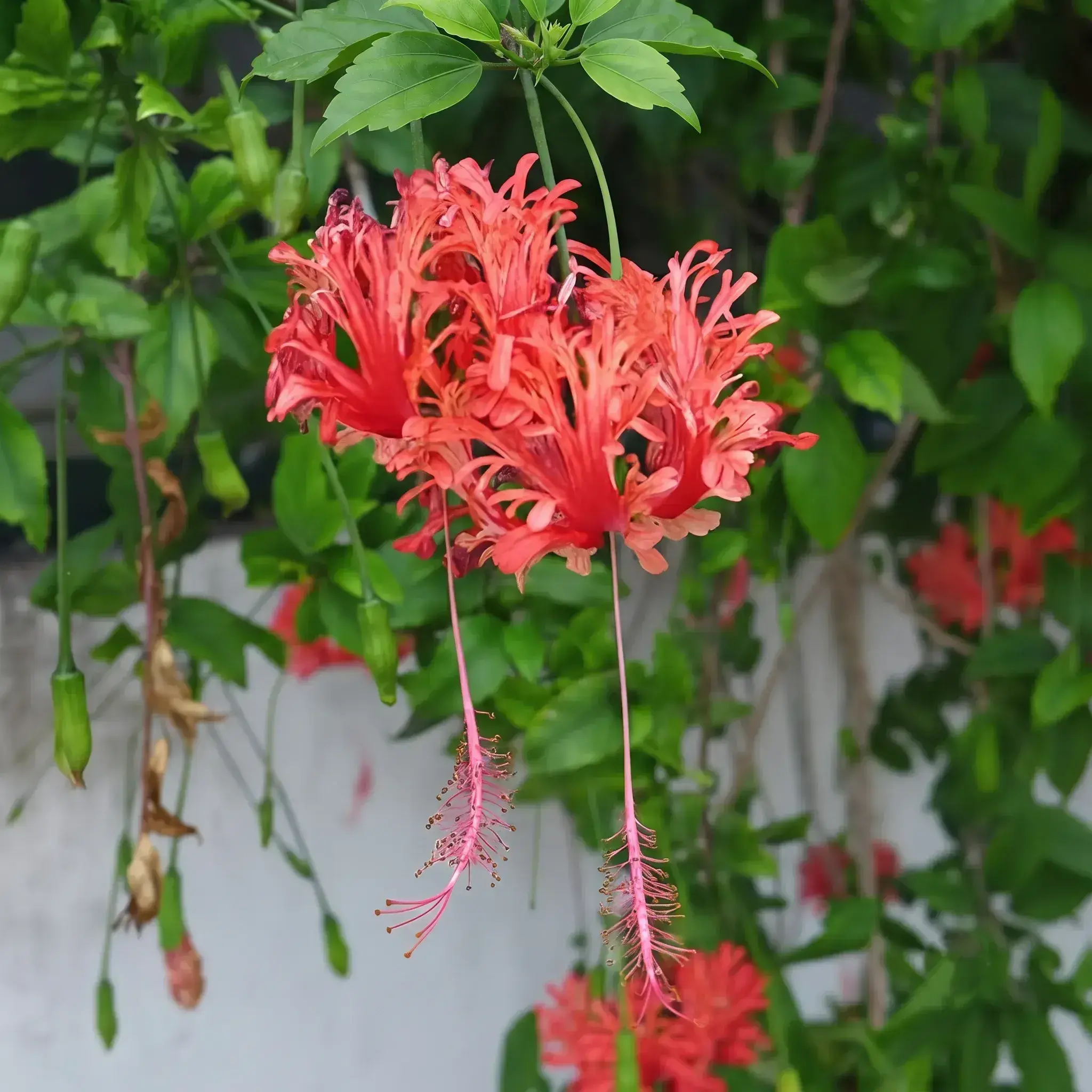
The Chinese Hibiscus – Spider Hibiscus (Jhumka Joba) Plant is a captivating tropical flowering shrub celebrated across Indian home gardens for its graceful, hanging lantern-like blooms and lush, glossy evergreen foliage. Botanically classified as Hibiscus rosa-sinensis, this ornamental variety is fondly called Jhumka Joba in Bengali and eastern Indian households because its pendant, tiered flowers resemble traditional dangling jhumka earrings.
Thriving in warm sunshine and tropical humidity, the Spider Hibiscus plant is an effortless, high-impact addition to sunny balconies, terrace gardens, courtyards, and outdoor flower borders across India. With regular sunlight, rich well-draining soil, and seasonal feeding, Hibiscus rosa-sinensis rewards home gardeners with continuous bursts of vibrant blooms throughout the warm months.
Plant Highlights
- Product Name: Chinese Hibiscus – Spider Hibiscus (Jhumka Joba) Plant | Hibiscus rosa-sinensis for Home Garden
- Common Name: Chinese Hibiscus, Spider Hibiscus, Jhumka Joba, Tropical Hibiscus, Shoe Flower, Gudhal
- Botanical Name: Hibiscus rosa-sinensis
- Family: Malvaceae (Mallow family)
- Plant Type: Evergreen perennial tropical flowering shrub
- Origin: Tropical Asia (cultivated widely across India, China, and Southeast Asia)
- Flower Colour: Vibrant red, coral-red, pink, or orange-red tones depending on cultivar selection, featuring a prominent drooping staminal column
- Flower Fragrance: Non-fragrant (attracts butterflies, bees, and sunbirds visually)
- Foliage: Glossy, dark green, oval leaves with toothed (serrated) edges
- Growth Habit: Upright, bushy, multi-branched woody shrub
- Mature Height: Typically 90 cm to 1.8 meters (3 to 6 feet) in home containers; up to 2.5 to 3.5 meters in open ground
- Sunlight: Full sunlight (at least 5 to 6 hours of direct sun daily)
- Watering: Moderate to regular; keep soil evenly moist without waterlogging
- Suitable For: Sunny balconies, open terraces, courtyard gardens, outdoor flower beds, and large patio pots
About the Chinese Hibiscus (Jhumka Joba) Plant
Hibiscus rosa-sinensis belongs to the mallow family Malvaceae and is one of the most iconic flowering shrubs in Indian horticulture. While standard hibiscus varieties produce flat, open saucer-shaped flowers, the Spider Hibiscus or Jhumka Joba form is prized for its distinctive pendant flower structure—often displaying double-tiered or deeply ruffled petals suspended on slender stalks with a long, graceful central staminal column.
In Indian gardens, especially across West Bengal, Odisha, Assam, and southern states, Jhumka Joba is grown both for its striking ornamental beauty and for daily floral offerings. Its ability to bloom repeatedly from spring through late autumn makes it a staple centerpiece in container and ground gardens alike.
Appearance and Growth Habit
The Chinese Hibiscus grows as a dense, woody, multi-stemmed evergreen shrub clothed in rich, glossy green leaves with serrated margins. Young stems are green and supple, gradually maturing into sturdy greyish-brown woody branches.
In pots, regular light pruning keeps the Spider Hibiscus compact and bushy at around 90 cm to 1.5 meters tall, ensuring plenty of branching tips where new flower buds form. When planted in open garden beds, it develops into a lush, rounded flowering shrub up to 2.5 to 3 meters high.
Flowers and Flowering Season
The Jhumka Joba produces showy, nodding flowers that hang downward like miniature lanterns or ornate earrings. Each bloom features vibrant petals—most commonly in shades of crimson red, coral, or bright pink—paired with an elongated staminal column tipped with golden-yellow anthers.
In warm Indian climates, Hibiscus rosa-sinensis blooms abundantly from spring through summer and monsoon into late autumn (February to November), slowing down only during the coolest winter weeks. Abundant direct sunlight, consistent soil moisture, and potassium-rich nutrition are the primary drivers of heavy bud formation.
Sunlight Requirements
Full sunlight is essential for vigorous blooming in the Spider Hibiscus plant. Place your pot or plant your shrub where it receives at least 5 to 6 hours of direct sunlight every day.
In regions experiencing scorching summer temperatures above 40°C during May and June, providing light afternoon shade helps prevent flower buds from dropping prematurely and keeps leaves lush. Growing Jhumka Joba in deep shade produces healthy green foliage but very few flowers.
Watering Requirements
Tropical hibiscus plants are thirsty during warm weather and prefer evenly moist, well-drained soil.
Watering During Summer and Active Growth
Check the top 2 to 3 cm of soil daily during hot summer months—when it feels dry to the touch, water thoroughly until water drains out of the bottom holes. Potted plants in full sun often need watering once a day during peak summer heat.
Watering During Monsoon and Winter
During the monsoon, rely primarily on natural rainfall and make sure pots do not sit in trays of stagnant water, which can cause root rot and yellow leaves. In winter, when growth slows, reduce watering frequency to once every 3 to 5 days, checking soil moisture first.
Soil and Potting Requirements
Hibiscus rosa-sinensis thrives in fertile, slightly acidic to neutral, well-draining loamy soil rich in organic matter (ideal pH around 6.0 to 6.8).
Suggested Potting Mixture for Chinese Hibiscus
Prepare a nutrient-rich, airy potting mix using 40% fertile garden loam, 30% well-decomposed vermicompost or cow dung manure, 20% cocopeat for moisture retention, and 10% coarse river sand or perlite for drainage. Always plant in a container with multiple drainage holes at the base.
Growing the Plant in the Indian Climate
The Indian tropical and subtropical climate is naturally suited for growing Chinese Hibiscus across almost all regions.
Summer Care
Keep soil consistently moist, mulch the top of the pot with dry leaves or cocopeat to cool the roots, and offer light afternoon shade during extreme heatwaves.
Monsoon Care
In warm, humid regions like Kolkata, West Bengal, Kerala, and coastal India, Jhumka Joba grows lushly during monsoon. Ensure pots drain rapidly during heavy downpours and maintain good spacing between plants for airflow.
Winter Care
In North India where winter night temperatures drop below 10°C, growth slows and some lower leaves may turn yellow and drop. Move potted plants to the sunniest spot available, reduce watering, and avoid heavy pruning until February.
Temperature and Humidity
Hibiscus rosa-sinensis thrives in warm temperatures between 20°C and 35°C and loves moderate to high humidity. It is sensitive to frost and prolonged cold drafts below 8°C to 10°C.
Fertilizer and Nutrition
Because the Spider Hibiscus produces blooms continuously over many months, it is a moderately heavy feeder that benefits from regular organic nutrition.
From February through October, feed every 15 to 20 days with well-rotted vermicompost, banana peel fertilizer, mustard cake liquid fertilizer, or a balanced organic flowering feed rich in potassium and micronutrients. Avoid high-nitrogen chemical fertilizers, which encourage leafy growth at the expense of flowers, and pause heavy feeding during winter dormancy.
Growing the Plant in Pots
The Jhumka Joba performs wonderfully in containers on sunny balconies and terraces. Start a young plant in a 10-to-12-inch pot and gradually move it up to a 14-to-16-inch terracotta or heavy-duty grow bag as the root system expands. Repot every 1 to 2 years in early spring (February–March), refreshing the top soil with rich compost.
Pruning and Maintenance
Since Hibiscus rosa-sinensis produces flowers on new growth, light pruning is the secret to a bushy, flower-laden shrub.
Give the plant a light shaping prune in early spring (February) or right after the monsoon to remove dead, weak, or inward-growing branches and encourage multiple new flowering shoots. Pinching off faded flowers regularly also keeps the plant tidy and channels energy into new buds.
Propagation
Chinese Hibiscus is most reliably propagated from semi-hardwood stem cuttings or air layering, which preserve the exact flower shape and color of the parent Jhumka Joba plant.
Propagation by Stem Cuttings
During spring or monsoon, take a 12 to 15 cm healthy semi-hardwood stem cutting with 3 to 4 nodes using clean pruning shears. Remove the lower leaves, dip the cut base in rooting hormone or aloe vera gel, and plant it 4 to 5 cm deep into a moist mix of river sand and cocopeat. Keep in bright indirect light with high humidity; roots typically develop within 3 to 4 weeks.
Common Problems and Plant Care
Regular inspection keeps your Spider Hibiscus vibrant and pest-free.
1. Yellowing Leaves (Chlorosis)
A few yellow older leaves are normal during seasonal weather shifts in winter or monsoon. However, widespread yellowing usually points to overwatering, poor drainage, or magnesium/iron deficiency—check drainage first and apply Epsom salt (1 teaspoon per liter of water as a soil drench) or organic micronutrients.
2. Flower Buds Dropping Before Opening
Bud drop is commonly caused by erratic watering (letting the soil dry out completely), extreme summer heat, thrips or gall midge pests, or potassium deficiency. Maintain even soil moisture and feed with potassium-rich organic fertilizer.
3. White Cottony Mealybugs and Aphids
Hibiscus shoots are a favorite target for white mealybugs and aphids, especially in warm, humid weather. Spray forcefully with water to dislodge them, then apply diluted cold-pressed neem oil (5 ml neem oil + 2 ml mild liquid soap in 1 liter of water) in the evening every 7 days until clear.
4. Ants on Buds and Stems
Ants themselves do not eat the plant—they are farming sap-sucking mealybugs or aphids for sweet honeydew. Treating the mealybugs or aphids naturally stops the ants from returning.
Suitability for Home Gardens
The Chinese Hibiscus – Spider Hibiscus (Jhumka Joba) Plant is ideal for sunny balconies, open terraces, courtyard gardens, outdoor flower borders, and patio containers. Because it requires strong direct sunlight to bloom, it is not suitable for dark indoor rooms.
Safety and Important Information
According to veterinary and botanical references (including the ASPCA), true Hibiscus rosa-sinensis is non-toxic to cats, dogs, and humans. (Note: Keep it distinct from Rose of Sharon, Hibiscus syriacus, which can cause mild stomach upset in pets.) Even so, avoid letting pets chew on fertilized garden soil or neem-treated leaves.
Live Plant Delivery Information
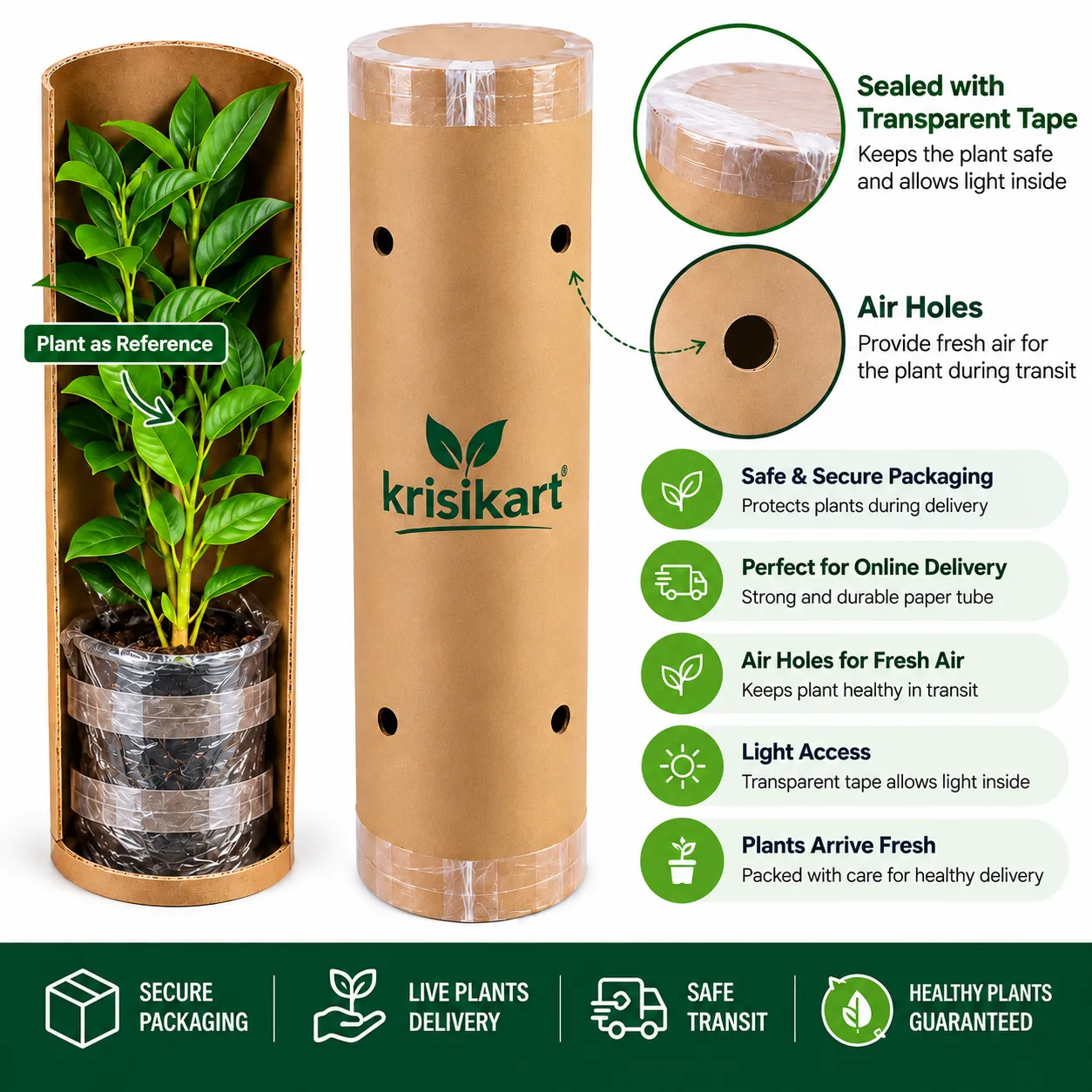
Live hibiscus plants vary naturally in height, stem thickness, leaf fullness, and presence of buds or open flowers at the time of shipping. During transit, plants may experience mild shipping stress, and a few lower leaves or buds may turn yellow or drop upon arrival—this is a normal temporary reaction.
After unboxing, place your Spider Hibiscus plant in bright, filtered outdoor light for 2 to 3 days before gradually moving it into full direct sunlight. Check the potting soil immediately and water thoroughly if dry. Avoid applying fertilizers or pruning right after delivery; wait 1 to 2 weeks until fresh green shoots appear.
Why Choose the Spider Hibiscus (Jhumka Joba) Plant for Your Garden?
With its graceful, earring-like pendant blooms, glossy evergreen foliage, and long flowering season across Indian summers and monsoons, the Jhumka Joba brings timeless tropical charm to home gardens. Easy to grow in pots or garden beds, it rewards simple sunlight and regular care with months of vibrant color.
Botanical Information and Further Reading
- Kew Science – Plants of the World Online: Hibiscus rosa-sinensis L.
- Royal Horticultural Society (RHS) – Hibiscus rosa-sinensis Plant Profile
- Missouri Botanical Garden – Hibiscus rosa-sinensis Plant Finder
- India Biodiversity Portal – Hibiscus rosa-sinensis L. Reference
- ASPCA Animal Poison Control – Hibiscus Pet Safety Information
Frequently Asked Questions (FAQs)
1. What is the botanical name of the Spider Hibiscus or Jhumka Joba plant?
The accepted botanical name is Hibiscus rosa-sinensis, and it belongs to the mallow family Malvaceae.
2. Why is it called Jhumka Joba?
In Bengali and eastern Indian gardening, “Jhumka” means traditional dangling earrings and “Joba” means hibiscus—named for the flower’s graceful, hanging lantern-like shape.
3. How much sunlight does a Chinese Hibiscus plant need to bloom?
It needs at least 5 to 6 hours of direct sunlight daily to produce abundant flowers. Plants kept in shade grow leafy stems with few or no blooms.
4. How often should I water my Jhumka Joba plant?
Keep the soil evenly moist without waterlogging. In hot summer weather, potted plants usually need watering once daily when the top 2 to 3 cm of soil feels dry, while during monsoon and winter you should water less frequently.
5. Why are the flower buds falling off my hibiscus plant before opening?
Bud drop is usually caused by irregular watering, extreme afternoon heat, potassium deficiency, or sap-sucking pests like mealybugs and thrips. Maintain consistent moisture, feed with potassium-rich organic fertilizer, and inspect buds for pests.
6. How do I get rid of white mealybugs on my hibiscus plant?
Wash off visible clusters with a strong jet of water, then spray diluted cold-pressed neem oil (5 ml neem oil + 2 ml mild liquid soap per liter of water) in the evening every 7 days until controlled.
7. What soil mix is best for growing Chinese Hibiscus in pots?
A rich, well-draining mix of 40% fertile garden soil, 30% vermicompost or well-rotted cow dung manure, 20% cocopeat, and 10% coarse river sand or perlite keeps roots aerated and well-nourished.
8. Can I grow Jhumka Joba indoors?
No, Hibiscus rosa-sinensis needs strong direct outdoor sunlight to stay healthy and flower, so it performs best on sunny balconies, terraces, and outdoor gardens.
9. When and how should I prune my Spider Hibiscus plant?
Prune lightly in early spring (February) or after the monsoon to remove weak or leggy branches. Because hibiscus blooms on new shoots, light pruning encourages fuller branching and more flowers.
10. Is the Chinese Hibiscus plant safe for pets?
Yes, true Hibiscus rosa-sinensis is non-toxic to cats and dogs, though you should keep pets away from fertilized soil or neem-sprayed leaves.
For More Information
Visit: krisikart.com
For Contact Visit:Contact Us
For Shopping Visit: Shop Page


Amit sukla –
Every plant was green and fresh.
Very good customer experience.
Beautiful plants with strong roots.
Pritam sukla –
Excellent quality plants.
Happy to recommend this website.
Every plant was green and fresh.
Pradeep singh –
First time order kiya.
Experience was really amazing Garden ab aur bhi sundar lag raha hai.