
 Plastic Plant pot | Plastic Garden Pot for Plants
 Self Watering Planters | Self Watering Plant Pots For Plants
Trifasciata Plant | Mother-in-Law’s Tongue (Dracaena trifasciata) Yellow Border Snake Plant
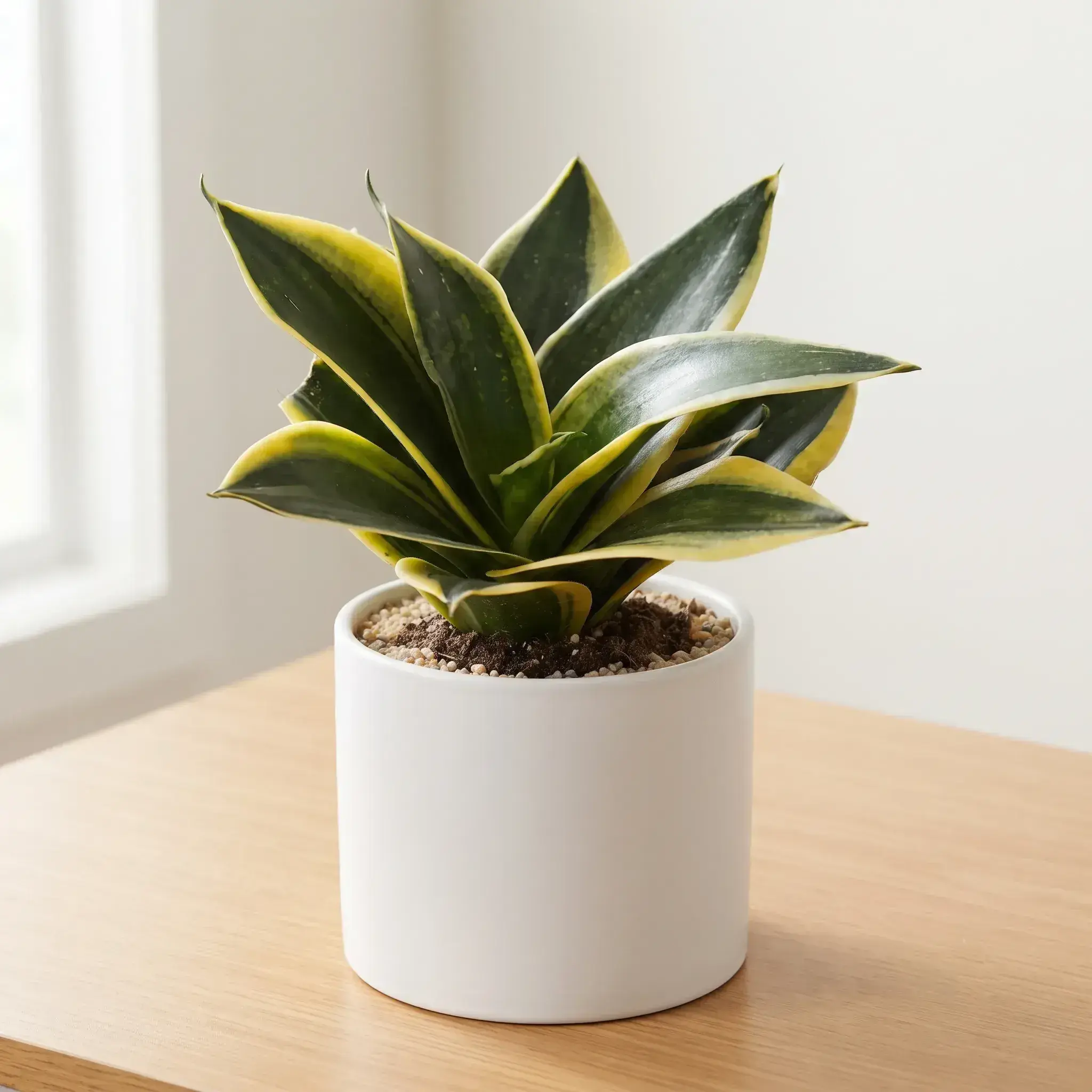
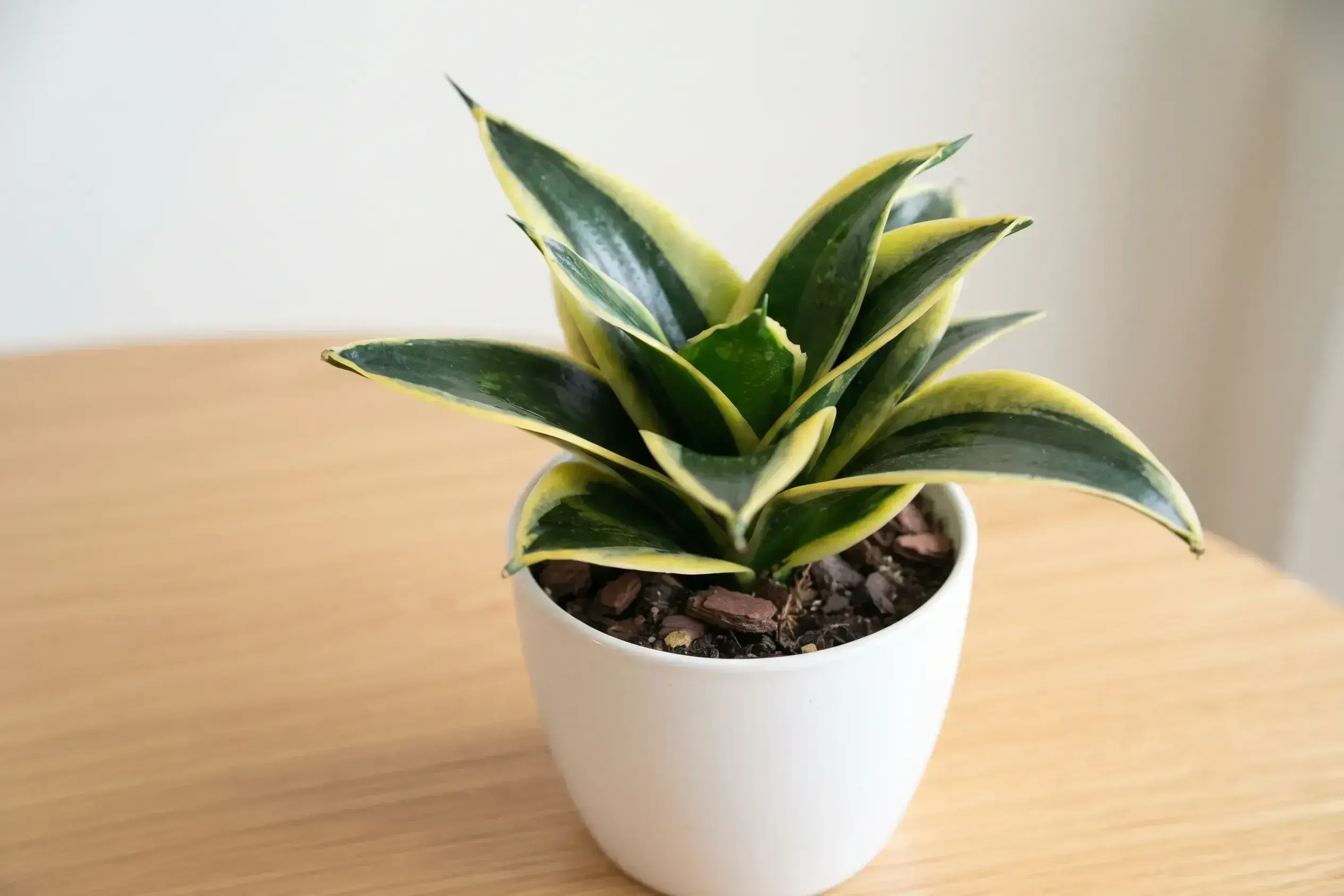
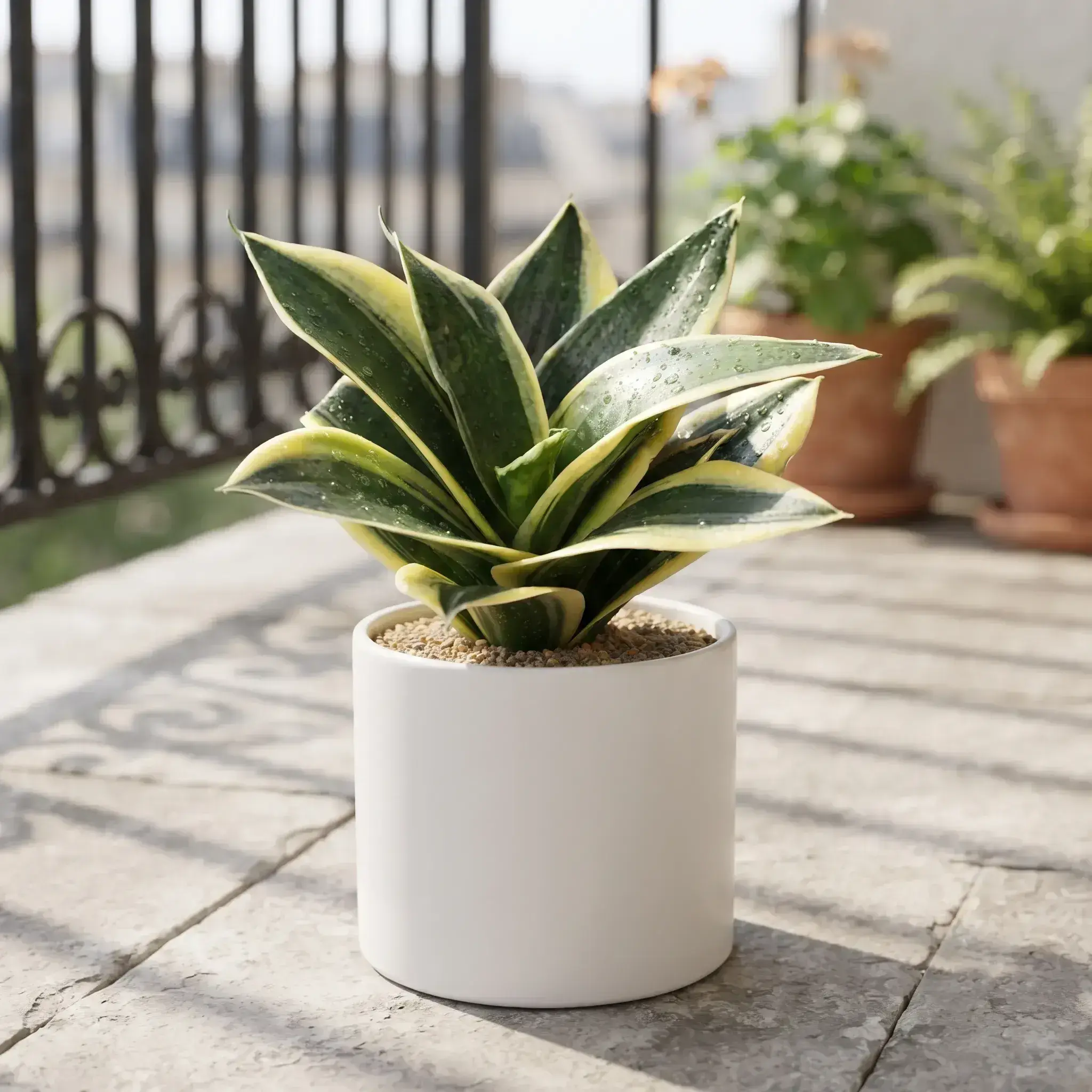
The Trifasciata Plant, famously known across Indian homes as Mother-in-Law’s Tongue or the Yellow Border Snake Plant, is one of the toughest, most architectural indoor and balcony foliage plants you can own. Botanically accepted as Dracaena trifasciata (and still widely sold in nurseries under its classic name Sansevieria trifasciata), this yellow-edged variety—most commonly Dracaena trifasciata ‘Laurentii’—features tall, sword-shaped, upright leaves banded in deep emerald green with striking golden-yellow margins.
Renowned for tolerating low indoor light, dry air, and occasional missed waterings, the Yellow Border Snake Plant is an ideal choice for beginner gardeners, busy households, living rooms, bedrooms, balconies, and office spaces across India. Because its thick, succulent leaves store moisture efficiently, it brings bold vertical greenery to modern interiors and shaded patios with minimal maintenance.
Plant Highlights
- Product Name: Trifasciata Plant | Mother-in-Law’s Tongue (Dracaena trifasciata) Yellow Border Snake Plant
- Common Name: Snake Plant, Mother-in-Law’s Tongue, Trifasciata Plant, Yellow Border Snake Plant, Variegated Snake Plant, Viper’s Bowstring Hemp
- Accepted Botanical Name: Dracaena trifasciata (widely known under the synonym Sansevieria trifasciata; yellow-margined cultivar typically ‘Laurentii’)
- Family: Asparagaceae (Asparagus family)
- Plant Type: Evergreen perennial stemless succulent herb
- Origin: Tropical West Africa (from Nigeria east to the Democratic Republic of the Congo)
- Flower Colour: Fragrant greenish-white to creamy-white tubular flowers in tall narrow spikes (rarely seen indoors)
- Foliage: Stiff, upright, sword-shaped leaves with horizontal dark-and-light green banding and crisp golden-yellow borders
- Growth Habit: Clump-forming upright rosette spreading slowly via underground rhizomes
- Mature Height: Typically 60 cm to 1.2 meters (2 to 4 feet) tall in home containers
- Sunlight: Bright indirect light to medium indoor light; tolerates low light and gentle morning sun
- Watering: Low; allow the potting mix to dry out almost completely between waterings
- Suitable For: Living rooms, bedrooms, offices, shaded balconies, hallways, and indoor floor planters
About the Trifasciata Plant
Dracaena trifasciata belongs to the family Asparagaceae and is native to tropical West Africa. Following modern molecular botanical studies (recognized by Kew Science and the Royal Horticultural Society), species formerly placed in the genus Sansevieria were reclassified into Dracaena, though nurseries and plant enthusiasts still frequently call it Sansevieria trifasciata.
The cultivar ‘Laurentii’ is prized worldwide for the vibrant golden-yellow stripes running cleanly down both edges of every blade. In Indian homes and offices, this Yellow Border Snake Plant is a staple tabletop and floor plant because it adapts effortlessly to both bright balconies and lower-light interior corners while maintaining a crisp, structured silhouette.
Appearance and Growth Habit
The Trifasciata Plant grows as an upright cluster of thick, leathery, sword-shaped leaves emerging directly from thick underground stems called rhizomes. Each leaf tapers to a firm point and displays horizontal zigzag banding in shades of deep green and silvery-grey-green, framed by bright yellow borders.
Growth is slow to moderate, gradually filling its pot with new upright shoots (pups) around the base. Mature potted specimens typically reach 60 to 120 cm in height, providing strong vertical lines without sprawling outward.
Foliage and Flowering Characteristics
This plant is grown almost entirely for its bold, architectural evergreen foliage. Occasionally, mature, slightly root-bound plants exposed to bright light and warm conditions send up a slender flower spike bearing clusters of small, greenish-white flowers that open in the evening with a sweet, vanilla-like fragrance, though indoor specimens bloom infrequently.
Sunlight Requirements
One of the greatest strengths of the Yellow Border Snake Plant is its wide light adaptability. It performs best in bright indirect light—such as near an east-, north-, or west-facing window or on a shaded balcony—where the golden-yellow borders stay vivid and new leaves grow thick and upright.
It also tolerates medium to low indoor light (such as bedrooms, hallways, and office corners) far better than most houseplants, though growth slows and yellow margins may appear slightly paler in dim spaces. Avoid placing indoor-acclimated plants suddenly into harsh, direct Indian summer afternoon sun, which can bleach or scorch the leaves.
Watering Requirements
Because Dracaena trifasciata stores water inside its thick succulent leaves and underground rhizomes, overwatering is the single most common mistake to avoid.
Watering During Summer and Active Growth
Check the soil before watering—push your finger or a wooden stick deep into the pot, and water thoroughly only when the potting mix is dry almost all the way to the bottom. Let excess water drain out freely and never let the pot sit in a saucer of standing water. In warm summer weather, this typically means watering once every 10 to 14 days.
Watering During Monsoon and Winter
During the humid Indian monsoon and cool winter months, evaporation slows down dramatically. Reduce watering to once every 3 to 4 weeks, checking that the soil is completely dry first, and avoid pouring water directly into the center of the leaf rosettes where trapped moisture can cause crown rot.
Soil and Potting Requirements
A fast-draining, well-aerated potting mix is essential to prevent root and rhizome rot. Heavy garden clay retains too much moisture around the fleshy roots.
Suggested Potting Mixture for Trifasciata Plant
Prepare a porous, well-draining mix using 40% well-draining garden loam, 35% coarse river sand or perlite, and 25% cocopeat or pumice, enriched with a small handful (about 10%) of well-decomposed vermicompost. Always use a heavy, stable pot (such as ceramic or terracotta) with clear drainage holes at the base so tall leaves do not tip the container over.
Growing the Plant in the Indian Climate
The Trifasciata Plant thrives across virtually every region of India, from coastal humid cities to dry inland plains.
Summer Care
It handles Indian summer warmth effortlessly indoors or on shaded balconies. Keep it out of harsh afternoon sun and water only after the potting mix dries out.
Monsoon Care
In high-rainfall, humid areas such as Kolkata, Mumbai, Bengaluru, and coastal states, protect potted plants from continuous heavy monsoon rain so the potting soil does not stay waterlogged.
Winter Care
Mild Indian winters are comfortable for Dracaena trifasciata. Keep the plant away from cold drafts, cut back watering to once a month, and pause fertilizing until spring warmth returns.
Temperature and Humidity
The Yellow Border Snake Plant prefers comfortable temperatures between 18°C and 35°C and adapts to normal household humidity without needing misting. It grows reliably in air-conditioned bedrooms and offices, provided it is not placed directly in front of a freezing AC vent and is protected from temperatures below 10°C.
Fertilizer and Nutrition
This slow-growing foliage plant is a very light feeder and requires minimal fertilizer.
During the active growing months from spring to early autumn (March to September), feed once every 6 to 8 weeks with a balanced liquid houseplant fertilizer diluted to half strength, or add a light top-dressing of vermicompost in spring. Avoid fertilizing in winter or immediately after repotting.
Growing the Plant in Pots
The Trifasciata Plant is ideally suited for long-term indoor and balcony container gardening. It actually prefers being slightly snug in its pot—choose a heavy container only 2 to 4 cm wider than the root clump, as oversized pots hold excess damp soil. Repot every 2 to 3 years in spring when rhizomes crowd the pot rim.
Pruning and Maintenance
Maintenance is minimal. If an older outer leaf becomes damaged, bent, or yellow, cut it cleanly near the soil line with sterilized scissors or a sharp knife.
Wipe dust gently off the broad sword-like leaves every few weeks with a soft, slightly damp cloth to keep the green banding and yellow borders glossy and allow the leaves to breathe.
Propagation
The Yellow Border Snake Plant can be propagated in two ways, with one important horticultural detail to keep in mind.
1. Rhizome Division (Preserves the Yellow Border)
To keep the signature golden-yellow margins intact, propagate by dividing the underground rhizomes during spring repotting. Gently separate a healthy pup (offset) with its own roots attached and pot it into fresh, well-draining soil.
2. Leaf Cuttings (Reverts to All-Green Foliage)
While Dracaena trifasciata roots easily from leaf sections planted in soil or water, new shoots grown from leaf cuttings of the ‘Laurentii’ cultivar lose their yellow edge variegation and revert to solid banded green leaves.
Common Problems and Plant Care
Most issues with Mother-in-Law’s Tongue stem from excess water or poor drainage.
1. Mushy, Yellowing, or Foul-Smelling Leaf Bases
The classic sign of overwatering and rhizome rot. Stop watering immediately, unpot the plant, trim away any soft or rotted roots and rhizomes with a clean blade, and repot healthy divisions into fresh, dry potting mix.
2. Wrinkled, Curling, or Dry Leaf Tips
Indicates prolonged underwatering during hot weather or very dry air. Give the pot a thorough soak until water drains from the bottom holes, and the leaves will firm back up.
3. Drooping or Flopping Leaves
Often caused by either waterlogged roots or prolonged extreme low light producing weak, thin blades. Check soil moisture first and move the plant to brighter indirect light.
4. Brown Scarring or Mealybugs
Physical bumps can leave small dry brown scars on leaves. Occasionally, mealybugs hide in tight leaf bases; dab them with a cotton swab dipped in 70% rubbing alcohol or wipe with diluted neem oil.
Suitability for Home Gardens
The Trifasciata Plant is an exceptional all-rounder for living rooms, bedrooms, study corners, office cabins, hallways, and covered balconies. Because it tolerates low light and dry indoor air while thriving in bright indirect light, it fits almost any indoor or shaded outdoor space.
Safety and Important Information
According to veterinary and botanical references (including the ASPCA), Dracaena trifasciata contains natural saponins that are mildly toxic to cats and dogs if chewed or swallowed, potentially causing nausea, drooling, or vomiting. Place potted plants out of reach of curious pets and young children.
Live Plant Delivery Information
Live Trifasciata plants vary naturally in height, leaf count, width, and yellow border intensity. During shipping, mild transit stress may occur, and minor leaf-tip drying or light surface scuffs are normal.
After unboxing, place your Yellow Border Snake Plant in bright indirect light and check soil moisture before watering—water thoroughly only if the soil is dry. Avoid fertilizing or repotting immediately after arrival, giving the plant 1 to 2 weeks to settle smoothly into its new home.
Why Choose the Trifasciata Plant for Your Home?
Combining striking yellow-bordered upright foliage, unmatched tolerance for low light and infrequent watering, and clean architectural style, the Trifasciata Plant is one of the most dependable houseplants for Indian homes and offices. With well-draining soil and restrained watering, it stays crisp, vibrant, and sculptural for years.
Botanical Information and Further Reading
- Kew Science – Plants of the World Online: Dracaena trifasciata (Prain) Mabb.
- Royal Horticultural Society (RHS) – Dracaena trifasciata ‘Laurentii’ Plant Profile
- Missouri Botanical Garden – Dracaena trifasciata (Sansevieria trifasciata) Guide
- University of Wisconsin-Madison Extension – Snake Plant Care Guide
- ASPCA Animal Poison Control – Snake Plant Pet Safety Information
Frequently Asked Questions (FAQs)
1. What is the botanical name of the Trifasciata Plant or Yellow Border Snake Plant?
The accepted botanical name is Dracaena trifasciata in the family Asparagaceae, though it is still widely known in nurseries by its older synonym Sansevieria trifasciata (specifically the yellow-edged cultivar ‘Laurentii’).
2. Can I keep a Yellow Border Snake Plant in my bedroom or low-light room?
Yes, it is one of the best houseplants for bedrooms, hallways, and low-light corners. While it grows fastest and keeps the brightest yellow borders in bright indirect light, it tolerates low indoor light reliably.
3. How often should I water my Trifasciata Plant?
Water thoroughly only when the potting soil has dried out almost completely—typically once every 10 to 14 days in summer and once every 3 to 4 weeks during monsoon and winter.
4. Why are the leaves of my Snake Plant turning soft and yellow at the base?
Mushy, yellowing leaf bases are caused by overwatering, poor pot drainage, or water pooling inside the center of the leaf cluster. Allow the soil to dry completely and remove any rotted leaves.
5. What soil mix is best for growing Dracaena trifasciata in pots?
Use a fast-draining potting mix made with well-draining garden loam, coarse river sand or perlite, and a small amount of compost so excess water drains quickly and never waterlogs the rhizomes.
6. How do I propagate the Yellow Border Snake Plant without losing the yellow edges?
Propagate by dividing the underground rhizomes and separating rooted pups during repotting. Leaf cuttings will root, but new plants grown from leaf cuttings revert to solid green leaves without yellow borders.
7. How should I care for a Snake Plant during the Indian monsoon?
Keep potted plants indoors or under a rain-sheltered balcony so heavy monsoon rain does not soak the soil, and reduce watering frequency during humid weather.
8. How tall does a potted Trifasciata Plant grow?
In home and office containers, it typically grows 60 cm to 1.2 meters (2 to 4 feet) tall with upright, sword-like leaves.
9. Is the Yellow Border Snake Plant safe for cats and dogs?
No, Dracaena trifasciata is mildly toxic to cats and dogs if chewed or swallowed, so keep it placed out of reach of pets.
10. Does the Trifasciata Plant need a large pot?
No, it prefers a snug, heavy pot only slightly wider than its root clump, as oversized pots retain excess moisture that can lead to root rot.
For More Information
Visit: krisikart.com
For Contact Visit:Contact Us
For Shopping Visit: Shop Page


Ankana sehera –
Best online plant shopping experience.
Highly recommended to everyone.Nice package.