 Plastic Plant pot | Plastic Garden Pot for Plants
 Self Watering Planters | Self Watering Plant Pots For Plants
Rubber Plant – Ficus Yellow Plant (Ficus altissima) Lemon Lime
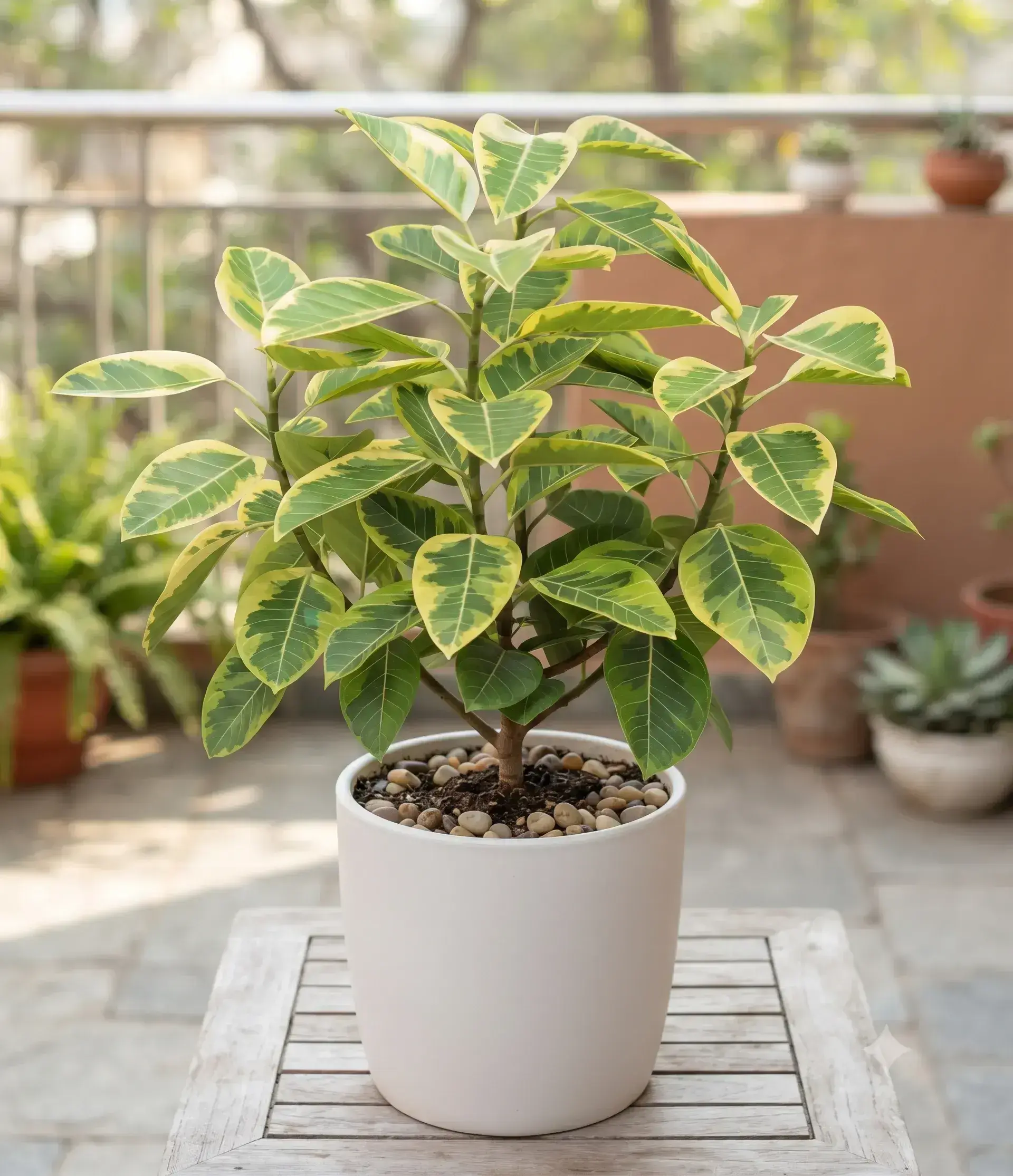
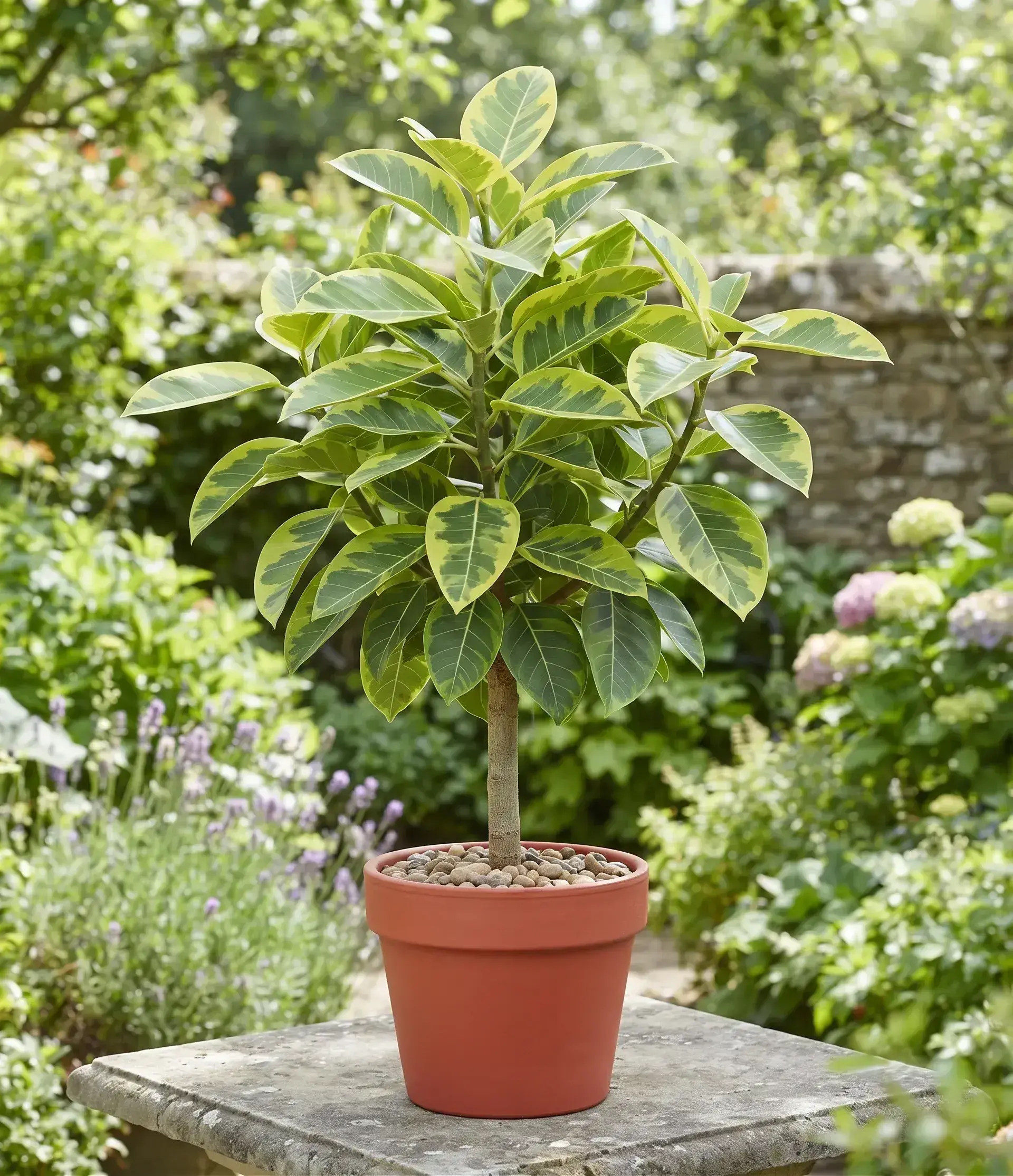
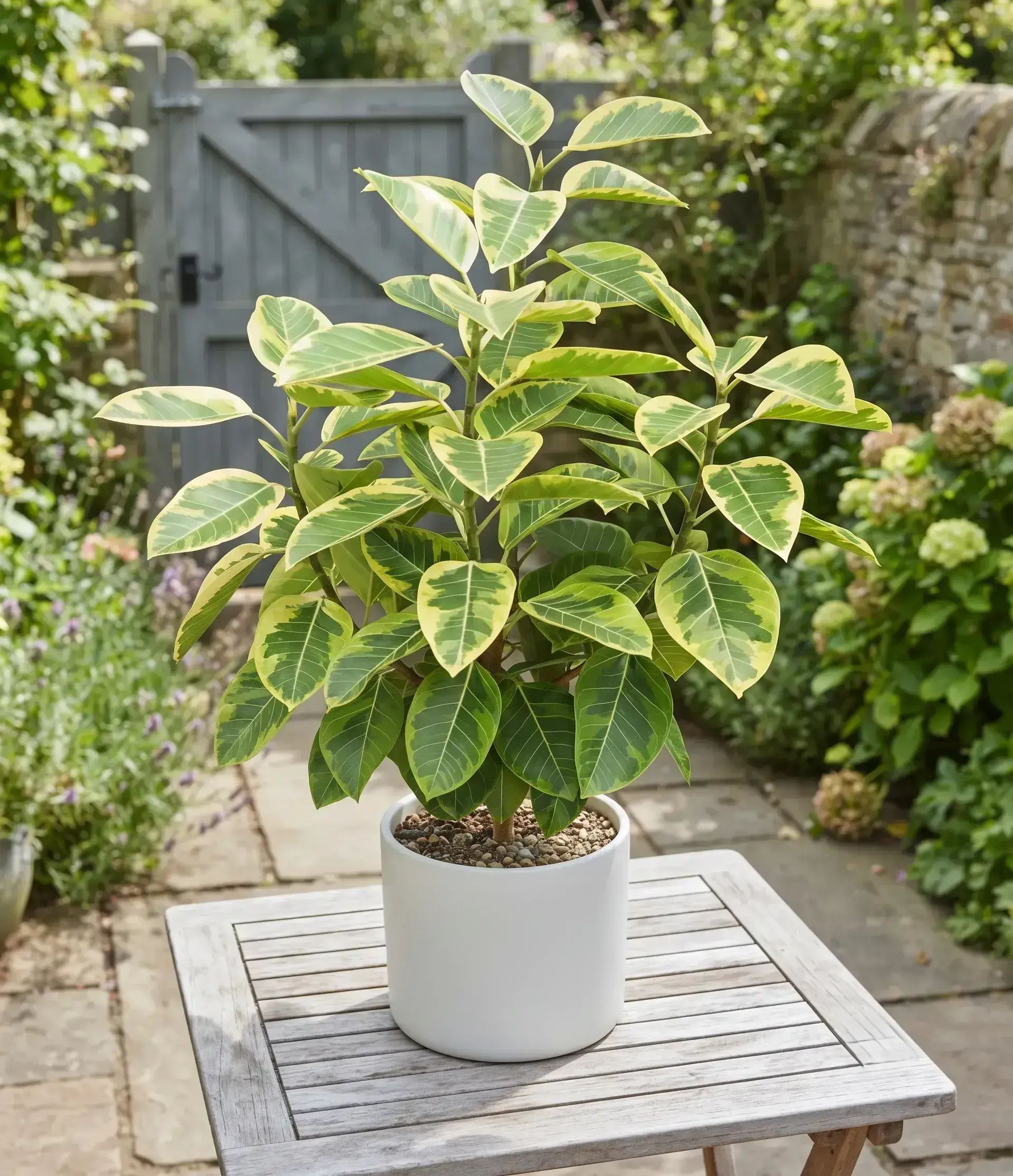
The Ficus Yellow Plant (Ficus altissima), commonly marketed as the Lemon Lime Rubber Plant or Yellow Gem Ficus. this attractive ornamental plant is admired for its large, glossy leaves featuring beautiful combinations of lemon yellow, lime green and deep green.
Its colourful foliage creates a bright and refreshing appearance, making it a popular choice for indoor decoration, offices, balconies, patios and home gardens.
Unlike ordinary green-leaved plants, the Lemon Lime Ficus has naturally patterned foliage that stands out in any plant collection. It can be grown in a decorative pot indoors near a bright window or outdoors in a warm, sheltered location.
Botanical note: Ficus altissima is a different species from the traditional Rubber Plant (Ficus elastica). It is also known as the Council Tree or Lofty Fig. The name Lemon Lime or Yellow Gem is used in the ornamental plant trade for its colourful foliage forms.
Plant Highlights
- Common Name: Ficus Yellow Plant, Lemon Lime Rubber Plant, Yellow Gem Ficus, Council Tree
- Scientific Name: Ficus altissima
- Family: Moraceae
- Plant Type: Evergreen tropical tree
- Origin: South and Southeast Asia
- Leaf Colour: Lemon yellow, lime green and dark green
- Foliage: Large, glossy and attractive leaves
- Growth Habit: Upright, woody tree
- Sunlight: Bright indirect light to partial sunlight
- Watering: Moderate watering
- Soil: Fertile, airy and well-drained soil
- Suitable For: Home, office, balcony, patio and garden decoration
About the Ficus Yellow Plant
The Ficus Yellow Plant belongs to the Moraceae family, which also includes banyan trees, figs and traditional rubber plants.
The botanical species Ficus altissima naturally grows as a large tropical tree. Its attractive foliage makes it popular as an ornamental plant, especially in its yellow-green variegated forms.
The Lemon Lime form is valued for its contrasting leaf patterns. Individual leaves may have a deep green centre, bright lime-green areas and yellowish margins. The exact pattern can vary from leaf to leaf.
This combination of colours gives the plant a fresh, tropical appearance that looks beautiful in modern homes and offices.
Appearance and Growth
The Ficus Yellow Plant develops strong upright stems and large, oval-shaped leaves.
Its main ornamental features include:
- Large, broad and glossy leaves.
- Attractive lemon-yellow and lime-green patterns.
- Darker green areas that contrast with the lighter foliage.
- Strong central leaf veins.
- Upright growth with a woody stem.
In a container, regular pruning can help maintain a manageable size. However, when planted in open tropical ground, Ficus altissima can develop into a very large tree, potentially reaching approximately 12–20 metres or more under favourable conditions.
Important: This is not a naturally dwarf plant. Container cultivation and pruning can help control its size, but it needs substantial space if planted permanently in open ground.
Flowers and Fruits
Like other fig species, Ficus altissima has a specialised flowering structure called a syconium. Its tiny flowers develop inside a rounded fig-like structure rather than appearing as ordinary decorative flowers.
The plant may produce small rounded fruits when mature and growing under suitable outdoor conditions.
It is primarily cultivated for its attractive foliage, not for its flowers or edible fruit.
Sunlight Requirements
The Lemon Lime Ficus grows best in bright natural light.
- Provide bright indirect sunlight indoors.
- Gentle morning sunlight is suitable.
- Partial sunlight can support outdoor growth.
- Avoid sudden exposure to harsh afternoon sunlight.
- Keep the plant in a bright location to help maintain attractive leaf patterns.
Insufficient light may result in weaker growth and less attractive foliage.
Watering Requirements
The Ficus Yellow Plant prefers moderate watering. Its roots should not remain in continuously wet soil.
- Water when the upper 2–5 cm of soil begins to dry.
- Water thoroughly until excess water drains from the pot.
- Empty standing water from the pot tray.
- Reduce watering during cooler or less active periods.
- Check soil moisture before watering again.
Avoid both prolonged dryness and excessive watering. Overwatering can damage the roots and cause yellowing or leaf drop.
Soil Requirements
Use a fertile, airy and well-drained potting mixture.
A suitable mixture can contain:
- Garden soil
- Cocopeat
- Well-decomposed compost
- Perlite or coarse sand
- Small amounts of suitable organic material
The growing medium should retain some moisture while allowing excess water to drain freely.
Avoid heavy soil that remains wet for long periods.
Temperature and Indian Climate
Ficus altissima prefers warm tropical and subtropical conditions. It can grow in suitable Indian climates, including West Bengal.
Growing tips for West Bengal:
- Keep indoor plants in bright natural light.
- Protect young plants from harsh afternoon sunlight.
- Maintain moderate watering during summer.
- Ensure excellent drainage during the monsoon.
- Avoid leaving pots in standing rainwater.
- Protect plants from unusually cold weather.
- Maintain good airflow around the foliage.
The warm and humid conditions of West Bengal can support healthy growth when watering and drainage are properly managed.
Fertilizer Requirements
The Ficus Yellow Plant benefits from moderate feeding during active growth.
- Add well-decomposed compost to the potting mixture.
- Use a balanced liquid fertilizer at a diluted strength when necessary.
- Feed during the warmer growing months.
- Avoid excessive fertilizer application.
- Follow the manufacturer’s instructions for granular fertilizers.
Healthy soil and balanced nutrition support fresh leaves and steady growth.
Growing Ficus Yellow in Pots
The Lemon Lime Ficus is suitable for container gardening and can be grown as a decorative indoor or outdoor foliage plant.
For successful pot cultivation:
- Choose a sturdy pot with drainage holes.
- Use a fertile, airy and well-drained potting mixture.
- Place it near a bright window or in a bright sheltered location.
- Water when the upper soil begins to dry.
- Rotate the pot occasionally for more balanced growth.
- Prune carefully if the plant becomes too large.
- Repot when the roots become crowded.
A medium or large decorative pot is suitable depending on the size of the supplied plant.
Best Places to Grow
The Ficus Yellow Plant is suitable for:
- Living room decoration near bright windows
- Office interiors
- Balcony gardens
- Covered patios
- Indoor plant collections
- Bright entrance areas
- Sheltered outdoor gardens
- Decorative container arrangements
Its bright foliage creates a beautiful contrast against ordinary green plants and modern interior backgrounds.
Pruning and Maintenance
Regular light pruning helps maintain a balanced shape and encourages branching.
- Remove dry or damaged leaves.
- Trim excessively long branches when needed.
- Remove weak or unhealthy growth.
- Rotate the pot for balanced light exposure.
- Clean dusty leaves gently with a soft, damp cloth.
Safety during pruning: Ficus plants release milky latex sap when their leaves or stems are damaged. Wear gloves and avoid contact with the eyes and sensitive skin.
Propagation
Ficus altissima can be propagated through stem cuttings and air layering.
Propagation through stem cuttings:
- Select a healthy, mature stem.
- Wear gloves before cutting.
- Take a suitable cutting using clean pruning tools.
- Allow excess milky sap to stop flowing.
- Place the cutting in a suitable moist, well-drained propagation medium.
- Keep it in a warm location with bright indirect light.
- Maintain moderate moisture while roots develop.
Air layering is another method used to propagate established branches. Rooting success depends on plant health, temperature and humidity.
Common Problems and Solutions
1. Yellow Leaves
Yellow leaves may result from overwatering, poor drainage or environmental stress. Check the soil moisture and make sure the pot drains properly.
2. Brown Leaf Edges
Dry air, irregular watering, excessive sunlight or root problems can cause brown edges. Maintain consistent watering and suitable light.
3. Leaf Drop
Ficus plants can drop leaves after sudden changes in light, temperature, watering or location. Keep the plant in a stable environment and avoid moving it frequently.
4. Faded Yellow-Green Patterns
Insufficient light may affect the appearance of variegated foliage. Provide bright natural light without exposing the plant suddenly to intense afternoon sunlight.
5. Slow Growth
Poor light, restricted roots or insufficient nutrition can affect growth. Provide suitable light and a healthy growing medium.
6. Pest Problems
Inspect leaves and stems for mealybugs, scale insects and spider mites. Remove affected parts where practical and use an appropriate plant-care treatment if necessary.
Is Ficus Yellow Suitable for Indoor Growing?
Yes. Ficus altissima can be grown indoors when provided with sufficient natural light.
For healthy growth:
- Place it near a bright window.
- Avoid dark corners.
- Keep it away from strong air-conditioning drafts.
- Water according to soil moisture.
- Maintain a stable growing location.
Its large, colourful leaves make it an attractive choice for living rooms, offices and other bright indoor spaces.
Safety and Handling
The Ficus Yellow Plant produces milky latex sap when its leaves, stems or branches are damaged.
- The sap may irritate sensitive skin.
- Avoid contact with the eyes.
- Do not consume the leaves or sap.
- Keep the plant away from children and pets that may chew it.
- Wear gloves when pruning or taking cuttings.
- Wash your hands and tools after handling the plant.
The sap can be harmful if ingested, so keep the plant out of reach of pets and small children.
Live Plant Delivery
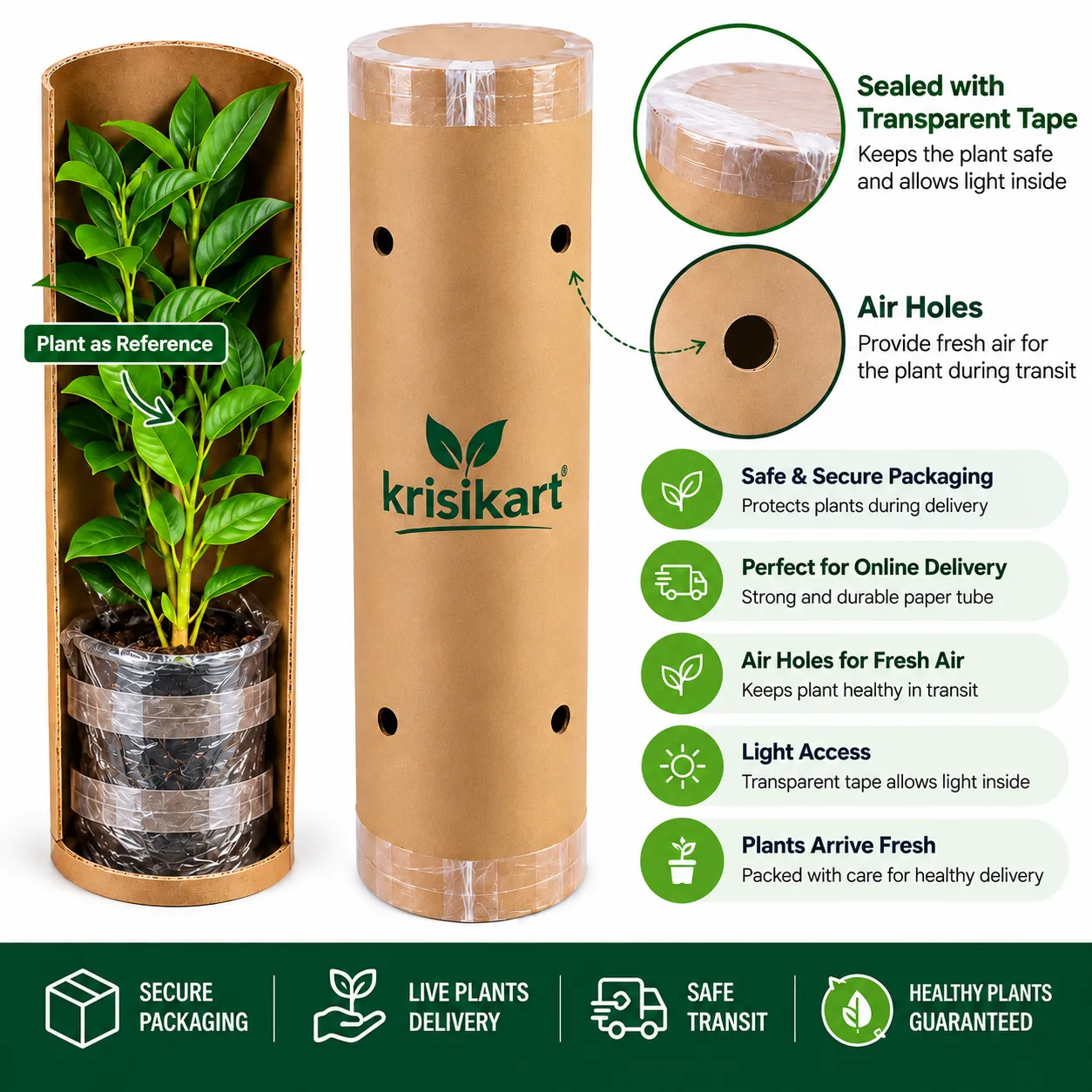
We take care to pack and deliver your Ficus Yellow Plant safely.
- The plant is supplied as a live nursery plant.
- Plant height, leaf count and branching may vary depending on availability.
- Yellow and green leaf patterns may differ naturally between individual leaves.
- Some leaves may show minor changes during transportation.
- Place the plant in a suitable bright location after delivery and allow it to adjust.
Why Choose the Ficus Yellow Plant?
The Lemon Lime Ficus is an attractive choice for anyone who enjoys colourful tropical foliage.
Its large glossy leaves, bright yellow-green patterns and upright growth make it a beautiful decorative plant for homes, offices, balconies and patios.
Whether placed near a bright living-room window or displayed in a decorative garden pot, this plant adds a fresh tropical appearance to its surroundings.
Botanical Information & Further Reading
- Kew – Plants of the World Online: Ficus altissima
- Botanical Survey of India – Ficus in West Bengal
- Royal Horticultural Society – How to Grow Ornamental Figs
- North Carolina State University – Plant Toolbox
- Ficus altissima – Yellow Gem Plant Information
- Flora Grubb Gardens – Ficus altissima ‘Yellow Gem’
- University of Florida – Rubber Tree Information
Frequently Asked Questions
1. What is the scientific name of the Ficus Yellow Plant?
Its scientific name is Ficus altissima. It belongs to the Moraceae family.
2. Is Ficus altissima the same as the traditional Rubber Plant?
No. Ficus altissima and Ficus elastica are two different species. Both belong to the Ficus genus, but they have different leaf characteristics and growth habits.
3. Why are the leaves yellow and green?
The Lemon Lime or Yellow Gem foliage form has natural variegation, creating attractive combinations of lemon yellow, lime green and darker green.
4. Is Ficus Yellow suitable for indoor growing?
Yes. It can grow indoors near a bright window where it receives sufficient natural light.
5. Can I grow Ficus altissima in West Bengal?
Yes. It prefers warm tropical conditions and can be grown in West Bengal in suitable indoor or outdoor locations.
6. How much sunlight does the Lemon Lime Ficus need?
Bright indirect light is ideal indoors. Outdoors, gentle morning sunlight and partial sunlight are suitable.
7. How often should I water the Ficus Yellow Plant?
Water when the upper 2–5 cm of soil begins to dry. Avoid overwatering and standing water.
8. Can I grow Ficus Yellow in a pot?
Yes. It is suitable for decorative pots and containers with proper drainage.
9. How tall does Ficus altissima grow?
In open tropical ground, it can become a large tree, potentially reaching approximately 12–20 metres or more. In containers, its size can be managed through pruning and restricted root space.
10. How can I maintain the yellow and green leaf colour?
Provide sufficient bright natural light, balanced nutrition and suitable watering. Avoid keeping the plant in a dark location.
11. Can I propagate the Ficus Yellow Plant?
Yes. It can be propagated through stem cuttings and air layering.
12. Why are the leaves falling off?
Sudden changes in light, temperature, watering or location can cause leaf drop. Keep the plant in a stable environment and check its soil moisture.
13. Is Ficus altissima safe for pets?
Its milky latex sap can be irritating and harmful if ingested. Keep it away from pets and children who may chew the plant.
14. Is the Lemon Lime Ficus suitable for office decoration?
Yes. Its colourful foliage and upright growth make it a beautiful choice for bright offices, reception areas and indoor decorative spaces.
For More Information
Visit: krisikart.com
For Contact Visit:Contact Us
For Shopping Visit: Shop Page


Reviews
There are no reviews yet.