 Plastic Plant pot | Plastic Garden Pot for Plants
 Self Watering Planters | Self Watering Plant Pots For Plants
Alphonso Mango Tree | Hapus Mango Tree (Mangifera indica) Ratnagiri Hapus Plant
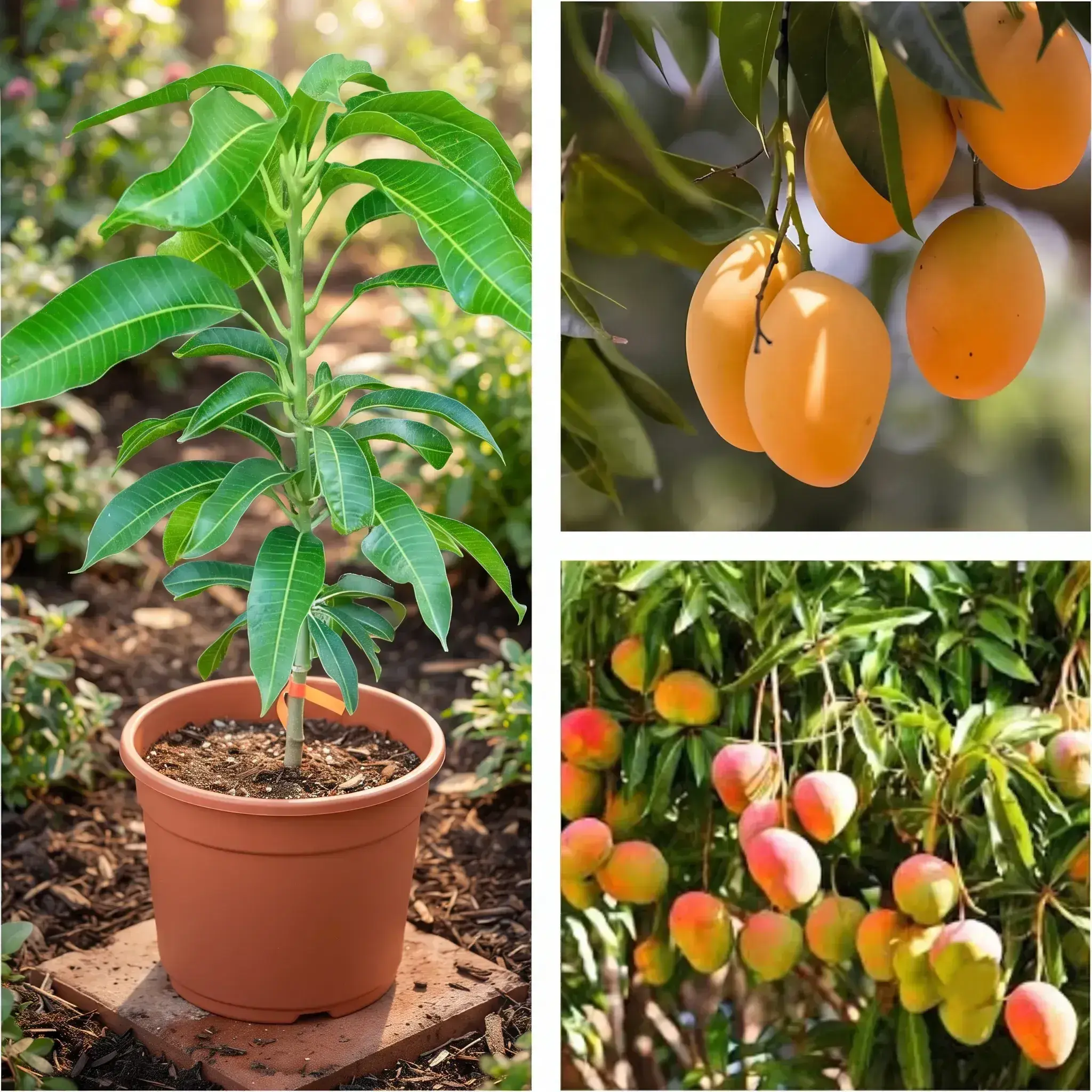
The Alphonso Mango Tree, universally revered across India as the Hapus Mango Tree and botanically classified as Mangifera indica ‘Alphonso’, is the benchmark of Indian summer mangoes. Originating from the coastal Konkan belt of Maharashtra—most famously Ratnagiri and Devgad—this Ratnagiri Hapus Plant is prized for its intoxicating floral aroma, rich saffron-yellow pulp, smooth fiberless texture, and balanced honeyed sweetness.
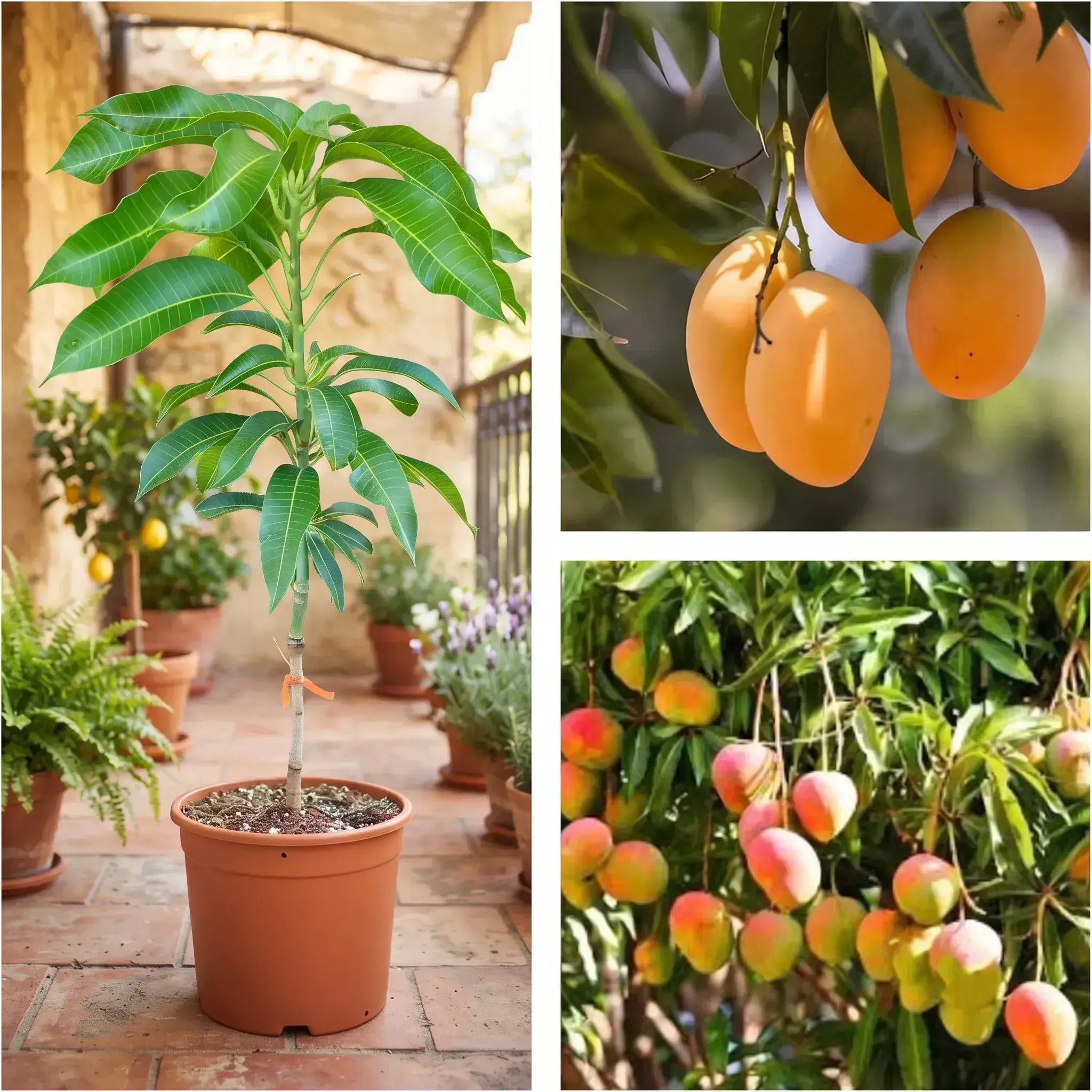
Because this Alphonso Mango Tree is vegetatively grafted onto a vigorous seedling mango rootstock rather than grown from seed, it preserves the authentic varietal fruit quality of the Ratnagiri Hapus parent tree while staying manageable for home gardens, farmhouses, and large terrace containers while young. With full direct sunlight, well-drained soil, and seasonal organic care, it brings year-round evergreen foliage and prized summer harvests to your outdoor space.
Plant Highlights
- Product Name: Alphonso Mango Tree | Hapus Mango Tree (Mangifera indica) Ratnagiri Hapus Plant (Grafted Plant)
- Common Name: Alphonso Mango, Hapus Mango, Ratnagiri Hapus, Badami (Karnataka), Aam (Hindi/Bengali)
- Botanical Name: Mangifera indica
- Cultivar Identity: ‘Alphonso‘ (Regional selection: Ratnagiri Hapus, propagated via grafting)
- Family: Anacardiaceae (Cashew / Sumac family)
- Plant Type: Evergreen perennial fruit tree
- Origin: Native to the Indian subcontinent; cultivar developed and famously cultivated in the Konkan coastal region (Ratnagiri, Maharashtra)
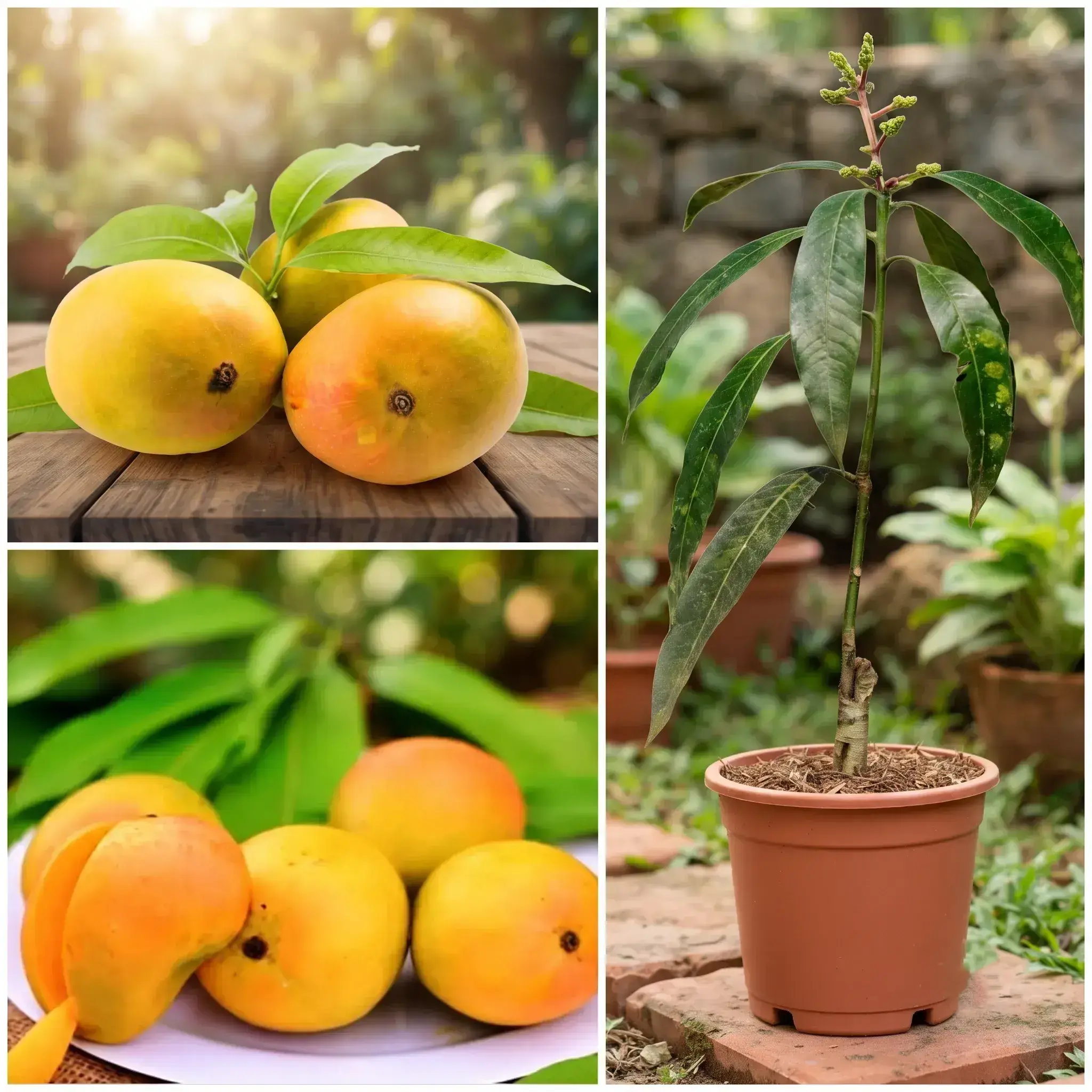
- Flower Colour: Tiny creamy-white to yellowish-green blooms in large branched terminal panicles
- Flower Fragrance: Lightly sweet and aromatic
- Fruit Colour: Golden-yellow with a warm reddish-orange blush on the sun-exposed shoulder when ripe, enclosing deep saffron-orange pulp
- Foliage: Alternate, glossy, lance-shaped dark green leathery leaves; fresh shoot flushes emerge coppery-red or bronze before turning deep green
- Growth Habit: Spreading, dome-canopied evergreen tree with a sturdy trunk and dense foliage
- Mature Height: Typically 8 to 12 meters (26 to 40 feet) in open ground over many years; can be kept compact at 2 to 3 meters (6.5 to 10 feet) with annual pruning
- Sunlight: Full direct sunlight (at least 6 to 8 hours daily)
- Watering: Moderate; regular moisture while establishing and during fruit sizing, reduced once established and during winter
- Suitable For: Open home gardens, farmhouses, orchards, sunny courtyard borders, and large terrace containers while young
About the Alphonso Mango Tree
Mangifera indica belongs to the family Anacardiaceae and is native to South Asia, where mangoes have been cultivated for over four millennia. Among hundreds of Indian mango varieties, ‘Alphonso’ (Hapus) stands out globally for its distinctive aroma, non-fibrous buttery flesh, and balanced sweet-tangy flavor profile.
Grafting is essential when planting an Alphonso Mango Tree at home. Because Indian mango seeds are monoembryonic, seed-grown saplings do not retain parent cultivar traits and take 7 to 10 years to bear fruit. Joining a true Ratnagiri Hapus scion onto a hardy mango rootstock ensures authentic fruit quality and typically brings the tree into flowering within 3 to 4 years under good sunlight and care.
Appearance and Growth Habit
The Hapus Mango Tree develops a sturdy, upright trunk with grey-brown furrowed bark and a broad, symmetrical evergreen canopy of lance-shaped, leathery leaves measuring 15 to 30 cm long. New leaf flushes emerge in attractive shades of coppery-bronze or reddish-tan before gradually maturing into glossy dark green.
In open garden soil, a grafted Alphonso tree grows into a handsome shade and fruit tree over many years. In compact home yards and large terrace containers, light post-harvest pruning keeps the canopy balanced, open, and within easy reach.
Flowers and Flowering Season
In India, the Alphonso Mango Tree typically flowers from late December through February, triggered by cool winter nights followed by bright, warming days. Hundreds of tiny creamy-white to yellowish-green flowers form on large, pyramidal terminal panicles at the tips of mature shoots.
Each panicle carries both male and hermaphrodite (bisexual) flowers pollinated by flies, bees, and other small insects. On newly planted saplings during their first year or two, pinching off early flower panicles is recommended so the tree channels its energy into strong roots and branches before carrying fruit.
Fruits and Harvest
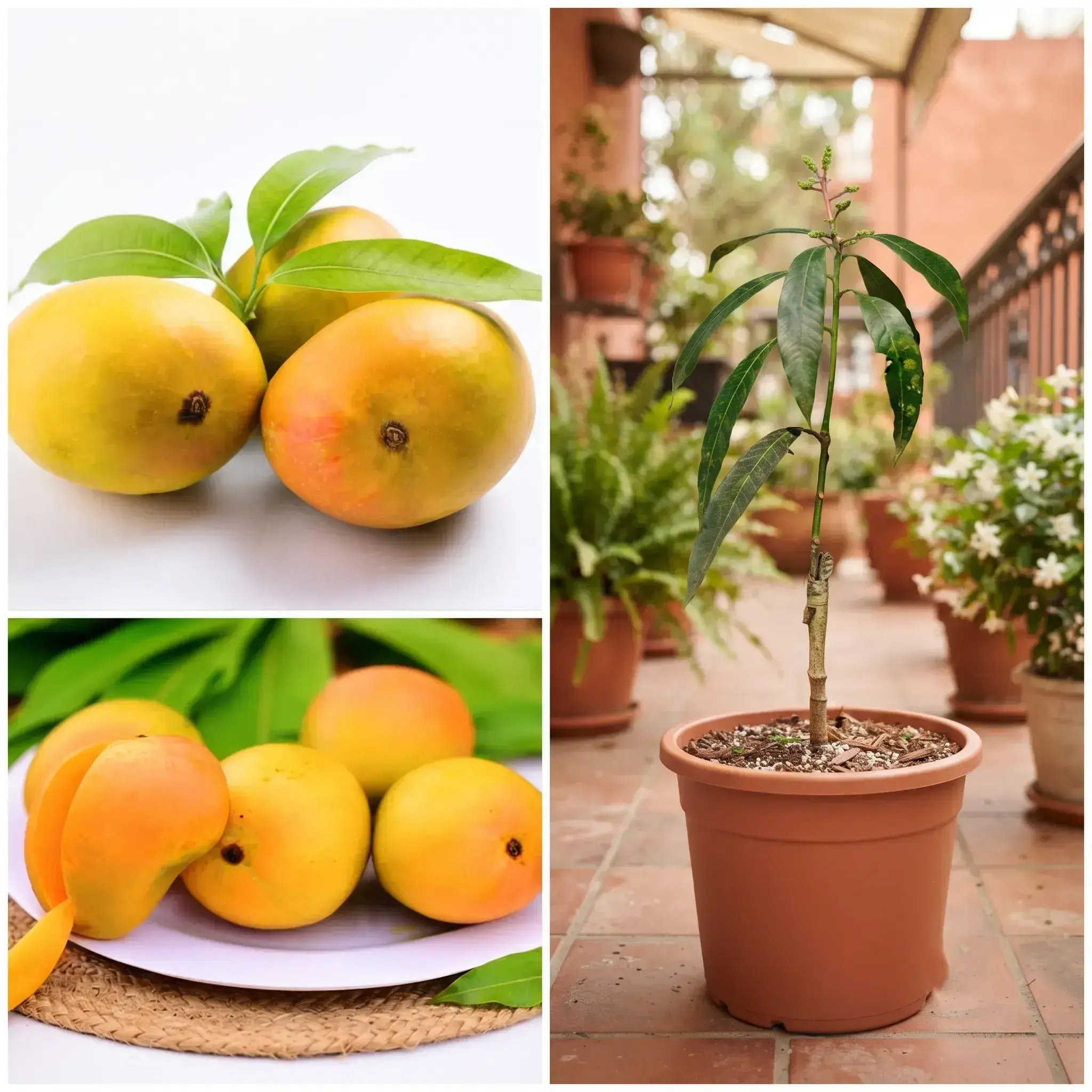
Following winter pollination, Alphonso mangoes develop through spring and typically mature from April to May (extending into early June depending on regional climate). Ripe Ratnagiri Hapus fruits are medium-sized and ovate-oblong with a distinct rounded shoulder, golden-yellow skin blushed with red, a thin seed stone, and rich saffron-orange fiberless pulp.
Harvesting and Pollination Notes
Fruits are usually harvested when full-sized and mature-green on the tree—when the shoulders plump up above the stem depression—and ripened at room temperature in dry grass or paper cartons so their signature aroma develops fully. Mangifera indica is largely self-fruitful, meaning a single outdoor Alphonso Mango Tree can set fruit on its own without requiring a second tree.
Sunlight Requirements
A productive Alphonso Mango Tree needs full, unobstructed sunlight for at least 6 to 8 hours every day. Intense direct sun drives sturdy shoot growth, flower bud differentiation, natural pest resistance, and rich aroma and sugar development in the ripening fruits.
In regions where summer temperatures climb above 42°C, newly planted saplings may benefit from light afternoon shade netting during peak May heatwaves until their root systems anchor.
Watering Requirements
Once established, Mangifera indica develops a deep taproot and tolerates dry spells well, though timely moisture during establishment and spring fruit sizing is critical.
Watering During Establishment and Summer
During the first 4 to 6 weeks after planting, water every 2 to 3 days so the root ball stays lightly moist without becoming waterlogged. During hot spring and early summer months while fruits are expanding, water young ground-planted trees every 5 to 7 days and potted plants every 2 to 3 days once the top 4 to 5 cm of soil dries out.
Watering During Monsoon and Winter
During the monsoon, pause manual watering when rainfall is regular and ensure rainwater drains quickly away from the trunk. In late autumn and winter (November to January), withhold or minimize watering—watering sparingly only if leaves droop—as mild dry stress encourages strong spring flowering rather than winter leafy growth.
Soil and Potting Requirements
The Hapus Mango Tree thrives in deep, fertile, well-draining red lateritic soil, sandy loam, or alluvial soil with a slightly acidic to neutral pH between 5.5 and 7.5. Heavy, waterlogged clay soils or shallow hardpan layers restrict root health and reduce fruit quality.
Suggested Potting Mixture for Young Plants
If starting your Ratnagiri Hapus Plant in a large container or grow bag, prepare a well-draining mix using 45% fertile garden soil, 25% well-decomposed cow dung manure or vermicompost, 20% coarse river sand or perlite, and 10% cocopeat, mixed with a handful of neem cake powder. Make sure the pot has multiple unobstructed drainage holes at the base.
Growing the Plant in the Indian Climate
While famous in coastal Maharashtra, grafted Alphonso Mango trees grow well across tropical and subtropical Indian regions, including Maharashtra, Goa, Karnataka, Gujarat, Telangana, Tamil Nadu, West Bengal, Odisha, and central India.
Summer Care
Spring and early summer are the active fruit-sizing and ripening months for Hapus. Apply a 4 to 5 cm layer of organic mulch (dry leaves or compost) around the root zone—keeping it clear of the trunk bark—to conserve soil moisture and reduce heat-induced fruit drop.
Monsoon Care
In high-rainfall regions such as Kolkata, West Bengal, and the Konkan coast, monsoon stimulates vigorous vegetative shoot flushes. Ensure the planting spot is slightly mounded or well-drained so water never pools around the trunk collar.
Winter Care
Cool, dry winter weather triggers flower bud formation on mature shoots. Established trees tolerate mild Indian winters easily, though young saplings in northern plains should be protected from severe ground frost.
Temperature and Humidity
Mangifera indica ‘Alphonso’ thrives in warm temperatures between 24°C and 38°C. Mature trees tolerate summer peaks above 42°C and brief winter dips down to 4°C–5°C, whereas prolonged freezing temperatures or heavy unseasonal rain during winter flowering can reduce pollination and fruit set.
Fertilizer and Nutrition
Balanced seasonal feeding builds a sturdy canopy and supports consistent flowering and high-quality fruit development.
Apply 5 to 10 kg of well-rotted farmyard manure or vermicompost around the drip line of ground-planted trees twice a year—once in June or July after harvest to support monsoon shoot growth, and again in September or October before winter rest. For young potted plants, top-dress with 300 to 500 grams of vermicompost every 45 to 60 days during active growth, supplemented with bone meal or rock phosphate and potassium-rich organic inputs such as wood ash. Avoid high-nitrogen fertilizers from November to February so the tree focuses on flowering rather than leafy shoots.
Growing the Plant in Pots
A young grafted Alphonso Mango Tree can be grown in an 18-to-24-inch heavy-duty pot or grow bag on a sunny terrace for its first 3 to 5 years. Always keep the swollen graft union well above the soil surface when potting.
Because mango trees naturally develop deep roots and a spreading canopy, container cultivation requires regular organic feeding, annual post-harvest pruning to control height, and eventual transplanting into open ground if full-sized tree harvests are desired.
Pruning and Maintenance
Light structural pruning keeps your Hapus Mango Tree open, healthy, and easy to manage.
Rootstock Sucker Removal
Check the lower trunk below the graft union periodically and cut off any shoots sprouting from the seedling rootstock immediately so all energy supports the grafted Ratnagiri Hapus top.
Post-Harvest Canopy Shaping
After the summer fruit harvest (around June or July), lightly prune dead, diseased, or inward-crossing branches so sunlight and air reach the center of the canopy. Avoid pruning during late autumn or winter, as that removes mature shoot tips where flower panicles form.
Propagation
Nurseries propagate true Ratnagiri Hapus vegetatively using veneer grafting, wedge grafting, softwood grafting, or inarching onto hardy seedling mango rootstocks. Grafting preserves authentic ‘Alphonso’ flavor, aroma, and fiberless texture while promoting earlier fruiting, whereas seed-grown mango plants vary unpredictably and take many years to bear.
Common Problems and Plant Care
Inspecting new shoot flushes and flower panicles regularly helps catch common mango garden issues early.
1. Mango Hopper and Aphids on Flower Panicles
Sap-sucking mango hoppers can feed on tender winter flower panicles and excrete sticky honeydew that encourages black sooty mold. Spray diluted neem oil (3 to 5 ml per liter of water) as a preventive measure before flowers open fully.
2. Powdery Mildew on Panicles and Young Foliage
A white powdery fungal coating can appear on flower clusters during cool, humid winter or early spring mornings. Ensure full sunlight, keep the canopy open for airflow, and apply wettable sulfur early if spotted.
3. Spongy Tissue and Heat Stress
In hot climates, excessive heat reflection from bare soil or leaving ripe fruits too long on the tree in intense sun can cause internal pulp breakdown (“spongy tissue”). Maintain organic mulch around the tree base and harvest fruits promptly at mature-green stage for room-temperature ripening.
4. Premature Drop of Pea-Sized Fruitlets
Mango panicles produce hundreds of flowers and naturally thin out most fruitlets—this is normal. Excessive drop is usually caused by dry soil stress during warming spring weather or boron and potassium deficiency; steady watering after fruit set helps improve retention.
Suitability for Home Gardens
The grafted Alphonso Mango Tree is ideal for open home gardens, farmhouses, orchards, sunny courtyard borders, and large terrace containers while young. Because it requires at least 6 to 8 hours of direct sunlight daily and develops a woody tree frame, it is not suitable for indoor rooms or shaded balconies.
Safety and Important Information
Ripe Alphonso mangoes are safe, fragrant, and delicious for fresh eating and culinary preparations. However, like other members of the cashew family (Anacardiaceae), mango sap—especially the clear, caustic sap that oozes from freshly picked fruit stems and cut twigs—contains urushiol-related compounds that can cause mild skin irritation or rash (“mango sap burn”) in sensitive individuals. Wash skin promptly with soap and water if sap contacts your hands, and avoid burning mango wood or leaves in enclosed spaces.
Live Plant Delivery Information
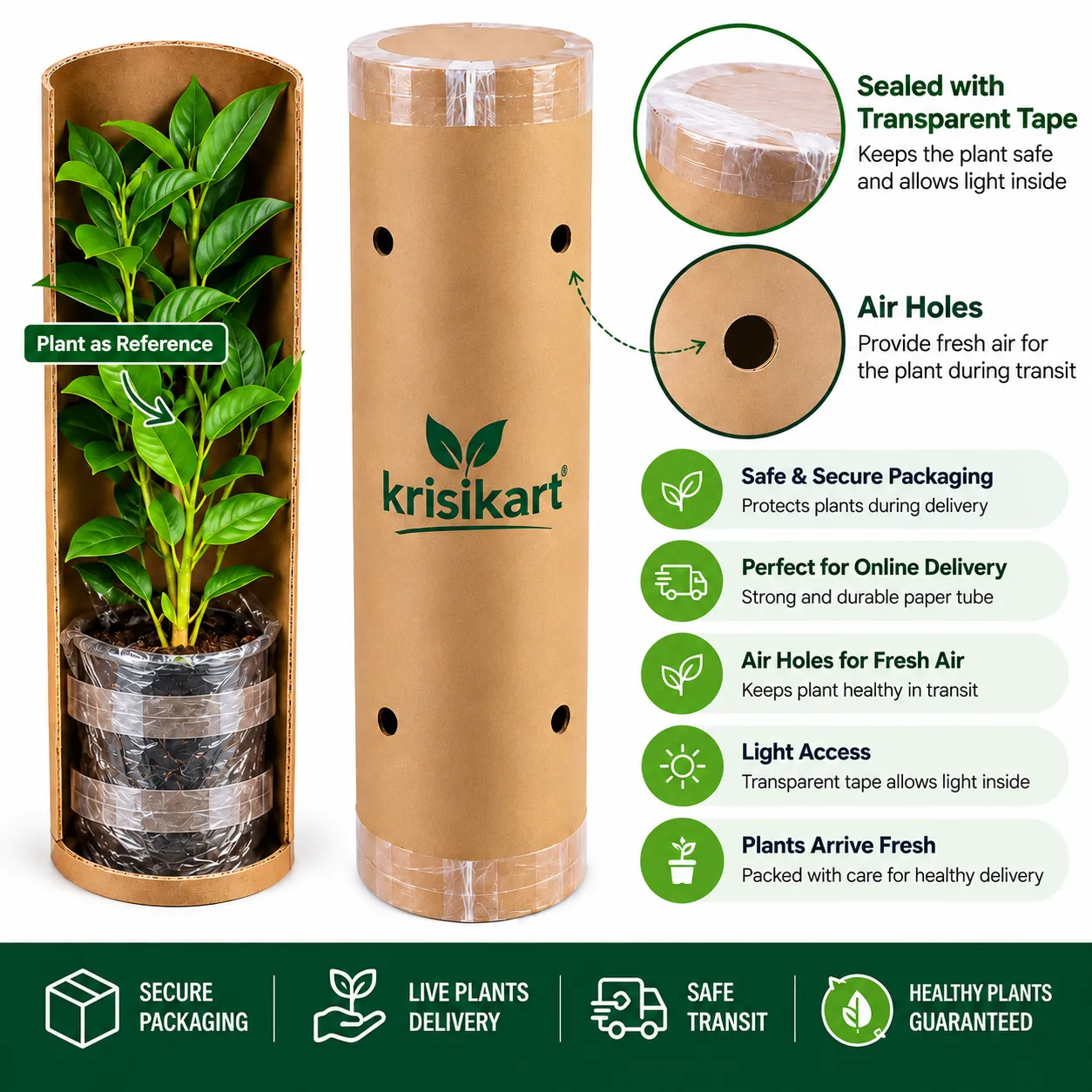
Live grafted saplings vary naturally in height, stem thickness, branching, and leaf count. Mild transit stress can occur during shipping, and a few older leaves may turn yellow or shed shortly after arrival.
Upon receiving your Alphonso Mango Tree, place it in bright, filtered outdoor light for 3 to 4 days to recover before moving it into full direct sunlight. Check the soil moisture immediately and water gently if dry. Avoid applying fertilizers, repotting right away, or pruning healthy shoots during the first 10 to 14 days while the sapling acclimates.
Why Choose the Alphonso Mango Tree for Your Garden?
Renowned worldwide for its unmatched aroma, honeyed sweetness, and smooth saffron pulp, the grafted Ratnagiri Hapus Mango Tree is a prized centerpiece for any sunny Indian backyard or farmhouse. Given full direct sunlight, well-drained soil, and simple seasonal care, Mangifera indica ‘Alphonso’ rewards growers with decades of evergreen shade and legendary summer harvests.
Botanical Information and Further Reading
- Kew Science – Plants of the World Online: Mangifera indica L.
- Royal Horticultural Society (RHS) – Mangifera indica Plant Details
- ICAR – Central Institute for Subtropical Horticulture (Mango Research & Cultivars)
- Dr. Balasaheb Sawant Konkan Krishi Vidyapeeth, Dapoli (Ratnagiri Alphonso Mango Research)
- eFlora of India – Mangifera indica Botanical Reference
Frequently Asked Questions (FAQs)
1. What is the botanical name of the Alphonso or Hapus Mango Tree?
The accepted botanical name of the Alphonso Mango Tree is Mangifera indica ‘Alphonso’, and it belongs to the family Anacardiaceae.
2. What makes Ratnagiri Hapus different from other mango varieties?
Ratnagiri Hapus (‘Alphonso’) is celebrated for its intense floral aroma, smooth fiberless saffron-orange pulp, thin seed stone, and rich sweet-tangy flavor.
3. Why should I choose a grafted Alphonso Mango Tree instead of growing from seed?
A grafted Alphonso Mango Tree preserves the exact flavor, aroma, and fiberless pulp of the parent Ratnagiri Hapus tree and typically starts bearing fruit in 3 to 4 years, whereas seed-grown mango trees take 7 to 10 years and do not grow true to type.
4. Can I grow an Alphonso Mango Tree in a pot on my terrace?
Yes, you can grow a young grafted Alphonso Mango Tree in an 18-to-24-inch container or grow bag on a sunny terrace for its first 3 to 5 years with regular feeding and pruning, though open ground allows full long-term growth.
5. Do I need two mango trees for pollination and fruit set?
No, Mangifera indica is largely self-fruitful and pollinated by garden insects, so a single outdoor Alphonso Mango Tree can set fruit on its own.
6. When does the Hapus Mango ripen in India?
Alphonso typically flowers from late December to February and ripens for harvest during summer from April to May (and into early June in slightly cooler pockets).
7. How much sunlight does an Alphonso Mango Tree need?
It needs full, direct sunlight for at least 6 to 8 hours every day for strong branch development, healthy flowering, and sweet, aromatic fruit.
8. Why should watering be reduced in winter for a Mango Tree?
Limiting heavy watering during November and December gives the tree mild moisture stress that encourages winter flower panicles instead of leafy vegetative growth.
9. What is the best soil mix for growing a young Mango Tree in containers?
A well-draining mix of 45% garden soil, 25% vermicompost or well-rotted cow dung manure, 20% coarse river sand or perlite, and 10% cocopeat works well.
10. What should I do if shoots grow below the graft joint on the stem?
Any shoots sprouting below the swollen graft union belong to the seedling rootstock and must be pruned off flush with the trunk immediately.
11. Is the Alphonso Mango Tree suitable for West Bengal and other parts of India?
Yes, while native to coastal Maharashtra, grafted Alphonso grows well across tropical and subtropical Indian states including West Bengal, Karnataka, Gujarat, Telangana, and Tamil Nadu when planted in full sun with fast-draining soil.
12. Can I keep an Alphonso Mango Tree indoors?
No, mango trees require strong direct outdoor sunlight and substantial root space and cannot survive indoors.
For More Information
Visit: krisikart.com
For Contact Visit:Contact Us
For Shopping Visit: Shop Page


Amit Kumar –
very good plant, healthy plant recieved today.