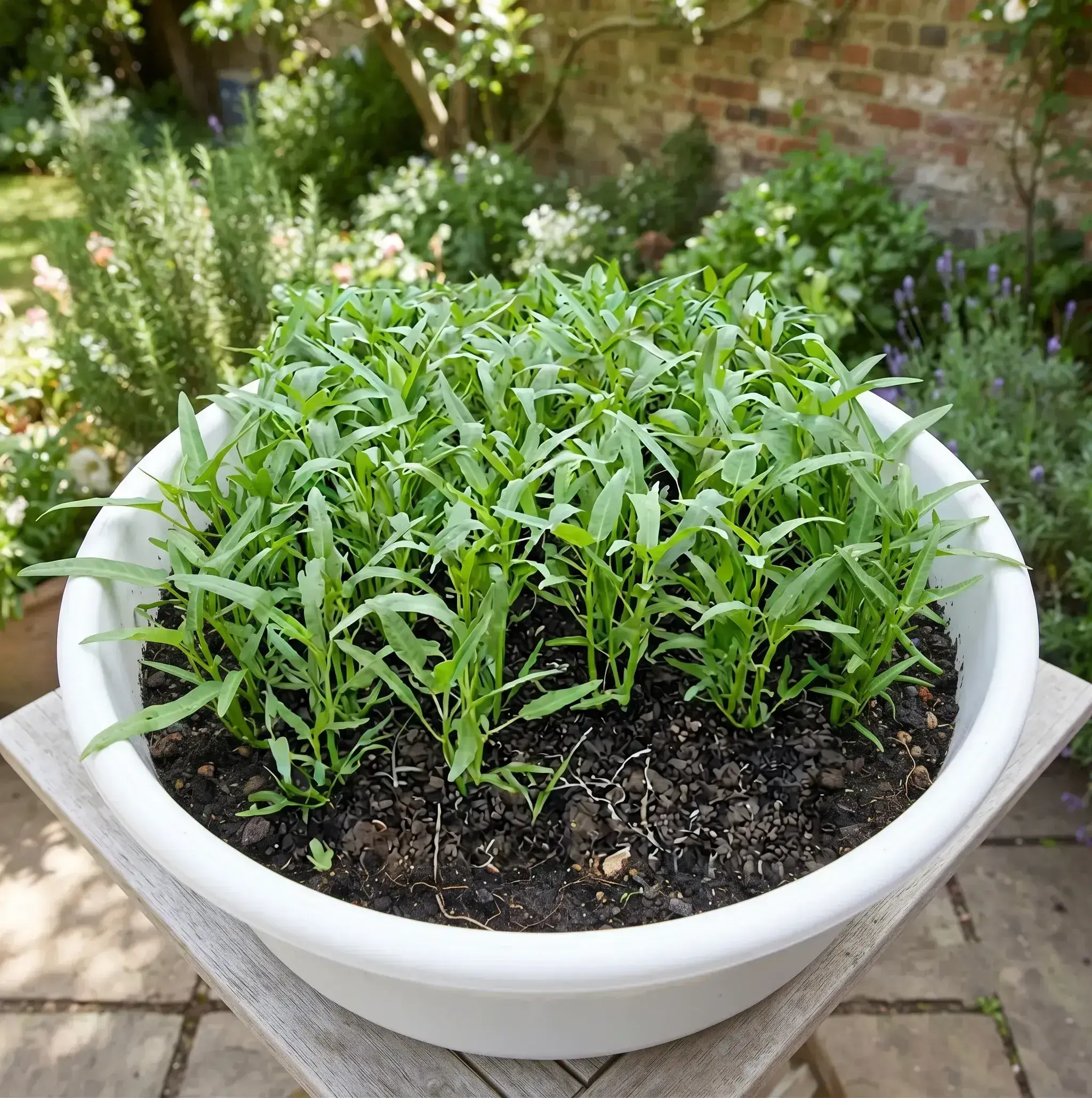

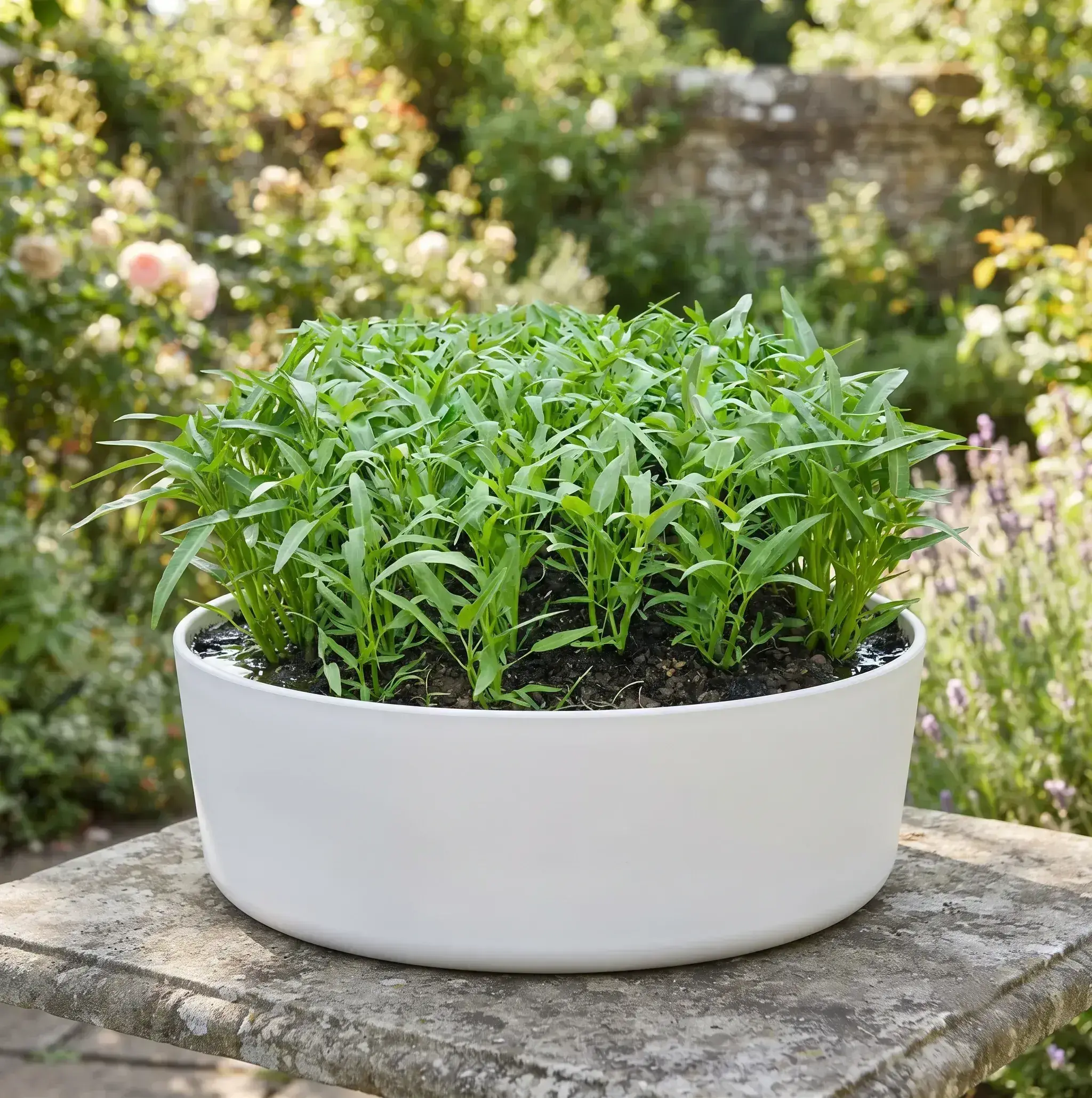
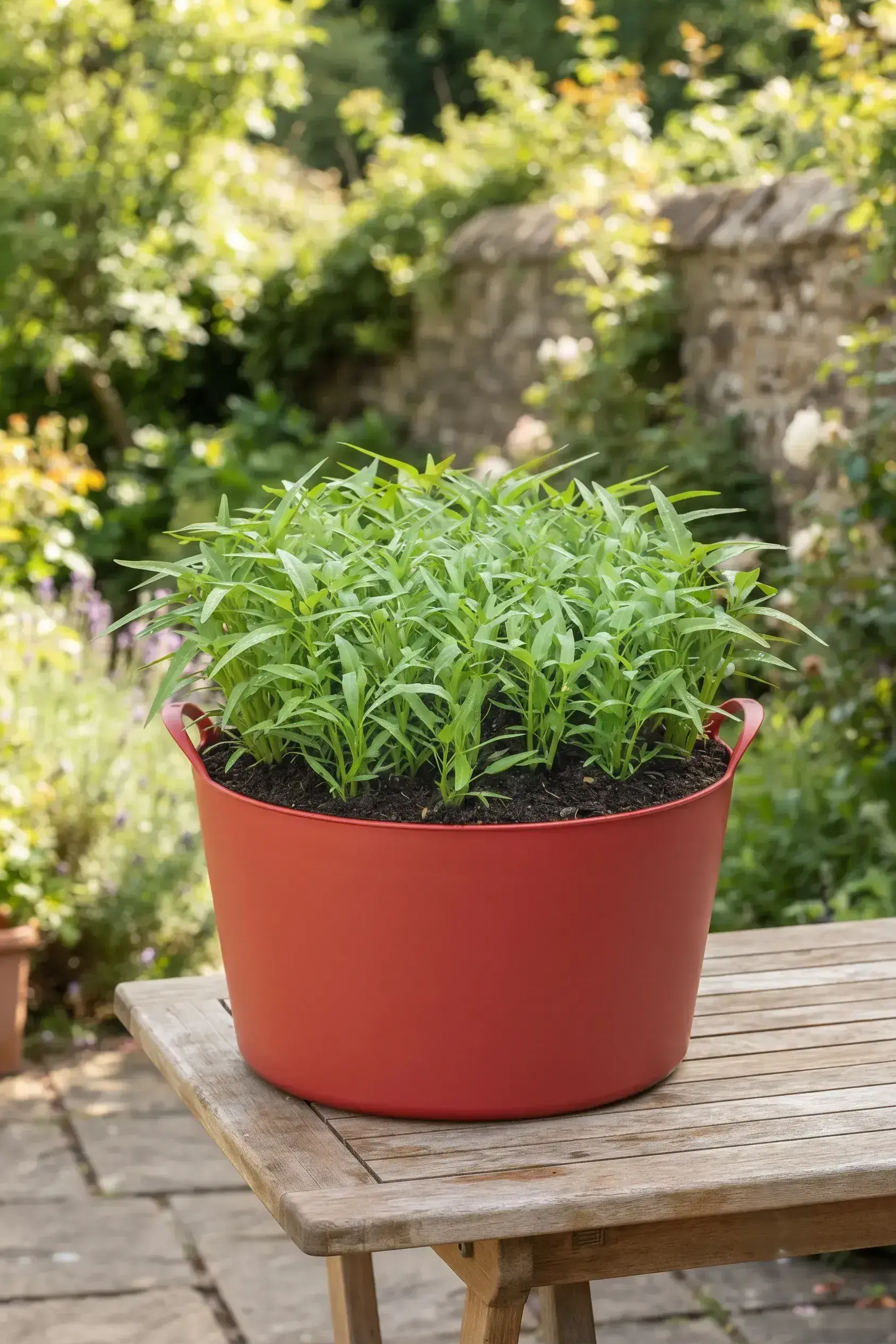
 Plastic Plant pot | Plastic Garden Pot for Plants
 Self Watering Planters | Self Watering Plant Pots For Plants
Water Spinach | Kang Kong (Ipomoea aquatica) Chinese Convolvulus – Kalmi Saag Plant for Planting
Water Spinach, Also Known as Water Spinach ,Kang Kong (Ipomoea Aquatica ) Chinese Convolvulus – Kalmi Saag plant is a fast-growing, semi-aquatic leafy green vegetable prized for its tender stems and mild, pleasant flavor. Botanically classified as Ipomoea aquatica, this versatile plant thrives effortlessly in warm, humid climates, making it an ideal addition to Indian kitchen gardens, terrace containers, and backyard beds.
Unlike delicate temperate greens that bolt or wilt under intense tropical heat, the Water Spinach plant flourishes during the hot summer and heavy monsoon months when many other leafy vegetables struggle. Whether you are cultivating it in a soil-filled grow bag on an urban balcony or in a damp garden bed, growing your own Kalmi Saag provides a continuous, fresh harvest of crisp shoots and leaves right at home.
Plant Highlights
- Product Name: Water Spinach | Kang Kong (Ipomoea aquatica) Chinese Convolvulus – Kalmi Saag Plant for Planting
- Common Name: Water Spinach, Kang Kong, River Spinach, Chinese Convolvulus, Kalmi Saag, Kolmi Shak
- Botanical Name: Ipomoea aquatica
- Family: Convolvulaceae (Morning Glory family)
- Plant Type: Herbaceous perennial (commonly grown as an annual in cooler regions)
- Origin: Tropical and subtropical Asia
- Flower Colour: White, pale pink, or light lavender with a darker purple throat
- Foliage: Arrowhead-shaped to lance-shaped, bright green, smooth leaves
- Growth Habit: Trailing, creeping, or floating vine with hollow stems
- Mature Length: Stems typically trail 2 to 3 meters (6 to 10 feet) if left unharvested
- Sunlight: Full sun to partial shade
- Watering: High moisture requirement; thrives in consistently wet soil or shallow water
- Suitable For: Kitchen gardens, terrace pots, grow bags, damp garden beds, and water-retaining containers
About the Water Spinach Plant
Ipomoea aquatica belongs to the Convolvulaceae family, making it a botanical relative of the sweet potato and ornamental morning glory. Native to tropical and subtropical Asia, it has been cultivated for centuries across India, Southeast Asia, and Southern China as a reliable, nutrient-rich leafy vegetable.
In Indian culinary traditions—particularly in West Bengal, Assam, Odisha, Bihar, and Eastern India—Kalmi Saag (or Kolmi Shak) is a staple monsoon and summer green. Because it adapts to both dry-land garden beds with regular watering and semi-aquatic environments, gardeners can easily grow this plant without needing a pond or specialized hydroponic setup.
Appearance and Growth Habit
The Water Spinach plant produces long, trailing, hollow stems that grow horizontally along the ground or float on water surfaces. The stems are thick, crisp, and pale green, rooting easily at the nodes wherever they touch moist soil or water. This natural rooting ability allows a single healthy plant to spread rapidly and form a dense, lush mat of edible foliage.
Its leaves grow alternately along the stems and vary in shape from broad arrowheads (hastate) to long, narrow lances, typically measuring 7 to 15 cm in length. In home gardens where the shoots are harvested regularly, the plant stays compact and bushy rather than sprawling endlessly.
Foliage and Flowering Characteristics
While grown primarily for its tender stems and leaves, mature Water Spinach plants occasionally produce attractive funnel-shaped flowers characteristic of the morning glory family. These blooms are typically white to pale pink with a deeper violet or purple center, opening in the morning sunlight.
In a kitchen garden setting, regular pinching and harvesting of the young tips encourage fresh leafy growth and generally prevent the plant from expending energy on flowering and seed production, keeping the stems tender and palatable.
Harvesting Kalmi Saag
One of the biggest advantages of growing Kang Kong at home is its rapid regrowth after cutting. Once the stems reach about 20 to 30 cm in length and are well-established, you can begin harvesting the upper 10 to 15 cm of tender shoots and leaves.
Always use clean scissors or garden shears to snip the stems just above a leaf node. Within one to two weeks, new side shoots will emerge from the remaining nodes, allowing for multiple harvests from the same plant throughout the warm growing season.
Sunlight Requirements
Water Spinach performs best in full sunlight, requiring at least 5 to 6 hours of direct sun daily for vigorous stem growth and vibrant green leaves. In regions experiencing extreme summer temperatures above 40°C, light afternoon shade helps prevent leaf scorching and reduces rapid moisture loss from containers.
While it can tolerate partial shade, growing Kalmi Saag in low light results in thin, leggy stems and slower regrowth after harvesting.
Watering Requirements
True to its name, Water Spinach requires abundant moisture to stay tender and productive. Unlike most garden vegetables that suffer from wet feet, Ipomoea aquatica thrives in consistently moist to wet soil.
Watering During Establishment and Summer
Keep the soil continuously damp after planting so the roots establish quickly. During hot Indian summers, potted plants may require watering once or twice daily to ensure the potting mix never dries out completely, as dry soil causes the stems to become tough and fibrous.
Watering During Monsoon and Winter
During the monsoon, natural rainfall usually meets most of the plant’s moisture needs, though you should ensure containers do not overflow and wash away nutrients. In winter, when temperatures drop and growth naturally slows, reduce watering slightly while keeping the soil lightly moist.
Soil and Potting Requirements
Water Spinach is adaptable to various soil types but grows most vigorously in rich, loamy, moisture-retentive soil with plenty of organic matter. A slightly acidic to neutral soil pH between 5.5 and 7.0 supports optimal nutrient uptake.
Suggested Potting Mixture for Containers
For growing Kalmi Saag in pots or grow bags, prepare a nutrient-dense, moisture-holding mix using 50% fertile garden soil, 30% well-decomposed cow dung manure or vermicompost, and 20% cocopeat. Unlike standard pots that require rapid drainage, containers for Water Spinach benefit from retaining water, so using a wide tub or pot with minimal drainage holes—or placing a saucer of water underneath—works exceptionally well.
Growing the Plant in the Indian Climate
The Indian tropical and subtropical climate is naturally suited for cultivating Ipomoea aquatica across most of the year.
Summer Care
Kalmi Saag thrives in high heat and humidity. Maintain consistent soil moisture and apply organic mulch on garden beds to keep the root zone cool during peak May and June temperatures.
Monsoon Care
In humid regions like West Bengal, Kolkata, Kerala, and coastal India, monsoon is the peak growing season for Water Spinach. The plant loves heavy rain and high humidity, producing lush, rapid flushes of tender shoots with minimal effort.
Winter Care
In North India and areas where winter temperatures drop below 15°C, growth slows considerably and leaves may turn yellowish or suffer frost damage. Move pots to the sunniest spot available during winter and resume regular feeding once spring warmth returns.
Temperature and Humidity
Water Spinach prefers warm temperatures between 25°C and 35°C and thrives in moderate to high relative humidity. It is sensitive to frost and prolonged cold spells, which halt vegetative growth. Good air circulation around dense foliage helps keep leaves clean and healthy during humid weather.
Fertilizer and Nutrition
Because Water Spinach is harvested repeatedly for its leaves and stems, it requires steady nitrogen-rich nutrition to sustain rapid regrowth.
Before planting, mix generous amounts of well-rotted farmyard manure or vermicompost into the soil. Once established, feed the plant every 15 to 20 days with organic liquid fertilizers such as diluted compost tea, mustard cake liquid fertilizer, or vermicompost top-dressing. Avoid excessive synthetic chemical fertilizers right before harvesting, and always wash harvested greens thoroughly.
Growing the Plant in Pots
Water Spinach is an excellent candidate for balcony and terrace container gardening. Choose wide, shallow tubs, rectangular planter boxes, or 12-to-15-inch grow bags rather than deep, narrow pots, as the plant spreads horizontally and roots at the nodes.
You can even grow Kalmi Saag in non-draining tubs by maintaining a shallow layer of water (2 to 5 cm) above the soil surface, mimicking its natural semi-aquatic habitat. Refresh the water periodically to keep it oxygenated and prevent stagnation.
Pruning and Maintenance
Routine harvesting acts as natural pruning for the Water Spinach plant. Pinching back growing tips encourages lateral branching and prevents stems from becoming overly long and woody.
Remove any older yellowing leaves near the base of the plant to improve airflow and redirect energy toward fresh, tender shoots. If flower buds appear, pinch them off promptly to prolong leafy vegetative production.
Propagation
Water Spinach is one of the easiest kitchen garden plants to propagate, multiplying readily through both stem cuttings and seeds.
Propagation by Stem Cuttings
Take 15 to 20 cm long healthy stem cuttings containing at least 3 to 4 nodes. Remove the lower leaves and either place the cuttings in a glass of water for 4 to 5 days until white roots emerge, or plant them directly into wet soil. Keep the soil saturated, and new shoots will appear within a week.
Propagation by Seeds
Seeds can be soaked in water for 12 to 24 hours before sowing directly into moist soil at a depth of about 1 cm. Germination typically occurs within 7 to 10 days in warm weather.
Common Problems and Plant Care
Water Spinach is generally hardy and pest-resistant, though occasional issues can arise in home gardens.
1. Tough or Fibrous Stems
This usually happens when the plant experiences dry soil, irregular watering, or delayed harvesting. Keep the soil consistently wet and harvest young shoots regularly.
2. Yellowing Lower Leaves
Yellowing leaves often indicate nitrogen deficiency from repeated harvesting or natural winter dormancy. Apply a top-dressing of vermicompost or organic nitrogen-rich liquid feed, and trim away old leaves.
3. Leaf-Eating Caterpillars or Beetles
During the monsoon, caterpillars or flea beetles may chew small holes in the leaves. Inspect the undersides of leaves regularly, handpick pests, or spray diluted neem oil (3 to 5 ml per liter of water) in the evening. Wait at least 3 to 4 days and wash leaves well before harvesting.
4. Slow Growth
Stunted growth is commonly caused by cold winter temperatures or insufficient sunlight. Ensure the plant receives bright, direct sun and warm conditions.
Suitability for Home Gardens
The Water Spinach plant is well suited for kitchen gardens, sunny balconies, terrace farms, raised beds, and backyard vegetable patches. Because it requires direct sunlight and high moisture, it is not suitable for dark indoor rooms, though it thrives outdoors in spaces of almost any size.
Safety and Important Information
Water Spinach is widely consumed as a cooked leafy vegetable across Asia. Like spinach and other leafy greens, it contains natural oxalates and is traditionally cooked—stir-fried, steamed, or added to dals and soups—rather than eaten raw in large quantities.
Always grow Water Spinach in clean soil and clean water, as aquatic and semi-aquatic plants can absorb pollutants if grown in contaminated water sources. Note that in certain regions outside India (such as parts of the United States), Ipomoea aquatica is regulated as an aquatic weed due to its vigorous spread in natural waterways, so always grow it responsibly within contained garden beds or pots.
Live Plant Delivery Information
Live plants are natural living organisms, so slight variations in stem length, leaf size, and overall appearance are completely normal. During transit, the plant may experience mild transport stress, and a few lower leaves might turn yellow or droop upon arrival.
After unboxing, place your Water Spinach plant in a bright spot out of harsh afternoon sun for the first 2 to 3 days while it acclimates. Check the soil moisture immediately and water thoroughly so the potting medium is evenly damp. Avoid applying chemical fertilizers or heavy pruning right after delivery; wait about a week until new growth resumes before feeding or harvesting.
Why Choose Water Spinach for Your Garden?
If you want a reliable, fast-growing leafy green that thrives through Indian summers and monsoons, the Water Spinach plant is an unmatched choice. Its ability to regrow rapidly after every cut, adapt to simple terrace containers, and tolerate heat and heavy rain makes Kang Kong one of the most rewarding vegetables for both beginner and experienced home gardeners.
Botanical Information and Further Reading
- Kew Science – Plants of the World Online: Ipomoea aquatica
- Royal Horticultural Society (RHS) – Ipomoea aquatica Plant Details
- eFlora of India – Ipomoea aquatica Botanical Reference
- India Biodiversity Portal – Ipomoea aquatica Forssk.
- Useful Tropical Plants Database – Ipomoea aquatica
Frequently Asked Questions (FAQs)
1. What is the botanical name of Water Spinach or Kalmi Saag?
The accepted botanical name of Water Spinach, Kang Kong, or Kalmi Saag is Ipomoea aquatica, and it belongs to the morning glory family, Convolvulaceae.
2. Can I grow Water Spinach in pots without a pond?
Yes, you can easily grow Water Spinach in regular pots, wide tubs, or grow bags filled with rich potting soil without a pond. Simply keep the soil consistently wet or place a water-filled tray beneath the pot.
3. How much sunlight does the Kang Kong plant need?
Kang Kong grows best in full sunlight, ideally receiving 5 to 6 hours of direct sun each day. In extremely hot summer climates, light afternoon shade helps keep the leaves fresh and tender.
4. How often should I water my Water Spinach plant?
Water Spinach requires consistently moist to wet soil. In hot summer weather, potted plants usually need watering once or twice daily so the soil never dries out, whereas during the monsoon, rainfall often provides sufficient moisture.
5. How long does it take to harvest Kalmi Saag after planting?
Under warm, sunny conditions with adequate moisture, established Water Spinach plants grow rapidly and are usually ready for their first light harvest within 3 to 4 weeks, regrowing every 10 to 14 days thereafter.
6. How do I harvest Water Spinach so it keeps growing?
Cut the top 10 to 15 cm of tender stems and leaves using clean scissors just above a leaf node. Leaving the lower nodes intact encourages new side branches to sprout quickly.
7. Is Water Spinach suitable for the Indian monsoon climate?
Yes, the warm and humid Indian monsoon is the ideal season for growing Water Spinach. Heavy rainfall and high humidity stimulate lush, rapid vegetative growth.
8. What is the best soil mix for growing Kalmi Saag in containers?
A moisture-retentive mix of 50% garden soil, 30% vermicompost or well-rotted cow dung manure, and 20% cocopeat provides the nutrients and water retention needed for tender stem growth.
9. Why are the stems of my Water Spinach becoming hard and tough?
Stems become tough or fibrous when the soil dries out between waterings or when the shoots are left unharvested for too long. Regular watering and frequent harvesting keep new growth crisp and tender.
10. Can I propagate Water Spinach from kitchen scraps or stem cuttings?
Yes, healthy stems with nodes root very easily. Place 15 cm stem cuttings in water or directly into wet soil, and they will develop roots and fresh shoots within a week.
11. Does Water Spinach grow indoors?
Water Spinach is not suited for indoor rooms because it needs strong, direct sunlight to develop healthy stems. However, it grows very well on sunny balconies, terraces, and outdoor garden beds.
12. Why does my Water Spinach stop growing in winter?
Ipomoea aquatica is a tropical warm-season plant that slows down when temperatures drop below 15°C. Keep it in a sunny spot during winter, reduce heavy feeding, and growth will resume naturally in spring.
For More Information
Visit: krisikart.com
For Contact Visit:Contact Us
For Shopping Visit: Shop Page


Anita sehera –
received healthy plant. thank team.