
 Plastic Plant pot | Plastic Garden Pot for Plants
 Self Watering Planters | Self Watering Plant Pots For Plants
Chinese Banyan Plant – Indian Laurel Fig (Ficus microcarpa) Plant
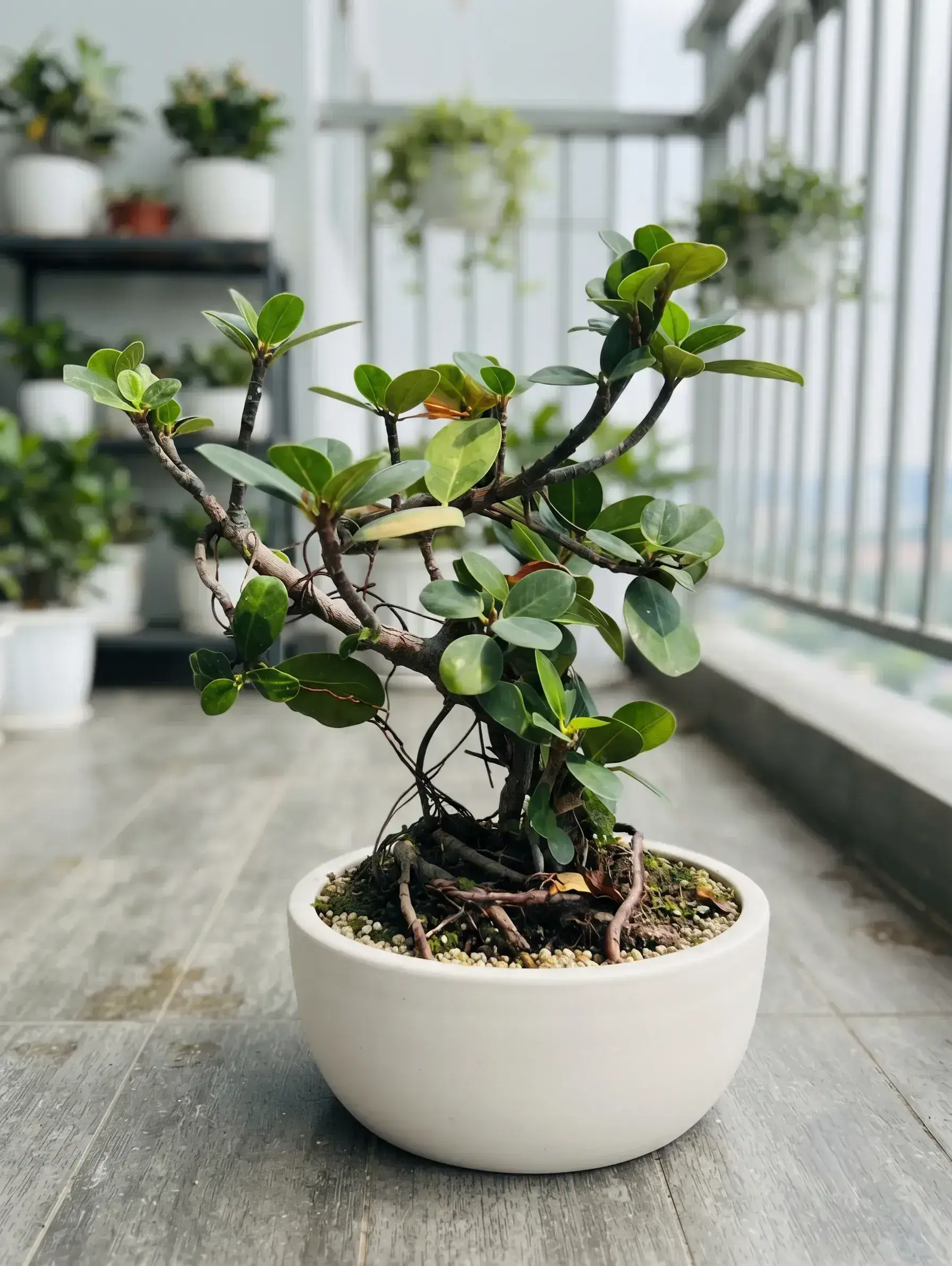
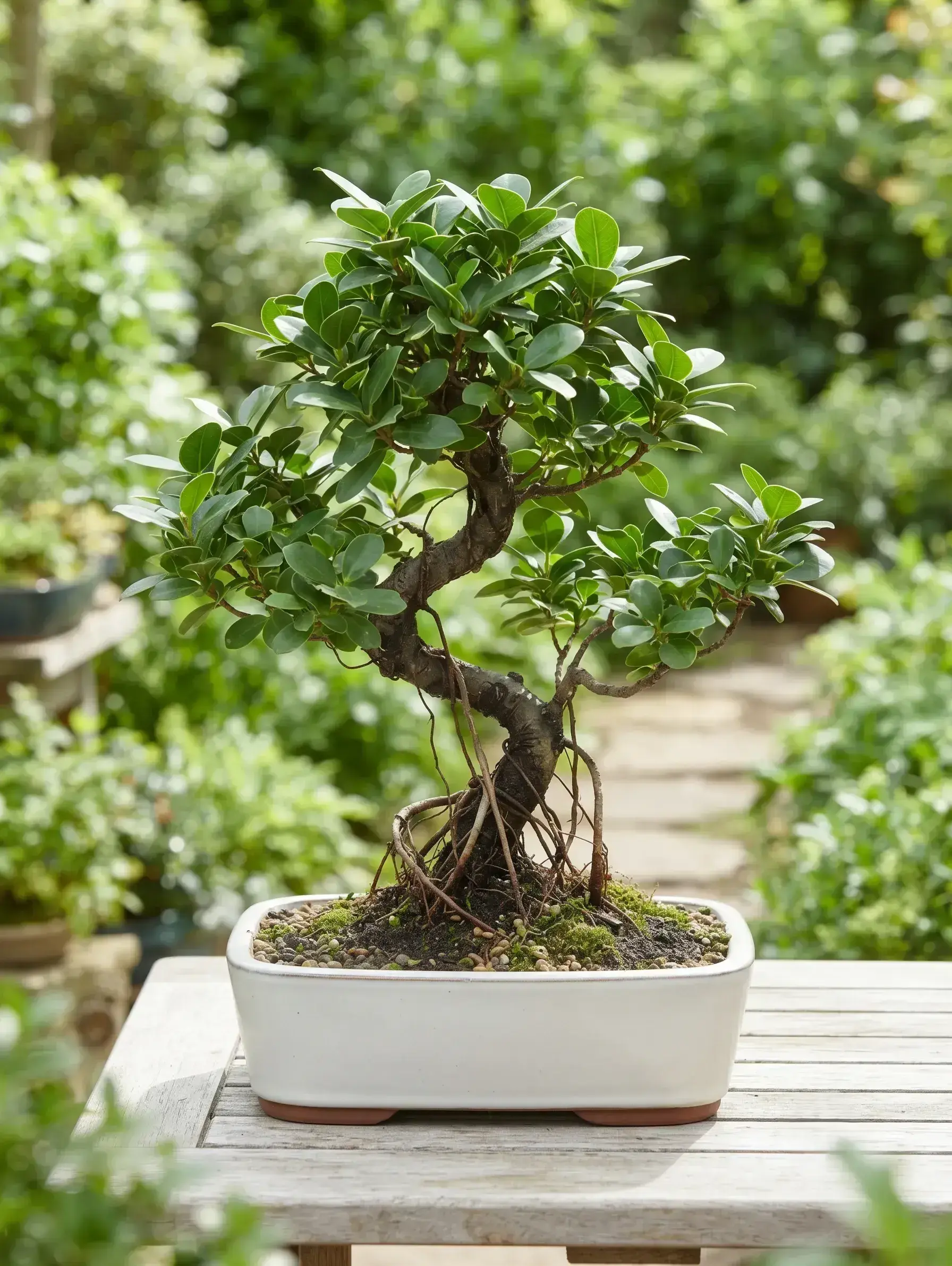
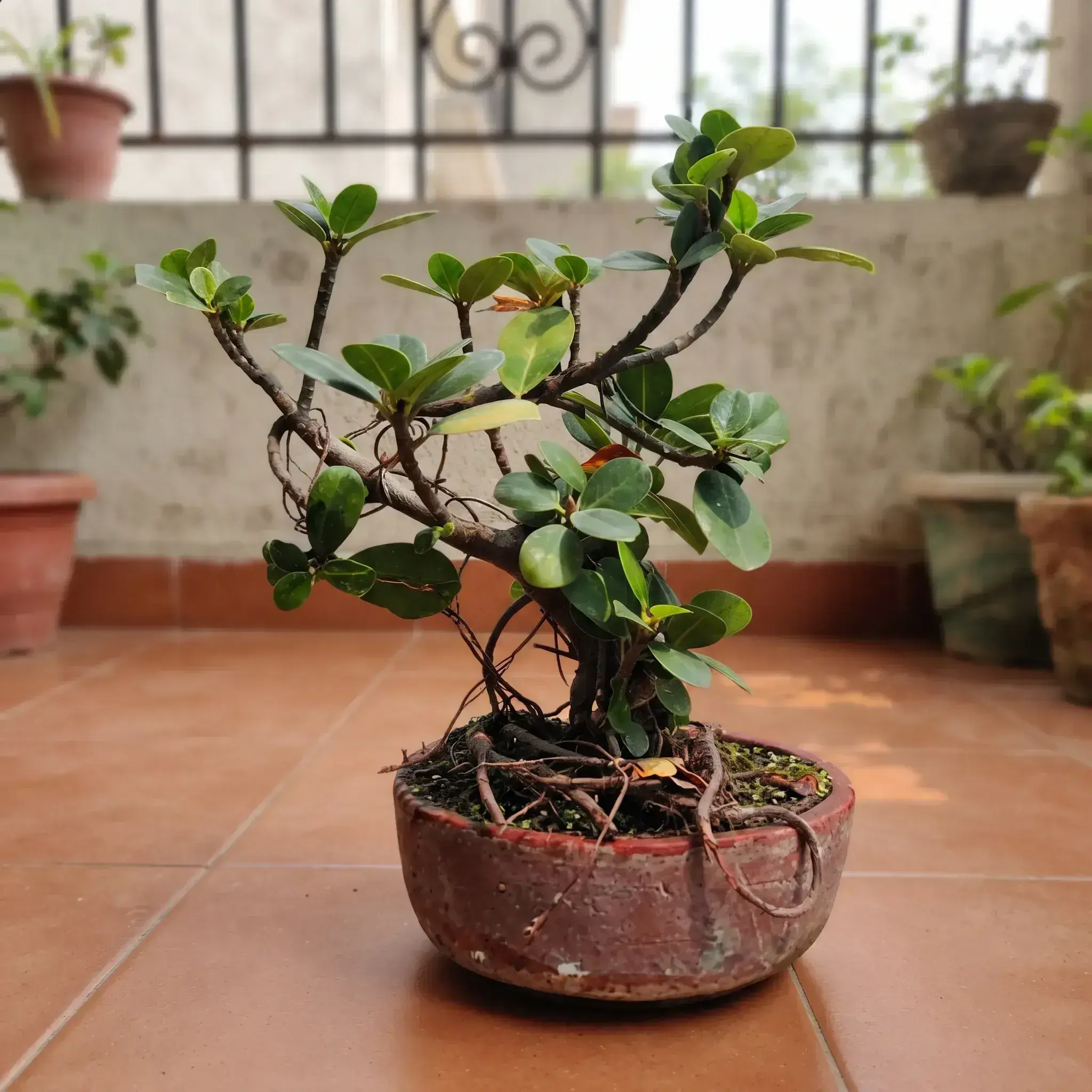
The Chinese Banyan Plant (Ficus microcarpa), also known as Indian Laurel Fig, Malayan Banyan and Curtain Fig. This evergreen ornamental tree is admired for its dense green foliage, glossy leaves, attractive branching structure and naturally developing aerial roots.
The Chinese Banyan is a popular choice for landscaping, shade gardens, decorative containers and bonsai-style cultivation. Its compact appearance when young and its ability to develop an attractive woody trunk make it especially interesting for plant collectors.
It can be grown in pots near bright windows, on balconies, patios and in outdoor gardens. However, when planted directly in the ground, it can eventually become a very large tree with an extensive root system.
Plant Highlights
- Common Name: Chinese Banyan, Indian Laurel Fig, Malayan Banyan, Curtain Fig
- Scientific Name: Ficus microcarpa
- Family: Moraceae
- Plant Type: Evergreen tropical tree
- Origin: Tropical and subtropical Asia, including India
- Foliage: Small to medium-sized, glossy green leaves
- Bark: Smooth, greyish bark
- Special Feature: Aerial roots and dense branching
- Flowers: Tiny flowers enclosed inside fig-like structures
- Fruits: Small rounded figs
- Sunlight: Full sunlight to bright indirect light
- Watering: Moderate watering
- Soil: Fertile, moist and well-drained soil
- Growth Habit: Upright tree with a spreading crown
- Uses: Home decoration, bonsai, landscaping and shade planting
About the Chinese Banyan Plant
The Chinese Banyan belongs to the Moraceae family, which also includes banyan trees, common figs and other ornamental Ficus plants.
It is native to tropical and subtropical parts of Asia, including India, Sri Lanka, southern China and Southeast Asia.
The plant is widely cultivated as an ornamental tree because of its dense foliage, attractive trunk and ability to adapt to container cultivation.
One of its most interesting characteristics is its ability to develop aerial roots from branches and stems. In humid conditions, these roots may grow downward and eventually reach the soil, forming additional supporting structures.
Appearance and Growth
Chinese Banyan develops a woody trunk with multiple branches and a rounded, spreading crown.
Its main ornamental features include:
- Glossy, oval or elliptical green leaves.
- Dense evergreen foliage.
- Smooth greyish bark.
- Strong branching structure.
- Hanging aerial roots on mature plants.
- Small rounded fig-like fruits.
Young plants generally have a compact shrub-like appearance. As they mature, they can develop into large trees with broad crowns.
In open tropical ground, mature trees can reach approximately 10–20 metres or more, depending on growing conditions. Some old specimens become considerably larger.
Container-grown plants can be maintained at a smaller size through suitable pruning and root management.
Aerial Roots – A Special Feature
One of the most attractive features of the Chinese Banyan is its aerial root development.
These roots grow from branches and stems rather than starting underground. In humid conditions, they may hang down toward the soil.
When aerial roots reach the ground, they can develop into additional supporting roots and sometimes form pillar-like structures.
This natural feature makes the plant especially attractive for:
- Bonsai cultivation.
- Decorative garden displays.
- Tropical landscape arrangements.
- Specimen trees in spacious gardens.
Aerial root development varies with humidity, plant maturity and growing conditions.
Flowers and Fruits
Like other Ficus species, Chinese Banyan produces tiny flowers inside a specialised structure called a syconium.
The flowers are not visible like ordinary garden flowers because they develop inside the fig-like structure.
After successful pollination, the plant may produce small rounded fruits that change colour as they mature, often from green to yellowish, reddish or darker shades.
The fruits are an important food source for some fruit-eating birds and other wildlife.
The Chinese Banyan is mainly grown for its attractive foliage, branching structure and aerial roots rather than for edible fruit production.
Sunlight Requirements
Chinese Banyan grows well in full sunlight to bright indirect light.
- Provide a bright location for healthy growth.
- Gentle morning sunlight is suitable.
- Outdoor plants can grow well in full sunlight after proper establishment.
- Indoor plants should be placed near a bright window.
- Avoid sudden exposure to intense afternoon sunlight.
- Do not keep the plant in a dark corner for long periods.
Good light supports healthy leaves, stronger branches and compact growth.
Watering Requirements
The Chinese Banyan prefers moderately moist soil but does not tolerate prolonged waterlogging.
- Water when the upper layer of soil begins to dry.
- Water thoroughly until excess water drains from the pot.
- Empty standing water from the pot tray.
- Increase watering during hot and dry weather when necessary.
- Reduce watering during cooler periods or heavy monsoon rainfall.
- Check the soil before watering again.
Container-grown plants may need more frequent watering than established trees in open ground.
Avoid allowing the soil to remain continuously wet because this can cause root damage.
Soil Requirements
Chinese Banyan grows well in fertile, airy and well-drained soil.
A suitable potting mixture can contain:
- Garden soil
- Well-decomposed compost
- Cocopeat
- Perlite or coarse sand
- Small amounts of suitable organic material
The growing medium should retain some moisture while allowing excess water to drain freely.
For bonsai cultivation, use a specialised bonsai substrate that provides good drainage and aeration.
Temperature and Indian Climate
Chinese Banyan is a tropical and subtropical species that prefers warm conditions.
It can grow well in many parts of India, including West Bengal, where warm temperatures and humidity support its growth.
Growing tips for West Bengal:
- Provide bright natural light.
- Maintain moderate watering during summer.
- Ensure excellent drainage during the monsoon.
- Avoid leaving pots in standing rainwater.
- Protect young container plants from unusually cold conditions.
- Maintain good airflow around the foliage.
- Provide sufficient space if planting in open ground.
The warm and humid conditions of West Bengal can support healthy growth, although excessive rainfall and waterlogged soil should be avoided.
Fertilizer Requirements
The Chinese Banyan benefits from moderate feeding during active growth.
- Add well-decomposed compost to the soil.
- Use a balanced liquid fertilizer at a diluted strength when necessary.
- Feed during warmer growing months.
- Avoid excessive fertilizer application.
- Follow the manufacturer’s instructions for granular fertilizers.
Bonsai-grown plants should receive carefully controlled nutrition because their root systems are restricted.
Growing Chinese Banyan in Pots
Chinese Banyan is a popular choice for container gardening and bonsai-style cultivation.
For successful pot cultivation:
- Choose a sturdy pot with drainage holes.
- Use fertile, well-drained potting soil.
- Place the pot in a bright location.
- Water according to soil moisture.
- Prune unwanted branches to maintain the desired shape.
- Repot when the roots become crowded.
- Check regularly for roots growing through the drainage holes.
A medium or large decorative pot is suitable depending on the size of the supplied plant.
For bonsai cultivation, a smaller training container can be used with specialised soil and regular root pruning.
Best Places to Grow
Chinese Banyan is suitable for:
- Living room decoration near bright windows.
- Office interiors with sufficient natural light.
- Balcony gardens.
- Covered patios.
- Bonsai collections.
- Decorative outdoor containers.
- Spacious home gardens.
- Tropical landscape arrangements.
When planted in open ground, allow plenty of space for the mature crown and extensive roots.
Avoid planting close to buildings, foundations, underground pipes, paved areas or boundary walls. Its roots can damage surrounding structures as the tree matures.
Pruning and Maintenance
Regular pruning helps maintain a compact and attractive shape.
- Remove dry and damaged branches.
- Trim excessively long shoots.
- Remove unwanted growth.
- Maintain a balanced canopy.
- Prune carefully to encourage branching.
- Clean dusty leaves gently with a soft, damp cloth.
For bonsai cultivation, more detailed branch training and root pruning may be required.
Wear gloves when pruning because the plant releases milky latex sap from damaged stems.
Propagation
Chinese Banyan can be propagated through stem cuttings and air layering.
Propagation through stem cuttings:
- Select a healthy, mature stem.
- Wear gloves before cutting.
- Take a suitable cutting using clean pruning tools.
- Allow excess milky sap to stop flowing.
- Place the cutting in a moist, well-drained propagation medium.
- Keep it in a warm location with bright indirect light.
- Maintain moderate moisture while roots develop.
Propagation through air layering:
Air layering is another useful method for established plants.
- Select a healthy branch.
- Carefully remove a small ring of bark.
- Apply suitable moist rooting medium around the exposed area.
- Wrap it securely with suitable propagation material.
- Allow roots to develop.
- Separate the rooted branch and plant it in a suitable container.
Propagation success depends on plant health, temperature and humidity.
Common Problems and Solutions
1. Yellow Leaves
Yellowing may result from overwatering, poor drainage or environmental stress. Check the soil moisture and improve drainage if necessary.
2. Leaf Drop
Ficus plants may drop leaves after sudden changes in light, temperature, watering or location. Keep the plant in a stable environment.
3. Brown Leaf Edges
Dry air, irregular watering or excessive sunlight can cause brown edges. Maintain consistent watering and suitable light.
4. Slow Growth
Poor light, restricted roots or insufficient nutrients can affect growth. Provide suitable light and a healthy growing medium.
5. Root Problems
Overwatering and waterlogged soil can cause root damage. Use a well-drained potting mixture and avoid standing water.
6. Pest Problems
Inspect leaves and stems for mealybugs, scale insects, aphids and spider mites. Remove affected parts where practical and use an appropriate plant-care treatment if required.
Is Chinese Banyan Suitable for Indoor Growing?
Yes. Chinese Banyan can be grown indoors when provided with sufficient natural light.
It is also widely used for bonsai and indoor decorative plant arrangements.
For healthy indoor growth:
- Place it near a bright window.
- Avoid dark corners.
- Keep it away from strong air-conditioning drafts.
- Water according to soil moisture.
- Maintain a stable growing location.
- Clean dusty leaves periodically.
A bright indoor location or sunny balcony is generally better than a room with very little natural light.
Safety and Planting Considerations
Chinese Banyan produces milky latex sap when its leaves, stems or branches are damaged.
- The sap may irritate sensitive skin and eyes.
- Do not consume the leaves or sap.
- Keep the plant away from children and pets that may chew it.
- Wear gloves when pruning or taking cuttings.
- Wash your hands and tools after handling the plant.
When planting in open ground, remember that the mature tree can develop extensive roots and aerial roots. Give it plenty of space away from buildings and underground infrastructure.
Live Plant Delivery
We take care to pack and deliver your Chinese Banyan Plant safely.
- The plant is supplied as a live nursery plant.
- Plant height, leaf count and branching may vary depending on availability.
- Aerial root development may differ between individual plants.
- Some leaves may show minor changes during transportation.
- Place the plant in a suitable bright location after delivery and allow it to adjust.
Why Choose the Chinese Banyan Plant?
The Chinese Banyan is an attractive tropical foliage plant with glossy green leaves, an interesting branching structure and the potential to develop beautiful aerial roots.
It is a wonderful choice for bonsai enthusiasts, indoor plant collectors, office decoration and spacious home gardens.
Whether grown in a decorative container or planted as a landscape tree, Chinese Banyan adds a natural tropical appearance to its surroundings.
Botanical Information & Further Reading
- Kew – Plants of the World Online: Ficus microcarpa
- Royal Horticultural Society – Ficus microcarpa
- National Tropical Botanical Garden – Ficus microcarpa
- North Carolina State University – Chinese Banyan Plant Profile
- PROSEA – Ficus microcarpa Botanical Information
- Australian Tropical Rainforest Plants – Ficus microcarpa
- University of Hawaii – Chinese Banyan Identification and Management
Frequently Asked Questions
1. What is the scientific name of the Chinese Banyan Plant?
Its scientific name is Ficus microcarpa. It belongs to the Moraceae family.
2. Is Chinese Banyan the same as Indian Laurel Fig?
Yes. Chinese Banyan and Indian Laurel Fig are two common names for the same species, Ficus microcarpa.
3. Is Chinese Banyan suitable for growing in West Bengal?
Yes. It is a tropical and subtropical tree that can grow well in warm and humid conditions found in West Bengal.
4. Can I grow Chinese Banyan indoors?
Yes. It can be grown indoors near a bright window or in a naturally well-lit room.
5. Can Chinese Banyan be grown as bonsai?
Yes. It is a popular bonsai species because of its attractive trunk, dense foliage, branching structure and aerial roots.
6. How much sunlight does Chinese Banyan need?
It grows well in full sunlight to bright indirect light. Indoor plants should receive plenty of natural light.
7. How often should I water Chinese Banyan?
Water when the upper layer of soil begins to dry. Avoid overwatering and standing water.
8. How tall does Chinese Banyan grow?
In open tropical ground, it can reach approximately 10–20 metres or more. Container-grown plants can be maintained at a smaller size through pruning.
9. Why does Chinese Banyan develop aerial roots?
Aerial roots naturally develop from branches and stems. In humid conditions, they may grow downward and reach the soil, forming additional supporting roots.
10. Can I grow Chinese Banyan in a pot?
Yes. It grows well in decorative containers and bonsai pots when provided with suitable soil, sunlight and watering.
11. How can I propagate Chinese Banyan?
It can be propagated through stem cuttings and air layering.
12. Is Chinese Banyan evergreen?
Yes. It is an evergreen tropical tree that generally retains its foliage throughout the year in suitable growing conditions.
13. Does Chinese Banyan produce fruits?
Yes. It produces small rounded fig-like fruits containing tiny seeds. These fruits are mainly important for wildlife.
14. Can Chinese Banyan roots damage buildings?
Yes. Mature trees can develop extensive roots and aerial roots. Avoid planting them close to foundations, walls, underground pipes and paved surfaces.
15. Is Chinese Banyan suitable for office decoration?
Yes. Its glossy foliage and attractive structure make it suitable for bright office interiors, reception areas and decorative containers.
For More Information
Visit: krisikart.com
For Contact Visit:Contact Us
For Shopping Visit: Shop Page


Reviews
There are no reviews yet.