 Plastic Plant pot | Plastic Garden Pot for Plants
 Self Watering Planters | Self Watering Plant Pots For Plants
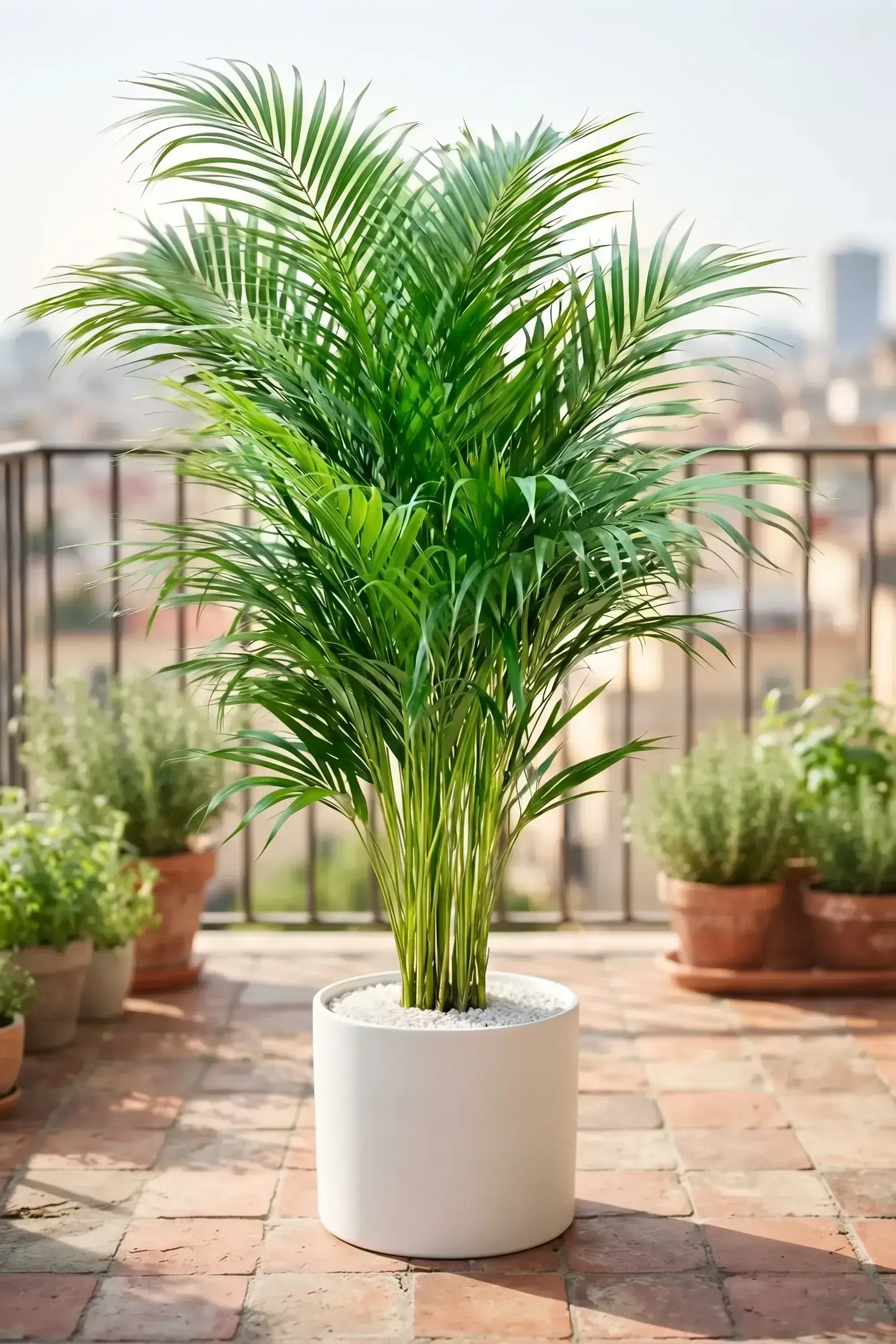
Areca Bamboo Palm | Eureka Palm (Dypsis lutescens) Areca Catechu Plant
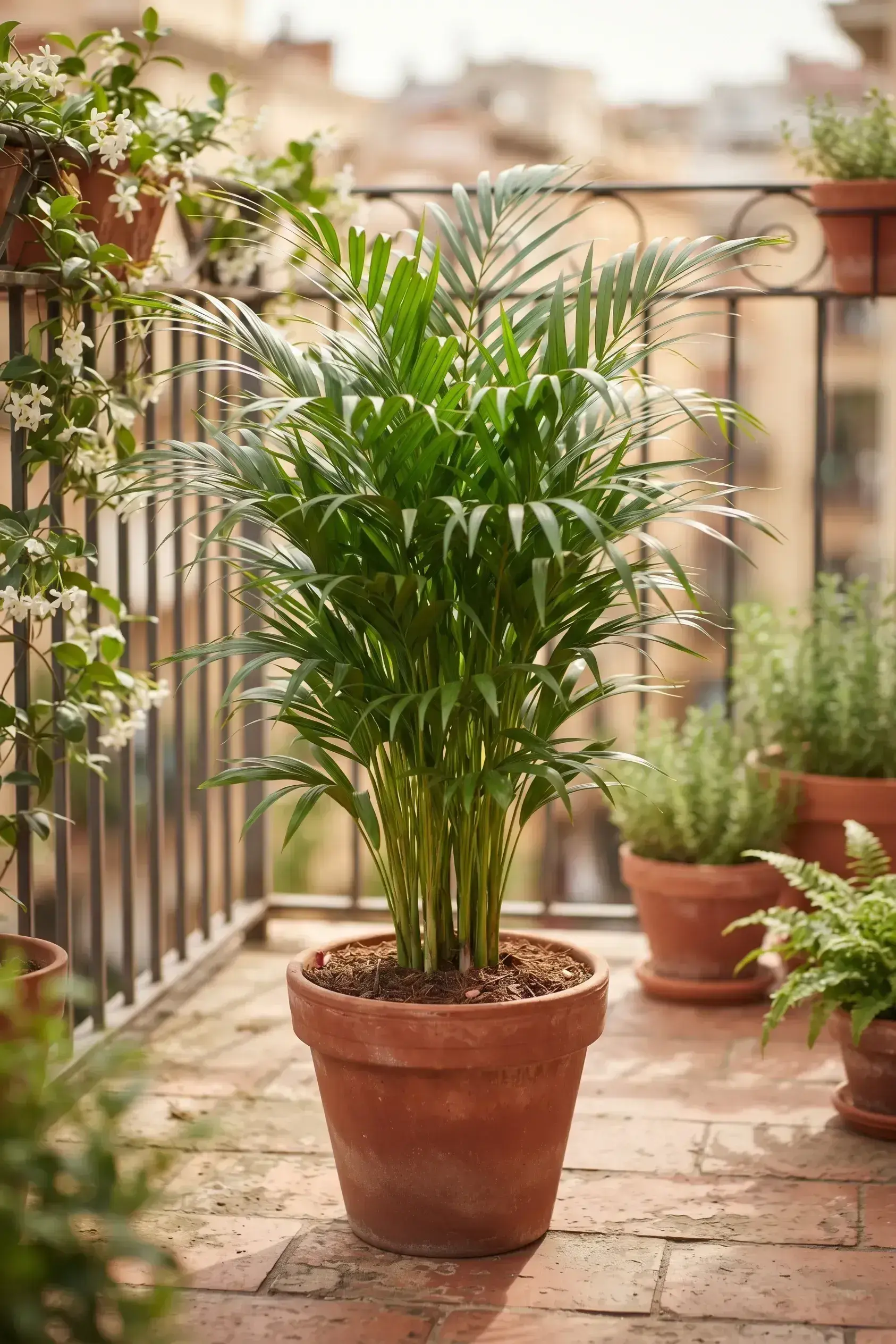
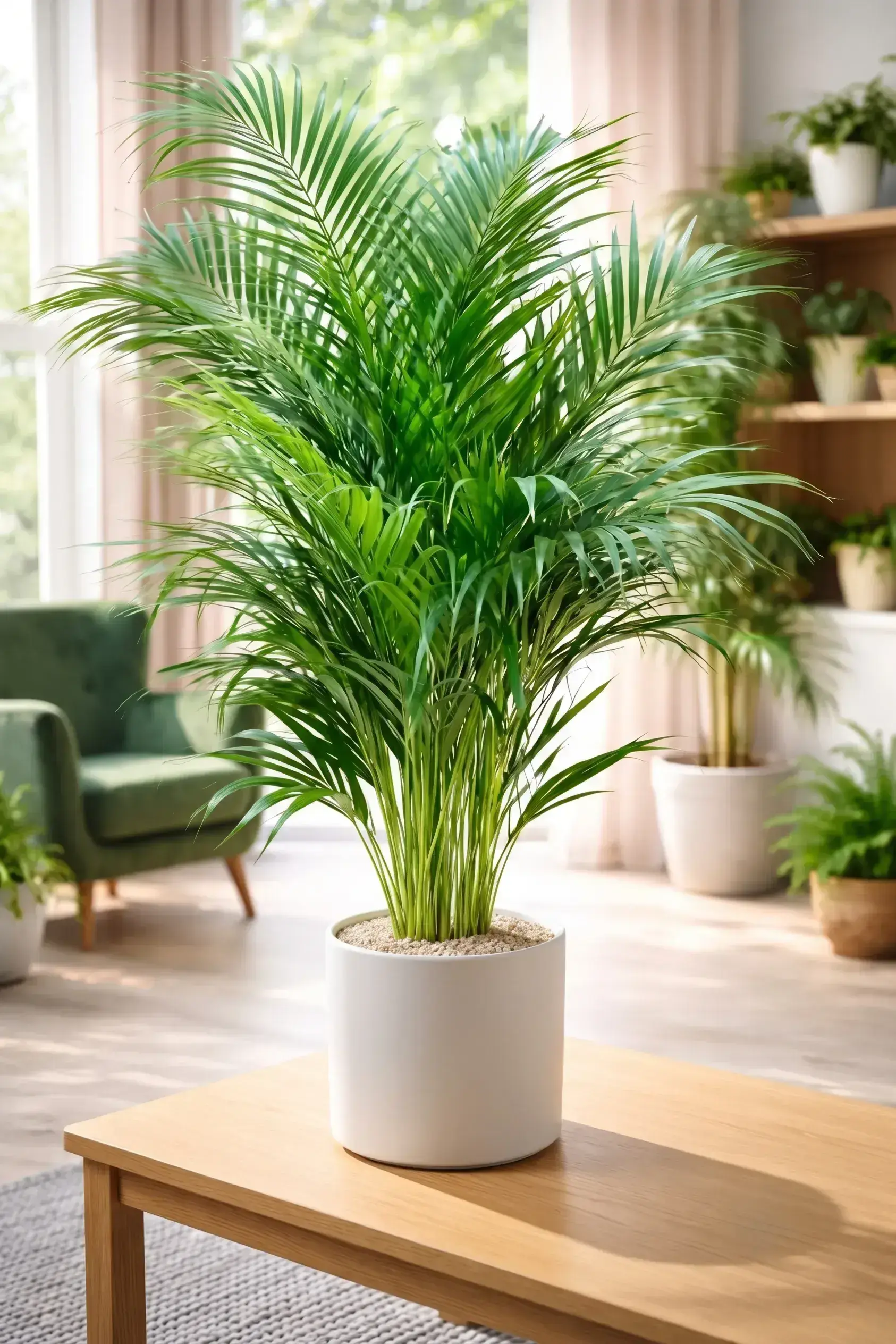
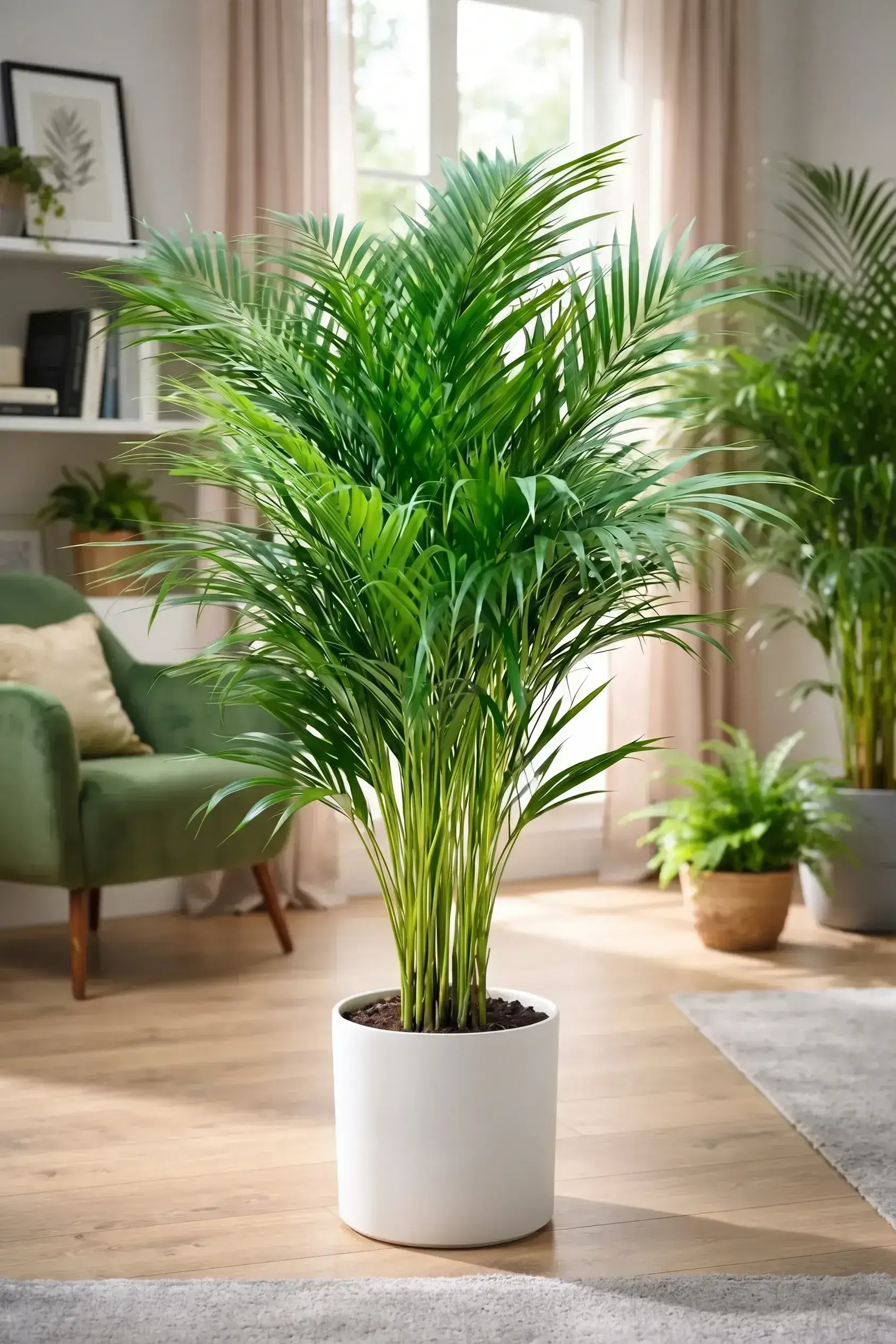
The Areca Bamboo Palm—also called Eureka Palm or Butterfly Palm—fills bright corners with soft, arching fronds that move gently with room air. In nurseries, this clumping palm goes by Dypsis lutescens or Chrysalidocarpus lutescens.
Shoppers often see “Areca Catechu” on labels too. True Areca catechu is the tall betel nut tree, while Dypsis lutescens forms a multi-stemmed clump suited for homes and offices.
Plant Highlights
- Product Name: Areca Bamboo Palm | Eureka Palm (Dypsis lutescens) Areca Catechu Plant for Home & Office
- Common Name: Areca Palm, Bamboo Palm, Butterfly Palm, Golden Cane Palm, Eureka Palm
- Botanical Name: Dypsis lutescens (synonym: Chrysalidocarpus lutescens; distinct from betel nut palm Areca catechu)
- Family: Arecaceae (Palm family)
- Plant Type: Evergreen perennial clumping palm
- Origin: Madagascar
- Flower Colour: Small yellow flowers on branching stalks below the crown on mature outdoor plants (rarely seen indoors)
- Foliage: Arching, feather-like fronds with narrow leaflets arranged in a V shape
- Growth Habit: Multi-stemmed upright clump with smooth, ringed bamboo-like stems
- Mature Height: About 1.5 to 3 meters in containers; taller in warm outdoor ground plantings
- Sunlight: Bright indirect light indoors; filtered light or light shade outdoors
- Watering: Moderate; keep soil lightly moist without soggy roots, checking top soil dryness first
- Suitable For: Living rooms, office lobbies, desks near bright windows, shaded balconies, and sheltered garden borders
Why This Clumping Palm Fits Homes and Offices
Unlike stiff upright foliage plants, Dypsis lutescens has an open, airy silhouette that softens hard corners in offices and living areas. Its ringed stems look like thin golden-green bamboo canes, giving the plant a calm, natural rhythm.
In busy homes and workspaces, its clumping habit creates fullness without blocking natural light across the whole room. Actual size and density depend on pot size, light levels, and care.
Appearance, Growth Habit, and Foliage
Rather than growing a single thick trunk, this palm sends up multiple slender stems from the base that form a leafy clump over time. Each frond carries narrow, lance-shaped leaflets in a V arrangement along the stem.
Indoors, growth is usually slow to moderate, often around 15 to 25 cm per year under steady care. Mature outdoor palms in warm climates may occasionally produce small yellow flower clusters below the leaves, though indoor pots rarely flower.
Light Placement for Indoor and Balcony Spaces
Bright indirect light keeps fronds fresh and green. Set the pot near an east-facing window or in a bright room where natural daylight reaches the leaves without harsh direct sun hitting the glass.
Dark corners cause weak, pale, or sparse fronds. Outdoors in Indian gardens, use filtered light or light shade, since scorching afternoon sun can burn or yellow the foliage.
Watering and Soil Drainage Habits
Keep the potting mix lightly and evenly moist, never soggy or sitting in standing water. Touch the top 2 to 3 cm of soil before watering, and empty excess water from saucers after draining.
Use loose, well-draining soil with organic matter so air reaches the roots. A suggested home potting mix is 40% well-draining garden soil, 30% compost or cocopeat, and 30% coarse river sand or perlite in a pot with drainage holes.
Caring for Areca Palm Across Indian Seasons
India’s shifting weather calls for simple seasonal adjustments rather than a rigid daily watering routine.
Summer Care
Heat dries pots faster, so check soil moisture more often and shield leaves from harsh afternoon sun. Light misting or a pebble tray with water helps when dry summer air or air conditioning dries out frond tips.
Monsoon Care
Humid monsoon air suits the fronds, especially in places like Kolkata and coastal India, but heavy rain and damp air slow drying. Avoid overwatering and make sure pots drain freely so roots do not rot.
Winter Care
Growth slows during cooler months, especially in northern and central India. Water less often, keep the plant away from cold drafts, and avoid cold, wet soil.
Feeding, Pots, Pruning, and Propagation
Feed lightly every 4 to 8 weeks during active spring and summer growth with a balanced liquid fertilizer or well-rotted compost, pausing in winter. Pick a pot with drainage holes just slightly larger than the root ball, and repot in spring only when roots crowd the container.
Trim dead or brown fronds cleanly at the base with sanitized shears, and wipe dust off leaflets with a damp cloth. Nurseries propagate this palm from seeds or by dividing clumps carefully during repotting, though root disturbance can slow recovery.
Troubleshooting Common Palm Issues
Quick checks on water, light, and pests solve most everyday problems.
1. Yellowing Fronds
Widespread yellowing often points to overwatering or poor drainage, while a single yellow bottom frond can be normal aging.
2. Dry Brown Leaf Tips
Dry indoor air, AC airflow, underwatering, or salts in hard tap water often brown the tips. Trim brown tips neatly and use filtered or soft water when convenient.
3. Pests and Slow Growth
Spider mites or scale can show up in dry, dusty air; wipe leaves with a damp cloth or spray diluted neem oil in the evening. Slow growth is common in low light or cool winter weather.
Home and Office Fit, Safety, and Delivery Care
This palm fits bright living rooms, office lobbies, desks near windows, and shaded balconies, though it struggles in dark corners or blazing afternoon sun. The ASPCA lists Dypsis lutescens as non-toxic to cats and dogs, though keeping pets from chewing fronds prevents tummy upset or damaged leaves.
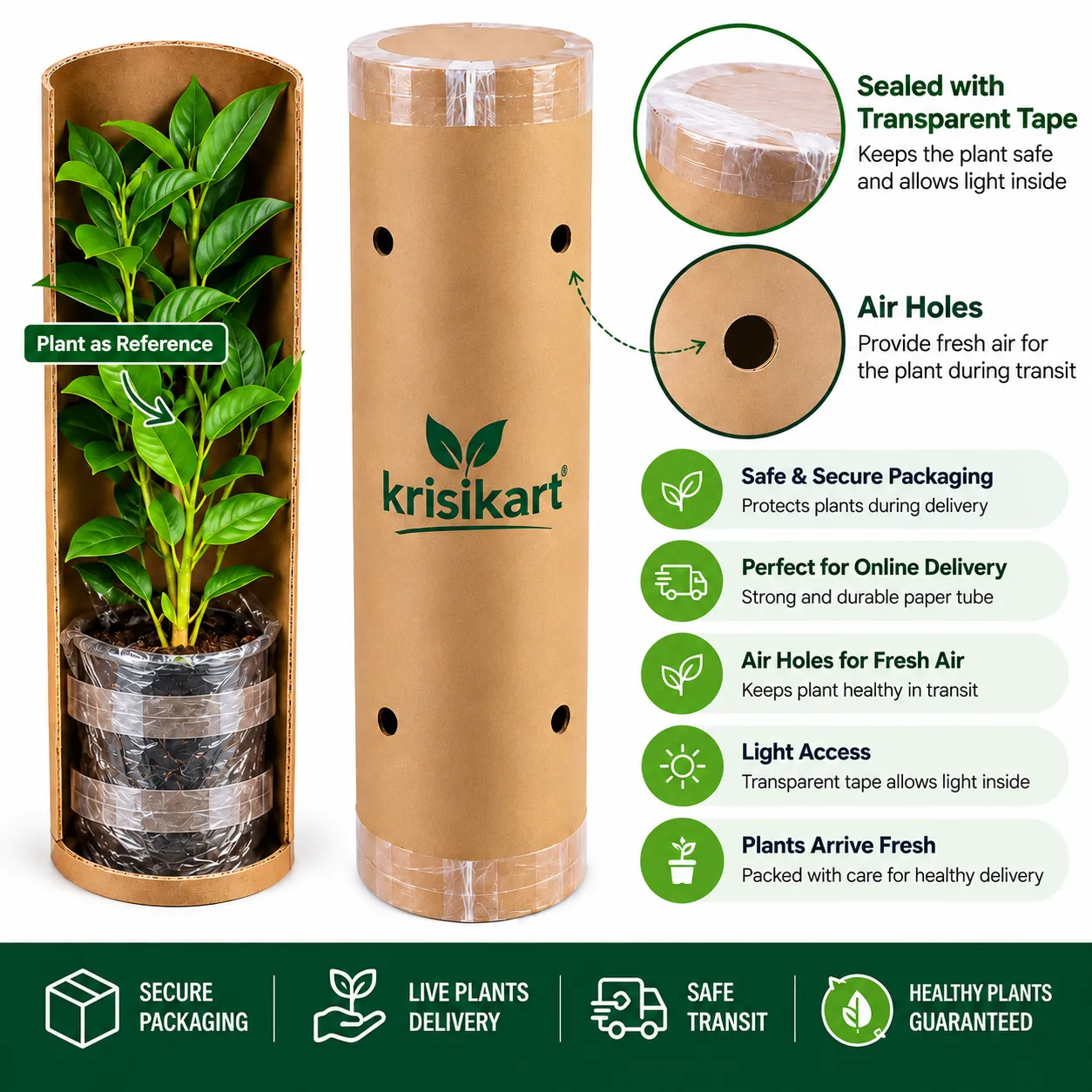
Live plants vary in height, frond count, and fullness, and shipping can cause mild stress or a few yellowing leaves. Set your plant in bright indirect light on arrival, check soil moisture before watering, and hold off on heavy fertilizer or pruning while it settles.
Why Choose This Palm for Your Space?
With its feathery arching fronds, bamboo-like stems, and easy fit in bright homes and offices, the Areca Bamboo Palm brings relaxed greenery without heavy visual weight. Given bright indirect light, draining soil, and steady care, it stays a classic everyday plant.
Botanical Information and Further Reading
- Kew Science – Plants of the World Online
- Royal Horticultural Society (RHS) – Gardening Advice
- University of Wisconsin-Madison Extension – Horticulture
- ASPCA Animal Poison Control – Areca Palm
Frequently Asked Questions (FAQs)
1. What is the botanical name of this palm?
The clumping home and garden palm is commonly sold as Dypsis lutescens (also known as Chrysalidocarpus lutescens) in the family Arecaceae.
2. Is Dypsis lutescens the same as Areca catechu?
No, Dypsis lutescens is a multi-stemmed ornamental palm, while Areca catechu is a different palm species grown as the betel nut tree.
3. What common names does this plant go by?
It is widely known as Areca Palm, Bamboo Palm, Butterfly Palm, Golden Cane Palm, and Eureka Palm.
4. Where does Dypsis lutescens come from?
This clumping palm is native to Madagascar.
5. Can I keep it inside a home or office?
Yes, it works well indoors in bright indirect light near a window, such as in living rooms or office spaces.
6. How much light does it need?
Bright indirect light suits indoor spots best, while filtered light or light shade works outdoors; avoid harsh afternoon sun.
7. How often should I water it?
Check the top 2 to 3 cm of soil and water when it starts to dry out, keeping soil lightly moist without waterlogging.
8. What potting mix works best?
Use a well-draining mix with organic matter—such as garden soil with compost or cocopeat and sand or perlite—in a pot with drainage holes.
9. How does it handle Indian summer and monsoon weather?
Summer requires watching moisture and avoiding harsh afternoon sun, while monsoon humidity helps the fronds but requires careful watering and good drainage.
10. How tall does it get in a pot?
In containers, it commonly reaches about 1.5 to 3 meters tall, depending on pot size, light, and care.
11. Is it safe around cats and dogs?
The ASPCA lists it as non-toxic to cats and dogs, though keeping pets from chewing leaves is still sensible.
12. Why do leaf tips turn brown?
Dry room air, air conditioning, underwatering, or hard tap water often cause brown tips; trim brown tips neatly and keep moisture balanced.
For More Information
Visit: krisikart.com
For Contact Visit:Contact Us
For Shopping Visit: Shop Page


Anurag sharma –
All plants matched the description.
A great shopping experience.