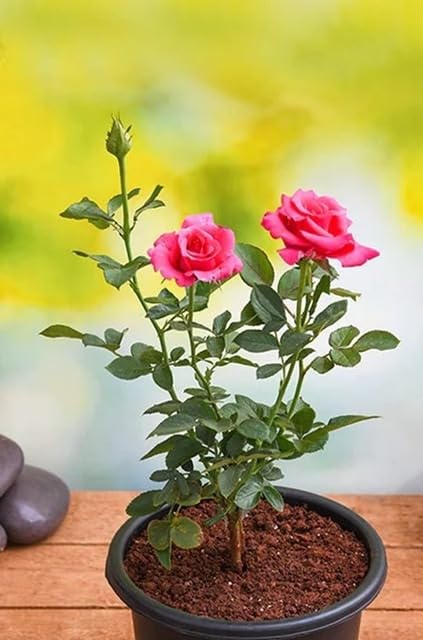
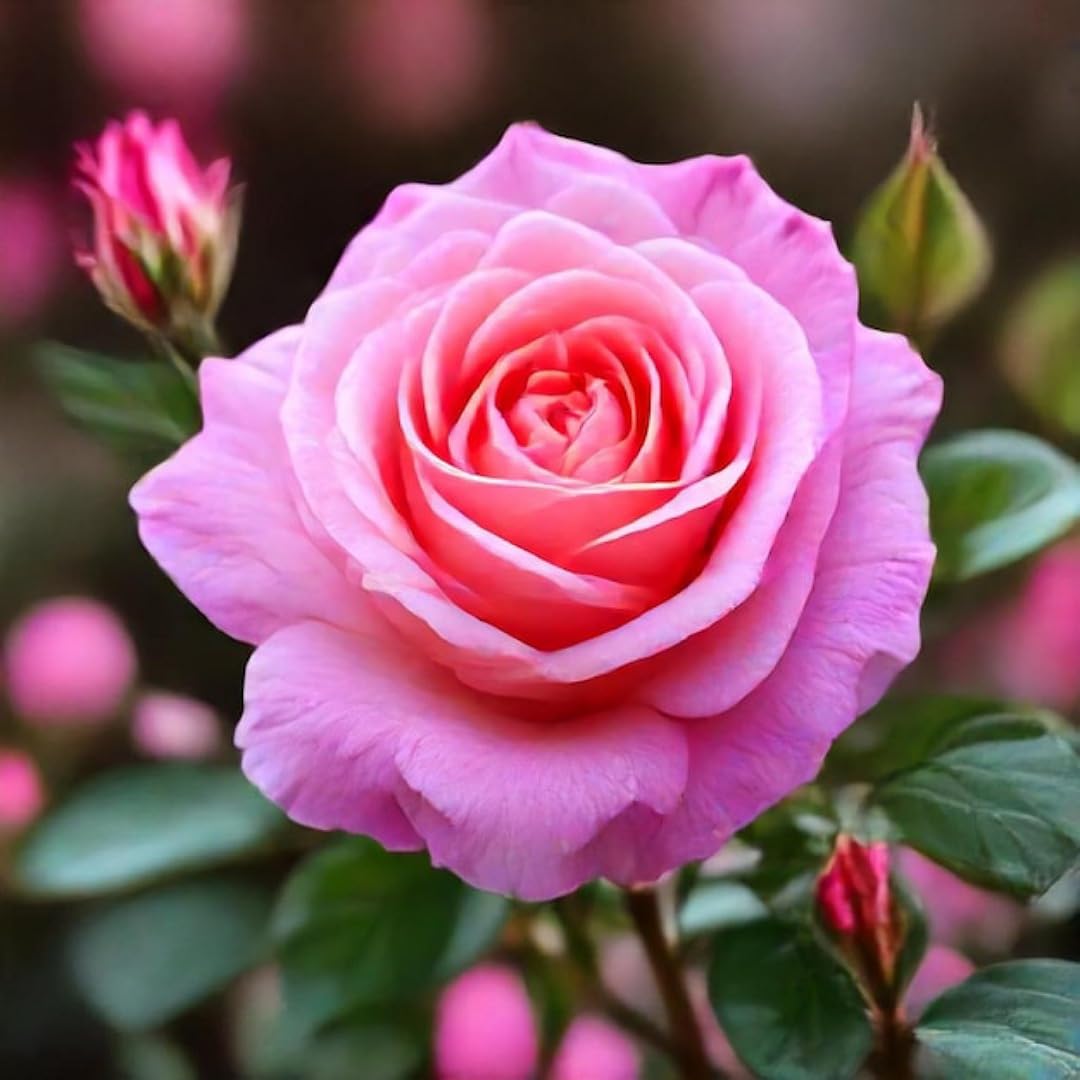
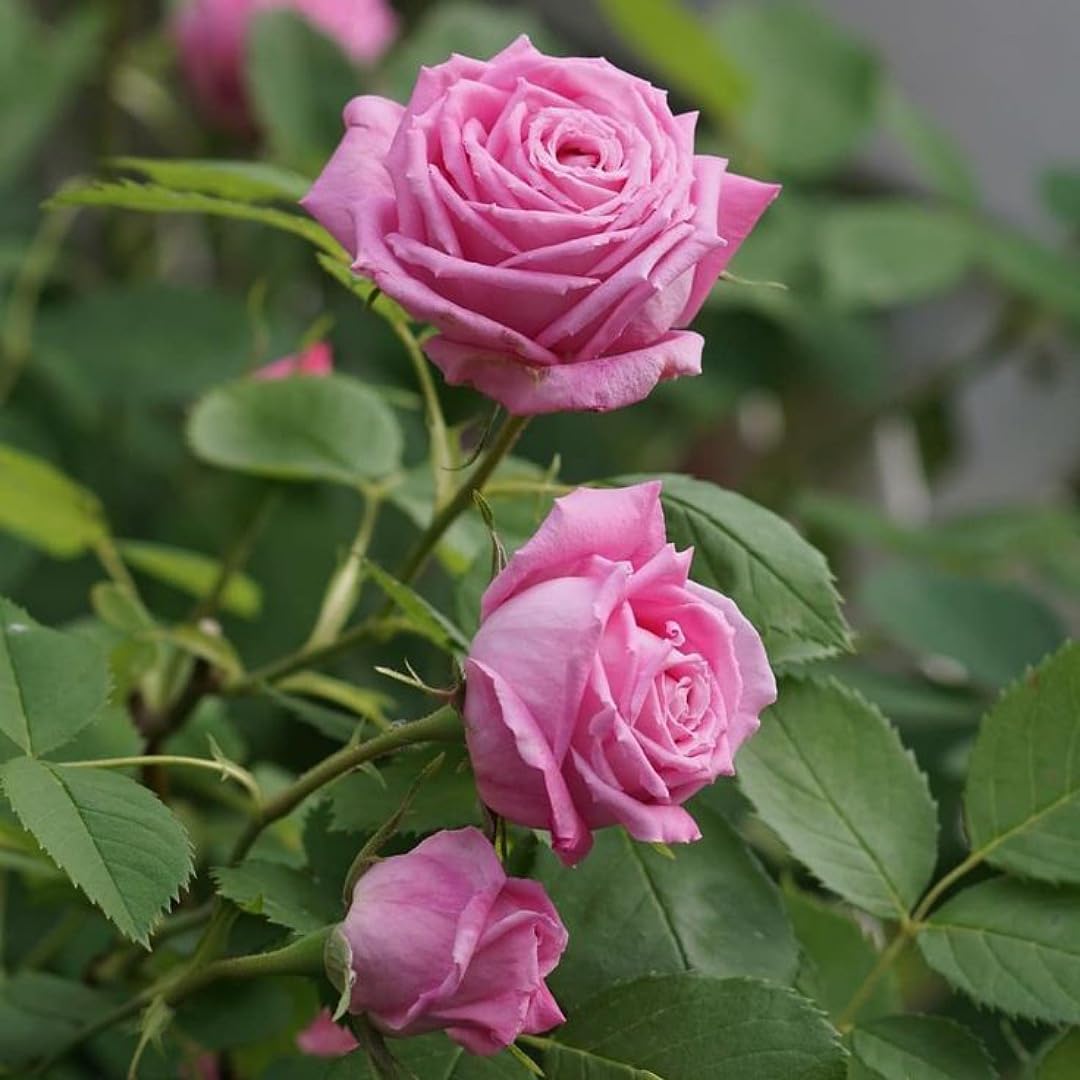
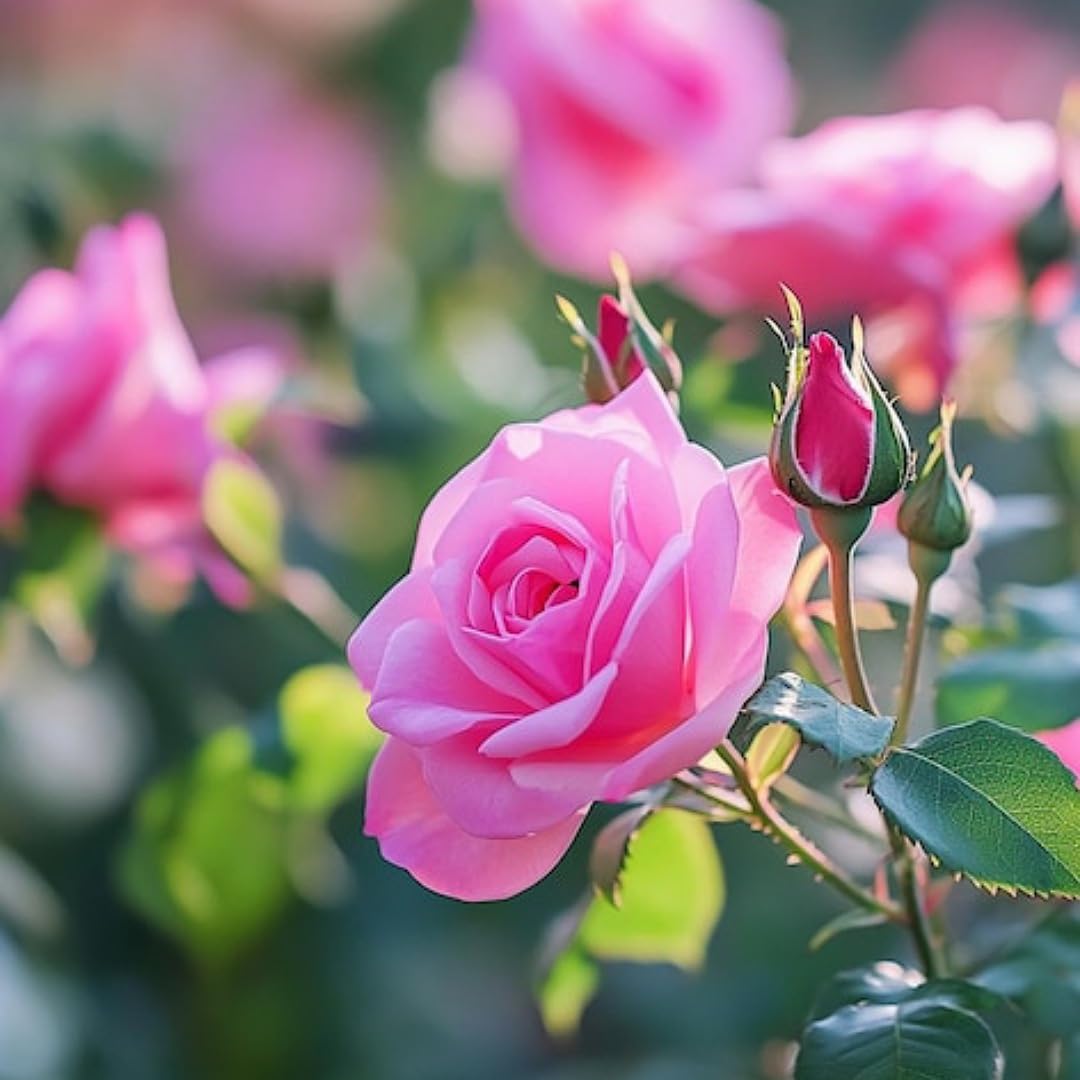
Pink Rose Plant
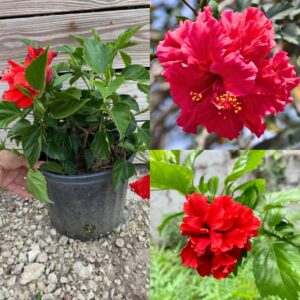
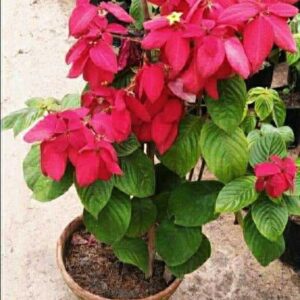
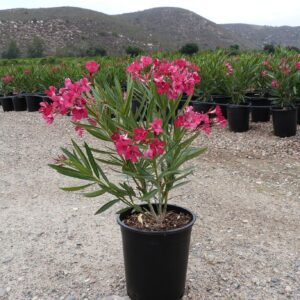
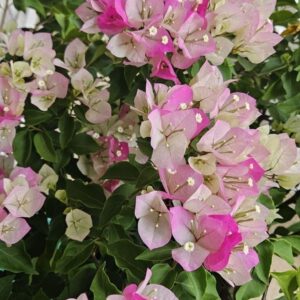
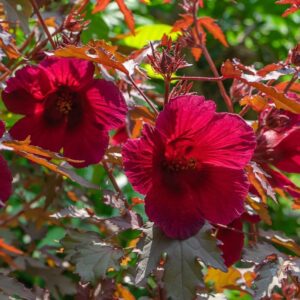
The Pink Rose Plant is a classic flowering plant admired for its beautiful pink blooms, attractive green foliage and pleasant fragrance. Roses are among the most popular ornamental flowering plants and can bring a colorful, elegant appearance to home gardens and outdoor spaces.
This live Pink Rose Plant is suitable for container gardening as well as garden planting. It can be grown in a suitable pot on a balcony, terrace or patio, or planted directly in well-draining garden soil where adequate sunlight is available.
With proper sunlight, watering, nutrition and pruning, the plant can develop healthy foliage and produce beautiful flowers during its natural flowering periods.
Key Product Highlights
- Live Pink Rose flowering plant with attractive pink blooms
- Pleasantly fragrant flowers for a colorful garden display
- Suitable for pots, containers and garden planting
- Ideal for balconies, terraces, patios and home gardens
- Full sunlight supports healthy growth and flowering
- Attractive addition to flowering plant and rose collections
Plant Specifications
Common Name: Pink Rose
Botanical Name: Rosa spp.
Plant Type: Flowering shrub
Flower Color: Pink
Fragrance: Fragrant
Growth Habit: Bushy ornamental shrub
Sunlight: Full sun to bright sunlight
Water Requirement: Moderate
Soil: Fertile, well-draining soil
Suitable For: Pots, containers, balconies, terraces, patios and gardens
Flowers & Ornamental Features
The Pink Rose Plant produces attractive pink flowers that can create a beautiful focal point in a garden or container. Depending on the particular rose variety, flowers may differ in shade, size, petal form and fragrance intensity.
The combination of colorful blooms and green foliage makes the plant suitable for decorative planting around homes, entrances, patios and garden borders.
When grown in a suitable location, fragrant flowers can also add a pleasant natural scent to the surrounding outdoor area.
Plant Care Guide
Sunlight
Place the Pink Rose Plant in a location receiving several hours of direct sunlight each day. Roses generally perform best in a sunny location with good air circulation.
Adequate sunlight is important for vigorous growth and flower production.
Watering
Water when the upper layer of soil begins to dry. Water thoroughly and allow excess water to drain completely.
Avoid keeping the soil continuously waterlogged. During hot and dry weather, monitor soil moisture more frequently.
Soil
Use fertile, organic-rich and well-draining soil. Good drainage is important for healthy root development.
For container cultivation, use a quality potting mix and a container with sufficient drainage holes.
Fertilizer
Feed the plant periodically during active growth with a suitable rose fertilizer, balanced flowering-plant fertilizer or well-decomposed organic compost.
Follow the recommended application rate and avoid excessive fertilization.
Pruning
Remove dry, damaged and weak branches using clean pruning tools. Light pruning can help maintain a compact shape and encourage healthy new growth.
Pruning requirements can vary according to the particular rose variety and flowering habit.
Where to Grow
The Pink Rose Plant is suitable for:
- Home gardens
- Balcony gardens
- Terrace gardens
- Patios
- Garden borders
- Flower beds
- Decorative pots
- Container gardens
- Rose collections
Choose a sunny location with good ventilation and sufficient space for the plant to grow.
Why Grow a Pink Rose Plant?
A Pink Rose Plant is an excellent choice for gardeners who want to combine color, fragrance and classic ornamental beauty in one flowering plant.
It can be used as a feature plant in a container or incorporated into a larger flowering garden. With proper care, the plant can continue producing new growth and flowers according to its natural growth cycle.
Important Flowering Information
Flowering depends on the rose variety, plant maturity, sunlight, temperature, watering, nutrition, pruning and local growing conditions.
The plant may arrive without flowers or with fewer flowers than shown in product photographs. Buds and flowers can also be affected during transportation.
After the plant acclimatizes to its new environment and receives suitable care, it can produce new growth and flowers according to its natural growth cycle.
Important Information About Live Plants
This is a live plant, so its appearance may naturally vary depending on season, maturity and growing conditions.
The delivered plant may differ slightly from product photographs in height, branching, leaf count, flower size, number of buds and number of flowers.
Some leaves, buds or flowers may become bent, damaged or shed during transportation due to movement, temperature changes or transit stress. This is a normal possibility with live plants and does not necessarily indicate poor plant health.
After receiving the plant, place it in a suitable location and provide appropriate sunlight and watering while allowing it time to acclimatize.






![[New Stock] 100ml Pasura Exodus Plant Bio Simulant , Organic Pesticide for Insects](https://krisikart.com/wp-content/uploads/2026/01/71GyR4G1LTS-300x300.jpg)








Reviews
There are no reviews yet.