 Plastic Plant pot | Plastic Garden Pot for Plants
 Self Watering Planters | Self Watering Plant Pots For Plants
Rabbit Ear Cactus Plant | Bunny Ears Plant (Opuntia microdasys) Plant
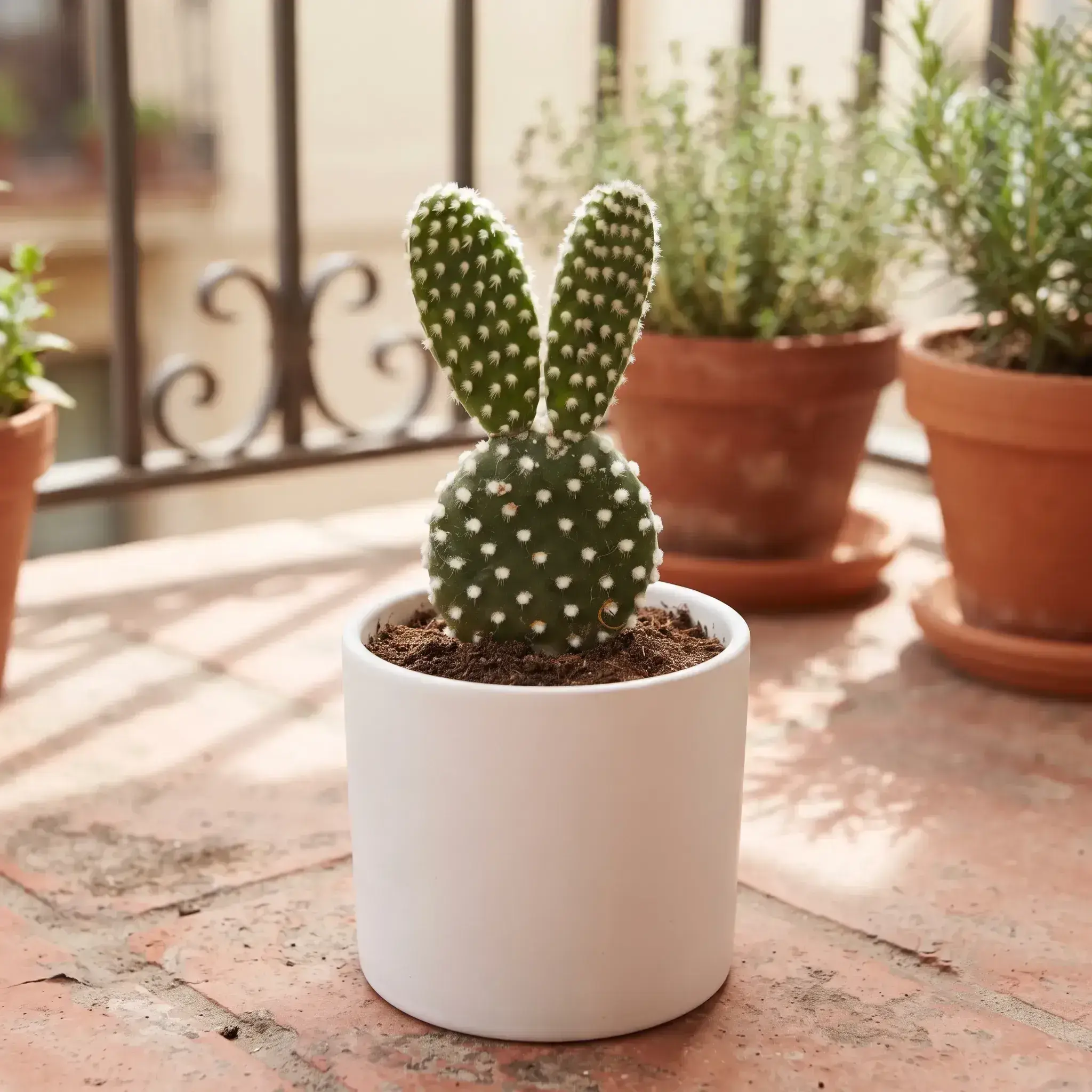
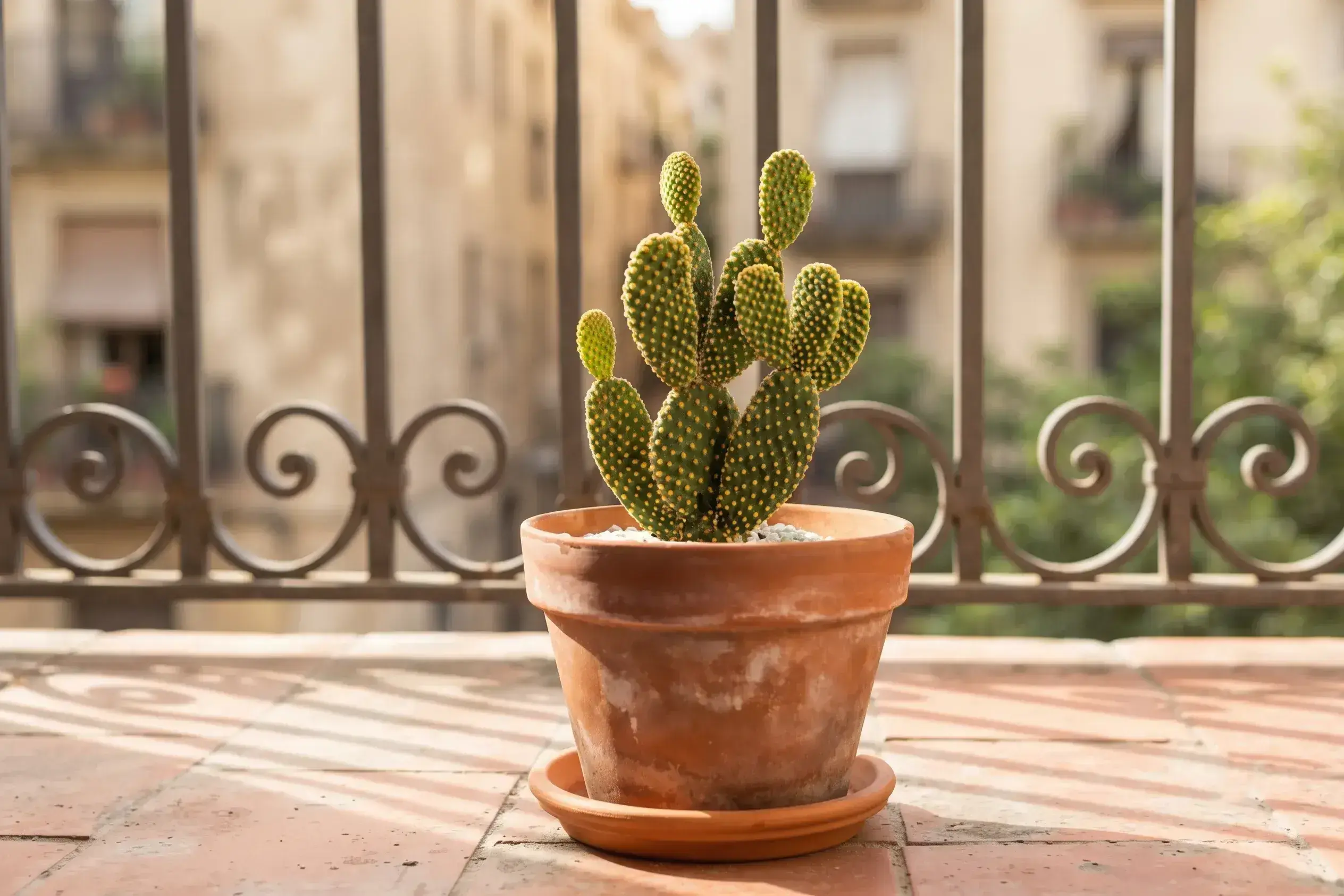
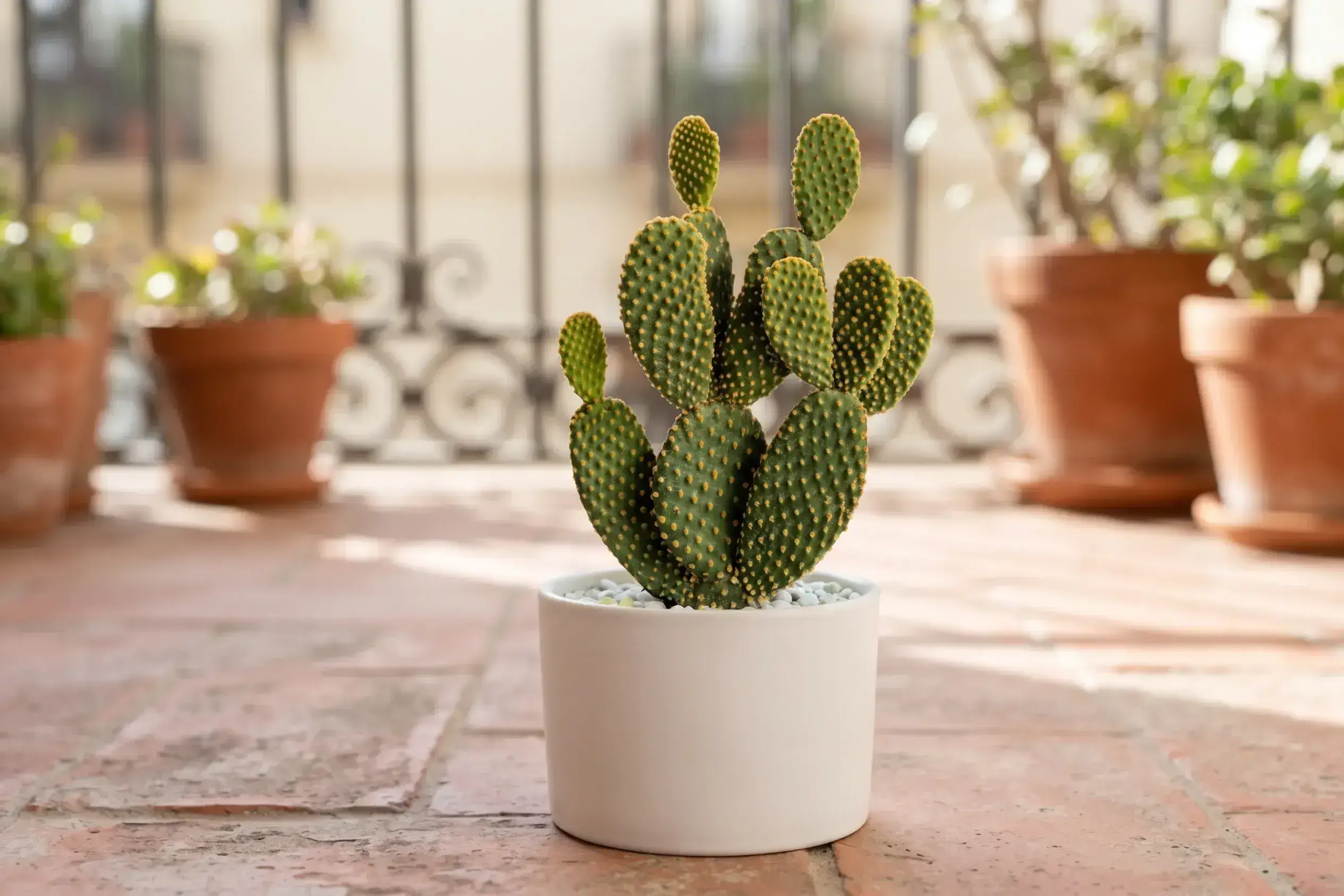
The Rabbit Ear Cactus Plant, botanically known as Opuntia microdasys and widely loved as the Bunny Ears Plant or Polka-Dot Cactus, is a charming, compact desert succulent prized for its flat, oval green stem pads that sprout in pairs resembling rabbit ears. Instead of long, rigid spines, its velvety-looking pads are patterned with neat polka-dot clusters of fine, hair-like bristles (glochids) in golden-yellow, creamy-white, or warm reddish-brown.
Native to the arid highlands of central and northern Mexico and recognized with the Royal Horticultural Society’s Award of Garden Merit, this low-maintenance cactus thrives effortlessly on sunny Indian windowsills, balconies, and dry rock gardens. Given plenty of bright sunlight, gritty fast-draining soil, and infrequent watering, Opuntia microdasys stays tidy and sculptural for years.
Plant Highlights
- Product Name: Rabbit Ear Cactus Plant | Bunny Ears Plant (Opuntia microdasys) Plant for Home Garden
- Common Name: Rabbit Ear Cactus, Bunny Ears Cactus, Bunny Cactus, Polka-Dot Cactus, Angel’s Wings Cactus, Golden-Bristle Cactus
- Botanical Name: Opuntia microdasys
- Family: Cactaceae (Cactus family)
- Plant Type: Slow-growing perennial branching desert cactus (succulent)
- Origin: Native to central and northern Mexico
- Flower Colour: Bright yellow bowl- or funnel-shaped flowers (sometimes tinged with red) on mature, well-lit plants
- Fruit Colour: Small, round-to-ovoid red or purplish-red spiny berries following pollination
- Foliage / Stems: Flattened, spineless-looking oval-to-oblong green stem segments (cladodes) dotted with evenly spaced areoles bearing dense tufts of fine barbed glochids
- Growth Habit: Low, bushy, branching clump of upright paired pads
- Mature Size: Typically 30 to 60 cm (1 to 2 feet) tall in containers over many years, spreading slowly into a neat multi-padded clump
- Sunlight: Bright direct sunlight (at least 4 to 6 hours of direct sun daily)
- Watering: Very low; drought-tolerant desert cactus—allow the potting soil to dry out completely between waterings
- Suitable For: Sunny windowsills, bright balconies, terrace succulent collections, outdoor desert rockeries, and well-lit office desks near sunny windows
About the Rabbit Ear Cactus Plant
Opuntia microdasys belongs to the prickly pear genus in the cactus family Cactaceae and is indigenous to the Chihuahuan Desert region of central and northern Mexico. Its species epithet, microdasys, comes from Greek words meaning “small and hairy,” referring to the tiny tufts of dense, velvet-like bristles arranged across each green pad.
In cultivation, gardeners encounter three popular color forms of these bristle clusters: the classic golden-yellow form, the snowy-white form (often sold as ‘Albata’ or ‘Angel’s Wings’), and the warm cinnamon-brown form. All share the same compact growth habit and simple desert care.
Appearance and Growth Habit
Rather than true leaves, the Bunny Ears Plant grows through flattened, fleshy green stem segments called cladodes, each measuring roughly 5 to 12 cm long. New pads frequently emerge in charming twin pairs at the top edge of an older pad, creating the unmistakable silhouette of rabbit ears.
Because Opuntia microdasys grows at a slow, steady pace, it stays small enough for tabletop pots, windowsills, and balcony planters for many years while gradually forming a low, bushy desert cluster.
Flowers and Blooming Notes
When a mature, sun-grown Rabbit Ear Cactus experiences warm summer days after a cool, dry winter rest, it may produce bright yellow, cup-shaped flowers about 3 to 5 cm across along the upper margins of mature pads.
If pollinated outdoors, small red-to-purplish fruits follow. In indoor or small container settings, however, flowers appear only occasionally, and the plant is grown primarily for its whimsical, polka-dotted sculptural pads.
Sunlight Requirements
As a true Mexican desert native, Opuntia microdasys needs abundant direct sunlight—ideally at least 4 to 6 hours of direct sun every day—to keep its pads plump, rounded, and richly patterned.
Place your Bunny Ears Plant on a sunny south- or west-facing windowsill, bright balcony, or sunlit terrace. In dim indoor rooms or low-light corners, new pads grow thin, narrow, and stretched out (etiolated) as they reach for light.
Watering Requirements
Because Opuntia microdasys stores water efficiently inside its thick succulent pads, underwatering rarely harms it—whereas overwatering or soggy soil quickly causes root and base rot.
Watering During Spring and Summer
Allow the potting mix to dry out 100% from top to bottom before watering again. During warm spring and summer months, this typically means watering thoroughly once every 10 to 14 days in sunny locations, pouring until water exits the drainage holes and emptying the saucer immediately.
Watering During Monsoon and Winter
During humid monsoon months, keep potted cacti sheltered from heavy rain and stretch watering intervals to once every 2 to 3 weeks. In cool winter weather when the cactus enters dormancy, water very sparingly—once every 4 to 6 weeks—just enough to prevent the pads from shriveling.
Soil and Potting Requirements
Opuntia microdasys requires an ultra-porous, gritty, fast-draining cactus and succulent medium that sheds water immediately, with a slightly acidic to neutral pH between 5.5 and 7.5. Regular garden soil or moisture-retentive cocopeat-heavy mixes hold too much water and rot cactus roots.
Suggested Potting Mixture for Containers
This is a suggested potting mixture for cactus container cultivation rather than a rigid scientific formula: blend 50% coarse river sand, pumice, or perlite (for rapid drainage), 35% sandy garden soil, and 15% well-decomposed vermicompost or leaf mold. Choose a small, snug pot with clear drainage holes—unglazed terracotta (clay) pots are ideal because their porous walls let excess moisture evaporate rapidly.
Growing the Plant in the Indian Climate
Opuntia microdasys adapts well to warm Indian homes, sunny windowsills, and rain-sheltered balconies across cities such as Kolkata, West Bengal, Mumbai, Bengaluru, Chennai, Hyderabad, Pune, Jaipur, and Delhi-NCR.
Summer Care
Warm Indian summers match the desert origins of the Rabbit Ear Cactus. If moving an indoor plant outdoors into peak May sun above 42°C, acclimate it gradually over 7 to 10 days so sudden UV exposure does not scorch pale patches onto the green pads.
Monsoon Care
In high-rainfall, humid regions like Kolkata, West Bengal, and coastal India, monsoon rain is the biggest hazard for desert cacti. Keep potted Bunny Ears Cacti under a covered balcony or clear rain shelter during heavy downpours and avoid misting the pads.
Winter Care
Cool, dry Indian winters give Opuntia microdasys its natural seasonal rest, which helps encourage spring growth and occasional summer blooms. Keep watering minimal during December and January, and protect potted plants from freezing frost in far-northern regions.
Temperature and Humidity
The Bunny Ears Plant thrives in warm temperatures between 18°C and 35°C and prefers dry air with good ventilation. Mature plants tolerate brief winter dips down to 5°C when kept completely dry, whereas frost and wet cold are fatal.
Fertilizer and Nutrition
Because Opuntia microdasys grows naturally in nutrient-poor desert soils, it needs very little fertilizer.
Feed lightly two or three times during its warm growing season (spring and early summer) using a diluted, quarter-strength low-nitrogen cactus fertilizer or a small pinch of vermicompost. Never fertilize during monsoon humidity or winter dormancy.
Growing the Plant in Pots
A young Rabbit Ear Cactus looks neat and balanced in a 3-to-6-inch terracotta or ceramic pot with a drainage hole. Avoid planting a small cactus in an oversized pot, as excess soil stays wet too long around the shallow roots.
Repot only once every 2 to 3 years during spring when the clump outgrows its container, stepping up just one pot size at a time.
Pruning and Maintenance
The Bunny Ears Plant requires almost no pruning and naturally branches into a charming geometric cluster.
If an older lower pad ever turns yellow, corky, or overcrowded, twist or cut it cleanly at the narrow joint using a sterilized knife while holding the pad with kitchen tongs or folded newspaper—never with bare hands.
Propagation
Opuntia microdasys is very easy to propagate from individual stem pads during spring or summer:
Using tongs or folded thick paper, gently twist or cut a healthy mature pad at its base joint and set it aside in a dry, shaded spot for 3 to 5 days until the cut end forms a dry, protective callous. Stand the calloused base 1 to 2 cm deep in dry, gritty cactus mix and wait 7 to 10 days before watering lightly; roots form within 3 to 4 weeks.
Common Problems and Plant Care
Abundant sunlight, gritty soil, and restrained watering prevent almost all Bunny Ears Cactus issues.
1. Soft, Mushy, or Blackening Base
A soft, water-soaked, or yellowing lower pad is caused by overwatering or poorly drained soil. Remove any healthy upper pads immediately using tongs, let the cut ends callous dry for several days, and root them in fresh dry cactus soil.
2. Thin, Stretched, Elongated Pads (Etiolation)
Narrow, finger-like new pads growing tall and weak indicate insufficient sunlight. Move the cactus to a brighter spot receiving 4 to 6 hours of direct sun; note that already-stretched pads will not widen back, though new growth in bright sun will grow plump and oval again.
3. Wrinkled or Shrinking Pads
Slightly deflated or wrinkled pads during hot dry weather indicate thirst. Give the pot a thorough soak and allow all excess water to drain out freely.
4. Mealybugs or Scale Insects in Pad Joints
Tiny white cottony mealybugs or brown scale bumps occasionally hide in the narrow crevices between pads. Dab visible pests with a cotton swab dipped in rubbing alcohol or spray diluted neem oil (3 ml per liter of water) in the evening.
Suitability for Home Gardens & Interiors
The Rabbit Ear Cactus Plant is ideal for sunny windowsills, bright balconies, sunlit office desks right beside a window, terrace succulent planters, and rain-sheltered outdoor rock gardens. It is not suitable for dark indoor rooms, humid bathrooms, or un-sheltered rainy beds.
Safety and Important Information
Crucial handling and household safety warning: although the polka-dot tufts on Opuntia microdasys look soft and velvety, each dot consists of hundreds of microscopic, barbed bristles called glochids that detach effortlessly upon the slightest brush and embed in skin, causing painful itching and irritation. NEVER touch the pads with bare fingers—and avoid fabric gardening gloves, as glochids pierce right through cloth. Always use kitchen tongs, tweezers, or a collar of folded newspaper when moving or repotting, and place the pot high out of reach of children, dogs, and cats.
Live Plant Delivery Information
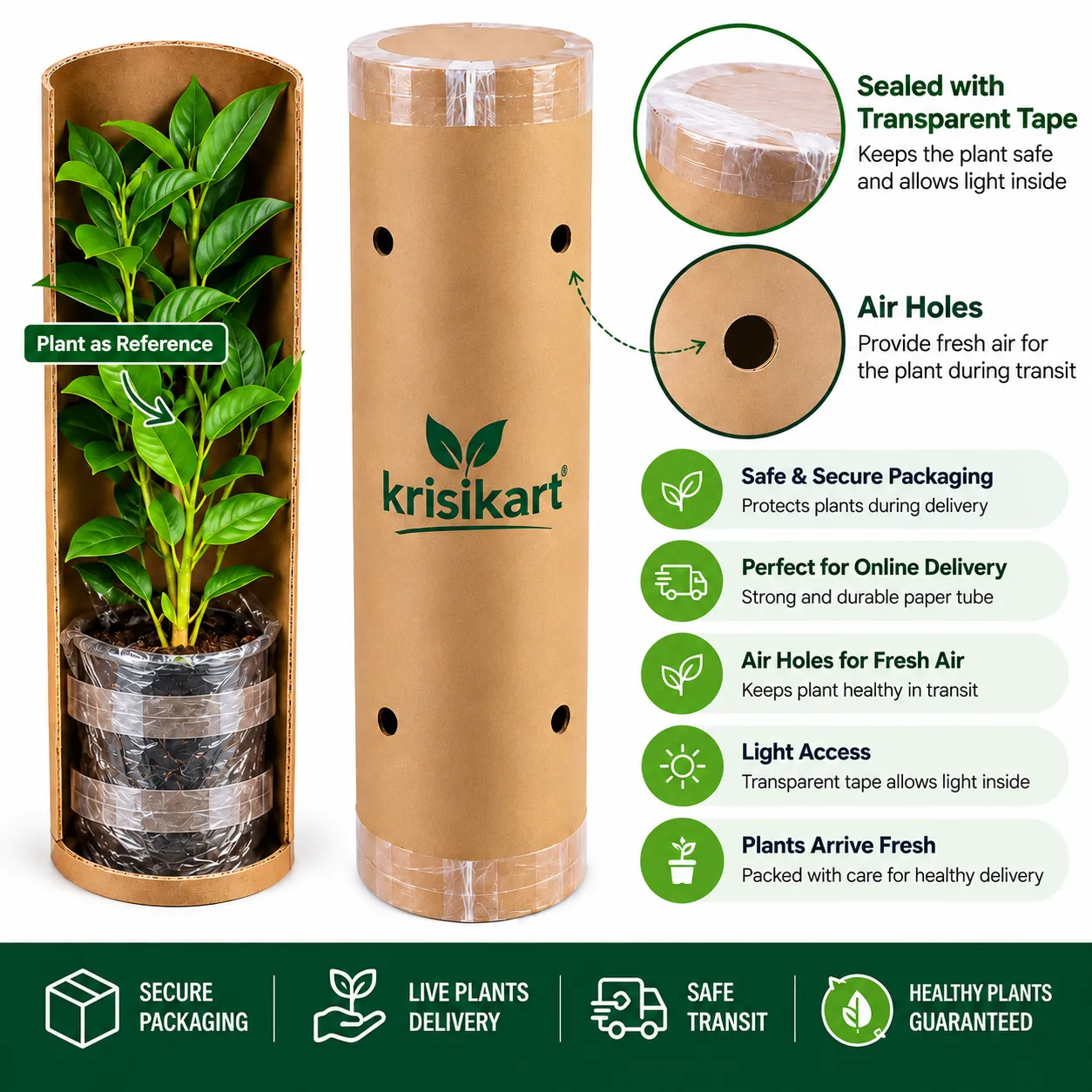
Live Bunny Ears Cacti vary naturally in pad count, height, and bristle dot color (golden-yellow or white). Mild transit stress can occur during shipping, and a small top pad may occasionally detach in the box—if a healthy pad detaches, let its base dry for 3 days and plant it in dry cactus mix to grow a bonus plant.
Upon receiving your Rabbit Ear Cactus Plant, unpack it carefully using folded paper or tongs, place it in bright indirect light for 3 to 4 days before moving it into direct sun, and wait 3 to 4 days before watering lightly so any minor root disturbance heals cleanly.
Why Choose the Rabbit Ear Cactus Plant for Your Garden?
Playful, sculptural, and extraordinarily drought-tolerant, the Rabbit Ear Cactus / Bunny Ears Plant brings unmistakable desert character to sunny windowsills and balcony collections. Given bright direct sun, gritty fast-draining soil, and minimal watering, Opuntia microdasys thrives effortlessly for years.
Botanical Information and Further Reading
- Kew Science – Plants of the World Online: Opuntia microdasys (Lehm.) Pfeiff.
- Royal Horticultural Society (RHS) – Opuntia microdasys Plant Details
- ASPCA – Bunny Ears Cactus (Opuntia microdasys) Pet Safety Reference
- World of Succulents – Opuntia microdasys (Bunny Ears Cactus) Cultivation Guide
Frequently Asked Questions (FAQs)
1. What is the botanical name of the Rabbit Ear or Bunny Ears Cactus Plant?
The accepted botanical name of the Rabbit Ear Cactus Plant is Opuntia microdasys, and it belongs to the cactus family Cactaceae.
2. Are the fuzzy dots on the Bunny Ears Cactus soft to touch?
No—despite looking soft and velvety, those polka-dot tufts are clusters of microscopic, barbed bristles (glochids) that stick into skin on the slightest touch and cause irritation. Always handle the plant with tongs or folded paper.
3. How much sunlight does a Rabbit Ear Cactus need?
It needs at least 4 to 6 hours of bright direct sunlight daily (such as a sunny windowsill or bright balcony) to keep its pads plump and rounded.
4. How often should I water my Bunny Ears Plant?
Water only when the potting soil has dried out completely from top to bottom—typically once every 10 to 14 days in summer and once every 4 to 6 weeks in winter.
5. What is the best soil mix for Opuntia microdasys?
A gritty, fast-draining cactus mix—such as 50% coarse river sand or perlite, 35% sandy garden soil, and 15% vermicompost—in a pot with drainage holes prevents root rot.
6. Why are the new pads on my Bunny Ears Cactus growing thin and long?
Thin, stretched pads (etiolation) mean the plant is not getting enough direct sunlight. Move it to a sunnier windowsill or balcony so future pads grow plump and oval.
7. How do I propagate a Rabbit Ear Cactus at home?
Remove a healthy mature pad using tongs or folded paper, let the cut end dry in the shade for 3 to 5 days until calloused, and plant the base 1 to 2 cm deep in dry cactus soil.
8. Is the Bunny Ears Cactus safe around children and pets?
No, its tiny barbed glochids can injure skin, mouths, and paws if touched or chewed by children, dogs, or cats, so keep it on a high sunny shelf or windowsill out of reach.
9. Does Opuntia microdasys bloom indoors?
Mature plants that receive plenty of direct sun and a cool, dry winter rest can occasionally produce bright yellow flowers in summer, though indoor plants are grown mainly for their sculptural pads.
10. How should I care for my Bunny Ears Cactus during the Indian monsoon?
Keep potted cacti sheltered from heavy monsoon rain and high humidity, and reduce watering frequency so the soil never stays wet.
11. Should I mist my Rabbit Ear Cactus?
No, never mist desert cacti—moisture sitting on the pads encourages fungal rot.
12. Can I keep a Rabbit Ear Cactus on an office desk?
Only if your desk sits right beside a bright, sunny window receiving several hours of direct sunlight; dim office corners will weaken the plant.
For More Information
Visit: krisikart.com
For Contact Visit:Contact Us
For Shopping Visit: Shop Page


Anita layer –
Fresh green plants with healthy roots.
Very satisfied with my order.