 Plastic Plant pot | Plastic Garden Pot for Plants
 Self Watering Planters | Self Watering Plant Pots For Plants
Bonsai Jade Plant | Trailing Jade (Crassula ovata) Plant for Home & Office
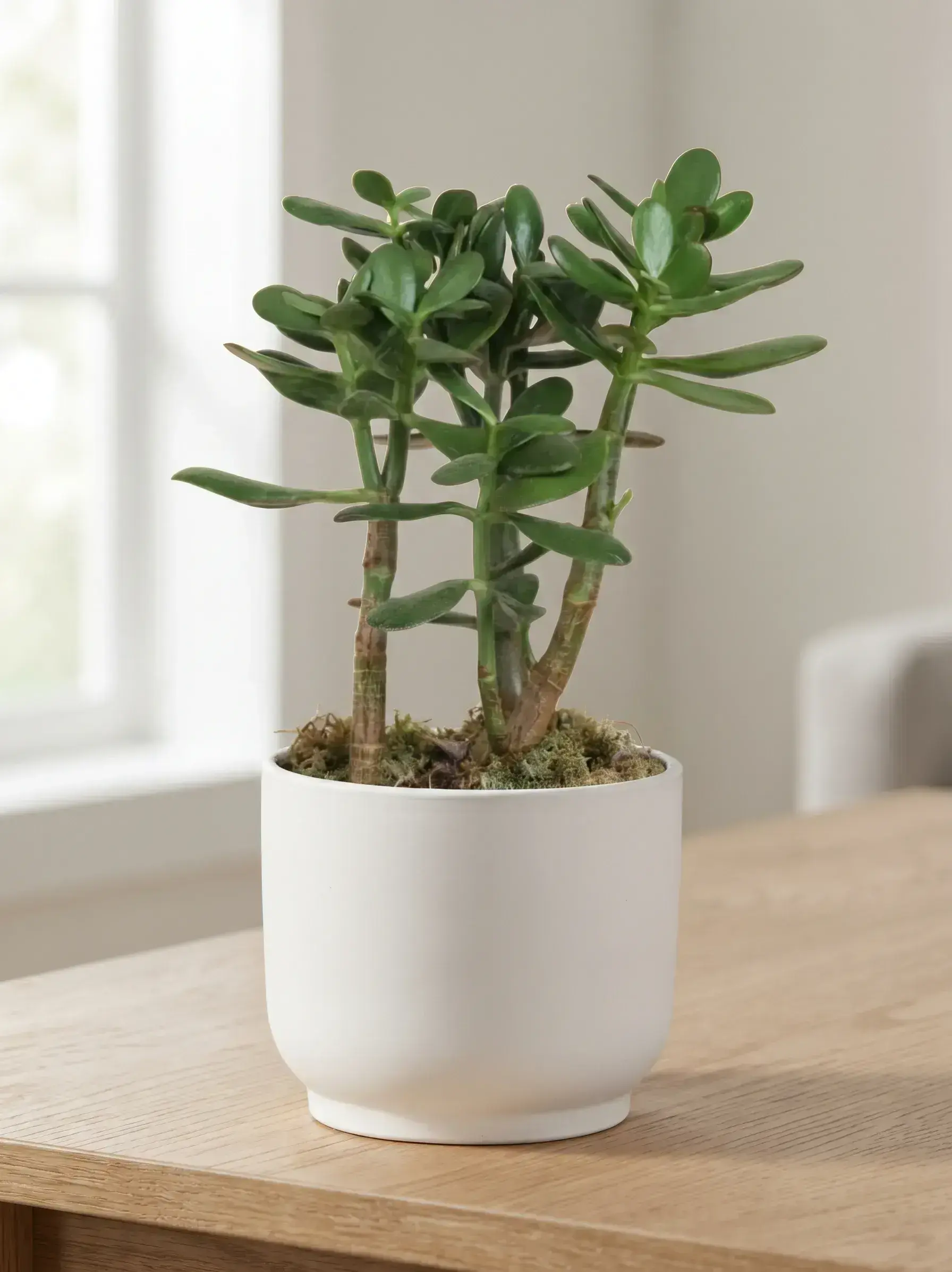
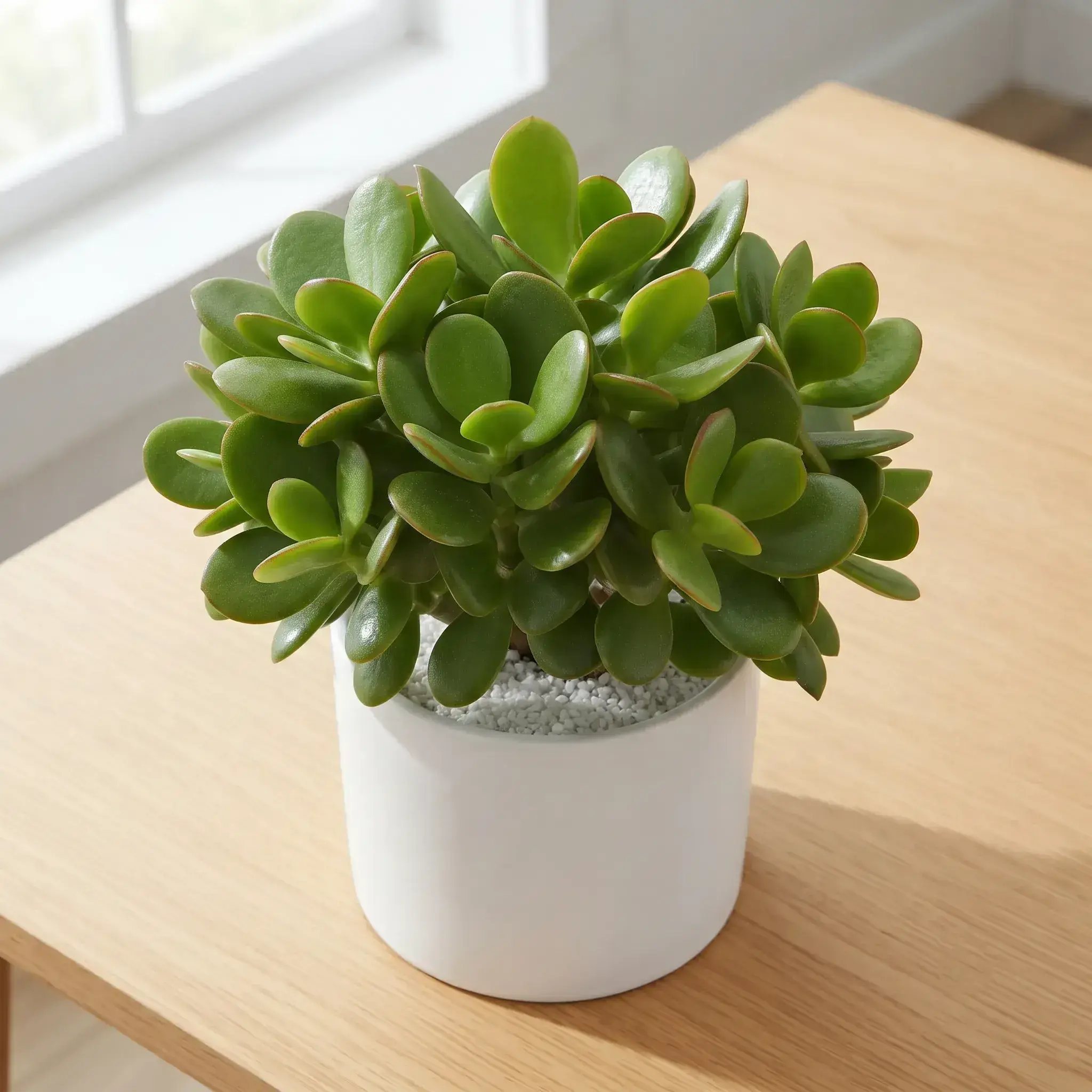
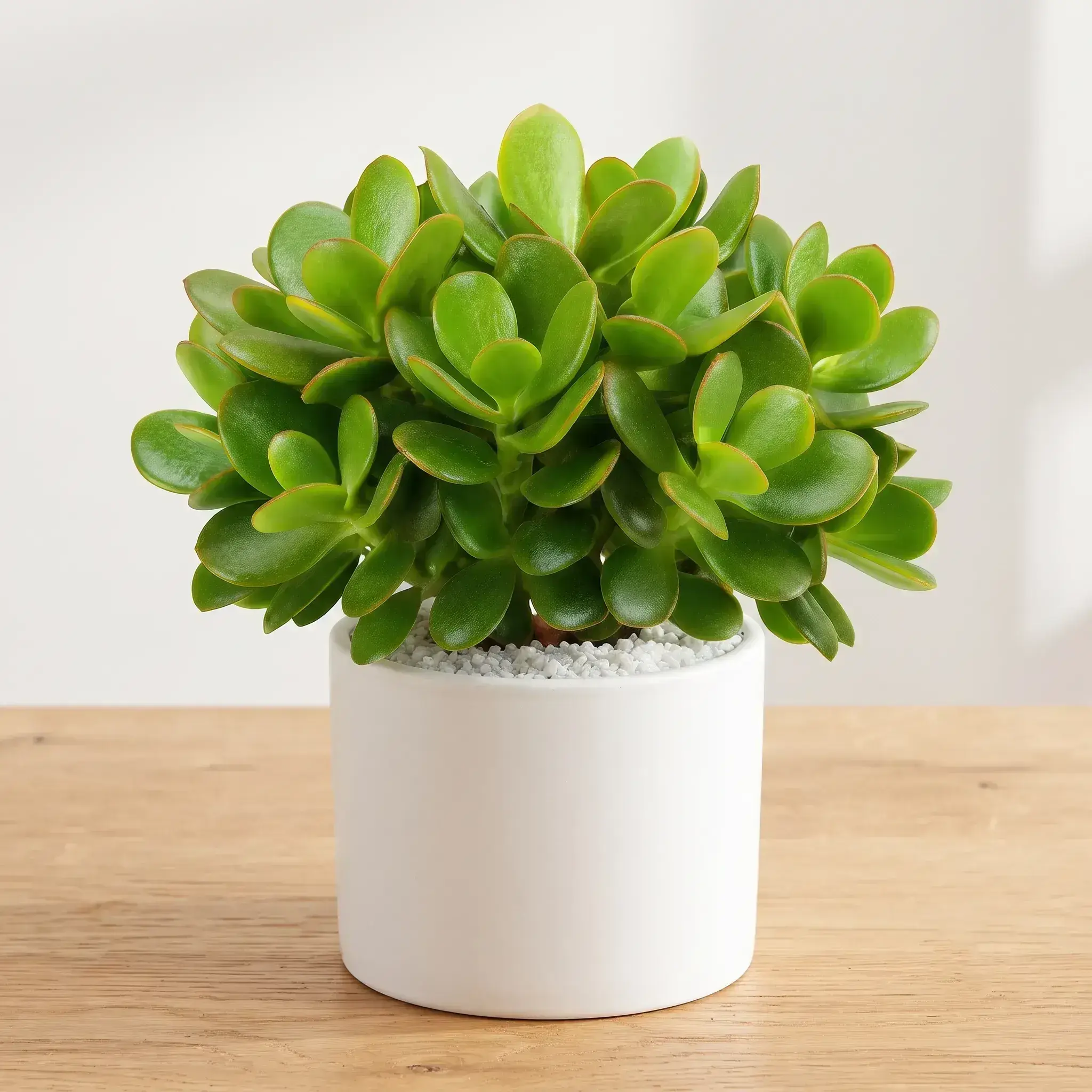
The Jade Vine Plant Also known As Bonsai Jade Plant (Crassula Ovata) Plant (and occasionally referred to in nurseries as Trailing Jade when allowed to cascade over container edges, though distinct from the tropical climbing Jade Vine ), is a timeless, slow-growing succulent prized for its thick woody trunk and glossy, oval green leaves. Because its stems naturally thicken and develop bark-like texture with age, this resilient plant effortlessly takes on the silhouette of a miniature bonsai tree.
Compact, forgiving, and adaptable to bright indoor and outdoor spaces, the Bonsai Jade Plant is an ideal choice for home windowsills, study tables, sunny balconies, and well-lit office desks across India. With minimal watering and basic pruning, Crassula ovata thrives for decades as a living sculptural accent.
Plant Highlights
- Product Name: Bonsai Jade Plant | Trailing Jade (Crassula ovata) Plant for Home & Office
- Common Name: Bonsai Jade Plant, Jade Tree, Lucky Plant, Money Tree, Friendship Tree (Note: Distinct from the tropical flowering Jade Vine, Strongylodon macrobotrys)
- Botanical Name: Crassula ovata
- Family: Crassulaceae (Stonecrop family)
- Plant Type: Evergreen perennial succulent shrub
- Origin: South Africa and Mozambique
- Flower Colour: Star-shaped white to pale pink clusters (on mature specimens under cool, dry winter conditions)
- Foliage: Thick, fleshy, glossy dark green oval leaves, often tinged red along the edges in bright light
- Growth Habit: Upright, branching succulent shrub with thick woody stems; lower branches may arch or trail slightly in hanging planters
- Mature Height: Typically 30 to 90 cm (1 to 3 feet) in home and office pots; easily kept smaller through bonsai pruning
- Sunlight: Bright indirect light to 4 to 6 hours of gentle direct morning sunlight
- Watering: Low; water thoroughly only after the potting mix dries out completely
- Suitable For: Bright windowsills, sunlit office desks, bonsai pots, covered balconies, terrace gardens, and tabletop planters
About the Bonsai Jade Plant
Crassula ovata belongs to the stonecrop family Crassulaceae and is native to the dry rocky slopes of South Africa and Mozambique. In Indian nurseries, it is widely sought after for bonsai styling because its fleshy green stems gradually harden into thick, sturdy trunks without needing complex wiring.
It is helpful for buyers to note a common naming mix-up: while some nurseries informally call cascading or young Jade plants “Jade Vine,” the true botanical Jade Vine (Strongylodon macrobotrys) is a massive rainforest climber with hanging turquoise flowers. Crassula ovata, by contrast, is a compact, drought-tolerant succulent tree perfectly suited for indoor and balcony containers.
Appearance and Growth Habit
The Bonsai Jade Plant develops a sturdy central stem that branches into a balanced, tree-like canopy. Its plump, smooth, oval leaves grow in neat opposite pairs along jointed shoots, measuring roughly 3 to 6 cm long. When exposed to bright sunlight, the leaf margins often blush with an attractive reddish-crimson border.
Because growth is slow to moderate, a Bonsai Jade Plant retains its tidy, architectural shape for years, making it easy to maintain on a desk, shelf, or balcony stand.
Foliage and Flowering Characteristics
This plant is grown primarily for its year-round glossy foliage and thick, bonsai-like trunk structure. Mature, older specimens exposed to strong sunlight, cooler nights, and a dry winter rest period can occasionally produce clusters of small, star-shaped white or pale pink flowers in late winter or spring, though indoor office plants rarely bloom.
Sunlight Requirements
Strong light keeps a Bonsai Jade Plant compact, sturdy, and richly colored. Provide at least 4 to 6 hours of bright indirect light or direct morning sunlight daily, such as beside an east- or south-facing window or on a bright balcony.
During peak Indian summer afternoons when temperatures exceed 38°C, shield potted plants from harsh midday sun to prevent leaf scorch. Keeping the plant in dim interior corners far from windows causes stretched, weak stems and leaf drop.
Watering Requirements
Because Crassula ovata stores water inside its fleshy leaves and thick trunk, overwatering is the primary threat to its health.
Watering in Home and Office Spaces
Follow the soak-and-dry method: check the soil with your finger or a wooden skewer, and water only when the entire potting mix is completely dry. Drench the soil thoroughly until water flows out of the drainage holes, then empty any standing water from the tray underneath. In warm summer weather, this typically means watering once every 6 to 10 days.
Seasonal Watering Adjustments
During the humid Indian monsoon, evaporation slows down, so reduce watering to once every 2 to 3 weeks or only when the mix is bone-dry. In winter, water sparingly every 2 to 3 weeks just enough to keep the leaves plump.
Soil and Potting Requirements
A fast-draining, porous succulent potting mix prevents water stagnation and root rot. Standard garden clay holds too much moisture around the roots.
Suggested Potting Mixture for Bonsai Jade Plant
Blend 40% coarse river sand or perlite, 30% well-draining sandy garden loam, and 30% pumice, crushed brick, or fine gravel, mixed with a small handful (about 10%) of well-aged vermicompost. Plant in a shallow bonsai dish, terracotta pot, or ceramic planter with clear drainage holes at the base.
Growing the Plant in the Indian Climate
The Bonsai Jade Plant adapts easily across Indian homes and offices when protected from excessive monsoon dampness.
Summer Care
It handles warm Indian summers comfortably when kept in bright light with good airflow and shielded from scorching midday afternoon sun.
Monsoon Care
Heavy monsoon rainfall and high humidity in cities like Kolkata, Mumbai, Bengaluru, and Chennai can cause root and stem rot if pots remain wet. Move balcony plants under a covered overhang or onto a bright windowsill during the rainy season.
Winter Care
Mild Indian winters suit Crassula ovata well. Keep the plant in bright winter sunlight, cut back on watering, and protect it from frost if night temperatures drop near freezing in northern plains.
Temperature and Humidity
The Bonsai Jade Plant prefers temperatures between 18°C and 32°C and low to moderate humidity. It thrives in standard air-conditioned homes and offices as long as it sits near a bright natural window and away from direct cold AC vents.
Fertilizer and Nutrition
This slow-growing succulent needs very little fertilizer to maintain a compact bonsai form.
From March to September, feed once every 4 to 6 weeks with a balanced liquid fertilizer or succulent feed diluted to half strength, or add a light top-dressing of vermicompost in spring. Avoid fertilizing in winter or immediately after repotting, as excess nitrogen promotes soft, leggy growth.
Growing the Plant in Pots
With its compact root system and woody trunk, the Bonsai Jade Plant is made for long-term container cultivation. Use a sturdy, heavy pot (such as unglazed terracotta or glazed ceramic bonsai ware) that supports the weight of the canopy without tipping. Repot every 2 to 3 years in spring, gently trimming overly long roots if maintaining a shallow bonsai dish.
Pruning and Maintenance
Simple pinching keeps your Bonsai Jade Plant dense and tree-like.
Pinch off the soft growing tips of long shoots just above a pair of leaves using clean fingers or sharp scissors; two new branches will emerge from that node, building a fuller crown. Clear fallen leaves from the soil surface and wipe dust off the glossy foliage gently with a slightly damp cloth.
Propagation
You can easily grow new Jade plants at home from stem cuttings or single leaves.
1. Stem Cuttings
Cut a healthy 7 to 10 cm stem tip with a sterilized blade and remove the bottom pair of leaves. Let the cutting dry in the shade for 3 to 5 days until the cut end forms a firm callus, then plant it into dry, gritty succulent mix. Wait 4 to 5 days before watering lightly; roots generally form within 2 to 4 weeks.
2. Leaf Cuttings
Gently twist a whole, healthy leaf cleanly off the stem so the base stays intact. Allow it to callus for 2 to 3 days in the shade, then place it flat on top of slightly moist gritty soil in bright indirect light until roots and tiny shoots appear.
Common Problems and Plant Care
Adjusting light and watering resolves almost all common issues with Crassula ovata.
1. Soft, Yellowing, or Dropping Leaves
Indicates overwatering or blocked drainage holes. Stop watering immediately and let the potting mix dry out completely before resuming light watering.
2. Wrinkled or Shriveled Leaves
Signals underwatering as the plant draws moisture from its leaves. Water thoroughly until water drains out the bottom, and the leaves will firm back up within a few days.
3. Leggy, Stretched Branches
Caused by insufficient light. Gradually move the pot closer to a bright window or sunny balcony and prune back stretched tips.
4. White Cottony Mealybugs
Mealybugs sometimes hide in leaf joints. Dab them with a cotton swab dipped in 70% isopropyl rubbing alcohol or apply diluted neem oil (3 ml per liter of water) in the evening.
Suitability for Home & Office
The Bonsai Jade Plant is ideal for bright windowsills, sunlit study desks, well-lit office tables near windows, covered balconies, and terrace succulent gardens. It is not suited for windowless rooms, dark bathrooms, or exposed outdoor beds in heavy-rainfall regions.
Safety and Important Information
According to veterinary and botanical sources (including the ASPCA), Crassula ovata is mildly toxic to cats, dogs, and horses if chewed or swallowed, potentially causing vomiting or lethargy. Keep the pot on elevated desks, shelves, or windowsills away from pets and small children.
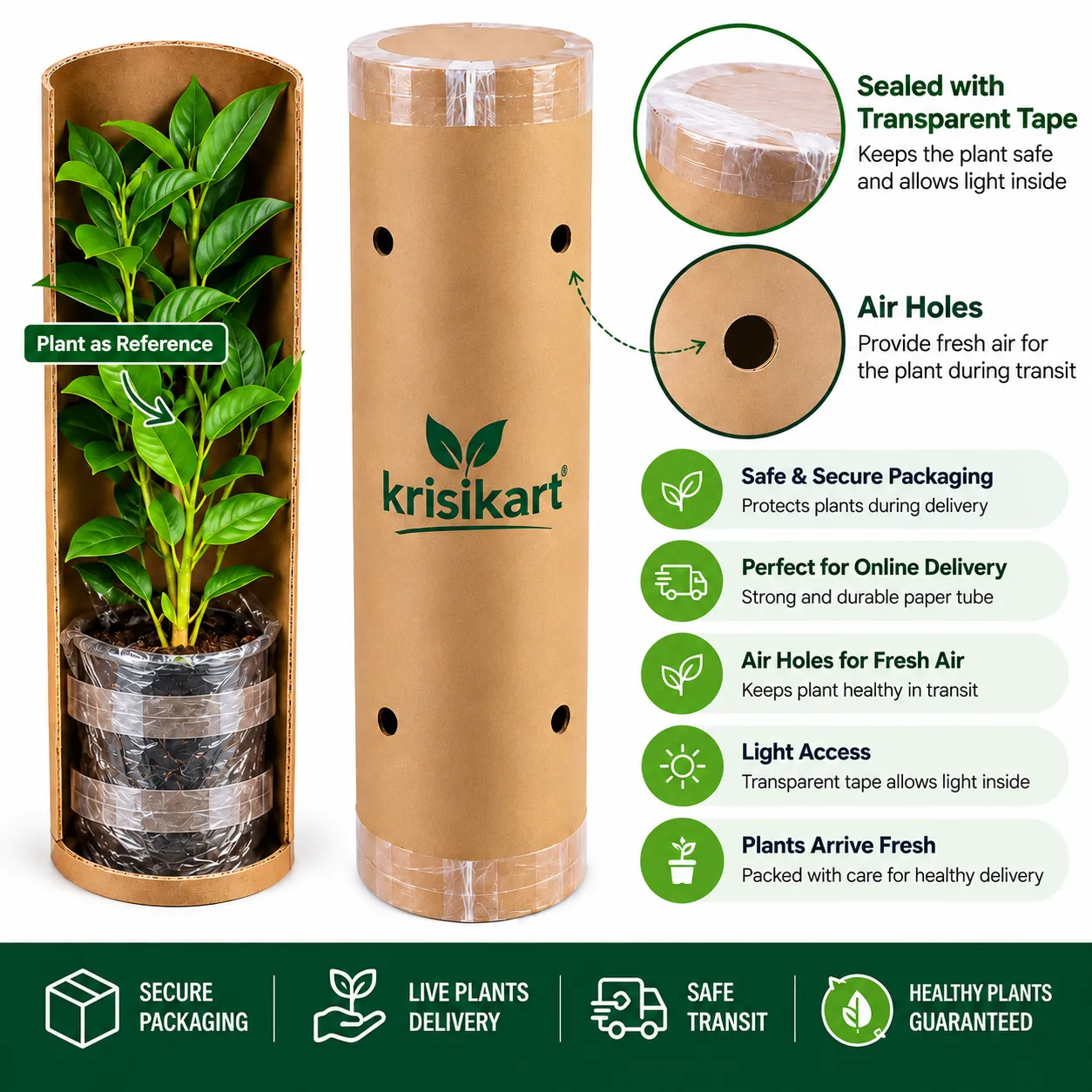
Live Plant Delivery Information
Live Bonsai Jade Plants vary naturally in trunk thickness, height, leaf count, and branching form. Mild shipping stress may occur during transit, and a few lower leaves may turn yellow or drop upon arrival.
After unboxing, place your plant in bright indirect light for 2 to 3 days before moving it into brighter morning sun. Check soil moisture before watering—water only if the potting mix is completely dry. Wait 1 to 2 weeks before repotting or fertilizing so the plant can adjust smoothly.
Why Choose the Bonsai Jade Plant for Your Home & Office?
With its natural miniature tree trunk, glossy evergreen leaves, and easy-going watering routine, the Bonsai Jade Plant brings lasting sculptural greenery to any bright home or workspace. It is a hardy, long-lived succulent that rewards simple care with decades of beauty.
Botanical Information and Further Reading
- Kew Science – Plants of the World Online: Crassula ovata (Mill.) Druce
- Royal Horticultural Society (RHS) – Crassula ovata Plant Profile
- Missouri Botanical Garden – Crassula ovata Plant Finder
- South African National Biodiversity Institute (SANBI) – Crassula ovata Guide
- ASPCA Animal Poison Control – Jade Plant Safety Information
Frequently Asked Questions (FAQs)
1. What is the botanical name of the Bonsai Jade Plant?
The accepted botanical name of the Bonsai Jade Plant is Crassula ovata, and it belongs to the stonecrop family Crassulaceae.
2. Is the Bonsai Jade Plant the same as the Jade Vine?
No, while some nurseries loosely call trailing or young Jade plants “Jade Vine,” the true botanical Jade Vine (Strongylodon macrobotrys) is a large tropical climbing vine with turquoise flowers, whereas Crassula ovata is a compact succulent shrub.
3. Can I keep a Bonsai Jade Plant on my office desk?
Yes, it grows well on an office desk provided the desk is near a bright window receiving at least 4 to 6 hours of bright indirect light or gentle morning sunlight daily.
4. How often should I water my Bonsai Jade Plant?
Water thoroughly only when the potting mix has dried out completely. In warm weather, this is typically once every 6 to 10 days, while during monsoon and winter, watering every 2 to 3 weeks is sufficient.
5. How do I shape a Jade Plant like a bonsai tree?
As the plant ages, its lower stem naturally thickens into a woody trunk. Pinch off the growing tips of upper branches just above a leaf pair to encourage dense branching and a compact canopy.
6. What soil mix is best for a Bonsai Jade Plant?
Use a fast-draining succulent mix made with coarse river sand, perlite, pumice, and well-draining sandy garden loam so water drains quickly and prevents root rot.
7. Why are the leaves dropping from my Jade Plant?
Leaf drop is usually caused by overwatering, poor pot drainage, or low light. Let the soil dry out completely, ensure drainage holes are clear, and place the plant in a brighter location.
8. How should I care for my Jade Plant during the Indian monsoon?
Keep the pot sheltered from direct monsoon rain on a covered balcony or bright windowsill, and reduce watering frequency so high humidity does not keep the roots wet.
9. How can I propagate a Bonsai Jade Plant?
You can propagate it easily from 7 to 10 cm stem cuttings or whole healthy leaves. Let the cut end dry in the shade for 2 to 5 days until calloused, then place it in or on dry succulent soil until roots form.
10. Is the Bonsai Jade Plant safe for cats and dogs?
No, Crassula ovata is mildly toxic to pets if ingested. Keep it on elevated shelves, desks, or windowsills out of reach of pets.
For More Information
Visit: krisikart.com
For Contact Visit:Contact Us
For Shopping Visit: Shop Page


smita sharma –
Beautiful plants for my indoor.
Thank you, Krisikart, for the excellent service.
Santhosh mishra –
Beautiful plants for my indoor.
Thank you, Krisikart team, for the excellent service.
Neha Rawat –
Price ke according quality bahut achhi hai.
Definitely worth buying.
Saare plants healthy aur green hain.