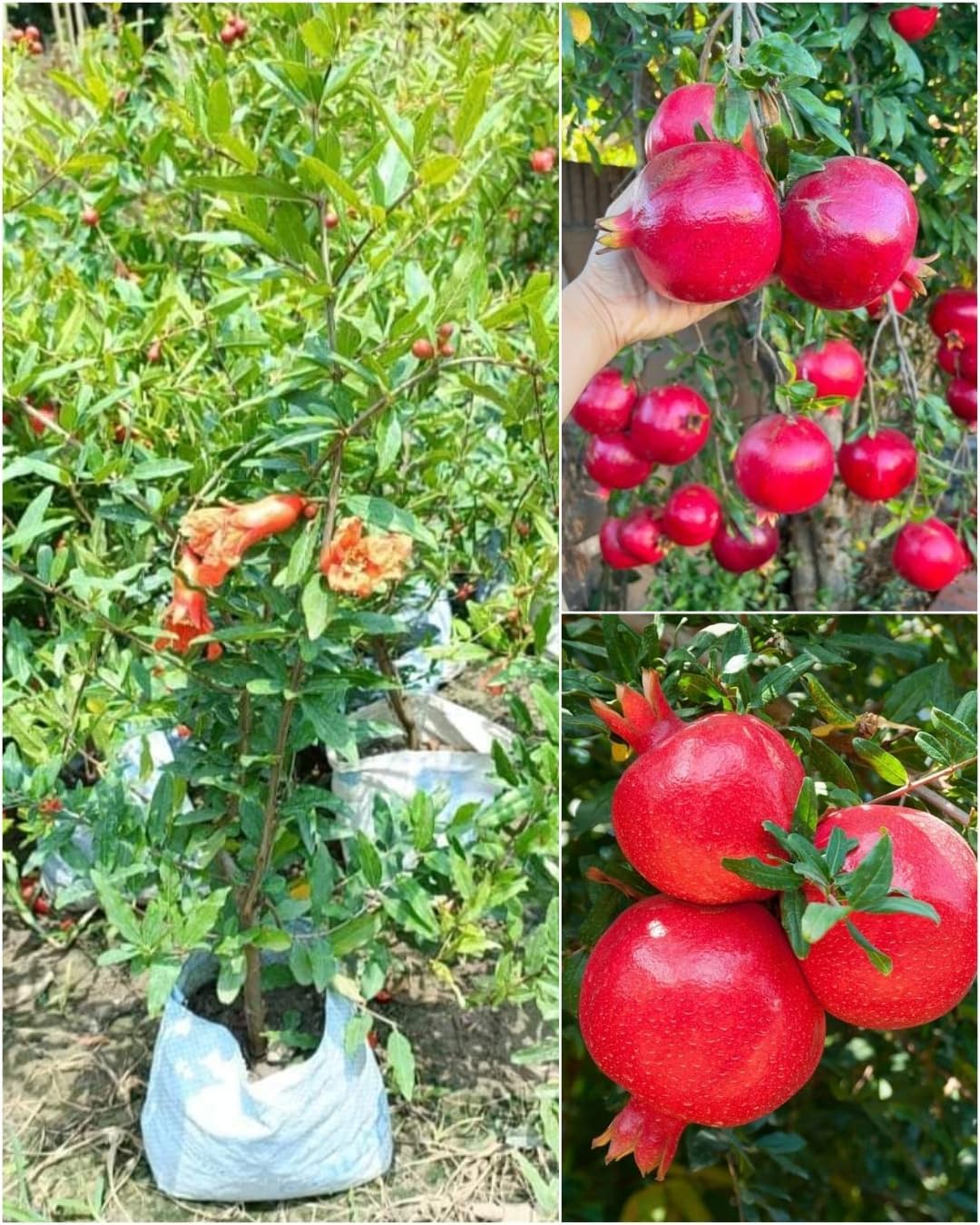
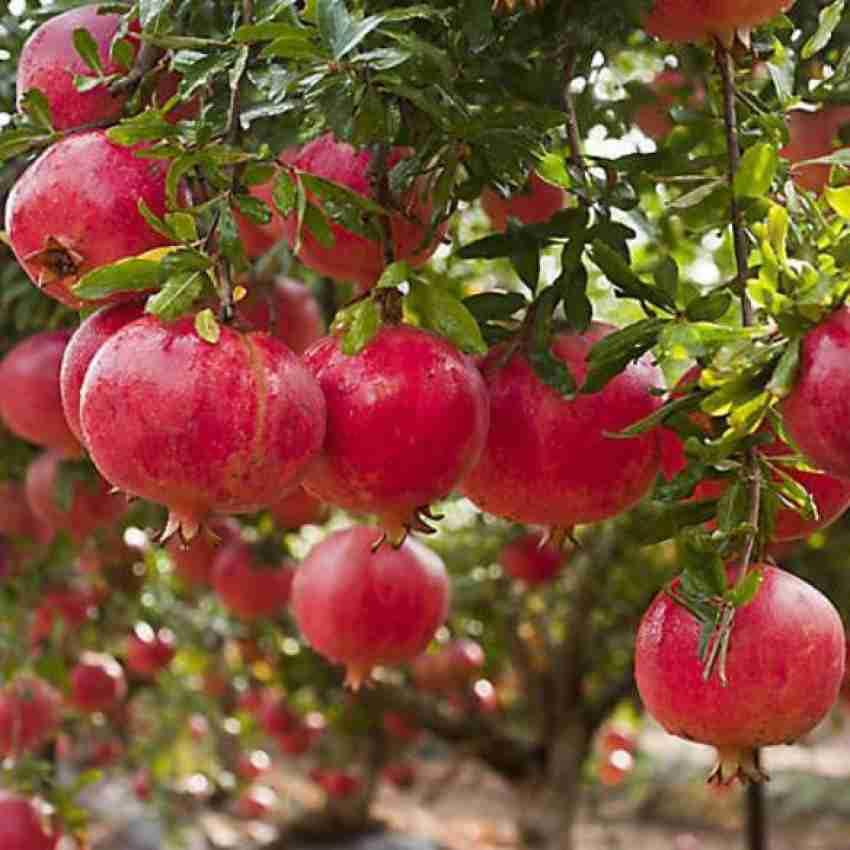
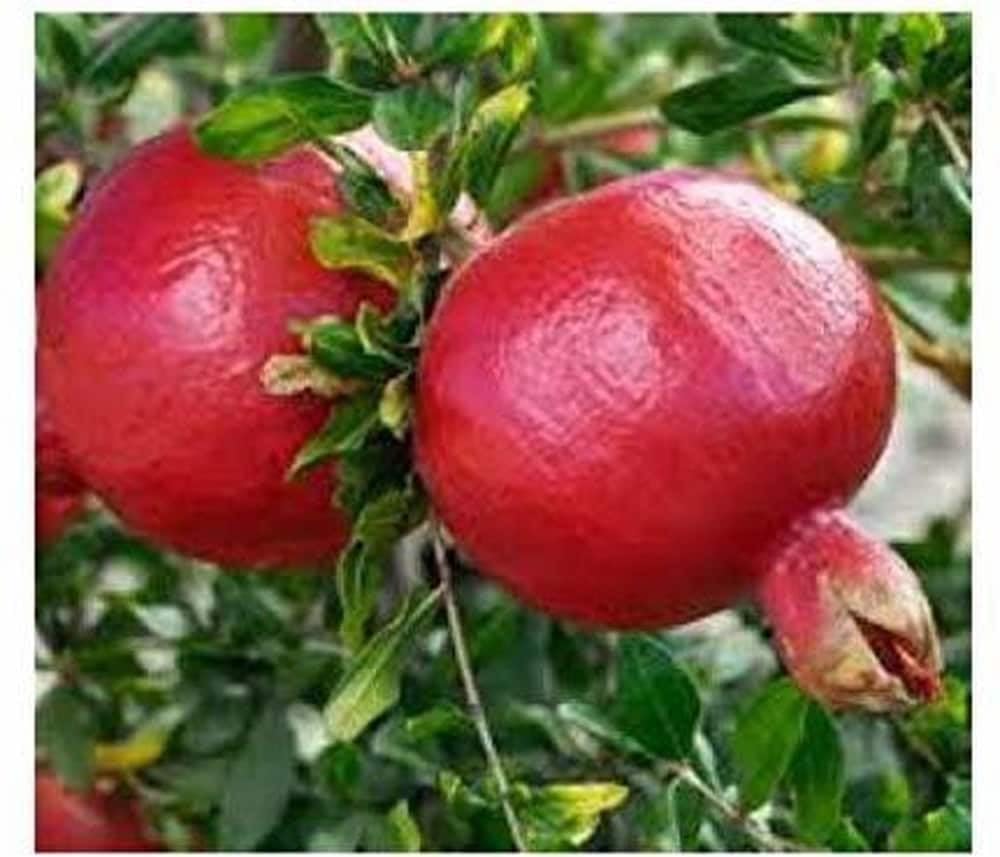
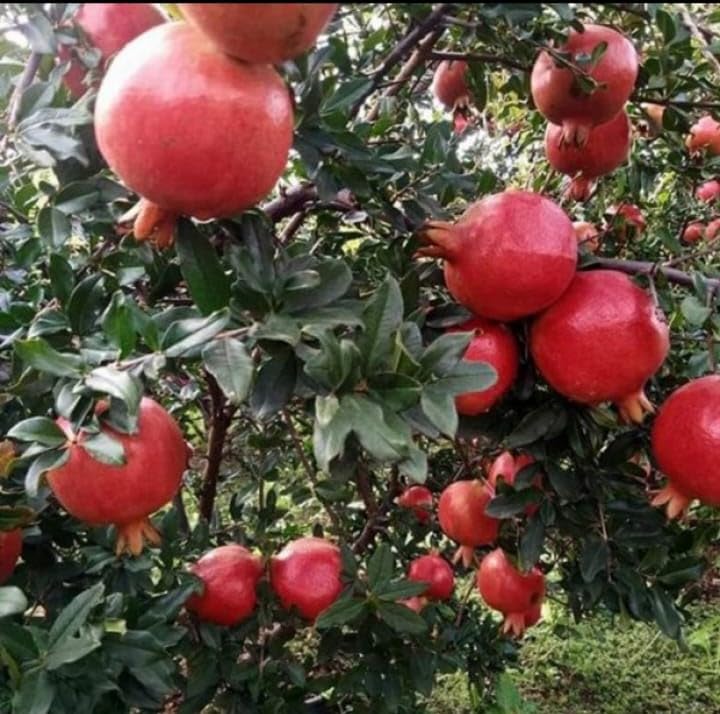
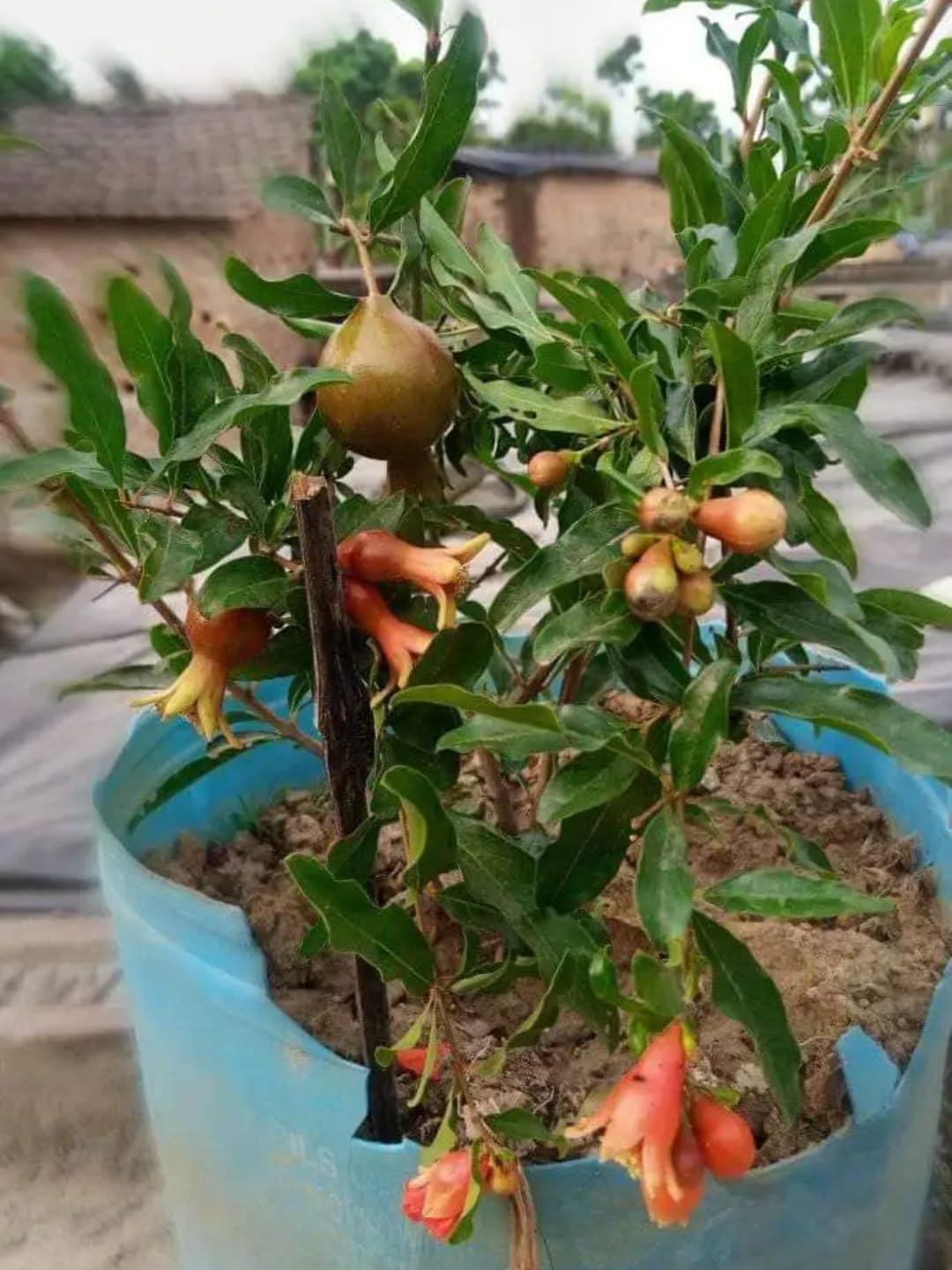
Anar Ganesh Pomegranate – Dwarf Grafted Fruit Plant
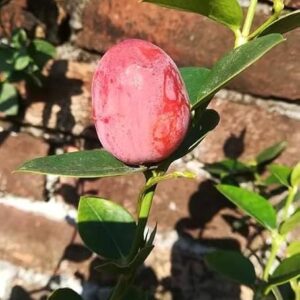
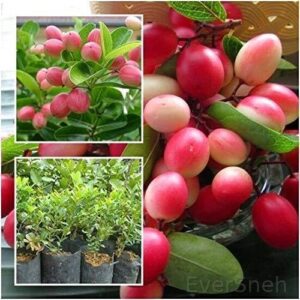
Ganesh Pomegranate (Anar) is a popular Indian pomegranate variety known for its attractive fruits and soft, juicy edible arils. The fruits generally develop a greenish or reddish outer skin and contain numerous juicy seeds surrounded by edible pulp.
This dwarf grafted pomegranate plant is propagated vegetatively to help preserve the characteristics of the selected parent plant. Grafted plants can have an earlier fruiting potential than seed-grown plants when supplied with proper care and suitable growing conditions.
With adequate sunlight, well-draining soil, regular watering, nutrition, and pruning, this plant can become a productive and attractive addition to your home fruit garden.
Key Features
- Healthy Live Ganesh Pomegranate Plant
- Dwarf Grafted Fruit Plant
- Popular Anar Fruit Variety
- Attractive Red & Juicy Arils
- Sweet to Sweet-Tangy Flavour
- Compact Growth Suitable for Smaller Gardens
- Suitable for Large Pots & Open Ground
- Ideal for Home & Kitchen Gardens
- Suitable for Terrace & Backyard Gardening
- Excellent Fruit Plant for Indian Conditions
Benefits of Growing Ganesh Pomegranate
1. Delicious Fresh Pomegranate
Enjoy fresh, juicy pomegranate arils harvested directly from your own garden.
2. Dwarf Growth Form
The dwarf form can be easier to manage in smaller gardens and containers when maintained through suitable pruning.
3. Grafted Plant Advantage
Grafted plants generally have earlier fruiting potential than seed-grown plants, although actual fruiting depends on plant age and growing conditions.
4. Attractive Fruit Tree
Pomegranate plants produce attractive flowers and colourful fruits, making them both productive and ornamental.
5. Excellent Home Garden Fruit
Ideal for backyards, terraces, kitchen gardens, farmhouses, and large containers.
6. Versatile Fruit
Fresh pomegranate arils can be used in:
- Fruit Salads
- Juices
- Smoothies
- Desserts
- Chaats
- Raita
- Garnishing
- Homemade Syrups
Plant Characteristics
| Feature | Description |
|---|---|
| Common Name | Ganesh Pomegranate / Anar |
| Botanical Name | Punica granatum |
| Plant Type | Dwarf Grafted Fruit Plant |
| Fruit Type | Pomegranate |
| Fruit Colour | Green to Red / Reddish |
| Aril Colour | Pink to Red |
| Fruit Taste | Sweet to Sweet-Tangy |
| Growth Habit | Dwarf / Compact |
| Propagation | Grafted |
Plant Care Guide
Sunlight Requirement
Pomegranate plants perform best in plenty of sunlight.
- Provide 6–8 hours of direct sunlight daily.
- Full sun encourages healthy growth, flowering, and fruit development.
Watering Requirement
Pomegranate is relatively drought-tolerant once established, but young plants require regular watering.
- Water when the upper soil begins to dry.
- Maintain moderate soil moisture during active growth.
- Provide consistent watering during flowering and fruit development.
- Avoid continuous waterlogging.
Reduce watering during prolonged rainy periods.
Soil Requirement
Pomegranate prefers fertile, loose, and well-draining soil.
Recommended Potting Mix
- 50% Garden Soil
- 30% Vermicompost / Organic Compost
- 20% River Sand or Perlite
Ideal Soil pH: Approximately 5.5–7.5
Excellent drainage is important for healthy root development.
Fertilizer Requirement
Apply organic manure or balanced fruit-tree fertilizer periodically during active growth.
Recommended options include:
- Vermicompost
- Organic Compost
- Well-Rotted Farmyard Manure
- Neem Cake
- Balanced Fruit-Tree Fertilizer
During flowering and fruit development, an appropriate potassium-rich fertilizer may be used according to the recommended dosage.
Flowering & Fruiting Information
Flowers
Pomegranate produces attractive flowers, commonly reddish-orange in colour.
Fruit
The fruit develops a tough outer skin containing numerous juicy edible arils.
Aril Colour
Depending on the plant and maturity, arils may range from pink to red.
Taste
Sweet to sweet-tangy and refreshing.
Fruiting Season
Flowering and fruiting can vary according to climate, variety, irrigation, pruning, plant maturity, and local growing conditions.
Fruiting Time
A grafted plant generally has earlier fruiting potential compared with a seed-grown plant. However, the actual time to first fruit depends on plant age, graft maturity, climate, nutrition, and care.
Growing Dwarf Pomegranate in a Pot
The dwarf growth form makes this plant suitable for large-container gardening.
For best results:
- Use a large container with drainage holes.
- Provide full sunlight.
- Use fertile, well-draining soil.
- Apply organic fertilizer regularly.
- Prune lightly to maintain a compact shape.
- Avoid keeping the roots continuously wet.
A container of approximately 18–24 inches can be suitable depending on the size and age of the plant.
Plant Specifications
| Feature | Details |
|---|---|
| Common Name | Ganesh Pomegranate |
| Other Name | Anar Ganesh |
| Botanical Name | Punica granatum |
| Plant Type | Dwarf Grafted Fruit Plant |
| Propagation | Grafted |
| Plant Stage | Healthy Live Plant |
| Fruit | Pomegranate |
| Aril Colour | Pink to Red |
| Taste | Sweet to Sweet-Tangy |
| Sunlight | Full Sun |
| Water Requirement | Moderate |
| Suitable for Pots | Yes |
| Suitable for Open Ground | Yes |
| Indoor Plant | No |
| Outdoor Plant | Yes |
| Climate | Warm & Dry / Subtropical |
Perfect For
- Home Gardens
- Terrace Gardens
- Backyard Gardens
- Kitchen Gardens
- Balcony Fruit Gardens
- Large Container Gardening
- Farmhouses
- Small Orchards
- Fruit Plant Collections
- Gardening Gifts
Why Buy Ganesh Pomegranate Dwarf Grafted Plant from Krisikart?
- Healthy Live Grafted Plant
- Popular Ganesh Anar Variety
- Compact / Dwarf Growth Form
- Suitable for Home Gardening
- Suitable for Large Containers
- Ideal for Indian Growing Conditions
- Attractive Fruit & Flowers
- Carefully Packed for Safe Delivery
- Quality Checked Before Dispatch
Frequently Asked Questions (FAQs)
What is Ganesh Pomegranate?
Ganesh is a well-known pomegranate variety grown in India and valued for its attractive fruits and juicy edible arils.
Is this a grafted pomegranate plant?
Yes. This product is a live dwarf grafted Ganesh Pomegranate plant.
Can I grow it in a pot?
Yes. The dwarf form is suitable for large-container cultivation with sufficient sunlight, drainage, nutrition, and pruning.
How much sunlight does pomegranate need?
Provide approximately 6–8 hours of direct sunlight every day.
Are Ganesh pomegranate fruits sweet?
The fruits are generally known for their pleasant sweet to sweet-tangy flavour, although taste can vary depending on fruit maturity and growing conditions.
Does pomegranate need a lot of water?
No. Pomegranate is relatively drought-tolerant once established, but regular watering is important during establishment, flowering, and fruit development.
Will the grafted plant fruit immediately?
Not necessarily. Grafted plants generally have earlier fruiting potential than seed-grown plants, but actual fruiting depends on plant age, graft maturity, climate, nutrition, pruning, and overall care.
Note: Fruit size, aril colour, sweetness, acidity, seed softness, yield, flowering, and fruiting time may vary depending on the specific cultivar, plant age, climate, soil, sunlight, irrigation, nutrition, pruning, and growing conditions. “Hybrid” and “dwarf” characteristics may vary according to nursery propagation and plant stock. Fruiting is not guaranteed immediately after planting.














Reviews
There are no reviews yet.