
 Plastic Plant pot | Plastic Garden Pot for Plants
 Self Watering Planters | Self Watering Plant Pots For Plants
Karonda Plant | Karvand Fruit Plant (Carissa carandas) Karanda Plant
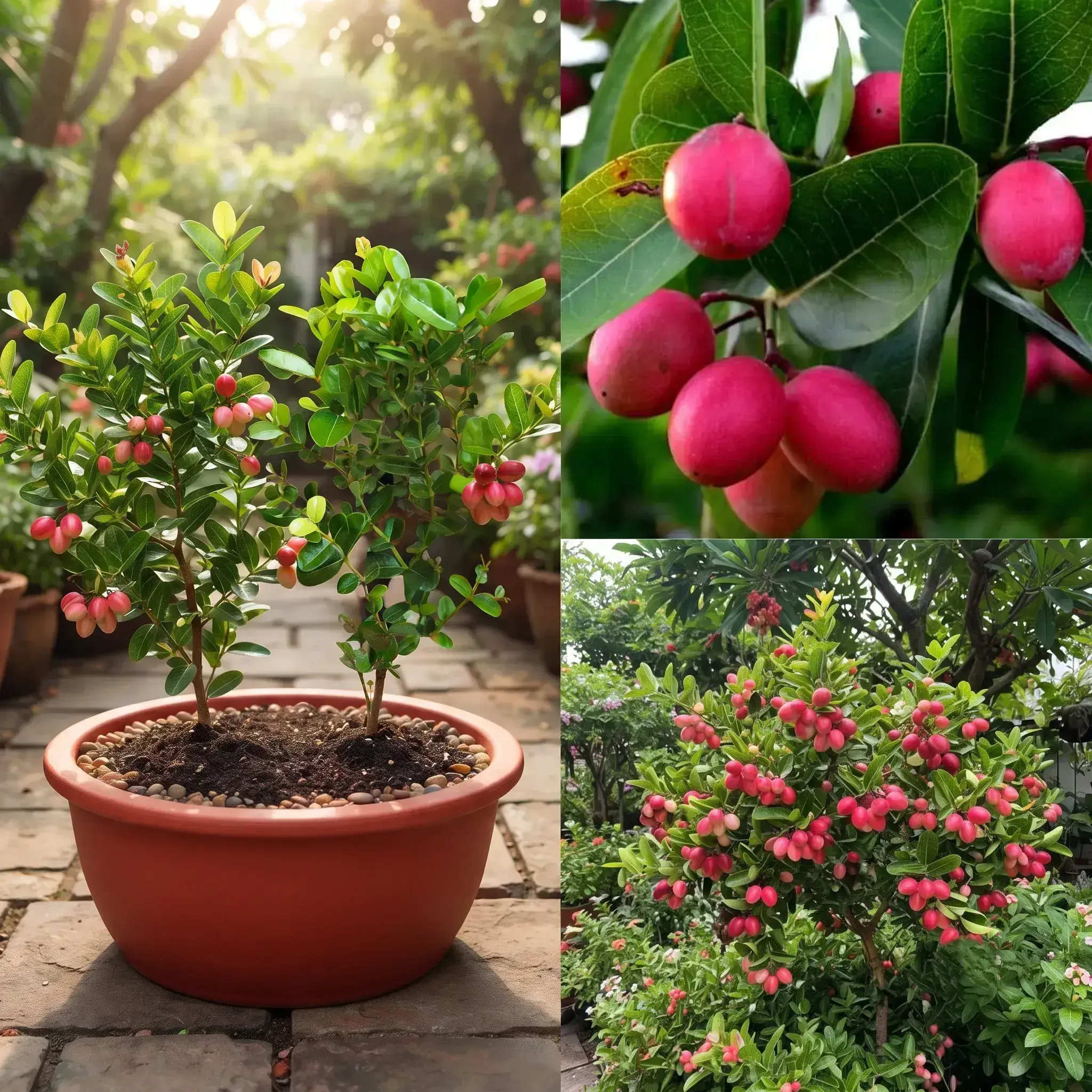
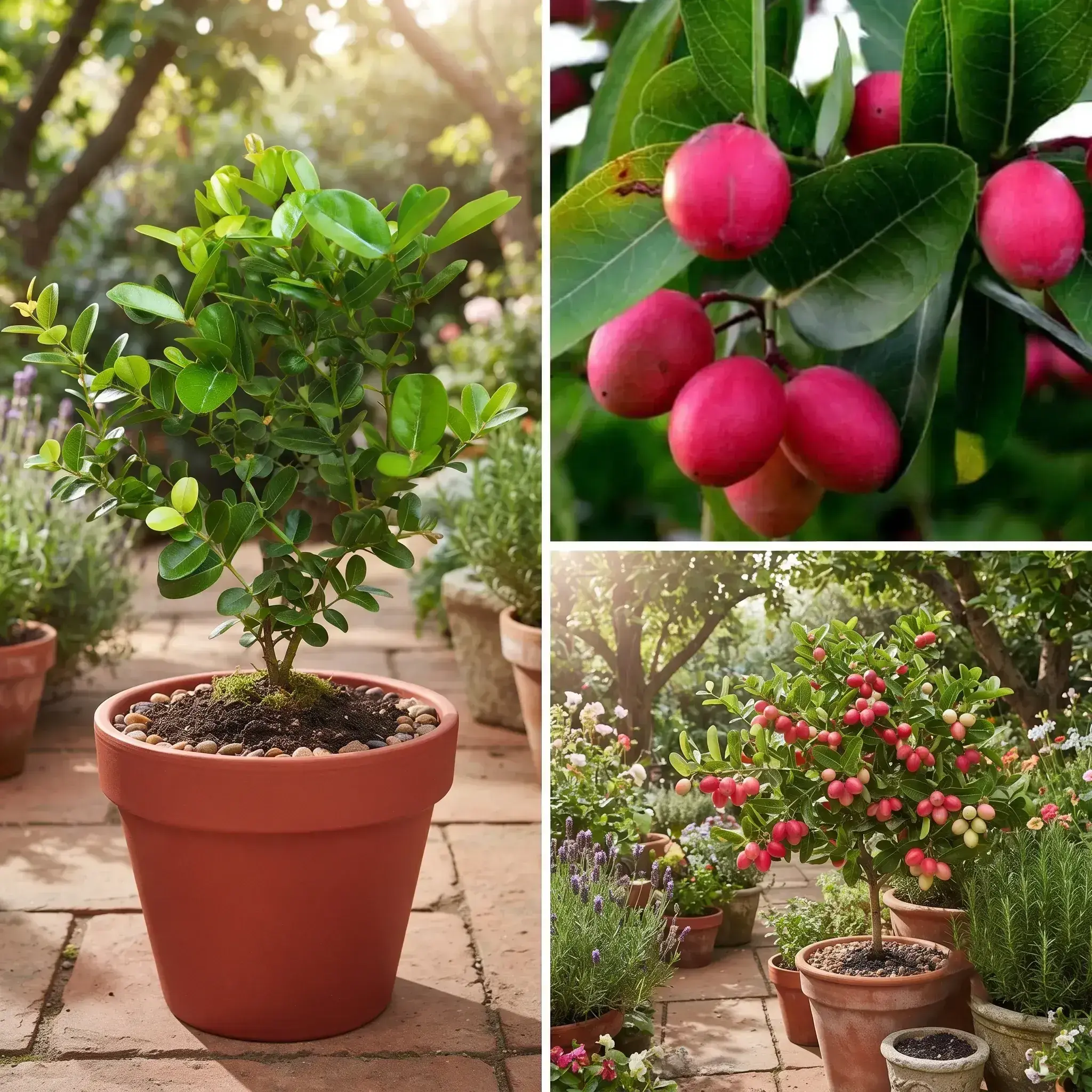
The Karonda Plant Also known As Karvand Fruit Plant (Carissa Carandas) Karanda Plant Maharashtra and western India as the Karvand Fruit Plant or Karanda Plant, is a hardy, evergreen, fruit-bearing shrub native to the Indian subcontinent. Valued for its glossy dark-green foliage, fragrant star-shaped white blossoms, and clusters of tangy-sweet berries, this resilient native plant fits effortlessly into Indian home gardens, perimeter borders, and large terrace containers.
In Indian kitchens, Karonda berries are a seasonal favorite used to prepare traditional pickles, chutneys, jams, squashes, and candied fruit preserves. Because Carissa carandas tolerates heat, dry spells, and poor soils while requiring minimal maintenance once established, it is an ideal fruiting shrub for both beginner and experienced home gardeners.
Plant Highlights
- Product Name: Karonda Plant | Karvand Fruit Plant (Carissa carandas) Karanda Plant for Home Garden
- Common Name: Karonda, Karvand, Karanda, Karamcha (Bengali), Bengal Currant, Christ’s Thorn
- Botanical Name: Carissa carandas
- Family: Apocynaceae (Dogbane / Oleander family)
- Plant Type: Evergreen perennial thorny fruiting shrub or small multi-stemmed tree
- Origin: Native to the Indian subcontinent and parts of South and Southeast Asia
- Flower Colour: Pure white, often tinged with pale pink
- Flower Fragrance: Lightly sweet and pleasant
- Fruit Colour: Pale green or creamy-white blushed with pink when immature, ripening to deep reddish-purple or purplish-black
- Foliage: Opposite, glossy dark green, oval-to-oblong leathery leaves
- Growth Habit: Dense, spreading, multi-branched evergreen shrub armed with paired woody spines at the nodes
- Mature Height: Typically 2 to 4 meters (6.5 to 13 feet) in open ground; easily maintained at 1.2 to 2 meters (4 to 6.5 feet) with pruning
- Sunlight: Full direct sunlight (at least 6 hours daily)
- Watering: Low to moderate once established; drought-tolerant once rooted, requiring well-drained soil
- Suitable For: Home gardens, perimeter hedges, sunny terraces, large pots or grow bags, and farmhouses
About the Karonda Plant
Carissa carandas belongs to the Apocynaceae family and is indigenous to India, Sri Lanka, Bangladesh, Nepal, and Myanmar. Across rural and urban India, it has long been cultivated both as a productive backyard fruit shrub and as a dense, protective bio-fence due to its thorny branches.
Unlike imported temperate berry bushes that struggle in tropical heat, the Karanda Plant is naturally adapted to Indian weather patterns. Depending on the regional selection, unripe fruits display green, white, or pink-blushed skin, maturing into glossy maroon or dark purple-black berries during the summer and monsoon months.
Appearance and Growth Habit
The Karonda Plant forms a bushy, spreading, multi-stemmed evergreen shrub with light grey scaly bark on older stems and smooth green twigs on new growth. Along the branches at the nodes grow pairs of straight, sharp woody spines typically 2 to 3.5 cm long.
Its leaves are arranged in opposite pairs and measure about 3 to 7 cm in length, featuring a glossy dark-green upper surface and a paler dull-green underside. Like other members of the Apocynaceae family, broken stems, leaves, and unripe fruits exude a sticky white milky latex. With occasional trimming, the shrub maintains a neat, rounded, compact shape.
Flowers and Flowering Season
In India, the Karonda Plant typically flowers from late winter through summer (February to June), depending on regional temperatures and rainfall. The blossoms appear in small terminal or axillary clusters of three to ten flowers.
Each flower has a slender tubular base opening into five twisted white or pink-tinted petals, releasing a subtle, pleasant scent that attracts bees and butterflies. Seed-grown plants generally begin flowering in 2 to 3 years, while vegetatively propagated plants (from cuttings, layering, or budding) often flower earlier under good sunlight and care.
Fruits and Harvest
Following pollination, round-to-oval berry-sized fruits develop in clusters and ripen primarily from July to September during the late summer and monsoon season. Unripe Karonda fruits are firm, sour, and astringent—making them ideal for pickling and chutneys—while fully ripe dark purple-black berries become softer and mildly sweet-tart.
Harvesting and Culinary Uses
When harvesting Karonda berries, wear gardening gloves to protect your hands from the paired stem spines and snip the fruits along with their small green calyx to minimize milky latex oozing onto the skin. In Indian households, mature green-pink fruits are widely used in spicy pickles, mirchi-karonda stir-fries, and tangy chutneys, while ripe berries are cooked into jams, jellies, syrups, and preserves due to their natural pectin content.
Sunlight Requirements
The Karonda Plant performs best in full, unobstructed sunlight for at least 6 hours every day. Strong direct sun promotes compact branching, abundant flowering, and heavy berry clusters.
While it can survive in partial shade, low light causes sparse foliage, elongated stems, and significantly reduced flowering and fruiting.
Watering Requirements
Once established, Carissa carandas is remarkably drought-hardy and needs far less water than most garden fruit plants.
Watering During Establishment and Summer
During the first few weeks after planting, water every 2 to 3 days so the root zone stays lightly moist while roots establish. In hot summer weather, mature ground-planted shrubs need deep watering only once every 7 to 10 days, while potted plants should be watered every 2 to 4 days when the top 4 to 5 cm of soil feels dry.
Watering During Monsoon and Winter
During the monsoon, pause manual watering when rainfall is regular and ensure water drains quickly away from the roots. In winter, when growth slows naturally, water sparingly—once every 10 to 15 days—checking soil moisture before watering. Prolonged waterlogging can damage the roots.
Soil and Potting Requirements
One of the greatest strengths of the Karonda Plant is its adaptability to diverse soils, including sandy loam, alluvial soil, red lateritic soil, rocky soil, and moderately saline or alkaline soils, provided drainage is reliable. However, fertile, well-drained sandy loam enriched with organic matter yields the best growth and fruit production.
Suggested Potting Mixture for Containers
For growing a Karvand Fruit Plant in a pot or grow bag, prepare a well-draining mix of 50% fertile garden soil, 25% coarse river sand or perlite, and 25% well-decomposed cow dung manure or vermicompost, plus a handful of neem cake powder. Ensure the pot has multiple clear drainage holes at the base.
Growing the Plant in the Indian Climate
As a native Indian species, Carissa carandas thrives across almost all tropical and subtropical parts of India, including Maharashtra, Gujarat, Rajasthan, Uttar Pradesh, Bihar, West Bengal, Odisha, Karnataka, and Tamil Nadu.
Summer Care
Karonda handles intense Indian summer heat above 42°C with ease. Apply a light organic mulch around potted or newly planted shrubs to conserve soil moisture during peak summer months.
Monsoon Care
In warm, high-rainfall regions such as Kolkata, West Bengal, and the Konkan coast, Karonda grows vigorously and ripens its berries during the monsoon. Ensure the planting spot or container drains freely so rainwater never stagnates around the base.
Winter Care
Established Karonda shrubs tolerate mild Indian winters easily, though growth slows when temperatures drop below 12°C. Protect very young saplings in northern plains from severe ground frost.
Temperature and Humidity
Carissa carandas grows best in warm temperatures between 20°C and 38°C and adapts to both dry semi-arid climates and humid coastal or monsoon conditions. Mature plants tolerate brief winter dips down to 4°C–5°C, whereas prolonged freezing temperatures can injure tender shoots.
Fertilizer and Nutrition
The Karonda Plant has modest fertilizer requirements and thrives with simple seasonal organic feeding.
Apply 3 to 5 kg of well-rotted farmyard manure or vermicompost around ground-planted shrubs twice a year—once in February before spring flowering and again in August or September after fruit harvest. For potted plants, top-dress with 250 to 400 grams of vermicompost every two months during spring and monsoon. Avoid heavy synthetic nitrogen fertilizers, which encourage leafy, thorny shoots at the expense of flowers and berries.
Growing the Plant in Pots
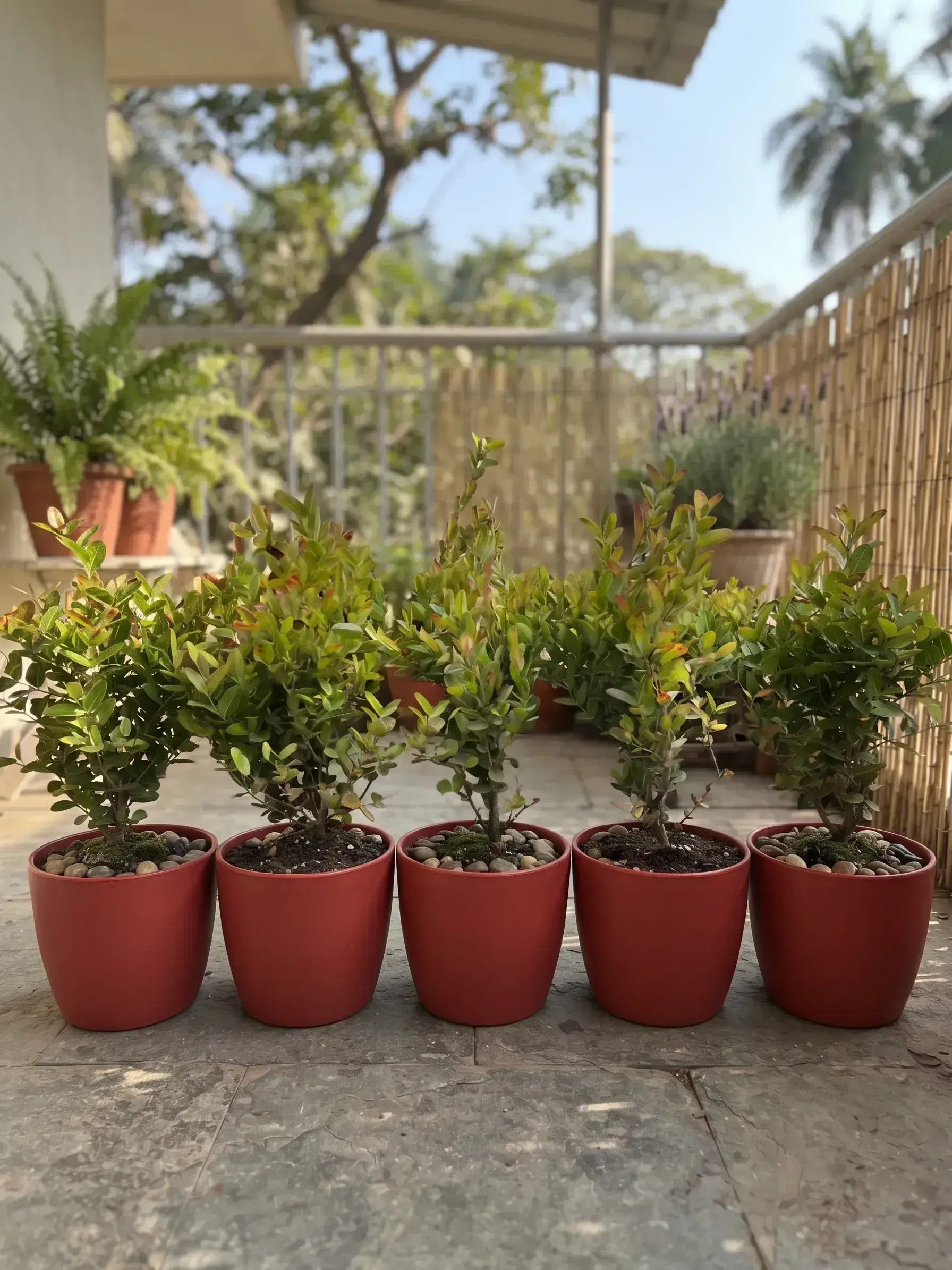
A Karonda Plant grows well in a sturdy 14-to-18-inch pot or grow bag on a sunny terrace or balcony. Because container roots have limited volume compared to open ground, regular seasonal compost top-dressing and light pruning help keep the shrub compact, bushy, and productive.
Pruning and Maintenance
Regular light pruning keeps the Karanda Plant neat, encourages dense branching, and makes harvesting easier.
After the monsoon fruit harvest (around September or October), trim back overly long, straggly, or crossing branches, and remove any dead wood. If growing Karonda as a border hedge, shape it lightly after fruiting rather than right before spring flowering so you do not remove flower buds. Always wear thick gloves when pruning to protect against the sharp paired thorns.
Propagation
Karonda is commonly propagated from fresh seeds sown during the monsoon (August to September), which germinate within 2 to 3 weeks in moist soil. It can also be propagated vegetatively through air layering, stem cuttings, or budding to maintain specific fruit color and size traits and achieve earlier fruiting.
Common Problems and Plant Care
Carissa carandas is naturally tough and pest-resistant, though occasional garden issues may arise.
1. Poor Flowering or Fruiting
Insufficient sunlight, excessive nitrogen fertilizer, or heavy pruning right before spring can reduce flowering. Ensure at least 6 hours of direct sun and switch to balanced organic compost or potassium-rich inputs like wood ash or banana peel fertilizer.
2. Yellowing Leaves or Root Stress
Poor drainage or standing water in pots during heavy monsoon rains can cause lower leaves to yellow and drop. Check drainage holes and allow the top layer of soil to dry slightly between waterings.
3. Aphids or Scale Insects on Tender Tips
Sap-sucking insects occasionally cluster on soft new shoots. Spray diluted neem oil (3 to 5 ml per liter of water) in the cool evening hours if needed.
Suitability for Home Gardens
The Karonda Plant is ideal for open home gardens, sunny terraces, large pots or grow bags, kitchen gardens, farmhouse borders, and protective perimeter hedges. Because it needs strong direct sunlight and has thorny stems, it is not suitable for indoor rooms or narrow walkways.
Safety and Important Information
Karonda fruits are widely used in Indian cooking, pickles, and preserves, though unripe fruits are very sour and astringent and are best consumed cooked, pickled, or processed rather than eaten raw in large quantities. Note that Carissa carandas has sharp paired spines along its stems and exudes a sticky white milky latex when stems, leaves, or unripe fruits are cut—wear gloves when pruning or harvesting, keep sap away from eyes and sensitive skin, and plant away from children’s play areas and curious pets.
Live Plant Delivery Information
Live plants are natural living organisms, so slight variations in height, stem thickness, branching, and leaf count are completely normal. Mild transit stress can occur during shipping, and a few older leaves may turn yellow or shed shortly after arrival.
Upon receiving your Karonda Plant, place it in bright, filtered outdoor light for 3 to 4 days to recover before moving it into full direct sunlight. Check the soil moisture immediately and water gently if dry. Avoid applying fertilizers, repotting immediately, or pruning healthy shoots during the first 10 to 14 days while the plant acclimates.
Why Choose the Karonda Plant for Your Garden?
Hardy, drought-tolerant, and native to India, the Karonda Plant offers ornamental evergreen foliage, fragrant white flowers, and rewarding harvests of tangy berries for homemade pickles and preserves. Whether grown in a sunny backyard bed or a spacious terrace pot, Carissa carandas is a dependable, low-maintenance fruit shrub built for Indian gardens.
Botanical Information and Further Reading
- Kew Science – Plants of the World Online: Carissa carandas L.
- Royal Horticultural Society (RHS) – Carissa carandas Plant Details
- ICAR – Indian Horticulture: Karonda Cultivation and Nutraceutical Value
- eFlora of India – Carissa carandas Botanical Reference
- India Biodiversity Portal – Carissa carandas L. Species Profile
Frequently Asked Questions (FAQs)
1. What is the botanical name of the Karonda or Karvand Plant?
The accepted botanical name of the Karonda Plant is Carissa carandas, and it belongs to the family Apocynaceae.
2. What are the common names of Carissa carandas in India?
It is widely known as Karonda in Hindi, Karvand or Karanda in Marathi, Karamcha in Bengali, and Bengal Currant or Christ’s Thorn in English.
3. Can I grow a Karonda Plant in a pot at home?
Yes, a Karonda Plant grows well in a 14-to-18-inch pot or grow bag on a sunny terrace or balcony with well-draining soil and occasional pruning.
4. How much sunlight does the Karvand Fruit Plant need?
It needs full, direct sunlight for at least 6 hours every day for dense growth, abundant flowering, and good fruit production.
5. When does the Karonda Plant flower and bear fruit in India?
In India, Karonda typically flowers from February to June and produces berries that ripen between July and September.
6. How are Karonda fruits used in the kitchen?
Unripe green-pink berries are sour and widely used in Indian pickles, chutneys, and stir-fries, while ripe dark purple-black berries are used for jams, jellies, syrups, and candied preserves.
7. How often should I water my Karonda Plant?
Water every 2 to 3 days for newly planted saplings. Once established, Karonda is drought-tolerant and needs watering every 7 to 10 days in summer (every 2 to 4 days in pots), with minimal watering during monsoon and winter.
8. What soil is best for growing Karonda?
Well-draining sandy loam or alluvial soil enriched with organic compost is ideal, though Karonda adapts to rocky, lateritic, and moderately alkaline soils as long as water does not stagnate.
9. Does the Karonda Plant have thorns and milky sap?
Yes, Carissa carandas has paired sharp spines at the stem nodes and releases a white milky latex when cut, so wear gloves when pruning or harvesting.
10. How long does a Karonda Plant take to bear fruit?
Seed-grown plants typically start flowering and fruiting in 2 to 3 years, while vegetatively propagated plants (from cuttings or layering) often fruit earlier under good sun and care.
11. Is the Karonda Plant suitable for humid climates like West Bengal or Kolkata?
Yes, Karonda (locally called Karamcha) grows very well in West Bengal, Kolkata, and across both humid and dry regions of India when planted in full sun with good drainage.
12. Can I keep a Karonda Plant indoors?
No, it requires strong direct outdoor sunlight to flower and fruit properly and is not suitable for indoor rooms.
For More Information
Visit: krisikart.com
For Contact Visit:Contact Us
For Shopping Visit: Shop Page


Reviews
There are no reviews yet.