 Plastic Plant pot | Plastic Garden Pot for Plants
 Self Watering Planters | Self Watering Plant Pots For Plants
Cinnamon Plant | Karuvapatta Plant (Cinnamomum verum) Cinnamomum zeylanicum – Dalchini Plant
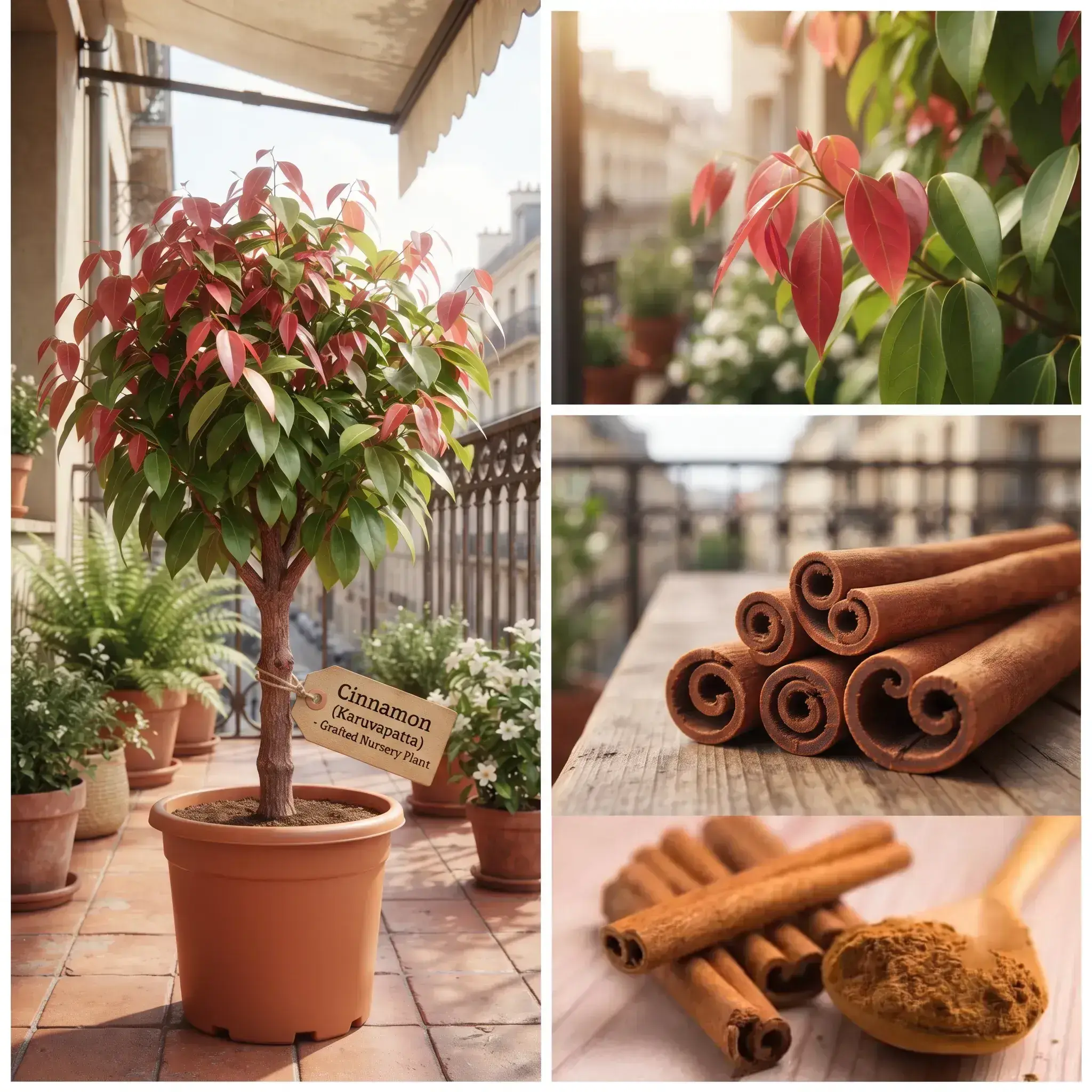
The Cinnamon Plant, botanically classified as Cinnamomum verum (and widely known by its historical synonym Cinnamomum zeylanicum), is an aromatic evergreen spice tree prized across Indian households as the Dalchini Plant or Karuvapatta Plant. Native to Sri Lanka and the humid Western Ghats of southern India, this handsome perennial spice plant rewards home gardeners with glossy foliage, coppery-red young leaf flushes, and warm, sweet-spicy fragrance in both its leaves and inner bark.
Unlike harsher Cassia cinnamon varieties, true Ceylon Cinnamon offers a delicate, subtly sweet aroma cherished in Indian curries, biryanis, masala chai, and home baking. Whether planted in open garden soil or maintained as a compact, bushy spice plant in a large balcony or terrace container, a Dalchini Plant brings year-round tropical greenery and everyday culinary utility to your home garden.
Plant Highlights
- Product Name: Cinnamon Plant | Karuvapatta Plant (Cinnamomum verum) Cinnamomum zeylanicum – Dalchini Plant for Home Garden
- Common Name: True Cinnamon, Ceylon Cinnamon, Dalchini (Hindi/Bengali), Karuvapatta (Malayalam/Tamil), Dalchinni (Marathi), Lavangapatta (Kannada)
- Botanical Name: Cinnamomum verum (accepted name; synonym: Cinnamomum zeylanicum)
- Family: Lauraceae (Laurel family)
- Plant Type: Evergreen perennial aromatic spice tree or multi-stemmed shrub
- Origin: Native to Sri Lanka and the Western Ghats of southwestern India
- Flower Colour: Tiny pale yellowish-green to creamy-white flowers in loose branched panicles
- Flower Fragrance: Faintly sweet, slightly musky aroma
- Fruit Colour: Small, oval, glossy dark purple-black berry-like drupes seated in a cup-shaped calyx
- Foliage: Opposite, leathery, glossy dark green ovate-to-lanceolate leaves (7 to 18 cm long) with three prominent longitudinal veins; young leaves emerge bright reddish-bronze
- Growth Habit: Upright, bushy, branching evergreen tree; commonly pruned (“coppiced”) low in cultivation to encourage straight, slender bark-harvesting shoots
- Mature Height: Typically 8 to 15 meters (26 to 50 feet) in open forest ground if unpruned; easily maintained at 1.5 to 2.5 meters (5 to 8 feet) in home gardens and large containers with pruning
- Sunlight: Partial shade to full morning sun (4 to 6 hours of direct sun; benefits from light afternoon shade in hot regions)
- Watering: Moderate; prefers evenly moist, well-drained soil and does not tolerate prolonged drought or waterlogging
- Suitable For: Home spice gardens, shaded-to-sunny courtyards, large terrace containers or grow bags, backyards, and farmhouses
About the Cinnamon Plant
Cinnamomum verum belongs to the laurel family Lauraceae alongside avocado and bay laurel, and is indigenous to Sri Lanka and the moist tropical forests of southwestern India. Its older botanical name, Cinnamomum zeylanicum, derives from Ceylon (the historical name of Sri Lanka) and remains widely used across spice trade and nursery references.
In Indian home gardening—especially across Kerala, Karnataka, Tamil Nadu, Goa, West Bengal, and coastal states—the Dalchini / Karuvapatta Plant is valued both as an ornamental evergreen foliage specimen and as a kitchen spice plant. Note that true Dalchini (Cinnamomum verum) is related to—but distinct from—Indian Bay Leaf or Tejpatta (Cinnamomum tamala), which has longer, narrower leaves with a clove-like aroma.
Appearance and Growth Habit
The Cinnamon Plant develops a slender trunk with smooth, pale greyish-brown aromatic bark and dense, spreading branches clothed in leathery, glossy leaves. Each leaf is ovate to elliptic with three distinct main veins running from the base toward the pointed tip—a classic identifying feature of the genus Cinnamomum.
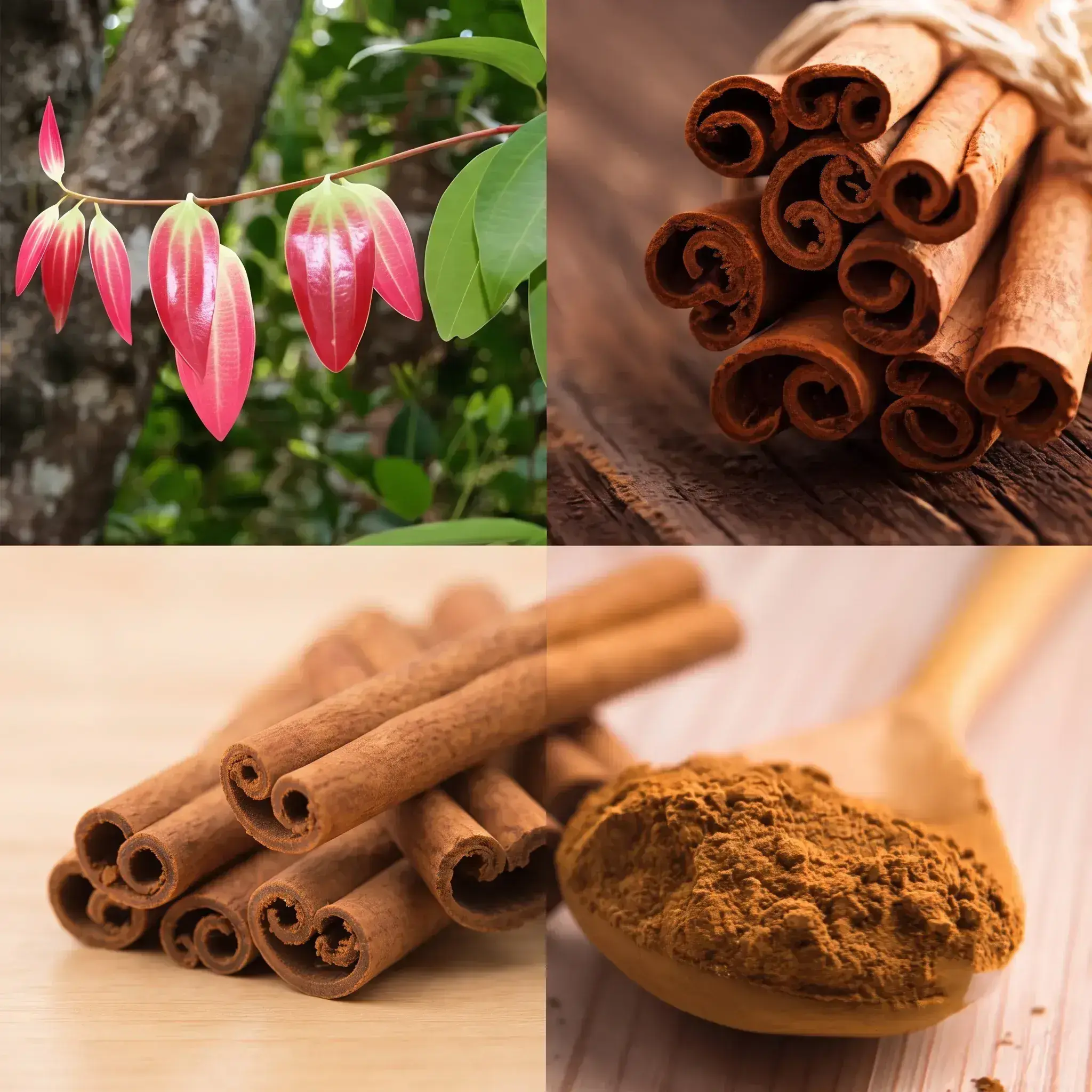
One of the most eye-catching ornamental traits of the Dalchini Plant is its seasonal flush of new leaves, which emerge in vivid shades of coppery-red, pink, or bronze before gradually maturing into rich glossy green. In open ground, an unpruned tree can reach 8 to 15 meters tall over many years, whereas regular pruning keeps it compact and bushy for home gardens.
Flowers and Flowering Season
In India, mature Cinnamon Plants typically flower between January and March, producing loose terminal and axillary panicles of tiny, pale yellowish-green to creamy-white flowers. Each bloom is small (about 3 to 4 mm across) with six perianth segments and nine fertile stamens.
Pollinated primarily by small flies, bees, and beetles, the blossoms are followed by small, oval, dark purple-black single-seeded fruits about 1 to 1.5 cm long that ripen during early summer (May to June). Note that young home-garden plants generally take 4 to 5 years or more to reach flowering maturity.
Spice Harvest and Culinary Use
Both the aromatic leaves and the inner stem bark of Cinnamomum verum are harvested for kitchen use.
Harvesting Dalchini Leaves and Cinnamon Bark
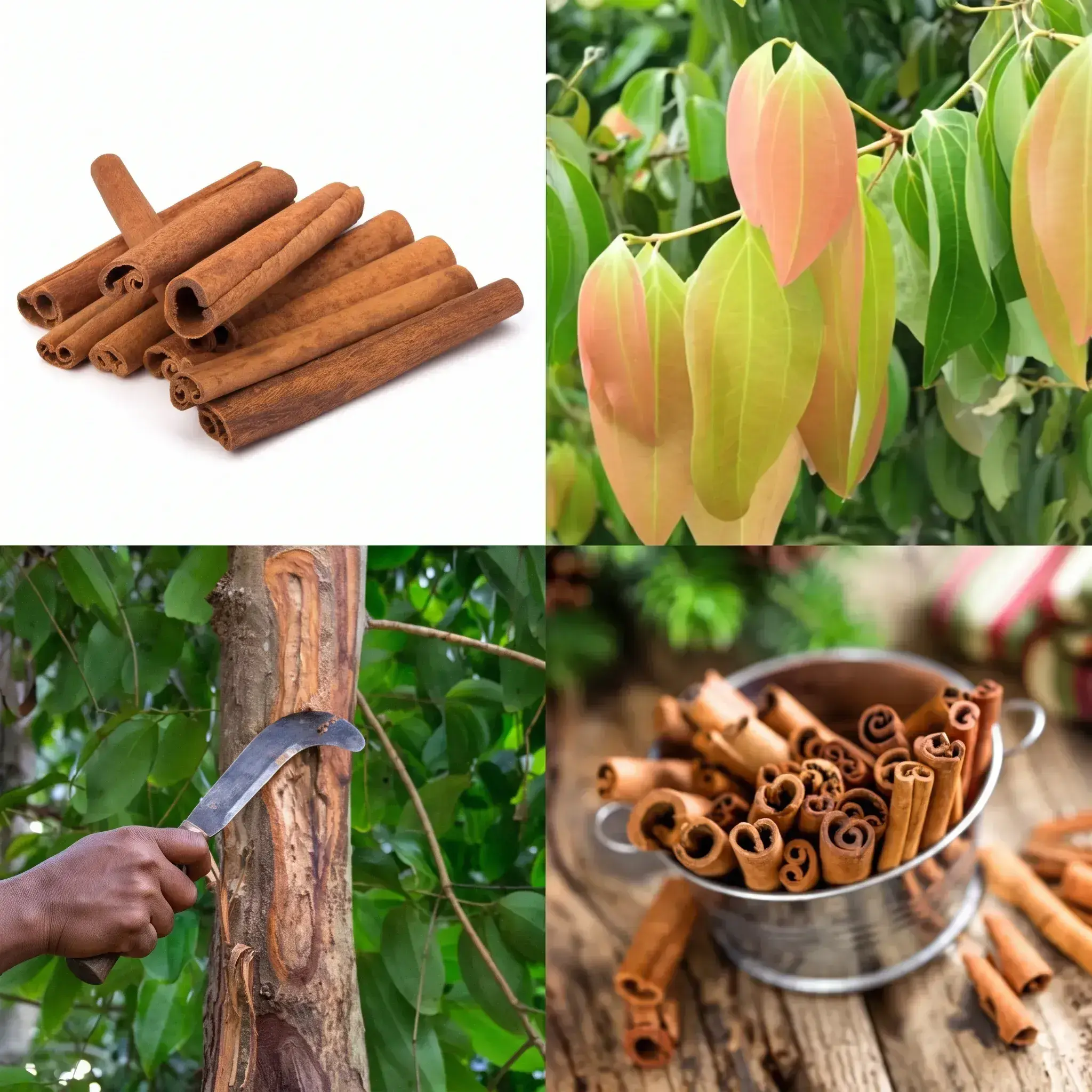
Mature green leaves can be snipped sparingly once the plant is well established (typically after 1 to 2 years), dried in the shade, and used whole or powdered in curries, pulao, biryanis, and spiced teas. For harvesting true Ceylon cinnamon bark, plants grown in open ground are usually allowed to establish for 2 to 3 years before stems are pruned (“coppiced”) near the base during the monsoon—when active sap flow makes peeling easy—and the thin inner bark is scraped, peeled, and rolled into delicate layered quills.
Sunlight Requirements
In its native forest understory habitat, Cinnamomum verum grows under filtered canopy light, making it more adaptable to partial shade than most fruit trees. In Indian home gardens, it performs best with 4 to 6 hours of bright morning sunlight and light afternoon shade.
In hot interior regions where summer temperatures exceed 38°C–40°C, harsh midday and afternoon sun can scorch young leaves, so filtered shade or an east-facing spot works best.
Watering Requirements
Because the Dalchini / Karuvapatta Plant originates in moist tropical regions, it prefers consistent, moderate soil moisture paired with fast drainage.
Watering During Establishment and Summer
During the first 3 to 4 weeks after planting, water every 2 to 3 days so the root zone stays evenly damp without becoming soggy. During hot, dry Indian summers, water potted plants every 2 days and ground-planted trees every 3 to 5 days whenever the top 3 to 4 cm of soil feels dry.
Watering During Monsoon and Winter
During the monsoon, pause manual watering when rainfall is regular and ensure rainwater drains quickly away from the roots. In winter, reduce watering intervals to once every 7 to 10 days, checking soil moisture before watering.
Soil and Potting Requirements
Cinnamomum verum thrives in deep, fertile, loose, organic-rich sandy loam or red lateritic soil with a slightly acidic to neutral pH between 5.5 and 6.8. Heavy, waterlogged clay soils or highly alkaline soils can cause root rot and yellowing leaves.
Suggested Potting Mixture for Containers
This is a suggested potting mixture for container cultivation rather than a rigid scientific formula: blend 45% fertile garden soil, 30% well-decomposed cow dung manure or vermicompost, 15% cocopeat (to maintain steady moisture), and 10% coarse river sand or perlite, mixed with a handful of neem cake powder. Make sure the pot has multiple unobstructed drainage holes at the base.
Growing the Plant in the Indian Climate
The Cinnamon Plant is naturally suited to warm, humid, frost-free tropical and subtropical regions of India, performing exceptionally well in Kerala, Karnataka, Tamil Nadu, Goa, coastal Maharashtra, West Bengal, Kolkata, Assam, and Odisha.
Summer Care
High summer heat and dry winds can dry out leaf edges. Apply a 4 to 5 cm layer of organic mulch (dry leaves or compost) around the root zone—keeping it clear of the stem bark—to keep roots cool and retain soil moisture, and mist foliage lightly in the evening during dry spells.
Monsoon Care
In high-rainfall regions such as Kolkata, West Bengal, and the Western Ghats, monsoon is the peak growing season for Dalchini. Elevate pots slightly on pot feet or bricks so excess rainwater drains away freely and roots never sit in stagnant water.
Winter Care
Cinnamomum verum is sensitive to frost and cold drafts. Established plants tolerate mild Indian winters easily, though growth slows in cool weather; young saplings in northern plains should be kept in a sheltered, sunny spot protected from cold night winds and frost.
Temperature and Humidity
The Dalchini Plant thrives in warm temperatures between 20°C and 35°C and prefers moderate to high relative humidity (60% to 85%). Temperatures below 8°C–10°C slow growth and can chill tender new shoots, while frost damages the plant.
Fertilizer and Nutrition
Regular organic feeding supports lush aromatic foliage and steady stem thickening.
Apply 3 to 5 kg of well-rotted farmyard manure or vermicompost around ground-planted trees twice a year—once in May or June at the onset of the monsoon, and again in September or October as heavy rains subside. For potted plants, top-dress with 250 to 400 grams of vermicompost every 45 to 60 days during spring, summer, and monsoon. Avoid heavy synthetic chemical fertilizers on spice plants intended for kitchen use.
Growing the Plant in Pots
A Cinnamon Plant grows well in a sturdy 14-to-18-inch pot or grow bag on a bright balcony or terrace, eventually moving to a 20-inch container as it matures. Container cultivation naturally keeps the tree compact and makes harvesting fresh aromatic Dalchini leaves easy.
Use an organic-rich, well-draining potting mix, keep the container out of scorching western afternoon sun in peak summer, and prune lightly each year to encourage bushy branching.
Pruning and Maintenance
Light pruning keeps your Dalchini / Karuvapatta Plant dense, attractive, and productive.
Once a young plant reaches about 0.75 to 1 meter tall and has a sturdy woody stem, pinching or pruning the main growing tip during the early monsoon encourages multiple side shoots to sprout from lower nodes. Remove dead, damaged, or weak inward-growing twigs periodically, and avoid over-harvesting leaves from young saplings so the plant retains enough foliage for healthy growth.
Propagation
Cinnamon is commonly propagated from fresh ripe seeds (sown immediately in moist, shaded soil, as seeds lose viability quickly within a few weeks) as well as vegetatively via semi-hardwood stem cuttings or air layering (gootee) during the warm monsoon season. Vegetative propagation preserves the exact essential oil aroma of superior parent plants.
Common Problems and Plant Care
Maintaining steady moisture, good drainage, and filtered sunlight prevents most common cinnamon garden issues.
1. Brown or Crispy Leaf Tips
Dry, brown leaf edges usually result from harsh afternoon sun, dry hot winds, or letting the potting mix dry out completely. Move potted plants to bright morning sun with afternoon shade, mulch the soil, and water consistently.
2. Yellowing Leaves
Yellowing older leaves can indicate waterlogged roots in heavy clay soil or nitrogen/iron deficiency in alkaline soil. Check container drainage and top-dress with vermicompost or composted leaf mold.
3. Psyllids (Leaf Galls) or Scale Insects
Tiny jumping plant lice (cinnamon psyllids) or scale insects occasionally cause small bumps (galls) or sticky residue on tender new leaves. Prune affected young leaves and spray diluted neem oil (3 to 5 ml per liter of water) in the cool evening hours.
4. Leaf Spot in Heavy Monsoon
Dark brown fungal spots can appear on older leaves if foliage stays wet in stagnant air. Ensure good air circulation around the shrub and avoid overhead watering late in the evening.
Suitability for Home Gardens
The Cinnamon / Dalchini / Karuvapatta Plant is ideal for home spice gardens, shaded-to-part-sun courtyards, east-facing balconies, terrace containers, and farmhouse borders in warm, frost-free climates. Because it needs bright outdoor light and natural humidity, it is not suitable for dark, air-conditioned indoor rooms.
Safety and Important Information
Leaves and inner bark of true Ceylon cinnamon (Cinnamomum verum) are widely used as culinary spices in moderate food amounts—note that true Ceylon cinnamon naturally contains much lower levels of coumarin than Cassia cinnamon. Avoid ingesting concentrated cinnamon essential oil undiluted, and keep pets from chewing large amounts of plant bark or leaves.
Live Plant Delivery Information
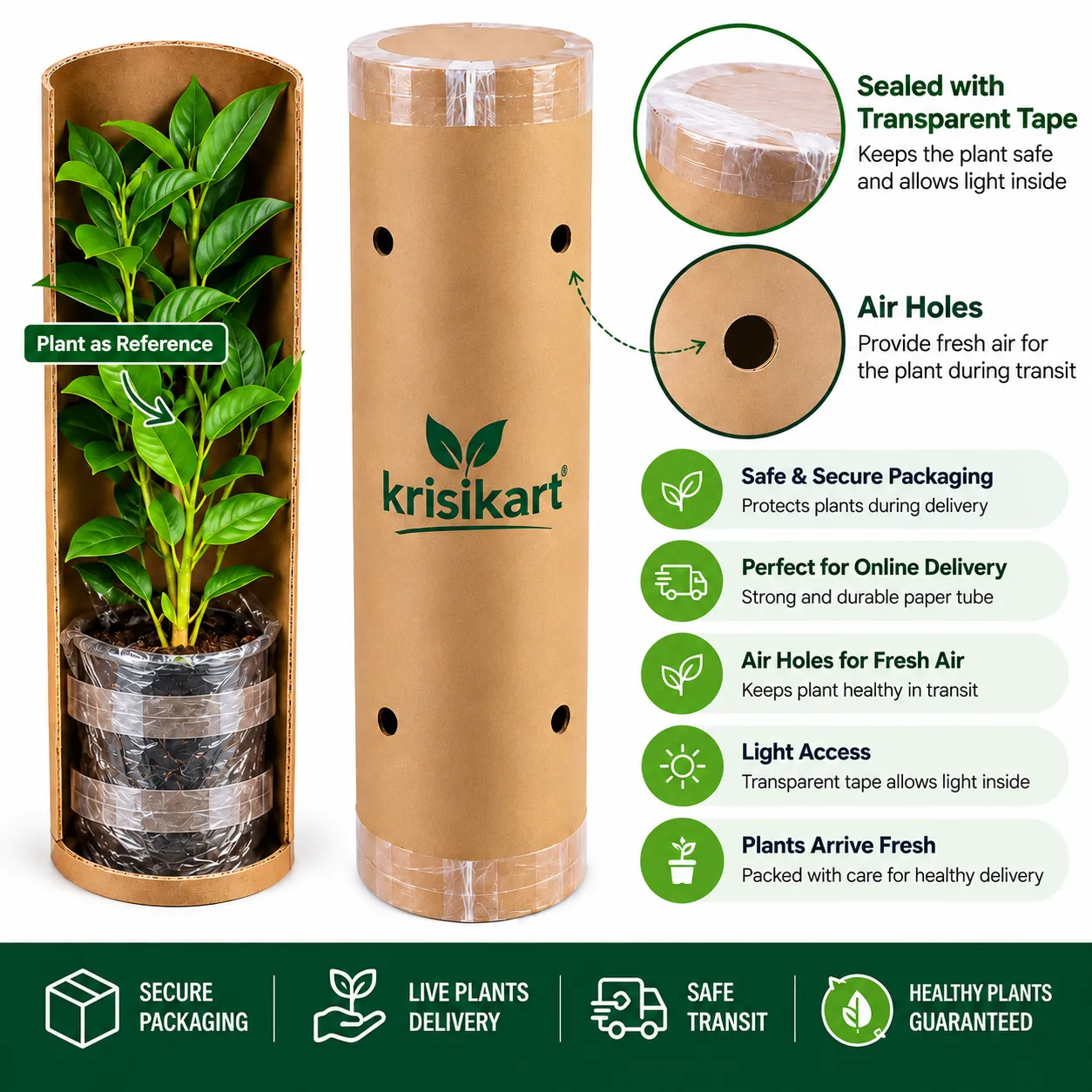
Live saplings vary naturally in height, stem thickness, branching, and leaf count. Mild transit stress can occur during shipping, and a few older leaves may turn yellow or shed shortly after arrival.
Upon receiving your Cinnamon Plant, place it in bright, shaded outdoor light out of direct sun for 4 to 5 days to recover before moving it to morning sun and light afternoon shade. Check the soil moisture immediately and water gently so the root ball is evenly damp. Avoid applying fertilizers, repotting right away, or harvesting leaves during the first 2 to 3 weeks while the plant acclimates.
Why Choose the Cinnamon Plant for Your Garden?
Attractive year-round with its glossy green foliage and coppery-red new leaf flushes, the Dalchini / Karuvapatta Cinnamon Plant brings authentic culinary fragrance right to your doorstep. Easy to maintain in both garden beds and terrace pots, Cinnamomum verum is a rewarding aromatic spice plant for Indian home gardeners.
Botanical Information and Further Reading
- Kew Science – Plants of the World Online: Cinnamomum verum J.Presl
- Royal Horticultural Society (RHS) – Cinnamomum verum Plant Details
- ICAR – Indian Institute of Spices Research (IISR), Kozhikode (Cinnamon Cultivation)
- eFlora of India – Cinnamomum verum Botanical Reference
- India Biodiversity Portal – Cinnamomum verum J.Presl Species Profile
Frequently Asked Questions (FAQs)
1. What is the botanical name of the Cinnamon, Dalchini, or Karuvapatta Plant?
The accepted botanical name of True Ceylon Cinnamon is Cinnamomum verum (commonly known by its synonym Cinnamomum zeylanicum), and it belongs to the laurel family Lauraceae.
2. What are the common names of this plant across India?
It is widely known as Dalchini in Hindi and Bengali, Karuvapatta in Malayalam and Tamil, Lavangapatta in Kannada, Dalchinni in Marathi, and True Cinnamon or Ceylon Cinnamon in English.
3. Is Dalchini the same plant as Tejpatta (Indian Bay Leaf)?
No, they are closely related species in the same genus: True Cinnamon (Dalchini) is Cinnamomum verum, whereas Indian Bay Leaf (Tejpatta) is Cinnamomum tamala.
4. Can I use the leaves of the Dalchini Plant in cooking?
Yes, both fresh and shade-dried mature leaves of Cinnamomum verum have a warm, sweet cinnamon aroma and can be used whole or powdered in curries, rice dishes, and spiced teas.
5. Can I grow a Cinnamon Plant in a pot on my balcony or terrace?
Yes, a Dalchini / Karuvapatta Plant grows well in a 14-to-20-inch container or grow bag placed in bright morning sun with light afternoon shade and well-draining organic soil.
6. How much sunlight does a Cinnamon Plant need?
It thrives in 4 to 6 hours of bright morning sunlight with filtered or partial afternoon shade, especially in hot Indian regions where harsh midday sun can scorch young leaves.
7. How often should I water my Dalchini Plant?
Keep the soil evenly moist without waterlogging. Water every 2 days for potted plants (every 3 to 5 days in open ground) during warm summer weather, and reduce watering during monsoon and winter.
8. What is the best soil mix for growing cinnamon in containers?
A loose, moisture-retentive yet well-draining mix of 45% garden soil, 30% vermicompost or well-rotted cow dung manure, 15% cocopeat, and 10% coarse sand or perlite works well.
9. When can I harvest cinnamon bark from my plant?
In open ground, plants are generally allowed to establish for 2 to 3 years before main stems are pruned during the monsoon to peel the thin aromatic inner bark into cinnamon quills.
10. Why are the new leaves on my Cinnamon Plant reddish or bronze?
Bright coppery-red or bronze new leaf flushes are a completely normal and attractive natural trait of Cinnamomum verum before the leaves mature to glossy dark green.
11. Is the Cinnamon Plant suitable for West Bengal, Kolkata, and humid Indian regions?
Yes, Cinnamomum verum thrives in warm, humid climates including Kerala, Karnataka, Tamil Nadu, coastal Maharashtra, West Bengal, and Assam when protected from frost.
12. Can I keep a Cinnamon Plant indoors?
No, it needs bright outdoor light and natural humidity to stay healthy and is not suited for dark indoor rooms.
For More Information
Visit: krisikart.com
For Contact Visit:Contact Us
For Shopping Visit: Shop Page


Neha Rathore –
Packing achhi thi, plants safe mile.
nice package good
Plant ki condition bilkul fresh thi.