 Plastic Plant pot | Plastic Garden Pot for Plants
 Self Watering Planters | Self Watering Plant Pots For Plants
Jalpai Fruit Tree | Ceylon Olive Tree (Elaeocarpus serratus) Plant
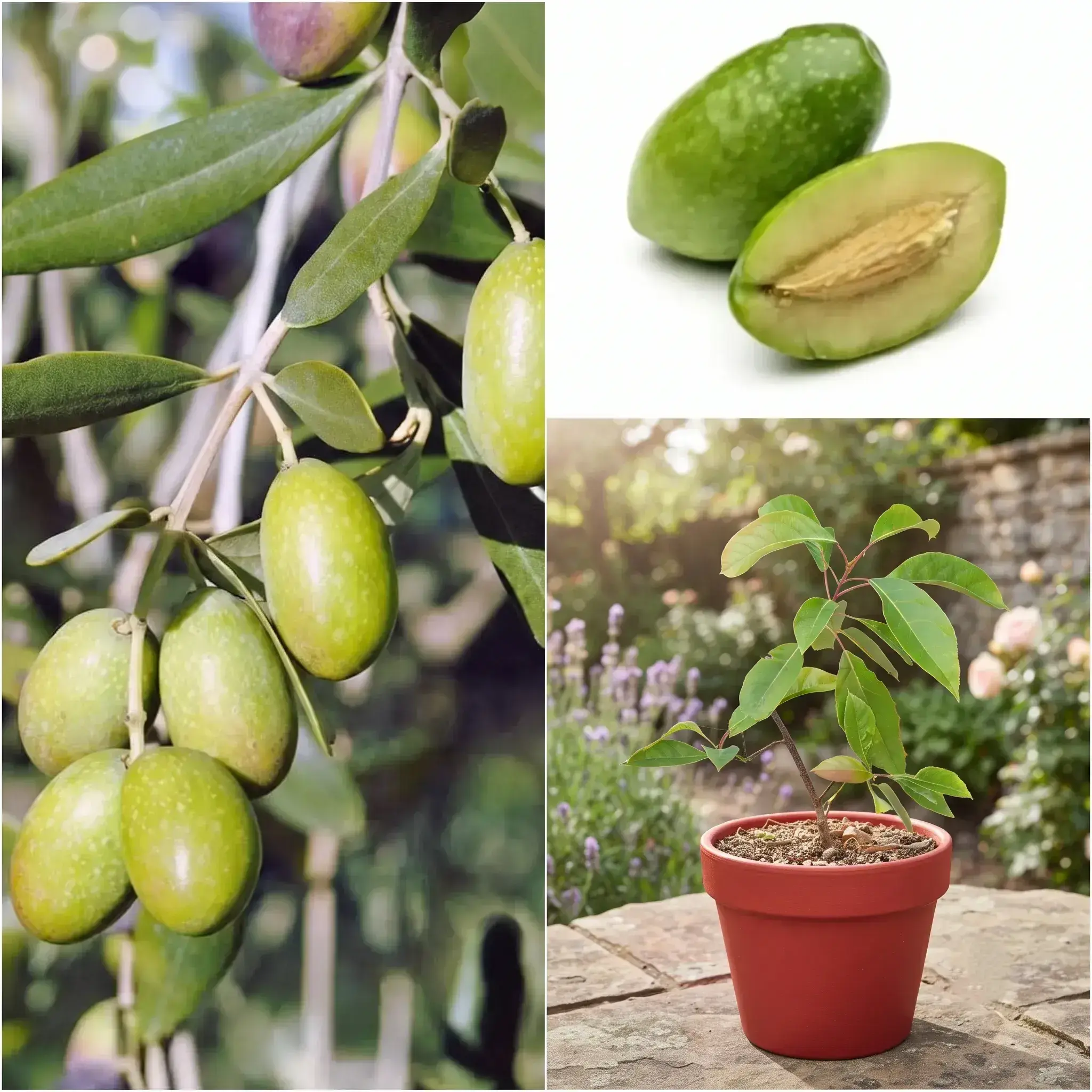
The Jalpai Fruit Tree Also known As Ceylon Olive Tree ( Elaeocarpus Serratus ) Plant, is a distinctive tropical evergreen tree prized for its toothed green foliage, occasional bright crimson aging leaves, and tangy olive-like fruits. In eastern India—especially across West Bengal and Assam—Jalpai is a beloved culinary staple for making sour-sweet chutneys, pickles, and traditional dishes.
Although its common name mentions “olive,” Elaeocarpus serratus is unrelated to the Mediterranean olive tree and belongs to the family Elaeocarpaceae. Grown in a sunny outdoor garden bed or spacious farmhouse plot, this resilient Jalpai Fruit Tree offers year-round greenery and seasonal harvests when given warm weather and well-drained soil.
Plant Highlights
- Product Name: Jalpai Fruit Tree | Ceylon Olive Tree (Elaeocarpus serratus) Plant for Home Garden
- Common Name: Jalpai, Ceylon Olive, Indian Olive, Wild Olive, Zolphai (Assamese), Veralu / Karakka (regional)
- Botanical Name: Elaeocarpus serratus
- Family: Elaeocarpaceae
- Plant Type: Evergreen tropical fruit and ornamental tree
- Origin: Tropical South and Southeast Asia (including India, Sri Lanka, and surrounding Indo-Malesian regions)
- Flower Colour: White to cream small flowers in hanging clusters (racemes)
- Fruit Colour: Smooth green turning yellowish-green or greenish-yellow when mature, enclosing a hard, grooved/tubercled stone
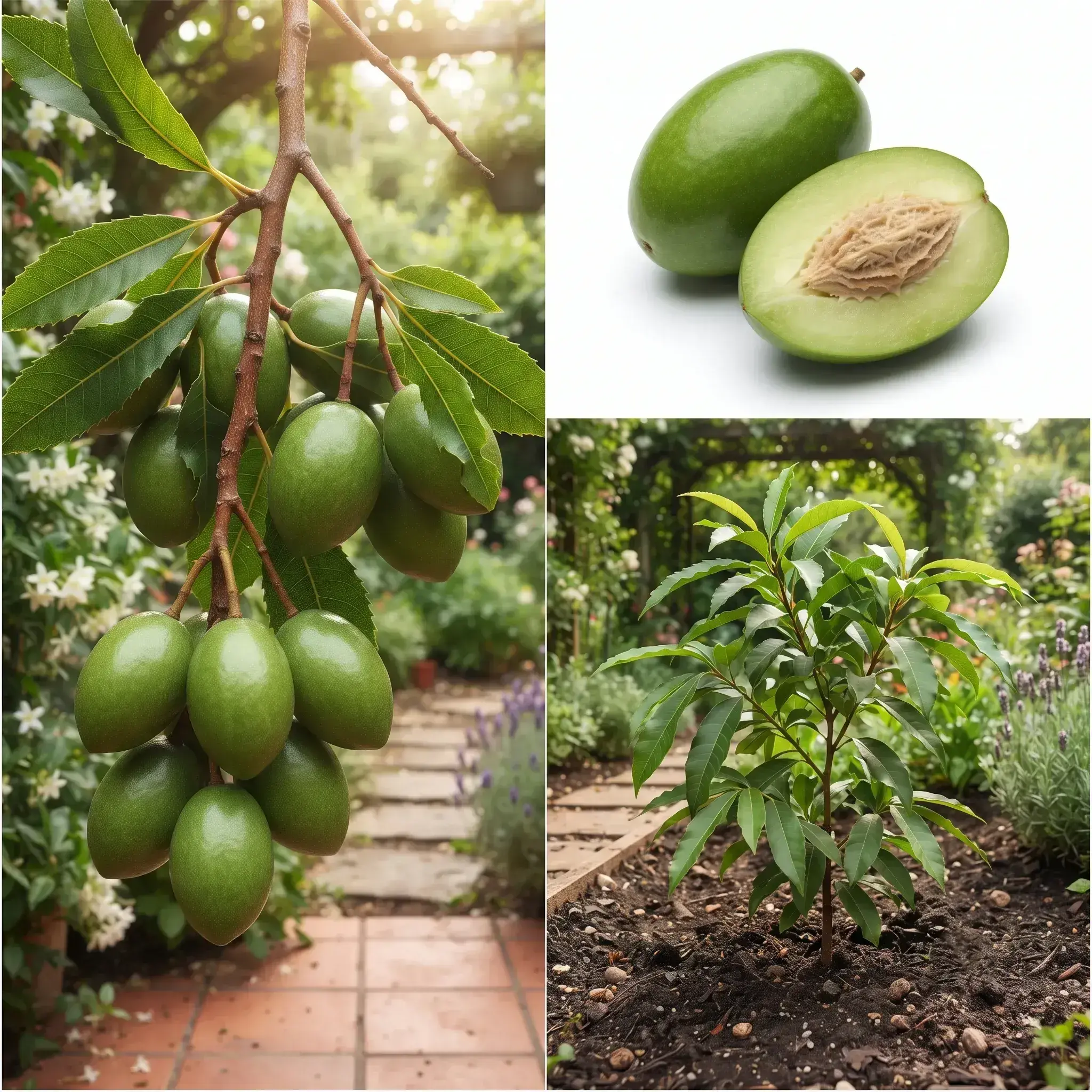
- Foliage: Alternate, elliptic-to-ovate leaves with toothed (serrate) edges; older leaves often turn bright red before dropping
- Growth Habit: Upright, branching subcanopy to canopy tree
- Mature Height: Up to about 18 meters (60 feet) in open ground over many years; best kept compact in home spaces via pruning or planted in larger yards
- Sunlight: Full sun to partial shade (around 6 hours of sunlight is helpful, with protection from harsh heat or wind when young)
- Watering: Regular moisture to keep soil evenly damp without waterlogging; reduce during rainy or cool periods
- Suitable For: Open home gardens, farmhouses, large yards, and large containers while young
About the Jalpai Fruit Tree
Elaeocarpus serratus belongs to the family Elaeocarpaceae and is native to tropical South and Southeast Asia, occurring naturally in evergreen and semi-evergreen forests as well as home gardens across India and Sri Lanka. In Bengali and Assamese households, Jalpai (or Zolphai) is a familiar seasonal fruit used in homemade pickles, relishes, and tangy curries.
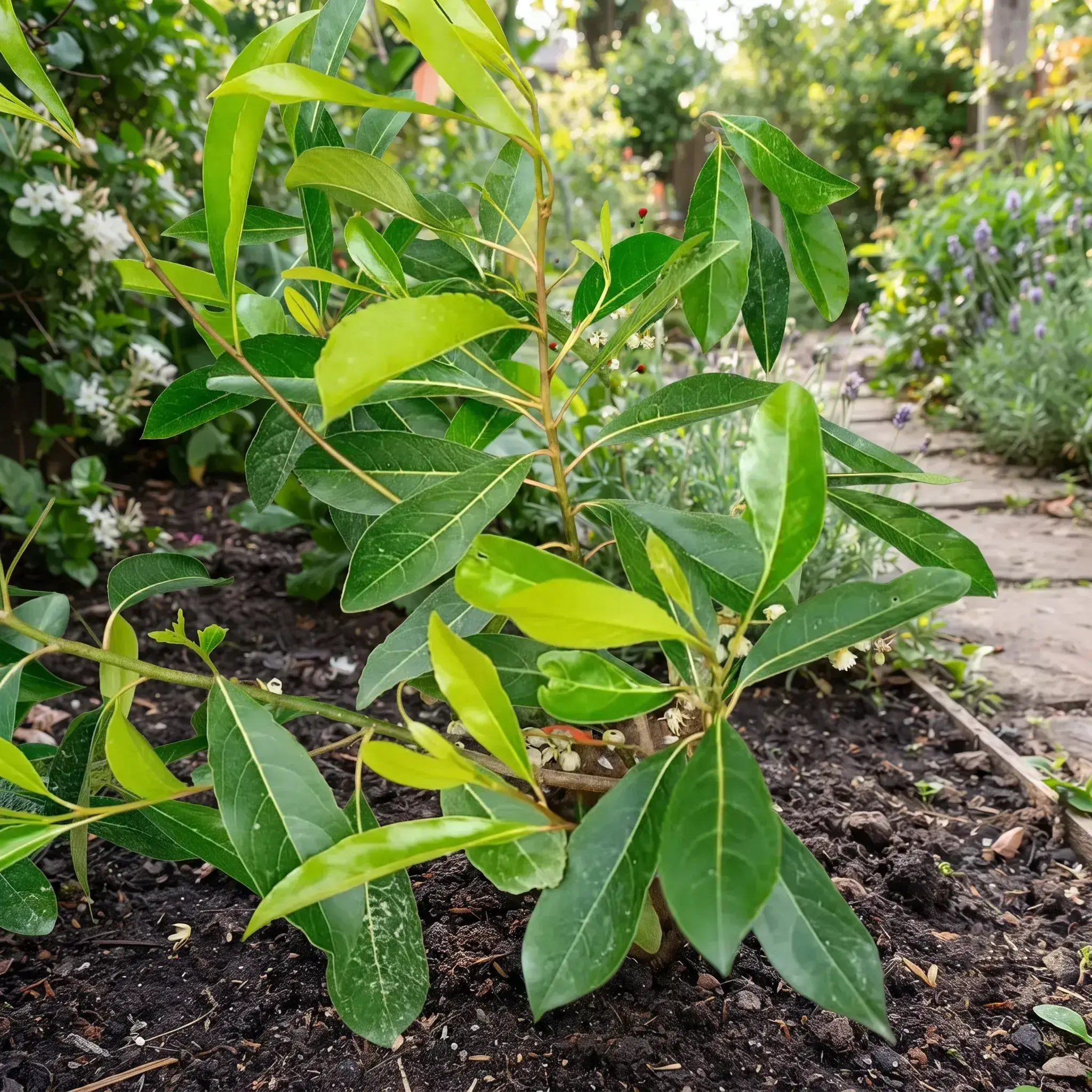
Gardeners often notice a colorful bonus on the Ceylon Olive Tree: before individual leaves shed, they frequently turn a vivid bright red or orange-red, adding natural color contrast against the surrounding glossy green canopy. Its hard, textured fruit stones also share family ties with bead-bearing Elaeocarpus species.
Appearance and Growth Habit
The Jalpai Fruit Tree grows as a sturdy, branched evergreen tree with smooth brownish bark and slender shoots. Its alternate leaves are elliptic to ovate with finely toothed (serrate) margins, giving the foliage a crisp, textured look.
In open ground, Elaeocarpus serratus can grow up to around 18 meters tall over time, though actual height and spread depend heavily on soil, climate, and pruning. Because it is a true tree rather than a dwarf bush, it needs space over the years or a spacious yard where its canopy can mature.
Flowers and Flowering Season
The Ceylon Olive Tree produces small, delicate white to cream flowers borne along hanging racemes (clusters) among the leaves. Each flower has fringed or finely divided petals and fine stamens typical of Elaeocarpus.
Flowering generally aligns with warmer months and seasonal transitions depending on local climate. In home gardens, flowering and fruiting take several years to build up on young trees, so patience and consistent care are important.
Fruits and Harvest
After pollination, the Jalpai Fruit Tree bears smooth, oval or egg-shaped drupes roughly 2.5 to 3.5 cm long. The fruit starts green and matures to a dull greenish-yellow or light yellow, surrounding a single hard, bumpy (tubercled) stone.
Culinary Use and Fruiting Notes
The flesh of Elaeocarpus serratus is firm, juicy, and pleasantly tart or subacid, making it popular for pickles, chutneys, and cooked dishes rather than eating like a sweet dessert fruit. Fruiting is never guaranteed in a fixed timeframe and depends on plant maturity, sunlight, climate, and tree health.
Sunlight Requirements
Elaeocarpus serratus grows well in bright sun to partial shade. Aiming for roughly 6 hours of sunlight supports healthy leaf growth and canopy vigor, while light afternoon shade can help during extreme heat.
Young saplings also benefit from shelter against strong, drying winds. Choose a bright outdoor spot where the plant gets steady light without being baked in a stagnant corner.
Watering Requirements
Keep the soil evenly moist without letting it become soggy or waterlogged. Check the soil with your finger before watering and water deeply at the base when the surface begins to dry.
Watering During Establishment and Summer
Newly planted saplings need more frequent watering while establishing roots, and hot, dry summer weather increases moisture loss. Mulching around the base—without piling mulch right against the trunk—helps keep moisture steady.
Watering During Monsoon and Winter
Cut back manual watering during heavy monsoon rains when the soil stays naturally wet, and ensure rainwater drains away fast. In cooler winter weather when growth slows, water less often so cold, wet soil does not stress the roots.
Soil and Potting Requirements
The Jalpai Fruit Tree prefers fertile, well-draining soil that holds moderate moisture without staying waterlogged. A slightly acidic to neutral pH (around 5.5 to 6.5) suits it well across sandy or loamy soils.
Suggested Potting Mixture for Young Plants
This is a suggested potting mixture rather than a strict scientific formula: blend roughly equal parts fertile garden soil and well-rotted compost or organic manure with a portion of coarse sand or gritty material to keep drainage open. Always use a container with clear drainage holes at the bottom.
Growing the Plant in the Indian Climate
Elaeocarpus serratus is naturally suited to warm, frost-free tropical and subtropical parts of India. It is familiar in West Bengal, Assam, and southern forested belts like the Western Ghats where temperatures stay warm and rainfall is regular.
Summer Care
During hot Indian summers, watch soil moisture closely and mulch the root zone to reduce evaporation. Giving young trees some relief from peak afternoon heat or dry winds helps prevent leaf scorch.
Monsoon Care
Monsoon rains support active growth in warm regions, including West Bengal and coastal or southern areas, provided drainage is fast. Avoid standing water around the root collar so roots stay healthy.
Winter Care
This tree is not frost-hardy and prefers warm conditions. In cooler northern pockets during winter, growth slows down, watering should be reduced, and young plants should be protected from cold drafts or frost.
Temperature and Humidity
Ceylon Olive thrives in warm, frost-free tropical and subtropical climates and is sensitive to frost and cold snaps. It does best where temperatures stay warm and humidity is moderate to high, paired with good air movement around the foliage.
Fertilizer and Nutrition
Feed with organic compost or a balanced slow-release fertilizer during active growing periods such as spring and summer rather than forcing growth in cold weather. Apply fertilizer evenly over the root zone—away from the stem—and water afterward, taking care not to over-fertilize.
Growing the Plant in Pots
A young Jalpai Fruit Tree can grow in a large container (such as an 18-inch or wider pot with good drainage holes) while small, using well-draining soil mixed with compost and coarse sand. Because it is a full-sized tree in nature, pots are mainly a temporary stage before planting in open ground or a large yard.
Pruning and Maintenance
Elaeocarpus serratus naturally forms a balanced shape and needs only light maintenance. Trim dead, damaged, or crossing branches during the growing season or early spring to keep the canopy open, avoiding heavy pruning.
Propagation
Gardeners and nurseries propagate Elaeocarpus serratus from seeds or stem cuttings, as well as vegetative nursery methods like air layering or grafting. Seeds have a hard outer stone and can germinate slowly—sometimes taking many weeks or even longer—so nursery saplings are often simpler for home growers.
Seed-grown plants also show natural variation compared with a specific parent selection, so vegetative propagation is used when matching parent traits matters.
Common Problems and Plant Care
Keeping an eye on moisture, light, and foliage helps prevent most issues with the Ceylon Olive Tree.
1. Root Rot and Waterlogged Soil
Heavy, poorly drained soil or overwatering can cause root rot. Plant in well-draining soil, avoid standing water, and water only when the top soil feels dry.
2. Leaf Spots or Fungal Marks
Brown or yellow spots on leaves can appear when foliage stays wet or airflow is poor. Water at the soil base rather than wetting leaves, prune out badly spotted leaves, and improve air circulation.
3. Pests on New Growth
Occasional pests such as aphids or caterpillars may nibble tender shoots. Check leaves regularly and treat early with gentle organic methods like insecticidal soap or neem oil.
4. Slow Growth or Leaf Drop
Slow growth or leaf loss can stem from insufficient light, cold weather, dry soil, or lack of nutrients. Some older leaves naturally turn bright red and drop as part of normal leaf renewal.
Suitability for Home Gardens
The Jalpai Fruit Tree suits open home gardens, larger residential yards, farmhouses, and sunny outdoor spaces with room for a tree to grow. It is not suitable for indoor rooms or small, low-light balconies given its sunlight needs and eventual tree size.
Safety and Important Information
The fruit is edible and commonly prepared in pickles, chutneys, and cooked dishes, though the hard central seed stone should not be bitten into. Always wash harvested fruit thoroughly and keep children and pets from chewing hard seeds or garden sprays.
Live Plant Delivery Information
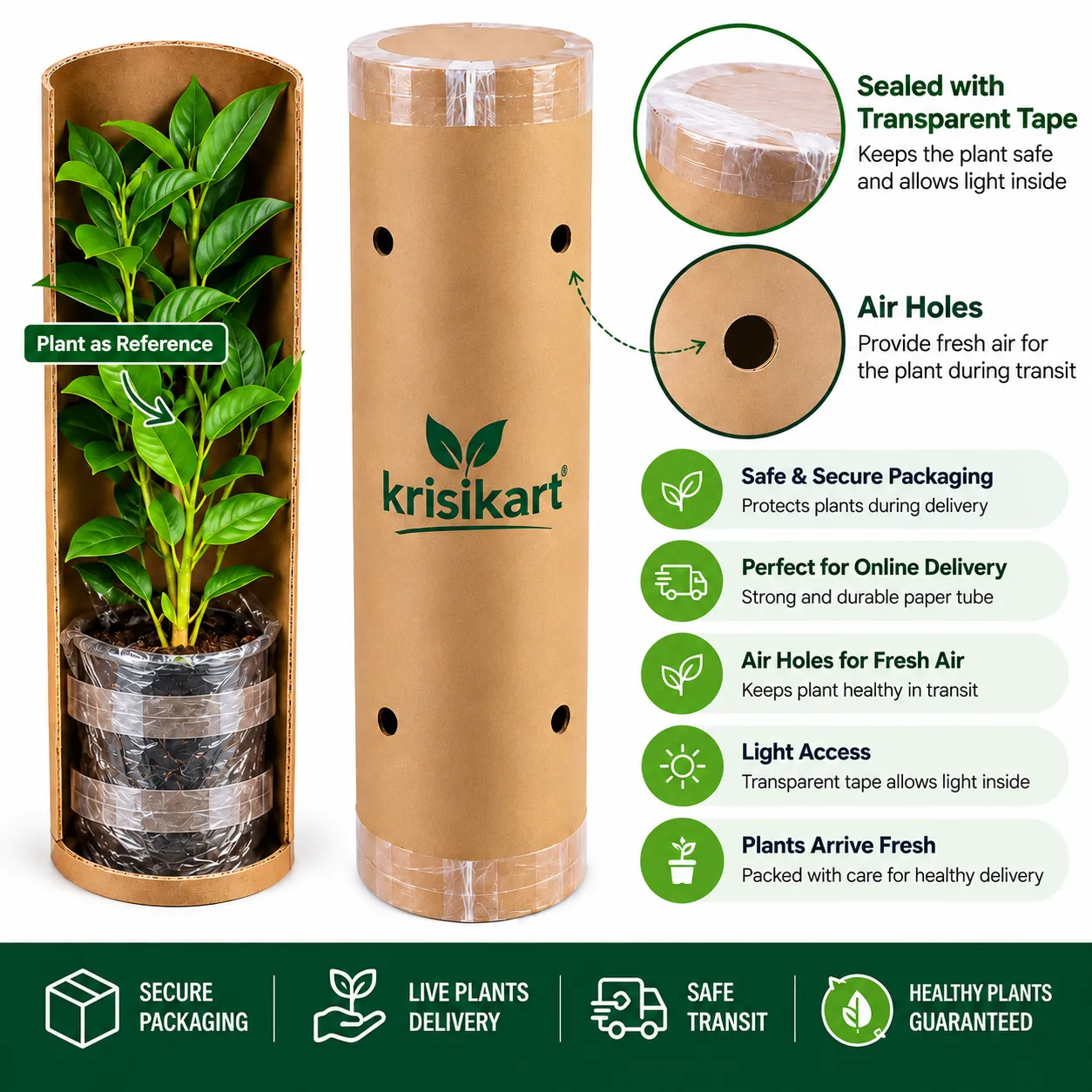
Every live plant varies naturally in height, leaf count, and overall shape, and mild transit stress—including some yellowing or leaf drop—can happen during shipping. After delivery, check soil moisture and water gently if dry, keep the plant in bright light out of harsh direct sun while it settles, and hold off on heavy fertilizer or hard pruning right away.
Why Choose the Jalpai Fruit Tree for Your Garden?
For warm Indian gardens with enough outdoor space, the Jalpai Fruit Tree brings together attractive toothed leaves, occasional red aging foliage, and tart fruits suited to homemade pickles and chutneys. With well-draining soil, steady moisture, and warm sun, Elaeocarpus serratus makes a memorable fruit-and-foliage tree.
Botanical Information and Further Reading
- Kew Science – Plants of the World Online: Elaeocarpus serratus L.
- eFlora of India – Elaeocarpus serratus
- Flora of Sri Lanka – Elaeocarpus serratus L.
- Flowers of India – Ceylon Olive (Elaeocarpus serratus)
- Useful Tropical Plants – Elaeocarpus serratus
Frequently Asked Questions (FAQs)
1. What is the botanical name of the Jalpai Fruit Tree?
The accepted botanical name of the Jalpai Fruit Tree is Elaeocarpus serratus, and it belongs to the family Elaeocarpaceae.
2. What are common names for Elaeocarpus serratus?
It is widely known as Ceylon Olive or Indian Olive in English and Jalpai in Bengali, alongside regional names such as Zolphai in Assamese and Veralu or Karakka in southern India.
3. Where does the Ceylon Olive Tree originate from?
Elaeocarpus serratus is native to tropical South and Southeast Asia, including India and Sri Lanka.
4. Is Ceylon Olive related to regular cooking olives?
No, despite the common name, Elaeocarpus serratus is not a true Mediterranean olive (Olea europaea) and belongs to the family Elaeocarpaceae.
5. How are Jalpai fruits typically used?
The tart, juicy fruits are commonly used for making pickles, chutneys, and cooked curries rather than eaten like sweet table fruit.
6. How much sunlight does a Jalpai Fruit Tree need?
It does best with bright sun to partial shade—around 6 hours of sunlight is helpful—with protection from harsh heat or strong winds when young.
7. How often should I water my Ceylon Olive Tree?
Check the soil moisture and water when the top feels dry so the soil stays evenly moist without waterlogging, cutting back during heavy rain and cool weather.
8. What soil is best for Elaeocarpus serratus?
Fertile, well-draining soil with organic matter and a slightly acidic to neutral pH (around 5.5 to 6.5) works well, provided water drains freely.
9. Can I grow a Jalpai plant in a pot?
Yes, a young plant can grow in a large pot with drainage holes while small, though it is a full-sized tree in nature and eventually needs open ground or a spacious yard.
10. Is the Jalpai Fruit Tree suited to the Indian climate?
Yes, it suits warm, frost-free tropical and subtropical parts of India, including West Bengal and southern regions, when given good drainage and protection from frost.
11. How big does a Ceylon Olive Tree grow?
In open ground, Elaeocarpus serratus can grow up to roughly 18 meters tall over time, depending on site conditions and pruning.
12. Can I keep a Jalpai plant indoors?
No, it needs strong outdoor light and eventually grows into a full-sized tree, making indoor spaces unsuitable.
For More Information
Visit: krisikart.com
For Contact Visit:Contact Us
For Shopping Visit: Shop Page


Reviews
There are no reviews yet.