 Plastic Plant pot | Plastic Garden Pot for Plants
 Self Watering Planters | Self Watering Plant Pots For Plants
Clove Plant | Lavanga Plant (Syzygium aromaticum) Clove Spice Tree
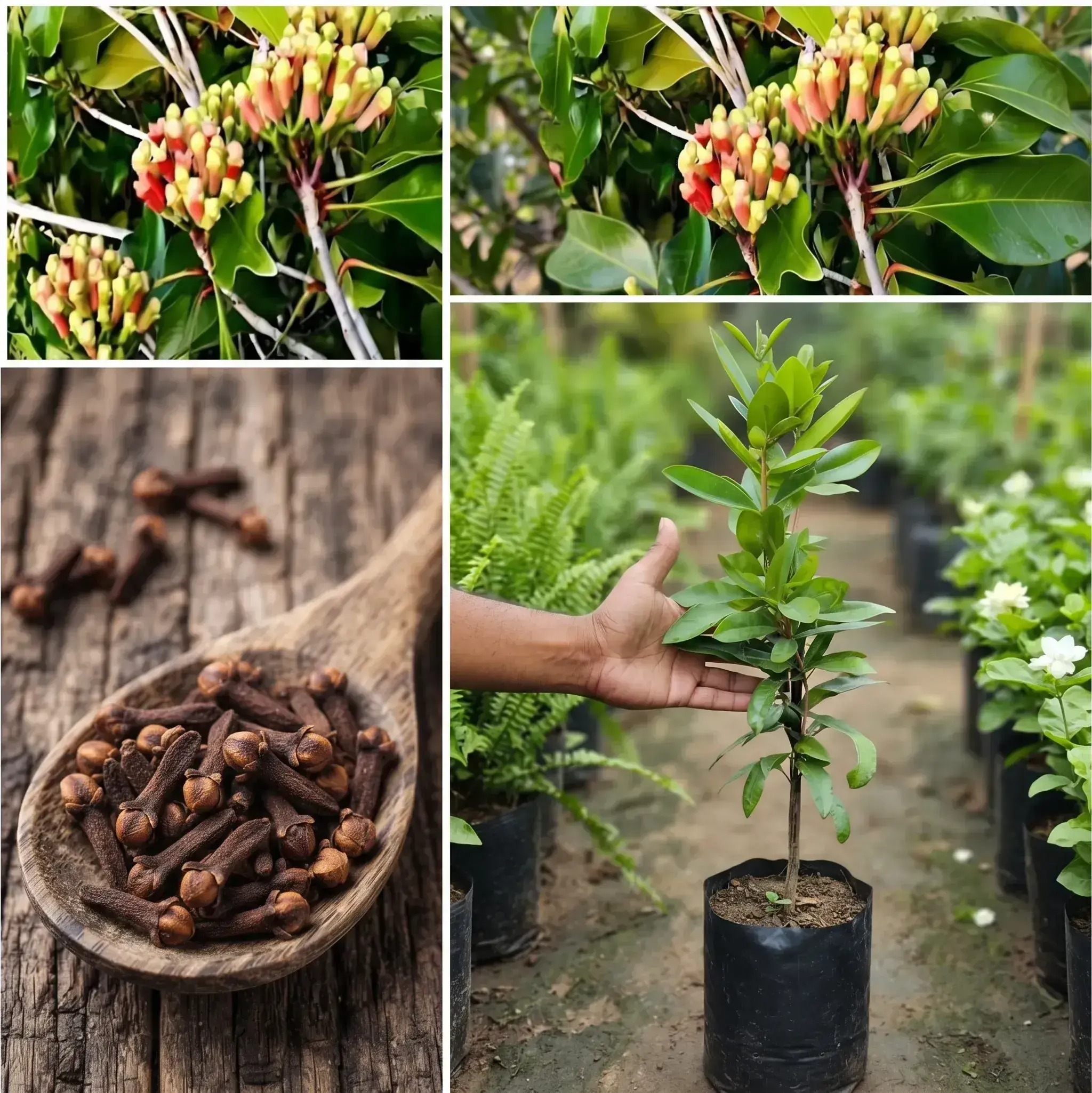
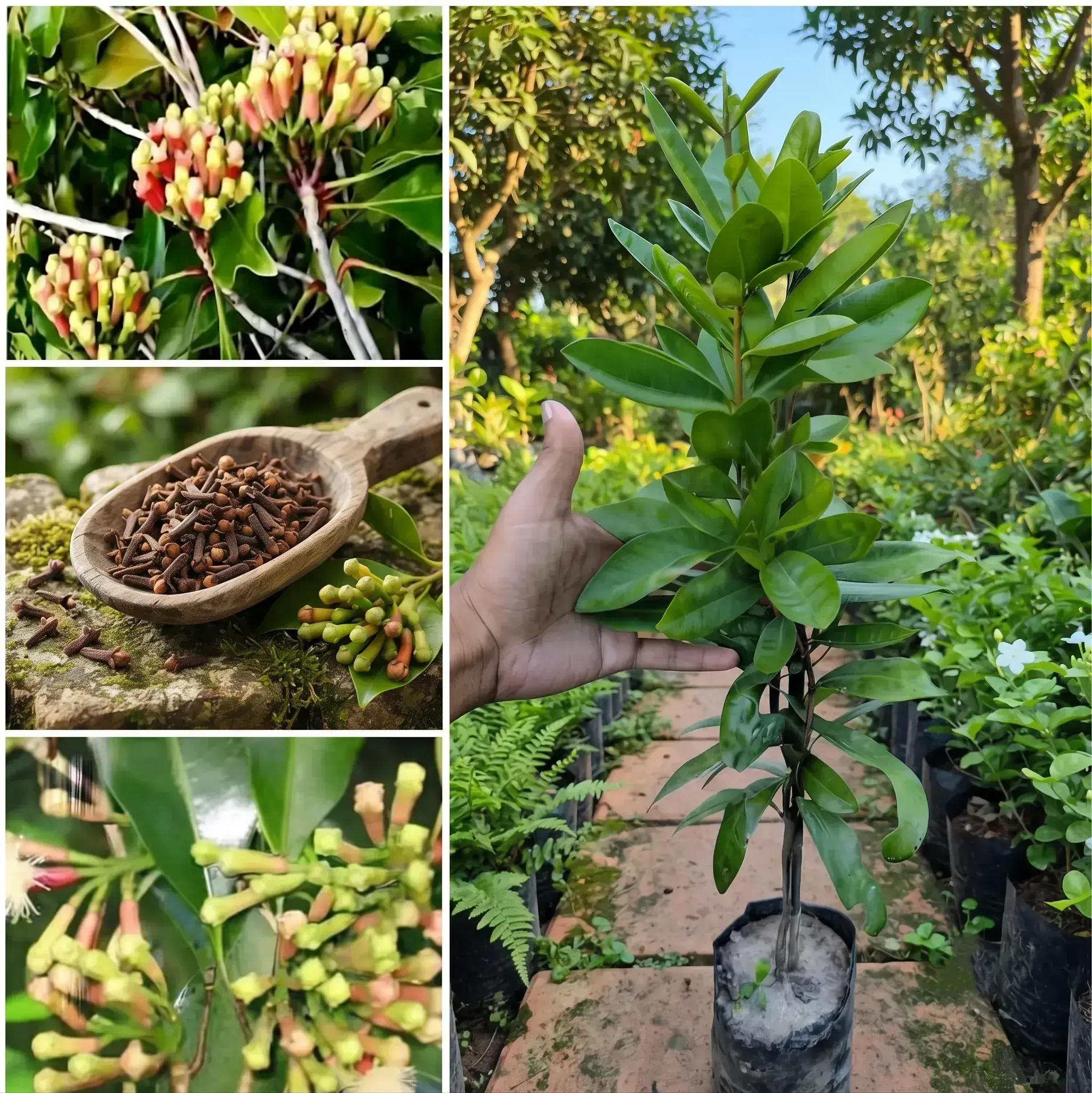
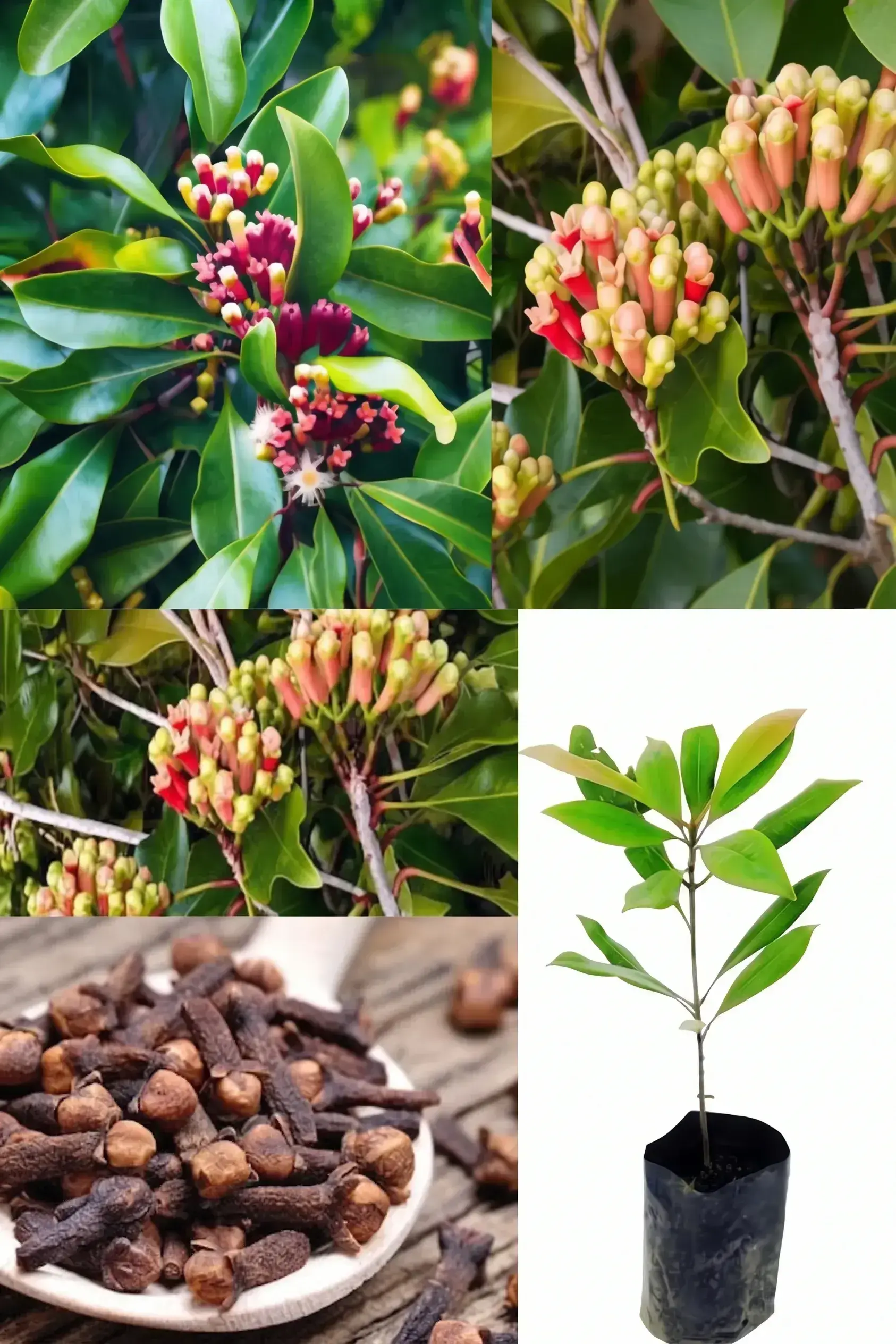
The Clove Plant, botanically known as Syzygium aromaticum and cherished across Indian households as the Lavanga Plant or Laung Tree, is an aromatic evergreen tropical spice tree prized for its glossy foliage and fragrant unopened flower buds. Dried in the sun, these nail-shaped buds become the familiar whole cloves used daily in Indian curries, biryanis, garam masala, and spiced teas.
Native to the humid Maluku (Spice) Islands of Indonesia and cultivated successfully across southern and coastal India, the Clove Spice Tree adds lush tropical greenery and warm spicy aroma to home spice gardens, shaded courtyards, and large containers. With filtered sunlight, rich moisture-retentive soil, and steady humidity, Syzygium aromaticum makes a rewarding long-term addition for spice enthusiasts.
Plant Highlights
- Product Name: Clove Plant | Lavanga Plant (Syzygium aromaticum) Clove Spice Tree for Home Garden
- Common Name: Clove, Lavanga (Sanskrit/Kannada/Telugu), Laung (Hindi), Lobongo (Bengali), Grambu (Malayalam), Krambu (Tamil)
- Botanical Name: Syzygium aromaticum (older synonyms: Eugenia caryophyllata, Caryophyllus aromaticus)
- Family: Myrtaceae (Myrtle family)
- Plant Type: Slow-to-moderate growing evergreen perennial tropical spice tree
- Origin: Native to the Maluku Islands (Moluccas) of Indonesia; cultivated in humid tropical regions of southern India
- Flower Colour: Pale greenish-yellow to creamy-white unopened buds turning rosy-pink before opening into small white flowers with numerous stamens
- Flower Fragrance: Strongly warm, sweet, and spicy (rich in natural eugenol)
- Fruit Colour: Dark purple-red oblong berry-like drupe (“mother of clove”) if buds are left unharvested to bloom and pollinate
- Foliage: Opposite, glossy dark green, elliptic-to-oblong aromatic leaves (8 to 15 cm long) with prominent lateral veins and pink-bronze young shoots
- Growth Habit: Upright, conical-to-rounded dense evergreen tree with smooth greyish bark
- Mature Height: Typically 8 to 15 meters (26 to 50 feet) in open tropical ground over many years; stays much smaller (1.5 to 2.5 meters) in containers or with light shaping
- Sunlight: Partial shade to filtered morning sun (young plants require protection from harsh midday and afternoon sun; mature trees tolerate brighter sun in humid climates)
- Watering: Moderate to high; prefers consistently moist, well-drained soil and high humidity without stagnant waterlogging
- Suitable For: Warm, humid home spice gardens, shaded courtyards, coastal backyards, and large terrace containers while young
About the Clove Plant
Syzygium aromaticum belongs to the myrtle family Myrtaceae alongside guava, jamun, and wax apple, and originates from the volcanic Maluku Islands of Indonesia. Introduced to India centuries ago, clove cultivation has flourished particularly in the humid hills and foothills of Kerala, Tamil Nadu, and Karnataka.
In older botanical and horticultural texts, the Clove Spice Tree is often listed under its synonyms Eugenia caryophyllata or Caryophyllus aromaticus. Even while a young sapling is still growing toward flowering maturity, its glossy leaves release a pleasant clove scent when gently rubbed and can be used sparingly in aromatic cooking.
Appearance and Growth Habit
The Lavanga Plant develops a straight, slender trunk with smooth pale-grey bark and dense, ascending branches forming a neat conical or rounded crown. Its opposite, leathery leaves are glossy dark green above, paler underneath, and dotted with tiny translucent oil glands typical of the myrtle family.
New leaf flushes emerge in attractive shades of pinkish-tan or coppery-bronze before maturing to deep green. Because Syzygium aromaticum grows at a slow-to-moderate pace in its early years, it remains compact and manageable in home gardens and large pots for a long time.
Flowers and Spice Harvest
Unlike fruit trees grown for ripe berries, the Clove Plant is harvested for its unopened flower buds. When mature, clusters of slender, nail-shaped buds appear at the tips of terminal shoots, shifting from pale green to creamy-yellow and finally developing a rosy-pink blush just before the petals open.
Harvesting and Drying Clove Buds
Buds are hand-picked carefully right when they turn pink—before the flowers open—and spread out in the sun for several days until they shrink, harden, and turn dark reddish-brown. Note that seed-grown clove trees generally take 6 to 8 years to begin flowering under ideal tropical conditions, whereas vegetatively propagated plants (such as air-layered or grafted saplings) can bloom earlier; actual flowering always depends on warm humidity, plant maturity, and care.
Sunlight Requirements
Young Clove Plants are sensitive to intense, direct afternoon sunlight and hot drying winds, which can easily scorch their tender leaves. In Indian home gardens, place young saplings where they receive 3 to 5 hours of gentle morning sunlight with bright filtered shade during the afternoon.
As the tree matures and builds a thicker canopy in humid regions, it gradually tolerates brighter sun exposure.
Watering Requirements
Native to rainy equatorial islands, Syzygium aromaticum requires steady, reliable soil moisture paired with fast drainage so roots never dry out completely or sit in stagnant water.
Watering During Establishment and Summer
During the first 3 to 4 weeks after planting, water every 2 days so the root zone stays evenly damp. During hot, dry Indian summers, water potted plants every 1 to 2 days and ground-planted saplings every 3 to 4 days whenever the top 2 to 3 cm of soil feels dry, and mist the foliage in the evening to raise local humidity.
Watering During Monsoon and Winter
During the monsoon, pause manual watering when rainfall is regular and ensure excess rainwater drains rapidly away from the trunk. In winter, reduce watering intervals to once every 6 to 8 days, checking soil moisture before watering.
Soil and Potting Requirements
The Lavanga Plant grows best in deep, fertile, loose, humus-rich sandy loam or red lateritic soil with a slightly acidic pH between 5.5 and 6.5. Heavy, waterlogged clay soils or highly alkaline soils cause root rot and yellowing leaves.
Suggested Potting Mixture for Containers
This is a suggested potting mixture for container cultivation rather than a rigid scientific formula: blend 40% fertile garden soil, 30% well-decomposed leaf mold or vermicompost, 20% cocopeat (to retain steady moisture), and 10% coarse river sand or perlite, mixed with a handful of neem cake powder. Make sure the pot has multiple unobstructed drainage holes at the base.
Growing the Plant in the Indian Climate
Because Syzygium aromaticum is an equatorial tropical species, regional climate plays a major role in its performance across India.
Humid Southern and Coastal Regions (Kerala, Karnataka, Tamil Nadu, Goa, Coastal Maharashtra)
Warm temperatures, high atmospheric humidity, and well-distributed rainfall provide ideal conditions for healthy growth and eventual bud production.
Warm Seasonal Plains (West Bengal, Kolkata, Odisha, Assam)
In Kolkata and eastern India, the Clove Plant grows well during the warm, humid spring and monsoon months, provided it is sheltered from harsh, dry May afternoon sun and planted in fast-draining soil so monsoon downpours never waterlog the roots.
Winter Care
Syzygium aromaticum is highly sensitive to cold and frost. While mature trees tolerate mild Indian winters easily, growth slows below 15°C, and the plant is not suited for cold Himalayan regions or northern plains experiencing severe winter frost unless kept in a warm, sheltered microclimate.
Temperature and Humidity
The Clove Spice Tree thrives in warm temperatures between 20°C and 32°C and prefers high relative humidity (70% to 85%) with protection from strong, dry winds. Temperatures below 10°C–12°C chill the plant and halt growth, while frost is fatal.
Fertilizer and Nutrition
Regular, gentle organic feeding sustains lush glossy foliage and steady root development.
Apply 2 to 4 kg of well-rotted farmyard manure, composted leaf mold, or vermicompost around ground-planted saplings twice a year—once at the onset of the monsoon (May to June) and again in September or October as heavy rains ease. For potted plants, top-dress with 200 to 300 grams of vermicompost every 45 to 60 days during warm growing months. Avoid concentrated synthetic chemical fertilizers, which can burn the sensitive surface roots of clove saplings.
Growing the Plant in Pots
A young Clove Plant grows well in a 14-to-18-inch pot or grow bag placed on a bright, humid, east-facing balcony or shaded terrace corner. Grouping it near other leafy plants helps create a naturally humid microclimate around the foliage.
Because Syzygium aromaticum eventually grows into a medium-sized evergreen tree in nature, container cultivation is ideal for the first 3 to 5 years before transplanting into open garden soil in frost-free regions.
Pruning and Maintenance
The Lavanga Plant naturally forms an attractive, symmetrical pyramid or rounded crown and requires minimal pruning.
Simply trim dead, damaged, or weak inward-growing twigs with clean secateurs, and keep the base clear of weeds while maintaining a layer of organic leaf mulch over the root zone. Avoid heavy pruning on young saplings.
Propagation
Clove trees are propagated primarily from fresh ripe seeds (“mother of clove” fruits), which must be peeled and sown immediately in moist, shaded sand-compost beds because they lose viability within a few days of harvesting. Nurseries also use approach grafting or air layering (gootee) on select mother trees to shorten the time to flowering.
Common Problems and Plant Care
Maintaining filtered light, high humidity, and fast soil drainage prevents most common clove issues.
1. Scorched or Brown Leaf Tips
Crispy brown edges and bleached patches on leaves usually result from harsh direct afternoon sun, dry hot winds, or letting the potting mix dry out. Move the plant to bright morning sun with afternoon shade, mulch the soil, and mist leaves during dry spells.
2. Yellowing Leaves and Root Rot
Yellowing leaves and sudden wilting in wet weather indicate poor soil drainage or waterlogged roots. Ensure pots drain freely and never sit in standing water during monsoon rains.
3. Scale Insects, Mealybugs, or Leaf-Eating Caterpillars
Sap-sucking scale insects or caterpillars occasionally appear on tender pink-bronze shoot flushes. Rinse light pest clusters with clean water or spray diluted neem oil (3 to 5 ml per liter of water) in the cool evening hours.
4. Leaf Spot in Stagnant Humidity
Dark fungal spots on older leaves can develop if foliage stays wet without airflow. Space plants out for good air circulation and water at the soil level rather than late at night.
Suitability for Home Gardens
The Clove / Lavanga Plant is ideal for warm, humid home spice gardens, shaded-to-part-sun courtyards, east-facing balconies, coastal backyards, and large terrace containers while young. Because it requires high natural humidity and bright filtered outdoor light, it is not suited for dry, air-conditioned indoor rooms.
Safety and Important Information
Whole dried cloves and fresh leaves are widely used in moderate culinary amounts; however, pure clove essential oil (high in eugenol) is very potent and should never be ingested undiluted or applied directly to sensitive skin. Keep pets and young children from chewing large amounts of leaves or plant material.
Live Plant Delivery Information
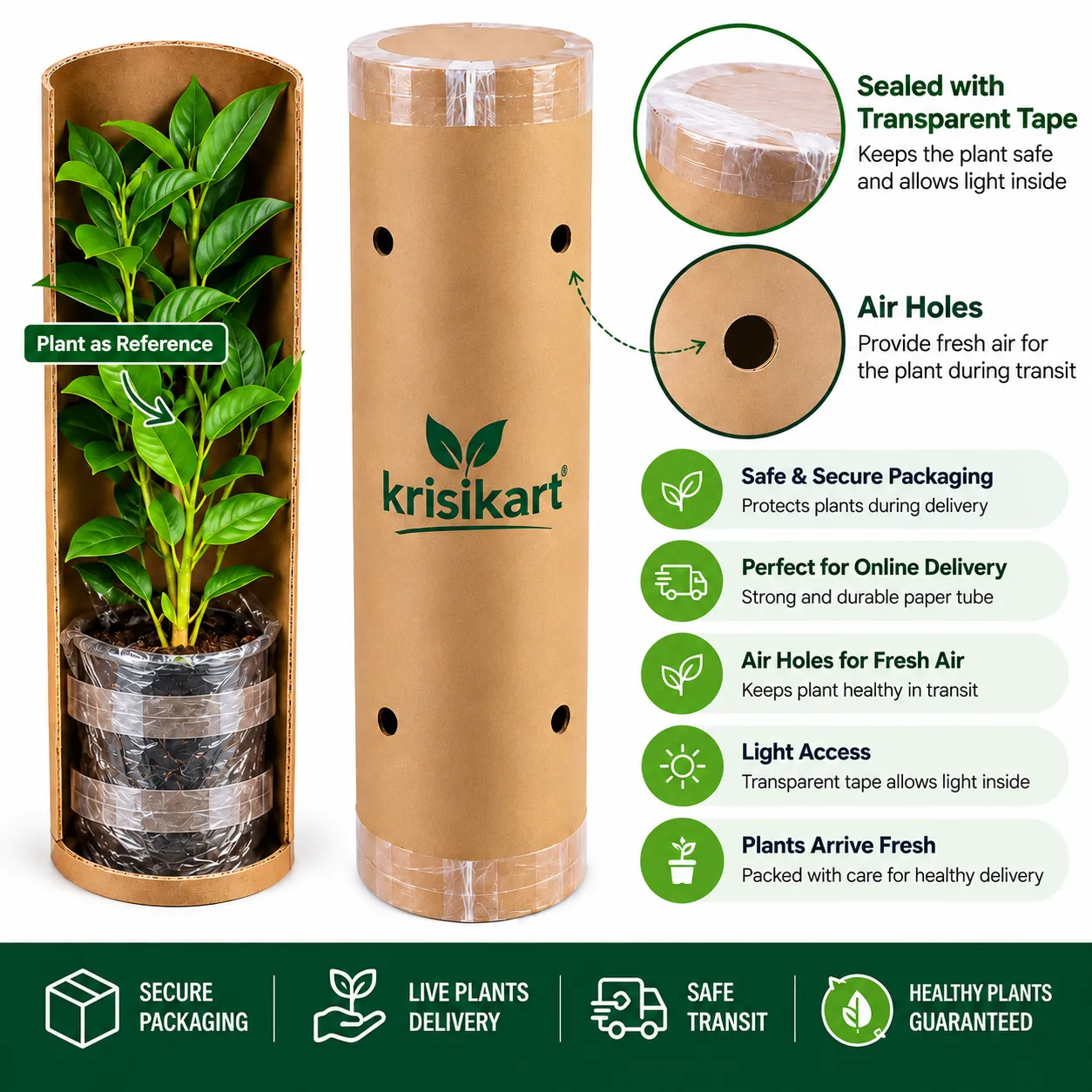
Live saplings vary naturally in height, stem thickness, branching, and leaf count. Because Syzygium aromaticum is sensitive to dry air during transit, mild shipping stress—such as a few yellowed or dropped lower leaves—can occur upon arrival.
Upon receiving your Clove Plant, place it immediately in a cool, bright, shaded outdoor spot sheltered from direct sun and wind for 4 to 5 days to recover. Check the soil moisture right away and water gently so the root ball is evenly damp, misting the leaves lightly. Avoid applying fertilizers, repotting immediately, or pruning healthy shoots during the first 2 to 3 weeks while the sapling acclimates.
Why Choose the Clove Plant for Your Garden?
Glossy, evergreen, and rich with warm spice fragrance, the Clove / Lavanga Plant brings one of the world’s most treasured culinary spices into your home garden. Given filtered sunlight, steady moisture, and humid warmth, Syzygium aromaticum rewards patient gardeners with lush tropical beauty and authentic spice heritage.
Botanical Information and Further Reading
- Kew Science – Plants of the World Online: Syzygium aromaticum (L.) Merr. & L.M.Perry
- Royal Horticultural Society (RHS) – Syzygium aromaticum Plant Details
- ICAR – Indian Institute of Spices Research (IISR), Kozhikode (Clove Cultivation)
- eFlora of India – Syzygium aromaticum Botanical Reference
- India Biodiversity Portal – Syzygium aromaticum Species Profile
Frequently Asked Questions (FAQs)
1. What is the botanical name of the Clove or Lavanga Plant?
The accepted botanical name of the Clove Plant is Syzygium aromaticum (older synonym: Eugenia caryophyllata), and it belongs to the myrtle family Myrtaceae.
2. What are the common names of this spice plant in India?
It is widely known as Lavanga in Sanskrit, Kannada, and Telugu, Laung in Hindi, Lobongo in Bengali, Grambu in Malayalam, Krambu in Tamil, and Clove in English.
3. Which part of the Clove Plant is harvested as a spice?
Commercial cloves are the unopened, nail-shaped flower buds picked right as they turn rosy-pink and then sun-dried until dark reddish-brown.
4. Can I grow a Clove Plant in a pot at home?
Yes, a young Clove Plant grows well in a 14-to-18-inch pot or grow bag placed in bright morning sun with afternoon shade, high humidity, and fast-draining acidic soil.
5. How much sunlight does a Lavanga Plant need?
Young Clove Plants need 3 to 5 hours of gentle morning sunlight with bright filtered shade in the afternoon, as intense midday sun and dry heat can scorch their leaves.
6. How often should I water my Clove Spice Tree?
Keep the soil consistently moist without waterlogging. Water every 1 to 2 days for potted plants (every 3 to 4 days in open ground) during warm weather, and reduce watering during rainy monsoon spells and winter.
7. What is the best soil mix for growing cloves in containers?
A humus-rich, slightly acidic, well-draining mix of 40% garden soil, 30% leaf mold or vermicompost, 20% cocopeat, and 10% coarse sand or perlite works well.
8. How long does a Clove Plant take to produce flower buds?
Under warm, humid tropical conditions, seed-grown clove trees typically take 6 to 8 years to begin flowering, while vegetatively propagated plants can bloom earlier depending on care and climate.
9. Is the Clove Plant suitable for all parts of India?
Syzygium aromaticum thrives best in warm, humid, frost-free coastal and southern regions like Kerala, Karnataka, and Tamil Nadu. In seasonal plains like West Bengal it grows well with summer shade and drainage, whereas frost-prone northern areas are unsuitable.
10. Can I use the leaves of the Clove Plant in cooking?
Yes, the glossy leaves contain aromatic clove oil and can be used sparingly in curries, rice dishes, and teas once the plant is well established.
11. How big does a Clove Tree grow?
In open tropical soil, Syzygium aromaticum can grow 8 to 15 meters tall over many years, while container growing keeps it compact at 1.5 to 2.5 meters.
12. Can I keep a Clove Plant indoors?
No, it requires high natural humidity, fresh airflow, and bright filtered outdoor light, and will decline in dry indoor rooms.
For More Information
Visit: krisikart.com
For Contact Visit:Contact Us
For Shopping Visit: Shop Page


Manish Sharma –
Nice plant. good service team.