 Plastic Plant pot | Plastic Garden Pot for Plants
 Self Watering Planters | Self Watering Plant Pots For Plants
Water Pistia Plant | Water Lettuce (Pistia stratiotes) Plant for Floating Aquarium & Fish Pond
Introduction
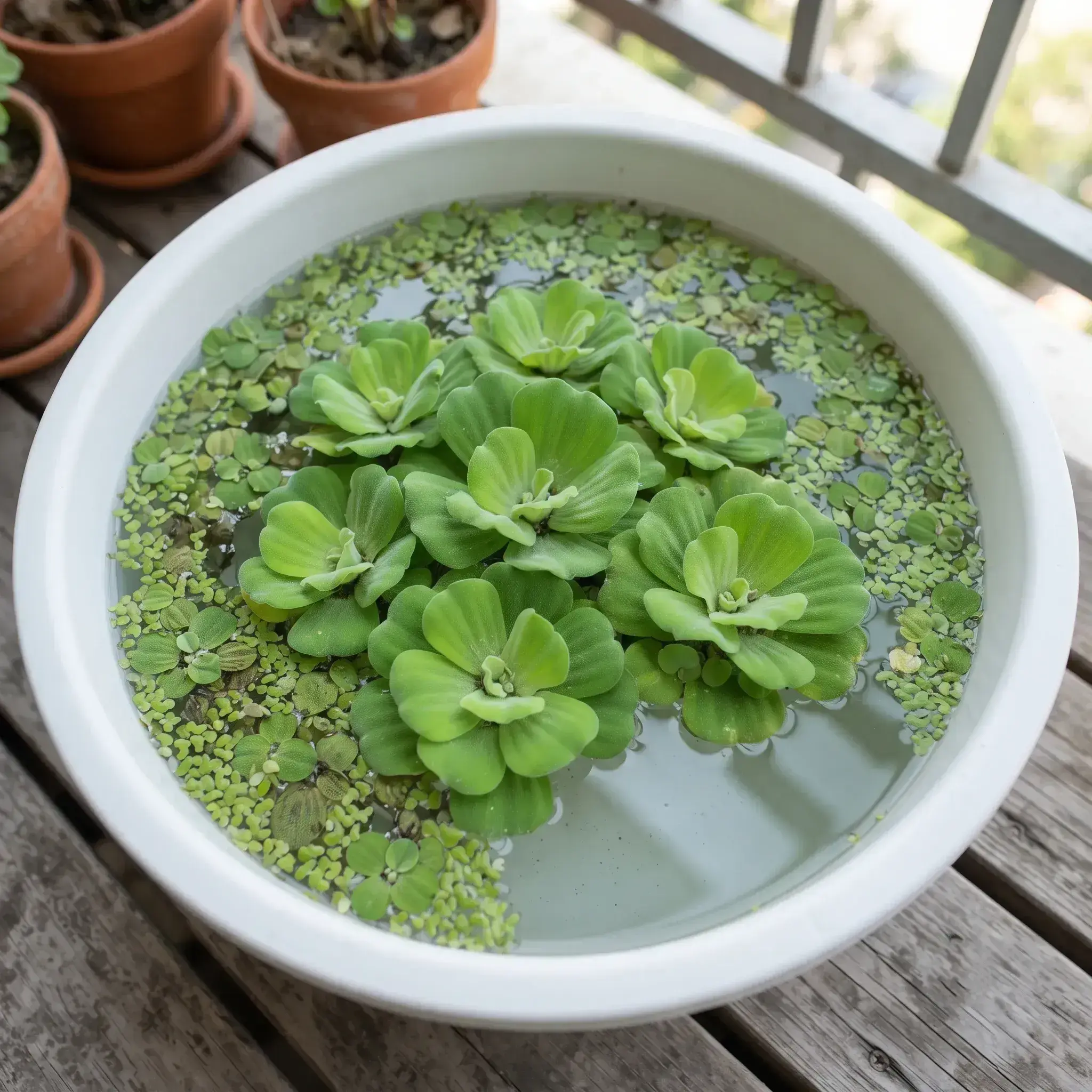
The Water Pistia Plant, botanically classified as Pistia stratiotes and universally known as Water Lettuce or Water Cabbage, is a free-floating freshwater aquatic perennial prized for its velvety, lettuce-like green leaf rosettes and long, feathery hanging roots. Simply placed on the surface of a fish pond, lotus tub, balcony water bowl, or open-top aquarium, it requires no soil or potting mix to thrive.
Beyond its soft, sculptural beauty on the water’s surface, Pistia stratiotes acts as a natural biological filter—absorbing excess nitrates and phosphates from fish waste, shading the water to curb green algae blooms, and providing protective cover for guppies, mollies, goldfish, and fry.
Plant Highlights
- Product Name: Water Pistia Plant | Water Lettuce (Pistia stratiotes) Plant for Floating Aquarium & Fish Pond
- Common Name: Water Lettuce, Water Pistia, Water Cabbage, Nile Cabbage, Shellflower, Topapana (Bengali), Jal Kumbhi / Jal Bandhgobi (Hindi), Akasathamara (Malayalam/Tamil)
- Botanical Name: Pistia stratiotes
- Family: Araceae (Arum / Aroid family)
- Plant Type: Free-floating perennial freshwater aquatic herb
- Origin: Pantropical (native across tropical and subtropical freshwater bodies of Africa, Asia, and the Americas; widely naturalized across India)
- Flower Colour: Tiny, inconspicuous pale greenish-white spadix and spathe tucked deep inside the center of the leaf rosette
- Foliage: Thick, soft, spongy, pale-to-bright green obovate leaves arranged in a radial open rosette, covered in fine water-repellent velvet hairs with prominent parallel ribs
- Root System: Long, feathery, fibrous whitish-tan roots hanging freely beneath the rosette in the water column
- Growth Habit: Free-floating surface rosette that multiplies rapidly via horizontal stolons (runners) to form daughter plantlets
- Mature Size: Individual rosettes typically measure 8 to 20 cm (3 to 8 inches) across, with submerged roots trailing 15 to 40 cm deep depending on nutrient levels
- Sunlight: Bright indirect light to full sun (at least 4 to 6 hours of sunlight or strong aquarium lighting daily; protect from scorching midday sun in shallow bowls)
- Watering: Aquatic; floats continuously in calm, slow-moving freshwater (never let roots dry out)
- Suitable For: Outdoor fish ponds, balcony lotus tubs, ceramic water bowls, patio water gardens, and open-top freshwater aquariums
About the Water Pistia Plant
Pistia stratiotes belongs to the arum family Araceae—making it a fascinating aquatic relative of peace lilies, philodendrons, and taro—and is the sole species in the genus Pistia. Found across tropical and subtropical freshwater wetlands worldwide, it is a familiar sight in Indian water gardens, temple tanks, and backyard fish tubs.
For aquarists and pond keepers, Water Lettuce is valued for two practical functions: its dangling feathery roots shelter shy fish and newly hatched fry, while its rapid nutrient uptake competes directly with nuisance algae for dissolved nitrogen and phosphorus.
Appearance and Growth Habit
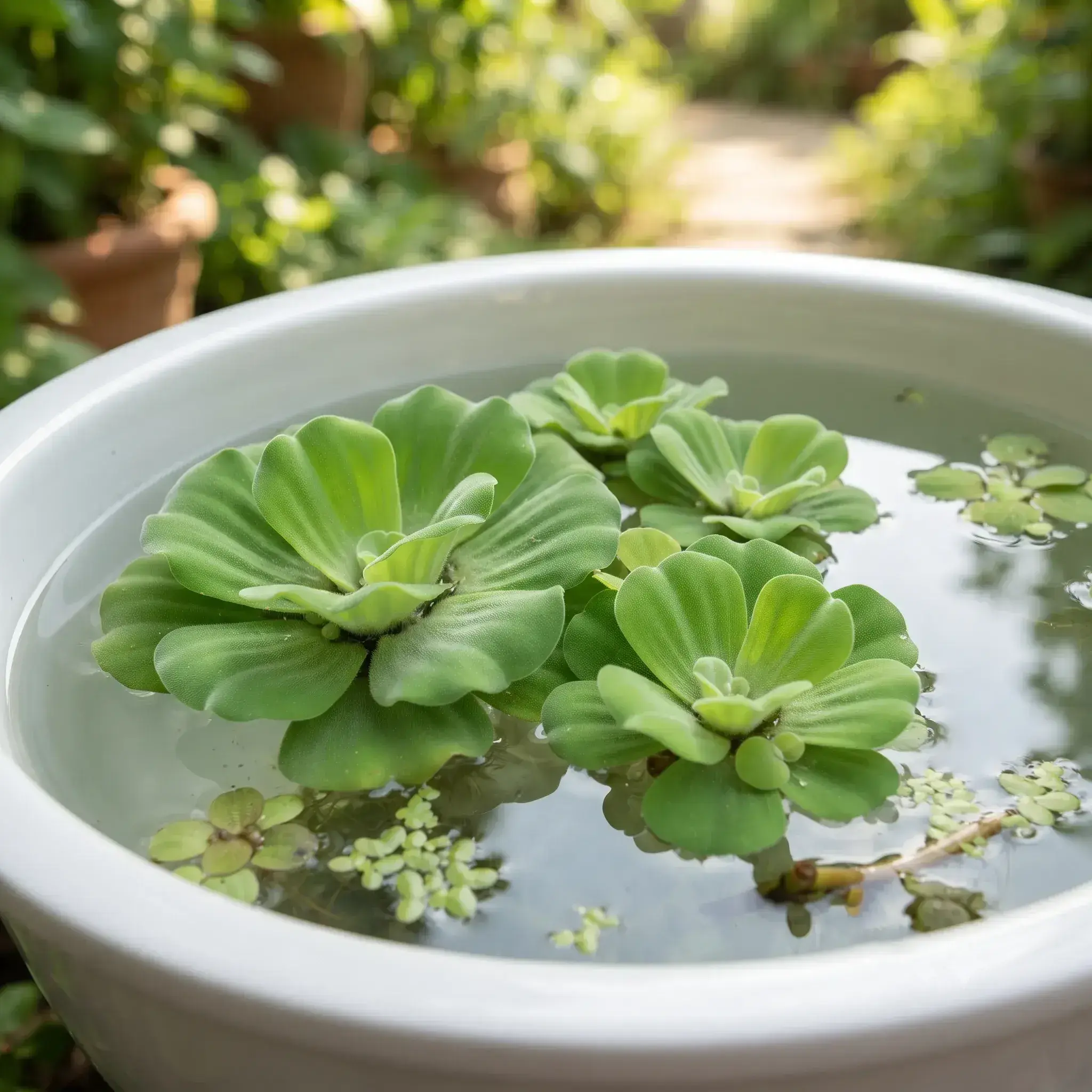
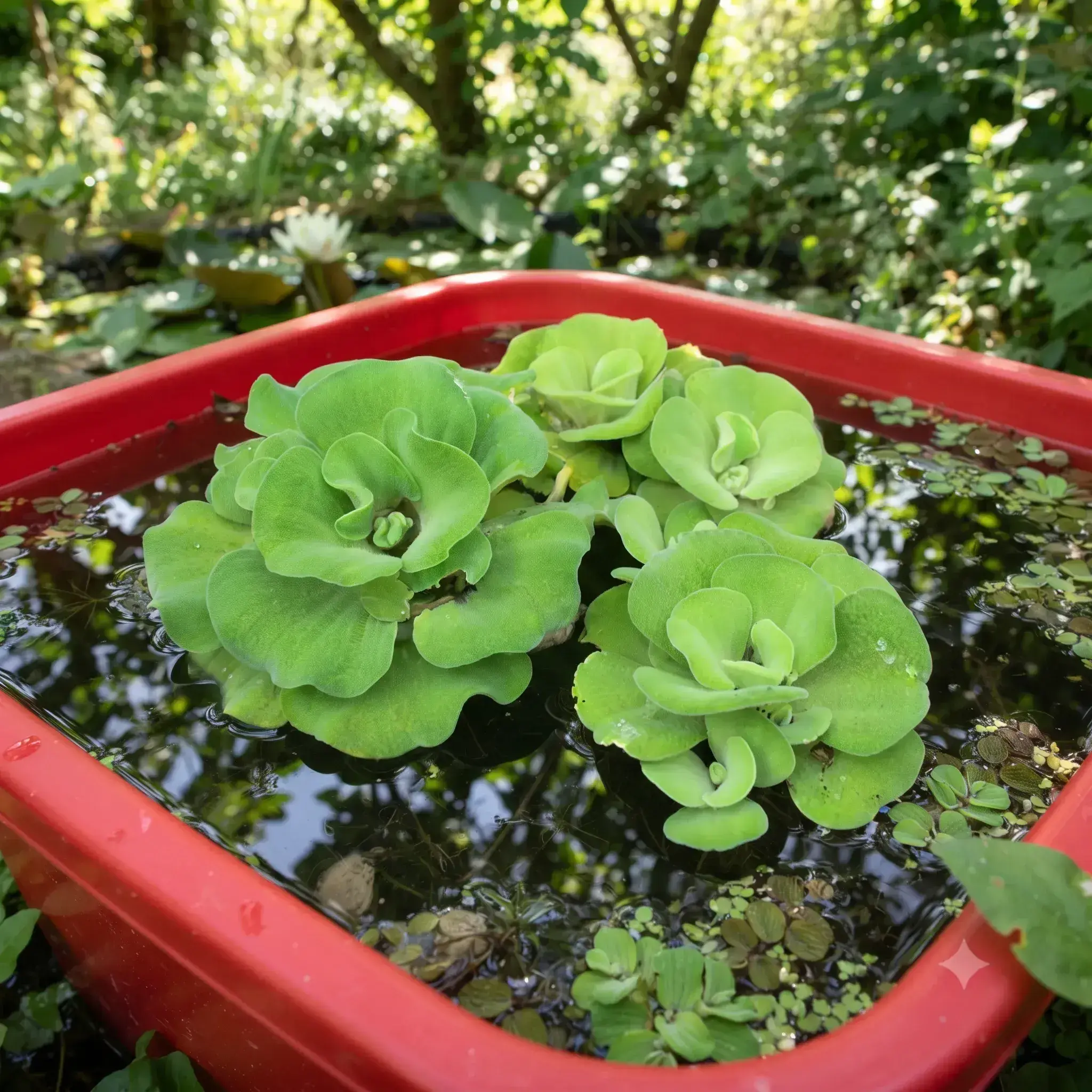
The Water Pistia Plant looks remarkably like a floating head of crisp leaf lettuce. Each wedge-shaped, pale green leaf is ribbed with parallel veins and densely covered in microscopic water-repellent hairs that trap air bubbles, keeping the rosette buoyant even during rain showers.
Beneath the water line hangs a dense curtain of fine, feathery roots that absorb minerals directly from the water. As each rosette matures, it sends out short horizontal runners (stolons) tipped with baby plantlets, quickly forming a lush floating cluster.
Flowers and Fruiting Notes
Although Pistia stratiotes rarely draws attention for its blooms, mature plants produce tiny, hidden flowers tucked deep in the leaf axils near the center of the rosette—consisting of a small, hairy pale-green spathe enclosing a minute spadix with a few male flowers above a single female flower, typical of the aroid family.
In home aquariums and ponds, reproduction happens almost entirely vegetatively through daughter offsets rather than seeds.
Aquarium and Fish Pond Benefits
Adding Pistia stratiotes to a freshwater setup brings immediate ecological balance alongside natural surface greenery.
Natural Water Filtration and Algae Control
By drawing dissolved ammonia, nitrites, nitrates, and phosphates straight from the water column and shading the water below, Water Lettuce helps keep pond and tank water clearer and discourages green-water algae.
Shelter for Fish and Shrimp
The trailing feathery roots offer safe hiding places for livebearer fry (such as guppies, platies, and mollies), bettas, gouramis, and freshwater shrimp, while shading fish from intense overhead sun.
Light Requirements
Pistia stratiotes thrives in bright sunlight to partial shade outdoors (around 4 to 6 hours of direct sun daily) or under moderate-to-high full-spectrum LED lighting in open-top aquariums.
In small, shallow balcony tubs exposed to intense summer heat above 40°C, provide light afternoon shade so the water does not overheat and bleach the velvety leaves. Keep aquarium lids open or raised several inches above the water so trapped condensation does not drip continuously onto the fuzzy leaves, which prefer dry upper surfaces.
Water Conditions and Care
Because Water Lettuce is a true free-floating aquatic plant, it requires no soil, gravel, or planting pot—simply place the rosette gently upright on the water surface so its roots dangle downward and its fuzzy leaves stay above water.
Water Movement and Temperature
Pistia stratiotes prefers calm or gently circulating freshwater and dislikes strong filter waterfalls or turbulent splashes that push the rosettes underwater. Maintain water temperatures between 20°C and 30°C and a slightly acidic to neutral water pH of 6.5 to 7.5.
Topping Up Evaporated Water
In outdoor balcony tubs and fish ponds, top up evaporated water weekly using dechlorinated tap water or aged rainwater so dissolved salts do not build up.
Soil and Potting Requirements
Pistia stratiotes requires no soil or potting substrate at all—it floats freely on the water surface and absorbs all nutrients through its submerged feathery roots. If grown in a lotus tub or pond alongside potted water lilies, it shares the water column harmoniously without competing for pot soil.
Growing the Plant in the Indian Climate
Pistia stratiotes adapts effortlessly across warm tropical and subtropical Indian cities, including Kolkata, West Bengal, Mumbai, Bengaluru, Chennai, Hyderabad, Pune, and Delhi-NCR.
Summer Care
Warm Indian weather stimulates rapid multiplication. In small balcony tubs during peak May heat, place the tub where it receives morning sun and afternoon shade so water stays cool and leaves stay vibrant green.
Monsoon Care
In high-rainfall regions like Kolkata and coastal India, monsoon rain refreshes outdoor ponds and tubs, triggering fast rosette expansion. Ensure outdoor tubs have an overflow notch so heavy rain does not wash floating plants out into public drains or waterways.
Winter Care
Pistia stratiotes is a tropical aquatic plant and is sensitive to frost and cold water below 12°C–15°C. In northern Indian plains where winter nights turn very cold, keep water tubs in a sunny, wind-sheltered spot or move a few healthy rosettes into a bright indoor tank until spring warmth returns.
Fertilizer and Nutrition
In stocked fish ponds and aquariums, fish waste naturally supplies the nitrogen and phosphorus Water Lettuce needs.
If growing Pistia stratiotes in a fish-free decorative water bowl or lotus tub where leaves begin turning pale yellow, add a tiny dose of aquarium-safe liquid aquatic plant fertilizer (containing iron and trace micronutrients) once every 3 to 4 weeks according to label directions. Always use fish-safe formulations if fish, snails, or shrimp live in the water.
Growing in Aquariums vs. Outdoor Ponds
In open-top indoor aquariums, Water Lettuce stays compact (around 5 to 10 cm across) and develops long, delicate root curtains that look striking from the side glass. In sunny outdoor ponds and large balcony tubs, rosettes grow much larger (up to 15 to 20 cm across) with thicker, ribbed leaves.
Note that large herbivorous fish such as koi, large goldfish, or silver dollars may nibble on the tender hanging roots, whereas small community fish, guppies, bettas, and shrimp leave the plants intact.
Maintenance and Thinning
Under favorable warm, sunny conditions, Pistia stratiotes multiplies rapidly via runners and can cover a pond surface within weeks.
Routinely remove excess daughter plants so Water Lettuce covers no more than 40% to 50% of the water surface—leaving open water ensures proper oxygen exchange for fish and allows light to reach submerged aquarium plants below. Snip off any yellowing outer leaves cleanly to prevent decaying foliage from clouding the water.
Propagation
Propagation is completely effortless and automatic: healthy mother rosettes produce horizontal stolons bearing baby plantlets. Once a daughter rosette develops its own small tuft of roots and 3 to 4 leaves, you can gently pinch the connecting runner to separate it or let clusters drift naturally.
Common Problems and Plant Care
Keeping leaves dry on top, water calm, and nutrients balanced prevents most common Water Lettuce issues.
1. Yellowing Leaves (Chlorosis)
Pale yellow or translucent leaves usually indicate a lack of nutrients (especially nitrogen or iron in unstocked water bowls) or overly intense, hot midday sun. Move the tub to bright morning sun or add a few drops of fish-safe liquid aquatic fertilizer.
2. Melting or Rotting Center Leaves
Soft, mushy leaves rotting from the crown happen when strong filter flow pushes rosettes underwater, when condensation drips constantly from a closed aquarium lid, or during cold winter snaps. Calm the water surface, keep tank tops open, and maintain warm water temperatures.
3. Aphids on Floating Leaves
In outdoor ponds, small dark water-lily aphids occasionally cluster on the upper leaf surfaces. Gently submerge the rosettes briefly underwater so fish can eat the aphids, or rinse leaves with a gentle spray of water—never use chemical insecticides in fish ponds.
4. Overcrowding the Pond Surface
Allowing Water Lettuce to cover 100% of a pond blocks light and reduces oxygen levels at night. Thin out extra plants every 2 to 3 weeks and compost the surplus.
Suitability for Aquariums & Ponds
The Water Pistia Plant is ideal for outdoor fish ponds, balcony lotus tubs, patio water bowls, wildlife water gardens, and open-top freshwater aquariums. It is not suitable for sealed, tightly lidded aquariums with heavy condensation or fast-flowing river-style tanks.
Safety and Ecological Responsibility
Pistia stratiotes is safe for aquarium fish, shrimp, and snails, though like other members of the arum family (Araceae), its tissues contain microscopic calcium oxalate crystals that can cause mild mouth or stomach irritation if chewed by cats, dogs, or humans. Important environmental note: because Water Lettuce multiplies rapidly in warm climates and can clog natural canals and lakes, NEVER discard surplus plants into local ponds, rivers, or drains—always compost removed plants on dry land.
Live Plant Delivery Information
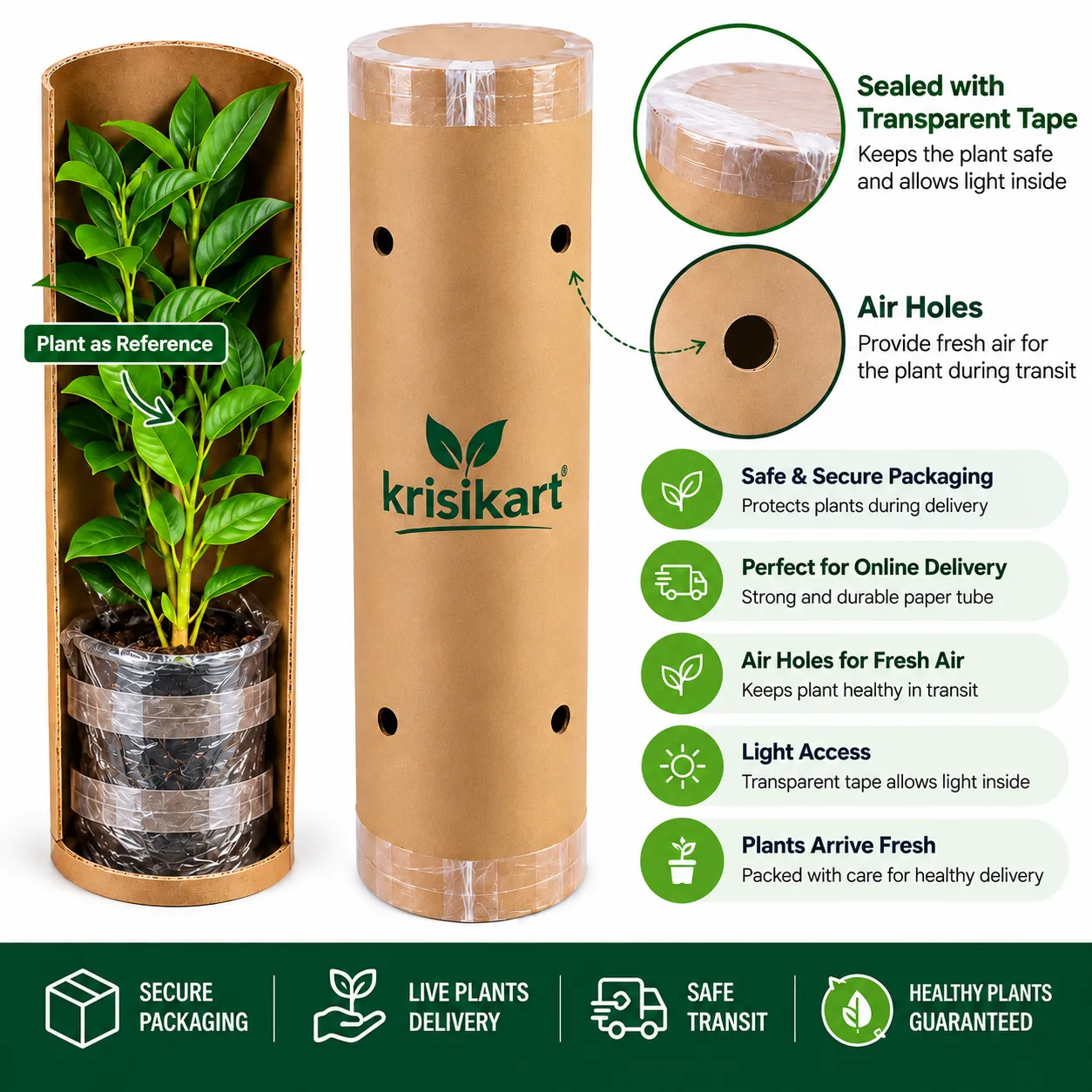
Live aquatic plants vary naturally in rosette diameter, leaf count, and root length. Because Pistia stratiotes travels wrapped in damp media without open water, mild transit stress—including slightly flattened outer leaves or a few yellowed edges—is normal upon arrival.
Upon receiving your Water Pistia Plant, rinse the roots gently in dechlorinated or aged water to remove any packing residue and float the rosettes immediately in calm, bright water out of harsh midday sun for the first 2 to 3 days. Fresh green center leaves will expand rapidly once floating.
Why Choose the Water Pistia Plant for Your Aquarium & Pond?
Effortless to float, attractive from above and below the waterline, and hard-working as a natural water purifier, the Water Pistia Plant (Water Lettuce) brings instant life and ecological balance to aquariums and fish ponds. Given calm freshwater, bright light, and routine thinning, Pistia stratiotes keeps your water clear and your fish sheltered year-round.
Botanical Information and Further Reading
- Kew Science – Plants of the World Online: Pistia stratiotes L.
- Royal Horticultural Society (RHS) – Pistia stratiotes Plant Details
- eFlora of India – Pistia stratiotes Botanical Reference
- India Biodiversity Portal – Pistia stratiotes L. Species Profile
- NParks Flora & Fauna Web – Pistia stratiotes (Water Lettuce) Profile
Frequently Asked Questions (FAQs)
1. What is the botanical name of the Water Pistia or Water Lettuce Plant?
The accepted botanical name of Water Pistia / Water Lettuce is Pistia stratiotes, and it belongs to the arum family Araceae.
2. Does Water Lettuce need soil or a pot to grow?
No, Pistia stratiotes is a completely free-floating aquatic plant. Simply place it gently on the water surface and its feathery roots will hang down to absorb nutrients directly from the water.
3. Is the Water Pistia Plant safe for aquarium fish and shrimp?
Yes, it is safe for freshwater fish, shrimp, and snails, and its trailing roots provide excellent hiding cover for small fish and baby fry.
4. How does Water Lettuce help keep pond and aquarium water clean?
Its submerged roots absorb excess nitrates, ammonia, and phosphates from fish waste while its floating rosettes shade the water, helping reduce green algae growth naturally.
5. How much light does Pistia stratiotes need?
It thrives in bright indirect light to full sun (around 4 to 6 hours of sunlight daily outdoors, or bright full-spectrum aquarium lighting indoors), with light afternoon shade during peak summer heat.
6. Why are the leaves of my Water Lettuce turning yellow or melting?
Yellowing usually indicates a lack of dissolved nutrients in fish-free water bowls or overly intense midday sun, while soft rotting leaves happen if strong filter currents push the leaves underwater or if water drips constantly from a closed aquarium lid.
7. How fast does Water Lettuce multiply?
In warm, bright water with nutrients, Pistia stratiotes multiplies rapidly by sending out horizontal runners with baby rosettes, often doubling in coverage every couple of weeks.
8. How much of my pond or tank surface should Water Lettuce cover?
Keep coverage around 40% to 50% of the water surface and thin out extra rosettes regularly so oxygen exchange and light penetration remain healthy for fish and underwater plants.
9. What should I do with extra Water Lettuce plants when I thin them out?
Never throw surplus plants into natural lakes, ponds, rivers, or drains, as Pistia stratiotes can become invasive in natural waterways—always compost removed plants on dry land.
10. Can I grow Water Pistia in a balcony lotus tub or ceramic bowl?
Yes, it grows very well in outdoor balcony lotus tubs, ceramic water bowls, and patio ponds with calm freshwater and bright light.
11. Is Pistia stratiotes safe around pet cats and dogs?
Like other members of the arum family (Araceae), its leaves contain calcium oxalate crystals that can irritate a pet’s mouth or stomach if chewed, so place water bowls out of reach of curious pets.
12. Does Water Lettuce survive Indian winters?
It thrives year-round in warm southern and eastern Indian cities like Kolkata, Mumbai, and Chennai, while in cold northern winters with frost it should be kept in a sunny, sheltered spot or moved indoors until spring.
For More Information
Visit: krisikart.com
For Contact Visit:Contact Us
For Shopping Visit: Shop Page


Kishore Rao –
Price ke according quality bahut achhi hai.
nice package