 Plastic Plant pot | Plastic Garden Pot for Plants
 Self Watering Planters | Self Watering Plant Pots For Plants
Eucalyptus Tree – Safeda Plant (Eucalyptus spp.) for Home Garden
The Eucalyptus Plant, commonly known in India as Safeda, Nilgiri or Eucalyptus Tree. It is admired for its aromatic leaves, attractive bark, fast growth and graceful branching habit.
Eucalyptus trees are popular in India for landscaping, roadside planting, farm boundaries, forestry and timber production. Their leaves contain aromatic oils, and many species have a distinctive fresh fragrance when crushed.
The Eucalyptus genus includes hundreds of species, ranging from medium-sized ornamental trees to very large forest trees. A young Safeda plant can be grown in a nursery container, but most commonly cultivated eucalyptus trees eventually need plenty of outdoor space.
Plant Highlights
- Common Names: Eucalyptus, Safeda Tree, Nilgiri Tree, Blue Gum, Gum Tree
- Botanical Name: Eucalyptus spp.
- Family: Myrtaceae
- Plant Type: Evergreen tree or shrub, depending on species
- Native Origin: Mainly Australia, with some species native to nearby regions
- Foliage: Aromatic green leaves
- Bark: Smooth, fibrous, peeling or rough, depending on species
- Flower Colour: White, cream, yellow, pink or red, depending on species
- Fruit: Woody seed capsules
- Light Requirement: Full sunlight
- Water Requirement: Regular watering when young; many species tolerate dry periods once established
- Growth Rate: Often fast-growing
- Best For: Spacious home gardens, farmhouses, landscaping and outdoor planting
- Maintenance: Low to moderate
About the Eucalyptus Tree
Eucalyptus is a large genus of evergreen trees and shrubs belonging to the Myrtaceae family. Most species originate from Australia, although the genus also extends into parts of Southeast Asia and nearby regions.
In India, Eucalyptus is commonly known as Safeda or Nilgiri. Different species and selected hybrids are cultivated for timber, paper pulp, essential oils, shade and landscaping.
Some commonly cultivated species include:
- Eucalyptus tereticornis – Mysore Gum or Forest Red Gum
- Eucalyptus camaldulensis – River Red Gum
- Eucalyptus globulus – Blue Gum
- Eucalyptus grandis – Rose Gum
- Eucalyptus citriodora – Lemon-scented Gum, also known in modern classification as Corymbia citriodora
The exact appearance, mature size, fragrance and growing requirements depend on the species or hybrid supplied by the nursery.
Appearance and Growth
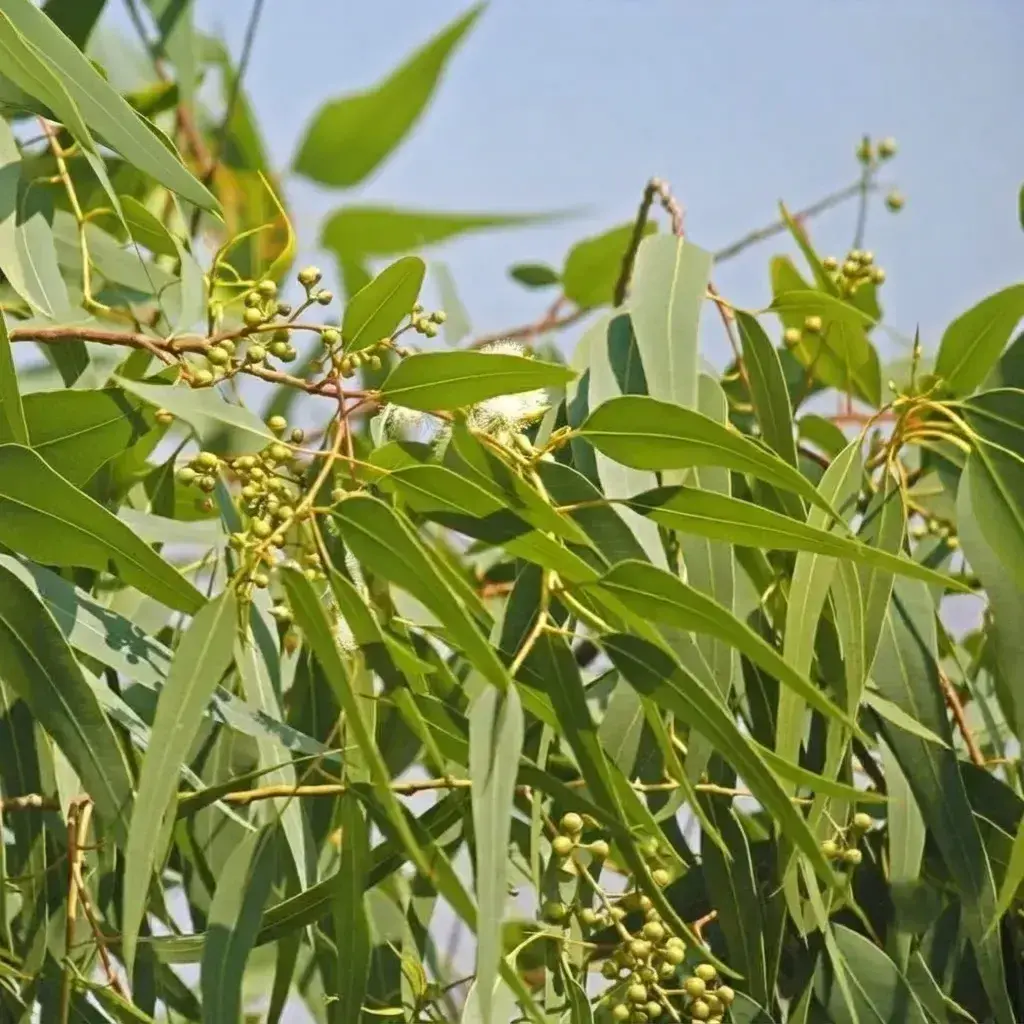
Eucalyptus trees have an attractive natural appearance and are recognised by their aromatic foliage and distinctive bark.
Common features include:
- Narrow, elongated or sickle-shaped mature leaves
- Green or grey-green foliage
- Aromatic oil glands in the leaves
- Upright trunk and spreading branches
- Smooth or peeling bark in some species
- White, cream, yellow or colourful flowers depending on the species
- Woody seed capsules after flowering
Young plants may have rounded or broader leaves, while mature foliage often becomes longer and narrower.
Many eucalyptus species grow quickly and can become large trees. Their mature height varies considerably, so the exact species should be confirmed before selecting a permanent planting location.
Flowers and Flowering Season
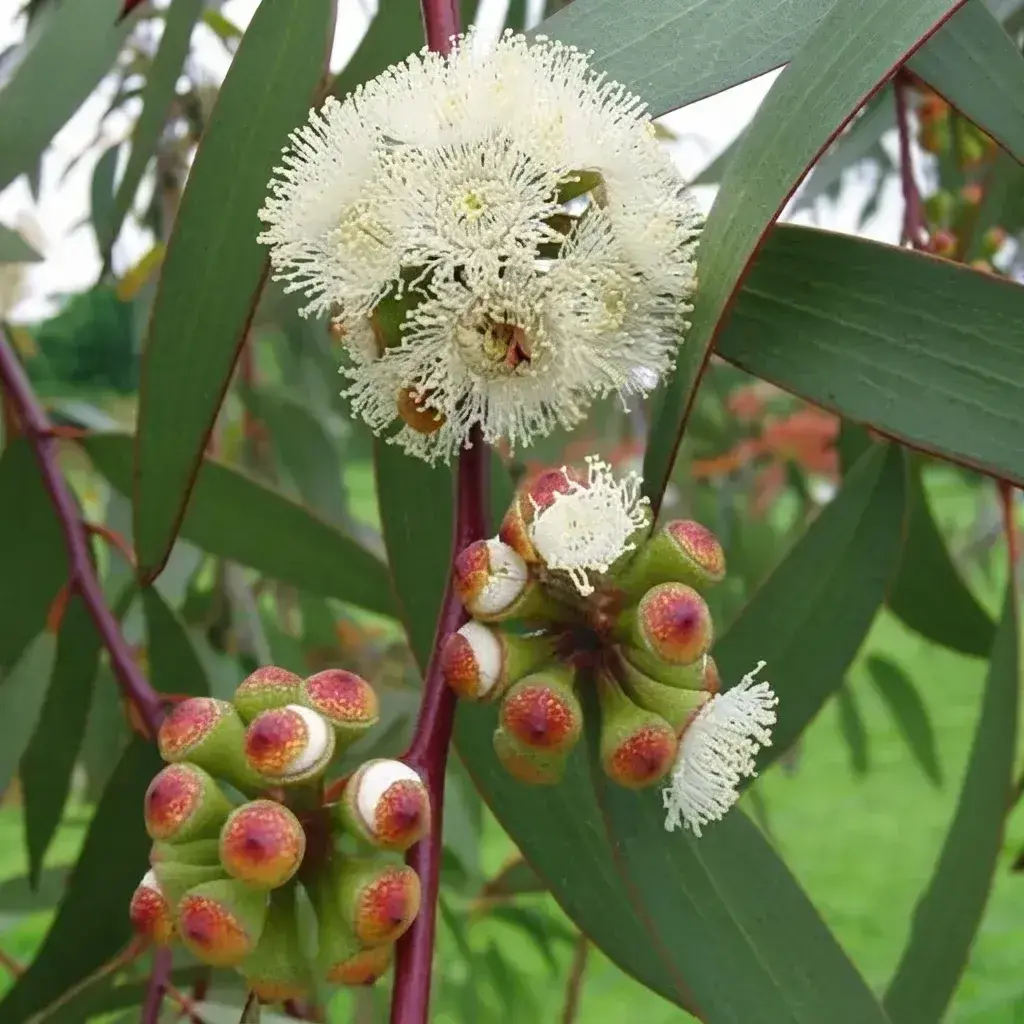
Eucalyptus trees produce distinctive flowers that usually have numerous prominent stamens. Unlike many flowering plants, the flowers often have no obvious colourful petals.
Depending on the species, flowers may be:
- White
- Cream
- Yellow
- Pink
- Red
The flowers attract bees and other pollinating insects. Some eucalyptus species are also valued as nectar sources for honey production.
Flowering seasons vary by species, location and climate. A young nursery plant may take several years to reach flowering maturity.
Sunlight Requirements
Most eucalyptus species grow best in full sunlight. Good sunlight supports healthy foliage, strong stems and normal growth.
Suitable locations:
- Open home gardens
- Farmhouses
- Sunny outdoor spaces
- Large landscape gardens
- Agricultural boundaries
- Spacious garden areas
Choose a location receiving several hours of direct sunlight each day.
Eucalyptus is generally not suitable as a permanent indoor plant because most species need strong sunlight and eventually develop into substantial outdoor trees.
Watering Requirements
Young eucalyptus plants need regular watering while their roots establish. Once established, many species can tolerate periods of dry weather, although water requirements vary by species.
Follow these guidelines:
- Water regularly during the establishment period.
- Keep the soil moderately moist while the plant is young.
- Allow excess water to drain freely.
- Reduce additional watering during the monsoon.
- Water during prolonged dry periods when necessary.
Important for West Bengal: The monsoon provides seasonal rainfall, but young plants should not remain in stagnant water. Good drainage is important for healthy root development.
Avoid assuming that every eucalyptus species has the same drought tolerance or water requirements.
Best Soil for Eucalyptus Tree
Eucalyptus grows in a range of soil types, depending on the species. Many commonly cultivated species prefer light, well-drained soil.
A suitable planting mixture can include:
- 40% garden soil
- 30% loamy soil
- 20% mature compost
- 10% coarse sand for improved drainage
For ground planting, improve compact soil before planting. The soil should allow roots to develop without remaining waterlogged.
The ideal soil conditions depend on the exact eucalyptus species and the local site.
Temperature and Indian Climate
Many eucalyptus species prefer warm tropical or subtropical conditions and can grow successfully in different parts of India.
In West Bengal, suitable species can grow well under warm conditions with seasonal rainfall.
For healthy development:
- Provide full sunlight.
- Water young plants regularly.
- Maintain good soil drainage.
- Protect young plants from prolonged dryness.
- Avoid locations with persistent waterlogging.
- Allow enough room for the mature tree.
Some eucalyptus species prefer cooler climates or higher elevations, so the exact species matters when choosing a plant for a particular location.
Fertilizer Requirements
Eucalyptus generally does not need heavy fertilization once established in suitable soil.
For young plants:
- Add mature compost to the planting soil.
- Use well-decomposed organic manure when needed.
- Apply a balanced tree fertilizer according to its label if growth is poor or soil fertility is low.
- Avoid excessive fertilizer application.
- Keep fresh manure away from direct contact with the trunk.
A soil test can help determine whether additional nutrients are required.
Growing Eucalyptus in Pots
A young eucalyptus plant can be grown temporarily in a large container. Some naturally smaller species may be suitable for long-term container cultivation with appropriate care.
However, many eucalyptus species become large trees and are not suitable for permanent small-pot growing.
If growing one in a container:
- Choose a large, sturdy pot with drainage holes.
- Use a well-draining potting mixture.
- Provide full sunlight.
- Water regularly while the plant establishes.
- Monitor root development.
- Prune carefully if appropriate for the species.
- Plan for a suitable permanent planting location if it becomes too large.
Do not assume that keeping a tree in a small pot will produce a healthy dwarf variety.
Best Places to Plant Eucalyptus Tree
Home Garden: Plant only where there is enough space for the mature tree and its root system.
Farmhouse: Eucalyptus can be suitable for spacious properties and managed tree plantations.
Agricultural Boundary: Some species are planted along field boundaries, with suitable spacing.
Landscape Garden: Selected smaller species can be used as ornamental trees in larger landscapes.
Open Outdoor Spaces: Sunny locations with suitable soil and enough growing room are generally preferable.
Avoid planting large-growing eucalyptus trees too close to buildings, underground pipes, drains, boundary walls or overhead electrical wires.
Pruning and Maintenance
Eucalyptus generally requires basic maintenance, although pruning needs depend on the species and intended use.
- Remove dry or damaged branches.
- Remove weak or crossing branches when necessary.
- Maintain a suitable structure while the tree is young.
- Remove dead plant material around the base.
- Inspect the trunk and branches periodically.
- Avoid severe pruning without understanding the species’ response.
Some eucalyptus trees can develop heavy branches, so major pruning should be carried out by a qualified tree-care professional.
Propagation
Eucalyptus is commonly propagated through seeds. Selected commercial clones may also be propagated through vegetative methods such as cuttings.
Seed propagation:
- Collect mature seed capsules from a correctly identified parent tree.
- Extract the seeds carefully.
- Prepare a clean nursery mixture with good drainage.
- Sow the seeds according to the species’ requirements.
- Maintain suitable moisture without waterlogging.
- Provide warmth and adequate light.
- Transplant healthy seedlings after they develop sufficiently.
Seed germination and growth vary among species. Selected commercial planting material may require specialised nursery techniques.
Common Problems and Solutions
1. Yellowing leaves
Yellowing can result from water stress, nutrient deficiency, poor drainage or natural ageing. Check soil moisture and root condition.
2. Dry or brown leaf edges
Dry soil, hot winds or environmental stress can cause leaf damage. Water young plants appropriately and check their growing conditions.
3. Slow growth
Insufficient sunlight, unsuitable soil or poor root establishment may slow growth. Provide full sunlight and appropriate care for the species.
4. Drooping leaves
The plant may be experiencing water stress or root problems. Check soil moisture and drainage.
5. Branch damage
Strong winds, weak branch attachments or excessive growth can cause branch damage. Remove dangerous damaged branches with professional help.
6. Pest problems
Eucalyptus may be affected by different insects and fungal diseases depending on the species and location. Inspect leaves, stems and bark regularly and use suitable plant-safe treatments according to their labels.
7. Root problems
Prolonged waterlogging can damage roots. Improve drainage and avoid planting in areas where water remains stagnant.
Is Eucalyptus Suitable for Home Gardens?
Eucalyptus can be grown in a home garden if sufficient outdoor space is available and the selected species is suitable for the location.
It is particularly appropriate for:
- Spacious gardens
- Farmhouses
- Large landscape properties
- Agricultural boundaries
- Managed tree plantations
However, many eucalyptus species become tall trees with spreading crowns and extensive root systems. They are not ideal for very small gardens, narrow courtyards or permanent indoor growing.
If your garden has limited space, confirm the exact species and its expected mature size before planting.
Traditional Uses and Important Precautions
Eucalyptus trees have several commercial and traditional uses.
- Timber and wood products
- Paper and pulp production
- Fuelwood
- Essential oil production from selected species
- Nectar for honey-producing insects
- Ornamental and landscape planting
Some eucalyptus species contain aromatic oils, including cineole-rich oils. However, the composition varies by species.
Safety: Do not eat eucalyptus leaves or use homemade eucalyptus preparations as medicine. Concentrated eucalyptus oil can be poisonous if swallowed and may cause serious harm. Keep essential oils and plant material away from children and pets.
Eucalyptus leaves and oils are flammable, so avoid planting large quantities close to buildings where fire risk is a concern.
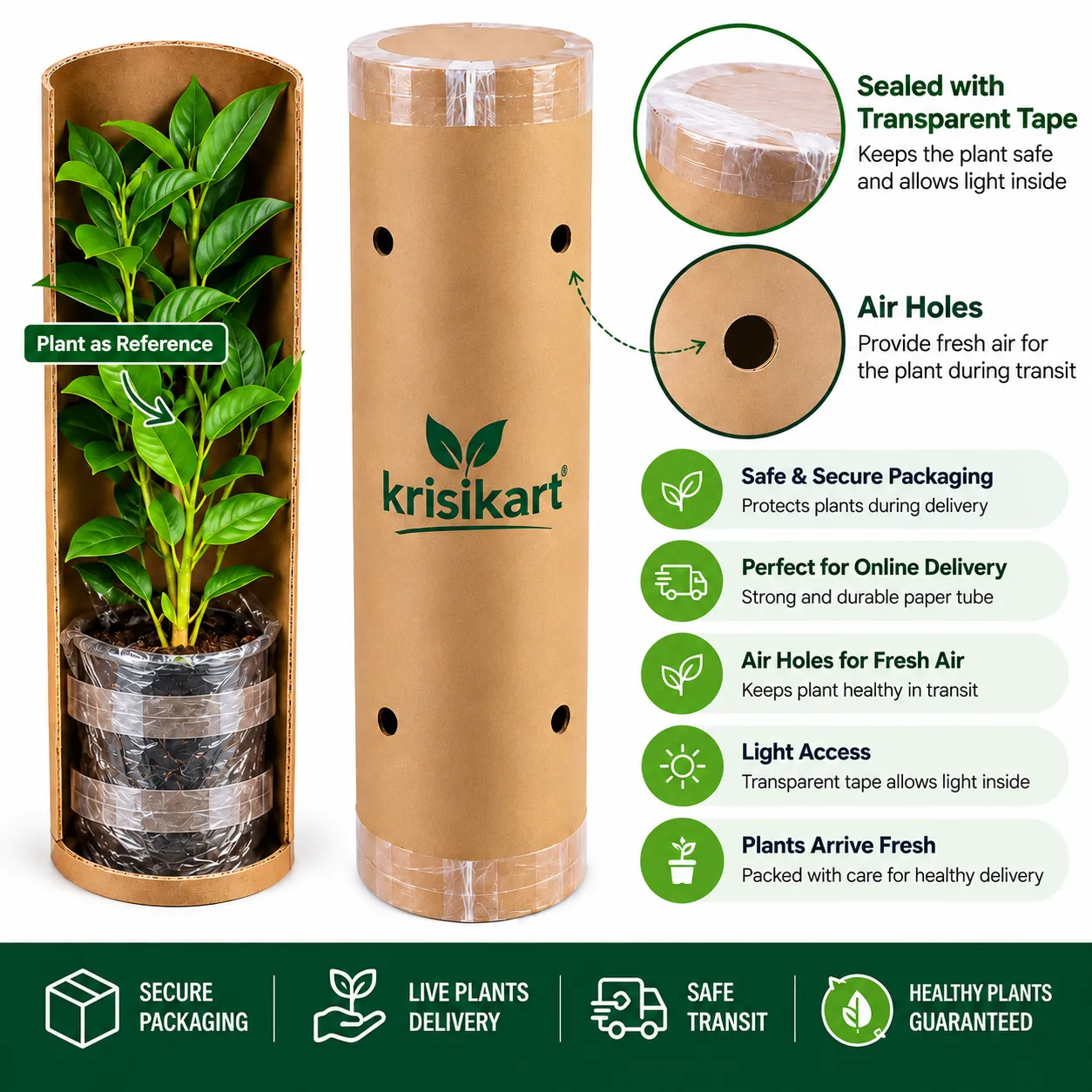
Live Plant Delivery
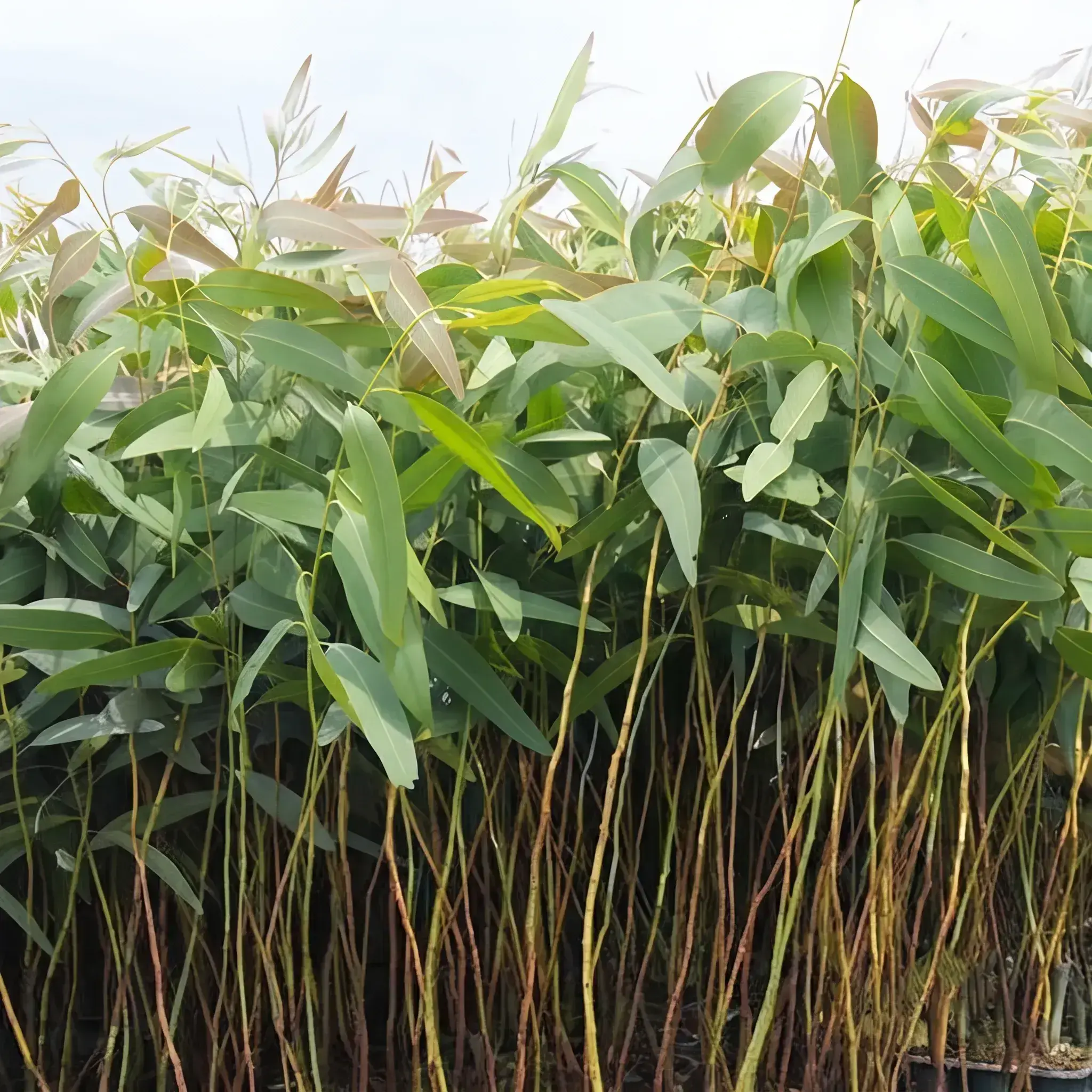
Your Eucalyptus Plant (Safeda Tree) will be supplied as a live ornamental tree suitable for growing in a home garden, farmhouse or outdoor landscape.
As this is a living plant, height, stem thickness, leaf shape, foliage colour and overall appearance may vary according to its growth stage and species. The delivered plant may look slightly different from the product photograph.
After delivery, plant it in a sunny outdoor location with suitable soil and adequate space. Water regularly while the young plant establishes.
Please note that Eucalyptus spp. refers to a group of species, not one specific tree. The mature size, leaf fragrance and growing requirements depend on the actual species or hybrid supplied.
Why Choose the Eucalyptus Plant?
- Popular evergreen tree known as Safeda
- Attractive aromatic foliage
- Distinctive bark and branching patterns
- Fast growth in many cultivated species
- Suitable for spacious home gardens and farmhouses
- Adaptable to different soil conditions
- Some species produce attractive flowers
- Useful for landscaping and managed tree planting
- A popular addition to outdoor tree collections
Botanical Information & Further Reading
Learn more about eucalyptus species, their botanical characteristics and cultivation:
- Royal Botanic Gardens, Kew – Eucalyptus Genus
- Kerala Agricultural University – Eucalyptus Cultivation
- Central Agroforestry Research Institute – Promising Agroforestry Trees in India
- RHS – How to Grow Eucalyptus
- North Carolina State Extension – Eucalyptus Plant Information
- Australian National Botanic Gardens – Eucalypts and Their Characteristics
- World Agroforestry – Eucalyptus Species Information
Frequently Asked Questions
1. What is the botanical name of the Safeda Tree?
Safeda is a common name used for several eucalyptus species. Its botanical name should be written as Eucalyptus spp. when the exact species is unknown.
2. Is Eucalyptus the same as Nilgiri Tree?
Yes. Nilgiri and Safeda are common Indian names used for different eucalyptus species.
3. Is Eucalyptus an evergreen tree?
Most eucalyptus species are evergreen and retain their leaves throughout the year, although individual leaves are naturally replaced over time.
4. Can Eucalyptus grow in West Bengal?
Yes. Suitable eucalyptus species can grow in West Bengal’s warm climate, provided the soil, water and planting location meet their requirements.
5. Does Eucalyptus need direct sunlight?
Yes. Most commonly cultivated eucalyptus trees grow best in full sunlight.
6. How often should I water a Eucalyptus plant?
Water regularly while the plant is young. Once established, many species tolerate periods of dry weather, but watering requirements vary.
7. How tall can a Eucalyptus tree grow?
The height depends on the species. Some remain relatively small, while others can grow into very large forest trees.
8. Can Eucalyptus grow in a pot?
Young plants can be grown temporarily in large containers. Most large-growing species are better suited to planting in the ground.
9. Does Eucalyptus produce flowers?
Yes. Eucalyptus species produce flowers in different colours, including white, cream, yellow, pink and red.
10. Are Eucalyptus leaves aromatic?
Yes. Many eucalyptus species have aromatic oil glands in their leaves. The fragrance varies depending on the species.
11. Is Eucalyptus a fast-growing tree?
Many cultivated eucalyptus species grow quickly under favourable conditions, although growth rates vary.
12. What soil is best for Eucalyptus?
Many species prefer well-drained soil. The ideal soil type depends on the exact species and local climate.
13. Is Eucalyptus suitable for small home gardens?
Many species grow too large for small gardens. Confirm the exact species and mature size before planting.
14. Is Eucalyptus oil safe to consume?
No. Concentrated eucalyptus oil can be poisonous if swallowed. Do not consume eucalyptus oil or use homemade medicinal preparations.
For More Information
Visit: krisikart.com
For Contact Visit:Contact Us
For Shopping Visit: Shop Page


Reviews
There are no reviews yet.