 Plastic Plant pot | Plastic Garden Pot for Plants
 Self Watering Planters | Self Watering Plant Pots For Plants
String of Nickels Plant – Nickels Plant (Dischidia nummularia) for Home & Garden
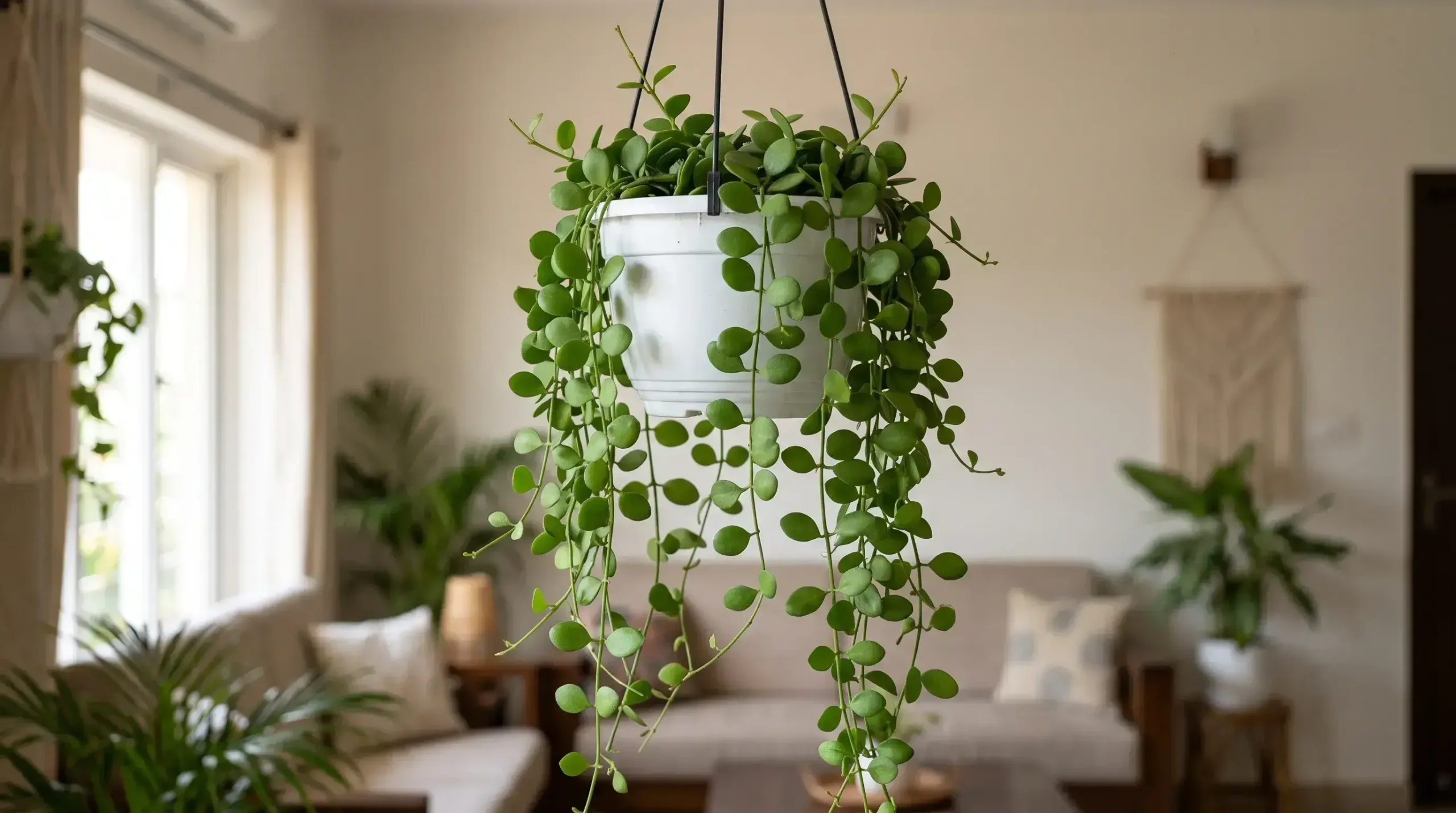
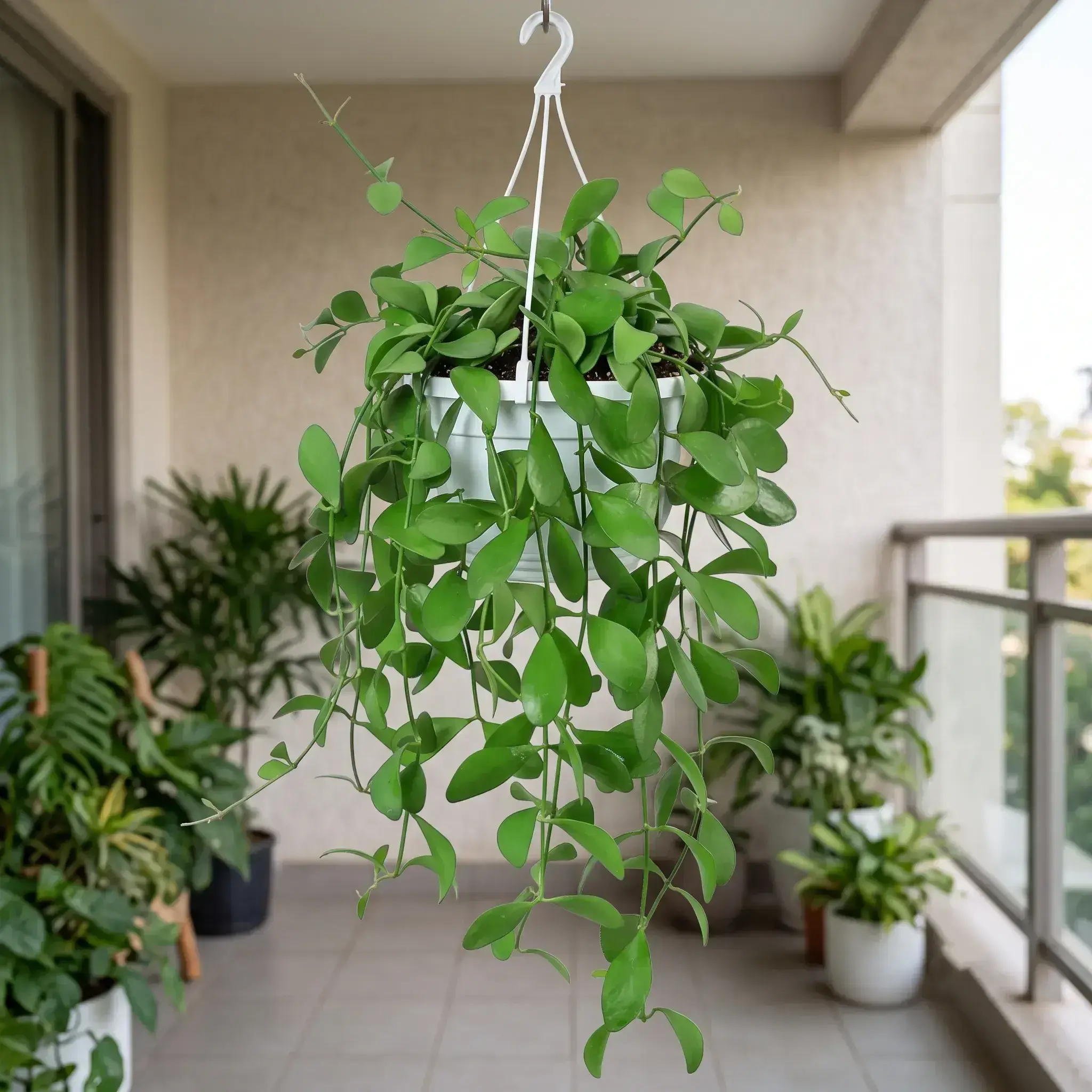
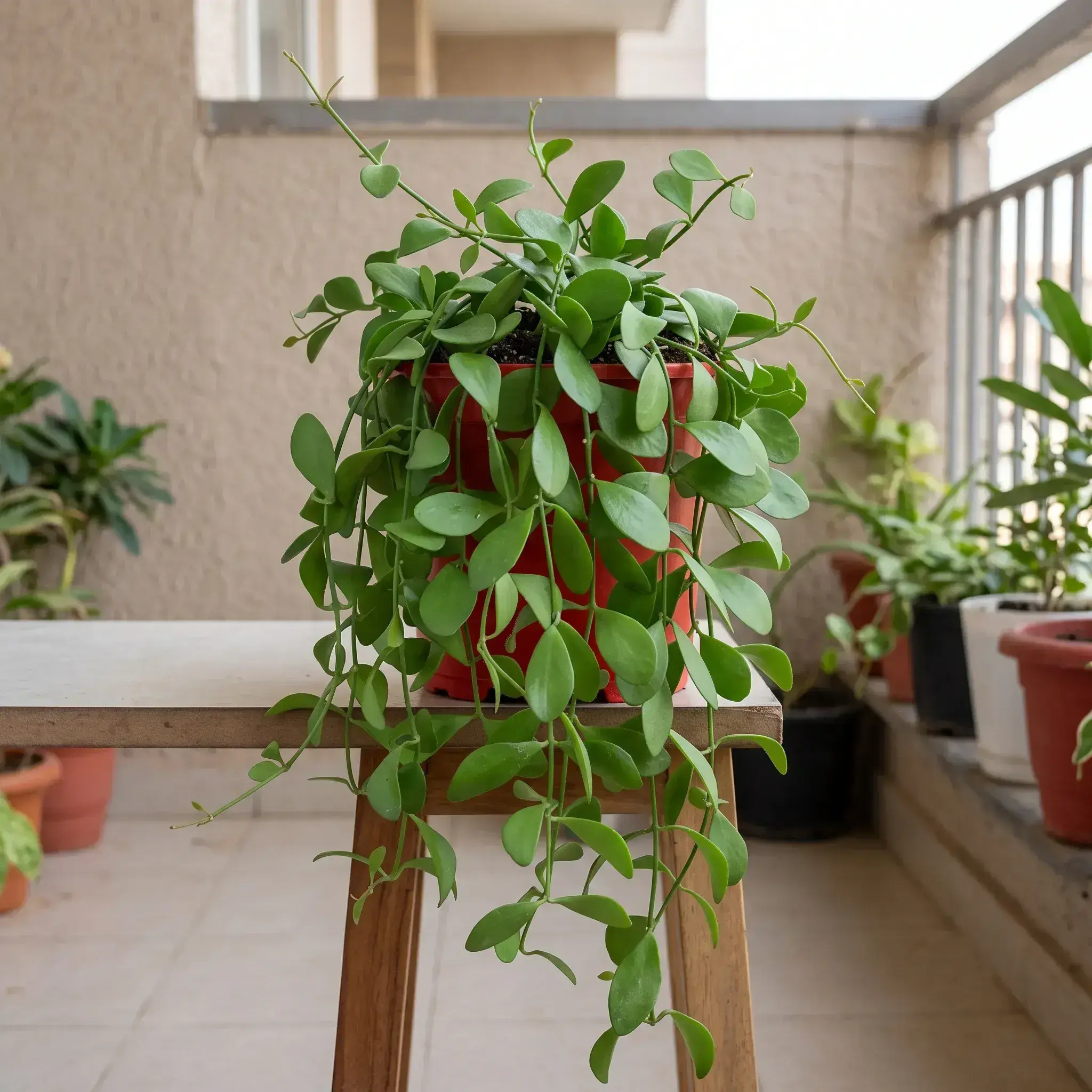
The String of Nickels Plant, also known as the Nickels Plant or Button Orchid (Dischidia Nummularia). This unusual ornamental trailing plant is admired for its small, round, fleshy leaves that resemble tiny green coins arranged along slender hanging stems.
The botanical name of this plant is Dischidia nummularia. It is an epiphytic plant that naturally grows on trees and other surfaces in tropical habitats. Its trailing stems and attractive coin-shaped leaves make it an excellent choice for hanging baskets, balcony gardens, decorative shelves and indoor plant collections.
Unlike ordinary desert succulents, String of Nickels prefers an airy growing medium, bright filtered light and suitable humidity. With proper care, its stems can gradually grow longer and create a beautiful cascading effect.
Plant Highlights
- Common Names: String of Nickels, Nickels Plant, Button Orchid, Coin Plant
- Botanical Name: Dischidia nummularia
- Family: Apocynaceae
- Plant Type: Evergreen epiphytic climber
- Growth Habit: Trailing and cascading
- Leaf Shape: Small, round and coin-like
- Leaf Colour: Green to grey-green
- Light: Bright indirect or filtered sunlight
- Watering: Moderate; avoid waterlogging and prolonged dryness
- Maintenance: Moderate
- Best Uses: Hanging baskets, balcony decoration, shelves and indoor gardens
About the String of Nickels Plant
String of Nickels is a tropical epiphytic plant native to parts of South China, Southeast Asia and northern Queensland. It belongs to the Apocynaceae family, which also includes plants such as Hoya.
In its natural habitat, it grows along tree trunks and branches, using its roots to attach itself to supporting surfaces. It does not depend on ordinary garden soil in the same way as many terrestrial plants.
Its slender stems carry pairs of small, fleshy, rounded leaves. As the stems grow longer, they create a beautiful hanging appearance that makes the plant popular for vertical gardening and decorative hanging planters.
Appearance and Growth
The most attractive feature of the String of Nickels Plant is its coin-shaped foliage.
- Small, round and fleshy leaves
- Green to grey-green leaf colour
- Slender, flexible trailing stems
- Opposite leaf arrangement
- Naturally cascading growth habit
- Dense foliage under suitable growing conditions
The plant can develop long trailing stems that hang gracefully over the edges of baskets and pots.
Sunlight Requirements
String of Nickels grows best in bright, filtered natural light.
- Place it near a bright window.
- Provide filtered sunlight throughout the day.
- Gentle morning sunlight may be suitable.
- Protect it from harsh afternoon sunlight.
- Avoid keeping it in a dark indoor corner.
Too much direct sunlight can cause leaf scorching, while insufficient light may result in sparse growth and longer spaces between leaves.
Watering Requirements
Although String of Nickels has fleshy leaves, it should not be treated exactly like a desert cactus. Its roots need both moisture and good airflow.
- Water when the growing medium has partially dried.
- Water thoroughly enough to moisten the root zone.
- Allow excess water to drain completely.
- Avoid keeping the roots continuously wet.
- Do not allow the plant to remain completely dry for excessively long periods.
During hot weather, check the growing medium more frequently. During the monsoon, reduce watering if humidity is high and the medium dries slowly.
Soil and Potting Requirements
An airy, loose and well-draining growing medium is essential because this plant naturally grows as an epiphyte.
A suitable potting mixture can contain:
- 35% orchid bark or coco chips
- 25% cocopeat or suitable moisture-retaining material
- 25% perlite or pumice
- 15% mature compost or leaf mould
The mixture should provide airflow around the roots while retaining some moisture.
Avoid heavy garden soil or compact potting mixtures that remain wet for long periods.
Growing String of Nickels in the Indian Climate
String of Nickels can be grown in many Indian homes and balconies when its tropical growing requirements are managed properly.
Summer: Keep it in bright filtered light. Protect it from strong afternoon sunlight and check the growing medium regularly.
Monsoon: Provide good air circulation and protect the plant from continuous heavy rainfall. Avoid water collecting around the roots.
Winter: Reduce watering when growth slows. Protect the plant from unusually cold conditions and dry, harsh winds.
In humid regions such as West Bengal, a covered balcony or bright indoor location can provide suitable growing conditions when airflow and drainage are maintained.
Humidity Requirements
String of Nickels appreciates moderate to higher humidity because it naturally grows in tropical environments.
- Maintain suitable indoor humidity.
- Grouping plants together may help create a more humid microclimate.
- Provide good air circulation.
- Avoid keeping the plant in a permanently wet location.
- Do not rely on frequent leaf misting as a substitute for suitable growing conditions.
High humidity combined with stagnant air and wet roots can encourage fungal problems.
Fertilizer Requirements
String of Nickels does not require heavy feeding.
- Use a diluted balanced liquid fertilizer during active growth.
- Feed occasionally during the growing season.
- Follow the manufacturer’s recommended dosage.
- Avoid excessive nitrogen fertilizer.
- Do not fertilize a recently repotted or stressed plant.
Moderate feeding can support healthy stems and foliage.
Growing in Hanging Baskets
String of Nickels is particularly attractive in hanging baskets because its slender stems naturally cascade downward.
For best results:
- Choose a hanging pot with drainage holes.
- Use a lightweight, airy epiphytic growing medium.
- Place the basket in bright filtered light.
- Ensure the hanging support is strong enough.
- Allow the stems enough room to spread and trail.
- Avoid placing the basket in harsh afternoon sunlight.
It can also be grown on shelves or mounted on suitable supporting surfaces.
Pruning and Maintenance
The plant generally requires little pruning.
- Remove damaged or dried stems.
- Trim excessively long growth if necessary.
- Use clean pruning scissors.
- Remove dead leaves from the growing medium.
- Inspect the stems and leaf joints for pests.
- Avoid cutting too much healthy growth at once.
Regular trimming can encourage branching and help maintain a fuller hanging appearance.
Propagation
String of Nickels can be propagated through healthy stem cuttings.
Propagation by Stem Cuttings:
- Select a healthy stem with several pairs of leaves.
- Cut a suitable section using clean scissors.
- Place the cutting in an airy, slightly moist propagation medium.
- Keep it in bright indirect light.
- Maintain suitable humidity and airflow.
- Avoid keeping the medium waterlogged while roots develop.
Once the cutting establishes roots and begins growing, it can be transferred to a suitable hanging pot.
Flowering Details
String of Nickels can produce very small white to yellowish-white flowers along its stems. The flowers are usually inconspicuous and much smaller than those of many popular flowering houseplants.
Flowering depends on plant maturity and growing conditions. The plant is mainly grown for its attractive coin-shaped leaves and trailing habit.
Common Problems and Care
Yellow Leaves: May indicate overwatering, poor drainage or root stress. Check the growing medium before watering again.
Wrinkled Leaves: Can result from prolonged dryness or problems with root function.
Leaf Drop: May occur due to sudden environmental changes, insufficient moisture or excessive watering.
Sparse Growth: Often associated with insufficient light or unsuitable growing conditions.
Soft or Mushy Stems: May indicate prolonged moisture around the roots and possible stem rot.
Pest Problems: Inspect the stems and leaf joints for mealybugs, scale insects and other common houseplant pests.
Is String of Nickels Suitable for Indoor Decoration?
Yes. Its attractive round leaves and cascading stems make it a beautiful ornamental plant for indoor spaces with sufficient natural light.
It can be placed in:
- Bright living rooms
- Covered balconies
- Hanging baskets
- Window gardens
- Decorative shelves
- Office spaces with natural light
- Vertical plant displays
Its trailing growth makes it especially attractive when displayed at an elevated position.
Safety Information
String of Nickels belongs to the Apocynaceae family and produces a milky sap when damaged. Avoid ingesting any part of the plant and prevent sap from contacting sensitive skin or eyes. Keep it away from small children and pets, and wash your hands after pruning.
Live Plant Delivery Information
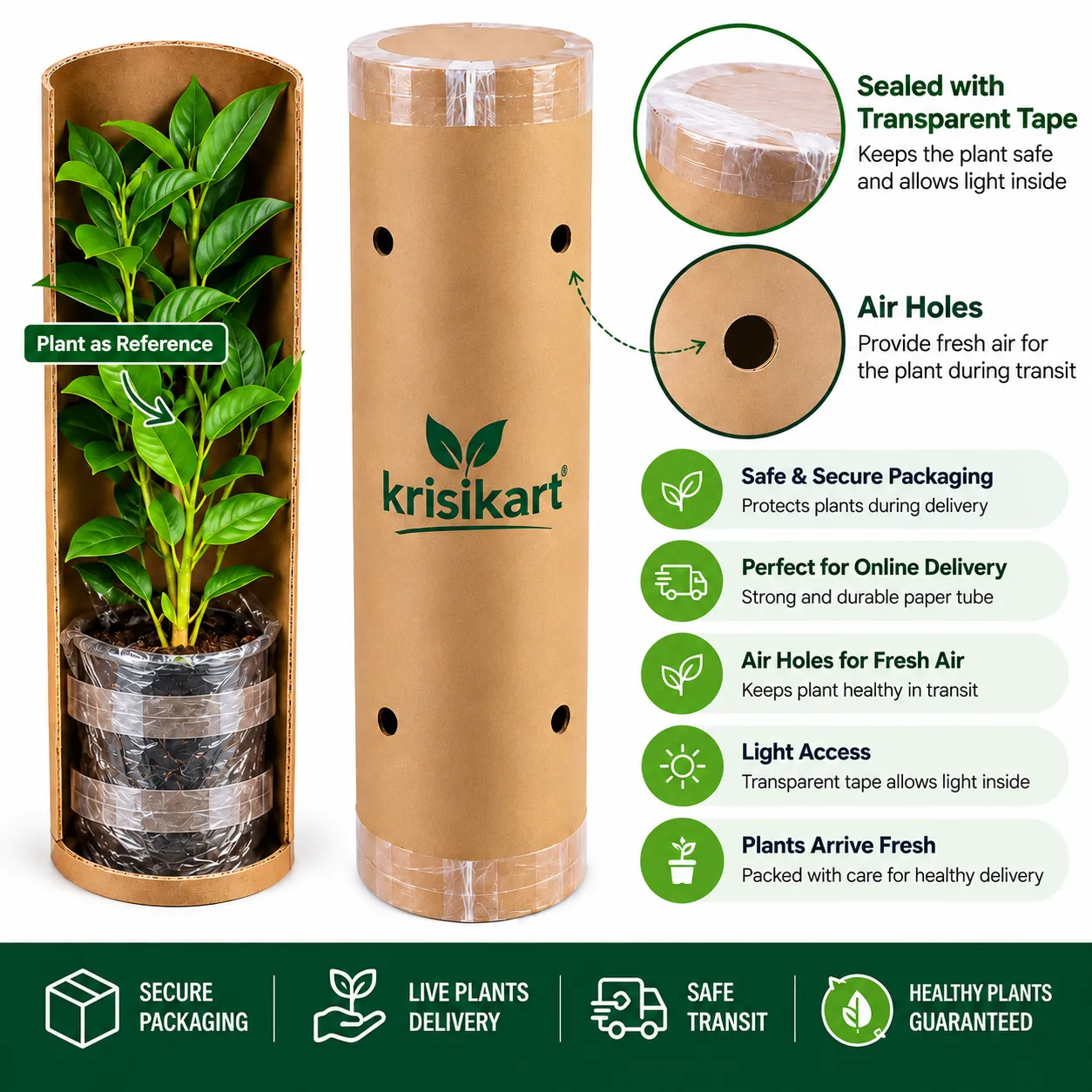
- The delivered plant may naturally vary in stem length, leaf count and foliage density.
- Leaf colour may vary slightly with age and growing conditions.
- Minor leaf drop or changes in appearance may occur during transportation.
- Place the plant in bright filtered light after delivery.
- Check the growing medium before watering.
- Avoid immediate strong sunlight, heavy fertilizer or unnecessary repotting.
- Allow the plant time to adjust to its new environment.
Why Choose the String of Nickels Plant?
String of Nickels is an excellent choice for anyone who enjoys unusual foliage and cascading ornamental plants. Its small coin-shaped leaves create a distinctive hanging display that looks attractive in balconies, living rooms, verandahs and indoor gardens.
With bright filtered light, an airy growing medium, suitable humidity and careful watering, this tropical trailing plant can become a beautiful part of your home plant collection.
Botanical Information & Further Reading
- Kew Science – Dischidia nummularia
- NParks Singapore – Dischidia nummularia
- Botanical Survey of India – Flora and Distribution of Dischidia
- Australian Tropical Rainforest Plants – Dischidia nummularia
- FAO – Mangrove Guidebook for Southeast Asia: Dischidia nummularia
- LLIFLE – Dischidia nummularia Plant Profile
Frequently Asked Questions
1. What is the botanical name of the String of Nickels Plant?
The botanical name is Dischidia nummularia. It belongs to the Apocynaceae family.
2. Why is it called String of Nickels?
Its small, round, fleshy leaves resemble tiny coins arranged along slender trailing stems.
3. Is String of Nickels a succulent?
It has succulent leaves, but it is an epiphytic plant rather than a typical desert succulent. It naturally grows on trees and other supporting surfaces.
4. Can I grow String of Nickels in a hanging basket?
Yes. Its trailing stems and coin-shaped leaves make it particularly suitable for hanging baskets and elevated planters.
5. Does String of Nickels need direct sunlight?
It prefers bright filtered light. Protect it from prolonged exposure to harsh afternoon sunlight.
6. How often should I water String of Nickels?
Water when the growing medium has partially dried. Avoid keeping the roots continuously wet or allowing the plant to remain dry for too long.
7. Can I grow String of Nickels indoors?
Yes. It can grow indoors near a bright window or in another location with sufficient natural light and suitable airflow.
8. Is String of Nickels suitable for Indian weather?
Yes. It can grow in many Indian regions, particularly when protected from harsh afternoon sunlight, continuous monsoon rain and waterlogged growing media.
9. Why are my String of Nickels leaves falling off?
Leaf drop may result from overwatering, prolonged dryness, sudden environmental changes or root stress. Check the growing medium and growing conditions.
10. Can I propagate String of Nickels?
Yes. Healthy stem cuttings can be used to propagate the plant in a suitable airy growing medium.
11. Does String of Nickels produce flowers?
Yes. It can produce tiny white to yellowish-white flowers, although the plant is mainly grown for its decorative foliage.
12. Is String of Nickels suitable for beginners?
It can be suitable for beginners who understand its need for bright filtered light, an airy growing medium and balanced watering.
For More Information
Visit: krisikart.com
For Contact Visit:Contact Us
For Shopping Visit: Shop Page


Reviews
There are no reviews yet.