 Plastic Plant pot | Plastic Garden Pot for Plants
 Self Watering Planters | Self Watering Plant Pots For Plants
Hibiscus Flower Plant – Blue Hibiscus (Hibiscus rosa-sinensis) for Home & Garden
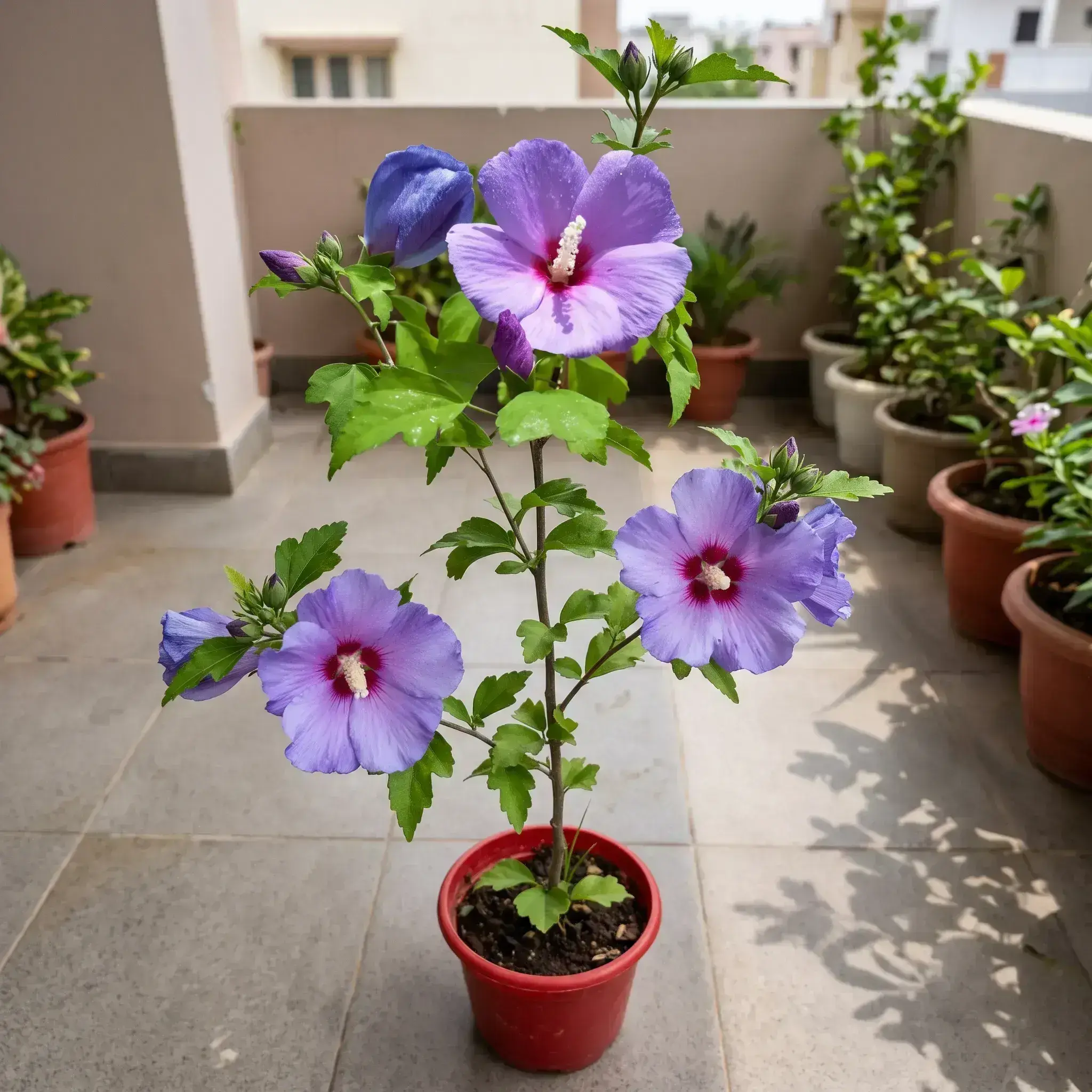
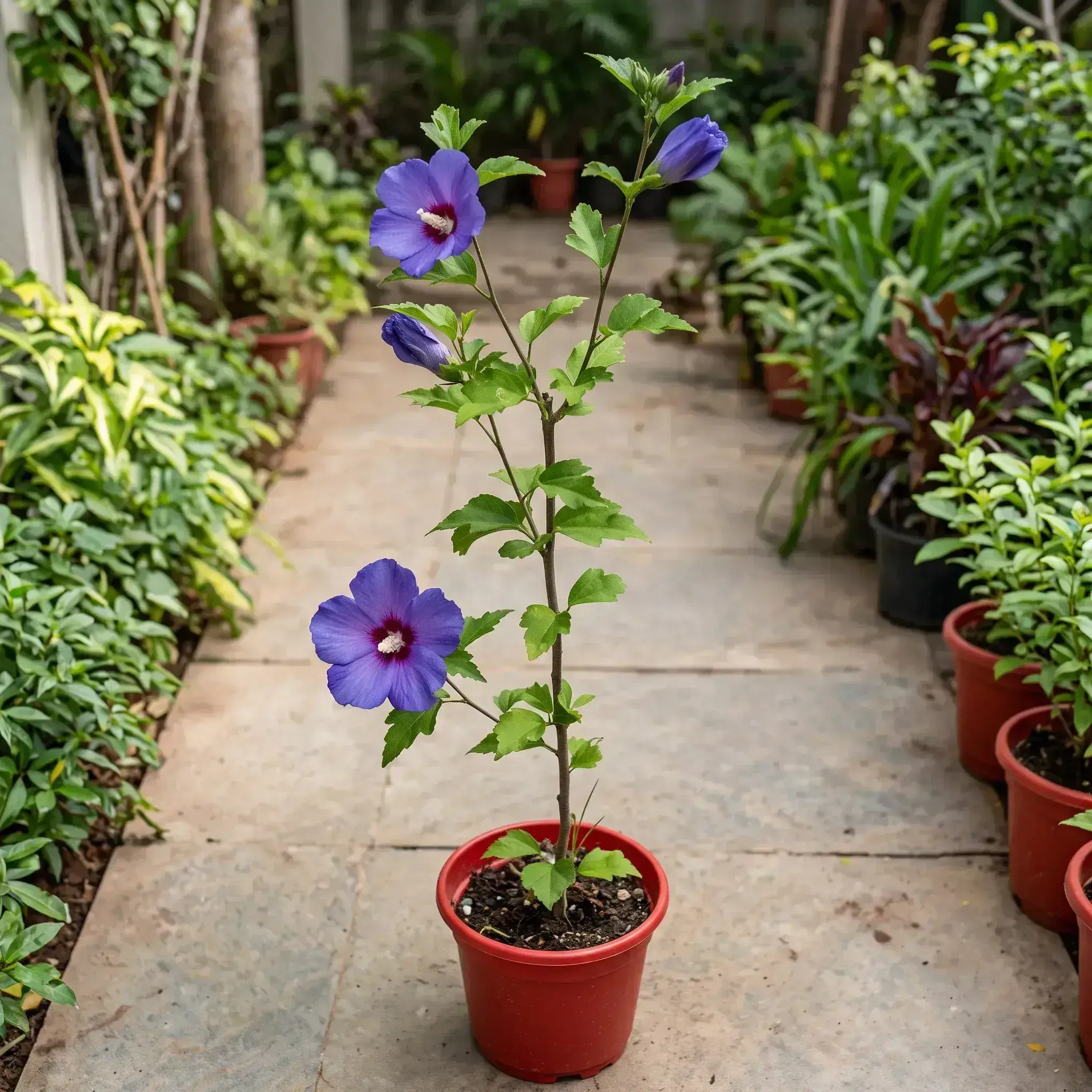
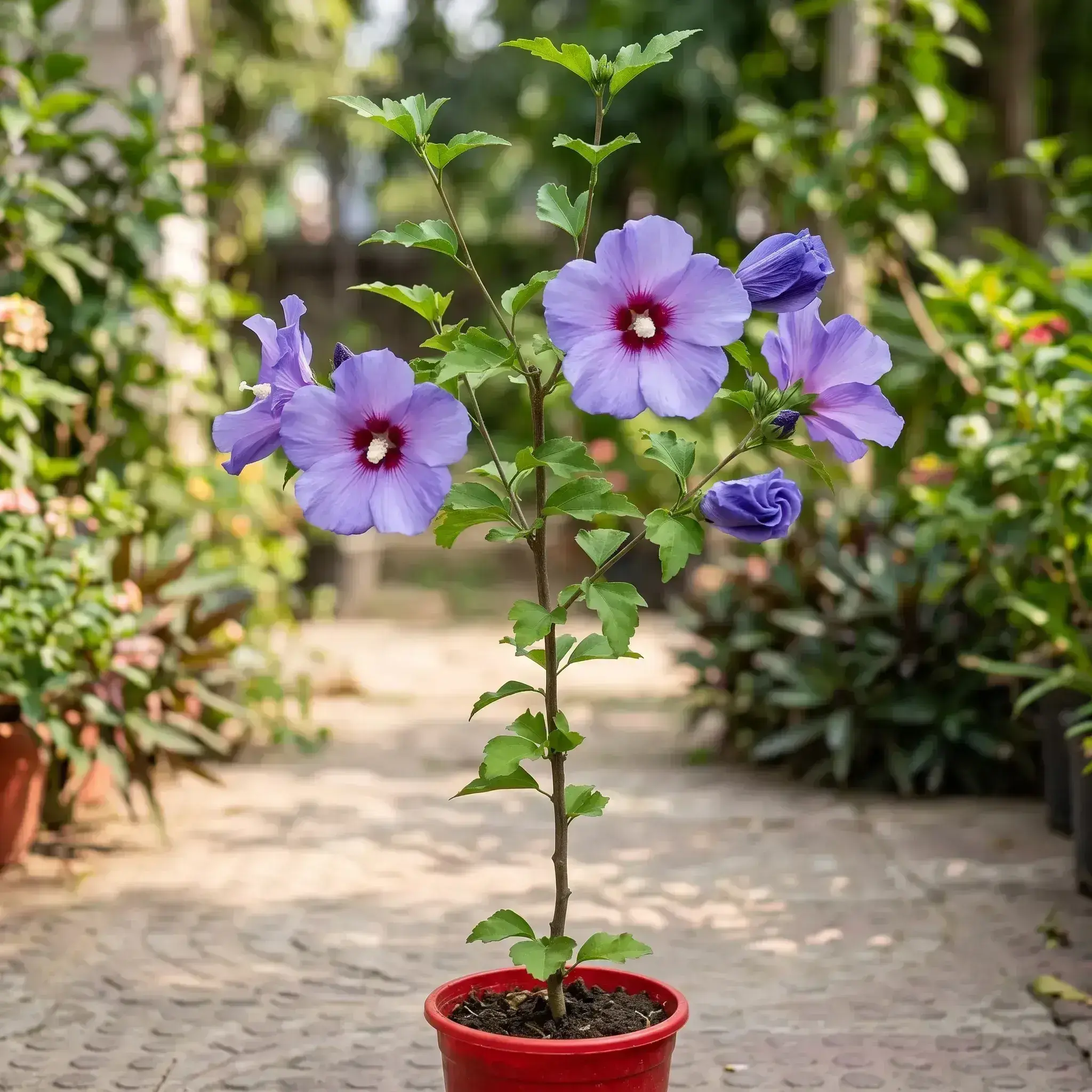
The Hibiscus Flower Plant Also known As Blue Hibiscus Plant (Hibiscus rosa-sinensis) , is a beautiful flowering plant admired for its attractive blue-violet to lavender flowers and fresh green leaves.
Its large, open flowers have a prominent central column and a deep reddish-purple centre. The unusual flower colour makes this plant an eye-catching addition to home gardens, balconies, terraces and outdoor landscapes.
The plant belongs to the Hibiscus rosa-sinensis group, which includes many colourful flowering varieties. It grows well in warm tropical conditions and can produce flowers repeatedly when given suitable sunlight, water and regular care.
Plant Highlights
- Common Name: Blue Hibiscus, Blue Tropical Hibiscus, Chinese Hibiscus
- Scientific Name: Hibiscus rosa-sinensis
- Family: Malvaceae
- Plant Type: Tropical evergreen flowering shrub
- Growth Habit: Upright, bushy and spreading
- Flower Colour: Blue-violet, lavender or purple-toned (depending on the variety and growing conditions)
- Flower Shape: Large, open flowers with a prominent central column
- Foliage Colour: Green
- Leaf Type: Oval-shaped, green leaves with slightly toothed edges
- Growth Rate: Moderate to fast under suitable conditions
- Light Requirement: Full sunlight to partial shade
- Water Requirement: Regular watering
- Origin: Tropical Asian horticultural plant group
- Best Uses: Home gardens, balconies, terraces, decorative pots and outdoor landscaping
About the Blue Hibiscus Plant
The Blue Hibiscus is a tropical flowering plant grown for its attractive flowers and green foliage.
Its botanical name is Hibiscus rosa-sinensis. This species includes many cultivated varieties with different flower colours, shapes and sizes.
The blue-toned flowers of this plant have an attractive lavender or violet appearance with a darker centre. The exact shade can vary with the variety, light conditions and flower age.
It is a good choice for people who enjoy colourful flowering plants and want to add something different to their home garden.
Plant Appearance and Growth
The Blue Hibiscus has green branches and attractive leaves that provide a fresh background for its flowers.
Its flowers are large and showy, with broad petals arranged around a prominent central column. The petals may appear blue-violet, lavender or purple depending on the variety.
The plant usually develops an upright, bushy shape. With regular pruning, it can be maintained as a compact flowering shrub.
Under suitable growing conditions, new branches and flower buds develop during active growth.
Flowering Season
Tropical hibiscus can flower repeatedly in warm conditions when it receives enough sunlight and proper care.
The number of flowers depends on the plant’s age, variety, sunlight, watering, nutrition and seasonal weather.
Individual hibiscus flowers usually last for a short time, often around one day, but healthy plants can produce new flowers regularly.
Tips for better flowering:
- Provide plenty of sunlight.
- Use fertile, well-drained soil.
- Water regularly without waterlogging.
- Feed with a balanced flowering-plant fertilizer.
- Remove dry branches and old flowers.
- Prune lightly to encourage fresh growth.
A young or recently transplanted plant may need time to become established before flowering well.
Sunlight Requirements
The Blue Hibiscus grows best in a sunny location. It can also tolerate partial shade, but too much shade may reduce flowering.
For home gardening in India, choose a place where the plant receives several hours of sunlight daily.
Good places to keep this plant:
- Sunny balcony
- Open terrace garden
- Home garden
- Near a sunny window
- Outdoor decorative pots
- Garden borders
- Bright patio areas
During extremely hot summer afternoons, protect a newly planted or stressed plant from excessive heat. Established plants generally grow well in sunny outdoor locations.
Watering Requirements
The Blue Hibiscus prefers regular watering and soil that retains some moisture without becoming waterlogged.
Watering tips:
- Check the upper layer of soil before watering.
- Water when the surface starts to dry.
- Give enough water to reach the root area.
- Allow excess water to drain from the pot.
- Do not leave the pot standing in collected water.
- Check soil moisture more often during hot summer weather.
- Reduce watering when growth slows in cooler weather.
- During the monsoon, avoid unnecessary watering.
The correct watering frequency depends on the weather, pot size, soil type and growing location.
Soil and Potting Requirements
The Blue Hibiscus grows best in fertile, loose and well-drained soil.
A suitable home potting mix can contain:
- Good-quality garden soil
- Well-rotted compost
- Cocopeat or another suitable growing medium
- Perlite or coarse sand for better drainage
Use a pot with drainage holes at the bottom.
Avoid very compact soil that holds excess water for a long time. Good drainage helps support healthy roots and flowering.
Temperature and Indian Climate
The Blue Hibiscus is a tropical flowering plant and grows well in warm conditions. It is suitable for outdoor gardening in many parts of India.
Summer: Provide regular watering and protect the plant from severe heat stress. A sunny location is important for flowering.
Monsoon: The plant can grow well during warm, rainy weather. Make sure water does not collect around the roots.
Winter: Growth and flowering may slow in cooler conditions. Protect the plant from cold winds and very low temperatures.
Humidity Requirements
The Blue Hibiscus grows well in normal tropical humidity.
Outdoor humidity in many parts of India is generally suitable. Keep the plant in a location with good air movement.
Avoid keeping the plant in a poorly ventilated area where leaves remain wet for long periods.
Fertilizer and Plant Feeding
The Blue Hibiscus benefits from regular feeding during active growth.
Fertilizer tips:
- Add well-rotted compost to the soil.
- Use a balanced flowering-plant fertilizer.
- Follow the recommended dose on the fertilizer package.
- Feed during active growing periods.
- Avoid excessive fertilizer.
- Reduce feeding when growth slows.
Healthy soil, suitable sunlight and balanced feeding help support fresh leaves and flower production.
Pruning and Maintenance
Regular pruning helps maintain a compact shape and encourages new branches.
Maintenance tips:
- Remove dry and damaged branches.
- Trim overcrowded growth.
- Remove old flowers when they fade.
- Cut back weak branches when needed.
- Use clean gardening scissors.
- Prune moderately rather than removing too much growth at once.
Hibiscus generally produces flowers on new growth, so suitable pruning can help encourage flowering branches.
Growing Blue Hibiscus in Pots
The Blue Hibiscus is suitable for container gardening.
Choose a medium or large pot with drainage holes. The container should provide enough space for the roots to develop.
Container-growing tips:
- Use fertile, well-drained potting soil.
- Choose a pot suitable for the plant’s current size.
- Place it where it receives sufficient sunlight.
- Water regularly according to soil moisture.
- Feed during active growth.
- Prune to maintain a manageable shape.
Repot the plant when its roots become crowded or it outgrows its container.
Garden and Balcony Decoration
The Blue Hibiscus is a beautiful choice for adding colour to outdoor spaces.
Its unusual flower shade and green foliage make it suitable for:
- Home gardens
- Balcony gardens
- Terrace gardens
- Decorative outdoor pots
- Garden borders
- Patio areas
- Flowering plant collections
It can be grown as a single decorative plant or combined with other suitable tropical flowering plants.
Common Problems and Their Care
1. Yellow Leaves
Yellow leaves may appear because of overwatering, poor drainage or unsuitable growing conditions. Check the soil and adjust watering.
2. Flower Buds Falling
Bud drop may happen because of irregular watering, sudden changes in growing conditions, excessive heat or overfeeding. Maintain steady care and avoid unnecessary movement of the plant.
3. Fewer Flowers
Insufficient sunlight, unsuitable feeding or excessive pruning can reduce flowering. Provide enough sunlight and balanced nutrition.
4. Drooping Leaves
Drooping may happen when the soil becomes too dry or when the roots are affected by excess water. Check soil moisture before watering.
5. Brown or Dry Leaf Edges
Dry leaf edges may develop because of heat stress, irregular watering or other growing problems. Check the plant’s location and watering routine.
6. Aphids and Mealybugs
These pests may sometimes appear on young shoots and leaves. Inspect the plant regularly and use a suitable garden pest treatment according to its label instructions.
7. Slow Growth
Growth may slow because of insufficient sunlight, poor soil or unsuitable weather. Provide suitable light and fertile, well-drained soil.
Important Plant Identification Note
Blue-toned tropical hibiscus flowers can occur in selected Hibiscus rosa-sinensis hybrids.
The common name Blue Hibiscus is also used for other plants, including Alyogyne huegelii, which is a different species.
This product description is for the tropical hibiscus shown in the photograph, identified as Hibiscus rosa-sinensis. The exact cultivar name has not been confirmed.
Live Plant Delivery and Natural Variation
Plants are living products, so their height, branch count, leaf size, flower size and overall shape may vary naturally.
The plant you receive may look slightly different from the website photograph. This is normal because each plant grows in its own way.
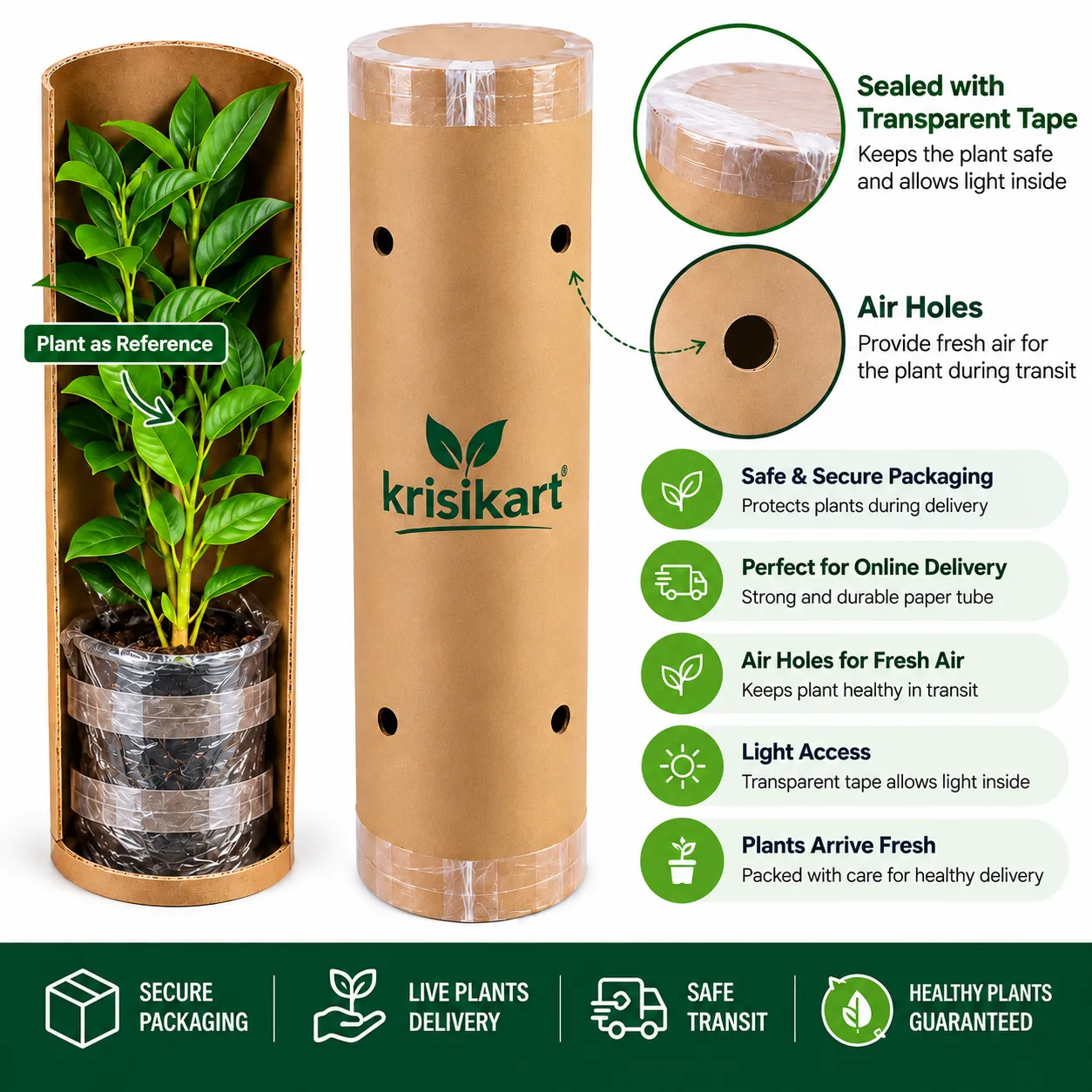
Some leaves or flower buds may become damaged or fall during packing and transportation. The plant may also need time to adjust to its new location.
After receiving your plant:
- Carefully remove the packaging.
- Keep it in a bright location with suitable sunlight.
- Check the soil before watering.
- Avoid sudden exposure to very strong afternoon sunlight.
- Do not apply heavy fertilizer immediately.
- Remove only completely dry or damaged leaves.
- Give the plant time to adjust to its new surroundings.
Why Choose a Blue Hibiscus Plant?
The Blue Hibiscus is a beautiful choice for people who enjoy colourful flowering plants.
- Attractive blue-violet or lavender-toned flowers.
- Beautiful green foliage.
- Suitable for tropical home gardens.
- Can be grown in pots and containers.
- Suitable for balconies and terrace gardens.
- Can flower repeatedly in warm conditions.
- Can be maintained as a compact flowering shrub.
- Adds a different colour to flowering plant collections.
Botanical Information & Further Reading
Explore these trusted resources to learn more about tropical hibiscus:
- North Carolina State Extension – Hibiscus rosa-sinensis – Botanical details, flower characteristics, sunlight, soil and growing conditions.
- Smithsonian Gardens – Care of Hibiscus rosa-sinensis – Practical guidance about watering, sunlight, fertilizer and pruning.
- Royal Horticultural Society – Hibiscus Growing Guide – Growing conditions, flowering, pruning and common problems.
- University of Florida IFAS – Tropical Hibiscus – Plant characteristics, landscape use and growing requirements.
- Clemson University – Hibiscus – Flower colours, sunlight, watering and general care.
- Frontiers in Plant Science – Hibiscus Flower Colour Research – Scientific research about flower colours and hibiscus hybrids.
- Research Article – Development of a Blue-Flowered Hibiscus Hybrid in West Bengal – Research describing a blue-flowered Hibiscus rosa-sinensis hybrid.
Frequently Asked Questions (FAQs)
1. What is a Blue Hibiscus Plant?
The Blue Hibiscus sold here is a tropical flowering hibiscus with blue-violet or lavender-toned flowers. Its botanical name is Hibiscus rosa-sinensis.
2. Is Blue Hibiscus suitable for Indian weather?
Yes. Tropical hibiscus grows well in warm conditions and is suitable for many parts of India.
3. Does Blue Hibiscus need direct sunlight?
It grows best with several hours of sunlight daily. It can tolerate partial shade, but too much shade may reduce flowering.
4. Can I grow Blue Hibiscus in a pot?
Yes. It grows well in medium or large pots with fertile soil and proper drainage.
5. How often should I water Blue Hibiscus?
Water when the upper layer of soil starts to dry. Keep the soil lightly moist but avoid waterlogging.
6. Does Blue Hibiscus flower throughout the year?
It can flower repeatedly in warm tropical conditions. Flowering depends on sunlight, plant maturity, variety and general care.
7. Why are the flowers blue or purple?
The colour depends on the particular hybrid or cultivar and its flower pigments. Blue-toned tropical hibiscus flowers may appear lavender, violet or purple.
8. Does Blue Hibiscus need pruning?
Yes. Light pruning helps maintain its shape and encourages fresh branches that can produce flowers.
9. What soil is best for Blue Hibiscus?
It prefers fertile, well-drained soil with organic matter. Avoid heavy soil that holds too much water.
10. Why is my Hibiscus not flowering?
Insufficient sunlight, irregular watering, poor nutrition or unsuitable growing conditions may reduce flowering. Provide suitable sunlight and balanced care.
11. Can I keep Blue Hibiscus on a balcony?
Yes. A sunny balcony is a good place to grow this plant in a suitable container.
12. Is Blue Hibiscus the same as Alyogyne huegelii?
No. Alyogyne huegelii is a different plant that is also commonly called Blue Hibiscus. The plant described here is Hibiscus rosa-sinensis.
For More Information
Visit: krisikart.com
For Contact Visit:Contact Us
For Shopping Visit: Shop Page


Reviews
There are no reviews yet.