 Plastic Plant pot | Plastic Garden Pot for Plants
 Self Watering Planters | Self Watering Plant Pots For Plants
Cathedral Haworthia Plant – Cathedral Window Haworthia (Haworthia cymbiformis) for Home & Garden
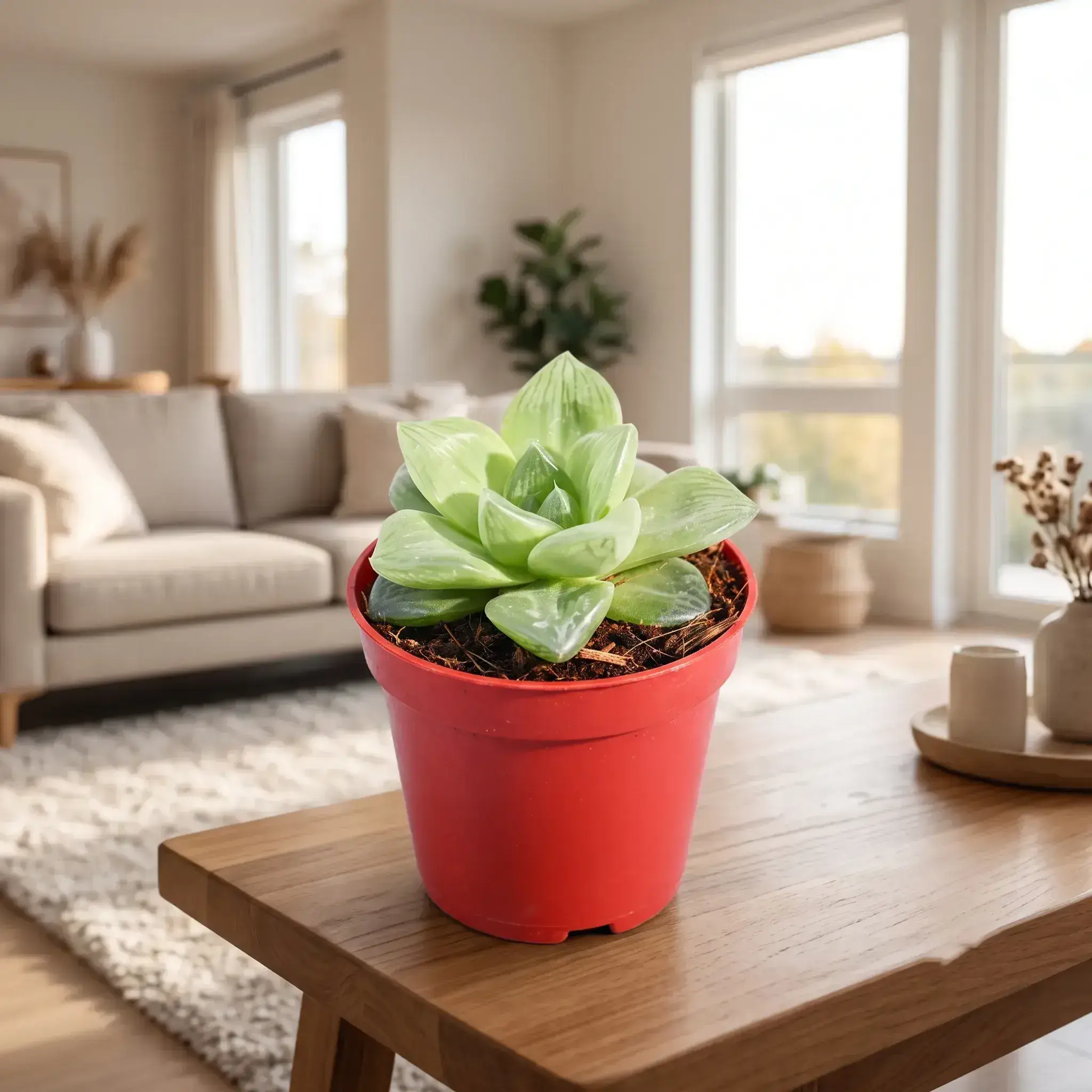
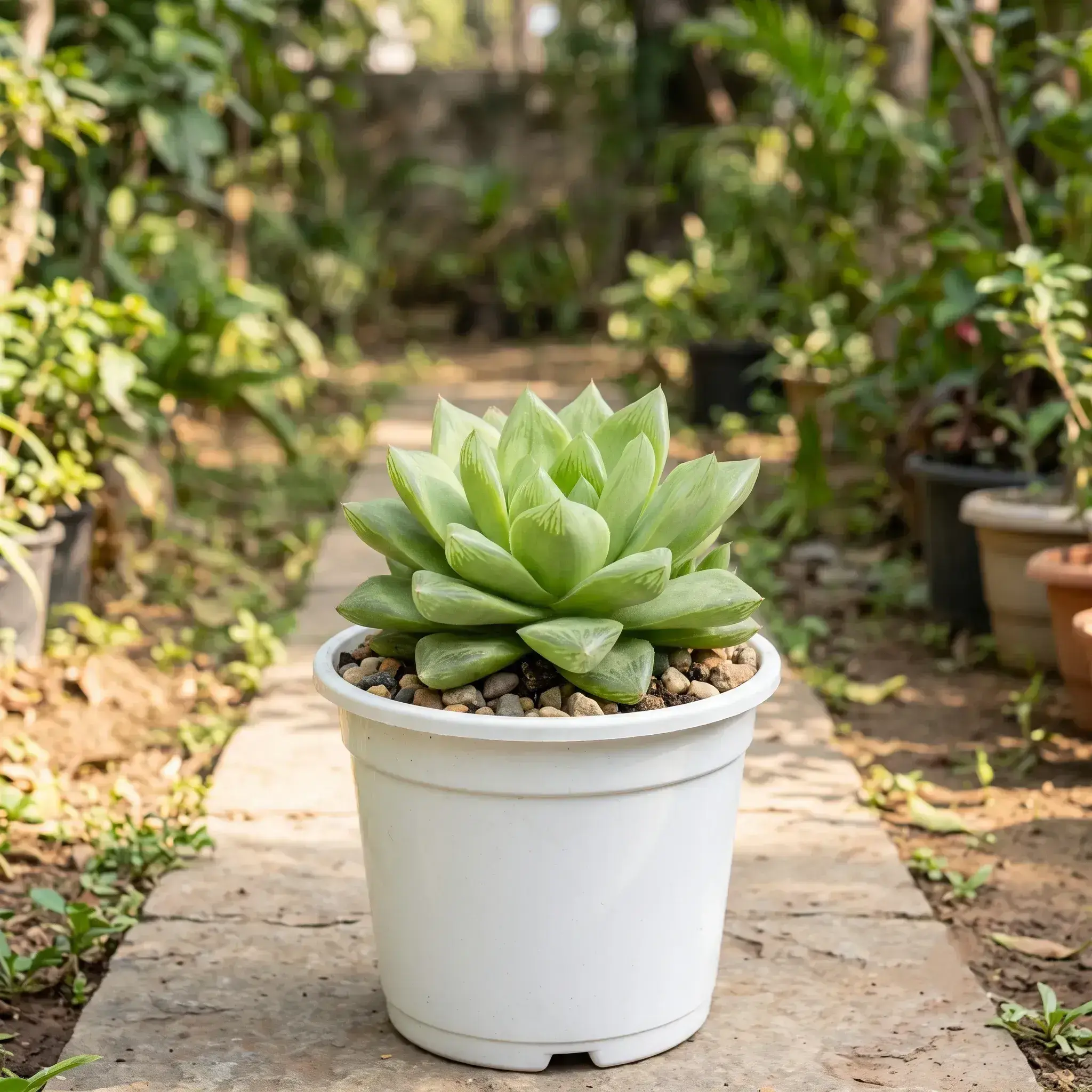
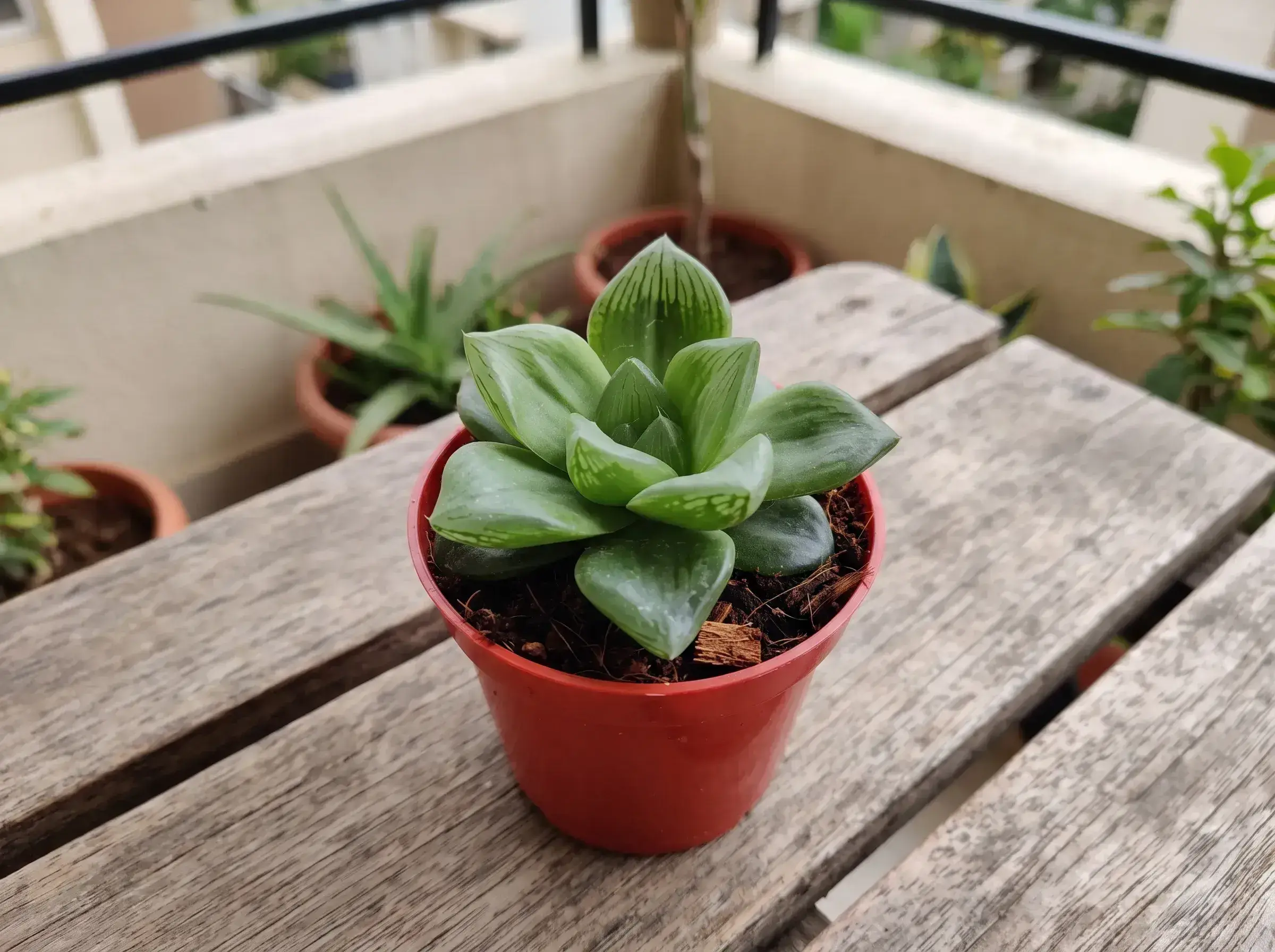
The Cathedral Haworthia, also known as the Cathedral Window Haworthia (haworthia cymbiformis). This attractive miniature succulent is admired for its compact rosette shape, fleshy pale-green leaves and distinctive translucent leaf tips.
The botanical name of this plant is Haworthia cymbiformis. Its unusual window-like leaf tips allow light to enter the fleshy leaves, creating a beautiful natural appearance. Its compact size and attractive foliage make it an excellent choice for windowsills, office desks, balconies, succulent collections and decorative indoor pots.
Unlike many sun-loving desert succulents, Cathedral Haworthia prefers bright filtered light and protection from harsh afternoon sunlight. With suitable light, careful watering and well-draining soil, it can become a rewarding addition to your indoor plant collection.
Plant Highlights
- Common Names: Cathedral Haworthia, Cathedral Window Haworthia, Window Haworthia
- Botanical Name: Haworthia cymbiformis
- Family: Asphodelaceae
- Plant Type: Evergreen succulent perennial
- Origin: South Africa
- Growth Habit: Compact, low-growing rosette
- Leaf Shape: Fleshy, boat-shaped leaves
- Leaf Colour: Pale green to bright green
- Special Feature: Translucent window-like leaf tips
- Light: Bright indirect or filtered sunlight
- Watering: Moderate to low; allow the growing medium to dry between waterings
- Maintenance: Low
- Best Uses: Indoor decoration, windowsills, office desks, succulent gardens and decorative pots
About the Cathedral Window Haworthia
Cathedral Window Haworthia is a small ornamental succulent native to South Africa. It belongs to the Asphodelaceae family and is popular among succulent collectors because of its unusual leaf structure.
The plant grows in compact rosettes made up of thick, fleshy leaves. The tips of the leaves are often translucent, giving them a window-like appearance. This special feature helps light reach internal leaf tissues.
Its naturally compact growth makes it suitable for small pots, tabletop displays and indoor succulent arrangements.
Appearance and Growth
The Cathedral Haworthia has a distinctive appearance that makes it different from many common succulents.
- Compact rosette-shaped growth
- Thick, soft and fleshy leaves
- Pale green to bright green foliage
- Boat-shaped leaves with curved surfaces
- Translucent leaf tips
- Darker green markings or lines on some leaves
- Small offsets developing around the main plant
As the plant matures, it may produce additional rosettes around the base, gradually forming a small cluster.
Sunlight Requirements
Cathedral Haworthia prefers bright indirect light or gentle filtered sunlight.
- Place it near a bright window.
- Provide filtered natural light throughout the day.
- Gentle morning sunlight may be suitable.
- Protect it from intense afternoon sunlight.
- Avoid keeping it in a completely dark location.
Too much direct sunlight can cause reddish or brown leaf discolouration and scorching. Insufficient light may lead to stretched growth and a less compact shape.
Watering Requirements
Cathedral Haworthia stores water in its fleshy leaves, so it does not need frequent watering.
- Allow the growing medium to dry between waterings.
- Water thoroughly when the soil has dried.
- Allow excess water to drain completely.
- Avoid leaving water collected around the base of the rosette.
- Reduce watering during cooler or slower-growth periods.
Do not follow a fixed daily watering schedule. Always check the soil moisture before watering.
Soil and Potting Requirements
A loose, airy and well-draining growing medium is ideal for Cathedral Haworthia.
A suitable potting mixture can contain:
- 40% pumice or perlite
- 25% coarse sand or horticultural grit
- 20% suitable succulent potting mix
- 15% mature compost or leaf mould
Use a pot with drainage holes. Avoid heavy garden soil that remains wet for long periods.
A shallow container can be suitable because the plant has a compact rosette growth habit, provided there is enough space for its roots and offsets.
Growing Cathedral Haworthia in the Indian Climate
Cathedral Haworthia can be grown in many Indian homes and balconies when protected from harsh sunlight and excessive moisture.
Summer: Keep the plant in bright filtered light. Protect it from strong afternoon sunlight and water only when the growing medium has dried.
Monsoon: Keep it protected from continuous rainfall. Good drainage and airflow are particularly important during humid weather.
Winter: Reduce watering when growth slows. Maintain a bright location and protect the plant from unusually cold conditions.
In humid regions such as West Bengal, a covered balcony or bright indoor windowsill is often more suitable than an exposed location receiving continuous monsoon rain.
Humidity and Temperature
Cathedral Haworthia generally adapts well to ordinary household humidity.
- Normal indoor humidity is usually suitable.
- Good air circulation helps maintain healthy foliage.
- Avoid frequent misting.
- Do not keep the plant in a permanently damp location.
- Protect it from frost and extreme temperature changes.
Fertilizer Requirements
Cathedral Haworthia does not require heavy feeding.
- Use a diluted succulent fertilizer during active growth.
- Feed occasionally during the growing season.
- Follow the manufacturer’s recommended dosage.
- Avoid excessive nitrogen fertilizer.
- Do not fertilize a recently repotted or stressed plant.
Moderate feeding is sufficient for healthy leaf and root development.
Growing Cathedral Haworthia in Pots
This plant is especially suitable for small decorative containers.
- Choose a pot with drainage holes.
- Use a gritty succulent growing medium.
- Avoid excessively large containers.
- Place the pot in bright filtered light.
- Allow the growing medium to dry between waterings.
- Repot when the plant becomes crowded or develops many offsets.
Its compact shape makes it attractive in ceramic pots, terracotta containers and small succulent arrangements.
Pruning and Maintenance
Cathedral Haworthia requires very little pruning.
- Remove dried or damaged leaves carefully.
- Remove dead plant material around the base.
- Keep the leaves free from dust.
- Use clean tools when separating offsets.
- Avoid damaging the growing centre of the rosette.
Healthy leaves should generally be left undisturbed.
Propagation
Cathedral Haworthia can be propagated through offsets produced around the main plant. Seed propagation is also possible.
Propagation by Offsets:
- Carefully remove the plant from its pot.
- Identify a healthy offset with its own roots, if available.
- Separate it carefully from the mother plant.
- Allow any damaged cut surface to dry.
- Plant the offset in a well-draining succulent mixture.
- Keep it in bright indirect light while it establishes.
- Water carefully and avoid excessive moisture.
Propagation through offsets is generally the easiest method for home gardeners.
Flowering Details
Mature Cathedral Haworthia plants can produce a slender flower stalk carrying small, tubular white or pale flowers.
The flowers are delicate and usually appear above the compact rosette. Flowering depends on plant maturity and growing conditions and is not guaranteed.
Common Problems and Care
Yellow or Soft Leaves: Often associated with overwatering or poor drainage. Check the growing medium and roots.
Brown or Reddish Leaves: Can result from excessive direct sunlight or environmental stress. Move the plant to filtered light.
Wrinkled Leaves: May indicate prolonged dryness or root damage. Check soil moisture before watering.
Stretched Growth: Often caused by insufficient natural light. Move the plant to a brighter location gradually.
Root Rot: Usually develops when the growing medium remains wet for too long. Improve drainage and remove damaged roots if necessary.
Pest Problems: Inspect the plant for mealybugs, particularly around the leaf bases and roots.
Is Cathedral Haworthia Suitable for Indoor Decoration?
Yes. Its compact size and unusual translucent leaf tips make it an attractive indoor succulent.
It can be placed in:
- Bright windowsills
- Living rooms
- Office desks
- Study tables
- Shelves
- Covered balconies
- Decorative succulent arrangements
Choose a bright location with filtered sunlight rather than a completely dark indoor corner.
Safety Information
Cathedral Haworthia is generally grown as an ornamental succulent and is not intended for consumption. Keep ornamental plants away from small children and pets who may chew or damage them.
Live Plant Delivery Information
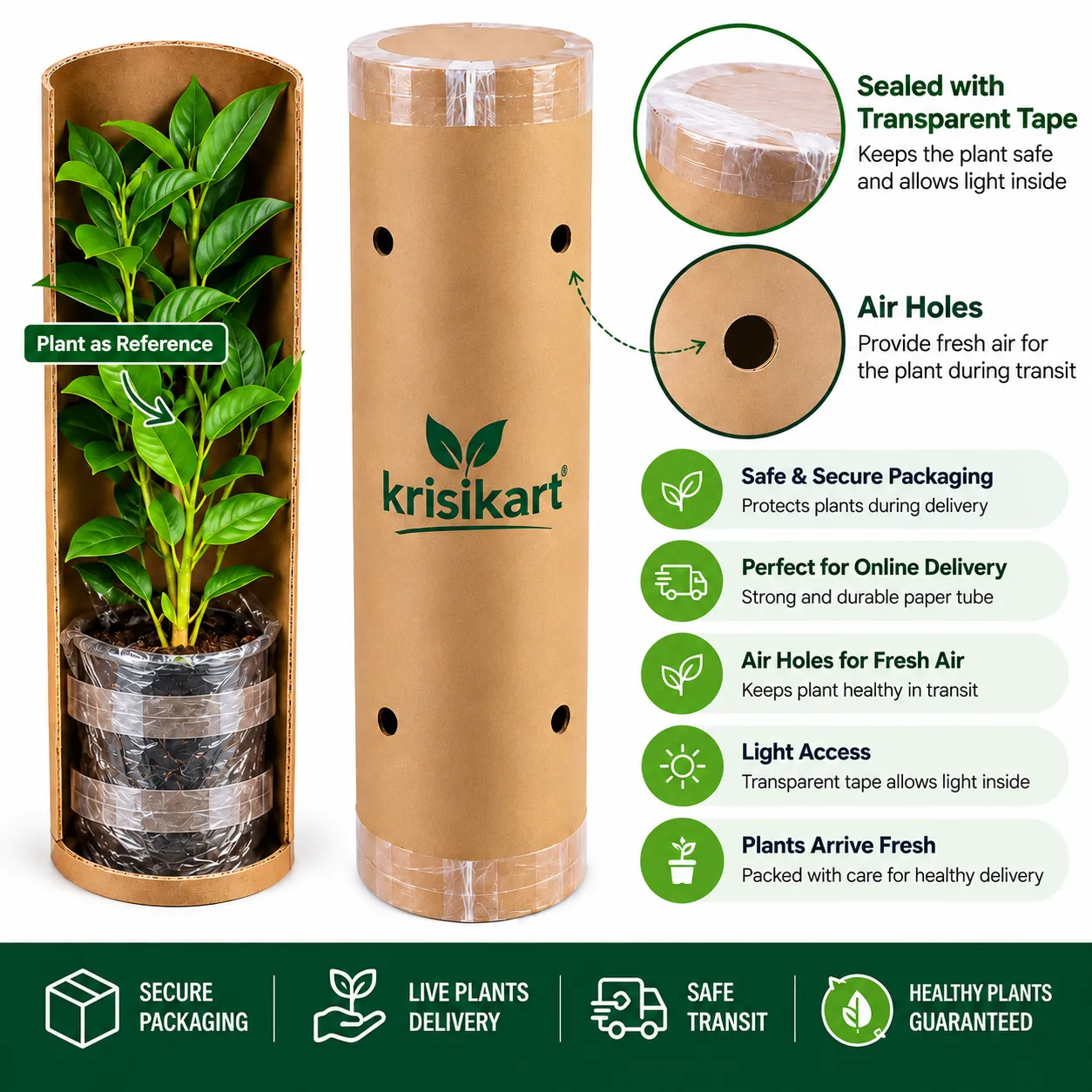
- The delivered plant may naturally vary in size, rosette shape and leaf count.
- Leaf colour and transparency may vary with growing conditions.
- Small offsets may or may not be present.
- Minor changes in appearance can occur during transportation.
- Place the plant in bright filtered light after arrival.
- Check soil moisture before watering.
- Avoid immediate strong sunlight, heavy fertilizer or unnecessary repotting.
Why Choose the Cathedral Window Haworthia?
Cathedral Window Haworthia is an excellent choice for anyone who enjoys small, unusual and easy-care succulents. Its compact rosette, fleshy green leaves and naturally translucent tips give it a distinctive appearance that makes it stand out in indoor plant collections.
With suitable filtered light, careful watering and well-draining soil, this attractive succulent can remain a beautiful part of your home or office garden.
Botanical Information & Further Reading
- Kew Science – Haworthia cymbiformis
- Royal Horticultural Society – Haworthia cymbiformis
- South African National Biodiversity Institute – Haworthia cymbiformis
- North Carolina State Extension – Haworthia Plant Guide
- South African National Biodiversity Institute – Haworthia Genus
- Kew Science – Haworthia cymbiformis var. cymbiformis
Frequently Asked Questions
1. What is the botanical name of Cathedral Window Haworthia?
The botanical name is Haworthia cymbiformis. It belongs to the Asphodelaceae family.
2. Why is it called Cathedral Window Haworthia?
Its fleshy leaves have translucent tips that resemble small windows, giving the plant its popular common name.
3. Is Cathedral Haworthia a cactus?
No. It is a succulent plant belonging to the Asphodelaceae family, not the cactus family.
4. Can I grow Cathedral Haworthia indoors?
Yes. It grows well indoors near a bright window or in another location with sufficient filtered natural light.
5. Does Cathedral Haworthia need direct sunlight?
It prefers bright indirect light or filtered sunlight. Protect it from intense afternoon sunlight.
6. How often should I water Cathedral Haworthia?
Water when the growing medium has dried between waterings. Avoid keeping the soil continuously moist.
7. Can Cathedral Haworthia grow in a small pot?
Yes. Its compact rosette makes it suitable for small decorative containers with proper drainage.
8. Is Cathedral Haworthia suitable for Indian weather?
Yes. It can grow in many Indian homes and balconies, but protection from heavy monsoon rain and harsh afternoon sunlight is important.
9. Why are my Haworthia leaves turning brown?
Excessive sunlight, heat stress or watering problems may cause brown leaf areas. Check the plant’s light and moisture conditions.
10. Can Cathedral Haworthia produce flowers?
Yes. Mature plants can produce small white or pale tubular flowers on a slender flower stalk.
11. How can I propagate Cathedral Haworthia?
The easiest method is to separate healthy offsets growing around the mother plant.
12. Is Cathedral Window Haworthia easy to maintain?
Yes. It is generally easy to maintain when provided with bright filtered light, well-draining soil and careful watering.
For More Information
Visit: krisikart.com
For Contact Visit:Contact Us
For Shopping Visit: Shop Page


Reviews
There are no reviews yet.